

Disclaimer: The information in this article is for educational purposes only and is not a substitute for professional medical advice. Always consult a healthcare provider before starting any weight loss program.
This post may contain affiliate links. If you purchase through our links, we may earn a small commission at no extra cost to you.
Starting a weight loss journey can feel overwhelming, especially when you’re bombarded with conflicting advice from every direction. The good news? Weight loss for beginners doesn’t have to be complicated. In this guide, we’ll break down the most effective, science-backed weight loss tips that actually work — no crash diets or extreme measures required.
Understanding the Basics of Healthy Weight Loss
Before diving into specific tips, it’s important to understand one fundamental principle: sustainable weight loss is about creating a calorie deficit while preserving muscle mass and overall health.
A calorie deficit means you’re consuming fewer calories than your body burns. When done correctly — typically a deficit of 500–750 calories per day — this leads to a weight loss of approximately 0.5–1.5 pounds per week, which is considered a healthy and sustainable rate.
Crash diets promising rapid weight loss may deliver short-term results, but they often lead to muscle loss, nutrient deficiencies, and the dreaded “yo-yo” weight regain. Our goal at GetLeanPulse is to help you lose weight in a way that lasts.
Top Weight Loss Tips for Beginners
1. Calculate Your Daily Calorie Needs
The first step in any successful weight loss plan is understanding how many calories your body needs to maintain its current weight — known as your Total Daily Energy Expenditure (TDEE). From there, you can create a moderate deficit.
Here’s a simple way to estimate your TDEE:
- Sedentary (little to no exercise): Body weight in lbs × 14
- Lightly active (1–3 days/week): Body weight in lbs × 16
- Moderately active (3–5 days/week): Body weight in lbs × 18
- Very active (6–7 days/week): Body weight in lbs × 20
Subtract 500 calories from your TDEE to create a moderate deficit that yields about 1 pound of weight loss per week.
2. Prioritize Protein at Every Meal
Protein is the most important macronutrient for weight loss. Here’s why:
- It keeps you feeling full longer (reduces hunger hormones like ghrelin)
- It has the highest thermic effect of food (your body burns more calories digesting it)
- It preserves lean muscle mass during weight loss
- It reduces cravings and late-night snacking
Goal: Aim for 0.7–1 gram of protein per pound of body weight per day. Good sources include chicken breast, eggs, Greek yogurt, cottage cheese, fish, tofu, and legumes.
3. Focus on Whole, Minimally Processed Foods
One of the most effective weight loss tips for beginners is simply to eat more whole foods and fewer processed ones. Whole foods are naturally lower in calories, higher in nutrients, and more filling than their processed counterparts.
Fill your plate with:
- Vegetables: Leafy greens, broccoli, cauliflower, peppers, zucchini
- Fruits: Berries, apples, oranges, pears
- Lean proteins: Chicken, turkey, fish, eggs, legumes
- Complex carbs: Oats, sweet potatoes, brown rice, quinoa
- Healthy fats: Avocado, olive oil, nuts, seeds
4. Drink More Water — Seriously
Hydration is often underestimated in weight loss. Studies show that drinking water before meals can reduce calorie intake by 13–17%. Additionally, many people mistake thirst for hunger, leading to unnecessary snacking.
Practical tips:
- Drink 16–20 oz of water first thing in the morning
- Have a glass of water 30 minutes before each meal
- Carry a reusable water bottle throughout the day
- Aim for half your body weight in ounces of water daily (e.g., 150 lbs = 75 oz)
5. Start with Walking — Don’t Overcomplicate Exercise
Many beginners make the mistake of jumping into intense workout programs that they can’t sustain. The best exercise for weight loss is the one you’ll actually do consistently.
Walking is one of the most underrated weight loss tools available:
- A 30-minute brisk walk burns 150–200 calories
- It reduces stress hormones (which contribute to belly fat)
- It’s low-impact and easy to maintain long-term
- It improves mood, energy, and sleep quality
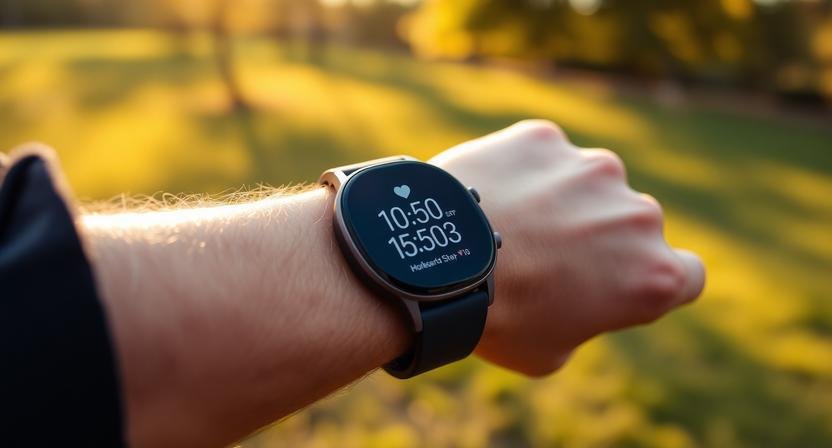
Start here: Aim for 7,000–10,000 steps per day. Use a fitness tracker or your phone to monitor your daily step count.
6. Add Strength Training 2–3 Times Per Week
Once you’re comfortable with daily walking, add strength training to your routine. Building muscle increases your resting metabolic rate, meaning you burn more calories even at rest.
You don’t need a gym. Simple bodyweight exercises for beginners include:
- Squats and lunges (lower body)
- Push-ups (upper body)
- Plank variations (core)
- Glute bridges (hips and lower back)
Aim for 2–3 sets of 10–15 reps per exercise, 2–3 days per week.
7. Improve Your Sleep Quality
Poor sleep is one of the biggest hidden obstacles to weight loss. When you’re sleep-deprived:
- Hunger hormones (ghrelin) increase
- Fullness hormones (leptin) decrease
- Cravings for high-calorie foods intensify
- Willpower and decision-making are impaired
Target 7–9 hours of quality sleep per night. To improve sleep, avoid screens 1 hour before bed, keep your room cool and dark, and maintain a consistent sleep schedule — even on weekends.
8. Manage Stress Effectively
Chronic stress elevates cortisol levels, which promotes fat storage (especially around the belly) and increases cravings for calorie-dense comfort foods. For beginners, addressing stress is just as important as diet and exercise.
Simple stress management strategies:
- 10-minute daily meditation or deep breathing
- Journaling for 5 minutes each morning
- Regular outdoor walks in nature
- Limiting news and social media consumption
- Connecting with friends and family regularly
9. Track Your Food Intake (At Least Initially)
Research consistently shows that people who track their food intake lose more weight than those who don’t. This doesn’t mean you need to count calories forever, but tracking for even a few weeks builds enormous awareness about your eating habits.
Recommended apps: MyFitnessPal, Cronometer, or Lose It!
When tracking, pay particular attention to:
- Portion sizes (most people underestimate these significantly)
- Liquid calories (sodas, juices, alcohol, specialty coffees)
- Condiments and cooking oils
- Snacks eaten mindlessly while watching TV
10. Be Patient and Think Long-Term
This may be the most important weight loss tip of all. Healthy weight loss is not a sprint — it’s a marathon. Expecting dramatic results in the first few weeks is a recipe for frustration and giving up.
Realistic expectations for beginners:
- Weeks 1–2: You may lose 2–5 lbs quickly (mostly water weight)
- Weeks 3–8: Loss slows to 0.5–1.5 lbs per week — this is real fat loss
- Weeks 8+: Progress may plateau — this is normal and requires small adjustments
Focus on building habits, not just chasing the number on the scale. Track non-scale victories: more energy, better sleep, improved mood, clothes fitting better, and increased strength.
Common Beginner Mistakes to Avoid
Cutting Calories Too Aggressively
Eating less than 1,200 calories per day (for women) or 1,500 calories per day (for men) can lead to muscle loss, metabolic slowdown, nutrient deficiencies, and burnout. A moderate deficit is always more sustainable than a severe one.
Skipping Meals
Skipping meals often leads to intense hunger later in the day, making it much harder to make healthy choices. Instead, focus on eating regular, balanced meals that include protein, fiber, and healthy fats to maintain stable blood sugar levels.
Relying on Exercise Alone
Exercise is crucial for health, but you can’t out-exercise a poor diet. Research shows that diet accounts for approximately 80% of weight loss results, while exercise accounts for the remaining 20%. Prioritize your nutrition first.
Comparing Your Journey to Others
Everyone’s body responds differently to diet and exercise. Factors like genetics, hormones, age, and starting weight all affect the pace of weight loss. Focus on your own progress and avoid comparing yourself to others — especially on social media.
A Simple Beginner Meal Plan Framework
Here’s a simple framework for structuring your meals to support healthy weight loss:
Breakfast
2 eggs + 1 cup Greek yogurt + ½ cup berries + black coffee or tea (approximately 400 calories, 35g protein)
Lunch
4 oz grilled chicken breast + 2 cups mixed greens + vegetables + 1 tbsp olive oil dressing (approximately 350 calories, 35g protein)
Dinner
5 oz salmon + 1 cup roasted broccoli + ½ cup brown rice (approximately 450 calories, 40g protein)
Snack (if needed)
1 oz almonds + 1 medium apple (approximately 200 calories, 6g protein)
Daily total: ~1,400 calories, ~116g protein — adjust portions based on your individual TDEE and calorie target.
When to Seek Professional Help
While these tips are effective for most beginners, some people may benefit from professional guidance. Consider working with a registered dietitian or physician if:
- You have underlying health conditions (diabetes, thyroid disorders, heart disease)
- You’re taking medications that affect weight
- You’ve struggled with disordered eating in the past
- You’ve tried multiple approaches without success
- You’re pregnant or breastfeeding
Your Next Step: Start Small and Stay Consistent
The most effective weight loss plan is the one you can actually stick to. Instead of overhauling everything at once, pick 2–3 of the tips from this guide and implement them this week. Once they feel natural — usually after 2–3 weeks — add another strategy.
Remember: consistency over perfection always wins. A 70% consistent approach maintained for months will always outperform a 100% perfect approach that lasts two weeks.
At GetLeanPulse, we’re here to support you every step of the way. Browse our blog for more tips on nutrition, fitness, and wellness — and don’t hesitate to share this guide with someone who’s just getting started on their weight loss journey.
Have questions or want personalized guidance? Leave a comment below!



I admire how this blog promotes kindness and compassion towards ourselves and others We could all use a little more of that in our lives
Your writing is so inspiring and motivating I always leave your blog feeling more determined and resilient