Low Carb Snacks for Weight Loss: Your Ultimate Guide
In the world of weight loss, snacking often gets a bad rap. Visions of sugary treats, greasy chips, and calorie-dense indulgence dance in our heads, making us believe that to lose weight, we must banish snacks altogether. But what if we told you that strategic snacking, especially with low-carb options, could actually be a powerful ally in your fat loss journey?
At GetLeanPulse.com, we understand the challenges of sustainable weight loss. Cravings strike, hunger pangs emerge between meals, and the temptation to derail your diet can be overwhelming. This is where the magic of low-carb snacks comes in. Far from being a diet killer, the right low-carb snacks can be your secret weapon, keeping you satiated, energized, and on track towards your weight loss goals.
This comprehensive guide will dive deep into the world of low-carb snacking for weight loss. We’ll explore the science behind why these snacks are so effective, reveal a treasure trove of delicious and easy-to-prepare options, and equip you with the knowledge to make smart choices whether you’re at home or on the go. Get ready to transform your snacking habits and accelerate your journey to a leaner, healthier you.
Why Low-Carb Snacking is a Game-Changer for Weight Loss
Understanding the “why” behind low-carb snacking is crucial for sustained success. It’s not just about cutting carbs; it’s about leveraging your body’s natural metabolic processes to your advantage. Here’s how low-carb snacks contribute significantly to weight loss:
The Science of Satiety: Staying Full, Longer
One of the primary reasons people struggle with weight loss is constant hunger and cravings. Traditional high-carb snacks, especially those high in refined sugars, provide a quick burst of energy followed by a rapid crash. This rollercoaster of blood sugar leaves you feeling hungry again shortly after eating, perpetuating a cycle of overeating.
Low-carb snacks, on the other hand, are typically rich in protein and healthy fats. Protein is renowned for its satiating effect; it signals hormones that promote fullness and reduces ghrelin, the hunger hormone. Healthy fats, while calorie-dense, also contribute significantly to satiety by slowing down digestion and providing a steady source of energy. When you feel fuller for longer, you’re less likely to reach for unhealthy options or overeat at your next meal, naturally leading to a reduction in overall calorie intake.
Blood Sugar Regulation: Stabilizing Energy and Mood
High-carb foods cause a rapid rise in blood glucose, prompting your pancreas to release insulin. Insulin’s job is to shuttle glucose into your cells for energy or storage (as fat). When blood sugar spikes frequently, your body becomes less sensitive to insulin over time, leading to insulin resistance, a common precursor to weight gain and type 2 diabetes.
Low-carb snacks minimize this blood sugar surge. By keeping blood glucose levels stable, you avoid the subsequent insulin spike and the energy crash that often follows. This stability not only helps prevent fat storage but also eliminates the “hangry” feeling, improves mood, and provides consistent energy throughout your day, making it easier to stick to your dietary goals.
Promoting Fat Burning and Metabolic Flexibility
When you reduce your carbohydrate intake, especially to levels found in ketogenic diets, your body shifts its primary fuel source from glucose to fat. This metabolic state, known as ketosis, means your body becomes incredibly efficient at burning its own fat stores for energy. Even if you’re not strictly ketogenic, a lower-carb approach encourages your body to become more metabolically flexible, meaning it can switch between burning carbs and fat more readily.
Low-carb snacks, by providing minimal glucose, support this fat-burning process. They don’t flood your system with carbs that would otherwise be used for immediate energy, thus allowing your body to tap into stored fat. This is a powerful advantage for anyone looking to lose weight and improve body composition.
Reducing Calorie Intake (Indirectly)
While low-carb snacks aren’t inherently low in calories (fats and proteins can be calorie-dense), their profound impact on satiety often leads to an overall reduction in daily calorie consumption. When you’re truly satisfied after a snack, you’re less likely to graze mindlessly or indulge in larger portions at meals. This indirect calorie control is a sustainable and enjoyable way to create the calorie deficit necessary for weight loss without feeling deprived.
Nutrient Density: Fueling Your Body with Goodness
Many low-carb snacks are naturally nutrient-dense. Think about eggs, nuts, seeds, lean meats, and non-starchy vegetables. These foods are packed with essential vitamins, minerals, fiber, and antioxidants that support overall health, boost metabolism, and aid in various bodily functions. Opting for nutrient-rich low-carb snacks means you’re not just filling up; you’re nourishing your body effectively.
The Pillars of Effective Low-Carb Snacking
To truly master low-carb snacking for weight loss, it’s important to understand the components that make these snacks so effective. These are the nutritional building blocks you should prioritize:
1. Protein: The Satiety Superstar
Protein is paramount. It’s essential for building and repairing tissues, but its role in weight loss is primarily driven by its unparalleled ability to induce satiety. Protein requires more energy to digest and metabolize (a phenomenon called the thermic effect of food) compared to carbs or fats, further contributing to calorie expenditure. Aim for high-quality protein sources in your snacks to keep hunger at bay and support muscle mass, which is crucial for a healthy metabolism.
2. Healthy Fats: Sustained Energy and Flavor
Don’t fear fat, especially healthy fats! Dietary fats are vital for hormone production, nutrient absorption, and providing a long-lasting source of energy. They slow down gastric emptying, keeping you full and satisfied. Focus on monounsaturated and polyunsaturated fats, as well as saturated fats from natural, whole food sources in moderation. These fats add incredible flavor and texture to your snacks, making your low-carb journey much more enjoyable.
3. Fiber (from Non-Starchy Vegetables): Digestive Health and Fullness
While the focus is on low net carbs (total carbs minus fiber), fiber itself is a carbohydrate your body can’t digest. It passes through your system, aiding digestion, promoting gut health, and adding bulk to your food without adding calories. Non-starchy vegetables are excellent sources of fiber and a fantastic way to add volume, nutrients, and crunch to your low-carb snacks without significantly impacting your carb count.
4. Minimal Sugars and Refined Carbs: The Enemies of Weight Loss
This goes without saying, but it’s worth reiterating. The goal of low-carb snacking is to minimize sugars (both added and natural, where appropriate) and refined carbohydrates. These are the culprits behind blood sugar spikes, insulin surges, and ultimately, fat storage. Always check labels for hidden sugars and avoid snacks made with white flour, corn syrup, maltodextrin, and other highly processed carb ingredients.
Top Low-Carb Snack Categories & Ideas for Weight Loss
Now for the exciting part! Here’s an extensive list of delicious, easy-to-prepare, and readily available low-carb snack options, categorized for your convenience. Remember to always consider portion sizes, even with healthy snacks, as calories can still add up.
Dairy & Eggs: Protein Powerhouses
These options are fantastic for their high protein content and versatility.
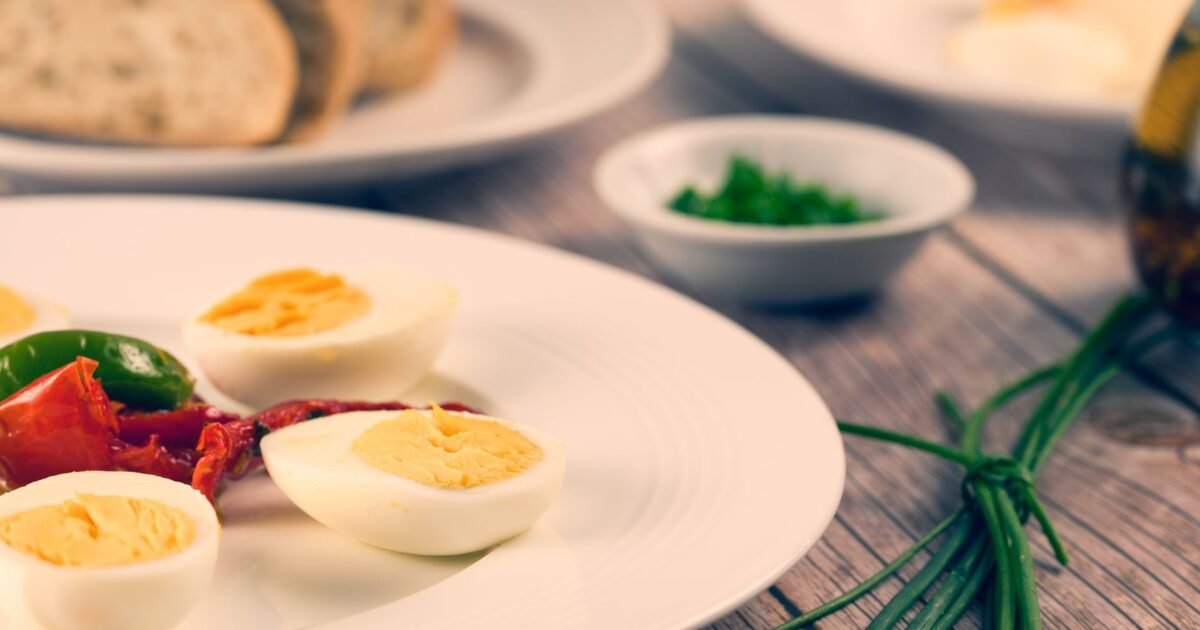
- Hard-Boiled Eggs: The ultimate grab-and-go snack. Packed with protein, vitamins, and healthy fats. Prepare a batch at the beginning of the week for easy access. (0.6g net carbs per large egg)
- Deviled Eggs: Elevate your hard-boiled eggs by mashing the yolks with mayo (ensure it’s sugar-free, avocado oil mayo is great!), a touch of mustard, and a sprinkle of paprika.
- Plain Full-Fat Greek Yogurt: Opt for full-fat and unsweetened. It’s rich in protein and probiotics. Pair with a few berries (strawberries, raspberries are lowest in carbs) or a sprinkle of chopped nuts for added crunch and healthy fats. (Approx. 6-8g net carbs per 100g, check label)
- Cottage Cheese (Full-Fat): Similar to Greek yogurt, full-fat cottage cheese is a protein powerhouse. Enjoy it plain or with a few cherry tomatoes and a dash of black pepper. (Approx. 3-5g net carbs per 100g)
- Cheese Sticks/Cubes/Slices: Convenient, satisfying, and rich in protein and fat. Mozzarella, cheddar, provolone, and Colby jack are excellent choices. Pair with a few olives or a slice of deli meat. (Approx. 0-1g net carb per serving)
- String Cheese: The quintessential easy snack.
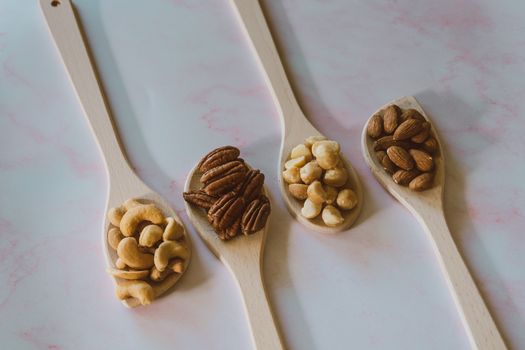
Nuts & Seeds: Healthy Fats and Fiber
While calorie-dense, nuts and seeds offer an excellent blend of healthy fats, protein, and fiber. Portion control is key here.
- Almonds: A classic for a reason. Great source of Vitamin E and magnesium. (Approx. 3g net carbs per 1/4 cup)
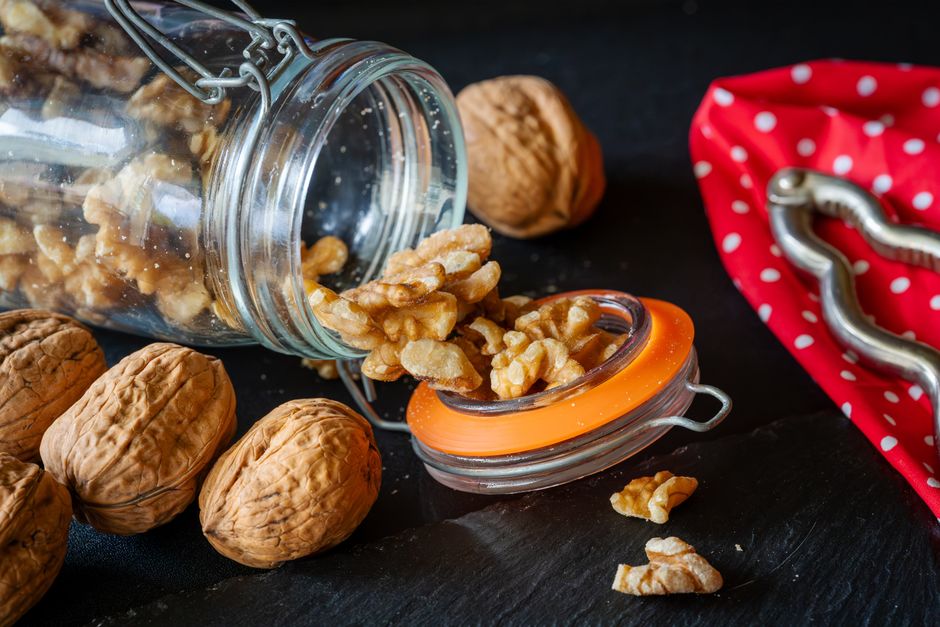
- Walnuts: Rich in omega-3 fatty acids, excellent for brain health. (Approx. 2g net carbs per 1/4 cup)
- Pecans: Buttery and delicious, lower in carbs than many other nuts. (Approx. 1g net carb per 1/4 cup)
- Macadamia Nuts: The lowest-carb nut, packed with healthy monounsaturated fats. (Approx. 1.5g net carbs per 1/4 cup)
- Pumpkin Seeds (Pepitas): Good source of zinc and magnesium. (Approx. 3g net carbs per 1/4 cup)
- Sunflower Seeds: Versatile and satisfying. (Approx. 3g net carbs per 1/4 cup)
- Chia Seed Pudding: Mix chia seeds with unsweetened almond milk and a touch of stevia/erythritol. Let it sit overnight. Top with a few berries. (Carbs vary based on liquid/add-ins, but chia seeds themselves are high in fiber, resulting in low net carbs)
- Flaxseed Crackers: Look for store-bought low-carb versions or make your own with flax meal and water.
- Nut Butters: Almond butter or natural peanut butter (check for no added sugar!) can be eaten straight from the spoon (in moderation!) or with celery sticks. (Approx. 3-4g net carbs per 2 tbsp)
Vegetables & Dips: Crunch, Fiber, and Nutrients
Non-starchy vegetables are your best friends for volume and nutrients with minimal carbs.
- Celery Sticks with Nut Butter: A classic combination for a reason. Adds crunch and healthy fats.
- Cucumber Slices with Cream Cheese: Spread full-fat cream cheese on cucumber slices, optionally topped with everything bagel seasoning or smoked salmon.
- Bell Pepper Strips with Guacamole: Red, yellow, or green bell peppers offer a sweet crunch. Guacamole (made with fresh avocado) provides healthy fats. Watch portion size for guacamole. (Bell peppers: approx. 3-4g net carbs per 100g; Guacamole: approx. 2-3g net carbs per 1/4 cup)
- Broccoli Florets with Low-Carb Ranch Dip: Make your own ranch dip with full-fat sour cream or Greek yogurt, herbs, and spices, avoiding sugary store-bought versions.
- Cherry Tomatoes with Small Mozzarella Balls (Bocconcini): A mini caprese salad. Drizzle with a little olive oil and basil. (Tomatoes: approx. 2.5g net carbs per 100g)
- Radishes: Spicy and crunchy, great with a pinch of salt.
- Olives: Black or green, packed with healthy fats and antioxidants. (Approx. 0-1g net carb per 10 olives)
Meats & Fish: Ultimate Protein Boost
These options are incredibly satisfying and excellent for muscle maintenance.
- Beef Jerky (Sugar-Free): A super convenient and portable protein snack. Ensure you choose brands with no added sugars or high-carb marinades. (Carbs vary, aim for <1g per serving)
- Deli Meat Roll-Ups: Roll slices of turkey, ham, or roast beef around a slice of cheese, a pickle spear, or a slice of avocado.
- Canned Tuna or Salmon: Mix with a dollop of sugar-free mayonnaise, a dash of mustard, and some chopped celery. Eat it plain or scooped onto cucumber slices. (Virtually 0 carbs)
- Smoked Salmon: Delicious and rich in omega-3s. Pair with cream cheese on cucumber slices or eat plain.
- Pepperoni Slices: A quick savory bite. Ensure they are good quality.
Avocado-Based Snacks: Healthy Fat Heaven
Avocado is a superstar in the low-carb world, rich in monounsaturated fats and potassium.
- Plain Avocado: Halve an avocado, sprinkle with salt, pepper, and a squeeze of lime juice. Eat with a spoon. (Approx. 2g net carbs per half avocado)
- Guacamole: Homemade is best to control ingredients. Enjoy with bell pepper or cucumber slices.
Other Creative Low-Carb Snack Ideas
- Dark Chocolate (85% cocoa or higher): In moderation, very dark chocolate is low in sugar and high in antioxidants. Check the label carefully. (Approx. 3-6g net carbs per square, depending on brand)
- Seaweed Snacks (Plain): Crispy, salty, and very low in carbs. Look for brands without added sugar or oils. (Approx. 0-1g net carb per serving)
- Pork Rinds: A crunchy, zero-carb alternative to chips. Choose brands with simple ingredients. (0g net carbs)
- Sugar-Free Gelatin: A light, refreshing option if you need something sweet without the carbs.
- Fat Bombs (Keto Specific): Homemade treats made with healthy fats like coconut oil, nut butter, and cocoa powder, often sweetened with erythritol or stevia. These are energy-dense and great for satisfying sweet cravings.
Homemade vs. Store-Bought: What to Look For
When it comes to low-carb snacking, you have options. Both homemade and store-bought snacks can fit into your weight loss plan, but each requires a different level of vigilance.
Homemade Low-Carb Snacks: The Power of Control
Making your own snacks offers several distinct advantages:
- Ingredient Control: You know exactly what goes into your food. This allows you to avoid hidden sugars, unhealthy oils (like soybean or canola oil), artificial additives, and preservatives often found in processed foods.
- Cost-Effectiveness: Often, making snacks from scratch is more economical than buying pre-packaged low-carb alternatives.
- Customization: You can tailor flavors and textures to your exact preferences and dietary needs.
- Nutrient Density: Homemade snacks tend to be less processed and retain more natural nutrients.
Tips for Homemade Success: Meal prep is your best friend. Dedicate some time once or twice a week to prepare batches of hard-boiled eggs, chop vegetables, portion out nuts, or mix up some tuna salad. This ensures you always have healthy options readily available when hunger strikes, preventing impulsive unhealthy choices.
Store-Bought Low-Carb Snacks: The Art of Label Reading
The market for low-carb and keto-friendly products has exploded, offering convenience. However, not all products marketed as “low-carb” or “keto” are truly healthy or beneficial for weight loss. Diligent label reading is non-negotiable:
- Check Net Carbs: The most important number. Net carbs = Total Carbs – Fiber – Sugar Alcohols (if they don’t impact blood sugar, like erythritol). Aim for snacks with low net carb counts per serving.
- Scrutinize the Ingredient List: This is where hidden nasties lurk.
- Hidden Sugars: Look beyond “sugar.” Ingredients like corn syrup, maltodextrin, dextrose, fruit juice concentrate, honey, maple syrup, agave, and even “natural flavors” can be code for added sugars.
- Unhealthy Oils: Avoid snacks made with industrial seed oils like soybean oil, canola oil, corn oil, and sunflower oil, which are often highly processed and inflammatory. Opt for snacks made with olive oil, avocado oil, or coconut oil.
- Artificial Sweeteners and Additives: While some sugar alcohols are fine, excessive amounts of certain artificial sweeteners or other additives might cause digestive issues for some people or contribute to cravings.
- Filler Ingredients: Be wary of products with long lists of unpronounceable ingredients or excessive fillers.
- Portion Sizes: Even if a snack is low-carb, it might be calorie-dense. Pay attention to the serving size and adjust accordingly.
Examples of Good Store-Bought Options:
- Cheese sticks/cubes
- Plain nuts and seeds (unsalted, raw or dry-roasted)
- Sugar-free jerky or meat sticks (from reputable brands)
- Pork rinds (plain)
- Canned fish (tuna, salmon, sardines in olive oil or water)
- Olives
- Very dark chocolate (85%+ cocoa)
- Plain seaweed snacks
Remember, just because something is labeled “keto” or “low-carb” doesn’t automatically make it a health food. Prioritize whole, unprocessed foods whenever possible, and use convenience items judiciously.
Practical Tips for Low-Carb Snacking Success
Knowledge is power, but application is everything. Here are practical tips to integrate low-carb snacking seamlessly into your weight loss strategy:
1. Master Portion Control
Even the healthiest low-carb snacks can contribute to weight gain if consumed in excess. Nuts, seeds, nut butters, and avocados are calorie-dense. Always be mindful of serving sizes. A small handful of almonds is a snack; half a bag is a meal (and then some). Use measuring cups or food scales initially to train your eye.
2. Plan Ahead and Prep
The best defense against unhealthy snacking is a good offense. Dedicate time each week to:
- Grocery Shopping: Stock your pantry and fridge with approved low-carb snack ingredients.
- Meal Prep: Wash and chop vegetables, hard-boil eggs, portion out nuts into small bags, or make a batch of tuna salad. Having ready-to-eat options prevents you from reaching for less healthy choices when hunger strikes unexpectedly.
- Emergency Stash: Keep non-perishable low-carb snacks (like jerky, nuts, or seaweed snacks) in your car, office, or bag for those unpredictable moments.
3. Listen to Your Body: True Hunger vs. Other Triggers
Before you grab a snack, pause and ask yourself: “Am I truly hungry?” Sometimes, what feels like hunger is actually:
- Thirst: Dehydration can mimic hunger pangs. Drink a large glass of water first and wait 10-15 minutes.
- Boredom: Mindless eating often happens when we’re bored, stressed, or distracted. Find alternative activities.
- Emotional Eating: Food can be a coping mechanism for emotions. Identify and address the underlying emotion.
- Habit: Snacking at certain times might just be a routine, not a need.
If it’s true hunger, then reach for your prepared low-carb snack.
4. Stay Hydrated
As mentioned, thirst can be mistaken for hunger. Moreover, a low-carb diet often means less water retention, so it’s extra important to drink plenty of water throughout the day. This supports metabolism, energy levels, and overall satiety.
5. Pair for Maximum Satiety
Combine protein, healthy fats, and fiber in your snacks for the ultimate hunger-fighting power. For example, instead of just plain nuts, have nuts with a few berries and a piece of cheese. Or bell peppers with guacamole. This multi-nutrient approach keeps you fuller longer.
6. Don’t Over-Snack
While low-carb snacks are beneficial, they aren’t meant to replace full, balanced meals. If you find yourself constantly snacking, evaluate your main meals. Are they providing enough protein, fat, and fiber to keep you satisfied? Sometimes, enhancing your meals can reduce the need for excessive snacking.
7. Vary Your Choices
Eating the same thing every day can lead to boredom and nutrient deficiencies. Rotate your snack choices to ensure a wide array of vitamins, minerals, and phytonutrients. Experiment with different nuts, seeds, vegetables, and protein sources.
Common Low-Carb Snacking Mistakes to Avoid
Even with the best intentions, it’s easy to fall into common traps when low-carb snacking for weight loss. Being aware of these pitfalls can help you steer clear:
1. Overeating “Healthy” Fats and Proteins
This is arguably the most common mistake. While healthy fats and proteins are crucial for satiety and overall health, they are not calorie-free. A handful of almonds is great, but three handfuls can easily add hundreds of unnecessary calories. Always practice portion control, especially with calorie-dense items like nuts, seeds, avocados, and full-fat dairy.
2. Not Reading Labels (Hidden Carbs and Sugars)
As discussed, marketing can be misleading. Many products labeled “low-carb,” “keto,” or “sugar-free” still contain ingredients that can hinder weight loss. Always check the ingredient list for hidden sugars (maltodextrin, corn syrup, etc.), unhealthy oils, and excessive artificial sweeteners that might cause cravings or digestive upset.
3. Relying Too Much on Processed “Keto” Snacks
The rise of “keto” processed foods (bars, cookies, chips) has made it easy to grab a convenient snack. However, many of these are still highly processed and may contain ingredients that aren’t ideal for long-term health or weight loss. While they can be an occasional treat, prioritize whole, unprocessed foods as your primary snack sources.
4. Ignoring Nutrient Density
Just because something is low-carb doesn’t mean it’s nutrient-rich. For example, plain pork rinds are low-carb, but a handful of almonds offers significantly more vitamins, minerals, and fiber. Strive for snacks that not only keep carbs low but also pack a nutritional punch.
5. Not Enough Fiber
A common complaint on low-carb diets is constipation. While many low-carb foods are naturally lower in fiber than their high-carb counterparts, you can mitigate this by consciously incorporating fiber-rich low-carb options like non-starchy vegetables, chia seeds, flaxseeds, and certain nuts. Adequate hydration also plays a crucial role.
6. Snacking Out of Habit, Not Hunger
We’ve touched on this, but it bears repeating. If you find yourself reaching for a snack automatically at 3 PM, take a moment to assess if you’re genuinely hungry. Breaking habitual snacking that isn’t driven by physiological hunger is key to successful weight loss.
Integrating Low-Carb Snacking into Your Lifestyle
The beauty of low-carb snacking is its adaptability. It’s not about strict rules for everyone, but about finding what works best for your body, your schedule, and your preferences.
Consistency is Key
Like any aspect of weight loss, consistency yields results. Make a conscious effort to choose low-carb, nutrient-dense snacks every time you feel the need to eat between meals. Over time, your body will adapt, cravings for sugary, high-carb options will diminish, and your energy levels will stabilize.
Experiment and Discover What You Love
The world of low-carb foods is vast and delicious. Don’t limit yourself to just a few options. Try different nuts, explore various non-starchy vegetables, experiment with homemade dips, and find protein sources that excite your palate. The more enjoyable your healthy eating plan is, the more likely you are to stick with it.
Pair with Overall Healthy Eating and Exercise
Low-carb snacking is a powerful tool, but it’s part of a larger picture. For optimal weight loss and health, combine smart snacking with balanced, whole-food meals and a consistent exercise routine. The synergy of these elements will accelerate your progress and improve your overall well-being.
Be Patient and Kind to Yourself
Weight loss is a journey, not a sprint. There will be days when you make perfect choices and days when you might slip up. Don’t let a minor deviation derail your entire effort. Learn from it, adjust, and get back on track. Celebrate your small victories and focus on continuous improvement.
Conclusion: Empower Your Weight Loss with Smart Snacking
Gone are the days when snacking was synonymous with diet sabotage. With the strategic integration of low-carb snacks, you can transform your mid-meal moments into powerful opportunities to fuel your body, curb cravings, and accelerate your weight loss journey.
By prioritizing protein, healthy fats, and fiber from whole, unprocessed foods, you unlock a cascade of benefits: sustained satiety, stable blood sugar, enhanced fat burning, and consistent energy. Whether you opt for the convenience of a hard-boiled egg, the crunch of bell peppers with guacamole, or the rich satisfaction of a handful of nuts, you’re making a conscious choice to nourish your body and support your goals.
At GetLeanPulse.com, we believe that sustainable weight loss comes from informed choices and empowering habits. Embrace the world of low-carb snacking, make it a delicious and integral part of your lifestyle, and watch as you get leaner, feel more energized, and achieve the vibrant health you deserve.
Photo by Jana Ohajdova on Pexels