Best Protein Foods for Muscle Building: Your Ultimate Guide
Welcome to GetLeanPulse.com, your trusted source for evidence-based fitness and nutrition advice. Today, we’re diving deep into the cornerstone of any successful muscle-building journey: protein. If you’re serious about sculpting a stronger, leaner physique, understanding the role of protein and knowing which foods to prioritize is non-negotiable. This comprehensive guide will arm you with the knowledge you need to optimize your diet, maximize muscle protein synthesis, and achieve your strength and physique goals.
For decades, protein has been celebrated in the fitness community, and for good reason. It’s not just a nutrient; it’s the fundamental building block of life, playing a crucial role in repairing tissues, producing enzymes and hormones, and, most importantly for our purposes, building and repairing muscle fibers. But with countless articles, supplements, and conflicting advice out there, it can be challenging to discern what truly matters. How much protein do you need? Which sources are superior? And how do you integrate them effectively into your daily routine?
This article will cut through the noise, providing you with a clear, actionable roadmap. We’ll explore the science behind protein and muscle growth, demystify protein requirements, and present an exhaustive list of the best protein foods – from tried-and-true animal sources to powerful plant-based options. Get ready to transform your plate into a powerful tool for muscle gain.
The Science Behind Protein & Muscle Growth
To truly appreciate the power of protein, it’s essential to understand what happens at a cellular level when you exercise and consume this vital macronutrient. Our muscles are constantly in a state of flux, undergoing both muscle protein synthesis (MPS) – the process of building new muscle proteins – and muscle protein breakdown (MPB) – the process of breaking them down. For muscle growth (hypertrophy) to occur, MPS must consistently exceed MPB.
Protein, specifically the amino acids it’s composed of, drives MPS. Think of amino acids as the individual LEGO bricks, and protein as the complete LEGO set. There are 20 different amino acids, nine of which are considered “essential” (EAAs) because our bodies cannot produce them; we must obtain them through our diet. Among these EAAs, branched-chain amino acids (BCAAs) – leucine, isoleucine, and valine – are particularly critical. Leucine, in particular, acts as a powerful trigger for MPS, signaling the cellular machinery to begin building new muscle tissue.
When you lift weights or engage in resistance training, you create microscopic tears in your muscle fibers. This is a normal and necessary part of the muscle-building process. Your body then uses dietary protein to repair these tears, making the muscle fibers stronger and slightly larger to better withstand future stress. This adaptive response is what leads to increased muscle mass and strength over time.
The quality of protein also matters. A “complete” protein source contains all nine essential amino acids in sufficient quantities. Most animal proteins (meat, poultry, fish, eggs, dairy) are complete proteins. Many plant-based proteins, however, are “incomplete,” meaning they lack one or more EAAs. This isn’t necessarily a problem for plant-based eaters, as combining various plant protein sources throughout the day (e.g., rice and beans) can provide a complete amino acid profile. Bioavailability, or how well your body can absorb and utilize the amino acids from a food, is another factor to consider, with animal proteins generally having higher bioavailability.
How Much Protein Do You Really Need?
This is one of the most frequently asked questions in fitness, and the answer isn’t a simple one-size-fits-all number. While the Recommended Dietary Allowance (RDA) for protein is 0.8 grams per kilogram of body weight for sedentary adults, this amount is primarily for preventing deficiency, not for optimizing muscle growth in active individuals.
For those engaged in regular resistance training and aiming to build muscle, research consistently suggests a higher intake. Most scientific bodies and expert consensus recommend a range of 1.6 to 2.2 grams of protein per kilogram of body weight per day. To put this into perspective:
- A person weighing 70 kg (approx. 154 lbs) would aim for roughly 112-154 grams of protein daily.
- A person weighing 90 kg (approx. 198 lbs) would aim for roughly 144-198 grams of protein daily.
Several factors can influence your individual protein needs:
- Activity Level and Intensity: The more intensely and frequently you train, the greater your muscle repair and rebuilding needs, hence a higher protein requirement.
- Body Composition Goals: If you’re in a calorie deficit trying to lose fat while preserving muscle, a higher protein intake (often at the upper end of the recommended range, or even slightly above) can be beneficial to mitigate muscle loss. Protein is also highly satiating, helping manage hunger during a cut.
- Age: As we age, our bodies become less efficient at utilizing protein for MPS, a phenomenon known as “anabolic resistance.” Older adults may benefit from slightly higher protein intakes (e.g., 1.2-1.5 g/kg) to maintain muscle mass and prevent sarcopenia.
- Training Experience: Novice lifters may experience significant gains with slightly lower protein intakes due to their high responsiveness to training, while advanced lifters might need to be more precise with their intake to continue progressing.
Is too much protein harmful? For healthy individuals with normal kidney function, there’s little evidence to suggest that high protein intakes within the recommended range (or even slightly above) are detrimental. Your kidneys are designed to process waste products from protein metabolism. However, if you have pre-existing kidney disease, consulting a doctor or registered dietitian is crucial before significantly increasing protein intake.
Protein Timing: While the “anabolic window” post-workout used to be considered extremely narrow, current research suggests that total daily protein intake is more important than specific timing. However, distributing your protein intake relatively evenly across 3-5 meals throughout the day (e.g., 20-40 grams per meal) has been shown to optimize MPS more effectively than consuming a large amount in one sitting and very little in others. This strategy ensures a sustained supply of amino acids to your muscles.

The Best Protein Foods for Muscle Building
Now that we understand the ‘why’ and ‘how much,’ let’s get to the ‘what.’ Here’s a comprehensive breakdown of the top protein foods, categorized for your convenience, along with their unique benefits for muscle growth.
Animal-Based Proteins: The Classic Muscle Builders
Animal proteins are often considered the gold standard for muscle building due to their complete amino acid profiles and high bioavailability. They provide all essential amino acids in the right ratios, making them highly effective for stimulating MPS.
1. Chicken Breast (Skinless)
- Why it’s great: A lean protein powerhouse, chicken breast is incredibly versatile and a staple in many athletes’ diets. It’s low in fat and packed with protein, making it an excellent choice for building lean muscle without excess calories.
- Nutrient profile (per 100g cooked): Approximately 31g protein, 3.6g fat, 165 calories.
- Key benefits: High in leucine, niacin, vitamin B6, and phosphorus. Supports energy metabolism and cellular health.
- How to enjoy: Grilled, baked, shredded in salads, stir-fries, or as part of a meal prep.
2. Lean Beef (Sirloin, Tenderloin, Round)
- Why it’s great: Beyond just protein, lean beef offers a comprehensive nutrient profile crucial for strength and muscle development. It’s a fantastic source of heme iron, which is highly bioavailable and essential for oxygen transport to muscles.
- Nutrient profile (per 100g cooked sirloin): Approximately 29g protein, 7g fat, 190 calories.
- Key benefits: Rich in creatine (a natural compound that provides energy for muscle contractions), B vitamins (B6, B12, niacin, riboflavin) for energy metabolism, zinc for immune function and hormone production, and selenium.
- How to enjoy: Steaks, lean ground beef for burgers or chili, stir-fries, roasts.
3. Fish (Salmon, Tuna, Cod, Tilapia)
- Why it’s great: Fish offers a unique combination of high-quality protein and beneficial fats. Fatty fish like salmon are particularly prized for their omega-3 fatty acids, which have anti-inflammatory properties and may support muscle recovery and overall health. Leaner fish like cod and tilapia are excellent for minimizing fat intake.
- Nutrient profile (per 100g cooked salmon): Approximately 20g protein, 13g fat (rich in omega-3s), 208 calories.
- Nutrient profile (per 100g cooked cod): Approximately 23g protein, 0.5g fat, 105 calories.
- Key benefits: Omega-3s (EPA & DHA) in fatty fish, vitamin D, B vitamins, iodine, and selenium.
- How to enjoy: Baked, grilled, pan-seared, canned tuna in salads or sandwiches, fish tacos.
4. Eggs (Whole)
- Why it’s great: Often called “nature’s multivitamin,” eggs are incredibly nutrient-dense and one of the most bioavailable protein sources. While egg whites are pure protein, the yolk contains essential vitamins, minerals, and healthy fats that shouldn’t be overlooked.
- Nutrient profile (per large egg): Approximately 6g protein, 5g fat, 70 calories.
- Key benefits: Complete protein, rich in choline (important for brain health and fat metabolism), vitamin D, B vitamins (B12, riboflavin), selenium, and lutein/zeaxanthin for eye health.
- How to enjoy: Scrambled, boiled, poached, omelets, frittatas, added to stir-fries or salads.
5. Dairy (Greek Yogurt, Cottage Cheese, Milk)
- Why it’s great: Dairy products are superstars for muscle building, offering a blend of fast-digesting whey protein and slow-digesting casein protein. This provides a sustained release of amino acids, making them ideal for post-workout recovery or before bed to support overnight muscle repair.
- Greek Yogurt (plain, unsweetened):
- Nutrient profile (per 100g): Approximately 10g protein, 0-5g fat (depending on fat content), 59-100 calories.
- Key benefits: High protein, probiotics for gut health, calcium for bone health.
- How to enjoy: With fruit, nuts, or seeds; in smoothies; as a sour cream substitute.
- Cottage Cheese:
- Nutrient profile (per 100g low-fat): Approximately 11g protein, 1g fat, 72 calories.
- Key benefits: Excellent source of casein protein, calcium, selenium.
- How to enjoy: With fruit, vegetables, or as a savory snack.
- Milk (skim or low-fat):
- Nutrient profile (per 240ml/1 cup skim): Approximately 8g protein, 0.2g fat, 83 calories.
- Key benefits: Hydrating, good source of calcium, vitamin D, and a blend of whey and casein.
- How to enjoy: As a drink, in smoothies, with cereal, or in protein shakes.
Plant-Based Proteins: Powerful Alternatives and Additions
For those following a vegetarian, vegan, or flexitarian diet, or simply looking to diversify their protein sources, plant-based options are abundant and incredibly beneficial. While many are “incomplete” on their own, strategic combining ensures you get all essential amino acids.
1. Legumes (Lentils, Black Beans, Chickpeas)
- Why it’s great: Legumes are nutritional powerhouses, offering not just protein but also an incredible amount of fiber, complex carbohydrates, and various micronutrients. They are affordable, versatile, and excellent for gut health.
- Nutrient profile (per 100g cooked lentils): Approximately 9g protein, 0.4g fat, 20g carbs, 116 calories.
- Key benefits: High in fiber (aids digestion and satiety), iron, folate, magnesium, potassium.
- How to enjoy: Soups, stews, salads, curries, bean burgers, hummus (chickpeas).
2. Soy Products (Tofu, Tempeh, Edamame)
- Why it’s great: Soy is one of the few plant-based proteins that is considered complete, providing all nine essential amino acids. It’s a fantastic staple for vegan and vegetarian muscle builders.
- Tofu (firm):
- Nutrient profile (per 100g): Approximately 8g protein, 5g fat, 2g carbs, 76 calories.
- Key benefits: Complete protein, calcium, iron, magnesium. Absorbs flavors well.
- How to enjoy: Stir-fries, grilled, baked, scrambled tofu, smoothies.
- Tempeh:
- Nutrient profile (per 100g): Approximately 19g protein, 11g fat, 9g carbs, 195 calories.
- Key benefits: Fermented soy, higher protein and fiber than tofu, probiotics.
- How to enjoy: Marinated and baked/fried, in sandwiches, stir-fries, or chili.
- Edamame (shelled):
- Nutrient profile (per 100g cooked): Approximately 11g protein, 5g fat, 9g carbs, 122 calories.
- Key benefits: Complete protein, fiber, folate, vitamin K.
- How to enjoy: Steamed as a snack, added to salads or grain bowls.
3. Quinoa
- Why it’s great: Often mistaken for a grain, quinoa is actually a seed that functions as a complete protein. It’s gluten-free and offers a good balance of protein, complex carbohydrates, and fiber.
- Nutrient profile (per 100g cooked): Approximately 4g protein, 2g fat, 21g carbs, 120 calories.
- Key benefits: Complete protein, fiber, magnesium, phosphorus, manganese.
- How to enjoy: As a rice alternative, in salads, breakfast bowls, or as a side dish.
4. Nuts & Seeds (Almonds, Chia Seeds, Flax Seeds, Hemp Seeds)
- Why it’s great: While typically higher in fat and calories, nuts and seeds are excellent sources of protein, healthy fats, fiber, and micronutrients. They make for great snacks or additions to meals to boost protein and healthy fats.
- Hemp Seeds (per 3 tbsp/30g): Approximately 10g protein, 15g fat (omega-3s & 6s), 2g carbs, 170 calories.
- Chia Seeds (per 2 tbsp/28g): Approximately 5g protein, 9g fat, 12g carbs (10g fiber), 138 calories.
- Almonds (per 28g/1 oz): Approximately 6g protein, 14g fat, 6g carbs, 164 calories.
- Key benefits: Healthy fats (especially omega-3s in flax, chia, hemp), fiber, vitamin E, magnesium, zinc.
- How to enjoy: Sprinkled on oatmeal, yogurt, salads; in smoothies; as a snack; nut butters.
5. Nutritional Yeast
- Why it’s great: A favorite among vegans for its cheesy flavor, nutritional yeast is a complete protein and an excellent source of B vitamins, including B12 (often fortified).
- Nutrient profile (per 2 tbsp/16g): Approximately 8g protein, 0.5g fat, 3g carbs, 60 calories.
- Key benefits: Complete protein, B vitamins, often fortified with B12.
- How to enjoy: Sprinkled on popcorn, pasta, salads, roasted vegetables, or used in sauces.
6. Seitan
- Why it’s great: Made from wheat gluten, seitan is a chewy, meat-like protein source. It’s incredibly high in protein and very low in fat and carbs, making it a powerful option for plant-based muscle builders.
- Nutrient profile (per 100g cooked): Approximately 25g protein, 1.5g fat, 4g carbs, 120 calories.
- Key benefits: Very high protein, low fat, low carb.
- How to enjoy: Marinated and grilled, stir-fried, in stews, or as a meat substitute in various dishes. (Note: Not suitable for those with gluten intolerance or Celiac disease.)
Protein Powders: Convenient Supplements
While whole foods should always form the foundation of your diet, protein powders can be a convenient and effective way to supplement your intake, especially post-workout or when whole food options are limited.
- Whey Protein: Fast-digesting, rich in BCAAs (especially leucine). Ideal for post-workout.
- Casein Protein: Slow-digesting, provides a sustained release of amino acids. Great before bed.
- Soy Protein: Complete plant-based protein, suitable for vegans.
- Pea/Rice/Hemp Protein: Other popular plant-based options. Often combined to create a complete amino acid profile.

Optimizing Protein Intake for Maximum Gains
Simply knowing which foods are high in protein isn’t enough; you need a strategy to integrate them effectively into your daily life for consistent results.
1. Distribute Protein Across Meals: As mentioned earlier, aiming for 20-40 grams of protein per meal, spread across 3-5 meals per day, is a highly effective strategy for maximizing MPS. This steady supply of amino acids ensures your muscles are continuously supported for growth and repair.
2. Prioritize Protein at Breakfast: Many people under-eat protein at breakfast. Starting your day with a significant protein dose (e.g., eggs, Greek yogurt, protein smoothie) can help kickstart MPS and keep you feeling full and energized throughout the morning.
3. Post-Workout Nutrition: While the “anabolic window” isn’t as strict as once thought, consuming a protein-rich meal or shake within a couple of hours after your workout is still a smart move. This helps replenish amino acid stores and initiates the repair process. Combining protein with carbohydrates can also aid recovery by replenishing glycogen stores and promoting insulin release, which helps drive nutrients into muscle cells.
4. Strategic Snacking: Don’t let hunger derail your progress. Keep protein-rich snacks handy to prevent overeating and maintain a consistent protein intake. Options include hard-boiled eggs, a handful of nuts, Greek yogurt, cottage cheese, or a protein bar.
5. Complementary Proteins (for plant-based diets): If you rely heavily on plant-based proteins, remember to combine different sources throughout the day to ensure you get all essential amino acids. Examples include rice and beans, hummus and whole-wheat pita, peanut butter on whole-grain toast, or a mixed bean salad.
6. Hydration is Key: Water plays a critical role in virtually every bodily function, including nutrient transport and muscle contractions. Ensure you’re drinking enough water throughout the day to support your high protein intake and overall performance.
Beyond Protein: A Holistic Approach
While protein is paramount for muscle building, it’s crucial to remember that it’s just one piece of the puzzle. Sustainable muscle growth requires a holistic approach that includes all macronutrients, micronutrients, proper training, and adequate rest.
1. Carbohydrates: The Fuel for Performance
Carbohydrates are your body’s primary energy source. They fuel your intense workouts, allowing you to push harder and stimulate more muscle growth. They also replenish muscle glycogen stores, which are essential for recovery and preventing muscle breakdown. Focus on complex carbohydrates like whole grains, fruits, and vegetables.
2. Healthy Fats: Hormonal Support and Overall Health
Healthy fats (from sources like avocados, nuts, seeds, olive oil, and fatty fish) are vital for hormone production (including testosterone, which is crucial for muscle growth), nutrient absorption, and overall health. They also provide a concentrated source of energy.
3. Micronutrients: The Unsung Heroes
Vitamins and minerals, though needed in smaller amounts, are absolutely critical for countless metabolic processes, including energy production, muscle function, and immune health. A varied diet rich in fruits, vegetables, and whole foods will ensure you get a broad spectrum of these essential nutrients.
4. Training: The Stimulus for Growth
No amount of protein will build muscle if you’re not providing the right stimulus. Consistent, progressive resistance training is the catalyst for muscle growth. Focus on compound movements, proper form, and gradually increasing the weight, reps, or sets over time.
5. Rest and Recovery: When Muscles Grow
Muscle growth doesn’t happen in the gym; it happens during recovery. Adequate sleep (7-9 hours per night) is essential for hormone regulation (growth hormone, testosterone, cortisol) and muscle repair. Give your muscles time to recover between intense training sessions.
Common Pitfalls and How to Avoid Them
Even with the best intentions, people often make mistakes that hinder their muscle-building progress. Be aware of these common pitfalls:
- Not Eating Enough Protein: The most common mistake. Many underestimate their needs, especially if they’re active. Track your intake for a few days to get an accurate picture.
- Relying Solely on Supplements: Protein powders are supplements, not meal replacements. Whole foods offer a broader spectrum of nutrients. Aim for at least 80% of your protein from whole food sources.
- Ignoring Overall Calorie Intake: To build muscle, you generally need to be in a slight calorie surplus. Eating enough protein but not enough total calories will make it hard to gain mass.
- Lack of Variety: Sticking to just one or two protein sources can lead to nutrient deficiencies and dietary boredom. Explore different options to ensure a wide range of amino acids and micronutrients.
- Inadequate Hydration: As mentioned, water is crucial. Dehydration can impair performance and recovery.
- Fear of Carbs/Fats: Restrictive diets that demonize entire macronutrient groups often lead to suboptimal results and can be unsustainable. Embrace a balanced approach.
Sample Meal Ideas for Muscle Building
Here’s how you can put it all together with some practical meal ideas:
Breakfast:
- Greek yogurt with berries, a scoop of whey protein, and a sprinkle of hemp seeds.
- Scrambled eggs with spinach, whole-wheat toast, and avocado.
- Oatmeal cooked with milk, topped with nuts and a scoop of protein powder.
Lunch:
- Large salad with grilled chicken breast or chickpeas, quinoa, and a variety of vegetables.
- Lean ground beef stir-fry with brown rice and mixed vegetables.
- Tuna salad (made with Greek yogurt or avocado) on whole-grain bread with a side of baby carrots.
Dinner:
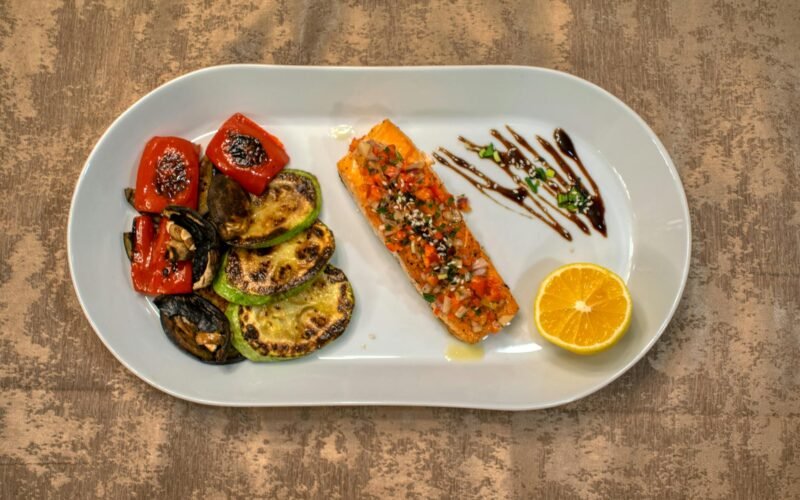
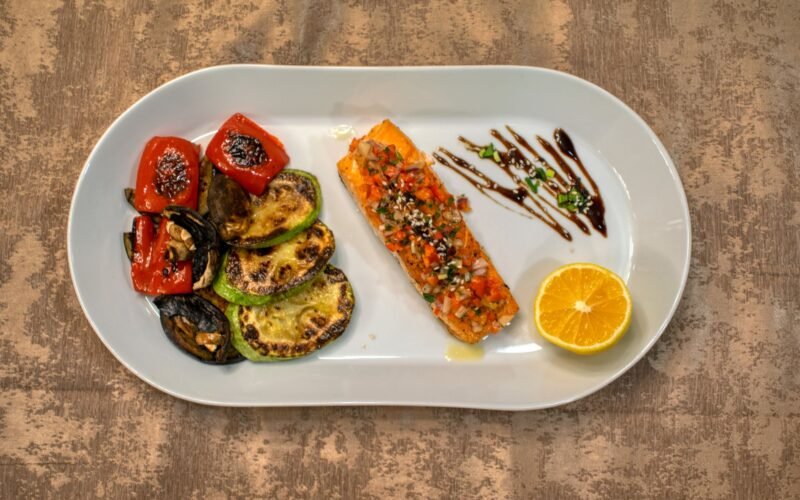
- Baked salmon with roasted sweet potatoes and steamed broccoli.
- Lentil or black bean curry with brown rice and a side salad.
- Lean steak with a large serving of mixed greens and a baked potato.
Snacks:
- Cottage cheese with pineapple.
- Hard-boiled eggs.
- Handful of almonds or walnuts.
- Protein shake.
- Edamame.
Conclusion
Building muscle is a journey that requires dedication, consistency, and a smart approach to nutrition. Protein stands as the undisputed king of macronutrients for anyone looking to increase strength and size. By understanding its vital role, determining your individual needs, and strategically incorporating a variety of high-quality protein foods into your diet, you’re laying the strongest possible foundation for success.
Remember, it’s not just about hitting a protein number; it’s about making informed choices about your food, distributing your intake effectively, and supporting your efforts with proper training, adequate sleep, and a balanced diet rich in all essential nutrients. Embrace the power of whole foods, experiment with different sources, and stay consistent. Your muscles will thank you.
Keep pushing your limits, fueling your body intelligently, and watch as you transform your physique, one protein-packed meal at a time. For more expert insights and actionable strategies to optimize your health and fitness journey, keep exploring GetLeanPulse.com!
Photo by Dee Dave on Pexels