Low Glycemic Index Foods List for Diabetics: Your Ultimate Guide to Blood Sugar Control
Living with diabetes means making conscious choices about what you eat. Every meal, every snack, has the potential to impact your blood sugar levels. For many, navigating the world of food can feel overwhelming, like deciphering a complex code. But what if there was a powerful tool that could simplify your food choices and empower you to better manage your diabetes? Enter the Glycemic Index (GI).
The Glycemic Index is a system that ranks carbohydrate-containing foods based on how quickly they raise blood glucose (sugar) levels after eating. For individuals with diabetes, choosing foods with a low GI can be a game-changer, offering a path to more stable blood sugar, reduced risk of complications, and improved overall health. This comprehensive guide from GetLeanPulse.com will not only provide you with an extensive list of low GI foods but also equip you with the knowledge and practical strategies to seamlessly integrate them into your daily life.
Imagine a life where you feel more in control of your energy, where post-meal sugar spikes are less frequent, and where you’re actively working to protect your long-term health. That’s the promise of a low GI diet for diabetics. Let’s dive deep into understanding the GI, exploring its benefits, and discovering the foods that can truly make a difference in your diabetes management journey.
Understanding the Glycemic Index (GI)
Before we delve into specific food lists, it’s crucial to understand what the Glycemic Index is and how it works. The GI system was developed in the early 1980s by Dr. David Jenkins and his colleagues at the University of Toronto. Their goal was to help people with diabetes identify which carbohydrate-rich foods would produce the smallest rise in blood sugar.
What is the Glycemic Index?
The Glycemic Index measures the quality of carbohydrates in food. It assigns a numerical value to carbohydrate-containing foods based on how quickly and how high they raise blood glucose levels compared to a reference food (usually pure glucose or white bread). The scale typically runs from 0 to 100.
- Low GI foods: Have a GI value of 55 or less. These foods are digested and absorbed slowly, leading to a gradual and smaller rise in blood sugar.
- Medium GI foods: Have a GI value between 56 and 69. They have a moderate effect on blood sugar.
- High GI foods: Have a GI value of 70 or more. These foods are rapidly digested and absorbed, causing a quick and significant spike in blood sugar.
It’s important to note that the GI value is not about the quantity of carbohydrates, but rather their quality and how they impact your blood glucose. For example, a slice of white bread might have a high GI, while a serving of lentils, despite having carbohydrates, has a low GI because its sugars are released more slowly.
Factors Affecting a Food’s GI Value
Several factors can influence a food’s GI value, making it a dynamic rather than static measurement:
- Type of Sugar: Different types of sugars (glucose, fructose, sucrose) have varying effects on blood sugar.
- Starch Structure: Starches come in different forms. Amylose-rich starches (like those in legumes) are digested more slowly than amylopectin-rich starches (like those in white bread).
- Fiber Content: Foods high in soluble fiber (found in oats, legumes, fruits) and insoluble fiber (found in whole grains, vegetables) tend to have a lower GI because fiber slows down digestion and absorption of sugars.
- Fat and Protein Content: The presence of fat and protein in a meal can slow down the digestion of carbohydrates, leading to a lower overall GI response.
- Acidity: Acids, such as those found in vinegar or lemon juice, can slow down stomach emptying, thereby reducing the GI of a meal.
- Processing and Cooking Methods: Highly processed foods (e.g., refined grains) tend to have a higher GI than their whole, unprocessed counterparts. Overcooking carbohydrates can also break down starches, increasing their GI. For instance, al dente pasta has a lower GI than overcooked pasta.
- Ripeness: As fruits ripen, their starch content often converts to sugar, increasing their GI. A ripe banana will have a higher GI than an unripe one.
Introducing Glycemic Load (GL): A Deeper Dive
While the GI is a valuable tool, it doesn’t account for the amount of carbohydrates consumed. This is where the Glycemic Load (GL) comes in. GL provides a more complete picture by combining the GI with the actual carbohydrate content of a typical serving size. It tells you not just how quickly a food raises blood sugar, but also *how much* it will raise it.
GL = (GI x grams of carbohydrate) / 100
- Low GL foods: 10 or less
- Medium GL foods: 11 to 19
- High GL foods: 20 or more
For example, watermelon has a high GI (around 76), but a typical serving (1 cup) has relatively few carbohydrates (about 11g). Its GL would be (76 x 11) / 100 = 8.36, which is considered low. This illustrates why focusing on both GI and GL can be more beneficial for managing blood sugar, as it considers real-world serving sizes. However, for simplicity and a foundational understanding, we often start with the GI.
Why a Low GI Diet Matters for Diabetics
Embracing a diet rich in low GI foods offers a multitude of benefits specifically tailored to the needs of individuals managing diabetes.
1. Better Blood Sugar Control
This is the primary and most significant benefit. Low GI foods release glucose into the bloodstream slowly and steadily, preventing the sharp peaks and troughs that can be damaging to the body over time. Stable blood sugar levels help reduce the risk of both hyperglycemia (high blood sugar) and hypoglycemia (low blood sugar), making diabetes management smoother and more predictable.
2. Reduced Risk of Diabetes Complications
Consistent high blood sugar levels are a major contributor to the long-term complications of diabetes, including heart disease, kidney disease, nerve damage (neuropathy), and eye problems (retinopathy). By keeping blood sugar levels more stable, a low GI diet can significantly lower the risk of developing or worsening these serious complications.
3. Improved Weight Management
Many low GI foods are also rich in fiber, which promotes satiety and helps you feel full for longer. This can reduce overall calorie intake and cravings, making weight loss or maintenance easier. Since obesity is a significant risk factor for type 2 diabetes and complicates its management, weight control is a crucial aspect of diabetes care.
4. Enhanced Satiety and Energy Levels
Because low GI foods are digested slowly, they provide a sustained release of energy, preventing the energy crashes often associated with high GI foods. This means more consistent energy throughout the day and reduced hunger pangs between meals, leading to better mood and concentration.
5. Better Cholesterol and Heart Health
A diet emphasizing low GI foods often naturally incorporates more whole grains, legumes, fruits, and vegetables, which are known to be beneficial for cardiovascular health. These foods are typically lower in saturated and trans fats and higher in soluble fiber, which can help lower LDL (“bad”) cholesterol levels and improve overall heart health – a critical concern for individuals with diabetes who are at an increased risk of heart disease.

The Ultimate Low GI Food List for Diabetics
Now, let’s get to the heart of the matter: a comprehensive list of low glycemic index foods that you can confidently incorporate into your diabetes meal plan. Remember, this list is a guide, and individual responses to foods can vary. Always consult with your doctor or a registered dietitian for personalized dietary advice.
Navigating Food Categories: Detailed Low GI Choices
Understanding which foods fall into the low GI category across different food groups is key to creating a diverse and enjoyable diet.
Non-Starchy Vegetables: Your Green Powerhouses (GI: Very Low)
Most non-starchy vegetables are incredibly low in GI and packed with fiber, vitamins, and minerals. They should form the cornerstone of your meals.
- Leafy Greens: Spinach, kale, lettuce, collard greens, Swiss chard (GI: <15)
- Cruciferous Vegetables: Broccoli, cauliflower, Brussels sprouts, cabbage (GI: <15)
- Bell Peppers: All colors (red, yellow, green, orange) (GI: <15)
- Cucumbers: (GI: <15)
- Zucchini and Summer Squash: (GI: <15)
- Asparagus: (GI: <15)
- Green Beans: (GI: <15)
- Mushrooms: All varieties (GI: <15)
- Tomatoes: (GI: <15)
- Onions and Garlic: (GI: <15)
- Eggplant: (GI: <15)
- Celery: (GI: <15)
- Artichokes: (GI: <15)
These vegetables can be enjoyed in generous portions, providing bulk and nutrients without significantly impacting blood sugar. They are perfect for salads, stir-fries, soups, and as side dishes.
Fruits: Nature’s Sweetness, Mindfully Chosen (GI: Low to Medium)
While fruits contain natural sugars, many are also high in fiber, which helps moderate their impact on blood sugar. Focus on whole fruits rather than juices.
- Berries: Strawberries, blueberries, raspberries, blackberries (GI: 20-40) – exceptionally high in antioxidants and fiber.
- Apples: (GI: 36) – best enjoyed with the skin for maximum fiber.
- Pears: (GI: 38) – also good with the skin on.
- Oranges: (GI: 43) – a great source of Vitamin C and fiber.
- Grapefruit: (GI: 25) – very low GI, but be mindful of interactions with certain medications.
- Cherries: (GI: 22) – one of the lowest GI fruits.
- Peaches: (GI: 42)
- Plums: (GI: 39)
- Kiwi: (GI: 49)
- Avocado: (GI: <15) – technically a fruit, it’s very low in carbs and high in healthy fats.
Portion control is still important with fruits, as their carbohydrate content can add up. Aim for 1-2 servings per day, spread throughout your meals or as snacks.
Whole Grains and Legumes: Complex Carbohydrates for Sustained Energy (GI: Low to Medium)
These foods are vital for fiber and sustained energy, but it’s crucial to choose the right types and practice portion control.
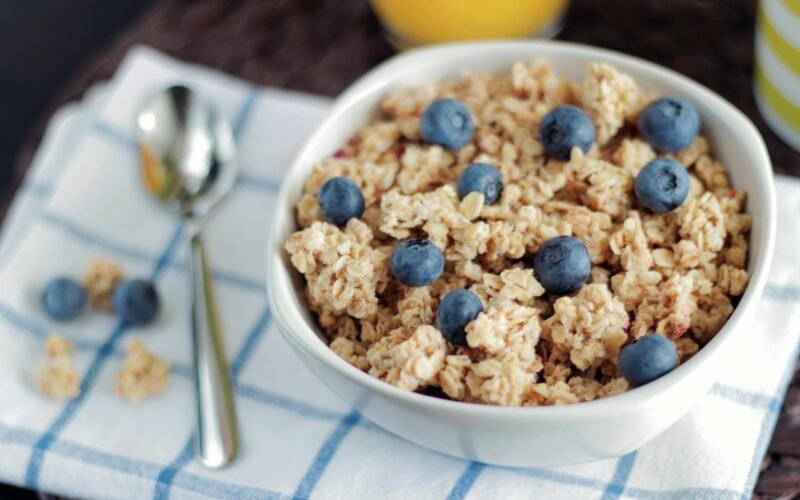
- Oats (Steel-cut or Rolled): (GI: 55 for steel-cut, 55 for rolled oats) – avoid instant oats, which often have a higher GI.
- Barley: (GI: 28) – excellent source of soluble fiber.
- Quinoa: (GI: 53) – a complete protein and a good source of fiber.
- Brown Rice: (GI: 50-55) – lower than white rice, but still moderate GI, so portion control is key.
- Wild Rice: (GI: 45) – often a good alternative to brown rice.
- Buckwheat: (GI: 54) – can be used as a flour or in its whole form (kasha).
- Bulgur Wheat: (GI: 48) – often used in tabbouleh.
- Whole-wheat pasta (Al Dente): (GI: 42) – cooking al dente helps maintain a lower GI compared to overcooked pasta.
- Lentils: (GI: 29) – red, green, brown lentils are all great sources of protein and fiber.
- Chickpeas (Garbanzo Beans): (GI: 28) – versatile in salads, hummus, or roasted.
- Black Beans: (GI: 30)
- Kidney Beans: (GI: 28)
- Navy Beans: (GI: 31)
- Pinto Beans: (GI: 39)
Legumes are particularly beneficial due to their high fiber and protein content, which contribute to a very low GI response and increased satiety. They are fantastic meat alternatives or additions to soups and stews.
Lean Proteins: The Foundation of Every Meal (GI: Very Low)
Proteins generally have a very low or non-existent GI because they contain minimal carbohydrates. They are crucial for satiety, muscle repair, and overall health. They also help slow the absorption of carbohydrates from other foods when eaten together.
- Chicken Breast: Skinless (GI: 0)
- Turkey Breast: Skinless (GI: 0)
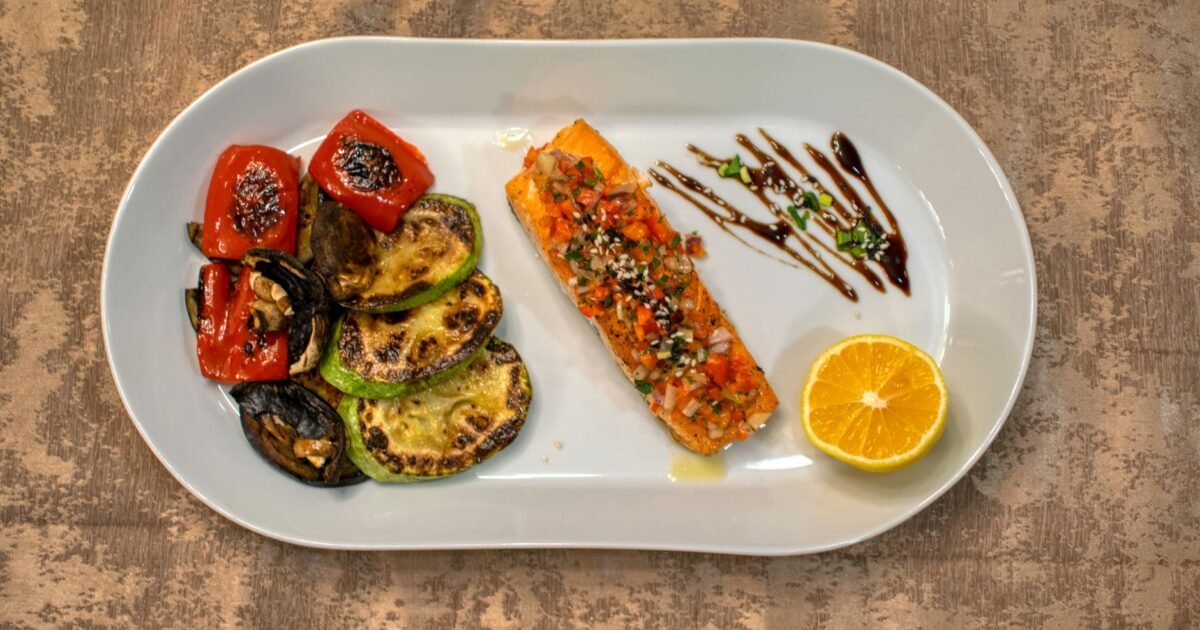
- Fish: Salmon, tuna, cod, tilapia, sardines (GI: 0) – rich in omega-3 fatty acids, especially fatty fish like salmon.
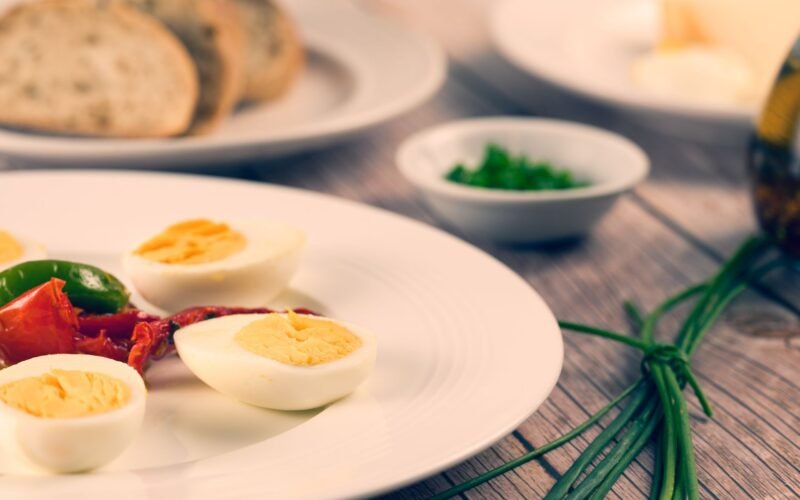
- Eggs: (GI: 0) – a complete protein source.
- Tofu and Tempeh: (GI: 15-20) – plant-based proteins, versatile and nutrient-dense.
- Lean Beef: (GI: 0)
- Pork Loin: (GI: 0)
- Nut Butters: Natural, unsweetened (e.g., peanut, almond butter) (GI: 30-40) – check labels for added sugars.
- Nuts: Almonds, walnuts, cashews, pistachios, peanuts (GI: 10-20) – excellent sources of healthy fats, fiber, and protein.
- Seeds: Chia seeds, flax seeds, pumpkin seeds, sunflower seeds (GI: 10-20) – also packed with nutrients and healthy fats.
Include a lean protein source with every meal to help stabilize blood sugar and keep you feeling full.
Healthy Fats: Essential for Satiety and Overall Health (GI: Very Low)
Like proteins, healthy fats have a minimal impact on blood sugar and can help slow the absorption of carbohydrates. They are crucial for nutrient absorption, hormone production, and satiety.
- Avocado: (GI: <15) – high in monounsaturated fats and fiber.
- Olive Oil: Extra virgin (GI: 0)
- Nuts and Seeds: (As listed under proteins)
- Fatty Fish: Salmon, mackerel, sardines (as listed under proteins) – rich in omega-3s.
Incorporate healthy fats in moderation, as they are calorie-dense.
Dairy and Dairy Alternatives: Calcium-Rich, Low-Carb Options (GI: Low)
Choose unsweetened varieties to keep the GI low.
- Unsweetened Greek Yogurt: (GI: 10-15) – high in protein, look for plain varieties.
- Milk (Low-fat or Skim): (GI: 30-38) – contains lactose (milk sugar), so consume in moderation.
- Cottage Cheese: (GI: 30) – good source of protein.
- Hard Cheeses: Cheddar, Swiss, mozzarella (GI: 0-10) – generally very low in carbohydrates.
- Unsweetened Plant Milks: Almond milk, soy milk, coconut milk (GI: <15) – ensure they are truly unsweetened.
Always check the labels for added sugars, which can significantly increase the GI of these products.

Foods to Limit or Avoid for Better Blood Sugar Control
Just as important as knowing what to eat is knowing what to limit or avoid. High GI foods can cause rapid spikes in blood sugar, making diabetes management challenging and potentially leading to long-term complications.
Refined Grains and Processed Carbohydrates
- White Bread, Bagels, and Pastries: (GI: 70-75+) – very high GI due to minimal fiber and highly processed flour.
- White Rice: (GI: 73) – quickly digested, leading to a rapid blood sugar rise.
- Regular Pasta (non-whole wheat): (GI: 50-60, but can be higher if overcooked)
- Breakfast Cereals (most highly processed): (GI: 70+) – especially those with added sugar and low fiber.
- Crackers and Rice Cakes: (GI: 70-90+) – often made from refined flours.
Sugary Drinks and Desserts
- Sodas and Sweetened Beverages: (GI: 60-70+) – liquid sugar is absorbed almost instantly.
- Fruit Juices (even 100% juice): (GI: 40-60+) – lack the fiber of whole fruit, leading to a faster sugar spike.
- Candy and Sweets: (GI: 60-80+) – pure sugar, very high GI.
- Cakes, Cookies, Donuts, and Pastries: (GI: 70-80+) – combination of refined flour and high sugar content.
- Sweetened Yogurt: (GI: 50-70+) – can contain significant amounts of added sugar.
Certain Starchy Vegetables (in large quantities)
- White Potatoes: (GI: 78-90+) – especially baked or mashed, due to easily digestible starches.
- Corn: (GI: 60-65) – moderate to high GI, depending on preparation.
- Sweet Potatoes: (GI: 44-70+) – while often praised, their GI can vary greatly depending on cooking method (boiled lower than baked).
Processed Snacks
- Potato Chips and French Fries: (GI: 60-80+) – often high in unhealthy fats and refined carbs.
- Pretzels: (GI: 80+) – made from refined flour, very high GI.
Minimizing these foods is a crucial step in maintaining stable blood glucose levels and promoting overall health when you have diabetes.
Practical Strategies for Adopting a Low GI Lifestyle
Knowing the list of foods is one thing; successfully integrating them into your daily life is another. Here are practical strategies to help you adopt a low GI eating plan:
Meal Planning and Preparation
Planning your meals in advance is perhaps the most effective way to stick to a low GI diet. This involves:
- Weekly Menu: Create a weekly meal plan that incorporates a variety of low GI foods.
- Grocery List: Shop with a specific list to avoid impulse buys of high GI items.
- Batch Cooking: Prepare larger quantities of low GI staples like cooked quinoa, lentils, or roasted vegetables at the beginning of the week. This saves time and ensures healthy options are always available.
- Healthy Snacks: Keep low GI snacks on hand, such as a handful of nuts, apple slices with almond butter, or plain Greek yogurt.
Portion Control: Even Good Foods Need Limits
Even low GI foods contain carbohydrates and calories. Portion control remains vital for managing blood sugar and weight.
- Understand Serving Sizes: Familiarize yourself with recommended serving sizes for different food groups.
- Use Smaller Plates: This can trick your brain into thinking you’re eating more.
- Mindful Eating: Pay attention to your body’s hunger and fullness cues. Eat slowly and savor your food.
Combining Foods for a Balanced Meal
The overall GI of a meal is influenced by all its components. Combining foods strategically can help lower the total GI response.
- Pair Carbs with Protein and Fat: Always combine carbohydrate-rich foods with sources of protein and healthy fats. For example, instead of just an apple, have an apple with a small handful of almonds. The protein and fat will slow down the digestion of the apple’s sugars.
- Add Fiber: Maximize fiber intake by adding non-starchy vegetables to every meal.
Smart Cooking Methods
How you prepare your food can affect its GI.
- Avoid Overcooking: Cook pasta al dente and vegetables until crisp-tender rather than mushy.
- Limit Frying: While fats can lower GI, deep-frying adds unhealthy fats. Opt for baking, grilling, steaming, or stir-frying with minimal healthy oils.
- Include Acids: Adding a splash of vinegar or lemon juice to your meal can slightly lower its GI by slowing stomach emptying.
Reading Food Labels: A Key Skill
Becoming an expert label reader will empower your food choices.
- Total Carbohydrates: Pay attention to the total carbohydrate count.
- Fiber: Look for foods high in dietary fiber.
- Added Sugars: Be vigilant about hidden sugars, which can significantly raise a food’s GI. Ingredients like corn syrup, high-fructose corn syrup, dextrose, maltose, and sucrose are all forms of added sugar.
Hydration and Its Role
Staying well-hydrated is crucial for overall health and can subtly support blood sugar management. Water has a GI of 0 and helps the body process nutrients efficiently. Avoid sugary drinks and opt for water, unsweetened tea, or coffee.
Beyond the List: Integrating Low GI into Your Daily Life
Adopting a low GI diet is more than just following a list; it’s about building sustainable habits and understanding the nuances of your body’s response.
Monitoring Blood Glucose Levels
The best way to know how foods affect *your* body is to monitor your blood glucose levels. Test before and two hours after meals (or as advised by your doctor) to see the real-world impact of your food choices. This personalized feedback will help you fine-tune your diet and identify any foods that might unexpectedly spike your sugar.
The Importance of Fiber
Fiber is often the unsung hero of a low GI diet. Soluble fiber (found in oats, beans, apples, citrus fruits) dissolves in water to form a gel-like substance, which slows down digestion and the absorption of glucose. Insoluble fiber (found in whole grains, vegetables) adds bulk to stool and promotes bowel regularity. Aim for at least 25-30 grams of fiber per day by prioritizing whole, plant-based foods.
Listen to Your Body
Everyone’s body is unique. While the GI is a helpful guide, your individual response to certain foods might differ. Pay attention to how you feel after eating. Do you feel full and energized, or do you experience a sugar crash? This self-awareness is invaluable in personalizing your low GI journey.
Consistency Over Perfection
Don’t strive for perfection; aim for consistency. Occasional deviations are normal. The goal is to make low GI choices the majority of the time. Focus on progress, not perfection, and celebrate small victories.
Common Myths and Misconceptions About the GI Diet
Like any popular dietary approach, the GI diet is often surrounded by myths. Let’s clarify some common misunderstandings:
Myth 1: “Low GI means no carbs.”
Fact: This is entirely false. The GI diet is about choosing the *right kinds* of carbohydrates. Low GI foods are rich in complex carbohydrates, fiber, and nutrients. Eliminating carbs entirely is not sustainable or healthy for most people, especially for diabetics who need them for energy.
Myth 2: “All fruits are bad for diabetics because they contain sugar.”
Fact: While fruits contain natural sugars, many also contain significant amounts of fiber, vitamins, and antioxidants. As shown in our list, many fruits are low to medium GI and can be part of a healthy diabetic diet when consumed in moderation and as whole fruits (not juices).
Myth 3: “Low GI is a magic bullet for diabetes management.”
Fact: The low GI diet is a powerful tool, but it’s part of a larger, holistic approach to diabetes management. It needs to be combined with regular physical activity, appropriate medication (if prescribed), stress management, and regular monitoring of blood glucose levels. It’s an important piece of the puzzle, not the entire solution.
Myth 4: “You can eat unlimited amounts of low GI foods.”
Fact: Even low GI foods contain calories and carbohydrates. Portion control is still essential for weight management and overall blood sugar control. Overeating even healthy, low GI foods can lead to excess calorie intake and potential blood sugar rises.
Myth 5: “The GI of a food is always the same.”
Fact: As discussed, a food’s GI can be influenced by many factors, including ripeness, cooking method, processing, and what other foods it’s eaten with. The GI values provided are general guidelines, and individual responses can vary.
Empowering Your Health Journey with Low GI Foods
Adopting a low glycemic index eating pattern for diabetes management is a powerful step towards taking control of your health. It moves beyond restrictive diets to focus on smart, informed food choices that stabilize blood sugar, reduce the risk of complications, and improve overall well-being. By prioritizing whole, unprocessed foods rich in fiber, lean proteins, and healthy fats, you’re not just managing diabetes; you’re nurturing your body with the nutrients it needs to thrive.
Remember, this comprehensive list and guide from GetLeanPulse.com is designed to empower you with knowledge. However, it’s crucial to work closely with your healthcare team – your doctor, a registered dietitian, or a certified diabetes educator – to create a personalized meal plan that fits your specific needs, medication regimen, and lifestyle. They can help you navigate the nuances, address any concerns, and ensure your dietary choices support your unique health goals.
Embrace the journey of discovery as you learn how different foods impact your body. With patience, consistent effort, and the right guidance, a low GI diet can be a sustainable and enjoyable way to live well with diabetes, empowering you to lead a healthier, more vibrant life.
Photo by Cristian Mihaila on Pexels