Fuel Your Fat Burn: The Ultimate Guide to Metabolism-Boosting Foods Naturally
Welcome to GetLeanPulse.com, your trusted source for health and fitness insights. Have you ever envied someone who seems to eat whatever they want and never gain a pound, attributing it to a “fast metabolism”? While genetics play a role, the truth is, your metabolism isn’t entirely out of your control. In fact, one of the most powerful levers you can pull to optimize your metabolic rate is right in your kitchen: the food you choose to eat.
Our metabolism is the intricate network of chemical processes that convert the food and drinks we consume into energy. This energy fuels everything from breathing and thinking to exercising and repairing cells. A robust, efficient metabolism not only helps with weight management by burning more calories at rest, but also contributes to sustained energy levels, better mood, and overall vitality. It’s not about magic pills or extreme diets; it’s about understanding how certain foods can act as natural catalysts, gently nudging your body to work smarter and burn more efficiently.
In this comprehensive guide, we’ll dive deep into the science behind metabolism, explore the key nutrients that act as its allies, and unveil a powerful arsenal of metabolism-boosting foods that you can easily incorporate into your daily diet. We’ll move beyond the hype and focus on evidence-backed strategies, providing practical tips and insights to help you naturally stoke your internal furnace. Prepare to transform your plate into a powerful tool for health, energy, and sustainable fat loss!
Understanding Your Metabolism: More Than Just Calories
Before we explore specific foods, it’s crucial to understand what metabolism truly entails. It’s not a single switch, but a complex system influenced by various factors. Your total daily energy expenditure (TDEE) is comprised of several components:
- Basal Metabolic Rate (BMR): This is the number of calories your body burns at rest to maintain basic life functions like breathing, circulation, cell production, and nutrient processing. It accounts for about 60-75% of your TDEE.
- Thermic Effect of Food (TEF): Also known as diet-induced thermogenesis, this is the energy your body uses to digest, absorb, and process the nutrients from the food you eat. It typically accounts for about 10% of your TDEE, but as we’ll see, some foods have a higher TEF than others.
- Non-Exercise Activity Thermogenesis (NEAT): This includes all the energy expended for everything we do that is not sleeping, eating, or sports-like exercise. Think fidgeting, walking to your car, standing, gardening, etc.
- Exercise Activity Thermogenesis (EAT): The calories burned during structured exercise.
When people talk about a “fast” or “slow” metabolism, they are often referring to their BMR. While genetics, age, sex, and body size (especially muscle mass) significantly influence BMR, diet and lifestyle choices can absolutely optimize and improve its efficiency. The goal isn’t necessarily to have the “fastest” metabolism, but the most efficient and healthy one, capable of burning fuel effectively and maintaining energy balance.
Factors Influencing Your Metabolism
- Muscle Mass: Muscle tissue is metabolically more active than fat tissue, meaning it burns more calories at rest. The more muscle you have, the higher your BMR.
- Age: Metabolism naturally tends to slow with age, partly due to a decrease in muscle mass and hormonal changes.
- Genetics: Some people are simply predisposed to a higher or lower metabolic rate.
- Gender: Men generally have higher BMRs than women due to typically having more muscle mass and less body fat.
- Hormones: Thyroid hormones are major regulators of metabolism. Imbalances can significantly impact metabolic rate. Other hormones like insulin, cortisol, leptin, and ghrelin also play crucial roles.
- Sleep: Lack of sleep can disrupt hormones that regulate appetite and energy expenditure, leading to a slower metabolism.
- Stress: Chronic stress can lead to elevated cortisol levels, potentially impacting metabolism and fat storage.
- Nutrition: The quality and type of food you eat directly influence your TEF and provide the necessary micronutrients for metabolic processes.
The Power Players: Key Nutrients for Metabolic Support
When we talk about metabolism-boosting foods, we’re really talking about foods rich in specific nutrients that support various metabolic pathways. Here are the key players:
1. Protein: The Thermic Titan
Protein has the highest thermic effect of food (TEF) compared to carbohydrates and fats. This means your body expends more energy digesting and metabolizing protein. Roughly 20-30% of the calories from protein are burned during digestion, compared to 5-10% for carbs and 0-3% for fats. Beyond TEF, protein is vital for building and maintaining muscle mass, which, as we discussed, is a significant determinant of your BMR. Adequate protein intake also helps with satiety, reducing overall calorie intake.
2. Fiber: The Gut-Friendly Regulator
Fiber, particularly soluble fiber, slows down digestion and the absorption of glucose, leading to more stable blood sugar levels. This prevents insulin spikes, which can otherwise signal your body to store fat. Fiber also promotes gut health by feeding beneficial bacteria, which in turn can influence metabolism and energy expenditure. Additionally, fiber adds bulk to meals, promoting satiety and reducing overall calorie consumption.
3. Healthy Fats: Hormonal Harmony
While fats have a low TEF, healthy fats (monounsaturated and polyunsaturated fats) are crucial for overall health, including hormonal balance. Hormones like thyroid hormones, leptin, and adiponectin play direct roles in metabolic regulation. Healthy fats also contribute to satiety, helping you feel full and satisfied, which can prevent overeating.
4. Vitamins & Minerals: The Unsung Heroes
These micronutrients are often overlooked but are essential co-factors in countless metabolic reactions.
- B Vitamins (B1, B2, B3, B5, B6, B7, B9, B12): Play a direct role in converting food into energy. Deficiencies can impair metabolic function.
- Iron: Essential for transporting oxygen to cells, which is critical for energy production. Iron deficiency (anemia) can lead to fatigue and a sluggish metabolism.
- Magnesium: Involved in over 300 enzymatic reactions, including those that produce energy.
- Iodine: Crucial for thyroid hormone production, which directly regulates metabolic rate.
- Zinc: Supports thyroid function and insulin sensitivity.
- Vitamin D: Linked to insulin sensitivity and overall metabolic health.
- Calcium: May play a role in fat metabolism and storage.

Top Metabolism-Boosting Foods: A Deep Dive
Now that we understand the foundational nutrients, let’s explore the specific foods that pack a metabolic punch. Remember, the key is to incorporate a variety of these foods into a balanced, whole-food diet.
1. Lean Proteins: Your Muscle-Building, Calorie-Burning Allies
As discussed, protein has the highest thermic effect and is crucial for muscle maintenance. Prioritize lean sources to maximize benefits without excess saturated fat.
- Chicken Breast & Turkey: Excellent sources of lean protein, low in fat. They provide essential amino acids for muscle repair and growth.
- Why it boosts metabolism: High TEF, supports muscle mass.
- How to incorporate: Grilled chicken in salads, turkey stir-fries, lean ground turkey in chili or burgers.
- Fish (Salmon, Tuna, Cod): Beyond being lean protein sources, fatty fish like salmon and tuna are rich in omega-3 fatty acids. These healthy fats can reduce inflammation, improve insulin sensitivity, and may activate genes that increase fat burning.
- Why it boosts metabolism: High TEF, omega-3s support cellular function and may reduce fat storage.
- How to incorporate: Baked salmon with veggies, tuna salad (light on mayo), cod tacos.
- Eggs: Often called nature’s multivitamin, eggs are a complete protein, meaning they contain all nine essential amino acids. The yolk also contains metabolism-supporting nutrients like Vitamin D and choline.
- Why it boosts metabolism: High TEF, nutrient-dense for overall metabolic health.
- How to incorporate: Scrambled eggs for breakfast, hard-boiled eggs as a snack, added to salads.
- Legumes (Lentils, Beans, Chickpeas): These plant-based powerhouses offer a fantastic combination of protein and fiber, making them highly thermogenic and satiating. They also provide resistant starch, which can feed beneficial gut bacteria.
- Why it boosts metabolism: High protein and fiber content, resistant starch for gut health.
- How to incorporate: Lentil soup, bean burritos, chickpea curry, hummus with raw vegetables.
- Tofu & Tempeh: For those following a plant-based diet, these soy-based proteins are excellent lean options. Tempeh, being fermented, also offers probiotic benefits for gut health.
- Why it boosts metabolism: Good source of plant protein, tempeh offers probiotics.
- How to incorporate: Tofu stir-fries, baked tempeh sandwiches, crumbled tempeh in tacos.
2. Whole Grains & Complex Carbs: Sustained Energy & Fiber Power
While simple carbs can spike blood sugar, complex carbohydrates from whole grains provide sustained energy, fiber, and essential B vitamins, all crucial for metabolic function.
- Oats: A fantastic source of soluble fiber (beta-glucan), oats help stabilize blood sugar, promote satiety, and provide slow-release energy.
- Why it boosts metabolism: High fiber, B vitamins, sustained energy.
- How to incorporate: Oatmeal for breakfast, added to smoothies or homemade granola.
- Quinoa: Unique among grains, quinoa is a complete protein, making it an excellent dual-purpose metabolism booster. It’s also rich in fiber, iron, and magnesium.
- Why it boosts metabolism: Complete protein, high fiber, iron, magnesium.
- How to incorporate: As a side dish instead of rice, in salads, or as a base for veggie bowls.
- Brown Rice: A whole-grain alternative to white rice, providing more fiber and nutrients.
- Why it boosts metabolism: Fiber, B vitamins.
- How to incorporate: Base for stir-fries, side dish with lean protein.
- Sweet Potatoes: A nutrient-dense complex carbohydrate, rich in fiber, vitamin A, and vitamin C. They offer a steady release of energy.
- Why it boosts metabolism: Fiber, vitamins, steady energy.
- How to incorporate: Baked sweet potato, sweet potato fries (baked, not fried), mashed sweet potato.
3. Spices & Herbs: Flavorful Metabolic Accelerators
Certain spices and herbs contain compounds that can induce thermogenesis, increase fat oxidation, and improve insulin sensitivity.
- Chili Peppers (Capsaicin): The compound capsaicin, found in chili peppers, gives them their heat and has been shown to temporarily increase metabolism, promote fat burning, and reduce appetite.
- Why it boosts metabolism: Induces thermogenesis, increases fat oxidation.
- How to incorporate: Add fresh or dried chili peppers to stir-fries, soups, eggs, or marinades.
- Ginger: This versatile root has thermogenic properties and can help improve digestion and reduce inflammation. Some studies suggest it may help with satiety and calorie burning.
- Why it boosts metabolism: Thermogenic, aids digestion.
- How to incorporate: Fresh ginger in tea, stir-fries, smoothies, or curries.
- Turmeric (Curcumin): The active compound curcumin in turmeric is a powerful anti-inflammatory and antioxidant. Research suggests it may play a role in fat metabolism and insulin sensitivity.
- Why it boosts metabolism: Anti-inflammatory, may improve fat metabolism and insulin sensitivity.
- How to incorporate: Add to curries, soups, scrambled eggs, or make a “golden milk” latte.
- Cinnamon: Beyond its delicious flavor, cinnamon has been shown to help regulate blood sugar levels, which can prevent fat storage. It may also increase insulin sensitivity.
- Why it boosts metabolism: Helps stabilize blood sugar, improves insulin sensitivity.
- How to incorporate: Sprinkle on oatmeal, coffee, smoothies, or add to baked goods.
- Black Pepper (Piperine): Contains piperine, a compound that may enhance the bioavailability of other nutrients (like curcumin from turmeric) and has mild thermogenic effects.
- Why it boosts metabolism: Mild thermogenic, enhances nutrient absorption.
- How to incorporate: Use liberally in cooking, especially with turmeric for synergistic effects.
4. Beverages: Sip Your Way to a Faster Metabolism
What you drink is just as important as what you eat when it comes to metabolism.
- Green Tea: Contains catechins, particularly epigallocatechin gallate (EGCG), and caffeine. EGCG has been shown to increase fat oxidation and energy expenditure, while caffeine is a known stimulant that boosts metabolism.
- Why it boosts metabolism: EGCG and caffeine increase thermogenesis and fat burning.
- How to incorporate: Drink 2-3 cups daily, hot or iced.
- Coffee: The caffeine in coffee is a central nervous system stimulant that can temporarily increase metabolic rate and enhance fat oxidation.
- Why it boosts metabolism: Caffeine boosts thermogenesis and fat burning.
- How to incorporate: Enjoy 1-3 cups daily, ideally black or with minimal added sugar and cream.
- Water: Often overlooked, adequate hydration is fundamental for all metabolic processes. Even mild dehydration can slow down metabolism. Drinking cold water may also slightly increase calorie burn as your body works to warm it.
- Why it boosts metabolism: Essential for cellular function, may slightly increase calorie burn if cold.
- How to incorporate: Aim for 8-10 glasses (2-3 liters) per day, more if active.
- Apple Cider Vinegar (ACV): While research is ongoing, some studies suggest ACV may help with blood sugar regulation and improve insulin sensitivity. It also contains acetic acid, which has been studied for its potential role in fat metabolism.
- Why it boosts metabolism: May regulate blood sugar and improve insulin sensitivity.
- How to incorporate: Dilute 1-2 tablespoons in a glass of water before meals.
5. Fruits & Vegetables: Nutrient-Dense Metabolic Boosters
Rich in vitamins, minerals, fiber, and antioxidants, fruits and vegetables are foundational for a healthy metabolism.
- Berries (Blueberries, Raspberries, Strawberries): High in fiber and antioxidants, berries can help regulate blood sugar and reduce inflammation, supporting overall metabolic health.
- Why it boosts metabolism: Fiber for blood sugar control, antioxidants for cellular health.
- How to incorporate: Add to oatmeal, yogurt, smoothies, or enjoy as a snack.
- Citrus Fruits (Oranges, Grapefruits, Lemons): Excellent sources of Vitamin C, which is crucial for the synthesis of carnitine, a molecule that helps transport fatty acids to be burned for energy. Grapefruit, in particular, has been linked to weight loss and improved insulin sensitivity in some studies.
- Why it boosts metabolism: Vitamin C supports fat burning, grapefruit may aid insulin sensitivity.
- How to incorporate: Eat whole, add to water, or use juice in dressings.
- Leafy Greens (Spinach, Kale, Swiss Chard): Packed with iron, magnesium, and B vitamins, these greens are essential for energy production and oxygen transport. Their high fiber content also aids digestion.
- Why it boosts metabolism: Rich in iron, magnesium, B vitamins, and fiber.
- How to incorporate: In salads, smoothies, stir-fries, or sautéed as a side.
- Cruciferous Vegetables (Broccoli, Cauliflower, Brussels Sprouts): High in fiber and specific compounds that support liver detoxification (which is linked to metabolic health), these veggies also provide a wealth of vitamins and minerals.
- Why it boosts metabolism: Fiber, detox support, nutrient density.
- How to incorporate: Roasted, steamed, or added to stir-fries.
6. Healthy Fats: Essential for Cellular & Hormonal Function
Don’t fear healthy fats; they are vital for hormone production and satiety.
- Avocado: Rich in monounsaturated fats, fiber, and various vitamins and minerals. It helps with satiety and provides essential nutrients for overall metabolic function.
- Why it boosts metabolism: Healthy fats for hormones, fiber for satiety.
- How to incorporate: Sliced in salads, on whole-grain toast, in smoothies, or as guacamole.
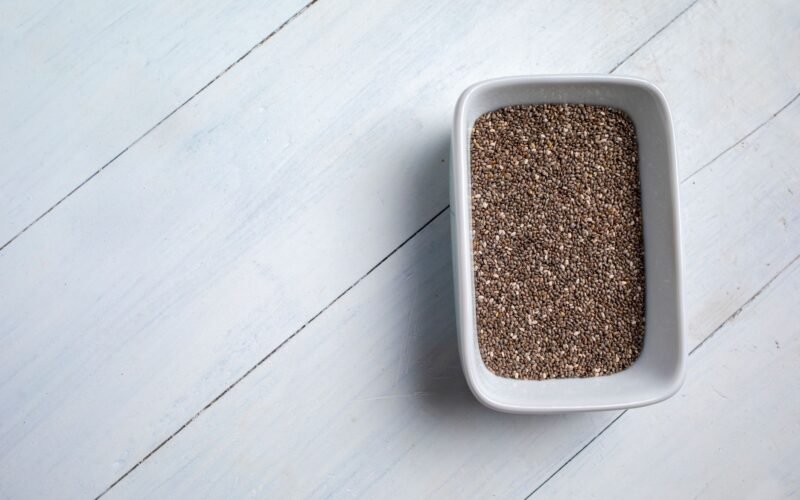
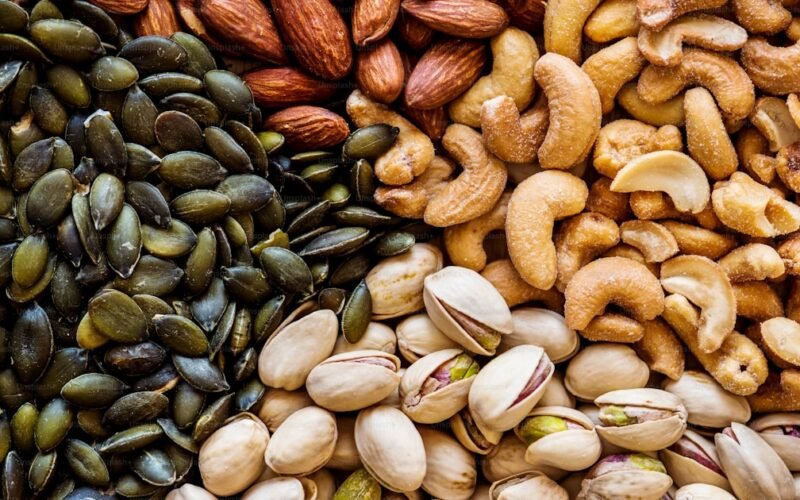
- Nuts & Seeds (Almonds, Walnuts, Chia Seeds, Flax Seeds): Offer a combination of healthy fats, protein, and fiber. Walnuts and flax seeds are excellent sources of omega-3s (ALA).
- Why it boosts metabolism: Healthy fats, protein, fiber, omega-3s.
- How to incorporate: As snacks, added to oatmeal or yogurt, in salads, or smoothies.
- Olive Oil: A cornerstone of the Mediterranean diet, extra virgin olive oil is rich in monounsaturated fats and antioxidants, promoting heart health and potentially aiding metabolic function.
- Why it boosts metabolism: Healthy fats, anti-inflammatory.
- How to incorporate: Use in salad dressings, for sautéing at medium heat, or drizzled over dishes.
7. Dairy & Fermented Foods: Gut Health & Protein Power
These foods offer protein and beneficial probiotics, which play an increasingly recognized role in metabolic health.
- Greek Yogurt: An outstanding source of lean protein, often containing twice as much as regular yogurt. It also provides probiotics, which can support a healthy gut microbiome – a key player in metabolism.
- Why it boosts metabolism: High protein, probiotics for gut health.
- How to incorporate: Breakfast with berries and nuts, as a base for dips, or in smoothies.
- Kefir: A fermented milk drink, similar to a thin yogurt, packed with a wider variety of probiotic strains than most yogurts.
- Why it boosts metabolism: Probiotics for gut health, protein.
- How to incorporate: Drink on its own, blend into smoothies, or use as a base for salad dressings.

Beyond Food: Synergistic Strategies for a Revved-Up Metabolism
While food is a powerful tool, a truly optimized metabolism thrives within a holistic lifestyle. Integrating these practices with your metabolism-boosting diet will amplify your results.
1. Exercise: Build Muscle, Burn More
This is arguably the most impactful non-dietary strategy for boosting metabolism.
- Strength Training: Lifting weights or performing bodyweight exercises builds muscle mass. As discussed, muscle is metabolically active, burning more calories at rest than fat. Aim for 2-3 strength training sessions per week.
- High-Intensity Interval Training (HIIT): Short bursts of intense exercise followed by brief recovery periods can create an “afterburn effect” (EPOC – Excess Post-exercise Oxygen Consumption), where your body continues to burn calories at an elevated rate for hours after your workout.
- Cardio (Moderate Intensity): While not as impactful on BMR as strength training or HIIT, consistent cardio contributes to overall calorie expenditure and cardiovascular health.
2. Prioritize Quality Sleep: The Metabolic Restorer
Sleep is not a luxury; it’s a metabolic necessity. Chronic sleep deprivation disrupts hormones that regulate appetite (ghrelin and leptin) and stress (cortisol).
- Leptin: Signals satiety. Lack of sleep lowers leptin, making you feel hungrier.
- Ghrelin: Stimulates appetite. Lack of sleep increases ghrelin, making you crave more food, especially high-calorie options.
- Cortisol: Elevated cortisol from poor sleep can promote fat storage, particularly around the abdomen, and contribute to insulin resistance.
Aim for 7-9 hours of quality sleep per night for optimal metabolic function.
3. Manage Stress: Taming the Cortisol Beast
Chronic stress keeps your body in a “fight or flight” mode, leading to sustained high levels of cortisol. This can lead to increased appetite, cravings for comfort foods, and a tendency for the body to store fat, especially visceral fat around organs. Incorporate stress-reduction techniques like meditation, yoga, deep breathing exercises, spending time in nature, or engaging in hobbies you enjoy.
4. Stay Hydrated: The Unsung Metabolic Hero
We’ve already touched on water’s role, but it bears repeating. Every metabolic reaction in your body requires water. Dehydration, even mild, can significantly slow down these processes. It can also be mistaken for hunger, leading to unnecessary snacking. Keep a water bottle handy and sip throughout the day.
5. Regular Meal Timing & Avoiding Extreme Calorie Restriction
Eating regular, balanced meals helps keep your metabolism humming and blood sugar stable. While calorie restriction is necessary for weight loss, extreme or prolonged calorie deprivation can signal your body to slow down its metabolism to conserve energy, potentially hindering long-term progress. Focus on nutrient density and adequate protein intake rather than just cutting calories drastically.
Practical Tips for Integrating Metabolism-Boosting Foods into Your Diet
Knowledge is power, but application is transformation. Here’s how you can seamlessly weave these metabolism-boosting foods into your daily routine:
1. Start with Protein at Every Meal
Make lean protein the cornerstone of your breakfast, lunch, and dinner. This ensures you benefit from its high thermic effect and maintain muscle mass. Think eggs and spinach for breakfast, chicken and quinoa for lunch, and salmon with roasted vegetables for dinner.
2. Prioritize Whole, Unprocessed Foods
Move away from refined sugars, processed snacks, and fast food. These often lack the fiber, protein, and micronutrients necessary for a healthy metabolism and can lead to blood sugar spikes and crashes. Embrace fruits, vegetables, whole grains, lean proteins, and healthy fats.
3. Spice It Up!
Don’t be shy with your spice rack. Incorporate chili, ginger, turmeric, cinnamon, and black pepper into your cooking. They add flavor, antioxidants, and a subtle metabolic kick.
4. Hydrate Consistently
Make water your primary beverage. Keep a reusable water bottle with you and refill it throughout the day. Add lemon or cucumber for a refreshing twist.
5. Snack Smart
If you need snacks, choose options that combine protein and fiber to keep you full and your blood sugar stable. Greek yogurt with berries, a handful of nuts, or apple slices with almond butter are excellent choices.
6. Plan Ahead
Meal prepping or simply planning your meals and snacks in advance can prevent impulsive, unhealthy food choices. Stock your pantry and fridge with your metabolism-boosting staples.
7. Listen to Your Body
Pay attention to hunger and fullness cues. Eat when you’re truly hungry, and stop when you’re satisfied, not stuffed. Mindful eating can help you make better food choices naturally.
8. Consistency is Key
Metabolic changes don’t happen overnight. Be consistent with your healthy eating and lifestyle habits. Small, sustainable changes over time yield the most significant and lasting results.
Dispelling Metabolism Myths
There’s a lot of misinformation surrounding metabolism. Let’s bust a few common myths:
Myth 1: “My metabolism is broken/slow, and I can’t do anything about it.”
Reality: While genetics and age influence your BMR, your metabolism is far from fixed. As we’ve explored, diet, exercise (especially strength training), sleep, and stress management can all significantly impact your metabolic rate and efficiency. You have more control than you think!
Myth 2: “Eating after 7 PM makes you fat.”
Reality: The total number of calories you consume over a 24-hour period (and the quality of those calories) is far more important than the specific time you eat. Eating a massive, unhealthy meal right before bed might lead to indigestion or poor sleep, but it’s not inherently more fattening than eating the same meal earlier in the day if your total calorie intake is the same. Focus on balanced meals and listening to your hunger cues, regardless of the clock.
Myth 3: “Starvation mode means I should never cut calories.”
Reality: While extreme, prolonged calorie restriction can lead to a slight adaptive thermogenesis (a small reduction in metabolic rate as your body tries to conserve energy), your metabolism won’t “shut down” or go into full “starvation mode” after a short period of dieting. Sustainable calorie deficits for weight loss are effective, especially when paired with adequate protein and strength training to preserve muscle mass. The key is to avoid crash diets and focus on a moderate, consistent deficit.
Myth 4: “Metabolism-boosting pills are a magic bullet.”
Reality: Be highly skeptical of supplements promising dramatic metabolic boosts. While some ingredients (like caffeine or green tea extract) can have a mild thermogenic effect, they are rarely powerful enough to overcome a poor diet and sedentary lifestyle. Many supplements are unregulated, ineffective, or even dangerous. Focus on whole foods and a healthy lifestyle first.
Conclusion: Ignite Your Inner Furnace Naturally
Your metabolism is a
Photo by Alena Darmel on Pexels