The Ultimate Thyroid Diet Guide: Foods to Eat and Avoid for Optimal Health
The thyroid gland, a small, butterfly-shaped organ nestled at the base of your neck, plays an outsized role in your overall health. It’s the master regulator of your metabolism, influencing everything from your energy levels and weight to your mood, heart rate, and body temperature. When this crucial gland isn’t functioning optimally, a cascade of symptoms can emerge, often leaving individuals feeling fatigued, sluggish, or anxious and irritable.
Millions worldwide grapple with thyroid disorders, with hypothyroidism (underactive thyroid) being the most common, followed by hyperthyroidism (overactive thyroid). While medical treatment, often involving hormone replacement therapy, is frequently necessary and highly effective, diet and lifestyle interventions are powerful complementary tools. What you choose to put on your plate can significantly impact thyroid function, mitigate symptoms, and support overall well-being.
At GetLeanPulse.com, we understand the profound impact that nutrition has on every facet of your health. This comprehensive guide will delve deep into the world of thyroid-friendly eating, equipping you with the knowledge to make informed dietary choices. We’ll explore the essential nutrients your thyroid craves, identify foods that can either support or hinder its function, and provide actionable advice to help you build a personalized eating plan. Whether you’re managing an existing thyroid condition or simply looking to optimize your metabolic health, understanding the thyroid diet is a vital step on your journey to feeling your best.
Understanding Your Thyroid: A Gland with Mighty Power
Before we dive into specific foods, let’s briefly recap what the thyroid does and why it’s so important. The thyroid produces two primary hormones: thyroxine (T4) and triiodothyronine (T3). These hormones are responsible for regulating your body’s metabolic rate, which is the speed at which your cells convert nutrients into energy. Think of them as the accelerators for almost every bodily function. They influence your heart, brain, muscles, and other organs.
The thyroid’s activity is controlled by the pituitary gland, which produces thyroid-stimulating hormone (TSH). When thyroid hormone levels drop, the pituitary releases more TSH to prompt the thyroid to produce more hormones. When levels are too high, TSH production decreases. This delicate feedback loop ensures your body maintains a healthy balance.
Common Thyroid Conditions: Hypothyroidism vs. Hyperthyroidism
Thyroid disorders occur when this delicate balance is disrupted. The two main types are:
-
Hypothyroidism (Underactive Thyroid): This is by far the most prevalent thyroid condition. It occurs when the thyroid gland doesn’t produce enough thyroid hormones.
- Causes: The most common cause in developed countries is Hashimoto’s thyroiditis, an autoimmune disease where the immune system mistakenly attacks the thyroid. Other causes include iodine deficiency (globally), thyroid surgery, radiation therapy, and certain medications.
- Symptoms: Slowed metabolism leads to symptoms like fatigue, weight gain, cold intolerance, constipation, dry skin, hair loss, depression, muscle weakness, and impaired memory.
-
Hyperthyroidism (Overactive Thyroid): This occurs when the thyroid gland produces too much thyroid hormone.
- Causes: The most common cause is Graves’ disease, another autoimmune condition. Other causes include thyroid nodules, inflammation of the thyroid (thyroiditis), and excessive iodine intake.
- Symptoms: An accelerated metabolism leads to symptoms like unintentional weight loss, rapid or irregular heartbeat, nervousness, anxiety, irritability, tremors, increased sweating, heat intolerance, and difficulty sleeping.
While the dietary recommendations below largely focus on supporting individuals with hypothyroidism, we will also touch on specific considerations for hyperthyroidism. Regardless of your condition, a personalized approach under the guidance of healthcare professionals is always paramount.
The Nutritional Pillars of Thyroid Health
Your thyroid gland relies on a steady supply of specific micronutrients to function optimally. Deficiencies or excesses of these nutrients can profoundly impact hormone production, conversion, and utilization. Let’s explore the key players.
Iodine: The Double-Edged Sword
Iodine is arguably the most critical nutrient for thyroid function, as it is an essential component of both T4 and T3 hormones. Without sufficient iodine, the thyroid cannot produce these hormones. However, it’s a nutrient where too little and too much can both be problematic.
- Deficiency: Historically, iodine deficiency was a leading cause of goiter (enlargement of the thyroid gland) and hypothyroidism worldwide. Insufficient iodine prevents the thyroid from making enough hormones, leading to a compensatory enlargement as it tries to capture more iodine.
- Excess: While deficiency is harmful, excessive iodine intake can also trigger or worsen thyroid conditions, including both hypothyroidism and hyperthyroidism, especially in individuals with pre-existing thyroid issues or an autoimmune predisposition. It can inhibit thyroid hormone synthesis and cause the gland to malfunction.
The key is balance. Most people in developed countries get enough iodine from iodized salt, dairy products, and seafood. Supplementation should only be considered under strict medical supervision.
<

>
Selenium: The Thyroid’s Antioxidant Guardian
Selenium is a trace mineral that acts as a powerful antioxidant and is crucial for thyroid health. The thyroid gland has the highest concentration of selenium of any organ in the body. It plays several vital roles:
- Thyroid Hormone Conversion: Selenium is required for the enzymes (deiodinases) that convert inactive T4 into the active T3 hormone.
- Antioxidant Protection: The process of thyroid hormone synthesis produces hydrogen peroxide, which can create oxidative stress. Selenium helps produce glutathione, a potent antioxidant that protects the thyroid gland from damage caused by this oxidative stress.
- Autoimmune Support: Studies suggest that selenium supplementation may reduce thyroid antibody levels in individuals with Hashimoto’s thyroiditis, potentially slowing disease progression and improving symptoms.
Aim for food sources of selenium rather than relying on high-dose supplements, as excess selenium can be toxic. A single Brazil nut can provide more than a day’s worth of selenium.
Zinc: Essential for Hormone Synthesis and Immunity
Zinc is another trace mineral vital for thyroid health and overall immune function. It’s involved in:
- Thyroid Hormone Production: Zinc is necessary for the synthesis of TSH, T3, and T4.
- T4 to T3 Conversion: Similar to selenium, zinc also plays a role in the conversion of T4 to the more active T3 hormone.
- Immune Regulation: Zinc supports a healthy immune system, which is particularly important for autoimmune thyroid conditions like Hashimoto’s and Graves’ disease.
Deficiency can lead to reduced thyroid function and impaired TSH response. Good food sources are generally sufficient for most people.
Iron: Preventing Anemia and Supporting Energy
Iron deficiency anemia is common, especially among women, and can exacerbate symptoms of hypothyroidism like fatigue and weakness. Iron is necessary for the enzyme thyroid peroxidase, which is involved in thyroid hormone synthesis. Low iron levels can impair thyroid hormone production and reduce the effectiveness of thyroid medication.
B Vitamins: Energy and Hormone Regulation
The B vitamin complex plays a crucial role in energy metabolism and can significantly impact thyroid function. B vitamins, particularly B12, B6, and folate, are involved in various enzymatic reactions that affect hormone regulation and cellular energy production. People with hypothyroidism, especially those with autoimmune conditions, often have lower levels of B12, which can contribute to fatigue and neurological symptoms.
Vitamin D: The Immune System Link
Vitamin D is often referred to as a pro-hormone and plays a critical role in immune system regulation. Research indicates a strong link between vitamin D deficiency and autoimmune thyroid diseases like Hashimoto’s and Graves’ disease. Adequate vitamin D levels may help modulate the immune response and reduce inflammation, potentially improving thyroid function and reducing antibody levels.
Antioxidants: Fighting Inflammation
A diet rich in antioxidants helps combat oxidative stress and inflammation, which can be detrimental to thyroid health, particularly in autoimmune conditions. Vitamins C and E, beta-carotene, and various phytonutrients found in colorful fruits and vegetables are powerful antioxidants that protect thyroid cells from damage.
Healthy Fats: For Hormone Production and Absorption
Healthy fats, particularly omega-3 fatty acids, are crucial for reducing inflammation throughout the body, including the thyroid gland. They also play a role in hormone production and the absorption of fat-soluble vitamins (A, D, E, K), which are essential for overall metabolic health.
Foods to Embrace: Your Thyroid-Friendly Plate
Building a thyroid-supportive diet revolves around nutrient-dense, whole foods that provide the essential vitamins, minerals, and antioxidants your thyroid needs to thrive. Here’s what to prioritize:
Lean Proteins
Protein is vital for transporting thyroid hormones to all your tissues and for building and repairing muscle. It also helps stabilize blood sugar, which can prevent energy crashes often experienced by those with thyroid issues. Good sources include:
- Organic, Lean Meats: Chicken breast, turkey, lean beef (grass-fed is preferable for better omega-3 profile).
- Fish: Salmon, cod, halibut, tuna (be mindful of mercury content; choose smaller fish more often).
- Eggs: A complete protein, and the yolk contains iodine and selenium.
- Legumes: Lentils, beans, chickpeas (also provide fiber).
- Nuts and Seeds: Almonds, walnuts, pumpkin seeds, chia seeds.
Fruits and Vegetables (Emphasis on Non-Goitrogenic)
These are powerhouses of vitamins, minerals, and antioxidants, crucial for reducing inflammation and supporting overall health. Aim for a wide variety of colors. While some vegetables are goitrogenic (see “Foods to Avoid” below), many are perfectly safe and beneficial.
- Berries: Blueberries, strawberries, raspberries (rich in antioxidants).
- Citrus Fruits: Oranges, grapefruits, lemons (Vitamin C).
- Leafy Greens (non-cruciferous): Spinach, kale (cooked), Swiss chard (provide iron, magnesium, and antioxidants).
- Other Vegetables: Bell peppers, zucchini, asparagus, green beans, carrots, sweet potatoes, tomatoes, avocados (healthy fats).
Cruciferous vegetables (like broccoli, cauliflower, cabbage) are healthy, but should ideally be consumed cooked and in moderation, especially if you have hypothyroidism or iodine deficiency, as they contain goitrogens.
Gluten-Free Whole Grains & Pseudograins
For many with autoimmune thyroid conditions like Hashimoto’s, gluten can be a trigger for inflammation. Opting for gluten-free whole grains and pseudograins can reduce gut irritation and improve nutrient absorption. These also provide fiber and B vitamins.
- Quinoa: A complete protein, gluten-free, rich in iron and B vitamins.
- Brown Rice: A good source of complex carbohydrates and B vitamins.
- Gluten-Free Oats: Excellent for fiber and sustained energy. Ensure they are certified gluten-free to avoid cross-contamination.
- Buckwheat: Another pseudograin, rich in minerals.
- Millet: A nutritious, gluten-free grain.
Nuts and Seeds
These are excellent sources of healthy fats, protein, fiber, and crucial trace minerals like selenium and zinc.
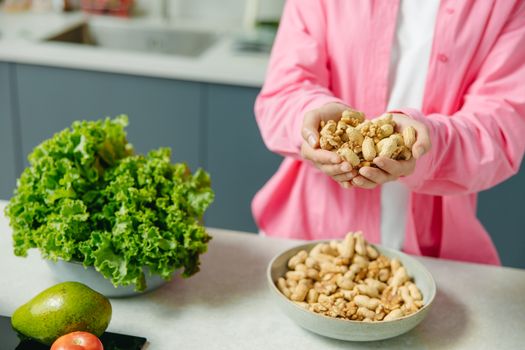
- Brazil Nuts: Exceptionally high in selenium; just one or two per day can meet your daily needs.
- Pumpkin Seeds: Rich in zinc.
- Almonds: Good source of magnesium and vitamin E.
- Walnuts: Contain omega-3 fatty acids.
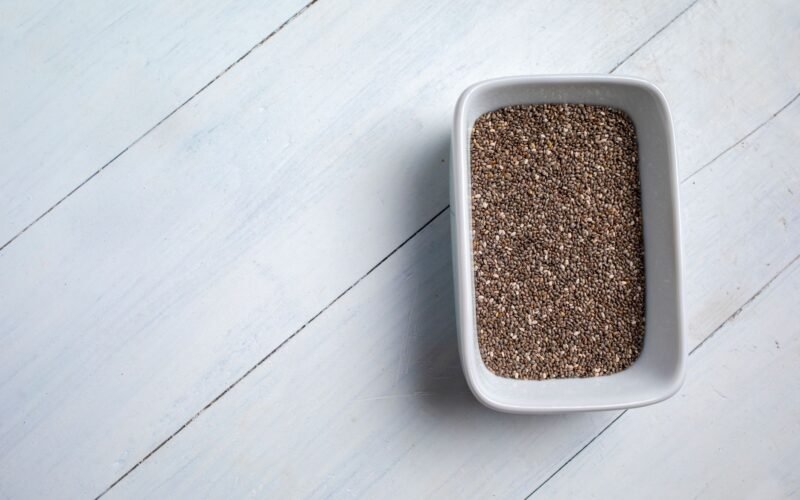
- Chia Seeds & Flaxseeds: Excellent sources of omega-3s (ALA) and fiber.
Legumes
Beans and lentils are packed with fiber, protein, iron, and other essential minerals, making them a great addition to a thyroid-friendly diet. They help stabilize blood sugar and support gut health.
- Lentils
- Black Beans
- Chickpeas
Healthy Fats
Essential for hormone production, reducing inflammation, and nutrient absorption.
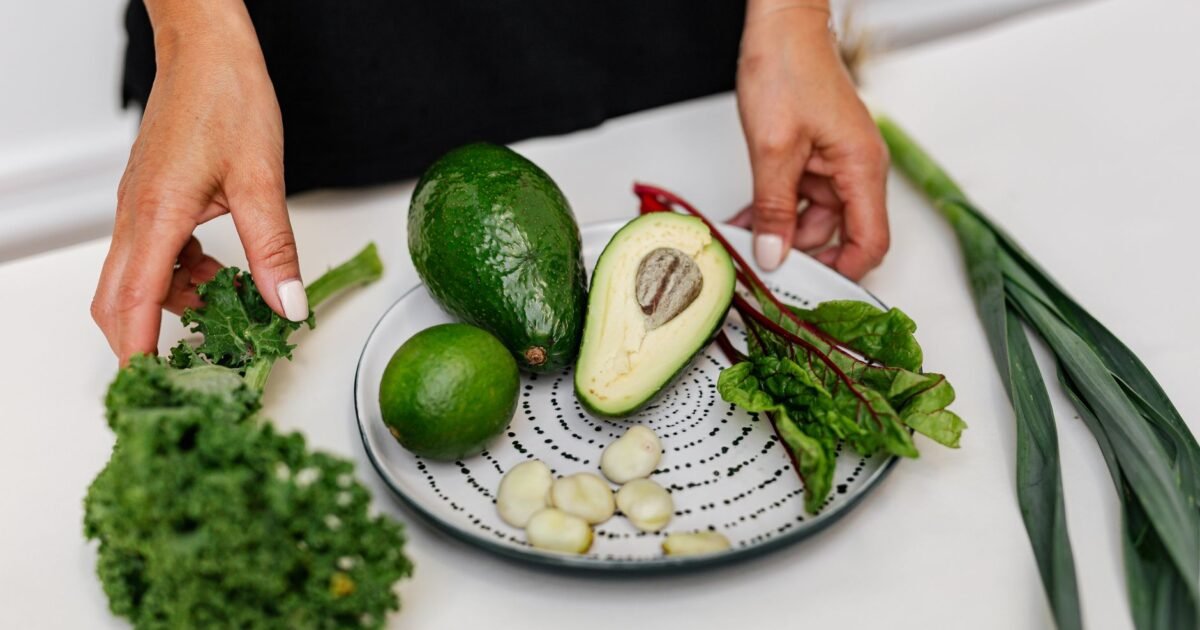
- Avocados: Rich in monounsaturated fats and various vitamins.
- Olive Oil: Extra virgin olive oil is a staple of the Mediterranean diet, known for its anti-inflammatory properties.
- Coconut Oil: Contains medium-chain triglycerides (MCTs) which can support metabolism (use in moderation).
Seafood (Balanced Iodine)
Seafood is a natural source of iodine and selenium. However, moderation is key to avoid excessive iodine intake. Aim for:
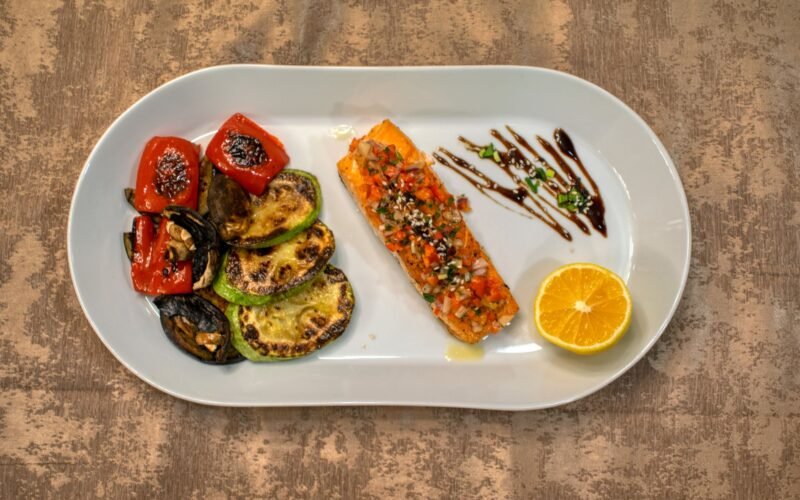
- Wild-Caught Salmon: Rich in omega-3s, selenium, and vitamin D.
- Cod: A lean protein source with moderate iodine.
- Sardines: Good source of omega-3s and vitamin D.
- Seaweed: While rich in iodine, it can be extremely high. Consume very sparingly or avoid if you have an existing thyroid condition, unless advised by a doctor.
<
>
Foods to Approach with Caution or Avoid: Protecting Your Thyroid
Just as certain foods can support thyroid function, others can interfere with it, trigger inflammation, or worsen symptoms. Understanding these potential culprits is crucial for optimizing your thyroid health.
Goitrogenic Foods (Raw Cruciferous Vegetables)
Goitrogens are compounds that can interfere with the thyroid’s ability to absorb iodine, potentially leading to an enlarged thyroid (goiter) and hypothyroidism. Cruciferous vegetables contain these compounds.
- Examples: Broccoli, cauliflower, cabbage, Brussels sprouts, kale, bok choy, radishes, turnips.
- Recommendation: While these vegetables are incredibly healthy, consume them in moderation and always *cook* them. Cooking significantly reduces their goitrogenic effect. Steaming, boiling, or roasting them deactivates the enzymes that produce goitrogens. If you have hypothyroidism, especially with an iodine deficiency, you might consider limiting raw consumption.
Gluten and Wheat Products
For individuals with Hashimoto’s thyroiditis (the leading cause of hypothyroidism), gluten can be a significant trigger. Hashimoto’s is an autoimmune disease, and there’s a recognized link between gluten sensitivity/celiac disease and autoimmune thyroid conditions.
- The Theory: The protein structure of gliadin (found in gluten) is similar to the molecular structure of thyroid tissue. In susceptible individuals, the immune system, upon encountering gluten, may mistakenly attack thyroid tissue (molecular mimicry). Gluten can also cause intestinal permeability (leaky gut), leading to systemic inflammation and further immune dysregulation.
- Recommendation: Consider a trial elimination of gluten. Many people with Hashimoto’s report significant symptom improvement and a reduction in thyroid antibodies when they adopt a gluten-free diet. This includes wheat, barley, and rye.
Soy Products
Soy contains compounds called isoflavones (phytoestrogens) that have been shown to interfere with thyroid hormone production and the absorption of thyroid medication.
- Impact: Soy can inhibit the activity of thyroid peroxidase, an enzyme critical for thyroid hormone synthesis. It can also interfere with the absorption of synthetic thyroid hormones.
- Recommendation: If you consume soy (e.g., tofu, tempeh, edamame, soy milk), do so in moderation and ensure it’s fermented (like tempeh or miso) for better digestibility. More importantly, if you’re on thyroid medication, take it at least 4 hours apart from any soy-containing foods to prevent absorption interference.
Dairy Products
Similar to gluten, dairy can be an inflammatory trigger for some individuals, particularly those with autoimmune conditions or lactose intolerance. Dairy can contribute to gut inflammation, which, in turn, can negatively impact thyroid function and overall immune health.
- Impact: Lactose intolerance can cause digestive upset and inflammation. Casein, a protein in dairy, can also be problematic for some.
- Recommendation: If you suspect dairy is causing issues, try an elimination diet to see if your symptoms improve. Many individuals find relief by switching to dairy-free alternatives like almond milk, coconut milk, or rice milk.
Processed Foods, Sugars, and Refined Grains
These foods offer little to no nutritional value and contribute to inflammation, blood sugar dysregulation, and weight gain, all of which can exacerbate thyroid symptoms and hinder recovery.
- Processed Foods: Often high in unhealthy fats, sodium, and artificial ingredients. They lack the essential nutrients your thyroid needs.
- Sugars: Contribute to insulin resistance and chronic inflammation. High sugar intake can also disrupt the gut microbiome, impacting overall health.
- Refined Grains: White bread, pasta, pastries, etc., are stripped of their fiber and nutrients. They cause rapid spikes in blood sugar, followed by crashes, contributing to fatigue.
- Recommendation: Drastically reduce or eliminate these from your diet. Focus on whole, unprocessed foods.
Excessive Iodine or Iodine Deficiency (Revisited)
As mentioned, both too little and too much iodine can harm the thyroid. While iodine deficiency is rare in countries with iodized salt, excessive intake from supplements or very high-iodine foods (like certain seaweeds) can be detrimental, especially for those with autoimmune thyroid conditions.
- Recommendation: Do not take iodine supplements unless specifically advised by a healthcare professional after testing for deficiency. Rely on food sources for iodine, prioritizing balance.
Alcohol and Caffeine
While an occasional drink or cup of coffee may be fine for some, excessive consumption of alcohol and caffeine can negatively impact thyroid function and worsen symptoms.
- Alcohol: Can be toxic to the thyroid gland, suppress thyroid hormone production, and interfere with medication absorption. It can also disrupt sleep and contribute to liver stress, which is involved in thyroid hormone conversion.
- Caffeine: While it doesn’t directly harm the thyroid, it can exacerbate anxiety, jitters, and sleep disturbances, which are common symptoms of thyroid imbalance. It can also interfere with the absorption of thyroid medication if consumed too close to taking your pill.
- Recommendation: Moderate alcohol intake or avoid it entirely. Limit caffeine, especially if you experience anxiety or sleep issues. Ensure a gap of at least 30-60 minutes between your thyroid medication and coffee.
Dietary Considerations for Hyperthyroidism
While many of the principles of healthy eating apply, individuals with hyperthyroidism (overactive thyroid) have some specific dietary considerations, primarily focused on iodine and, in some cases, goitrogens.
- Lower Iodine Intake: Since an overactive thyroid produces too much hormone, reducing iodine intake can be beneficial. This means avoiding iodized salt, seaweed (especially kelp), seafood high in iodine, and certain dairy products (if iodine is added to animal feed).
- Goitrogens: Unlike hypothyroidism where goitrogens are generally cooked and moderated, for hyperthyroidism, some experts suggest raw goitrogenic foods might be mildly beneficial in slowing down thyroid hormone production. However, this is a nuanced area and should be discussed with a doctor.
- Calorie and Nutrient Density: Hyperthyroidism speeds up metabolism, leading to increased calorie burn and potential weight loss. Focus on nutrient-dense foods, adequate protein, and healthy fats to prevent muscle wasting and maintain a healthy weight.
- Calcium and Vitamin D: Hyperthyroidism can lead to bone loss, so ensuring adequate calcium and vitamin D intake is crucial for bone health.
Always consult your endocrinologist or a registered dietitian for personalized advice regarding hyperthyroidism diet.
Crafting Your Thyroid-Friendly Meal Plan: Practical Tips
Transitioning to a thyroid-supportive diet doesn’t have to be overwhelming. Here are practical tips to help you build your plate:
- Focus on Whole Foods: Prioritize fresh, unprocessed fruits, vegetables, lean proteins, and healthy fats.
- Read Labels: Be vigilant about hidden sugars, gluten, soy, and inflammatory oils in packaged foods.
- Cook Cruciferous Vegetables: If you love broccoli and kale, enjoy them cooked rather than raw.
- Diversify Your Protein: Include a mix of lean meats, fish, eggs, and legumes.
- Embrace Healthy Fats: Incorporate avocados, olive oil, nuts, and seeds daily.
- Hydrate: Drink plenty of filtered water throughout the day to support metabolism and detoxification.
- Mindful Eating: Pay attention to your body’s signals of hunger and fullness. Eat slowly and chew thoroughly.
- Plan Ahead: Meal prepping can help ensure you have healthy, thyroid-friendly options readily available, reducing the temptation for less optimal choices.
- Listen to Your Body: Everyone’s body is different. Pay attention to how certain foods make you feel. Keep a food diary to identify potential triggers or sensitivities.
Beyond Diet: Lifestyle Factors for Thyroid Health
While diet is a cornerstone, a holistic approach to thyroid health also incorporates other crucial lifestyle elements:
- Stress Management: Chronic stress can wreak havoc on your endocrine system, including the thyroid. Practice stress-reducing techniques such as meditation, yoga, deep breathing exercises, spending time in nature, or engaging in hobbies you enjoy.
- Adequate Sleep: Prioritize 7-9 hours of quality sleep per night. Sleep deprivation can disrupt hormone balance, increase inflammation, and exacerbate fatigue.
- Regular Exercise: Engage in a mix of cardiovascular exercise, strength training, and flexibility work. Exercise boosts metabolism, improves mood, helps manage weight, and reduces stress. However, avoid overtraining, which can be counterproductive for a compromised thyroid.
- Environmental Toxin Reduction: Minimize exposure to endocrine-disrupting chemicals found in plastics (BPA/BPS), pesticides, certain cleaning products, and cosmetics. Choose natural and organic options where possible.
- Gut Health: A healthy gut microbiome is intimately linked to immune function and nutrient absorption. Incorporate fermented foods (like sauerkraut, kimchi, kefir if dairy-tolerated) and probiotics, and focus on a fiber-rich diet to support beneficial gut bacteria.
The Importance of Professional Guidance
It cannot be stressed enough that this article provides general information and should not replace personalized medical advice. Thyroid conditions are complex, and their management requires the expertise of healthcare professionals. Always consult with your doctor, endocrinologist, or a registered dietitian before making significant changes to your diet or lifestyle, especially if you are on thyroid medication.
Your doctor can perform necessary tests to diagnose your condition accurately, monitor your hormone levels, and adjust your medication as needed. A registered dietitian specializing in thyroid health can help you create a personalized meal plan that addresses your specific needs, dietary restrictions, and health goals, ensuring you get all the necessary nutrients without causing harm.
Conclusion: Empowering Your Thyroid Health Journey
Living with a thyroid condition can be challenging, but understanding the powerful role of diet and lifestyle can be incredibly empowering. By focusing on nutrient-dense, whole foods, being mindful of potential triggers like gluten and soy, and embracing healthy lifestyle habits, you can significantly support your thyroid gland, alleviate symptoms, and improve your overall quality of life.
Remember, this is a journey, not a sprint. Small, consistent changes can lead to profound improvements over time. Equip yourself with knowledge, listen to your body, and work closely with your healthcare team. At GetLeanPulse.com, we believe in a holistic approach to health, and a well-nourished thyroid is a cornerstone of a vibrant, energetic you. Start today by making conscious choices that feed your thyroid and fuel your well-being.
Photo by www.kaboompics.com on Pexels