Gut Health Foods: Your Daily Guide to a Thriving Microbiome
In the vast landscape of health and wellness, few topics have captured as much attention and scientific interest recently as gut health. Far from being just a digestive organ, your gut is a complex ecosystem teeming with trillions of microorganisms – collectively known as the gut microbiome. This intricate community plays a pivotal role in virtually every aspect of your well-being, influencing everything from your digestion and immune system to your mood, energy levels, and even your weight.
At GetLeanPulse.com, we believe that a healthy gut is the cornerstone of a healthy life. It’s not just about avoiding discomfort; it’s about unlocking your body’s full potential. The good news? You hold immense power to shape this internal world through the foods you choose to eat every single day. By consistently nourishing your gut with the right ingredients, you can cultivate a diverse, balanced, and robust microbiome that works in harmony with your body, promoting vitality and resilience.
This comprehensive guide will dive deep into the world of gut health foods, providing you with an expert-backed roadmap to incorporate these powerful ingredients into your daily diet. We’ll explore the science behind why certain foods are gut superstars, highlight specific examples of probiotic and prebiotic powerhouses, and offer practical strategies to transform your eating habits for optimal gut health. Get ready to embark on a delicious journey that will revolutionize your well-being from the inside out.
The Science of a Healthy Gut: Why It Matters So Much
Before we delve into the culinary delights, let’s briefly understand why your gut is so central to your health. It’s more than just a tube for processing food; it’s a sophisticated control center.
What is the Gut Microbiome?
The gut microbiome refers to all the microorganisms, including bacteria, archaea, viruses, and fungi, that live in your digestive tract. While “bacteria” might sound alarming, the vast majority of these microbes are beneficial, performing essential functions that your own body cannot. A healthy microbiome is characterized by its diversity – a wide variety of different species – and a balance, where beneficial bacteria outnumber harmful ones.
How Gut Health Impacts Overall Well-being
- Digestion & Nutrient Absorption: Your gut microbes help break down food particles, especially complex carbohydrates and fibers that your body cannot digest on its own. They also produce enzymes that aid in nutrient absorption, ensuring you get the most out of your food.
- Immune System Connection: A staggering 70-80% of your immune system resides in your gut. A balanced microbiome trains your immune cells, helping them distinguish between harmful invaders and harmless substances. It produces short-chain fatty acids (SCFAs) that strengthen the gut lining, acting as a barrier against pathogens and toxins.
- Brain-Gut Axis (Mood, Cognition): There’s a constant two-way communication system between your gut and your brain, known as the gut-brain axis. Your gut microbes produce neurotransmitters like serotonin (a key mood regulator), dopamine, and GABA, directly influencing your mood, stress levels, anxiety, and even cognitive function.
- Weight Management & Metabolism: Research suggests that the composition of your gut microbiome can influence how you store fat, how you respond to insulin, and even your cravings. Certain bacteria can extract more calories from food or influence satiety hormones.
- Inflammation & Chronic Disease: An imbalanced gut (dysbiosis) can lead to chronic low-grade inflammation throughout the body. This inflammation is implicated in a wide array of chronic conditions, including autoimmune diseases, heart disease, type 2 diabetes, and certain cancers. A healthy gut helps keep inflammation in check.
Given its profound impact, it’s clear that nurturing your gut is not just a trend; it’s a fundamental strategy for achieving and maintaining optimal health. And the most effective, sustainable way to do this is through your daily food choices.
The Cornerstone of Gut Health: Probiotics
Probiotics are live microorganisms that, when administered in adequate amounts, confer a health benefit on the host. Think of them as reinforcements for your gut army, adding more good guys to the team.
What are Probiotics?
Probiotics are essentially beneficial bacteria and yeasts that are similar to, or the same as, the microbes naturally found in a healthy gut. They are most commonly consumed through fermented foods or as dietary supplements.
How Probiotics Work
When you consume probiotic-rich foods, these beneficial microbes enter your digestive system. They work in several ways:
- Colonization: They can temporarily colonize your gut, increasing the diversity and number of beneficial bacteria.
- Competitive Exclusion: They compete with harmful bacteria for space and nutrients, effectively crowding them out.
- Production of Beneficial Compounds: They produce various beneficial substances, including short-chain fatty acids (SCFAs), vitamins (like B vitamins and vitamin K), and antimicrobial compounds that inhibit the growth of pathogens.
- Immune Modulation: They interact with immune cells in the gut, helping to regulate immune responses and reduce inflammation.
- Digestive Aid: They can help break down lactose and other complex carbohydrates, easing digestion for some individuals.
Top Probiotic-Rich Foods to Eat Daily
Incorporating a variety of these foods into your daily diet is an excellent strategy for boosting your probiotic intake. Remember, diversity is key!
1. Yogurt and Kefir
Perhaps the most well-known probiotic foods, yogurt and kefir are dairy products fermented by specific bacterial cultures. Look for varieties that state “live and active cultures” on the label. Plain, unsweetened versions are best to avoid excessive sugar, which can counteract the benefits. Kefir, a fermented milk drink, typically contains an even wider array of bacterial strains and yeasts than yogurt, making it a powerful choice.
- Benefits: Excellent source of calcium, protein, and B vitamins. Supports bone health and can improve lactose digestion for those with intolerance.
- How to Eat Daily: Enjoy a bowl for breakfast with berries, add to smoothies, use as a base for dips, or as a healthy snack.
2. Kimchi
A staple in Korean cuisine, kimchi is a spicy, fermented cabbage dish, often including other vegetables like radish and scallions. Its fermentation process yields a rich source of lactic acid bacteria.
- Benefits: High in vitamins A, B, and C, fiber, and powerful antioxidants. The capsaicin from chili peppers can also aid digestion and metabolism.
- How to Eat Daily: Serve as a side dish with almost any meal, add to stir-fries, rice bowls, sandwiches, or even scrambled eggs.
3. Sauerkraut
Traditional German sauerkraut is simply fermented cabbage, but don’t confuse it with pasteurized versions found on supermarket shelves, which often lack live cultures. Seek out raw, unpasteurized sauerkraut, typically found in the refrigerated section.
- Benefits: Rich in vitamins C and K, fiber, and iron. The fermentation process increases the bioavailability of nutrients.
- How to Eat Daily: A spoonful can be added to salads, sandwiches, hot dogs (the healthy way!), or as a tangy side to roasted meats and vegetables.
4. Tempeh
Hailing from Indonesia, tempeh is a fermented soybean product formed into a dense cake. Unlike tofu, tempeh is a whole soybean product, giving it a firmer texture and nutty flavor.
- Benefits: An excellent source of protein, fiber, and prebiotics. The fermentation process reduces phytic acid, making nutrients more absorbable.
- How to Eat Daily: Marinate and grill, bake, or pan-fry it. Use it in stir-fries, sandwiches, salads, or as a meat substitute.
5. Miso
A traditional Japanese seasoning, miso is a paste made from fermented soybeans, often with rice or barley. It adds a deep, umami flavor to dishes.
- Benefits: Contains beneficial bacteria, protein, and various minerals.
- How to Eat Daily: Most famously used in miso soup, but can also be used in marinades, dressings, and glazes for vegetables or fish. Ensure it’s added to dishes after cooking to preserve live cultures.
6. Kombucha
This fizzy, tangy fermented tea has gained immense popularity. It’s made by fermenting sweetened tea with a SCOBY (Symbiotic Culture of Bacteria and Yeast).
- Benefits: Contains various organic acids, antioxidants, and a diverse range of bacteria and yeasts.
- How to Eat Daily: Enjoy a small glass as a refreshing beverage. Be mindful of sugar content, opting for lower-sugar varieties.
7. Pickles (Lacto-Fermented)
It’s crucial to distinguish between regular vinegar pickles and lacto-fermented pickles. Only the latter, made by fermenting cucumbers in a salt brine, contain live probiotics. Check labels carefully.
- Benefits: A simple way to add probiotics and a tangy crunch to your meals.
- How to Eat Daily: Enjoy as a snack, add to sandwiches, or chop into salads.
8. Traditional Buttermilk
While most buttermilk sold today is cultured (milk with added lactic acid), traditional buttermilk, the liquid left after churning butter, contains live cultures. Look for “cultured buttermilk” that specifies live cultures.
- Benefits: Good source of probiotics, calcium, and protein.
- How to Eat Daily: Use in baking, dressings, or as a base for smoothies.
9. Natto
A Japanese dish made from fermented soybeans, natto has a distinctive sticky texture and strong flavor. It’s an acquired taste but incredibly potent.
- Benefits: Exceptionally high in vitamin K2, which is crucial for bone and heart health, and a powerful probiotic.
- How to Eat Daily: Traditionally eaten with rice for breakfast. Can be mixed with soy sauce and mustard.

Fueling Your Friendly Flora: Prebiotics
While probiotics introduce beneficial bacteria, prebiotics are the non-digestible fibers that act as food for these good microbes already residing in your gut. They are just as crucial, if not more so, for sustaining a healthy microbiome.
What are Prebiotics?
Prebiotics are specific types of dietary fiber that pass undigested through the upper part of the digestive tract and reach the large intestine. Here, they are fermented by beneficial gut bacteria, stimulating their growth and activity.
Why Prebiotics are Crucial
Prebiotics and probiotics work synergistically, creating a powerful duo for gut health. This relationship is often referred to as a “synbiotic” effect. When your gut bacteria ferment prebiotics, they produce short-chain fatty acids (SCFAs) like butyrate, acetate, and propionate. These SCFAs are vital for:
- Gut Barrier Integrity: Butyrate is the primary fuel source for the cells lining your colon, strengthening the gut barrier and preventing “leaky gut.”
- Anti-inflammatory Effects: SCFAs have potent anti-inflammatory properties throughout the body.
- Immune Function: They interact with immune cells, modulating immune responses.
- Appetite Regulation: Some SCFAs can influence hormones that control appetite and satiety.
- Blood Sugar Control: They may improve insulin sensitivity and help regulate blood sugar levels.
Top Prebiotic-Rich Foods to Eat Daily
Aim to include a variety of these plant-based powerhouses in your diet every day to nourish your gut microbes.
1. Garlic
More than just a flavor enhancer, garlic is a fantastic source of inulin and fructooligosaccharides (FOS), powerful prebiotics that promote the growth of beneficial Bifidobacteria.
- Benefits: Anti-inflammatory, antimicrobial properties, and supports cardiovascular health.
- How to Eat Daily: Incorporate into almost any savory dish, dressings, stir-fries, or roasted vegetables.
2. Onions
Like garlic, onions (including red, white, and spring onions) are rich in FOS and inulin. These compounds help strengthen the gut lining and boost beneficial bacteria.
- Benefits: High in antioxidants, vitamin C, and flavonoids.
- How to Eat Daily: Add to salads, sandwiches, stir-fries, soups, stews, or caramelize for a sweet flavor.
3. Leeks
Closely related to garlic and onions, leeks also provide a significant amount of FOS and inulin, making them excellent gut-friendly vegetables.
- Benefits: Good source of vitamins K and A, and manganese.
- How to Eat Daily: Use in soups, stews, quiches, or sautéed as a side dish.
4. Asparagus
This tender green spear is another great source of inulin, promoting the growth of good bacteria in the colon.
- Benefits: Rich in vitamins K and C, folate, and antioxidants.
- How to Eat Daily: Steam, roast, grill, or sauté as a versatile side dish. Add to salads or omelets.
5. Bananas (Green/Unripe)
While ripe bananas offer potassium and vitamins, green or unripe bananas are particularly rich in resistant starch. This type of starch resists digestion in the small intestine and acts as a prebiotic in the large intestine.
- Benefits: Supports healthy blood sugar levels and promotes satiety.
- How to Eat Daily: Add unripe bananas to smoothies for a subtle flavor and creamy texture.
6. Oats
A breakfast staple, oats contain beta-glucan, a soluble fiber with prebiotic properties. They also provide resistant starch.
- Benefits: Helps lower cholesterol, stabilizes blood sugar, and provides sustained energy.
- How to Eat Daily: Enjoy as oatmeal, add to smoothies, use in baking, or make overnight oats.
7. Apples
An apple a day really can keep the doctor away, especially for your gut! Apples, particularly with their skin, are rich in pectin, a soluble fiber that acts as a prebiotic.
- Benefits: High in antioxidants, vitamin C, and helps regulate bowel movements.
- How to Eat Daily: Eat whole, slice into salads, or add to oatmeal.
8. Flaxseeds
These tiny seeds are nutritional powerhouses, packed with soluble and insoluble fiber, including lignans, which have prebiotic effects.
- Benefits: Excellent source of omega-3 fatty acids, supports heart health, and helps regulate digestion.
- How to Eat Daily: Grind and sprinkle on oatmeal, yogurt, salads, or add to smoothies and baked goods.
9. Chicory Root
One of the highest natural sources of inulin, chicory root is often used as a coffee substitute or as an additive to boost fiber content in foods. You can find it in some herbal teas.
- Benefits: Potent prebiotic, can aid digestion.
- How to Eat Daily: Drink chicory root coffee, or look for foods fortified with inulin from chicory root.
10. Jicama
This crunchy, slightly sweet root vegetable is a good source of inulin and FOS.
- Benefits: High in vitamin C, fiber, and provides a satisfying crunch.
- How to Eat Daily: Slice and eat raw with dips, add to salads, or use in stir-fries.
11. Dandelion Greens
Often overlooked, these bitter greens are a fantastic source of inulin and other beneficial compounds.
- Benefits: Rich in vitamins A, C, and K, and antioxidants. Supports liver health.
- How to Eat Daily: Add to salads, sauté with garlic, or blend into green smoothies.
12. Artichokes
Both globe and Jerusalem artichokes (sunchokes) are excellent sources of inulin, supporting a healthy gut microbiome.
- Benefits: High in fiber, antioxidants, and minerals like magnesium and potassium.
- How to Eat Daily: Steam and eat the leaves, or roast/grill the hearts. Jerusalem artichokes can be roasted or added to soups.
13. Legumes (Beans, Lentils, Chickpeas)
Beans and lentils are superstars for gut health, providing a rich blend of soluble and insoluble fiber, including resistant starch, which acts as a prebiotic.
- Benefits: Excellent source of plant-based protein, iron, folate, and helps regulate blood sugar.
- How to Eat Daily: Add to soups, stews, salads, make hummus, or use as a base for veggie burgers. Start with smaller portions if you’re new to legumes to avoid gas.
Beyond Probiotics and Prebiotics: Other Gut-Friendly Foods
While probiotics and prebiotics form the core of a gut-healthy diet, other foods and nutrients play crucial supporting roles, contributing to a diverse and resilient gut environment.
Fiber-Rich Whole Grains
Beyond oats, other whole grains like brown rice, quinoa, barley, and whole wheat contain various types of fiber that contribute to gut health. Different fibers feed different bacterial strains, promoting diversity.
- Benefits: Promotes regularity, helps manage blood sugar, and provides sustained energy.
- How to Eat Daily: Swap refined grains for whole grain options in bread, pasta, and rice.
Omega-3 Fatty Acids
Found primarily in fatty fish and certain plant sources, omega-3 fatty acids are potent anti-inflammatory agents that can positively influence gut health.
- Benefits: Reduces gut inflammation, supports the integrity of the gut lining, and may increase microbial diversity.
- How to Eat Daily: Consume fatty fish (salmon, mackerel, sardines) 2-3 times a week. Incorporate chia seeds, flaxseeds, and walnuts into your daily diet.
Polyphenols
These powerful plant compounds, known for their antioxidant properties, also act as prebiotics. They are not fully digested in the upper gut and make their way to the colon, where they are metabolized by specific gut bacteria.
- Benefits: Reduces oxidative stress and inflammation, and selectively promotes the growth of beneficial bacteria.
- How to Eat Daily:
- Berries: Blueberries, raspberries, blackberries are packed with polyphenols.
- Dark Chocolate: Opt for varieties with 70% cocoa or higher.
- Green Tea: Rich in catechins.
- Coffee: Contains chlorogenic acid.
- Red Wine (in moderation): Resveratrol and other polyphenols.
- Spices: Cloves, cinnamon, oregano, rosemary.
Bone Broth
Made by simmering animal bones and connective tissue, bone broth is rich in collagen, gelatin, and amino acids like glutamine. These components are believed to support the integrity of the gut lining.
- Benefits: May help repair a damaged gut lining, reduce inflammation, and improve nutrient absorption.
- How to Eat Daily: Sip on a cup of warm bone broth, use as a base for soups and stews, or cook grains in it.
Ginger and Turmeric
These potent spices are renowned for their anti-inflammatory and digestive properties.
- Benefits: Ginger can soothe digestive upset and nausea, while turmeric (specifically its active compound curcumin) is a powerful anti-inflammatory that can benefit the gut.
- How to Eat Daily: Add fresh ginger to teas, stir-fries, or smoothies. Use turmeric in curries, soups, or a “golden milk” latte.
Leafy Greens
Spinach, kale, collard greens, and other leafy vegetables are loaded with vitamins, minerals, and fiber. They also contain a unique sugar called sulfoquinovose, which feeds beneficial gut bacteria.
- Benefits: Provides essential nutrients, fiber for regularity, and contributes to microbial diversity.
- How to Eat Daily: Include in salads, smoothies, stir-fries, or sauté as a side dish.
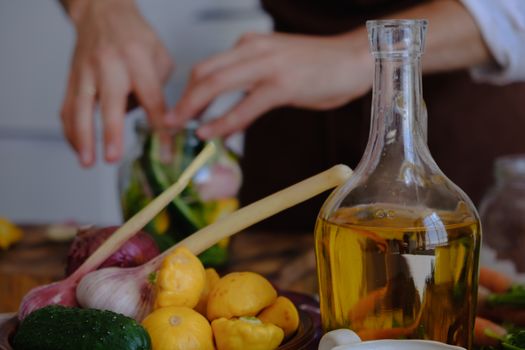
Crafting Your Daily Gut-Friendly Menu
Knowing which foods are good for your gut is one thing; consistently incorporating them into your daily routine is another. Here are practical tips and a sample meal plan to help you get started.
Practical Tips for Integration
- Start Small, Be Consistent: Don’t try to overhaul your entire diet overnight. Introduce one or two new gut-friendly foods each week and aim for consistency. Even a small daily dose can make a difference.
- Variety is Key: Different foods nourish different strains of bacteria. The more diverse your intake of plant-based foods, the more diverse and resilient your microbiome will be. Aim for 30 different plant foods per week.
- Read Labels Carefully: Especially for fermented foods like yogurt, kombucha, and sauerkraut. Look for “live and active cultures” and choose options with minimal added sugars. Added sugars can feed harmful bacteria.
- Hydration is Essential: Water helps fiber move through your digestive system smoothly and keeps your gut lining healthy. Aim for at least 8 glasses of water daily.
- Mindful Eating: Pay attention to how your body responds to different foods. Eating slowly and chewing thoroughly can also aid digestion.
- Cook at Home More Often: This gives you control over ingredients, allowing you to prioritize fresh, whole, gut-friendly foods and avoid processed additives.
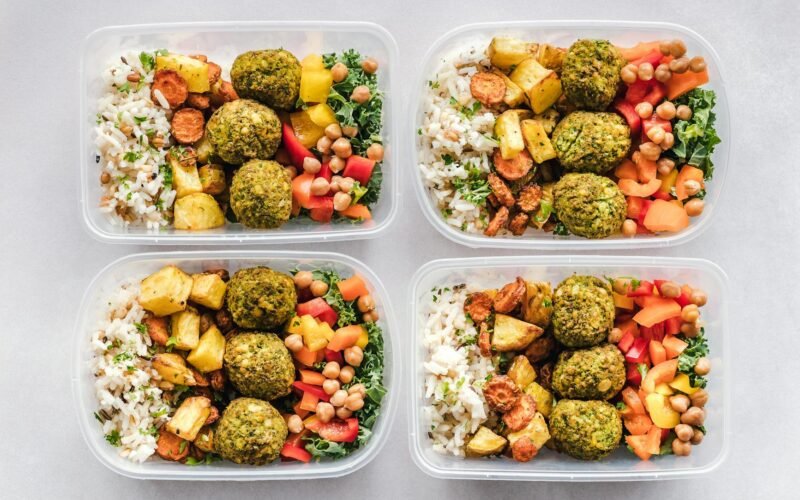
- Batch Cooking: Prepare larger quantities of gut-friendly staples like roasted vegetables, cooked grains, or a batch of bean salad to make daily integration easier.
Sample Daily Gut-Friendly Meal Plan
This is just an example; feel free to customize it based on your preferences and dietary needs.
Breakfast: Gut-Happy Start
- Option 1: Probiotic Power Bowl
- 1 cup plain, unsweetened Greek yogurt or kefir (probiotic)
- 1/2 cup rolled oats (prebiotic fiber, resistant starch)
- 1/4 cup mixed berries (polyphenols, fiber)
- 1 tbsp ground flaxseeds (prebiotic fiber, omega-3s)
- A few slices of green banana (resistant starch)
- Option 2: Savory Scramble
- Scrambled eggs with sautéed spinach (leafy green, fiber), onions, and garlic (prebiotics)
- A small side of fermented sauerkraut or kimchi (probiotic)
- A slice of whole-grain toast (fiber)
Lunch: Nourishing & Diverse
- Option 1: Loaded Lentil Salad
- Base of mixed leafy greens (fiber, nutrients)
- 1 cup cooked lentils (prebiotic fiber, protein)
- Chopped bell peppers, cucumbers, and tomatoes (fiber, vitamins)
- A few spoonfuls of lacto-fermented pickles (probiotic)
- Dressing: Olive oil, lemon juice, a dash of apple cider vinegar, and minced garlic (prebiotic)
- Option 2: Tempeh & Veggie Wrap
- Whole-wheat tortilla (fiber)
- Marinated and grilled tempeh strips (probiotic, protein)
- Shredded carrots, cabbage, and bell peppers (fiber)
- A dollop of hummus (chickpeas – prebiotic fiber)
- A side of jicama sticks (prebiotic fiber)
Snacks: Smart Gut Boosts
- Apple slices with almond butter (pectin – prebiotic, fiber)
- Small glass of unsweetened kombucha (probiotic)
- Handful of walnuts (omega-3s, polyphenols)
- A small cup of bone broth (gut lining support)
- A few olives (polyphenols, healthy fats)
Dinner: Satisfying & Restorative
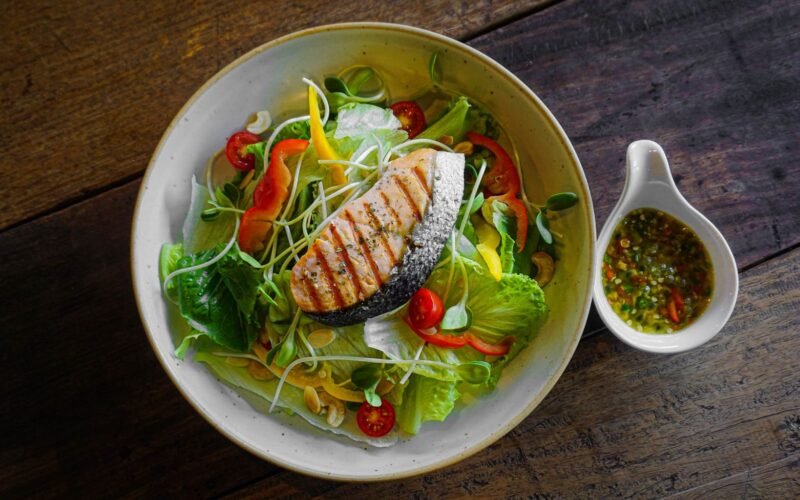
- Option 1: Salmon with Roasted Asparagus & Quinoa
- Baked or grilled salmon (omega-3s)
- Roasted asparagus and onions (prebiotics)
- 1 cup cooked quinoa (whole grain, fiber)
- Garnish with fresh parsley or cilantro (antioxidants)
- Option 2: Miso & Ginger Vegetable Stir-fry
- Stir-fry with a variety of colorful vegetables: broccoli, carrots, snap peas, mushrooms, leeks (prebiotic, fiber, nutrients)
- Brown rice base (whole grain, fiber)
- Sauce made with miso paste (probiotic), ginger, garlic (prebiotics), and a touch of soy sauce (or tamari)
- Optional: Add some cubed tempeh for extra protein and probiotics.
Remember, this is a template. Feel free to mix and match, substitute, and adjust portion sizes to fit your individual needs and preferences. The goal is to consistently include a wide array of probiotic and prebiotic foods in your daily routine.
Addressing Common Concerns and FAQs
What about probiotic supplements?
While supplements can be beneficial, especially after antibiotic use or for specific conditions, a “food first” approach is generally recommended. Whole foods provide a broader spectrum of nutrients, fibers, and beneficial compounds that work synergistically. If you do consider supplements, choose high-quality brands with diverse strains and consult with a healthcare professional.
Can I eat too many gut-healthy foods?
While generally beneficial, introducing a large amount of fiber and fermented foods too quickly can sometimes lead to temporary digestive discomfort like gas, bloating, or changes in bowel habits. It’s best to introduce these foods gradually, allowing your gut microbiome to adjust. Listen to your body and adjust portion sizes as needed.
How long does it take to see results?
Changes in the gut microbiome can occur relatively quickly, sometimes within days or weeks of dietary changes. However, significant and lasting improvements in symptoms and overall well-being typically take several weeks to a few months of consistent effort. Everyone’s body is different, so patience and consistency are key.
What foods should I limit or avoid for gut health?
To truly optimize your gut health, it’s also important to minimize foods that can negatively impact your microbiome:
- Processed Foods: Often high in unhealthy fats, sugar, and artificial ingredients that can disrupt the gut balance.
- Added Sugars: Can feed harmful bacteria and yeast, leading to dysbiosis and inflammation.
- Artificial Sweeteners: Some studies suggest they can negatively alter the gut microbiome.
- Excessive Alcohol: Can irritate the gut lining and disrupt microbial balance.
- Unhealthy Fats: Trans fats and
Photo by Kristina Snowasp on Pexels