How to Lose 10 Pounds in 2 Weeks: Your Rapid Kickstart Guide
The desire to lose weight quickly is a common and often motivating goal, especially when an important event looms or you simply want a powerful kickstart to a healthier lifestyle. Losing 10 pounds in just two weeks is an ambitious target, and while certainly challenging, it can be achievable for some individuals under the right, responsible conditions. This guide from GetLeanPulse.com will explore the strategies, sacrifices, and sustainable habits required to aim for such rapid weight loss, emphasizing health and safety above all.
Before embarking on any rapid weight loss plan, it’s crucial to understand that a significant portion of initial fast weight loss is often attributed to water weight, not just fat. Our bodies store carbohydrates as glycogen, which binds to water. When you drastically reduce carb intake, your body uses up these glycogen stores, releasing the associated water. This can lead to a noticeable drop on the scale within days. While satisfying, it’s not pure fat loss, and understanding this distinction is key to managing expectations and preventing discouragement.
This article is designed for individuals seeking an aggressive, short-term strategy to accelerate their weight loss journey. It is not a substitute for professional medical advice. Always consult with your doctor or a registered dietitian before making significant changes to your diet or exercise routine, especially if you have underlying health conditions.
The Science Behind Rapid Weight Loss: What 10 Pounds Really Means
To understand how to lose 10 pounds, we first need to grasp the fundamental principle of weight loss: a calorie deficit. One pound of body fat is roughly equivalent to 3,500 calories. Therefore, to lose 10 pounds of *pure fat* in two weeks (14 days), you would need to create a total deficit of 35,000 calories, or 2,500 calories per day (35,000 / 14 = 2,500). For most people, sustaining a 2,500-calorie daily deficit is extremely difficult and often unhealthy, as it would require consuming very few calories while burning a tremendous amount through exercise.
This is where the concept of “water weight” becomes critical. When you initiate a diet, particularly one that restricts carbohydrates and sodium, your body begins to shed excess water. Carbohydrates are stored as glycogen in your muscles and liver, and each gram of glycogen holds about 3-4 grams of water. By reducing carbohydrate intake, your body depletes these glycogen stores, leading to a significant and rapid expulsion of water. Additionally, reducing sodium intake helps your kidneys excrete more water. This initial loss can account for several pounds within the first week, giving the illusion of very fast fat loss.
While this water weight loss is temporary and can be regained once normal eating patterns resume, it provides a powerful psychological boost and can kickstart the process of fat burning. The goal of losing 10 pounds in 2 weeks, therefore, is a combination of strategic water loss and accelerated fat burning through a significant, but safe, calorie deficit coupled with increased physical activity.
Metabolism plays a crucial role. Your Basal Metabolic Rate (BMR) is the number of calories your body burns at rest, and your Total Daily Energy Expenditure (TDEE) includes calories burned through activity. To lose weight, you must consume fewer calories than your TDEE. Individual metabolic rates vary based on age, sex, weight, height, and muscle mass. Someone with a higher BMR and TDEE will naturally have more room for a larger calorie deficit without going to dangerously low levels.
It’s important to acknowledge that truly healthy, sustainable fat loss typically occurs at a rate of 1-2 pounds per week. Aiming for 5 pounds per week (which is what 10 pounds in 2 weeks translates to) pushes the boundaries of what is considered sustainable fat loss and necessitates aggressive, short-term measures. This approach is best viewed as a “shock” or “reset” for your system, intended to be followed by more moderate and sustainable lifestyle changes.
Pillar 1: Strategic Nutrition for Accelerated Fat Loss
Nutrition is, without a doubt, the most powerful lever you can pull when aiming for rapid weight loss. For a two-week intensive plan, your food choices need to be meticulously planned to maximize satiety, nutrient intake, and calorie deficit.
Drastically Reduce Calorie Intake (Safely!)
The foundation of losing weight is consuming fewer calories than your body burns. For a goal as aggressive as 10 pounds in two weeks, you will need a substantial calorie deficit. However, “substantial” does not mean “starvation.” Going too low can slow your metabolism, lead to nutrient deficiencies, and be detrimental to your health.
First, estimate your TDEE. Many online calculators can help you do this, taking into account your age, sex, height, weight, and activity level. Once you have your TDEE, you’ll need to aim for a daily caloric intake that is significantly lower. For many healthy adults, a deficit of 1000-1200 calories below maintenance might be aggressive but manageable for two weeks, resulting in a daily intake often in the range of 1200-1500 calories. For some individuals, especially those with higher starting weights and more muscle mass, a slightly higher intake might still create a sufficient deficit. It’s crucial not to drop below 1200 calories for women and 1500 for men without strict medical supervision, as this can lead to nutrient deficiencies and health complications. This is a very generalized recommendation, and your specific needs may vary. Always prioritize safety and listen to your body.
The key here is nutrient density. Every calorie you consume must provide maximum nutritional value to keep you feeling full and energized, while supporting bodily functions. Empty calories from processed foods, sugary drinks, and refined grains have no place in this two-week plan.
Prioritize Protein Power
Protein is your best friend for rapid weight loss. It is the most satiating macronutrient, meaning it keeps you feeling fuller for longer, which is critical when you’re in a calorie deficit. High protein intake also helps preserve lean muscle mass, which is vital for maintaining a healthy metabolism. When you lose weight rapidly, there’s always a risk of losing muscle along with fat. Adequate protein intake minimizes this risk.
Furthermore, protein has a higher thermic effect of food (TEF) compared to carbohydrates and fats. This means your body expends more energy (calories) to digest and metabolize protein. Aim for approximately 0.7 to 1 gram of protein per pound of your target body weight. Excellent sources include lean meats (chicken breast, turkey, lean beef), fish (salmon, cod, tuna), eggs, dairy (Greek yogurt, cottage cheese), and plant-based proteins (lentils, beans, tofu, tempeh).
Incorporate protein into every meal and snack. A breakfast of eggs and vegetables, a lunch with grilled chicken and a large salad, and dinner with baked fish and steamed greens will help you meet your protein targets while staying within your calorie goals.
Embrace Non-Starchy Vegetables
Non-starchy vegetables are the cornerstone of any effective rapid weight loss diet. They are incredibly low in calories, high in fiber, and packed with essential vitamins, minerals, and antioxidants. The high fiber content contributes significantly to satiety, helping to fill you up without adding many calories.
Make non-starchy vegetables the bulk of your meals. Think leafy greens (spinach, kale, romaine), broccoli, cauliflower, bell peppers, cucumbers, zucchini, asparagus, green beans, and mushrooms. You can eat large quantities of these vegetables, which helps to create a feeling of fullness and satisfaction, preventing hunger pangs that can derail your efforts.
Steam them, roast them, sauté them with a tiny amount of healthy fat, or enjoy them raw in salads. Experiment with different spices and herbs to make them flavorful without adding excess calories.
Smart Carb Management: Go Low, Not No
For rapid initial weight loss, particularly the shedding of water weight, a significant reduction in carbohydrate intake is highly effective. As mentioned, cutting carbs depletes glycogen stores, leading to water loss.
This doesn’t necessarily mean “no carbs,” but it does mean being extremely selective. Eliminate all refined carbohydrates like white bread, pasta, sugary cereals, pastries, and processed snacks. Focus any carbohydrate intake on complex, high-fiber sources in very small portions, primarily around your workouts if you choose to include them, or from the natural carbohydrates found in non-starchy vegetables.
For the two-week period, consider limiting your net carbohydrate intake (total carbs minus fiber) to 50-100 grams per day, depending on your activity level and individual tolerance. This approach will help your body tap into fat stores for energy more efficiently and accelerate water weight loss. After the two weeks, you can gradually reintroduce healthier complex carbohydrates as part of a sustainable long-term eating plan.
Healthy Fats in Moderation
While fat is calorie-dense (9 calories per gram compared to 4 for protein and carbs), healthy fats are essential for hormone production, nutrient absorption, and overall bodily functions. They also contribute to satiety.
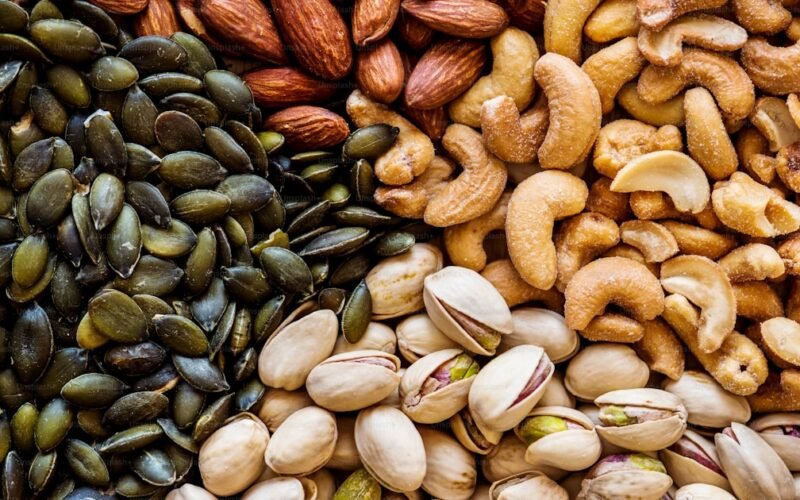
The key here is moderation and choosing the right types of fats. Incorporate small amounts of healthy fats from sources like avocados, nuts (almonds, walnuts), seeds (chia, flax, hemp), and olive oil. Avoid unhealthy trans fats and limit saturated fats found in highly processed foods and fatty cuts of meat. A small drizzle of olive oil on your salad or a quarter of an avocado with your meal can provide necessary fats without pushing your calorie count too high.
Be mindful of portion sizes; even healthy fats can quickly add up in calories if consumed excessively.
Eliminate Sugary Drinks and Processed Foods
This step is non-negotiable for rapid weight loss. Sugary drinks (soda, fruit juice, sweetened teas, energy drinks) are liquid calories that provide no satiety and contribute significantly to weight gain and inflammation. They offer empty calories that are quickly absorbed, causing blood sugar spikes and crashes.
Processed foods are typically high in unhealthy fats, sugar, sodium, and artificial ingredients. They are designed to be hyper-palatable, making it easy to overeat, and offer minimal nutritional value. Examples include chips, cookies, fast food, frozen dinners, and most packaged snacks. For two weeks, commit to a whole-food diet, avoiding anything that comes in a package with a long list of ingredients.
Water, unsweetened tea, and black coffee should be your primary beverages during this period.
Hydration is Key: Water, Water, Water!
Water is often overlooked but plays a critical role in weight loss. Drinking plenty of water can help you feel full, reducing overall calorie intake. Often, thirst is mistaken for hunger, leading to unnecessary snacking. Drinking a large glass of water before meals can significantly curb appetite.
Adequate hydration also supports your metabolism, aids in nutrient transport, and helps your body flush out toxins. When you’re in a calorie deficit and increasing physical activity, your body needs even more water. Aim for at least 8-10 glasses (2-3 liters) of water per day, and even more if you’re exercising intensely or in a warm climate.
Consider infusing your water with cucumber, lemon, or mint for flavor without added calories if plain water becomes monotonous.

Pillar 2: Maximizing Movement and Exercise
While nutrition is paramount, incorporating a strategic exercise regimen will amplify your calorie deficit, preserve muscle mass, and boost your metabolism, accelerating your progress towards losing 10 pounds.
High-Intensity Interval Training (HIIT)
HIIT is incredibly effective for burning calories in a shorter amount of time and for boosting your metabolism post-workout, an effect known as EPOC (Excess Post-exercise Oxygen Consumption). HIIT involves short bursts of intense anaerobic exercise followed by brief recovery periods.
Examples include sprinting, burpees, jumping jacks, or high knees performed at maximum effort for 30-60 seconds, followed by 30-60 seconds of rest, repeated for 15-20 minutes. Aim for 3-4 HIIT sessions per week on non-consecutive days to allow for recovery. HIIT not only burns significant calories during the workout but also keeps your body burning calories at an elevated rate for hours afterward.
Always warm up thoroughly before HIIT and cool down afterward. If you’re new to exercise, start with lower intensity intervals and gradually increase as your fitness improves. Listen to your body to prevent injury.
Incorporate Strength Training
Strength training is crucial for preserving and building lean muscle mass. Muscle is metabolically active, meaning it burns more calories at rest than fat. By including strength training, you ensure that the weight you lose is primarily fat, not muscle, which helps maintain your metabolism and improves body composition.
Aim for 3 sessions of full-body strength training per week. You can use bodyweight exercises (push-ups, squats, lunges, planks), resistance bands, or weights (dumbbells, barbells). Focus on compound movements that work multiple muscle groups simultaneously. For example, squats, deadlifts, bench presses, overhead presses, and rows. If you’re new to strength training, consider working with a trainer for proper form to prevent injury.
Strength training can be done on alternating days from your HIIT sessions, or you can combine them if you have enough energy and recovery capacity, perhaps doing a short strength session followed by a short HIIT burst.
Boost NEAT (Non-Exercise Activity Thermogenesis)
NEAT refers to the calories burned through activities that are not formal exercise, such as walking, fidgeting, gardening, cleaning, and taking the stairs. Increasing your NEAT can significantly contribute to your daily calorie expenditure without feeling like a strenuous workout.
Set a daily step goal, such as 10,000 steps, and actively look for opportunities to move more throughout your day. Take the stairs instead of the elevator, park further away, walk during phone calls, stand at your desk, or go for a brisk walk during your lunch break. These small, consistent movements add up and can make a noticeable difference in your total calorie burn over two weeks.
Even small increases in daily activity can contribute to a larger calorie deficit without causing the same level of fatigue as intense workouts.
Consistency is Crucial
For rapid weight loss, consistency in your exercise routine is non-negotiable. Missing workouts or being inconsistent will directly impact your calorie deficit and overall progress. Treat your exercise sessions as appointments you cannot miss. While intense, this is a short-term push, so you need to be committed for the full 14 days.
Mix up your routine to prevent boredom and engage different muscle groups. For instance, alternate between HIIT, strength training, and active recovery days (light walking, stretching, yoga). On days when you don’t have a formal workout planned, focus on maximizing your NEAT.
Remember that even on days when you feel low on energy, a short walk or light stretching is better than doing nothing at all. The goal is to keep your body moving and burning calories consistently.

Pillar 3: Lifestyle Factors for Enhanced Results
Beyond diet and exercise, several lifestyle elements can significantly impact your body’s ability to lose weight, especially when you’re aiming for rapid results. These factors often regulate hormones and energy levels, which are critical for metabolic function and adherence to your plan.
Optimize Sleep for Weight Loss
Sleep is often the unsung hero of weight loss. When you’re sleep-deprived, your body experiences several hormonal imbalances that can sabotage your efforts. Levels of ghrelin (the hunger hormone) increase, while leptin (the satiety hormone) decreases, leading to increased appetite and cravings, particularly for high-calorie, high-carb foods.
Poor sleep also elevates cortisol levels, the stress hormone, which can promote fat storage, especially around the abdominal area, and break down muscle tissue. Aim for 7-9 hours of quality sleep per night. To improve sleep hygiene:
- Go to bed and wake up at the same time each day, even on weekends.
- Create a relaxing bedtime routine (e.g., warm bath, reading, meditation).
- Ensure your bedroom is dark, quiet, and cool.
- Avoid caffeine and heavy meals close to bedtime.
- Limit screen time (phones, tablets, computers, TV) at least an hour before sleep.
Adequate sleep provides the energy you need for intense workouts and helps your body recover, making you more likely to stick to your diet and exercise plan.
Master Stress Management
Chronic stress, like sleep deprivation, can elevate cortisol levels. As mentioned, elevated cortisol can lead to increased appetite, cravings, and the accumulation of abdominal fat. When under stress, many people also turn to emotional eating as a coping mechanism, further hindering weight loss efforts.
For a two-week intensive period, managing stress is vital. Identify your stressors and develop healthy coping strategies. Some effective stress management techniques include:
- Mindfulness and Meditation: Even 10-15 minutes a day can significantly reduce stress.
- Deep Breathing Exercises: Simple techniques can calm your nervous system.
- Yoga: Combines physical activity with mindfulness and relaxation.
- Spending Time in Nature: Known to reduce stress and improve mood.
- Engaging in Hobbies: Distract yourself from stressors with enjoyable activities.
- Social Connection: Talk to friends or family about your feelings (but avoid social eating that might derail your diet).
By actively managing stress, you create a more favorable internal environment for weight loss and improve your overall well-being.
Track Your Progress and Stay Accountable
Tracking your progress is essential for staying motivated and making necessary adjustments. For a rapid weight loss goal, meticulous tracking can be particularly beneficial.
- Food Diary: Use an app or a notebook to record everything you eat and drink. This helps you stay within your calorie and macronutrient targets and identify areas for improvement. Be honest and precise.
- Weight Tracking: Weigh yourself daily, first thing in the morning after using the restroom. While daily fluctuations are normal (especially with water weight), tracking daily allows you to see trends. Don’t get discouraged by small daily ups and downs; focus on the overall downward trend over the two weeks.
- Measurements: Take body measurements (waist, hips, thighs, arms) before starting and again at the end of the two weeks. Sometimes, you might lose inches even if the scale doesn’t move as much as expected.
- Photo Progress: Take before-and-after photos. Visual changes can be incredibly motivating.
- Accountability Partner: Share your goals with a friend, family member, or join an online community for support and accountability. Knowing someone else is aware of your goals can provide an extra layer of motivation.
Seeing tangible results, even small ones, reinforces positive behaviors and helps you stay committed to the plan, especially during challenging moments.
A Sample 2-Week Plan Outline (Illustrative)
This is an example structure to help visualize how to integrate the strategies discussed. Remember to tailor this to your individual needs, preferences, and consult a healthcare professional.
Week 1 Focus: Aggressive calorie deficit, carb reduction, increased water, daily cardio/HIIT.
- Nutrition:
- Breakfast: 3 scrambled egg whites with a cup of spinach and mushrooms.
- Snack: Small handful of almonds or 1/2 cup cottage cheese.
- Lunch: Large salad with 4-5 oz grilled chicken breast, mixed greens, cucumber, bell peppers, light vinaigrette.
- Snack: Celery sticks with 1 tbsp almond butter.
- Dinner: 5-6 oz baked salmon with a large serving of steamed broccoli and asparagus.
- Hydration: 2-3 liters of water throughout the day.
- No sugary drinks, no processed foods, very limited complex carbs (e.g., 1/2 cup quinoa post-workout if needed, but ideally none for max water loss).
- Exercise:
- Monday, Wednesday, Friday: 20-30 minutes HIIT (e.g., sprints, burpees).
- Tuesday, Thursday, Saturday: 30-45 minutes full-body strength training (bodyweight or light weights).
- Sunday: Active recovery (e.g., 60-minute brisk walk, light yoga).
- Daily: Aim for 10,000 steps through walking and NEAT.
- Lifestyle:
- Prioritize 7-9 hours of sleep.
- Practice 10-15 minutes of meditation daily.
- Track all food intake and exercise.
Week 2 Focus: Maintain deficit, intensify strength, fine-tune nutrition, incorporate active recovery.
- Nutrition:
- Continue Week 1 meal structure, perhaps slightly increasing vegetable variety.
- Explore different lean protein sources (turkey mince, cod, shrimp).
- If hunger is an issue, slightly increase non-starchy vegetable portions.
- Ensure consistent protein intake to preserve muscle.
- Exercise:
- Continue HIIT and strength training schedule, aiming to increase intensity or duration slightly if possible.
- Consider adding an extra 10-15 minutes to daily walks.
- Introduce a new exercise to keep things fresh.
- Focus on consistent movement throughout the day.
- Lifestyle:
- Reinforce good sleep habits.
- Continue stress management techniques.
- Review progress halfway through the week and adjust as needed.
- Plan for the transition to a sustainable long-term approach after the 2 weeks.
Important Considerations and Disclaimers
While the goal of losing 10 pounds in 2 weeks can be a powerful motivator, it’s crucial to approach it with a full understanding of the implications and to prioritize your health above all else.
Consult a Healthcare Professional
This cannot be stressed enough. Before making any drastic changes to your diet or exercise routine, especially for rapid weight loss, consult with your doctor or a registered dietitian. They can assess your overall health, identify any potential risks, and help determine if such an aggressive plan is safe and appropriate for you. They can also offer personalized advice based on your medical history and current health status.
Sustainability Beyond 2 Weeks
Rapid weight loss plans are, by their very nature, short-term. The strategies employed to lose 10 pounds in two weeks are often too restrictive or intense to maintain indefinitely. The purpose of this type of plan should be to kickstart your journey, break through a plateau, or meet a specific short-term goal. It is not a sustainable lifestyle.
After the two weeks, it is vital to transition to a more moderate, sustainable eating and exercise plan that focuses on long-term health and gradual, consistent weight loss (1-2 pounds per week). If you revert to old habits, the lost weight, particularly water weight, is likely to return quickly. Think of these two weeks as a launchpad, not the destination.
Listen to Your Body
Pay close attention to how your body feels throughout these two weeks. While some fatigue and hunger are to be expected due to the calorie deficit, you should not feel extremely weak, dizzy, nauseous, or experience persistent headaches. These could be signs that your calorie intake is too low or that you are over-exercising. If you experience any severe or concerning symptoms, stop the plan immediately and consult your doctor.
It’s also important to ensure you’re getting enough electrolytes, especially with increased water intake and reduced carb/sodium. Consider adding a pinch of sea salt to water or consuming electrolyte-rich foods if you feel symptoms of electrolyte imbalance (e.g., muscle cramps).
Not for Everyone
Rapid weight loss plans are generally not suitable for certain populations, including:
- Pregnant or breastfeeding women.
- Individuals with a history of eating disorders.
- People with chronic health conditions such as diabetes, heart disease, kidney disease, or thyroid disorders.
- Children or adolescents.
- Individuals taking certain medications that may be affected by drastic dietary changes.
Again, this highlights the importance of medical consultation.
The Plateau Effect
Even within a two-week period, your body may adapt, and weight loss might slow down. The initial rapid drop is often due to water loss. As your body adjusts, the rate of fat loss might become more consistent, but the dramatic daily drops on the scale may lessen. Don’t get discouraged if this happens. It’s a normal physiological response. Stick to your plan, and the results will continue to come.
Mental Aspect: Managing Expectations and Avoiding Obsession
Rapid weight loss can be mentally challenging. You might experience hunger, cravings, irritability, or fatigue. It’s important to have a strong mindset, remind yourself of your short-term goal, and practice self-compassion. Don’t let the scale define your self-worth. Focus on the positive changes you’re making to your health and habits.
Avoid becoming overly obsessive about every calorie or every gram. While tracking is important, the goal is to create sustainable habits, not an unhealthy relationship with food. Use this period to learn about portion control, nutrient-dense foods, and the importance of movement and sleep.
FAQs about Rapid Weight Loss
Q: Is it healthy to lose 10 pounds in 2 weeks?
A: While achievable for some, particularly those with higher starting weights, a significant portion of this rapid loss will be water weight. Losing 10 pounds of pure fat in two weeks (5 pounds per week) is very aggressive and pushes the boundaries of what’s considered healthy and sustainable. It requires a substantial calorie deficit and intense effort. It’s generally recommended as a short-term kickstart rather than a long-term strategy and should always be undertaken with medical consultation.
Q: Will I gain the weight back?
A: If you revert to your old eating and lifestyle habits after the two weeks, it’s highly likely you will regain some, if not all, of the weight, especially the water weight. The key to maintaining any weight loss is to transition into a sustainable, healthy lifestyle that includes balanced nutrition and regular physical activity after the initial intensive period.
Q: What if I don
Photo by www.kaboompics.com on Pexels