High Protein Meal Prep for Weight Loss Success
Embarking on a weight loss journey can feel like navigating a complex maze, fraught with tempting shortcuts and dead ends. However, armed with the right strategies, you can turn this journey into a smooth, rewarding path. One of the most powerful and scientifically backed strategies for effective weight loss is combining a high-protein diet with meticulous meal preparation. At GetLeanPulse.com, we understand the challenges and triumphs of transforming your body, which is why we’ve compiled this comprehensive guide to high-protein meal prep. This isn’t just about cooking in advance; it’s about setting yourself up for consistent success, making healthier choices effortless, and ultimately, achieving sustainable weight loss.
In this extensive article, we will delve deep into why protein is the undisputed champion for weight management, how meal prep acts as your most reliable ally, and provide you with an abundance of creative, delicious, and easy-to-follow high-protein meal prep ideas for breakfast, lunch, dinner, and even snacks. We’ll cover everything from essential tools and foundational principles to common mistakes and long-term sustainability. Get ready to revolutionize your approach to food, take control of your nutrition, and accelerate your progress towards a leaner, stronger you.
The Undeniable Power of Protein for Weight Loss
Protein is more than just a nutrient; it’s a metabolic powerhouse, especially when your goal is to shed excess weight. Understanding its multifaceted benefits is key to appreciating why it should form the cornerstone of your meal prep strategy. Protein plays several critical roles that directly contribute to successful and sustainable weight loss.
Satiety and Reduced Cravings
Perhaps the most immediate and noticeable benefit of a high-protein diet is its profound impact on satiety. Protein is renowned for its ability to make you feel fuller for longer periods compared to carbohydrates or fats. This isn’t just a feeling; it’s backed by science. Protein stimulates the release of gut hormones like PYY and GLP-1, which signal fullness to the brain and reduce appetite. By incorporating ample protein into each meal, you naturally reduce the likelihood of overeating, curb those pesky cravings for unhealthy snacks between meals, and find it easier to stick to your caloric goals without feeling deprived or constantly hungry. This sustained feeling of satisfaction is a game-changer for anyone struggling with portion control or frequent snacking.
Muscle Preservation and Growth
When you’re in a caloric deficit, your body naturally seeks energy from its reserves. Without sufficient protein intake, there’s a risk that a significant portion of the weight you lose could come from muscle mass rather than just fat. This is detrimental because muscle tissue is metabolically active, meaning it burns more calories at rest than fat tissue. A high-protein diet helps to preserve precious lean muscle mass during weight loss, and when combined with strength training, it can even help you build muscle. Maintaining or increasing muscle mass is crucial for keeping your metabolism revving, making it easier to burn calories even when you’re not exercising, and contributing to a more toned physique.
The Thermic Effect of Food (TEF)
Digesting, absorbing, and metabolizing food requires energy, a phenomenon known as the Thermic Effect of Food (TEF) or diet-induced thermogenesis. Protein has a significantly higher TEF than carbohydrates or fats. Approximately 20-30% of the calories from protein are expended during its digestion, compared to 5-10% for carbohydrates and 0-3% for fats. This means that for every 100 calories of protein you consume, your body uses 20-30 of those calories just to process it. While not a massive calorie burner on its own, this metabolic advantage contributes to a slight but consistent increase in daily calorie expenditure, making your weight loss efforts a little more efficient over time.
Blood Sugar Control and Energy Stability
Unlike refined carbohydrates, which can cause rapid spikes and crashes in blood sugar, protein has a minimal impact on blood glucose levels. When you consume protein, it helps slow down the absorption of carbohydrates in your meal, leading to a more gradual and sustained release of glucose into the bloodstream. This stable blood sugar response is vital for preventing energy dips, mood swings, and the subsequent cravings that often follow a sugar crash. Consistent energy levels mean you’re less likely to reach for quick fixes like sugary snacks, further supporting your weight loss goals and overall well-being.
Why Meal Prep is Your Secret Weapon for Weight Loss
Understanding protein’s power is one thing; consistently incorporating it into your diet is another. This is where meal prep steps in as your ultimate strategic partner. Meal preparation isn’t just a trend; it’s a highly effective habit that eliminates guesswork and paves the way for unwavering adherence to your weight loss plan.
Consistency and Portion Control
The biggest hurdle in many weight loss journeys is inconsistency and uncontrolled portions. When hunger strikes and you haven’t prepared, you’re more likely to grab whatever is quick and convenient, which often means high-calorie, low-nutrient options. Meal prep removes this decision-making fatigue. By pre-portioning your high-protein meals, you know exactly what you’re eating, how much, and its nutritional content. This meticulous control ensures you stay within your calorie targets and consistently consume the right macronutrient balance, making plateaus less likely and progress more predictable.
Time and Money Saving
While meal prepping requires an initial time investment, it ultimately saves you hours during your busy week. Instead of cooking multiple times a day or scrambling for last-minute meals, you dedicate a few hours once or twice a week to prepare all your food. This efficiency extends to your finances too. Eating out or ordering takeout frequently can be incredibly expensive. Meal prepping allows you to buy ingredients in bulk, utilize sales, and minimize food waste, significantly reducing your weekly food budget. It’s an investment that pays dividends in both time and money.
Stress Reduction and Mental Clarity
The daily “what’s for dinner?” dilemma can be a surprising source of stress. When you’re trying to lose weight, this stress can lead to poor choices. Meal prep eliminates this mental burden. Knowing that your healthy, delicious, and protein-packed meals are ready to go frees up mental bandwidth, allowing you to focus on other priorities in your life. This reduction in food-related stress contributes to a more positive mindset, which is crucial for long-term adherence to any health goal.
Avoiding Unhealthy Choices
Impulse eating and relying on convenience foods are major saboteurs of weight loss efforts. These options are typically high in unhealthy fats, added sugars, and sodium, and notoriously low in protein and fiber. With prepped meals readily available, the temptation to succumb to these unhealthy choices diminishes drastically. You’ll always have a nutritious, satisfying alternative at your fingertips, making it easy to say no to fast food, sugary snacks, and calorie-dense processed foods.
Essential Tools for High-Protein Meal Prep
Successful meal prepping is made significantly easier with the right equipment. You don’t need a gourmet kitchen, but a few key items will streamline your process and ensure your food stays fresh and safe.
- Airtight Containers: This is arguably the most important investment. Opt for glass containers with snap-on lids for durability, ease of cleaning, and their ability to be microwaved and oven-safe. BPA-free plastic containers are also an option, especially for portability, but ensure they are microwave-safe. Different sizes are useful for various meal components.
- Large Sheet Pans: Perfect for roasting multiple vegetables and proteins (like chicken breasts or fish fillets) simultaneously. This is a huge time-saver.
- Slow Cooker or Instant Pot: These appliances are phenomenal for batch cooking proteins like shredded chicken, pulled pork, or chili. They require minimal hands-on time and yield tender, flavorful results.
- High-Quality Knives and Cutting Boards: Efficient chopping and dicing are essential for prep. Sharp knives make the process safer and faster.
- Measuring Cups and Spoons: Crucial for accurate portion control and following recipes, especially when you’re precise with your macros.
- Food Scale: For even more precise portioning of proteins and carbohydrates, a digital food scale is invaluable.
- Freezer Bags: Great for freezing individual portions of cooked meals or raw prepped ingredients, saving space and extending shelf life.
- Blender/Food Processor: Useful for making sauces, dressings, protein shakes, or chopping large quantities of vegetables quickly.
Foundational Principles of High-Protein Meal Prep for Weight Loss
To maximize the effectiveness of your high-protein meal prep for weight loss, it’s vital to build your meals around a few core principles. These guidelines ensure your meals are not only high in protein but also balanced, nutritious, and supportive of your overall health goals.
Prioritize Lean Protein Sources
The star of the show! Focus on lean protein sources to get maximum protein with minimal saturated fat. Excellent choices include:
- Poultry: Chicken breast, turkey breast, lean ground turkey.
- Fish & Seafood: Salmon, cod, tilapia, shrimp, tuna (packed in water), scallops.
- Lean Red Meat: Lean cuts of beef (sirloin, flank steak, 90/10 ground beef), pork tenderloin.
- Eggs & Dairy: Whole eggs, egg whites, Greek yogurt, cottage cheese.
- Plant-Based Proteins: Tofu, tempeh, edamame, lentils, chickpeas, black beans, protein powder (whey, casein, plant-based).
Embrace Non-Starchy Vegetables
Fill at least half of your meal prep containers with a variety of colorful non-starchy vegetables. They are low in calories, high in fiber, and packed with essential vitamins and minerals, contributing to satiety without adding significant calories. Think broccoli, cauliflower, bell peppers, spinach, kale, green beans, asparagus, zucchini, mushrooms, and Brussels sprouts.
Incorporate Complex Carbohydrates (in Moderation)
While protein is paramount, complex carbohydrates provide sustained energy and fiber. For weight loss, focus on portion control. Good options include quinoa, brown rice, whole wheat pasta (in small amounts), sweet potatoes, oats, and whole-grain bread. These should typically occupy a smaller portion of your plate compared to protein and vegetables.
Add Healthy Fats
Healthy fats are crucial for hormone production, nutrient absorption, and satiety. However, they are calorie-dense, so use them sparingly. Sources include avocados, nuts, seeds, olive oil, and fatty fish like salmon. A small drizzle of olive oil on roasted veggies or a sprinkle of seeds on your salad can make a big difference in flavor and nutrition.
Don’t Forget Flavor!
Bland food is a recipe for meal prep failure. Utilize herbs, spices, vinegars, citrus juices, and healthy homemade sauces to elevate your meals. Experiment with different flavor profiles (e.g., Mexican, Asian, Mediterranean) to keep things exciting and prevent palate fatigue.
Step-by-Step Guide to Successful Protein Meal Prep
Ready to get started? Follow these steps for an organized and efficient meal prep session that sets you up for a week of healthy eating.
1. Plan Your Meals and Create a Shopping List
This is the most crucial first step. Decide how many meals you want to prep (e.g., 3 breakfasts, 5 lunches, 3 dinners). Choose recipes that utilize similar ingredients or cooking methods to maximize efficiency. Browse the ideas below for inspiration. Once your meals are chosen, make a detailed shopping list, grouping items by grocery store section to save time.
2. Shop Efficiently
Stick to your shopping list! Avoid impulse buys that don’t fit your plan. Prioritize fresh produce, lean proteins, and whole grains. Buying in bulk for non-perishable items or freezer-friendly proteins can be cost-effective.
3. Batch Cook Your Components
Instead of cooking individual meals, think in terms of components. Cook large batches of proteins, vegetables, and grains separately, then combine them later. For example:
- Proteins: Bake multiple chicken breasts, cook a large batch of ground turkey, hard-boil a dozen eggs, or prepare a big pot of lentils.
- Vegetables: Roast a large tray of mixed vegetables (broccoli, bell peppers, zucchini), steam green beans, or wash and chop salad greens.
- Grains: Cook a big batch of quinoa, brown rice, or even sweet potatoes.
This method allows for flexibility and variety, as you can mix and match components throughout the week to create different meals.
4. Portion and Store Properly
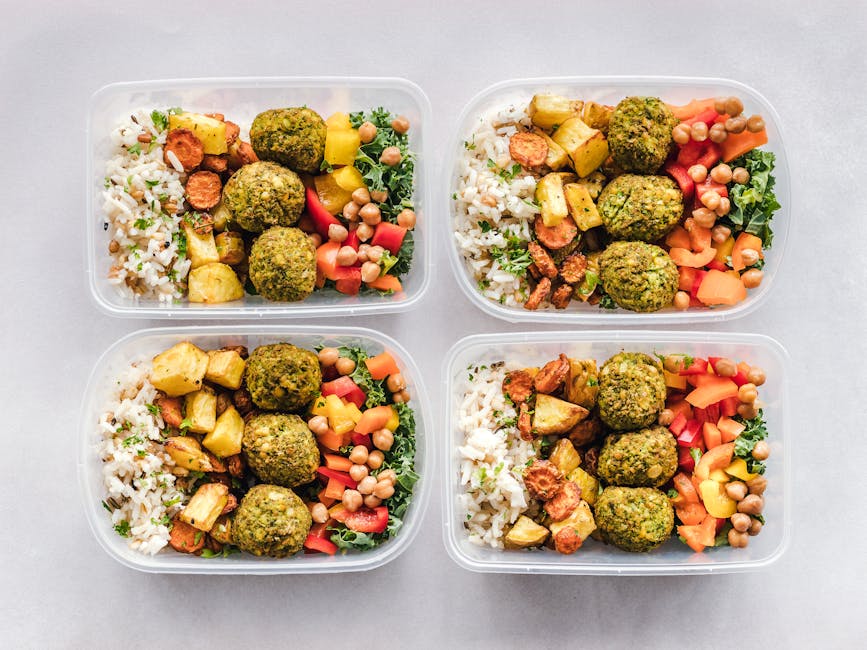
Once your components are cooked and slightly cooled (never put hot food directly into the fridge), it’s time to portion. Use your airtight containers to assemble individual meals. This is where portion control comes in. Ensure your meals are balanced with a good ratio of protein, vegetables, and complex carbs. Label containers with the date and meal type, especially if you’re freezing some.
5. Reheating and Enjoying Your Meals
Most prepped meals can be reheated in a microwave or oven. For best results, add a splash of water or broth when microwaving to prevent drying out. Some meals, like salads or cold protein bowls, are best enjoyed without reheating. Always ensure food is piping hot when reheated to eliminate bacteria. Enjoy the convenience and satisfaction of knowing your healthy meals are ready when you are!
High-Protein Meal Prep Ideas: Breakfast
Starting your day with a protein-rich breakfast is crucial for kickstarting your metabolism and keeping hunger at bay. Here are some easy-to-prep ideas:
1. Egg Muffins / Frittatas
Whip up a batch of egg muffins or a mini frittata at the beginning of the week. Combine whisked eggs (or egg whites) with your favorite chopped veggies (spinach, bell peppers, onions), lean cooked meat (turkey sausage, chicken breast), and a sprinkle of low-fat cheese. Pour into muffin tins or a small baking dish and bake until set. These are grab-and-go friendly and can be reheated quickly or eaten cold.
2. Overnight Oats with Protein Powder or Greek Yogurt
A classic for a reason! Combine rolled oats, milk (dairy or non-dairy), chia seeds, a scoop of protein powder, and your choice of fruit (berries work well). Stir well, divide into jars, and refrigerate overnight. The protein powder or Greek yogurt significantly boosts the protein content, making it a satisfying and metabolism-friendly breakfast.
3. Breakfast Burritos (Freezer-Friendly)
Scramble eggs with lean ground turkey or black beans, bell peppers, and onions. Fill whole-wheat tortillas, add a sprinkle of low-fat cheese and a dash of salsa. Wrap tightly in foil or parchment paper and freeze. Reheat in the microwave or oven for a hearty breakfast that keeps you full for hours.
4. Cottage Cheese & Fruit Parfaits
Layer cottage cheese (high in casein protein for sustained release) with fresh berries and a sprinkle of chopped nuts or seeds. This requires minimal prep time on the day of and provides a refreshing, protein-packed start.
High-Protein Meal Prep Ideas: Lunch & Dinner
This is where meal prep truly shines, ensuring you have nutritious, satisfying meals ready for your busiest days. We’ll break these down by primary protein source for easy planning.
Chicken-Based Meals
Chicken breast is a lean protein powerhouse and incredibly versatile for meal prep.
- Sheet Pan Chicken & Veggies: Toss chicken breast chunks with your favorite non-starchy vegetables (broccoli, bell peppers, zucchini, onions) and a light dressing (olive oil, lemon juice, herbs). Spread on a sheet pan and roast until cooked through. Divide into containers with an optional small side of quinoa or brown rice. This is minimal cleanup and max flavor.
- Grilled Chicken Breast with Quinoa & Roasted Asparagus: Grill or bake several chicken breasts, cook a large batch of quinoa, and roast asparagus. Portion these components into individual containers. This meal is balanced, lean, and provides sustained energy.
- Mediterranean Chicken Salad Bowls: Shred pre-cooked chicken breast and mix with Greek yogurt (instead of mayo), cucumber, cherry tomatoes, olives, and a squeeze of lemon. Serve over a bed of mixed greens or with whole-wheat pita pockets. Keep the greens separate until serving to prevent sogginess.
- Shredded Chicken for Tacos/Bowls: Cook a large batch of chicken in a slow cooker or Instant Pot with taco seasoning. Shred it and store. Throughout the week, use it for chicken taco salads, high-protein burrito bowls (with cauliflower rice, black beans, salsa), or even as a topping for baked sweet potatoes.
Beef/Pork-Based Meals
Lean cuts of red meat and pork can be excellent sources of protein, iron, and other essential nutrients.
- Lean Ground Beef & Veggie Bowls: Cook lean ground beef with taco seasoning, stir-fry sauce, or a simple marinara. Serve with steamed green beans, roasted Brussels sprouts, and a small portion of cauliflower rice or brown rice. Customize the flavor profile weekly to keep it interesting.
- Pork Tenderloin with Sweet Potato & Green Beans: Pork tenderloin is a surprisingly lean and tender cut. Roast or pan-sear slices of seasoned tenderloin. Pair with baked sweet potato wedges and steamed or roasted green beans. This classic combination is incredibly satisfying.
- Steak and Veggie Skewers: Cut lean steak (like sirloin or flank steak) into cubes and marinate. Thread onto skewers with bell peppers, onions, and cherry tomatoes. Grill or bake, then portion. These are fun, flavorful, and easy to reheat.
Fish/Seafood-Based Meals
Fish and seafood offer high-quality protein and often beneficial omega-3 fatty acids. Be mindful of their shorter shelf life when meal prepping.
- Baked Salmon with Asparagus & Brown Rice: Bake individual salmon fillets with lemon and herbs. Serve with roasted asparagus and a portion of brown rice. Salmon is a fantastic source of protein and healthy fats. This meal is best prepped for 2-3 days in advance.
- Tuna Patties with Side Salad: Mix canned tuna (packed in water) with egg, whole-wheat breadcrumbs (or almond flour for low-carb), and seasonings. Form into patties and pan-sear or bake. Serve with a large side salad (dressing on the side).
- Shrimp Stir-Fry: Quickly sauté shrimp with a medley of colorful vegetables (snap peas, carrots, broccoli, bell peppers) in a light soy sauce or tamari-based sauce. Serve over a bed of cauliflower rice or a small amount of brown rice. Shrimp cooks very quickly, making it a good last-minute addition to prepped veggies and grains.
Vegetarian/Vegan Protein-Based Meals
Plant-based proteins are excellent for weight loss, often high in fiber, and can be very budget-friendly.
- Hearty Lentil Soup/Stew: Cook a large pot of lentil soup or stew with plenty of vegetables (carrots, celery, kale). Lentils are packed with protein and fiber, making this a very filling and warming meal. It also freezes exceptionally well.
- Tofu/Tempeh Stir-Fry with Quinoa: Press and cube firm tofu or tempeh, then marinate and stir-fry with a colorful mix of vegetables and a light stir-fry sauce. Serve over quinoa for a complete protein meal.
- Chickpea Curry with Spinach: Simmer chickpeas in a rich, aromatic curry sauce with spinach and other vegetables. This can be served with a small side of brown rice or cauliflower rice. It’s flavorful, satisfying, and easy to make in large batches.
- Black Bean Burgers (Pre-Made Patties): Prepare a batch of black bean burger patties. You can bake them and then store them in the fridge or freezer. Reheat and serve on a whole-wheat bun with plenty of veggies, or crumble over a salad for a protein boost.
- Edamame & Veggie Power Bowls: Combine steamed edamame (shelled), roasted sweet potatoes, mixed greens, and a light tahini-lemon dressing. Edamame is a complete protein and provides a great texture.
Smart Snacking for Weight Loss
Snacks can be your friend or foe on a weight loss journey. High-protein snacks are your ally, helping to bridge the gap between meals and prevent extreme hunger that leads to overeating.
- Greek Yogurt (Plain, Unsweetened): A fantastic source of protein. Pair with a few berries or a sprinkle of cinnamon.
- Cottage Cheese: Another dairy powerhouse, versatile enough to be eaten savory (with black pepper) or sweet (with fruit).
- Hard-Boiled Eggs: Simple, portable, and packed with protein. Boil a dozen at the start of the week.
- Edamame: Steamed and lightly salted, these green pods are a satisfying and complete plant-based protein snack.
- Protein Shakes: A quick and easy way to get protein on the go. Mix protein powder with water or unsweetened almond milk.
- Small Handful of Nuts/Seeds: Almonds, walnuts, chia seeds, or pumpkin seeds offer protein, healthy fats, and fiber. Portion them out to avoid overeating due to their calorie density.
- Turkey Jerky or Deli Meat Roll-ups: Choose low-sodium options. Roll slices of lean turkey breast around a cheese stick or some cucumber for a quick savory snack.
Flavor Boosters and Healthy Sauces
Bland food leads to boredom, which leads to giving up. Don’t let your meal prep be dull! Here are ways to add maximum flavor with minimal calories.
- Herbs and Spices: Stock your pantry! Garlic powder, onion powder, paprika, chili powder, cumin, oregano, basil, thyme, rosemary, curry powder – the possibilities are endless. Fresh herbs like cilantro and parsley can be added before serving.
- Vinegars: Balsamic, apple cider, red wine, and rice vinegar add tang and depth to dressings and marinades.
- Mustard: Dijon, whole grain, or yellow mustard can add a punch without many calories.
- Salsa: A vibrant, low-calorie topping for almost any savory dish.
- Hot Sauce: A dash of your favorite hot sauce can instantly wake up a meal.
- Lemon and Lime Juice: Brightens flavors and can act as a natural tenderizer for meats.
- Low-Sugar Marinades: Look for marinades with minimal added sugars, or make your own with olive oil, vinegar, herbs, and spices.
- Homemade Dressings: Whisk together olive oil, vinegar (or lemon juice), Dijon mustard, and herbs for a healthier alternative to store-bought dressings, which are often high in sugar and unhealthy fats.
- Nutritional Yeast: Offers a cheesy, savory flavor for plant-based dishes without the dairy.
Common Meal Prep Mistakes to Avoid
Even with the best intentions, meal prep can go awry. Being aware of common pitfalls can help you navigate them successfully.
- Overcooking Your Food: Especially proteins like chicken breast, which can become dry and unappetizing. Cook to just done, knowing it will reheat. A meat thermometer is your friend.
- Lack of Variety: Eating the same meal every day leads to boredom and can cause you to abandon your efforts. Plan for at least 2-3 different lunch/dinner options per week, or vary your spices and sauces.
- Ignoring Food Safety: Allowing food to sit out too long, improper cooling, or inadequate refrigeration can lead to bacterial growth. Cool food quickly (within 2 hours), store in airtight containers, and consume within 3-4 days (or freeze). Reheat to an internal temperature of 165°F (74°C).
- Unrealistic Expectations: Don’t try to prep every single meal for the entire week from day one. Start with lunches, then add dinners, then breakfasts. Build up gradually.
- Not Seasoning Enough: Bland food is the enemy of adherence. Be generous with herbs, spices, and healthy sauces to make your meals enjoyable.
- Poor Portion Control: While meal prep encourages portion control, it’s still possible to overfill containers. Use measuring tools or a food scale until you’re adept at eyeballing appropriate serving sizes for your goals.
- Forgetting to Hydrate: While not directly meal prep, neglecting water intake is a common weight loss mistake. Keep water or unsweetened tea with your prepped meals.
- Wasting Food: Only prep what you realistically know you’ll eat. If you find yourself consistently throwing food away, scale back your prep or adjust your recipes.
Making Meal Prep Sustainable for Long-Term Success
Weight loss is a journey, not a destination, and for it to be sustainable, your habits must be too. Meal prep should fit into your lifestyle, not dictate it.
- Start Small: Don’t try to prep every single meal for the entire week on your first attempt. Begin by prepping just your lunches, or a few dinners. Once you get the hang of it, gradually expand.
- Find Your Favorites: Identify a handful of high-protein recipes that you genuinely enjoy and that are easy to prep. Rotate these regularly. You don’t need a new recipe every week.
- Involve Family (If Applicable): If you live with others, get them on board. Prepping larger quantities can benefit everyone, and having support makes the process more enjoyable.
- Embrace Flexibility: Life happens. Some weeks you might prep less, or you might have an unplanned dinner out. Don’t let a deviation derail your entire effort. Get back on track with your next meal.
- Leverage Convenience: Don’t feel guilty about using shortcuts like pre-chopped vegetables, rotisserie chicken, or canned beans. Every bit of time saved makes meal prep more feasible.
- Track Your Progress: Keep a food journal or use an app to monitor your food intake and weight loss. Seeing your progress can be a huge motivator to continue your meal prep efforts.
- Reward Yourself (Non-Food): Celebrate milestones with non-food rewards, like new workout gear, a massage, or a fun experience.
Conclusion: Your Path to a Leaner, Healthier You Starts Here
High-protein meal prep is more than just a culinary task; it’s a powerful strategy for taking control of your health, accelerating your weight loss journey, and fostering a sustainable, healthy lifestyle. By harnessing the satiating, muscle-preserving, and metabolism-boosting benefits of protein, coupled with the organizational prowess of meal preparation,
Photo by Kampus Production on Pexels