Anti-Inflammatory Diet Meal Plan for Beginners: Your Path to Better Health
Welcome to GetLeanPulse.com! If you’re tired of feeling sluggish, experiencing unexplained aches and pains, or battling chronic health issues, you’re in the right place. The concept of “inflammation” has become a buzzword, and for good reason. While acute inflammation is your body’s vital defense mechanism, chronic, low-grade inflammation can silently sabotage your health, contributing to a myriad of modern ailments from heart disease and diabetes to autoimmune conditions and even some cancers. But here’s the good news: the food you eat holds incredible power to either fuel or quell this internal fire.
Embarking on an anti-inflammatory diet isn’t about restrictive eating or bland meals. It’s a journey towards vibrant health, increased energy, and a deeper connection with your body. For beginners, the sheer volume of information can feel overwhelming. That’s why we’ve created this comprehensive guide and a practical 7-day anti-inflammatory meal plan designed specifically for you. We’ll demystify the science, equip you with the knowledge, and provide a delicious, easy-to-follow roadmap to start transforming your health today.
Get ready to discover how simple, whole foods can become your most powerful allies in the fight against inflammation, paving the way for a healthier, happier you. Let’s dive in!
Understanding Inflammation: Friend or Foe?
Before we delve into what to eat, it’s crucial to understand what inflammation actually is. Think of inflammation as your body’s built-in alarm system. When you cut your finger, twist an ankle, or catch a cold, your immune system rushes to the scene, causing redness, swelling, heat, and pain – this is acute inflammation, and it’s a good thing. It signifies healing and protection.
However, problems arise when this alarm system gets stuck in the “on” position, even when there’s no immediate threat. This is chronic inflammation. Unlike acute inflammation, which is localized and short-lived, chronic inflammation is often systemic (affecting the entire body) and prolonged. It can smolder for months or even years, silently damaging healthy tissues and organs. Many factors can trigger chronic inflammation, including:
- A diet high in processed foods, sugar, and unhealthy fats.
- Lack of physical activity.
- Chronic stress.
- Insufficient sleep.
- Environmental toxins.
- Certain infections or autoimmune conditions.
The insidious nature of chronic inflammation is that its symptoms can be vague and easily dismissed: persistent fatigue, digestive issues, skin problems, joint pain, brain fog, and difficulty managing weight. Over time, this low-grade inflammation can lay the groundwork for serious chronic diseases, including:
- Heart disease
- Type 2 diabetes
- Arthritis (e.g., rheumatoid arthritis)
- Autoimmune diseases (e.g., lupus, multiple sclerosis)
- Certain cancers
- Neurodegenerative diseases (e.g., Alzheimer’s)
The good news? A powerful tool for combating chronic inflammation is right at your fingertips: your diet. By choosing anti-inflammatory foods, you can actively reduce the inflammatory burden on your body and promote healing from within.
The Cornerstones of an Anti-Inflammatory Diet
An anti-inflammatory diet isn’t about counting calories or following rigid rules; it’s about shifting your focus towards whole, unprocessed foods that are rich in antioxidants, fiber, and healthy fats. Here are the key pillars:
1. Abundance of Fruits and Vegetables
These are the superheroes of an anti-inflammatory diet. They are packed with antioxidants, vitamins, minerals, and phytochemicals that protect your cells from damage and neutralize inflammation. Aim for a colorful variety every day.
- Berries: Blueberries, strawberries, raspberries, blackberries are rich in anthocyanins.
- Leafy Greens: Spinach, kale, collard greens, Swiss chard are loaded with vitamins K, A, and C, and powerful antioxidants.
- Cruciferous Vegetables: Broccoli, cauliflower, Brussels sprouts, cabbage contain sulforaphane, a potent anti-inflammatory compound.
- Other Colorful Veggies: Bell peppers, tomatoes, carrots, sweet potatoes, beets.
2. Whole Grains
Unlike refined grains (white bread, pasta), whole grains retain their bran, germ, and endosperm, which means they are rich in fiber, B vitamins, and minerals. Fiber helps regulate blood sugar, promotes gut health (which is intrinsically linked to inflammation), and reduces C-reactive protein, a marker of inflammation.
- Oats: (steel-cut or rolled)
- Quinoa: A complete protein and gluten-free.
- Brown Rice: Opt for brown over white.
- Farro, Barley, Buckwheat: Excellent choices for variety.
- Whole Wheat: In moderation, choose 100% whole wheat options.
3. Healthy Fats
Not all fats are created equal. Healthy fats, particularly omega-3 fatty acids, are crucial for dampening inflammation.
- Omega-3 Rich Foods: Fatty fish like salmon, mackerel, sardines, herring, and anchovies are excellent sources. Also, flaxseeds, chia seeds, walnuts.
- Monounsaturated Fats: Extra virgin olive oil, avocados, nuts (almonds, pecans).
- Seeds: Chia seeds, flaxseeds, hemp seeds, pumpkin seeds, sunflower seeds are packed with healthy fats, fiber, and protein.
4. Lean Proteins
Protein is essential for building and repairing tissues, including those affected by inflammation. Choose lean sources.
- Fish: Especially fatty fish (see omega-3 list).
- Poultry: Skinless chicken and turkey.
- Legumes: Beans (black beans, kidney beans, chickpeas), lentils – also great sources of fiber.
- Tofu and Tempeh: Plant-based protein options.
- Eggs: A versatile and complete protein.
5. Herbs and Spices
Don’t underestimate the power of flavor! Many herbs and spices are packed with potent anti-inflammatory compounds.
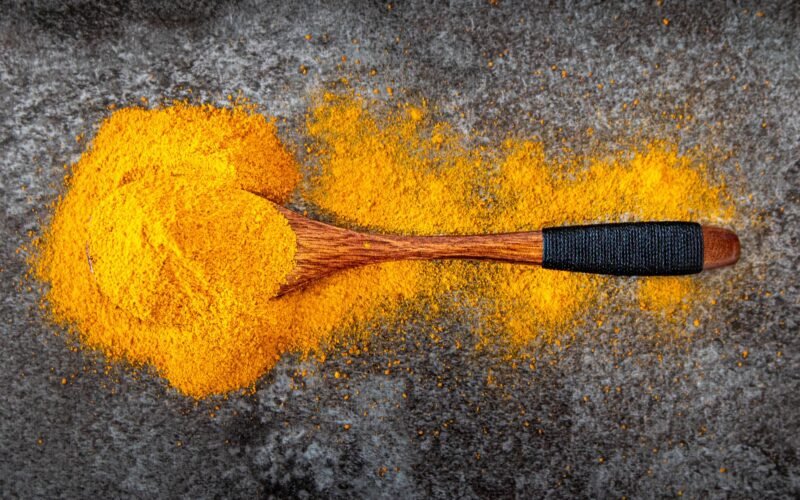
- Turmeric: Contains curcumin, a powerful anti-inflammatory compound. Best absorbed with black pepper.
- Ginger: Known for its anti-inflammatory and digestive benefits.
- Garlic: Contains allicin, which has anti-inflammatory properties.
- Cinnamon: Helps regulate blood sugar.
- Cayenne Pepper: Contains capsaicin.
- Rosemary, Thyme, Oregano, Basil: Rich in antioxidants.
6. Hydration
Water is essential for every bodily function, including flushing out toxins and supporting cellular health. Aim for at least 8 glasses of filtered water daily. Green tea is also an excellent choice, rich in catechins that have anti-inflammatory effects.
Foods to Embrace: Your Anti-Inflammatory Shopping List
To make your anti-inflammatory journey easier, here’s a detailed list of foods to stock your pantry and fridge with:
- Fruits: Berries (blueberries, strawberries, raspberries), cherries, apples, oranges, pomegranates, grapes, pineapple, kiwi.
- Vegetables: Spinach, kale, broccoli, cauliflower, Brussels sprouts, bell peppers, tomatoes, sweet potatoes, carrots, beets, zucchini, asparagus, artichokes, onions, garlic.
- Healthy Fats: Extra virgin olive oil, avocados, avocado oil, walnuts, almonds, pecans, cashews (unsalted), chia seeds, flaxseeds, hemp seeds, pumpkin seeds, sunflower seeds.
- Lean Proteins: Salmon, mackerel, sardines, cod, skinless chicken breast, turkey breast, eggs, lentils, chickpeas, black beans, kidney beans, edamame, tofu, tempeh.
- Whole Grains: Rolled oats, steel-cut oats, quinoa, brown rice, wild rice, farro, buckwheat, 100% whole grain bread (in moderation), whole grain pasta (in moderation).
- Herbs & Spices: Turmeric, ginger, garlic powder, cinnamon, oregano, thyme, rosemary, basil, cayenne pepper, black pepper.
- Beverages: Water, green tea, herbal teas (ginger, peppermint, chamomile).
- Dairy/Alternatives: Unsweetened almond milk, coconut milk, oat milk (check for added sugars), plain unsweetened Greek yogurt (dairy or non-dairy).
- Sweeteners (in moderation): Small amounts of raw honey, maple syrup, stevia.

Foods to Limit or Avoid: The Pro-Inflammatory Culprits
Just as some foods fight inflammation, others actively promote it. To truly benefit from an anti-inflammatory diet, it’s crucial to minimize your intake of these pro-inflammatory culprits:
1. Added Sugars
This is perhaps the biggest offender. Sugary drinks, desserts, candies, and even hidden sugars in processed foods (ketchup, salad dressings, sauces) can spike blood sugar, leading to insulin resistance and increased inflammation.
- Examples: Sodas, fruit juices (even 100% juice is high in natural sugars), pastries, cakes, cookies, ice cream, sweetened cereals, candy.
2. Refined Grains
White flour products have been stripped of their fiber and nutrients, causing rapid blood sugar spikes similar to sugar. This can trigger an inflammatory response.
- Examples: White bread, white pasta, white rice, crackers, many breakfast cereals, baked goods made with white flour.
3. Unhealthy Fats
While healthy fats are beneficial, certain fats can exacerbate inflammation.
- Trans Fats: Found in partially hydrogenated oils, often in fried foods, baked goods, and some margarines. These are particularly harmful.
- Excessive Omega-6 Fatty Acids: While omega-6s are essential, the typical Western diet has an imbalance, with too many omega-6s relative to omega-3s. This imbalance can be pro-inflammatory. Common sources include corn oil, soybean oil, sunflower oil, canola oil, and many processed snacks.
- Deep-Fried Foods: Often cooked in unhealthy oils and at high temperatures, creating inflammatory compounds.
4. Processed Foods and Fast Food
These are typically a combination of all the above: high in sugar, unhealthy fats, refined grains, and artificial ingredients. They offer little nutritional value and contribute significantly to inflammation.
- Examples: Packaged snacks, processed meats, frozen dinners, fast food meals.
5. Red and Processed Meats (in excess)
While lean protein is important, excessive consumption of red meat, particularly processed varieties, has been linked to increased inflammation.
- Examples: Bacon, sausage, hot dogs, deli meats, excessive amounts of conventional beef and pork.
6. Alcohol (in excess)
While moderate consumption of red wine may have some benefits due to antioxidants, excessive alcohol intake can damage the liver and gut, leading to widespread inflammation.
Starting Your Anti-Inflammatory Journey: A Beginner’s Guide
The thought of overhauling your diet can feel daunting, but remember, small, consistent changes yield big results. Here’s how to get started without feeling overwhelmed:
1. Start Slow, Be Consistent
You don’t need to change everything overnight. Pick one or two areas to focus on first. Maybe swap your sugary breakfast cereal for oatmeal with berries, or replace your afternoon soda with water and a squeeze of lemon. Gradual changes are more sustainable.
2. The Pantry Makeover
Go through your pantry and fridge. Identify the pro-inflammatory culprits and consider donating or discarding them. Replace them with anti-inflammatory alternatives. This helps remove temptation and ensures you have healthy options readily available.
- Out: Sugary cereals, white bread, processed snacks, sugary drinks, vegetable oils (corn, soy), processed meats.
- In: Rolled oats, whole grain bread, nuts/seeds, fresh fruits/veggies, olive oil, lean proteins.
3. Read Labels Carefully
Become a label detective. Look for hidden sugars (high-fructose corn syrup, sucrose, dextrose, maltose), unhealthy fats (partially hydrogenated oils), and artificial ingredients. Opt for foods with short ingredient lists, primarily featuring whole, recognizable items.
4. Hydration is Key
Before you change anything else, make sure you’re drinking enough water. Often, thirst is mistaken for hunger, and adequate hydration supports all bodily functions, including inflammation reduction.
5. Focus on Addition, Not Just Subtraction
Instead of feeling deprived, think about what you can *add* to your diet. Can you add a handful of spinach to your eggs? Can you add berries to your yogurt? Can you add extra vegetables to your dinner? This positive framing makes the transition much more enjoyable.
7-Day Anti-Inflammatory Meal Plan for Beginners
This meal plan is designed to be simple, delicious, and easy for beginners to follow. It incorporates all the anti-inflammatory principles we’ve discussed. Feel free to adjust portion sizes based on your individual needs and activity levels. Remember to stay well-hydrated throughout the day!
Day 1: Kickstarting Your Journey
- Breakfast: Oatmeal (1/2 cup dry) cooked with water or unsweetened almond milk, topped with 1/2 cup mixed berries, a tablespoon of chia seeds, and a sprinkle of cinnamon.
- Lunch: Large mixed green salad with 4 oz grilled chicken breast or chickpeas (1/2 cup), a rainbow of vegetables (bell peppers, cucumber, cherry tomatoes), 1/4 avocado, and a dressing of extra virgin olive oil and lemon juice.
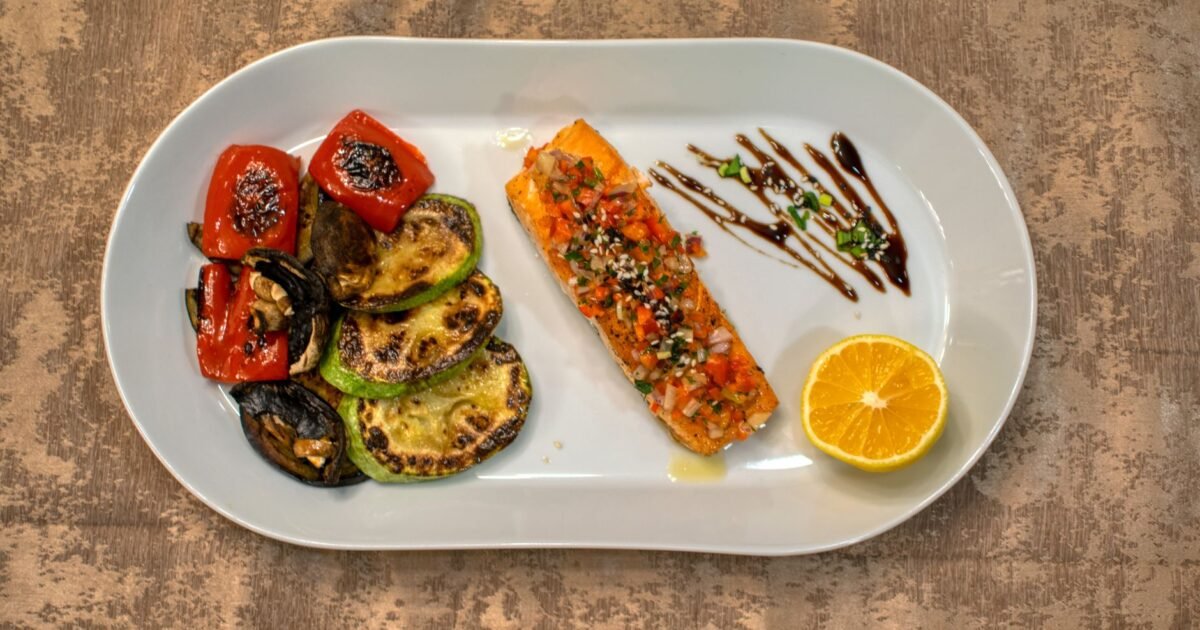
- Dinner: Baked Salmon (4-5 oz) with 1 cup steamed asparagus and 1 medium baked sweet potato. Season salmon with lemon, dill, and black pepper.
- Snacks: A handful of almonds (1/4 cup) and an apple.
Day 2: Plant-Powered & Protein-Rich
- Breakfast: Green Smoothie: Blend 1 cup unsweetened almond milk, 1 scoop plant-based protein powder (optional), 1 cup spinach, 1/2 banana, 1/2 cup frozen pineapple, and 1 tablespoon flax seeds.
- Lunch: Leftover Baked Salmon with asparagus and sweet potato from Day 1, or turn it into a quick wrap with a whole grain tortilla and leafy greens.
- Dinner: Lentil Soup (1.5-2 cups): Homemade or a low-sodium store-bought option, packed with vegetables like carrots, celery, and spinach. Serve with a small side of 100% whole grain bread.
- Snacks: Plain Greek yogurt (dairy or non-dairy, 1/2 cup) with a few walnuts and a drizzle of honey.
Day 3: Mediterranean Inspired
- Breakfast: Scrambled Eggs (2) with sautéed spinach, mushrooms, and a slice of 100% whole grain toast with 1/4 avocado.
- Lunch: Quinoa Salad: 1 cup cooked quinoa mixed with diced cucumber, cherry tomatoes, Kalamata olives (small handful), red onion, and 4 oz canned wild salmon or 1/2 cup chickpeas. Dress with olive oil and red wine vinegar.
- Dinner: Chicken Stir-fry (4-5 oz chicken breast) with plenty of colorful vegetables (broccoli, bell peppers, snow peas, carrots) and 1 cup brown rice. Use low-sodium soy sauce or tamari, fresh ginger, and garlic for flavor.
- Snacks: Small bunch of grapes and a handful of pumpkin seeds (2 tbsp).
Day 4: Comfort & Nourishment
- Breakfast: Chia Seed Pudding: 3 tablespoons chia seeds soaked overnight in 1 cup unsweetened almond milk, topped with 1/2 cup mixed berries and a sprinkle of nuts.
- Lunch: Leftover Chicken Stir-fry and brown rice from Day 3.
- Dinner: Turkey and Vegetable Chili (1.5-2 cups): Use lean ground turkey, kidney beans, black beans, diced tomatoes, onions, bell peppers, and plenty of chili powder, cumin, and oregano. Top with a dollop of plain Greek yogurt or a sprinkle of fresh cilantro.
- Snacks: Sliced bell peppers (any color) with 2 tablespoons of hummus.
Day 5: Seafood & Greens
- Breakfast: Whole Grain Toast (1 slice) with 1/4 avocado, a sprinkle of red pepper flakes, and 2 hard-boiled eggs.
- Lunch: Large mixed green salad with 4 oz grilled shrimp or 1/2 cup edamame, cucumber, shredded carrots, and a light vinaigrette.
- Dinner: Baked Cod or Tilapia (4-5 oz) with a side of 1 cup roasted Brussels sprouts and 1 cup roasted sweet potato wedges. Season fish with lemon, garlic, and paprika.
- Snacks: An orange and a handful of walnuts (1/4 cup).
Day 6: Weekend Favorites, Healthified
- Breakfast: Berry Smoothie Bowl: Blend 1 cup frozen mixed berries, 1/2 banana, 1/2 cup unsweetened almond milk, and 1 tablespoon almond butter until thick. Top with a sprinkle of granola (low sugar), chia seeds, and fresh berries.
- Lunch: Turkey and Veggie Wrap: 4 oz sliced turkey breast, hummus, mixed greens, sliced cucumber, and bell peppers in a 100% whole grain tortilla.
- Dinner: Black Bean Burgers (1 patty): Serve on a whole grain bun or lettuce wrap with a side salad. Make your own or choose a high-quality, low-sodium store-bought brand.
- Snacks: Apple slices with 2 tablespoons of natural almond butter.
Day 7: Reflect & Recharge
- Breakfast: Oatmeal (1/2 cup dry) with 1/2 cup sliced banana, 1 tablespoon flax seeds, and a dash of cinnamon.
- Lunch: Leftover Black Bean Burger and side salad from Day 6.
- Dinner: Roasted Vegetable Medley with Chickpeas: Toss 2 cups of various vegetables (zucchini, eggplant, cherry tomatoes, red onion, bell peppers) with 1 cup chickpeas, olive oil, rosemary, and thyme. Roast until tender. Serve with a drizzle of balsamic glaze.
- Snacks: A handful of pistachios (1/4 cup) and a pear.
Beyond the Plate: Holistic Anti-Inflammatory Living
While diet is a cornerstone, it’s part of a larger picture. For optimal anti-inflammatory benefits, consider these lifestyle factors:
1. Prioritize Quality Sleep
Lack of sleep can elevate inflammatory markers. Aim for 7-9 hours of quality sleep per night. Establish a consistent sleep schedule and create a relaxing bedtime routine.
2. Manage Stress Effectively
Chronic stress triggers the release of cortisol and other hormones that can promote inflammation. Incorporate stress-reduction techniques into your daily life: meditation, deep breathing exercises, yoga, spending time in nature, or engaging in hobbies you enjoy.
3. Engage in Regular Physical Activity
Moderate exercise can significantly reduce inflammation. Aim for at least 30 minutes of moderate-intensity activity most days of the week. This could be brisk walking, swimming, cycling, or strength training. Listen to your body and avoid overtraining, which can sometimes have an inflammatory effect.
4. Limit Exposure to Toxins
Environmental toxins (in household cleaners, personal care products, air pollution) can contribute to inflammation. Opt for natural alternatives where possible, ensure good ventilation, and consider air purifiers.
Tips for Long-Term Success
1. Stay Hydrated
This cannot be stressed enough. Water is vital for metabolic processes and flushing out inflammatory byproducts. Keep a water bottle handy and sip throughout the day.
2. Batch Cook and Meal Prep
Life gets busy. Dedicate a few hours one day a week (e.g., Sunday) to chop vegetables, cook grains, and prepare proteins like grilled chicken or roasted chickpeas. This makes healthy eating during the week much easier.
3. Listen to Your Body
Pay attention to how different foods make you feel. Do certain foods trigger digestive issues or joint pain? Your body often provides clues about what works best for it.
4. Don’t Strive for Perfection
This is a lifestyle change, not a temporary diet. There will be days when you deviate. Don’t let one less-than-perfect meal derail your progress. Get back on track with your next meal and focus on overall consistency.
5. Experiment with New Recipes
Eating anti-inflammatory doesn’t mean sacrificing flavor. Explore diverse cuisines like Mediterranean or Asian cooking, which naturally emphasize many anti-inflammatory ingredients. Websites like GetLeanPulse.com and cookbooks are great resources.
6. Seek Professional Guidance
If you have specific health conditions or dietary concerns, consider consulting with a registered dietitian or a healthcare professional. They can provide personalized advice and support.
Common Challenges and Solutions
Challenge: Cravings for Sugary or Processed Foods
- Solution: Have healthy swaps ready. Craving something sweet? Reach for fruit, a small square of dark chocolate, or a date. Want a crunchy snack? Try roasted chickpeas, air-popped popcorn, or nuts. Often, cravings pass if you wait 15-20 minutes.
Challenge: Eating Out
- Solution: Most restaurants offer healthier options. Look for grilled fish or chicken, salads with dressing on the side (opt for oil and vinegar), steamed vegetables, and whole grains like brown rice. Don’t be afraid to ask for modifications.
Challenge: Time Constraints
- Solution: Embrace meal prepping, choose quick-cooking foods (eggs, canned fish, pre-chopped veggies), and utilize healthy convenience items (frozen vegetables, pre-cooked quinoa). A simple meal of leftover roasted veggies and a can of sardines can be incredibly nourishing.
Challenge: Feeling Deprived
- Solution: Focus on the abundance of delicious foods you *can* eat. Experiment with new spices and cooking methods to keep meals exciting. Remember the positive impact on your energy, mood, and health, which often outweighs temporary cravings.
Frequently Asked Questions (FAQs)
Q: Is an anti-inflammatory diet a weight loss diet?
A: While not specifically designed for weight loss, many people find they naturally lose weight when adopting an anti-inflammatory diet. This is because it emphasizes whole, unprocessed foods that are rich in fiber and protein, which promote satiety and help regulate blood sugar, often leading to reduced calorie intake. It also helps reduce bloating and water retention often associated with inflammatory foods.
Q: How long does it take to see results?
A: This varies greatly from person to person. Some individuals may notice improvements in energy, digestion, or reduced pain within a few weeks. For others, particularly those with chronic conditions, it might take a few months to experience significant changes. Consistency is key. Remember, you’re building a foundation for long-term health.
Q: Is an anti-inflammatory diet expensive?
A: It doesn’t have to be. While some specialty items can be pricey, the core of an anti-inflammatory diet relies on affordable staples: seasonal fruits and vegetables, legumes (beans, lentils), whole grains (oats, brown rice), and eggs. Buying in bulk, cooking at home, and planning meals can help keep costs down significantly compared to a diet heavy in processed foods and takeout.
Q: Can I ever eat “unhealthy” foods again?
A: The goal is not perfection, but progress and a sustainable lifestyle. Occasional treats or deviations are fine. The key is moderation and making healthy choices 80-90% of the time. Think of it as a shift in your overall eating pattern rather than a temporary, strict diet. Your body is remarkably resilient and can handle occasional indulgences, especially when it’s well-nourished most of the time.
Q: What if I have food allergies or sensitivities?
A: If you have known allergies or sensitivities (e.g., to gluten or dairy), you should absolutely continue to avoid those foods. This meal plan is generally flexible; many substitutions are possible. For specific concerns, working with a healthcare professional or a registered dietitian is highly recommended to tailor the diet to your unique needs.
Conclusion: Embrace Your Anti-Inflammatory Journey
Embarking on an anti-inflammatory diet is one of the most proactive steps you can take for your health. It’s not just about what you eliminate; it’s about embracing a world of delicious, vibrant, and healing foods that nourish your body from the inside out. As a beginner, remember to start slow, be patient with yourself, and celebrate every small victory along the way.
By consistently choosing whole grains, lean proteins, healthy fats, and a rainbow of fruits and vegetables, you’re actively reducing chronic inflammation, boosting your energy, improving your digestion, and setting yourself up for a future of enhanced well-being. This 7-day meal plan is your initial stepping stone. Use it as a guide, adapt it to your preferences, and most importantly, enjoy the process of discovering a healthier, more vibrant you.
Your body is an incredible machine, and with the right fuel, it has an amazing capacity to heal and thrive. Start your anti-inflammatory journey today and feel the GetLeanPulse difference!
Photo by Cristian Mihaila on Pexels