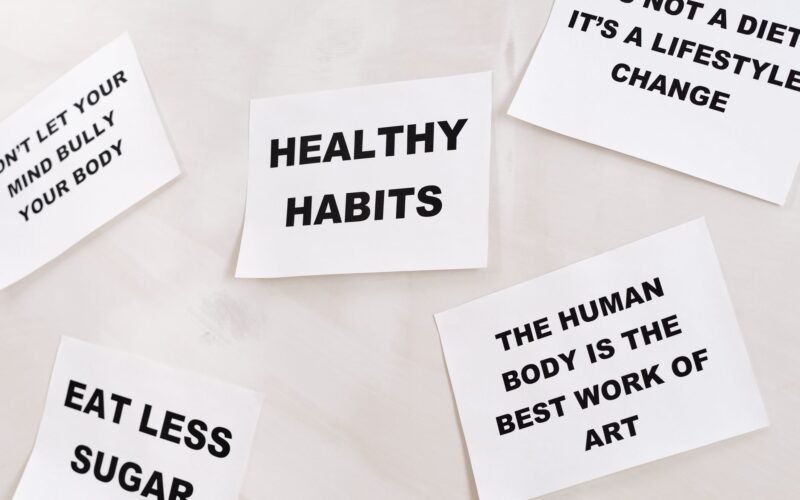
Boost Your Energy Naturally: The Ultimate Guide
Do you often feel like you’re running on fumes, battling that afternoon slump, or waking up feeling less than refreshed? In our fast-paced world, chronic fatigue has become an unwelcome companion for many. The constant demands of work, family, and modern life can leave us drained, impacting everything from our productivity and mood to our overall health. While reaching for another cup of coffee or a sugary snack might offer a fleeting lift, these quick fixes often lead to an inevitable crash, perpetuating a cycle of energy highs and lows.
At GetLeanPulse.com, we believe in empowering you to achieve peak vitality through sustainable, natural methods. This comprehensive guide isn’t about temporary fixes; it’s about fundamentally transforming your energy reserves by addressing the root causes of fatigue. We’ll delve into the science-backed strategies that govern your body’s energy production, covering everything from the power of nutrition and the art of sleep to the impact of exercise and the crucial role of stress management.
Imagine waking up feeling genuinely energized, maintaining focus throughout your day, and still having enough zest for your personal pursuits in the evening. This isn’t a pipe dream; it’s an achievable reality when you understand and implement the natural principles that fuel your body and mind. Get ready to reclaim your vitality, enhance your performance, and live a life brimming with sustained energy!
Understanding Your Energy Engine: The Basics of Fatigue
Before we dive into solutions, let’s briefly understand what energy is and why we feel tired. At a cellular level, energy is produced primarily by tiny organelles called mitochondria, often referred to as the “powerhouses” of your cells. They convert nutrients from the food you eat and oxygen into adenosine triphosphate (ATP), the primary energy currency of the body.
Fatigue, at its core, is a signal that this intricate energy production system is being compromised or overworked. Common culprits include:
- Nutrient Deficiencies: Lack of essential vitamins and minerals (like iron, B vitamins, magnesium) can impair ATP production.
- Poor Sleep Quality: Insufficient restorative sleep prevents cellular repair and hormone regulation crucial for energy.
- Chronic Stress: Prolonged stress depletes adrenal glands and keeps your body in a “fight or flight” mode, draining resources.
- Sedentary Lifestyle: Lack of physical activity can reduce cardiovascular fitness and mitochondrial efficiency.
- Dehydration: Even mild dehydration can significantly impact energy levels and cognitive function.
- Blood Sugar Imbalances: Spikes and crashes from refined carbohydrates disrupt stable energy.
By understanding these underlying mechanisms, we can target our interventions more effectively to achieve lasting energy boosts.
Pillar 1: Fueling Your Body for Sustained Energy – Nutrition and Hydration
What you eat and drink forms the foundation of your energy levels. Think of your body as a high-performance vehicle; it needs the right kind of fuel to run optimally, not just any fuel.
The Power of Whole Foods
Processed foods, sugary drinks, and refined carbohydrates provide quick bursts of energy followed by inevitable crashes. To maintain stable energy, focus on a diet rich in whole, unprocessed foods:
- Complex Carbohydrates: These are your body’s preferred energy source, providing a slow and steady release of glucose. Think whole grains (oats, brown rice, quinoa), legumes, and starchy vegetables (sweet potatoes, squash).
- Lean Proteins: Essential for muscle repair, hormone production, and satiety. Include sources like chicken, fish, eggs, beans, lentils, and tofu. Protein also helps slow down glucose absorption, preventing blood sugar spikes.
- Healthy Fats: Crucial for brain function, hormone balance, and nutrient absorption. Avocados, nuts, seeds, olive oil, and fatty fish (salmon, mackerel) are excellent choices. Don’t fear healthy fats; they are vital for sustained energy and overall health.
- Plenty of Fruits and Vegetables: Packed with vitamins, minerals, antioxidants, and fiber, these micronutrient powerhouses support every cellular process, including energy production. Aim for a wide variety of colors.
Strategic Meal Timing and Portions
It’s not just what you eat, but also when and how much. Eating smaller, balanced meals and snacks every 3-4 hours can help maintain stable blood sugar levels and prevent energy dips. Avoid skipping meals, especially breakfast, which kickstarts your metabolism.
Key Micronutrients for Energy
Specific vitamins and minerals play direct roles in energy production:
- B Vitamins (B1, B2, B3, B5, B6, B7, B9, B12): These are critical for converting food into energy. Deficiencies can lead to profound fatigue. Find them in whole grains, meat, eggs, dairy, leafy greens, and legumes.
- Iron: Essential for oxygen transport in the blood. Iron deficiency (anemia) is a common cause of fatigue, especially in women. Red meat, spinach, lentils, and fortified cereals are good sources. Pair with Vitamin C for better absorption.
- Magnesium: Involved in over 300 enzymatic reactions, including ATP production. Found in leafy greens, nuts, seeds, whole grains, and dark chocolate.
- Coenzyme Q10 (CoQ10): A powerful antioxidant vital for mitochondrial energy production. Found in organ meats, fatty fish, and whole grains, though often supplemented.
- Vitamin D: While primarily known for bone health, low levels are linked to fatigue and muscle weakness. Get it from sunlight, fatty fish, and fortified foods.
The Unsung Hero: Hydration
Even mild dehydration can significantly impact your energy levels, mood, and cognitive function. Water is essential for transporting nutrients, regulating body temperature, and facilitating metabolic reactions that produce energy.
- Drink Plenty of Water: Aim for at least 8 glasses (about 2 liters) per day, more if you’re active or in a hot climate. Keep a water bottle handy.
- Electrolytes: If you’re sweating heavily, consider adding natural electrolyte sources like coconut water or a pinch of sea salt to your water.
- Limit Sugary Drinks: Sodas and fruit juices provide empty calories and can lead to blood sugar crashes.
<

>
Pillar 2: Recharging Your Body and Mind – The Science of Sleep
Sleep isn’t just a period of inactivity; it’s a vital, active process where your body repairs, regenerates, and consolidates memories. Chronic sleep deprivation is one of the most common and debilitating causes of low energy.
Quantity vs. Quality: It Matters
Most adults need 7-9 hours of quality sleep per night. But it’s not just about the number of hours; it’s about the quality. Disruptions, restless sleep, and frequent awakenings prevent you from reaching the deeper, more restorative stages of sleep (deep sleep and REM sleep).
Crafting a Sleep Sanctuary and Routine
Your environment and habits significantly influence your sleep quality:
- Consistent Sleep Schedule: Go to bed and wake up at roughly the same time every day, even on weekends. This helps regulate your body’s natural circadian rhythm.
- Optimize Your Bedroom: Make your bedroom dark, quiet, and cool (ideally 60-67°F or 15-19°C). Block out light with blackout curtains, use earplugs if needed, and invest in a comfortable mattress and pillows.
- Limit Blue Light Exposure: The blue light emitted by screens (phones, tablets, computers, TVs) suppresses melatonin production, a hormone crucial for sleep. Avoid screens for at least 1-2 hours before bed.
- Wind-Down Routine: Establish a relaxing pre-sleep ritual. This could include reading a physical book, taking a warm bath, listening to calming music, or practicing gentle stretching or meditation.
- Avoid Stimulants and Heavy Meals: Limit caffeine and alcohol in the late afternoon and evening. Heavy, fatty meals close to bedtime can interfere with digestion and sleep.
- Daytime Naps: If you must nap, keep it short (20-30 minutes) and early in the afternoon to avoid disrupting nighttime sleep.
The Role of Melatonin and Circadian Rhythms
Melatonin is often called the “sleep hormone” because it signals to your body that it’s time to sleep. Your body’s internal clock, the circadian rhythm, regulates melatonin production, which is heavily influenced by light and darkness. Maintaining a consistent sleep-wake cycle and getting natural light exposure during the day helps keep this rhythm in sync.
Pillar 3: Moving for More Motivation and Metabolism – Exercise
It might seem counterintuitive to expend energy to gain energy, but regular physical activity is one of the most powerful natural energy boosters. Exercise improves cardiovascular health, boosts mood, and enhances cellular energy production.
How Exercise Boosts Energy
- Increases Mitochondrial Density: Regular exercise, especially endurance training, prompts your cells to create more mitochondria, improving your body’s capacity to produce energy.
- Improves Oxygen Delivery: A stronger heart and lungs mean more efficient oxygen transport to your cells, fueling energy production.
- Releases Endorphins: These natural mood elevators reduce feelings of fatigue and pain, replacing them with a sense of well-being and vigor.
- Enhances Sleep Quality: Moderate exercise can deepen sleep, leading to more restorative rest. (Just avoid intense workouts too close to bedtime).
- Reduces Stress: Physical activity is a fantastic way to burn off stress hormones and calm the nervous system.
Types of Exercise for Optimal Energy
- Aerobic Exercise (Cardio): Activities like brisk walking, jogging, swimming, cycling, and dancing improve cardiovascular fitness and stamina. Aim for at least 150 minutes of moderate-intensity or 75 minutes of vigorous-intensity aerobic activity per week.
- Strength Training: Building muscle mass increases your metabolic rate, even at rest, and improves overall strength and endurance. Incorporate strength training 2-3 times a week, targeting all major muscle groups.
- Flexibility and Balance: Yoga, Pilates, and stretching improve body awareness, reduce muscle tension, and can be great for stress relief, indirectly boosting energy.
Consistency is Key, Not Intensity
You don’t need to become a marathon runner overnight. Start small, be consistent, and gradually increase duration or intensity. Even 10-15 minutes of walking daily can make a significant difference. Listen to your body and avoid overtraining, which can actually lead to fatigue and burnout.
Pillar 4: Calming the Chaos – Stress Management and Mindfulness
Chronic stress is a silent energy thief. When you’re constantly under pressure, your body releases stress hormones like cortisol, which, over time, can disrupt sleep, impair digestion, deplete nutrients, and lead to adrenal fatigue.
Understanding the Stress-Energy Connection
In short bursts, stress is a natural survival mechanism. But prolonged stress keeps your body in a high-alert state, diverting energy from essential functions like digestion and repair to “fight or flight.” This constant drain eventually leaves you exhausted.
Effective Stress Reduction Techniques
- Mindfulness and Meditation: Regular practice can rewire your brain to respond more calmly to stress. Even 5-10 minutes a day can significantly reduce cortisol levels. Apps like Calm or Headspace can guide you.
- Deep Breathing Exercises: Simple techniques like diaphragmatic breathing can quickly activate your body’s relaxation response, lowering heart rate and blood pressure.
- Spending Time in Nature: Research shows that exposure to nature (forest bathing, walking in a park) reduces stress, improves mood, and boosts energy.
- Journaling: Writing down your thoughts and feelings can help process emotions, gain perspective, and reduce mental clutter that contributes to stress.
- Prioritize and Delegate: Learn to say no, set boundaries, and delegate tasks when possible. Overcommitment is a major stressor.
- Social Connection: Nurturing relationships with friends and family provides emotional support, which is a powerful buffer against stress.
- Hobbies and Play: Engage in activities you genuinely enjoy. Hobbies provide a mental break and a sense of accomplishment, replenishing your mental energy.
<

>
Pillar 5: Smart Supplementation – When and What to Consider
While a whole-food diet, quality sleep, regular exercise, and stress management are the cornerstones of natural energy, certain supplements can provide targeted support, especially if you have specific deficiencies or needs. Always consult with a healthcare professional before starting any new supplement regimen.
Supplements with Evidence for Energy Support
- B-Complex Vitamins: As mentioned, B vitamins are crucial for energy metabolism. A B-complex supplement ensures you’re getting adequate amounts of all essential B vitamins, especially if your diet is lacking or you have increased needs (e.g., vegetarians/vegans for B12).
- Magnesium: If dietary intake is insufficient, magnesium supplementation can help with muscle function, nerve transmission, and energy production. It can also aid in relaxation and sleep.
- Iron: If diagnosed with iron deficiency anemia by a doctor, iron supplements are essential. Do NOT self-supplement iron without a diagnosis, as too much can be harmful.
- Vitamin D: If your levels are low (confirmed by a blood test), Vitamin D supplementation can help combat fatigue and improve mood.
- Coenzyme Q10 (CoQ10): Particularly beneficial for individuals over 40 or those on certain medications (like statins) that can deplete CoQ10. It supports mitochondrial function and energy production.
- Adaptogens (Rhodiola Rosea, Ashwagandha, Ginseng): These herbs help the body adapt to stress, modulate cortisol levels, and can improve stamina and reduce fatigue.
- Rhodiola Rosea: May help improve mental and physical performance, especially under stress.
- Ashwagandha: Known for its calming effects, reducing anxiety, and improving sleep quality, which indirectly boosts energy.
- Ginseng (Panax Ginseng): Often used to combat fatigue and enhance cognitive function.
- Creatine: While often associated with athletes, creatine can improve energy production in muscles and the brain, potentially reducing fatigue and improving cognitive performance.
Important Considerations
- Quality Matters: Choose high-quality supplements from reputable brands that undergo third-party testing.
- Dosage: Follow recommended dosages and never exceed them without professional guidance.
- Individual Needs: What works for one person may not work for another. Your specific needs depend on your diet, lifestyle, and health status.
- Consult Your Doctor: Before adding any new supplement, especially if you have underlying health conditions or are taking medications, consult with your doctor or a registered dietitian. They can assess potential interactions and ensure safe and effective use.
Beyond the Pillars: Lifestyle Hacks for Extra Oomph
While the five pillars form the bedrock of natural energy, several other lifestyle adjustments can provide additional boosts and optimize your daily vitality.
Embrace Morning Sunlight
Exposure to natural light, especially in the morning, helps regulate your circadian rhythm, signaling to your body that it’s time to be awake and alert. Open the curtains immediately after waking, or better yet, step outside for 10-15 minutes.
Limit Stimulants Strategically
While a morning coffee can be part of a healthy routine, over-reliance on caffeine can lead to adrenal fatigue and disrupted sleep. Try to limit caffeine intake to before noon and be mindful of your total daily consumption. Consider a “caffeine detox” occasionally to reset your sensitivity.
Digital Detox and Disconnect
Constant connectivity and screen time can be mentally draining. Schedule regular periods where you completely unplug from digital devices. This allows your mind to rest, reduces mental clutter, and can surprisingly boost your mental and creative energy.
Cultivate Positive Relationships
Surrounding yourself with positive, supportive people can be incredibly energizing. Toxic relationships, on the other hand, can be significant energy drainers. Invest in connections that uplift you.
Practice Gratitude
Taking time to acknowledge the good things in your life, no matter how small, can shift your perspective, reduce stress, and cultivate a more positive outlook, which translates to more emotional energy.
Declutter Your Environment
A cluttered physical space can lead to a cluttered mind, causing subtle stress and mental fatigue. Regularly decluttering your home and workspace can create a more peaceful and energizing environment.
Break Up Sedentary Time
If you have a desk job, set an alarm to get up and move every hour. Even a few minutes of stretching, walking to get water, or doing some squats can prevent stiffness, improve circulation, and re-energize your mind.
Engage Your Brain
Learning new things, solving puzzles, or engaging in creative activities can keep your mind sharp and prevent mental stagnation. A mentally stimulated brain often feels more alive and energized.
Identifying and Addressing Energy Drainers
Sometimes, despite your best efforts, energy levels remain stubbornly low. It’s crucial to identify potential energy drainers in your life:
- Underlying Health Conditions: Chronic fatigue can be a symptom of various medical conditions, including thyroid issues, anemia, sleep apnea, autoimmune diseases, chronic infections, or even depression. If persistent fatigue is impacting your life, consult a doctor for a thorough check-up.
- Medication Side Effects: Review your current medications with your doctor or pharmacist to see if fatigue is a known side effect.
- Allergies and Sensitivities: Undiagnosed food sensitivities or environmental allergies can sometimes trigger inflammatory responses that lead to fatigue.
- Overcommitment: Are you saying yes to too many things? Learning to set boundaries and prioritize your time and energy is vital.
- Perfectionism: The constant pressure to be perfect can be mentally exhausting and lead to burnout. Embrace “good enough” where appropriate.
The Long Game: Consistency and Listening to Your Body
Boosting your energy naturally isn’t about finding a magic bullet; it’s about making sustainable lifestyle changes. It’s a journey, not a sprint. You might not see dramatic results overnight, but with consistent effort, you will gradually build a more resilient and energized self.
- Be Patient: Give your body time to adapt to new habits.
- Track Your Progress: Keep a journal to note your energy levels, sleep quality, food intake, and mood. This can help you identify patterns and what works best for you.
- Listen to Your Body: Pay attention to its signals. If you’re feeling rundown, it might be a sign to rest, not push harder. If a certain food makes you feel sluggish, avoid it.
- Small Steps Lead to Big Changes: Don’t try to overhaul everything at once. Pick one or two areas to focus on first, master them, and then add more.
- Celebrate Small Victories: Acknowledge your efforts and progress, no matter how minor. This reinforces positive habits.
Conclusion: Reclaim Your Vibrancy, Naturally
True, sustained energy comes from a holistic approach that nurtures your body, mind, and spirit. By embracing the principles outlined in this guide – optimizing your nutrition and hydration, prioritizing restorative sleep, incorporating regular movement, mastering stress, and considering smart supplementation – you are investing in your long-term vitality.
You have the power to transform your relationship with energy, moving away from constant fatigue towards a life filled with vibrancy, focus, and zest. Start today by choosing one small change, and watch as it ripples through your life, empowering you to achieve your goals and live life to its fullest, naturally.
At GetLeanPulse.com, we are committed to providing you with the knowledge and tools to live your healthiest, most energetic life. Keep exploring, keep learning, and keep thriving!
Photo by Ketut Subiyanto on Pexels