In a world saturated with quick-fix diets, extreme workout routines, and fleeting fads, the promise of rapid weight loss often overshadows the fundamental truth of sustainable health: it’s built on habits. At GetLeanPulse.com, we believe that true transformation isn’t about temporary deprivation, but about cultivating a lifestyle that naturally supports your well-being and weight goals. This isn’t just about shedding pounds; it’s about building resilience, energy, and a profound sense of self-efficacy that will serve you for a lifetime.
If you’ve ever found yourself caught in a yo-yo cycle of dieting, losing weight only to regain it, you’re not alone. The problem isn’t a lack of willpower; it’s often a lack of a robust habit-building framework. Willpower is finite, but habits, once ingrained, operate on autopilot, requiring minimal conscious effort. This comprehensive guide will delve deep into the science and art of building healthy habits for weight loss, providing you with actionable strategies to create a sustainable, enjoyable path to your goals.
We’ll explore how to shift your mindset, revolutionize your nutrition, embrace joyful movement, optimize your sleep, manage stress effectively, and build unwavering consistency. By the end of this article, you’ll have a clear roadmap to not just lose weight, but to truly transform your relationship with your body, food, and overall health, making your results last forever.
The Science of Habit Formation: Why Habits Trump Willpower
Before we dive into specific habits, it’s crucial to understand why they are so powerful. Habits are essentially automatic behaviors triggered by specific cues in your environment, performed without much conscious thought. Think about brushing your teeth, driving to work, or pouring your morning coffee – these are all habits. Your brain loves efficiency, and habits are its ultimate shortcut.
The Habit Loop: Cue, Routine, Reward
As detailed by Charles Duhigg in “The Power of Habit,” most habits follow a simple three-part loop:
- Cue: A trigger that tells your brain to go into automatic mode and which habit to use. This could be a time of day, a location, an emotion, other people, or an immediately preceding action.
- Routine: The behavior itself – the physical, mental, or emotional action you take.
- Reward: The positive outcome that helps your brain decide if this particular loop is worth remembering and repeating in the future. This could be a feeling of satisfaction, pleasure, relief, or accomplishment.
For example, you feel stressed (cue), you grab a bag of chips (routine), you feel temporarily comforted (reward). To build healthy habits for weight loss, we need to identify existing cues, intentionally design new routines, and create powerful, healthy rewards.
Neuroplasticity and the Power of Small Changes
Your brain is remarkably adaptable – a concept known as neuroplasticity. Every time you repeat a behavior, you strengthen the neural pathways associated with that habit. This means that even very small, consistent actions can literally rewire your brain over time. James Clear, in “Atomic Habits,” emphasizes the profound impact of tiny, incremental improvements. A 1% improvement each day doesn’t seem like much, but compounded over a year, it leads to massive results. Instead of aiming for drastic overhauls, focus on micro-habits – changes so small they feel almost insignificant, but whose consistency builds an unstoppable momentum.
Why Willpower Fails
Willpower is a finite resource. It’s like a muscle that gets fatigued with overuse. Relying solely on willpower to resist cravings or force yourself to exercise is a recipe for burnout. Habits, on the other hand, circumvent the need for constant willpower. Once a habit is established, the decision-making process is largely removed, freeing up your cognitive energy for other tasks. This is why successful weight loss is less about monumental feats of self-control and more about intelligent habit design.
Mindset: The Foundation of Sustainable Change
Before you even think about food or exercise, you must address your mindset. Your beliefs about yourself, your capabilities, and your journey profoundly influence your success.
Shift from Deprivation to Nourishment
Many traditional diets are rooted in scarcity and restriction, fostering a sense of deprivation. This mindset is unsustainable and often leads to rebound eating. Instead, shift your focus to nourishment. Think about what you can add to your diet – more colorful vegetables, lean proteins, healthy fats – rather than what you must remove. Frame exercise not as a punishment, but as a celebration of what your body can do, a way to boost your energy and mood.
Cultivating a Growth Mindset
Embrace the belief that your abilities and intelligence can be developed through dedication and hard work. A fixed mindset views challenges as insurmountable, while a growth mindset sees them as opportunities for learning and improvement. When you face a setback (and you will), a growth mindset allows you to analyze what went wrong, adjust your strategy, and move forward, rather than giving up.
Self-Compassion and Patience
The journey to lasting weight loss is rarely linear. There will be days you slip up, moments of frustration, and periods where progress seems slow. Practicing self-compassion means treating yourself with the same kindness and understanding you would offer a good friend. Beat yourself up, and you’re more likely to give up. Be patient with the process; building healthy habits takes time, typically 66 days on average, but it can vary widely.
Setting Realistic Expectations and Identifying Your “Why”
Unrealistic goals (“I need to lose 20 pounds in two weeks!”) lead to disappointment and demotivation. Set small, achievable goals that build confidence. More importantly, uncover your deep, intrinsic motivation – your “why.” Is it to have more energy for your kids? To improve your health markers? To feel confident in your own skin? When your “why” is strong and deeply personal, it becomes a powerful fuel for consistency, even when motivation wanes.
Nutrition Habits for Weight Loss: Fueling Your Body Wisely
Nutrition is arguably the most impactful pillar of weight loss. Building sustainable eating habits means fostering a healthy relationship with food, understanding your body’s needs, and making choices that nourish you without feeling restrictive.
Mindful Eating: Reconnecting with Your Body
In our fast-paced world, eating has often become a mindless activity, done while scrolling, working, or watching TV. Mindful eating is the practice of paying full attention to your food – its smell, taste, texture, and the sensations of hunger and fullness in your body. This habit helps you recognize true hunger versus emotional eating, prevents overeating, and enhances your enjoyment of food.
- Actionable Habit: Before you eat, take three deep breaths. Put your fork down between bites. Chew slowly and thoroughly. Pay attention to the flavors. Stop when you feel satisfied, not stuffed.
Meal Planning & Preparation: The Key to Consistency
Failing to plan is planning to fail, especially concerning nutrition. When you have healthy meals and snacks ready, you’re far less likely to succumb to impulsive, unhealthy choices when hunger strikes. Meal planning reduces decision fatigue and ensures you have nutrient-dense options readily available.
- Actionable Habit: Dedicate 30-60 minutes once a week to plan your meals and snacks for the upcoming days. Spend a few hours on the weekend prepping ingredients (chopping veggies, cooking grains, portioning proteins) or even full meals.
Hydration: Your Body’s Best Friend
Often overlooked, adequate water intake is crucial for weight loss. Water helps with satiety (making you feel fuller), boosts metabolism, aids digestion, and helps your body distinguish between thirst and hunger cues. Many times, what feels like hunger is actually mild dehydration.
- Actionable Habit: Start your day with a large glass of water. Keep a reusable water bottle with you and sip throughout the day. Set an alarm to remind yourself to drink water every hour.
Portion Control: Understanding “Enough”
Even healthy foods can lead to weight gain if consumed in excessive portions. Learning appropriate portion sizes is vital. You don’t necessarily need to meticulously weigh everything, but developing an awareness of what a proper serving looks like is powerful.
- Actionable Habit: Use smaller plates and bowls. Visualize common portion sizes (e.g., a deck of cards for protein, your cupped hand for grains, your fist for vegetables). Serve yourself, then put serving dishes away to avoid second helpings.
Focus on Whole Foods: Nature’s Best Fuel
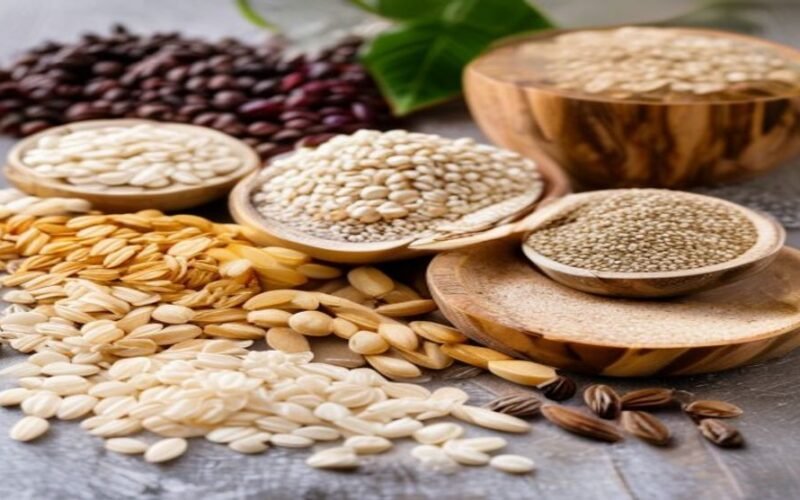
Prioritize whole, unprocessed foods like fruits, vegetables, lean proteins (chicken, fish, beans, lentils), and whole grains (quinoa, brown rice, oats). These foods are rich in nutrients, fiber, and water, promoting satiety and sustained energy, while being naturally lower in calories compared to their processed counterparts.
- Actionable Habit: Aim to fill half your plate with non-starchy vegetables at every meal. Include a source of lean protein and healthy fats with each meal to promote fullness.
Limiting Processed Foods & Sugary Drinks: Gradual Reduction
Processed foods and sugary drinks are often high in empty calories, unhealthy fats, added sugars, and sodium, contributing to weight gain and poor health. Cutting them out entirely can feel overwhelming, so focus on gradual reduction.
- Actionable Habit: Identify one highly processed food or sugary drink you consume regularly and commit to reducing it by half, or replacing it with a healthier alternative (e.g., sparkling water instead of soda, fruit instead of a candy bar).
Smart Snacking: Bridging the Hunger Gap
Snacks aren’t inherently bad; they can be a useful tool to manage hunger between meals and prevent overeating at your next meal. The key is to choose smart, nutrient-dense snacks that provide lasting energy.
- Actionable Habit: Always have healthy snack options readily available – fruit, a handful of nuts, Greek yogurt, vegetable sticks with hummus. Avoid snacking directly from the package; portion it out.
Tracking Intake (Optional but Helpful)
For some, tracking food intake using a journal or app can be an incredibly insightful habit. It raises awareness of what you’re truly eating, helps identify patterns, and can provide accountability. It’s not about obsession, but about education and awareness.
- Actionable Habit: For one week, try tracking everything you eat and drink. Don’t judge, just observe. This can reveal surprising areas for improvement.
Movement & Exercise Habits: Finding Joy in Motion
While nutrition is paramount for weight loss, regular physical activity plays a crucial role in burning calories, building muscle (which boosts metabolism), improving mood, and enhancing overall health. The best exercise habit is one you actually enjoy and can stick with.
Finding Enjoyable Activities: Sustainability Through Pleasure
If exercise feels like a chore, it’s unsustainable. Experiment with different forms of movement until you find something you genuinely enjoy. It could be dancing, hiking, swimming, cycling, team sports, or even active video games.
- Actionable Habit: Try a new activity each week until you find one that resonates. Focus on the feeling of movement and accomplishment, not just the calorie burn.
Incorporating NEAT (Non-Exercise Activity Thermogenesis)
NEAT refers to the energy expended for everything we do that is not sleeping, eating, or sports-like exercise. This includes walking, standing, fidgeting, and even typing. Increasing your NEAT can significantly boost your daily calorie expenditure.
- Actionable Habit: Take the stairs instead of the elevator. Park further away. Stand up and stretch every hour. Walk during phone calls. Get a standing desk. Aim for 7,000-10,000 steps daily.
Structured Exercise: Building Strength and Stamina
Beyond NEAT, incorporating structured exercise is highly beneficial.
- Cardio (HIIT vs. LISS): High-Intensity Interval Training (HIIT) involves short bursts of intense exercise followed by brief recovery periods. Low-Intensity Steady State (LISS) cardio is sustained activity at a moderate pace. Both have benefits.
- Actionable Habit: Start with 20-30 minutes of LISS cardio (brisk walking, cycling) 3-4 times a week. As your fitness improves, consider adding one or two HIIT sessions.
- Strength Training: Lifting weights or using bodyweight exercises builds muscle mass, which is metabolically active, meaning it burns more calories even at rest. It also improves bone density and functional strength.
- Actionable Habit: Aim for 2-3 full-body strength training sessions per week. You can use bodyweight, resistance bands, or free weights. Start with basic movements like squats, push-ups, lunges, and planks.
- Flexibility & Balance: Yoga, Pilates, and stretching improve flexibility, reduce injury risk, enhance posture, and can be excellent for stress reduction.
- Actionable Habit: Incorporate 10-15 minutes of stretching after workouts or dedicate one day a week to a yoga or Pilates class/video.
Consistency Over Intensity: Starting Small, Building Up
Don’t try to go from zero to marathon runner overnight. Consistency is far more important than intensity when starting. A short, consistent workout is better than an intense one you only do once a month.
- Actionable Habit: Commit to just 10-15 minutes of movement each day for a week. Once that feels easy, gradually increase the duration or intensity.
Scheduling Workouts: Treat Them as Appointments
Just like any important meeting, schedule your workouts in your calendar and commit to them. This reduces the likelihood of skipping due to lack of time or motivation.
- Actionable Habit: At the start of each week, block out specific times in your schedule for exercise. Prepare your gym clothes the night before to remove barriers.
Sleep Habits: The Unsung Hero of Weight Loss
Often overlooked in weight loss discussions, adequate, quality sleep is absolutely critical. It directly impacts your hormones, energy levels, and food choices.
How Sleep Impacts Hormones
Sleep deprivation throws your hunger and satiety hormones out of whack:
- Ghrelin: The “hunger hormone.” Lack of sleep increases ghrelin, making you feel hungrier.
- Leptin: The “satiety hormone.” Sleep deprivation decreases leptin, meaning you don’t feel full even after eating.
- Cortisol: The “stress hormone.” Poor sleep elevates cortisol, which can lead to increased fat storage, especially around the belly.
This hormonal imbalance makes you crave sugary, high-carb foods and makes it much harder to stick to your healthy eating habits.
Consequences of Sleep Deprivation
Beyond hormonal chaos, poor sleep leads to:
- Reduced energy for exercise.
- Decreased willpower and impulse control.
- Increased fatigue and brain fog, impacting decision-making.
- Higher risk of insulin resistance.
Tips for Better Sleep Hygiene
Cultivating good sleep habits is a powerful lever for weight loss and overall health.
- Actionable Habit: Consistent Schedule: Go to bed and wake up at roughly the same time every day, even on weekends. This regulates your body’s natural circadian rhythm.
- Actionable Habit: Create a Wind-Down Routine: 30-60 minutes before bed, engage in relaxing activities like reading a book, taking a warm bath, or gentle stretching.
- Actionable Habit: Optimize Your Sleep Environment: Make your bedroom dark, quiet, and cool. Blackout curtains, earplugs, and a comfortable mattress can make a big difference.
- Actionable Habit: Limit Screen Time Before Bed: The blue light emitted by phones, tablets, and computers can interfere with melatonin production, the hormone that signals sleep. Avoid screens for at least an hour before bed.
- Actionable Habit: Watch Caffeine & Alcohol Intake: Avoid caffeine late in the day (afternoon) and be mindful of alcohol, which can disrupt sleep architecture even if it initially makes you feel drowsy.
Stress Management Habits: Protecting Your Progress
Chronic stress is a silent saboteur of weight loss efforts. When stressed, your body releases cortisol, which, as mentioned, can promote fat storage and increase cravings for comfort foods. Learning healthy ways to manage stress is vital.
Stress and Emotional Eating
Many people turn to food for comfort when stressed, bored, or anxious. This emotional eating provides temporary relief but doesn’t address the root cause of the stress and often leads to guilt and further unhealthy cycles.
Healthy Coping Mechanisms
Developing effective stress management habits can break the cycle of stress-induced weight gain.
- Actionable Habit: Mindfulness & Meditation: Even 5-10 minutes of daily meditation or deep breathing exercises can significantly lower stress levels. Apps like Calm or Headspace can guide you.
- Actionable Habit: Movement as Stress Relief: Exercise is a powerful stress reducer. A brisk walk, a yoga session, or a challenging workout can release endorphins and clear your mind.
- Actionable Habit: Hobbies & Creative Outlets: Engage in activities you enjoy – painting, gardening, playing music, writing. These provide a healthy distraction and a sense of accomplishment.
- Actionable Habit: Social Connection: Spend time with supportive friends and family. Sharing your feelings can reduce stress and provide perspective.
- Actionable Habit: Journaling: Writing down your thoughts and feelings can help process emotions and identify stress triggers.
Building and Reinforcing Habits: The Art of Consistency
Knowing what habits to build is one thing; actually building and sticking to them is another. Here are strategies to make habit formation easier and more sustainable.
Start Small (Micro-Habits): The Power of 1%
The biggest mistake people make is trying to change too much too soon. Instead, choose one tiny habit, make it incredibly easy to start, and master it before adding another.
- Example: Instead of “work out for an hour,” try “put on my workout clothes.” Instead of “eat a salad every day,” try “add one serving of vegetables to dinner.”
Habit Stacking: Linking New Habits to Existing Ones
Habit stacking leverages the power of existing routines. Identify an established habit you already do daily, and then “stack” your new desired habit immediately before or after it.
- Formula: “After [CURRENT HABIT], I will [NEW HABIT].”
- Examples: “After I pour my morning coffee, I will drink a glass of water.” “After I finish dinner, I will wash the dishes and then go for a 10-minute walk.”
Environmental Design: Making Healthy Choices Easier
Your environment is a powerful determinant of your behavior. Design your surroundings to make healthy choices effortless and unhealthy choices difficult.
- Actionable Habit: Stock your fridge with healthy snacks. Keep workout clothes visible. Remove tempting junk food from your pantry. Set up your blender on the counter for morning smoothies.
Tracking Progress: Visualizing Success
Seeing your progress can be incredibly motivating. It provides tangible evidence that your efforts are paying off, reinforcing the habit loop.
- Actionable Habit: Use a habit tracker app, a simple calendar with X’s, or a journal to mark off each day you successfully complete a habit. Celebrate small streaks (7 days, 30 days).
Accountability: The Power of Shared Goals
Having someone to share your journey with, whether it’s a friend, family member, coach, or online community, can provide encouragement and keep you on track.
- Actionable Habit: Tell a trusted friend about your new habit goals. Join a fitness class or a healthy eating group. Consider working with a coach.
Patience and Persistence: Expecting Setbacks
The path to building healthy habits for weight loss is not a straight line. There will be days you miss a workout, eat off-plan, or feel unmotivated. This is normal. The key is how you respond.
- Actionable Habit: The 2-Day Rule: Never miss a habit twice in a row. If you miss one day, make sure you get back on track the very next day. This prevents small slips from turning into complete abandonment.
Overcoming Challenges & Plateaus
Even with the best habits, you will encounter challenges. Weight loss isn’t always linear, and plateaus are a common, frustrating part of the journey. The ability to navigate these hurdles is a habit in itself.
Recognizing a Plateau
A weight loss plateau is when your weight loss stalls for several weeks despite consistent efforts. It’s often a sign your body has adapted to your current routine. Don’t panic; it’s a normal part of the process.
Strategies for Breaking Through Plateaus
- Reassess Your Calories: As you lose weight, your body requires fewer calories to maintain its new, lighter mass. You may need to slightly adjust your caloric intake downwards or be more diligent with tracking.
- Change Your Workout Routine: Your body adapts to exercise. Introduce new exercises, increase intensity, duration, or try a different type of activity to challenge your muscles in new ways.
- Prioritize Sleep and Stress Management: Often, plateaus are due to underlying stress or insufficient sleep impacting hormones. Double down on these habits.
- Increase NEAT: Boost your non-exercise activity. Can you walk more? Stand more?
- Re-evaluate Habits: Are you truly consistent with ALL your healthy habits, or have some started to slip unnoticed? Be honest with yourself.
Dealing with Cravings and Lapses
Cravings are powerful, and lapses (eating something off-plan) will happen. This doesn’t mean you’ve failed.
- Actionable Habit: Plan for Cravings: Identify your common craving triggers. Have healthy alternatives ready (e.g., dark chocolate for a sweet craving, air-popped popcorn for salty).
- Actionable Habit: Practice the “Pause” Rule: When a craving hits, tell yourself you’ll wait 10-15 minutes before acting on it. Often, the craving will pass or lessen.
- Actionable Habit: Forgive and Get Back on Track: If you have a lapse, acknowledge it without judgment. Don’t let one slip derail your entire journey. Immediately recommit to your next healthy habit. “One bad meal doesn’t make you fat, just like one good meal doesn’t make you thin.”
Sustaining Habits for Long-Term Success
The ultimate goal of building healthy habits for weight loss isn’t just to reach a target number on the scale, but to create a lifestyle that supports your health and well-being indefinitely. This transition from “weight loss mode” to “weight maintenance mode” is where many falter.
Weight Loss vs. Weight Maintenance
Weight loss often requires a caloric deficit, while weight maintenance involves finding a caloric intake that balances energy intake with expenditure. The habits you built to lose weight are largely the same ones you need to maintain it, perhaps with slight adjustments.
- Actionable Habit: Continuous Monitoring: Continue to periodically weigh yourself (e.g., once a week) and track your food intake (even if less stringently) to catch any upward trends early.
- Actionable Habit: Adaptive Eating: Learn to listen to your body and adjust your food intake based on your activity levels and hunger cues. Some days you might need more, some days less.
Making Habits Automatic
The more you repeat a habit, the more automatic it becomes. Eventually, many of your healthy choices will require little to no conscious effort. They will simply be “what you do.”
- Actionable Habit: Review and Reinforce: Periodically review your habits. Are there any that have become less consistent? How can you reinforce them? Can you add another small, positive habit?
Continuous Learning and Adaptation
Your body, your life circumstances, and scientific understanding evolve. Stay curious, continue to learn about nutrition, exercise, and well-being, and be willing to adapt your habits as needed.
- Actionable Habit: Stay Informed: Follow reputable health resources (like GetLeanPulse.com!). Read books, listen to podcasts, and consider new forms of exercise or healthy recipes.
Embracing a Lifestyle Change, Not a Temporary Diet
This is perhaps the most crucial mindset shift. Your healthy habits are not a temporary phase to get to a goal; they are the new normal. They are part of who you are and how you live. This journey is about self-care, self-respect, and building a life where you thrive.
- Actionable Habit: Focus on Non-Scale Victories: Celebrate increased energy, better sleep, improved mood, clothes fitting better, stronger workouts, and overall feeling of well-being. These are the true markers of a successful lifestyle change.
Conclusion: Your Path to Lasting Transformation
Building healthy habits for weight loss is not a sprint; it’s a marathon of consistent, intentional choices that compound over time. It’s about understanding the power of your mindset, nourishing your body with whole foods, embracing movement you enjoy, prioritizing restorative sleep, and mastering stress management. It’s about starting small, being patient, and showing yourself compassion through every step of the journey.
Forget the endless cycle of restrictive diets and fleeting results. Embrace the profound power of habit formation to create a sustainable, enjoyable, and truly transformative path to your weight loss goals and beyond. Your body is capable of incredible things, and by systematically building these foundational habits, you are empowering yourself to unlock its full potential.
The journey begins now. Choose one small habit from this guide and commit to it today. Witness the ripple effect as that single, consistent action blossoms into a lifetime of health, vitality, and unwavering well-being. At GetLeanPulse.com, we are here to support you every step of the way. Your healthiest, happiest self awaits.
Photo by Moe Magners on Pexels