Lose Belly Fat Fast for Women: The Ultimate Guide to a Leaner Midsection
For many women, the quest to lose belly fat can feel like an uphill battle. It’s not just about aesthetics; excess abdominal fat, particularly visceral fat, poses significant health risks. If you’re a woman struggling with a stubborn midsection, you’re not alone. Hormonal fluctuations, stress, genetics, and lifestyle factors all play a unique role in how women store fat around their waistlines.
At GetLeanPulse.com, we understand these challenges. That’s why we’ve created this comprehensive, expert-backed guide to help you understand the science behind belly fat in women and equip you with actionable strategies to lose it—fast, safely, and sustainably. This isn’t about quick fixes or unrealistic promises; it’s about implementing powerful, evidence-based changes that deliver noticeable results and improve your overall health.
Ready to reclaim your waistline and boost your confidence? Let’s dive in.
Understanding Belly Fat in Women: More Than Just a Cosmetic Concern
Before we tackle how to lose belly fat, it’s crucial to understand what it is and why it accumulates, especially for women. Not all belly fat is created equal.
Subcutaneous vs. Visceral Fat
- Subcutaneous Fat: This is the fat you can pinch. It lies just under the skin. While excess subcutaneous fat can be aesthetically unappealing, it’s generally considered less harmful than visceral fat.
- Visceral Fat: This is the dangerous fat. It’s stored deep within your abdominal cavity, surrounding your vital organs like the liver, pancreas, and intestines. Visceral fat is metabolically active, meaning it releases inflammatory substances and hormones that contribute to a host of health problems, including heart disease, type 2 diabetes, certain cancers, and insulin resistance. It’s often referred to as “hidden fat” because you might not even realize you have it.
Women tend to store more subcutaneous fat than men in their reproductive years, often in the hips and thighs (pear shape). However, as women age, particularly after menopause, hormonal shifts cause a redistribution of fat, with more accumulating in the abdominal area, increasing visceral fat (apple shape).
Why Women Are Unique: Hormones and Belly Fat
The female body is a complex system, and hormones play a significant role in fat storage. Understanding these influences is key to effective belly fat loss strategies.
- Estrogen: During reproductive years, higher estrogen levels encourage fat storage in the hips and thighs. As estrogen levels decline during perimenopause and menopause, fat storage shifts to the abdomen. This is a primary reason why many women experience an increase in belly fat as they age, even if their weight stays the same.
- Cortisol: This is your body’s primary stress hormone. Chronic stress leads to elevated cortisol levels, which promote the storage of visceral fat. Stress also drives cravings for high-calorie, sugary foods, further contributing to abdominal weight gain.
- Insulin: When your body becomes less sensitive to insulin (insulin resistance), your pancreas produces more insulin, which signals your body to store more fat, especially in the abdominal region. Poor diet, lack of exercise, and chronic stress all contribute to insulin resistance.
- Thyroid Hormones: An underactive thyroid (hypothyroidism) can slow metabolism, leading to weight gain, including around the midsection.
- PCOS (Polycystic Ovary Syndrome): Women with PCOS often experience insulin resistance and higher levels of androgens (male hormones), which can lead to increased abdominal fat accumulation.
Recognizing these unique challenges empowers you to adopt targeted strategies rather than generic advice. Now, let’s get to the actionable steps.
The GetLeanPulse Method for Belly Fat Loss: A Holistic Approach
Losing belly fat effectively requires a multi-faceted approach. There’s no single magic bullet, but a combination of diet, exercise, stress management, and quality sleep forms the powerful foundation for success.
Pillar 1: Nutrition – Fueling Your Body for Fat Loss
Diet is arguably the most critical component when it comes to shedding stubborn belly fat. You simply cannot out-exercise a poor diet. Focus on whole, unprocessed foods that nourish your body and promote satiety.
1. Create a Sustainable Calorie Deficit
To lose any fat, including belly fat, you must consume fewer calories than your body burns. This doesn’t mean starvation; it means smart choices that create a moderate deficit (typically 300-500 calories below your maintenance level) that you can sustain over time. Use an online calculator to estimate your Total Daily Energy Expenditure (TDEE) and then subtract for your deficit.
2. Prioritize Protein at Every Meal
Protein is your best friend for fat loss. Here’s why:
- Satiety: Protein keeps you feeling fuller for longer, reducing cravings and overall calorie intake.
- Muscle Preservation: When you’re in a calorie deficit, protein helps preserve lean muscle mass, which is crucial for a healthy metabolism.
- Thermic Effect of Food (TEF): Protein has a higher TEF than carbs or fats, meaning your body burns more calories digesting it.
Aim for: 20-30 grams of protein per meal.
Sources: Lean meats (chicken, turkey, lean beef), fish (salmon, cod), eggs, Greek yogurt, cottage cheese, legumes, tofu, tempeh, protein powder.
3. Embrace Fiber-Rich Foods, Especially Soluble Fiber
Fiber, particularly soluble fiber, plays a remarkable role in reducing belly fat. Soluble fiber forms a gel with water, slowing down digestion and nutrient absorption, which can lead to:
- Increased Satiety: Keeps you feeling full and reduces appetite.
- Reduced Calorie Absorption: Some research suggests soluble fiber can reduce the absorption of calories from food.
- Improved Gut Health: Feeds beneficial gut bacteria, which are linked to a healthier weight and reduced inflammation.
- Lower Visceral Fat: Several studies have linked higher soluble fiber intake to reduced visceral fat over time.
Aim for: 25-30 grams of fiber per day.
Sources of Soluble Fiber: Oats, barley, nuts, seeds (chia, flax), beans, lentils, peas, fruits (apples, citrus, berries), vegetables (carrots, broccoli, Brussels sprouts).
4. Choose Healthy Fats Wisely
Don’t fear fats! Healthy fats are essential for hormone production, nutrient absorption, and satiety. The key is to choose the right types in moderation.
- Monounsaturated Fats (MUFAs): Found in avocados, olive oil, nuts (almonds, pecans), and seeds.
- Polyunsaturated Fats (PUFAs): Including Omega-3 fatty acids, found in fatty fish (salmon, mackerel), flaxseeds, chia seeds, and walnuts.
These fats can help reduce inflammation and improve insulin sensitivity. Avoid trans fats found in many processed and fried foods, as they are strongly linked to increased belly fat.
5. Be Smart About Carbohydrates
Carbohydrates aren’t the enemy, but the *type* of carbohydrates you consume makes a huge difference.
- Focus on Complex Carbs: Whole grains (quinoa, brown rice, whole oats), starchy vegetables (sweet potatoes, butternut squash), and legumes. These are rich in fiber and release energy slowly, preventing blood sugar spikes.
- Limit Refined Carbs: White bread, pastries, sugary cereals, white rice, and pasta. These are quickly digested, cause blood sugar spikes, and contribute to fat storage, especially around the belly.
6. Eliminate Sugary Drinks and Added Sugars
This is a non-negotiable step for fast belly fat loss. Sugary drinks (soda, sweetened teas, fruit juices with added sugar) are liquid calories that don’t provide satiety and are directly linked to increased visceral fat and insulin resistance. Added sugars in processed foods are just as problematic. Read labels carefully!
7. Reduce Processed Foods
Processed foods are often high in refined carbs, unhealthy fats, added sugars, and sodium, all of which contribute to inflammation and belly fat. Focus on cooking at home with fresh, whole ingredients.
8. Hydrate, Hydrate, Hydrate!
Water is crucial for metabolism, digestion, and overall health. Drinking enough water can also help you feel full, reducing the likelihood of overeating. Aim for 8-10 glasses of water daily.
9. Practice Mindful Eating and Portion Control
Eating slowly, savoring your food, and paying attention to your body’s hunger and fullness cues can prevent overeating. Use smaller plates, measure out servings, and avoid distractions while eating.

Pillar 2: Exercise – Moving Your Body for Results
While diet is paramount, exercise is a powerful accelerator for belly fat loss. It burns calories, builds muscle, and improves insulin sensitivity. Remember, you can’t spot-reduce fat, but you can build a strong core and reduce overall body fat, which will reveal a leaner midsection.
1. Incorporate High-Intensity Interval Training (HIIT)
HIIT involves short bursts of intense exercise followed by brief recovery periods. It’s incredibly effective for burning calories, boosting metabolism, and has been shown to be particularly good at reducing visceral fat.
Example: Sprint for 30 seconds, walk for 60 seconds, repeat for 15-20 minutes. Apply this to running, cycling, jumping jacks, burpees, etc.
Frequency: 2-3 times per week on non-consecutive days.
2. Embrace Strength Training
Muscle is metabolically active tissue, meaning it burns more calories at rest than fat. Building muscle through strength training boosts your resting metabolism, helping you burn more fat around the clock.
- Full-Body Workouts: Focus on compound movements that work multiple muscle groups simultaneously (squats, deadlifts, lunges, push-ups, rows).
- Benefits for Women: Strength training won’t make you “bulky.” It will sculpt your body, improve bone density, and enhance your body’s ability to burn fat.
Frequency: 2-3 times per week, allowing for muscle recovery.
3. Don’t Neglect Low-Intensity Steady-State (LISS) Cardio
While HIIT is great, LISS cardio (like brisk walking, jogging, cycling, swimming at a moderate pace) still plays a role. It helps burn calories, improves cardiovascular health, and can be less taxing on the body, making it great for active recovery or longer sessions.
Frequency: 30-60 minutes, 3-4 times per week.
4. Include Core-Strengthening Exercises (for muscle definition, not spot reduction)
While you can’t directly target fat loss from your belly with crunches, strengthening your core muscles is vital for posture, preventing injury, and creating a toned appearance once fat is lost. Strong core muscles also support your spine and improve functional fitness.
Exercises:
- Planks: Engage your entire core. Hold for 30-60 seconds, repeat 3-4 times.
- Side Planks: Target obliques.
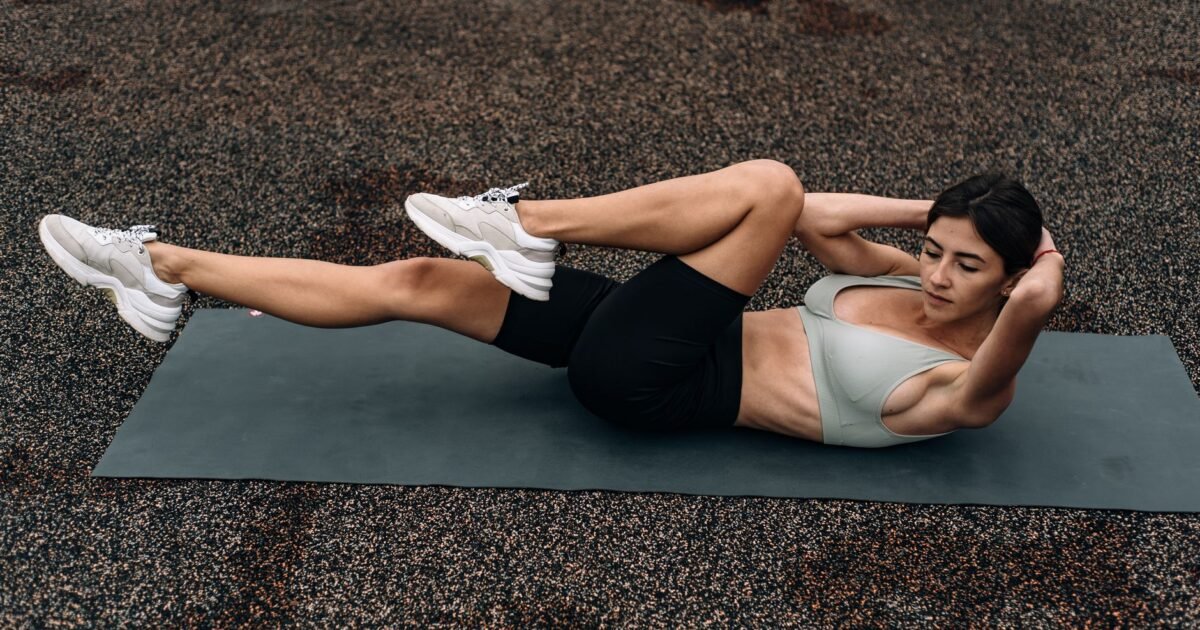
- Bicycle Crunches: Work upper and lower abs, plus obliques.
- Leg Raises: Focus on lower abdominal muscles.
- Russian Twists: Engage obliques.
- Hanging Leg Raises: Advanced core exercise.
Frequency: 3-4 times per week, as part of your overall workout routine.
Pillar 3: Stress Management – Taming the Cortisol Beast
Chronic stress is a silent saboteur of belly fat loss, especially for women. When you’re stressed, your body releases cortisol, which, as we discussed, promotes visceral fat storage. Learning to manage stress is not just about mental well-being; it’s a critical component of a leaner midsection.
1. Prioritize Relaxation Techniques
Integrate daily practices that help lower your stress response:
- Mindfulness and Meditation: Even 10-15 minutes a day can significantly reduce cortisol levels.
- Yoga and Tai Chi: Combine physical movement with deep breathing and mindfulness.
- Deep Breathing Exercises: Simple techniques you can do anywhere to calm your nervous system.
2. Engage in Hobbies and Enjoyable Activities
Make time for things you love – reading, gardening, listening to music, spending time in nature. These activities act as powerful stress buffers.
3. Set Boundaries and Learn to Say No
Overcommitment can lead to overwhelm. Protect your time and energy by learning to politely decline requests that add unnecessary stress.
4. Connect with Others
Social support is a powerful antidote to stress. Spend time with friends and family who uplift you.
Pillar 4: Sleep Quality – The Unsung Hero of Fat Loss
In our busy lives, sleep is often the first thing to be sacrificed. However, poor sleep can derail your belly fat loss efforts, regardless of how well you eat or exercise.
1. The Hormonal Link to Sleep and Fat
- Ghrelin and Leptin: Lack of sleep disrupts the balance of these hunger hormones. Ghrelin (the hunger hormone) increases, while leptin (the satiety hormone) decreases, leading to increased appetite and cravings for unhealthy foods.
- Insulin Sensitivity: Chronic sleep deprivation impairs insulin sensitivity, making your body more likely to store fat, particularly visceral fat.
- Cortisol: Insufficient sleep elevates cortisol levels, further contributing to belly fat accumulation.
2. Tips for Improving Sleep Hygiene
- Aim for 7-9 Hours: Consistency is key. Go to bed and wake up around the same time each day, even on weekends.
- Create a Relaxing Bedtime Routine: A warm bath, reading a book, gentle stretching, or meditation.
- Optimize Your Sleep Environment: Keep your bedroom dark, quiet, and cool.
- Limit Screen Time Before Bed: The blue light from electronic devices interferes with melatonin production.
- Avoid Caffeine and Heavy Meals Late in the Day: These can disrupt sleep.

Diving Deeper: Hormonal Balance and Belly Fat for Women
Given the significant role hormones play in women’s belly fat, it’s worth exploring this area in more detail. While diet, exercise, stress, and sleep naturally support hormonal balance, sometimes specific conditions warrant attention.
Menopause and Estrogen Decline
As mentioned, declining estrogen levels during menopause are a major driver of abdominal fat redistribution. While you can’t stop menopause, you can mitigate its effects:
- Increased Vigilance: Post-menopausal women often need to be more diligent with diet and exercise to counteract the hormonal shift.
- Bone Health: Alongside belly fat, menopause also increases the risk of osteoporosis. Weight-bearing and strength training exercises become even more crucial.
- Hormone Replacement Therapy (HRT): For some women, HRT may be an option to manage menopausal symptoms, including fat redistribution. Discuss this with your doctor to weigh the benefits and risks.
Insulin Resistance and PCOS
Both conditions are characterized by the body’s cells becoming less responsive to insulin, leading to higher blood sugar and insulin levels, and subsequently, increased fat storage around the midsection.
- Dietary Focus: A diet low in refined carbohydrates and added sugars, rich in protein, fiber, and healthy fats, is paramount for improving insulin sensitivity.
- Regular Exercise: Especially strength training and HIIT, significantly improves insulin sensitivity.
- Medical Management: Women with PCOS or diagnosed insulin resistance should work closely with their doctor or an endocrinologist for a tailored treatment plan, which may include medication.
Thyroid Health
An underactive thyroid can slow metabolism and lead to weight gain. If you experience symptoms like fatigue, unexplained weight gain, cold sensitivity, or dry skin, consult your doctor for thyroid function tests. Thyroid hormone replacement therapy can help restore metabolism to normal.
When to Consult a Doctor: If you suspect a hormonal imbalance, have persistent unexplained weight gain around your abdomen, or have other concerning symptoms, always consult your doctor. They can perform necessary tests and provide a personalized diagnosis and treatment plan.
Lifestyle Factors and Mindset for Lasting Success
Achieving and maintaining belly fat loss isn’t just about what you do, but how you approach it. Consistency, patience, and a positive mindset are your secret weapons.
1. Consistency is Your Best Friend
The strategies outlined above aren’t one-time fixes; they are lifestyle changes. Small, consistent efforts compound over time to create significant results. Don’t aim for perfection, aim for consistency.
2. Be Patient and Set Realistic Expectations
“Fast” doesn’t mean overnight. Healthy and sustainable fat loss typically occurs at a rate of 1-2 pounds per week. Belly fat, especially visceral fat, can be stubborn, but with consistent effort, it will yield. Celebrate small victories and focus on progress, not perfection.
3. Track Your Progress Beyond the Scale
The scale doesn’t tell the whole story. Muscle gain and fluid fluctuations can mask fat loss. Instead:
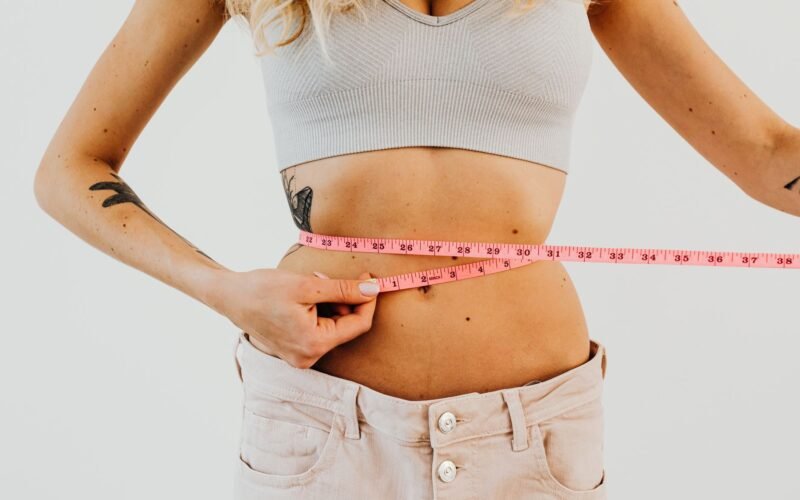
- Take Measurements: Measure your waist circumference regularly (at the navel). This is a direct indicator of belly fat changes.
- Progress Photos: Take photos every 2-4 weeks. You’ll be amazed at the visual changes over time.
- How Clothes Fit: Notice how your clothes feel looser around your midsection.
- Energy Levels and Mood: Observe improvements in your overall well-being.
4. Learn to Navigate Plateaus
At some point, your progress might slow down or stop. This is normal. When you hit a plateau, reassess your strategies:
- Re-evaluate Calorie Intake: Your body might have adapted. A slight adjustment to your deficit might be needed.
- Change Your Workout: Introduce new exercises, increase intensity, or vary your routine.
- Check Stress and Sleep: Are these factors creeping back in?
5. Build Sustainable Habits, Not Extreme Diets
Crash diets and extreme exercise routines are rarely sustainable and often lead to rebound weight gain. Focus on building habits you can maintain for life. This includes flexible eating, enjoyable exercise, and effective stress management techniques.
6. Practice Self-Compassion and Body Positivity
Your journey is about improving your health and well-being, not about achieving an unrealistic ideal. Be kind to yourself, celebrate your efforts, and appreciate your body for what it can do. A positive mindset makes the journey more enjoyable and sustainable.
Debunking Common Belly Fat Myths
The internet is rife with misinformation about fat loss. Let’s clear up some common myths:
- Myth 1: Spot Reduction is Possible. You cannot choose where your body loses fat from. Doing hundreds of crunches will strengthen your abs, but it won’t directly burn the fat layer covering them. Overall body fat reduction will reveal your abdominal muscles.
- Myth 2: Extreme Diets Deliver Fast, Lasting Results. While extreme calorie restriction might lead to rapid initial weight loss, much of it is often water and muscle, not just fat. These diets are unsustainable, unhealthy, and often lead to regaining more weight than you lost.
- Myth 3: Magic Pills or Supplements are the Answer. There is no pill or supplement that will magically melt away belly fat. While some supplements might support metabolism or nutrient deficiencies, they are not a substitute for a healthy diet and exercise, and many claims are unsubstantiated.
- Myth 4: Cardio is the Only Way to Lose Belly Fat. While cardio is important, strength training is equally, if not more, crucial for boosting metabolism and building muscle, which aids in long-term fat loss. A combination of both is ideal.
Sample Daily Plan for Belly Fat Loss (Women)
Here’s an example of how you might structure your day to implement these strategies. This is a template, feel free to adapt it to your preferences and schedule.
Morning:
- Hydration: Start with a large glass of water, perhaps with lemon.
- Stress Management: 10-15 minutes of meditation or deep breathing.
- Breakfast (Protein & Fiber Focused): Greek yogurt with berries, chia seeds, and a handful of almonds; or scrambled eggs with spinach and whole-grain toast; or a protein smoothie with spinach, protein powder, and flax seeds.
Late Morning/Lunch:
- Workout (3-4 times a week): HIIT session (20-30 mins) or Strength Training (45-60 mins). Followed by stretching.
- Lunch (Lean Protein, Healthy Fats, Complex Carbs, Veggies): Large salad with grilled chicken/salmon, avocado, various non-starchy vegetables, and a light vinaigrette; or a quinoa bowl with black beans, roasted vegetables, and a hard-boiled egg.
Afternoon:
- Snack (if needed, protein/fiber): Apple with a tablespoon of peanut butter, a handful of walnuts, or cottage cheese.
- Hydration: Continue drinking water.
Evening:
- LISS Cardio (on non-workout days): Brisk walk or light jog for 30-45 minutes.
- Dinner (Lean Protein, Fiber-Rich Veggies, Moderate Complex Carbs): Baked salmon with steamed broccoli and a small serving of sweet potato; or turkey stir-fry with plenty of vegetables and brown rice.
- Wind Down: Avoid screens 1 hour before bed. Read a book, take a warm bath.
- Sleep: Aim for 7-9 hours of quality sleep.
Final Thoughts: Your Journey to a Leaner You
Losing belly fat for women is a journey that requires dedication, understanding, and a holistic approach. By focusing on smart nutrition, effective exercise, diligent stress management, and quality sleep, you empower your body to shed stubborn abdominal fat and improve your overall health.
Remember, this isn’t just about fitting into a smaller dress size; it’s about reducing your risk of chronic diseases, boosting your energy, and feeling confident and strong in your own skin. The “fast” results come from consistent application of these powerful strategies, leading to sustainable and transformative change.
Start today, one healthy choice at a time. Your body, your health, and your confidence will thank you.
Photo by ROMAN ODINTSOV on Pexels