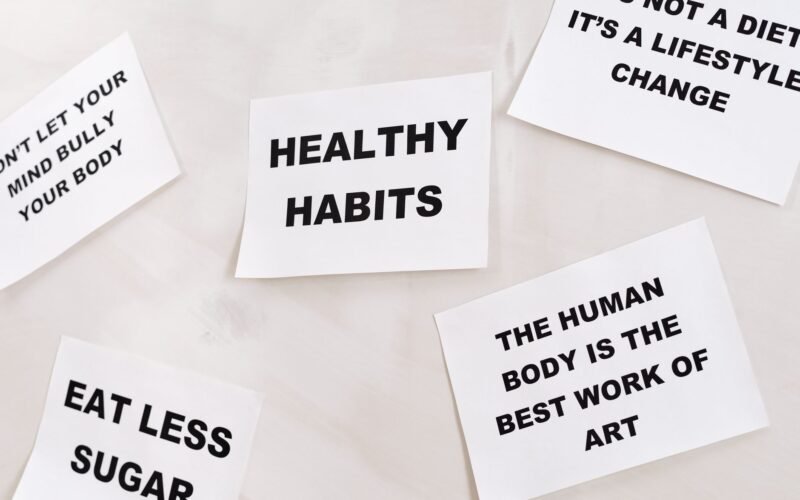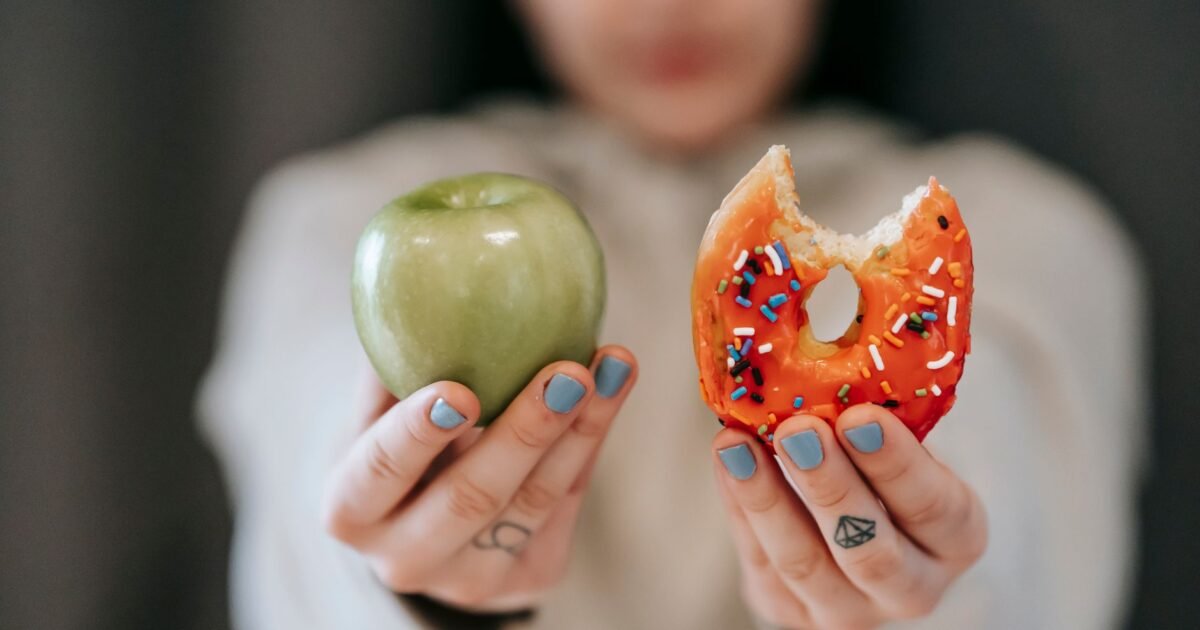
Stop Sugar Cravings Instantly: Your Ultimate Guide to Sweet Freedom
The siren song of sugar – a universal temptation, a momentary comfort, and for many, a formidable adversary in the quest for health and wellness. You know the feeling: an irresistible urge for something sweet that strikes seemingly out of nowhere, derailing your best intentions and leaving you feeling guilty and frustrated. Whether it’s the post-dinner chocolate bar, the mid-afternoon cookie, or the sudden desperate need for a sugary drink, these cravings can feel impossible to resist, often leading to a cycle of indulgence and regret.
At GetLeanPulse.com, we understand the profound impact sugar cravings can have on your energy, mood, and weight loss goals. It’s not just about willpower; it’s about understanding the complex interplay of biology, psychology, and environment that fuels these desires. The good news? You absolutely can learn to stop sugar cravings – not just temporarily, but for good. This comprehensive guide will equip you with a powerful arsenal of strategies, from immediate interventions that halt cravings in their tracks to sustainable, long-term lifestyle changes that rebuild your relationship with food and free you from sugar’s grip.
We’ll delve into the science of why these cravings hit, explore actionable techniques you can implement right now, and outline a holistic approach to cultivate a life where sugar holds less power over your choices. Get ready to reclaim control, boost your energy, stabilize your mood, and achieve your health objectives without the constant battle against your sweet tooth. Let’s transform those instant urges into instant triumphs.
The Science Behind the Sweet Tooth: Why We Crave Sugar
Before we dive into solutions, it’s crucial to understand the “why” behind sugar cravings. They aren’t just a sign of poor discipline; they’re often a complex interplay of physiological, psychological, and environmental factors. Unpacking these roots is the first step toward effective management.
The Blood Sugar Roller Coaster
One of the primary drivers of sugar cravings is unstable blood sugar. When you consume refined sugars and simple carbohydrates, your blood sugar levels spike rapidly. In response, your pancreas releases a flood of insulin to bring those levels down. This rapid drop can leave you with low blood sugar (hypoglycemia), signaling to your brain that you need more sugar to bring levels back up. It’s a vicious cycle: eat sugar, blood sugar spikes, insulin overcorrects, blood sugar crashes, crave more sugar.
The Dopamine Reward System
Sugar is incredibly effective at activating the brain’s reward system, specifically by releasing dopamine, a neurotransmitter associated with pleasure and motivation. This creates a powerful, addictive feedback loop. When you eat sugar, your brain registers it as a reward, reinforcing the behavior. Over time, your brain can become less sensitive to dopamine, requiring even more sugar to achieve the same pleasurable effect – a classic sign of addiction.
Hormonal Imbalances
Several hormones play a significant role in regulating appetite and cravings.
- Leptin: Produced by fat cells, leptin signals satiety to the brain. Leptin resistance, common in overweight individuals, means the brain doesn’t receive this “full” signal, leading to continued hunger and cravings.
- Ghrelin: The “hunger hormone” produced in the stomach, ghrelin stimulates appetite. Sleep deprivation can increase ghrelin levels, making you feel hungrier and crave sugary, high-calorie foods.
- Cortisol: The primary stress hormone. Chronic stress elevates cortisol, which can increase appetite, particularly for comfort foods high in sugar and fat.
- Serotonin: Often called the “feel-good” neurotransmitter, low serotonin levels can lead to cravings for carbohydrates, which help boost serotonin temporarily. This is why many people turn to sugary foods when feeling down or stressed.
Gut Microbiome Imbalance
Emerging research suggests that the trillions of bacteria residing in your gut, collectively known as the microbiome, can influence your food cravings. Certain types of bacteria thrive on sugar and may send signals to your brain to encourage you to consume more of what they need to survive. A balanced gut microbiome, rich in diverse beneficial bacteria, is crucial for overall health and can impact cravings.
Emotional and Psychological Triggers
Beyond biology, our emotions and learned behaviors play a massive role.
- Stress and Anxiety: Sugar can provide a temporary sense of comfort and a quick energy boost, making it a go-to coping mechanism for stress, anxiety, or sadness.
- Boredom: When under-stimulated, many people reach for snacks, often sugary ones, simply to pass the time or create a sense of activity.
- Habit: A daily afternoon pastry with coffee, a nightly dessert after dinner – these routines become deeply ingrained habits, even if the initial craving isn’t strong.
- Lack of Sleep: As mentioned with ghrelin, poor sleep disrupts hormones that regulate appetite, leading to increased cravings for quick energy sources like sugar. It also reduces willpower.
Environmental Cues
Our environment constantly bombards us with sugar. Marketing, easy accessibility, social gatherings, and even the smell of a bakery can trigger cravings, regardless of our physiological needs. Our brains are wired to seek out readily available energy, and in modern society, sugar is ubiquitous.
Understanding these underlying mechanisms empowers you to choose the right strategies. It’s not about blaming yourself; it’s about giving your body and mind what they truly need to break free from the sugar cycle.
Immediate Strategies: How to Stop Sugar Cravings in Their Tracks
When a sugar craving hits with the force of a freight train, you need instant, actionable solutions. These strategies are designed to interrupt the craving cycle, provide a healthier alternative, and give you back control in the moment. The key is to have a plan and execute it quickly before the craving overwhelms you.
1. The 10-Minute Rule: Distract and Delay
This is one of the simplest yet most effective techniques. When a craving strikes, commit to waiting just 10 minutes before giving in. During those 10 minutes, engage in a distracting activity. Often, the intensity of the craving will subside significantly, or even disappear entirely.
- Take a short walk: Even a brisk 5-minute walk can change your environment, shift your focus, and release endorphins.
- Drink a large glass of water: Sometimes, thirst is mistaken for hunger or a craving.
- Call a friend: Engage in conversation that takes your mind off food.
- Do a quick chore: Tidy up your desk, load the dishwasher, or organize a drawer.
- Engage your mind: Read a page from a book, solve a puzzle, or do a quick mental exercise.
2. Hydrate, Hydrate, Hydrate (with a Twist)
Dehydration can often manifest as hunger or a craving. Before reaching for anything sugary, drink a large glass of water. For an extra kick that can help reset your palate:
- Add lemon or lime: The tartness can cut through sweet cravings.
- Try sparkling water: The bubbles can provide a satisfying sensation.
- Brew an herbal tea: Peppermint, ginger, or cinnamon tea can be incredibly effective. Peppermint acts as an appetite suppressant, while cinnamon can help stabilize blood sugar.
3. Opt for a Protein and Fiber Power-Up
Sugar cravings often signal a need for quick energy, but what your body truly needs is sustained energy and satiety. Protein and fiber are your best allies here. They slow digestion, stabilize blood sugar, and keep you feeling full.
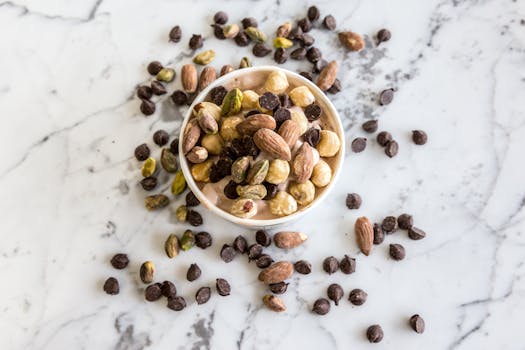
- Handful of nuts or seeds: Almonds, walnuts, chia seeds, or sunflower seeds offer healthy fats, protein, and fiber.
- Greek yogurt: High in protein, it can be a satisfying, creamy option. Choose plain and add a few berries if needed.
- Hard-boiled egg: A quick, portable source of protein.
- Apple slices with a tablespoon of nut butter: The fiber from the apple combined with the protein and healthy fats from the nut butter is a winning combination.
- Small piece of cheese: Protein and fat can hit the spot.
4. Engage Your Senses with Alternative Tastes and Textures
Sometimes, the craving isn’t just for sugar, but for a specific sensation – the crunch, the creaminess, the intense flavor.
- Dark chocolate (70% cocoa or higher): A small square can satisfy the craving for sweetness and provide antioxidants without the sugar rush. The bitterness can also train your palate away from overly sweet things.
- Sour or bitter foods: A slice of lemon, a few olives, or a small pickle can reset your taste buds and often diminish the desire for sugar.
- Spices: Chew on a piece of ginger, or add cinnamon to a drink or a small amount of unsweetened applesauce. These spices have natural sweetness and can help regulate blood sugar.
- Mint: Pop a piece of sugar-free gum, brush your teeth, or drink peppermint tea. The strong minty flavor can make sweet foods less appealing.
5. Mind-Body Reset: Breathe and Move
When stress or boredom triggers a craving, shifting your mental and physical state can be incredibly powerful.
- Deep breathing exercises: Take 5-10 deep, slow breaths. Inhale deeply through your nose, hold for a few seconds, and exhale slowly through your mouth. This activates your parasympathetic nervous system, reducing stress.
- Stretch or do light exercise: A quick set of jumping jacks, a few yoga poses, or even just stretching can release endorphins and distract you.
- Meditate for 5 minutes: Use a guided meditation app or simply focus on your breath. This helps you become more aware of your body’s true needs versus emotional urges.
6. Address the Emotional Root
If you suspect your craving is emotionally driven, take a moment to check in with yourself.
- Ask: Am I truly hungry, or am I feeling stressed, bored, anxious, or sad?
- Journal: Jot down what you’re feeling. This simple act can create space between the emotion and the automatic response of reaching for sugar.
- Talk to someone: Venting to a friend or family member can be more satisfying and effective than food.

Long-Term Strategies: Building a Sugar-Free Future
While immediate fixes are crucial, true freedom from sugar cravings requires a more holistic, long-term approach. These strategies focus on rebalancing your body, mind, and environment to prevent cravings from arising in the first place.
1. Master Blood Sugar Regulation
This is arguably the most critical long-term strategy. Stable blood sugar means stable energy, fewer crashes, and significantly reduced cravings.
- Eat Balanced Meals Regularly: Aim for three main meals and 1-2 small snacks per day. Skipping meals leads to extreme hunger and poor food choices. Each meal should contain a balance of protein, healthy fats, and complex carbohydrates.
- Prioritize Protein: Include a source of lean protein at every meal (chicken, fish, eggs, legumes, tofu, Greek yogurt). Protein is satiating and slows down the absorption of carbohydrates.
- Embrace Fiber-Rich Foods: Load up on non-starchy vegetables, fruits, whole grains (oats, quinoa, brown rice), beans, and lentils. Fiber slows digestion, prevents blood sugar spikes, and keeps you full.
- Include Healthy Fats: Avocados, nuts, seeds, olive oil, and fatty fish (salmon) provide satiety and help regulate blood sugar.
- Limit Refined Carbohydrates: White bread, pasta, pastries, and sugary cereals cause rapid blood sugar spikes. Opt for whole-grain alternatives in moderation.
2. Optimize Your Hydration Habits
Consistent, adequate hydration is fundamental.
- Drink Enough Water: Aim for at least 8 glasses (64 ounces) of plain water daily, more if you’re active or in a hot climate. Keep a water bottle handy.
- Infuse Your Water: If plain water is boring, add slices of cucumber, mint, lemon, lime, or berries to create naturally flavored water without added sugar.
- Limit Sugary Drinks: Sodas, fruit juices (even 100% juice), and sweetened teas/coffees are major sources of hidden sugar and contribute to blood sugar instability.
3. Nourish Your Body with Whole, Unprocessed Foods
A diet rich in whole foods provides essential nutrients that support stable energy and reduce cravings.
- Focus on Nutrient Density: Choose foods that offer a high amount of nutrients per calorie. Think colorful fruits and vegetables, lean proteins, and healthy fats.
- Address Nutrient Deficiencies: Certain deficiencies can exacerbate cravings. Magnesium (found in leafy greens, nuts, seeds, dark chocolate) and chromium (found in broccoli, oats, green beans) are particularly important for blood sugar regulation. B vitamins also play a role in energy metabolism. Consider a high-quality multivitamin or targeted supplements under professional guidance.
- Support Gut Health: Incorporate probiotic-rich foods like yogurt, kefir, sauerkraut, and kimchi. A healthy gut microbiome can positively influence cravings and overall well-being.
4. Prioritize Quality Sleep
Sleep deprivation is a massive driver of sugar cravings.
- Aim for 7-9 Hours: Consistent, quality sleep helps regulate hunger hormones (ghrelin and leptin) and cortisol, reducing cravings for sugary and high-calorie foods.
- Establish a Consistent Sleep Schedule: Go to bed and wake up at roughly the same time each day, even on weekends.
- Create a Relaxing Bedtime Routine: Wind down with a warm bath, reading, or gentle stretching. Avoid screens for at least an hour before bed.
- Optimize Your Sleep Environment: Ensure your bedroom is dark, quiet, and cool.
5. Master Stress Management
Chronic stress elevates cortisol, leading to increased appetite and a preference for sugary, high-fat comfort foods.
- Regular Exercise: Physical activity is a powerful stress reliever and can naturally boost mood-enhancing endorphins. Aim for at least 30 minutes of moderate exercise most days of the week.
- Mindfulness and Meditation: Practices like meditation, deep breathing, and yoga can significantly reduce stress levels and increase self-awareness, helping you recognize emotional eating triggers.
- Hobbies and Relaxation: Engage in activities you enjoy – reading, listening to music, spending time in nature, or creative pursuits – to de-stress and nourish your soul.
- Social Connection: Spending quality time with loved ones can be a powerful buffer against stress.
6. Practice Mindful Eating
Mindfulness transforms your relationship with food, shifting you from automatic eating to conscious choices.
- Slow Down and Savor: Eat slowly, chew thoroughly, and pay attention to the flavors, textures, and aromas of your food.
- Listen to Your Body: Eat when you’re truly hungry and stop when you’re comfortably full, not stuffed. Distinguish between physical hunger and emotional hunger.
- Eliminate Distractions: Eat away from screens (TV, phone, computer) to fully focus on your meal.
- Identify Triggers: Pay attention to when and why cravings arise. Is it always at a certain time of day? After a specific emotion? Awareness is the first step to change.
7. Control Your Environment
Out of sight, out of mind is incredibly effective for sugar cravings.
- Declutter Your Pantry: Remove all highly processed, sugary foods from your home. If it’s not there, you can’t eat it.
- Smart Grocery Shopping: Shop with a list, and never go to the grocery store hungry. Avoid the inner aisles where most processed foods reside; stick to the perimeter for fresh produce, lean proteins, and dairy.
- Meal Prep: Having healthy meals and snacks ready to go prevents you from reaching for convenient (often sugary) options when hunger strikes.
- Carry Healthy Snacks: Always have protein-rich, fiber-filled snacks with you (nuts, fruit, hard-boiled eggs) to prevent desperate sugar binges.
8. Gradual Reduction vs. Cold Turkey
The best approach depends on your personality and the severity of your sugar habit.
- Gradual Reduction: If you consume a lot of sugar, slowly cutting back can be less overwhelming. Start by eliminating one sugary item per week, or reducing the amount you add to coffee/tea.
- Cold Turkey: For some, a complete break is necessary to reset their palate and disrupt the dopamine reward cycle. Be prepared for potential withdrawal symptoms (headaches, irritability) for the first few days, but know that they will pass.
- Listen to Your Body: Experiment to find what works best for you. The goal is sustainable change, not perfection.
9. Smart Sweet Alternatives (in Moderation)
While the goal is to reduce overall sweetness, some alternatives can help ease the transition.
- Whole Fruits: Nature’s candy! They come with fiber, vitamins, and minerals. Opt for berries, apples, and pears.
- Natural Sweeteners (with caution): Stevia, monk fruit, and erythritol are calorie-free and don’t spike blood sugar. However, studies suggest they can still perpetuate a desire for sweetness, so use them sparingly to retrain your palate.
- A small amount of maple syrup or raw honey: These are still sugars, but they contain some trace nutrients and can be used in tiny amounts for flavor, far less than refined sugar.
- Dark Chocolate (70% cocoa or higher): As mentioned, a small square can satisfy the craving while providing beneficial antioxidants.
Common Pitfalls and How to Avoid Them
The journey to sugar freedom isn’t always linear. Be aware of these common traps that can derail your progress.
1. Relying Too Heavily on Artificial Sweeteners
While seemingly a quick fix, artificial sweeteners like aspartame, sucralose, and saccharin can be a double-edged sword.
- Perpetuating Sweetness Cravings: They keep your palate accustomed to intense sweetness, making whole, unsweetened foods taste bland.
- Potential Gut Microbiome Disruption: Some research suggests artificial sweeteners can negatively impact gut bacteria, which in turn can influence metabolism and cravings.
- Psychological Trap: The “diet” label often leads to compensatory eating later, as people feel they “saved” calories and can indulge elsewhere.
Use them sparingly, if at all, and focus on truly resetting your taste buds with less sweet options.
2. Falling for “Diet” or “Low-Fat” Products
Many diet or low-fat products compensate for reduced fat by adding extra sugar, artificial sweeteners, and unhealthy fillers to improve taste and texture. Always read ingredient labels carefully. A “low-fat” cookie is still a cookie, and likely still packed with sugar.
3. Over-Restriction Leading to Bingeing
Trying to go from a high-sugar diet to absolutely no sugar overnight can often backfire. Extreme deprivation can lead to intense cravings and eventual binges, creating a cycle of guilt and shame. A more balanced, gradual approach, or having a plan for occasional, mindful indulgences (like a small piece of dark chocolate), can be more sustainable.
4. Ignoring Underlying Health Conditions
Persistent, intense sugar cravings can sometimes be a symptom of underlying health issues.
- Insulin Resistance/Prediabetes/Type 2 Diabetes: If your body isn’t effectively processing glucose, you might experience more intense cravings.
- Candida Overgrowth: An imbalance of yeast in the gut can lead to strong cravings for sugar.
- Adrenal Fatigue: Chronic stress can exhaust the adrenal glands, leading to constant fatigue and a desire for quick energy from sugar.
- Nutrient Deficiencies: As mentioned, low levels of magnesium, chromium, or B vitamins can contribute to cravings.
If you suspect an underlying health issue, consult with a healthcare professional.
5. Lack of Planning and Preparation
Failing to plan your meals and snacks is a surefire way to succumb to cravings. When you’re hungry and unprepared, convenience often wins, and convenience usually means sugary, processed foods. Always have healthy options readily available at home, work, and on the go.
6. Giving Up After a Slip-Up
One sugary treat doesn’t undo all your progress. The all-or-nothing mindset is detrimental. If you slip, acknowledge it, learn from it, and get right back on track with your next meal or snack. Progress, not perfection, is the goal.
7. Not Addressing Emotional Triggers
If you’re using sugar to cope with stress, boredom, sadness, or anxiety, simply removing sugar without finding healthier coping mechanisms will only lead to frustration. Identify your emotional triggers and develop non-food strategies for dealing with them (e.g., exercise, meditation, journaling, talking to a friend, pursuing a hobby).
When to Seek Professional Help
While many sugar cravings can be managed with the strategies outlined above, there are times when professional guidance is beneficial, and even necessary.
Persistent Cravings Despite Best Efforts
If you’ve consistently applied the immediate and long-term strategies for several weeks or months, yet still find yourself battling intense, unmanageable sugar cravings that significantly impact your health goals and well-being, it might be time to seek expert help. A registered dietitian, nutritionist, or health coach can offer personalized guidance, identify blind spots in your approach, and provide tailored meal plans and strategies.
Suspected Underlying Medical Conditions
As discussed, certain medical conditions like insulin resistance, prediabetes, type 2 diabetes, thyroid issues, or significant nutrient deficiencies can manifest as strong sugar cravings. If you experience other symptoms alongside your cravings (e.g., excessive thirst, frequent urination, unexplained weight changes, chronic fatigue, digestive issues), consult your primary care physician. They can run diagnostic tests and refer you to specialists if needed.
Disordered Eating Patterns or Binge Eating
If your sugar cravings are accompanied by feelings of loss of control around food, recurrent episodes of eating unusually large amounts of food, eating rapidly, eating until uncomfortably full, eating alone due to embarrassment, or feelings of disgust, depression, or guilt after eating, you may be experiencing symptoms of binge eating disorder or other disordered eating patterns. These conditions require professional intervention. A therapist specializing in eating disorders, a psychiatrist, or a specialized eating disorder treatment center can provide the necessary support and treatment.
Chronic Stress and Mental Health Concerns
If you’re using sugar as your primary coping mechanism for chronic stress, anxiety, depression, or other mental health issues, it’s crucial to address the root cause. A therapist or counselor can help you develop healthier coping strategies, manage stress more effectively, and process underlying emotional challenges, which will naturally reduce your reliance on food for comfort.
Significant Impact on Quality of Life
If your sugar cravings are severely impacting your daily life, relationships, work productivity, or overall happiness – if you feel constantly preoccupied with food, or if the cravings are causing significant distress – it’s a clear sign that professional support could be invaluable. Don’t suffer in silence; reaching out is a sign of strength.
Remember, seeking professional help is not a sign of weakness, but a proactive step towards a healthier, more balanced life. A team of experts can provide the comprehensive support you need to overcome persistent sugar cravings and achieve lasting sweet freedom.
Conclusion: Reclaim Your Sweet Freedom
Breaking free from the relentless grip of sugar cravings might seem like an insurmountable challenge, but as you’ve learned, it’s an entirely achievable goal. By understanding the intricate dance of biology, psychology, and environment that fuels these urges, you’ve taken the first crucial step toward lasting change. You now possess a powerful toolkit of strategies, both for those moments when cravings strike instantly and for building a sustainable, sugar-free lifestyle.
Remember, the journey to sweet freedom is not about deprivation or perfection; it’s about empowerment, consistency, and tuning into your body’s true needs. It’s about making informed choices that nourish your body, stabilize your mood, and energize your life, rather than succumbing to fleeting sugary delights that leave you feeling drained and regretful.
Start by implementing a few immediate strategies the next time a craving hits. Focus on consistent blood sugar management through balanced meals rich in protein, fiber, and healthy fats. Prioritize quality sleep, cultivate effective stress management techniques, and practice mindful eating. Take control of your environment by removing temptations and stocking your pantry with wholesome, nourishing foods. Be patient with yourself, acknowledge your progress, and don’t be discouraged by occasional slip-ups – they are part of the learning process.
At GetLeanPulse.com, we believe in empowering you to take charge of your health. By diligently applying the principles outlined in this guide, you will not only conquer sugar cravings but also unlock a cascade of benefits: increased energy, improved mood, stable weight, clearer skin, and a profound sense of well-being. Your palate will recalibrate, finding joy in the natural sweetness of whole foods, and your brain will rewire, reducing its reliance on sugar for reward. The power to transform your relationship with food and achieve lasting sweet freedom is within you. Take that first step today, and let GetLeanPulse.com be your trusted partner on this incredibly rewarding journey.
Photo by Andres Ayrton on Pexels