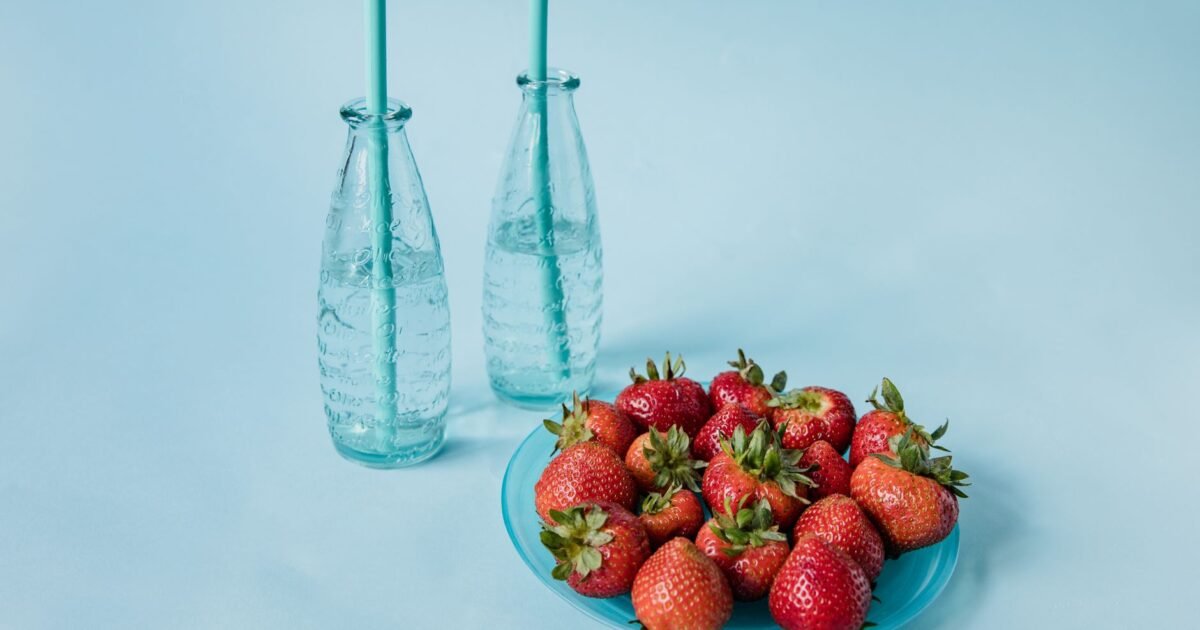
In the vast landscape of weight loss strategies, countless diets, exercise routines, and supplements vie for attention. Yet, one of the most powerful, accessible, and often overlooked tools sits right in front of us: water. Simple, calorie-free, and essential for life, water plays a surprisingly pivotal role in shedding unwanted pounds. It’s not just about staying hydrated; it’s about strategically integrating optimal water intake into your daily routine to supercharge your metabolism, curb your appetite, and support your body’s fat-burning processes.
At GetLeanPulse.com, we believe in empowering you with evidence-based strategies for sustainable weight loss. This comprehensive guide will dive deep into the science behind water and weight loss, help you determine your ideal daily intake, and provide actionable tips to make proper hydration an effortless part of your journey. Prepare to unlock the full potential of H2O as your ultimate weight loss ally.
Water Intake for Weight Loss Per Day: Your Ultimate Guide
The Science Behind Water and Weight Loss
Before we discuss how much water you should drink, let’s understand why it’s such a game-changer for weight loss. The benefits extend far beyond merely quenching thirst, impacting several physiological processes crucial for managing your weight.
Calorie-Free Hydration vs. Sugary Drinks
One of the most straightforward ways water aids weight loss is by replacing high-calorie, sugary beverages. Think about your daily intake: sodas, sweetened teas, fruit juices (even 100% juice can be high in sugar), and specialty coffee drinks. These can add hundreds, if not thousands, of “empty” calories to your diet without providing significant satiety or nutritional value.
A single 12-ounce can of soda, for instance, contains around 140 calories and 39 grams of sugar. Replacing just two of these per day with water could save you nearly 1,000 calories a week – that’s roughly a quarter of a pound of fat loss just from a simple swap! Over time, these small changes accumulate into significant results. Furthermore, the high sugar content in these drinks can lead to insulin spikes, promoting fat storage, whereas water has no such effect. Choosing water consistently helps you reduce your overall caloric intake, making it easier to achieve the necessary calorie deficit for weight loss without feeling deprived.
Metabolism Boost (Thermogenesis)
Could drinking water actually help you burn more calories? The answer is yes, thanks to a phenomenon known as water-induced thermogenesis. Research suggests that drinking water can temporarily increase your body’s energy expenditure. When you consume cold water, your body expends energy to warm it to body temperature, a process that slightly boosts your metabolism. While the effect might seem small on a per-glass basis, it adds up throughout the day.
One study published in The Journal of Clinical Endocrinology and Metabolism found that drinking 500 ml (about 17 ounces) of water increased metabolic rate by 30% for about an hour. While this doesn’t mean you can drink water and skip the gym, it does indicate that consistent hydration contributes to a slightly elevated metabolic rate, helping your body burn more calories even at rest. This metabolic kickstart can be a valuable component of a holistic weight loss strategy, especially when coupled with other healthy habits.
Appetite Suppression and Satiety
Often, what we perceive as hunger is actually thirst. Our bodies sometimes confuse these signals, leading us to reach for food when a glass of water is all we truly need. Drinking water before meals is a widely recommended strategy for weight loss, and for good reason. It helps fill your stomach, creating a feeling of fullness or satiety, which can lead to eating less food during your meal.
Studies have supported this concept. For example, research presented at the 2010 National Meeting of the American Chemical Society showed that middle-aged and older adults who drank two cups of water before each meal lost an average of 4.5 pounds over 12 weeks, compared to those who didn’t drink water before meals. This simple act can significantly reduce your calorie intake by helping you feel satisfied with smaller portions. Furthermore, water doesn’t just fill space; it aids in the digestion of solid food, making your meals feel more substantial and helping to prevent overeating.
Fat Metabolism and Lipolysis
Water is absolutely crucial for the proper functioning of your kidneys and liver, two organs that play critical roles in metabolism and detoxification. The liver, in particular, is responsible for metabolizing fats into usable energy. If you’re dehydrated, your kidneys cannot function optimally, forcing the liver to pick up some of the kidney’s tasks. This diversion of the liver’s resources means it has less capacity to metabolize fat, potentially hindering your weight loss efforts.
Adequate hydration ensures that your kidneys can efficiently process waste products, allowing your liver to focus on its primary roles, including fat metabolism (lipolysis). Lipolysis is the breakdown of lipids (fats) and involves hydrolysis of triglycerides into glycerol and free fatty acids. This process requires water. Without sufficient water, your body cannot efficiently break down and utilize stored fat for energy, making it harder to lose weight.
Toxin Elimination and Nutrient Transport
As your body breaks down fat, it releases toxins and waste products that need to be flushed out. Water is the primary vehicle for this detoxification process. It helps your kidneys filter waste from your blood and excrete it through urine. If you’re dehydrated, these waste products can accumulate, potentially slowing down metabolic processes and making you feel sluggish.
Moreover, water is essential for transporting nutrients, oxygen, and hormones to your cells. Every cell in your body, including muscle cells, relies on proper hydration to function optimally. Well-hydrated cells are more efficient at performing their metabolic tasks, which include burning fat and building muscle – both vital for weight loss. Maintaining optimal cellular function through hydration ensures that your body is a well-oiled machine, ready to tackle the demands of weight loss and overall health.
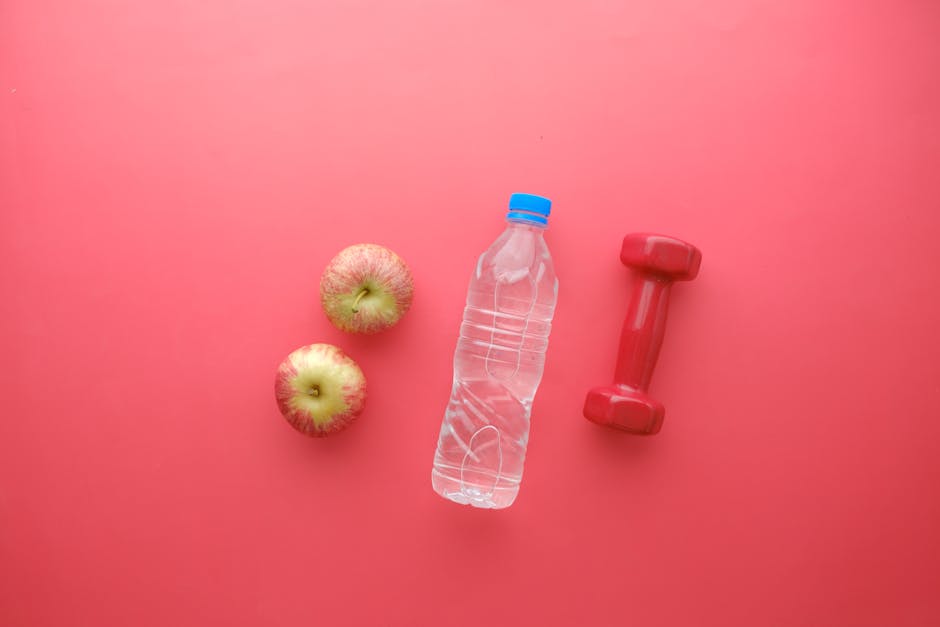
How Much Water Do You Really Need for Weight Loss?
The age-old advice of “eight glasses a day” is a good starting point, but it’s often too simplistic for personalized health goals, especially when it comes to weight loss. Your individual water needs are influenced by a variety of factors.
General Guidelines vs. Individual Needs
While the “8×8 rule” (eight 8-ounce glasses, totaling about 64 ounces or 1.9 liters) is easy to remember, it doesn’t account for differences in body size, activity level, climate, or overall health. For someone actively pursuing weight loss, particularly if they are also increasing their physical activity, this amount might be insufficient.
Factors that influence your water needs include:
- Body Weight: Larger individuals generally require more water.
- Activity Level: Exercise increases fluid loss through sweat, necessitating higher intake.
- Climate: Hot, humid, or high-altitude environments increase fluid loss.
- Diet: A diet rich in water-dense fruits and vegetables contributes to your total intake, while a high-sodium diet can increase thirst.
- Health Conditions: Certain medical conditions (e.g., fever, vomiting, diarrhea, kidney disease, diabetes) can alter fluid requirements.
Therefore, a more personalized approach is essential for optimizing water intake for weight loss.
The “Half Your Body Weight in Ounces” Rule
A popular and more tailored guideline for daily water intake, particularly for those focused on fitness and weight loss, is to drink half your body weight in ounces. This rule provides a more specific target than the general eight glasses.
Here’s how to calculate it:
- Take your current body weight in pounds.
- Divide that number by two.
- The resulting number is the approximate number of ounces of water you should aim to drink daily.
Example: If you weigh 180 pounds, you would aim for 90 ounces of water per day (180 / 2 = 90). This translates to about 11-12 glasses (8-ounce) of water. If you are very active or live in a hot climate, you might need even more.
This guideline serves as a good starting point. It’s important to remember that this is for plain water intake and doesn’t include other beverages like coffee, tea, or soda, which may have diuretic effects or add unwanted calories.
Listen to Your Body: Thirst as a Guide
While calculations provide a good baseline, the most accurate indicator of your hydration status is your body itself. Thirst is your body’s way of telling you it needs fluid. However, by the time you feel thirsty, you might already be slightly dehydrated. For optimal weight loss and health, aim to drink consistently throughout the day to prevent thirst from becoming a strong sensation.
Another excellent indicator is the color of your urine. Ideally, your urine should be a pale yellow, similar to lemonade. If it’s dark yellow or amber, you’re likely dehydrated and need to increase your fluid intake. If it’s completely clear, you might be over-hydrating, though this is less common and usually not harmful unless consumed in extreme excess without electrolyte balance. Pay attention to these cues, especially when adjusting your water intake for weight loss, as your needs can fluctuate daily based on your activities and environment.
Practical Strategies to Optimize Your Water Intake
Knowing how much water to drink is one thing; actually drinking it consistently can be another challenge. Here are practical strategies to help you effortlessly integrate optimal water intake into your daily routine and support your weight loss goals.
Start Your Day with Water
After hours of sleep, your body is naturally dehydrated. Beginning your day with one or two glasses of water is an excellent way to rehydrate, kickstart your metabolism, and signal to your body that it’s time to wake up. This simple habit can also help curb morning hunger and set a positive tone for your hydration goals throughout the day. Consider adding a squeeze of lemon for an extra refreshing boost and a touch of vitamin C.
Drink Before Every Meal
As discussed, drinking water before meals can significantly reduce your calorie intake by promoting satiety. Aim for a glass (8-16 ounces) of water about 20-30 minutes before breakfast, lunch, and dinner. This strategy allows the water to settle in your stomach, helping you feel fuller and potentially leading you to eat less during the meal. It’s a simple, yet highly effective tactic for portion control and appetite management.
Carry a Reusable Water Bottle
Out of sight, out of mind applies to hydration. Keeping a reusable water bottle with you at all times – at your desk, in your car, during errands, or at the gym – makes it easy to sip throughout the day. Choose a bottle you love, perhaps one that tracks your intake or has motivational markings. This constant availability serves as a visual reminder to drink and makes it convenient to meet your daily targets. Refilling it regularly also helps you track your progress.
Flavor Your Water Naturally
If plain water tastes boring to you, don’t reach for sugary sodas or artificial flavorings. Instead, naturally infuse your water with fruits, vegetables, and herbs. This adds a refreshing taste without any extra calories or artificial ingredients. Popular combinations include:
- Lemon and cucumber slices
- Mint leaves and berries (strawberries, raspberries)
- Orange or grapefruit slices
- Ginger and lime
- A few slices of apple with cinnamon stick
Prepare a pitcher of infused water in the evening and let it chill overnight for maximum flavor. This can make drinking water a more enjoyable experience.
Set Reminders
In our busy lives, it’s easy to forget to drink water. Use technology to your advantage! Set alarms on your phone or use a hydration tracking app that sends you periodic reminders to drink. There are many excellent apps available that also allow you to log your intake and visualize your progress. Alternatively, use visual cues, like drinking a glass of water every time you check your email or finish a task. Consistency is key, and reminders help build that habit.
Incorporate Water-Rich Foods
Your total daily water intake isn’t solely from beverages. Many fruits and vegetables are packed with water and contribute significantly to your hydration levels. Incorporating more of these into your diet not only boosts your water intake but also provides essential vitamins, minerals, and fiber, which are crucial for weight loss and overall health.
Excellent water-rich foods include:
- Cucumber (95% water)
- Lettuce (95% water)
- Celery (95% water)
- Tomatoes (94% water)
- Watermelon (92% water)
- Spinach (91% water)
- Strawberries (91% water)
- Grapefruit (90% water)
Making these foods a staple in your diet helps you stay hydrated from the inside out and adds valuable nutrients without excess calories.
Make it a Habit During Workouts
When you exercise, you lose fluids through sweat. Replenishing these fluids is crucial for maintaining performance, preventing fatigue, and aiding in post-workout recovery. Sip water before, during, and after your workouts. For intense or prolonged exercise (over an hour), consider an electrolyte-enhanced water or a diluted sports drink to replace lost minerals, but for most standard workouts, plain water is sufficient. Staying hydrated during physical activity ensures your muscles function optimally and helps your body recover more efficiently, which is vital for consistent progress in your weight loss journey.

Beyond Just Drinking: The Deeper Impact of Hydration
While the direct links between water and weight loss are compelling, proper hydration offers a cascade of benefits that indirectly support your efforts and improve your overall well-being. These synergistic effects create a healthier environment for your body to thrive and lose weight.
Energy Levels and Physical Performance
Even mild dehydration can significantly impact your energy levels and physical performance. When you’re not adequately hydrated, your blood volume decreases, which means your heart has to work harder to pump oxygenated blood to your muscles and organs. This can lead to fatigue, reduced endurance, and a general feeling of sluggishness.
For someone aiming for weight loss, consistent energy is crucial for maintaining motivation for exercise and making healthy food choices. Dehydration can make you feel too tired to work out or reach for quick energy fixes like sugary snacks. By staying well-hydrated, you ensure optimal blood flow, oxygen delivery, and nutrient transport, keeping your energy levels stable and allowing you to perform better during workouts and throughout your day, which directly supports your calorie burning and lean muscle maintenance goals.
Digestive Health and Constipation
A healthy digestive system is foundational to overall health and plays a key role in weight management. Water is indispensable for proper digestion and preventing constipation. It helps soften stool, allowing it to pass more easily through the digestive tract. Without enough water, stool can become hard and difficult to pass, leading to constipation, bloating, and discomfort. These issues can often be mistaken for weight gain or make you feel heavier than you are.
Regular bowel movements are also important for eliminating waste products from your body. By ensuring smooth digestion and preventing constipation, adequate water intake helps your body efficiently process food and eliminate waste, contributing to a lighter, healthier feeling and supporting your overall weight loss efforts.
Skin Health and Appearance
While not directly related to weight loss, healthy, glowing skin is often a welcome side effect of proper hydration and a healthier lifestyle. Water helps maintain the skin’s elasticity and plumpness, reducing the appearance of fine lines and wrinkles. When you’re dehydrated, your skin can look dull, dry, and less vibrant. As you embark on a weight loss journey, improving your skin’s health can be a significant motivator and a visible sign of your progress toward a healthier you.
Mood and Cognitive Function
The brain, being 75% water, is highly sensitive to even mild dehydration. Studies have shown that a fluid loss of just 1-3% can impair mood, concentration, memory, and overall cognitive performance. For individuals striving for weight loss, maintaining a positive mindset and sharp cognitive function is incredibly important. Dehydration-induced fatigue and irritability can make it harder to stick to your diet, stay motivated for exercise, and make mindful food choices.
By consistently hydrating, you support optimal brain function, which helps you stay focused, maintain a positive mood, and make better decisions regarding your health and weight loss journey. This mental clarity can be a powerful asset in overcoming challenges and staying committed to your goals.
Common Misconceptions and FAQs
Despite its simplicity, water intake often comes with questions and misunderstandings. Let’s address some common concerns related to water and weight loss.
“Will I Gain Water Weight?”
This is a common concern, especially when increasing water intake. The truth is, temporary fluctuations in “water weight” are normal and expected, but they are not the same as gaining body fat. In fact, drinking more water can actually help reduce water retention, especially if your body has been holding onto water due to chronic dehydration or high sodium intake. When your body is consistently dehydrated, it tends to hold onto every drop of water it can get, leading to bloating and puffiness.
By increasing your water intake, you signal to your body that it no longer needs to conserve water, allowing it to release excess fluid. This process is often aided by reducing sodium intake and increasing potassium-rich foods. So, while the scale might fluctuate slightly at first, consistent hydration helps balance your body’s fluid levels, ultimately leading to less water retention and a leaner appearance over time, not actual weight gain.
“Can I Drink Too Much Water?”
While beneficial, it is possible to drink too much water, though it is quite rare for healthy individuals under normal circumstances. This condition is called hyponatremia, or water intoxication, and occurs when the sodium concentration in your blood becomes dangerously low due to excessive water intake. Symptoms can include nausea, vomiting, headaches, confusion, and in severe cases, seizures or coma.
Hyponatremia is most commonly seen in endurance athletes who over-hydrate without replacing electrolytes, or individuals with certain medical conditions that affect kidney function. For the average person, listening to your body’s thirst cues and following general guidelines (like the half-your-body-weight rule) while incorporating electrolytes through a balanced diet (fruits, vegetables, pinch of sea salt) makes over-hydration highly unlikely. If you have kidney issues or other medical conditions, always consult your doctor about appropriate fluid intake.
“Does Sparkling Water Count?”
Yes, unsweetened sparkling water (club soda, seltzer water) counts towards your daily fluid intake. It’s a great calorie-free alternative to plain water if you enjoy the fizz. Just be sure to choose varieties that are free of added sugars, artificial sweeteners, and excessive sodium. Some sparkling waters have natural flavors, which are generally fine, but always check the label. While some people worry about the carbonation causing bloating, for most individuals, it’s a perfectly acceptable and hydrating beverage.
“What About Coffee/Tea?”
This is a classic question. While coffee and tea are primarily water, their caffeine content acts as a mild diuretic, meaning they can cause your body to excrete more fluid than it takes in. However, the diuretic effect is often overstated, especially for regular caffeine drinkers whose bodies have adapted. Studies suggest that moderate consumption of caffeinated beverages can still contribute to your overall fluid intake, especially if you’re accustomed to them.
That being said, they should not be your primary source of hydration, especially when focusing on weight loss. It’s best to prioritize plain water. If you enjoy coffee or tea, continue to drink them in moderation, but make sure to balance them with extra glasses of pure water to ensure optimal hydration and avoid any potential dehydrating effects. Avoid adding sugar, cream, or other high-calorie additions if weight loss is your goal.
Integrating Water Intake into Your Holistic Weight Loss Journey
Achieving sustainable weight loss is a multifaceted endeavor. While water is a remarkably powerful tool, it’s crucial to view it as one essential component within a broader, holistic approach to health and wellness.
A Component, Not a Miracle Cure
It’s important to set realistic expectations. Water intake, however optimized, is not a magic bullet that will single-handedly melt away pounds. It is a fundamental pillar that supports and enhances other critical weight loss strategies. Think of water as the lubricant that keeps your weight loss engine running smoothly. Without it, the engine sputters, but it still needs fuel (healthy food) and movement (exercise) to get where it needs to go.
For truly effective and lasting weight loss, you must combine adequate hydration with:
- A Balanced, Nutrient-Dense Diet: Focusing on whole foods, lean proteins, healthy fats, and plenty of fruits and vegetables.
- Regular Physical Activity: Incorporating a mix of cardiovascular exercise and strength training.
- Sufficient Sleep: Aiming for 7-9 hours of quality sleep per night, as sleep deprivation can disrupt hunger hormones and lead to weight gain.
- Stress Management: Practicing techniques like meditation, yoga, or spending time in nature, as chronic stress can impact hormones that affect appetite and fat storage.
When combined, these elements create a powerful synergy, with optimal water intake amplifying the positive effects of each. Water helps your body process nutrients from healthy food, recover from exercise, and function optimally even when under stress, making your overall weight loss journey more efficient and enjoyable.
Consistency is Key
The benefits of water for weight loss are not a one-time event; they are cumulative and realized through consistent, daily effort. Sporadic hydration will yield sporadic results. Sustainable weight loss is about building sustainable habits, and daily, intentional water intake is one of the most impactful habits you can cultivate.
Don’t aim for perfection immediately. Start by slowly increasing your water intake, perhaps by one extra glass a day for a week, then another. Focus on making it a natural, ingrained part of your routine rather than a chore. Over time, your body will adapt, and you’ll likely find yourself naturally craving water more often. This consistency transforms proper hydration from an effort into an automatic, beneficial habit that will serve your weight loss goals and overall health for years to come. Remember, every sip contributes to a healthier, leaner you.
Conclusion
Water, often taken for granted, emerges as a surprisingly powerful and indispensable ally in your quest for weight loss. From boosting metabolism and suppressing appetite to facilitating fat breakdown and enhancing overall bodily functions, the benefits of optimal water intake are profound and scientifically supported. It’s a zero-calorie, zero-cost, and zero-effort (once it’s a habit!) tool that can significantly impact your journey toward a healthier weight.
By understanding your individual hydration needs – aiming for around half your body weight in ounces daily – and implementing practical strategies like starting your day with water, drinking before meals, and carrying a reusable bottle, you can transform your relationship with this essential fluid. Remember to listen to your body, choose plain or naturally flavored water, and integrate this habit into a holistic approach that includes a balanced diet, regular exercise, adequate sleep, and stress management.
At GetLeanPulse.com, we encourage you to embrace hydration as a cornerstone of your weight loss and wellness strategy. Make the conscious choice today to prioritize your daily water intake. It’s a simple change with monumental rewards, propelling you forward on your path to a leaner, healthier, and more vibrant you. Cheers to your health!
Photo by RDNE Stock project on Pexels