The Ultimate Guide: Best Foods to Eat for Rapid Weight Loss
Embarking on a weight loss journey can feel overwhelming, especially when the goal is rapid results. While countless diets promise quick fixes, sustainable and healthy weight loss – even at an accelerated pace – fundamentally boils down to what you put on your plate. At GetLeanPulse.com, we believe in empowering you with the knowledge to make informed choices that not only help you shed pounds quickly but also nourish your body and foster long-term well-being.
This comprehensive guide dives deep into the best foods for rapid weight loss, explaining the science behind why they work and how to incorporate them effectively into your daily routine. Forget restrictive eating and unsustainable fads; we’re talking about nutrient-dense, satisfying foods that naturally boost your metabolism, curb cravings, and promote a healthy calorie deficit without leaving you feeling deprived.
If you’re ready to transform your body and health with a focus on powerful, natural foods, then let’s explore the culinary keys to rapid weight loss.
The Science of Rapid Weight Loss Through Food
Rapid weight loss isn’t just about eating less; it’s about eating smarter. The foods you choose play a critical role in influencing your body’s ability to burn fat, manage hunger, and maintain energy levels. Here’s a look at the scientific principles at play:
Calorie Deficit and Nutrient Density
At its core, weight loss occurs when you consume fewer calories than your body burns – a calorie deficit. However, simply reducing calories without considering nutrient density can lead to nutrient deficiencies, fatigue, and a slowed metabolism. The best foods for rapid weight loss are high in nutrients but relatively low in calories, allowing you to create a calorie deficit without sacrificing essential vitamins, minerals, and macronutrients. These foods provide satiety, meaning they keep you feeling full and satisfied, making it easier to stick to your calorie goals.
Metabolism Boosters
Certain foods and nutrients can subtly influence your metabolic rate, the speed at which your body burns calories. Protein, for instance, has a higher thermic effect of food (TEF) than carbs or fats, meaning your body expends more energy digesting and metabolizing it. This slight metabolic boost, combined with sustained energy from complex carbohydrates and healthy fats, can contribute to faster weight loss.
Satiety and Hunger Control
One of the biggest challenges in rapid weight loss is managing hunger and cravings. Foods rich in protein and fiber are champions at promoting satiety. Protein slows digestion and influences hunger hormones like ghrelin, while fiber adds bulk to your meals, making you feel fuller for longer. By incorporating these foods, you’re less likely to overeat or succumb to unhealthy snacks between meals.
Blood Sugar Regulation
Spikes and crashes in blood sugar can lead to intense cravings, energy dips, and fat storage. Foods with a low glycemic index (GI) – typically those high in fiber and protein – release glucose slowly into the bloodstream, maintaining stable blood sugar levels. This stability is crucial for sustained energy, reduced cravings, and efficient fat burning.
Inflammation Reduction
Chronic low-grade inflammation in the body can interfere with metabolic function and make weight loss more difficult. Many of the foods we’ll discuss, particularly fruits, vegetables, and healthy fats, are packed with antioxidants and anti-inflammatory compounds that help reduce inflammation, supporting overall health and making your body more efficient at losing weight.
Key Principles for Choosing Rapid Weight Loss Foods
Before diving into specific food lists, let’s establish the guiding principles that make certain foods superior for accelerated fat loss:
- High in Protein: Protein is king for weight loss. It increases satiety, preserves muscle mass during calorie restriction, and has a high thermic effect.
- Rich in Fiber: Fiber adds bulk without calories, aids digestion, stabilizes blood sugar, and promotes fullness.
- Low in Processed Sugars and Refined Carbs: These lead to blood sugar spikes, energy crashes, and are typically calorie-dense but nutrient-poor.
- Packed with Micronutrients: Vitamins, minerals, and antioxidants are crucial for metabolic health, energy production, and overall well-being.
- Hydrating: Water-rich foods contribute to fullness and overall hydration, which is vital for all bodily functions, including metabolism.
The Best Food Categories for Rapid Weight Loss
Here are the powerhouses of nutrition that will fuel your rapid weight loss journey:
1. Lean Proteins: The Satiety Superstars
Protein is arguably the most important macronutrient for weight loss. It helps you feel full, reduces cravings, and preserves lean muscle mass, which is crucial for a healthy metabolism. Aim for a protein source at every meal.
-
Chicken Breast (Skinless) & Turkey (Lean Ground, Breast)
Why they work: Extremely lean, high in protein, and versatile. A 3.5-ounce serving of skinless chicken breast provides about 31 grams of protein for only 165 calories. Turkey offers similar benefits. They are excellent for building and repairing muscle, which helps burn more calories at rest.
Tips: Grill, bake, or stir-fry with plenty of non-starchy vegetables. Avoid frying or adding heavy sauces. Opt for ground turkey in lieu of ground beef for leaner options.
-
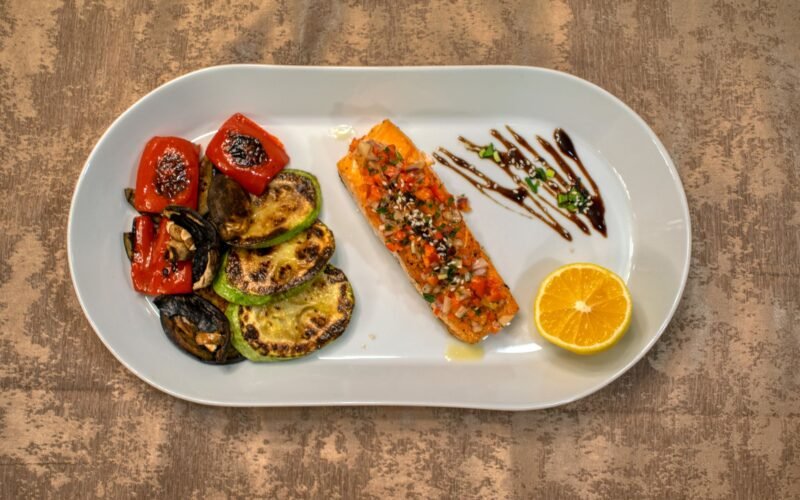
Fish (Salmon, Tuna, Cod, Tilapia)
Why they work:
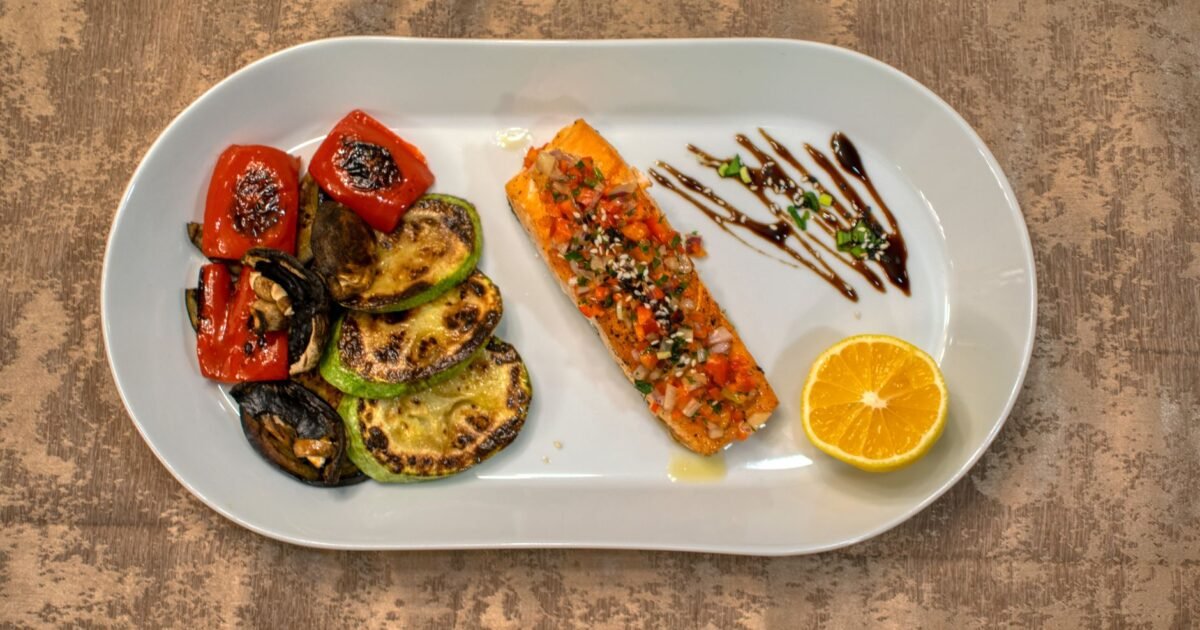
- Salmon: Rich in omega-3 fatty acids, which can reduce inflammation and support overall health, alongside high-quality protein.
- Tuna: Especially light canned tuna in water, is a convenient and very lean protein source.
- Cod & Tilapia: White fish varieties are incredibly low in calories and fat, yet packed with protein.
Fish helps regulate appetite and provides essential nutrients like iodine, important for thyroid function and metabolism.
Tips: Bake, grill, or poach fish. Pair with steamed vegetables. Be mindful of mercury content in some fish; vary your choices.
-
Eggs
Why they work: Often called nature’s multivitamin, eggs are affordable, versatile, and incredibly nutrient-dense. One large egg contains about 6 grams of high-quality protein and a host of vitamins and minerals for only about 70 calories. Studies show that eating eggs for breakfast can enhance satiety and reduce calorie intake later in the day.
Tips: Boil, poach, or scramble with vegetables. Enjoy as a quick snack or a main meal.
-
Legumes (Lentils, Black Beans, Chickpeas)
Why they work: A plant-based protein powerhouse, legumes are also incredibly rich in fiber. This double whammy makes them exceptionally filling and beneficial for blood sugar control. They contribute to gut health, which is increasingly linked to weight management.
Tips: Add to salads, soups, stews, or make homemade veggie burgers. Rinse canned legumes thoroughly to reduce sodium.
-
Greek Yogurt (Plain, Unsweetened) & Cottage Cheese
Why they work: Dairy products like Greek yogurt and cottage cheese are packed with casein and whey proteins, which are excellent for satiety and muscle maintenance. Greek yogurt, in particular, offers double the protein of regular yogurt and contains beneficial probiotics for gut health.
Tips: Enjoy plain Greek yogurt with berries or a sprinkle of chia seeds. Cottage cheese can be eaten plain, with vegetables, or as a high-protein snack.

2. Non-Starchy Vegetables: Volume Without Calories
These vegetables are your best friends for rapid weight loss. They are incredibly low in calories, high in fiber, and bursting with vitamins, minerals, and antioxidants. You can eat large quantities of them without significantly impacting your calorie goals, helping you feel full and satisfied.
-
Leafy Greens (Spinach, Kale, Lettuce, Arugula)
Why they work: Virtually calorie-free, loaded with vitamins (A, C, K), minerals (iron, calcium), and fiber. They add bulk to meals, making you feel full without the caloric load.
Tips: Use as a base for salads, add to smoothies, stir-fries, or wilt into soups and omelets.
-
Broccoli, Cauliflower, Brussels Sprouts
Why they work: These cruciferous vegetables are nutritional powerhouses. High in fiber, vitamin C, and compounds that support detoxification, they contribute to satiety and overall health. Cauliflower can even be used as a low-carb substitute for rice or mashed potatoes.
Tips: Steam, roast, or lightly sauté. Season with herbs and spices for flavor.
-
Bell Peppers, Cucumbers, Zucchini, Asparagus, Mushrooms
Why they work: These are all extremely low in calories, high in water content, and provide a good dose of vitamins and minerals. Their high water content contributes to hydration and fullness.
Tips: Snack on sliced cucumbers and bell peppers, add zucchini noodles as a pasta substitute, grill asparagus, or sauté mushrooms into any dish.
3. Fruits: Nature’s Sweetness (in Moderation)
While fruits contain natural sugars, they also come with fiber, vitamins, and antioxidants. The fiber helps mitigate blood sugar spikes. Focus on lower-sugar, high-fiber options, especially during rapid weight loss phases.
-
Berries (Strawberries, Blueberries, Raspberries, Blackberries)
Why they work: Berries are among the best fruits for weight loss. They are relatively low in sugar, high in fiber, and packed with antioxidants. Their vibrant colors signify a rich nutrient profile.
Tips: Add to Greek yogurt, oatmeal, smoothies, or enjoy as a refreshing snack.
-
Apples & Grapefruit
Why they work: Apples are high in pectin fiber, which promotes fullness. Grapefruit has been associated with weight loss in some studies, possibly due to its effect on insulin levels. Both are hydrating and provide essential vitamins.
Tips: Eat whole apples with the skin for maximum fiber. Enjoy grapefruit segments for breakfast or as a snack.
-
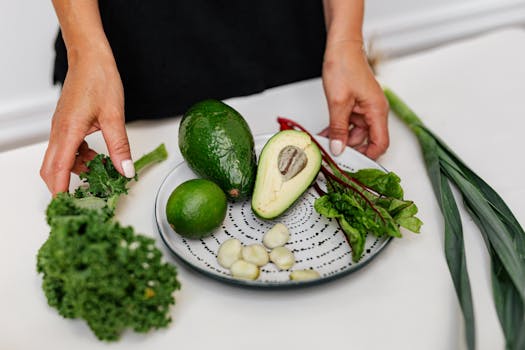
Avocado
Why it works: While higher in calories and fat, avocado is rich in monounsaturated healthy fats, which are incredibly satiating and beneficial for heart health. Its fiber content also aids in digestion and fullness. Portion control is key here.
Tips: Add a quarter of an avocado to salads, smoothies, or as a healthy fat source with your eggs.
4. Healthy Fats: Essential for Satiety and Health
Don’t fear healthy fats! They are crucial for hormone production, nutrient absorption, and provide sustained energy and satiety. However, they are calorie-dense, so portion control is paramount, especially during rapid weight loss.
-
Nuts (Almonds, Walnuts) & Seeds (Chia, Flax, Hemp)
Why they work: These are powerhouses of healthy fats, fiber, and protein. They provide a satisfying crunch and can curb cravings. Walnuts and flax seeds are particularly rich in omega-3 fatty acids.
Tips: A small handful of nuts as a snack (around 10-15 almonds). Add a tablespoon of chia or flax seeds to oatmeal, yogurt, or smoothies for an extra fiber and omega-3 boost.
-
Extra Virgin Olive Oil
Why it works: A cornerstone of the Mediterranean diet, EVOO is rich in monounsaturated fats and antioxidants. It can enhance the flavor of your meals and contribute to satiety.
Tips: Use sparingly for salad dressings or to lightly sauté vegetables. Avoid deep frying.
5. Whole Grains & Complex Carbs: Sustained Energy (in Moderation)
While rapid weight loss often involves reducing overall carbohydrate intake, smart choices of whole grains and complex carbs can provide sustained energy and essential fiber without derailing your progress. Portion control is absolutely critical with these foods.
-
Oats (Steel-Cut or Rolled)
Why they work: A fantastic source of soluble fiber (beta-glucan), which promotes satiety, lowers cholesterol, and helps stabilize blood sugar. They provide sustained energy, making them an excellent breakfast choice.
Tips: Prepare with water or unsweetened almond milk. Add berries and a sprinkle of cinnamon instead of sugar.
-
Quinoa
Why it works: A complete protein (containing all nine essential amino acids) and high in fiber, quinoa is an excellent grain alternative. It’s lower on the glycemic index compared to white rice and provides a steady release of energy.
Tips: Use as a base for salads, a side dish, or in veggie bowls. A small serving (1/2 cup cooked) is usually sufficient for rapid weight loss.
-
Sweet Potatoes
Why they work: Rich in fiber, vitamin A, and complex carbohydrates, sweet potatoes offer sustained energy and are less likely to cause blood sugar spikes than white potatoes. They are also incredibly versatile and satisfying.
Tips: Bake or roast with skin on. Enjoy a small to moderate portion as a side dish.
6. Beverages: Hydration and Metabolic Support
What you drink is just as important as what you eat when aiming for rapid weight loss.
-
Water
Why it works: The most crucial beverage. Water has zero calories, helps you feel full, supports metabolism, aids digestion, and prevents dehydration (which can often be mistaken for hunger). Studies suggest drinking water before meals can reduce calorie intake.
Tips: Aim for at least 8-10 glasses (2-3 liters) a day. Keep a water bottle handy. Add lemon or cucumber for flavor.
-
Green Tea & Black Coffee
Why they work: Both contain caffeine, which can slightly boost metabolism and enhance fat burning, especially during exercise. Green tea also contains catechins (EGCG), powerful antioxidants linked to weight loss. Drink black coffee without sugar or cream for maximum benefit.
Tips: Enjoy 1-3 cups a day. Be mindful of caffeine sensitivity, especially later in the day.
-
Herbal Teas
Why they work: Calorie-free and hydrating, herbal teas can be a soothing alternative to sugary drinks. Some, like peppermint or ginger tea, can even help with digestion or curb cravings.
Tips: Experiment with different flavors. Avoid adding sugar.
Foods to Limit or Avoid for Rapid Weight Loss
To accelerate weight loss, it’s just as important to know what to minimize or eliminate from your diet:
- Sugary Drinks: Sodas, fruit juices (even 100% juice), sweetened teas, and energy drinks are liquid calories that offer no satiety and lead to rapid blood sugar spikes.
- Processed Foods and Snacks: Chips, cookies, cakes, fast food, and most convenience meals are typically high in unhealthy fats, sugar, sodium, and refined carbs, offering little nutritional value.
- Refined Grains: White bread, white pasta, white rice, and most breakfast cereals lack fiber and can cause blood sugar rollercoasters.
- Excessive Unhealthy Fats: Trans fats (found in many processed foods) and excessive saturated fats should be limited. Frying foods also adds unnecessary calories.
- Alcohol: Alcohol provides empty calories and can lower inhibitions, leading to poor food choices. It also impairs fat burning.
Building Your Rapid Weight Loss Meal Plan
Knowing the best foods is one thing; putting them into practice is another. Here’s how to structure your meals for rapid results:
1. Prioritize Protein at Every Meal
Start your day with a protein-rich breakfast (e.g., eggs, Greek yogurt). Ensure lunch and dinner also feature a lean protein source. This will keep you feeling full and satisfied throughout the day.
2. Fill Half Your Plate with Non-Starchy Vegetables
At lunch and dinner, make vegetables the star. They add volume, fiber, and nutrients without excess calories, allowing you to eat generously.
3. Be Mindful of Portion Sizes for Healthy Fats and Complex Carbs
While essential, nuts, seeds, avocado, olive oil, and whole grains are calorie-dense. Measure your portions carefully. A serving of nuts is a small handful, and a serving of cooked quinoa or sweet potato is typically ½ cup.
4. Stay Hydrated
Drink water consistently throughout the day. A glass before each meal can help reduce appetite. Carry a reusable water bottle.
5. Smart Snacking
If you need snacks, choose wisely: a piece of fruit with a small handful of nuts, Greek yogurt, or vegetable sticks with hummus. Avoid processed snack foods entirely.
6. Meal Prepping is Your Secret Weapon
Dedicate time once or twice a week to prepare meals and snacks in advance. Cook larger batches of lean protein (chicken, fish), chop vegetables, and portion out whole grains. This prevents impulsive, unhealthy choices when hunger strikes.
Sample Day Rapid Weight Loss Meal Plan
Here’s an example of how a day might look using the best foods for rapid weight loss:
- Breakfast (Approx. 300-350 calories):
- Scrambled eggs (2 large) with a handful of spinach and bell peppers.
- 1/2 cup berries.
- Black coffee or green tea.
- Mid-Morning Snack (Optional, Approx. 100-150 calories):
- Plain Greek yogurt (1/2 cup) with 1 tablespoon of chia seeds.
- Lunch (Approx. 350-400 calories):
- Large salad: Mixed greens, 4 oz grilled chicken breast, cucumber, cherry tomatoes, bell peppers.
- Dressing: 1 tablespoon olive oil and vinegar/lemon juice.
- Mid-Afternoon Snack (Optional, Approx. 100-150 calories):
- 1 small apple with 10 almonds.
- Dinner (Approx. 400-450 calories):
- 4-5 oz baked salmon or cod.
- 1 cup steamed broccoli and asparagus.
- 1/2 small baked sweet potato (about 3-4 oz).
- Evening (Optional, if hungry, Approx. 50-100 calories):
- Herbal tea.
- Small handful of raw baby carrots or cucumber slices.
Total estimated calories for the day: 1300-1600 calories (adjust portions based on individual needs and activity level).
Beyond Food: Lifestyle Factors for Accelerated Results
While food is paramount, incorporating these lifestyle habits will amplify your rapid weight loss efforts:
- Consistent Exercise: Combine cardiovascular exercise (like brisk walking, jogging, cycling) with strength training. Cardio burns calories, and strength training builds muscle, which boosts your resting metabolism. Aim for at least 150 minutes of moderate-intensity cardio and 2-3 strength sessions per week.
- Adequate Sleep: Lack of sleep can disrupt hunger hormones (ghrelin and leptin), increase cravings for unhealthy foods, and negatively impact your metabolism. Aim for 7-9 hours of quality sleep per night.
- Stress Management: Chronic stress elevates cortisol levels, which can promote belly fat storage and increase appetite. Incorporate stress-reducing activities like meditation, yoga, deep breathing exercises, or spending time in nature.
- Mindful Eating: Pay attention to your food – its taste, texture, and how your body feels. Eat slowly, without distractions, and stop when you’re comfortably full, not stuffed. This helps you recognize your body’s hunger and satiety cues.
- Track Your Progress: Whether it’s weighing yourself regularly (but not obsessively), taking measurements, or tracking your food intake (initially, to understand portion sizes and calorie content), monitoring your progress can keep you motivated and accountable.
Sustainable Rapid Weight Loss: A Long-Term View
While the goal is rapid weight loss, the underlying principles of healthy eating should be sustainable. The foods listed here are not just for short-term dieting; they are foundational for a healthy lifestyle. As you reach your initial rapid weight loss goals, you can gradually introduce a wider variety of whole, unprocessed foods in appropriate portions. The habits you build during this phase – meal prepping, mindful eating, prioritizing protein and vegetables – will serve you well for maintaining your new, healthier weight.
Remember, individual needs vary. If you have underlying health conditions or are considering a significant dietary change, it’s always wise to consult with a healthcare professional or a registered dietitian. They can provide personalized advice tailored to your specific health profile and goals.
Conclusion: Empower Your Journey with Smart Food Choices
Achieving rapid weight loss doesn’t have to mean starvation or deprivation. By focusing on nutrient-dense, high-protein, and high-fiber foods, you can create a satisfying diet that naturally promotes a calorie deficit, boosts metabolism, and controls hunger. Embrace lean proteins, abundant non-starchy vegetables, strategic healthy fats, and smart complex carbohydrates. Combine these powerful food choices with consistent hydration, exercise, and good sleep, and you’ll be well on your way to transforming your body and achieving your weight loss goals faster and healthier than ever before.
Start today by making one smart food swap or adding one more serving of vegetables to your plate. Small changes lead to significant results. Your journey to a leaner, healthier you begins with the choices you make at every meal. Get ready to feel the pulse of a healthier, more vibrant life!
Photo by Cristian Mihaila on Pexels