In our fast-paced world, the demands of work, family, and personal life often leave little room for thoughtful, healthy eating. We find ourselves reaching for convenience foods, expensive takeout, or skipping meals altogether, all of which can derail our health and fitness goals. But what if there was a way to reclaim control over your diet, save precious time, and even reduce stress, all while nourishing your body with delicious, wholesome food? Enter healthy meal prep for the week – a powerful strategy that’s not just a trend, but a sustainable lifestyle change.
At GetLeanPulse.com, we believe that achieving your health and fitness aspirations shouldn’t feel like a constant battle. It should be an empowering journey, and meal prep is your most formidable ally. Imagine a week where your breakfasts are ready in minutes, your lunches are packed with nutrients, and your dinners come together effortlessly, all without the daily decision fatigue or the temptation of unhealthy options. This isn’t a pipe dream; it’s the reality that awaits you when you embrace the art and science of meal preparation.
This comprehensive guide is designed to transform you from a meal prep novice to a seasoned pro. We’ll delve into the unparalleled benefits, walk you through a step-by-step process, equip you with practical strategies, and reveal the secrets to making meal prep a sustainable, enjoyable part of your routine. Whether your goal is weight management, improved energy levels, better nutrition, or simply more free time, healthy meal prep is the cornerstone of a healthier, happier you. Let’s unlock the power of preparing your meals in advance and set you on a path to consistent, delicious, and nutritious eating.
Why Meal Prep? The Unbeatable Benefits for Your Health and Life
Before we dive into the “how-to,” let’s solidify your “why.” Understanding the profound advantages of healthy meal prep will fuel your motivation and solidify your commitment to this transformative habit. It’s far more than just cooking in advance; it’s an investment in your well-being, your finances, and your peace of mind.
1. Superior Nutrition and Health Outcomes
Perhaps the most compelling reason to embrace meal prep is the direct impact it has on your nutritional intake. When you prepare your meals, you are in complete control of the ingredients. This means:
- Portion Control: Easily manage serving sizes to align with your calorie and macronutrient goals, crucial for weight management.
- Balanced Macronutrients: Intentionally design meals with the right balance of lean protein, complex carbohydrates, and healthy fats, optimizing energy and satiety.
- Increased Vegetable Intake: Meal prep makes it easier to incorporate a wider variety and greater quantity of nutrient-dense vegetables into your daily diet.
- Reduced Processed Foods: By cooking from scratch, you naturally cut down on additives, excessive sodium, unhealthy fats, and refined sugars often found in convenience foods.
- Addressing Dietary Needs: Seamlessly accommodate allergies, intolerances, or specific dietary preferences (e.g., vegetarian, gluten-free, low-carb) without relying on limited restaurant options.
2. Significant Time Savings
The common misconception is that meal prep takes *more* time. While the initial cooking session might be longer, it drastically reduces the daily time spent on cooking, cleaning, and decision-making during busy weekdays. Imagine:
- No more scrambling to figure out dinner after a long day.
- Lunches packed in seconds, not minutes.
- Mornings freed from breakfast prep.
- Consolidating grocery trips and cooking into one dedicated session.
This reclaimed time can be reinvested into exercise, hobbies, family, or simply relaxing, leading to a much better work-life balance.
3. Financial Savings That Add Up
Eating out, ordering takeout, and grabbing impulse snacks can quickly drain your wallet. Meal prepping directly combats this financial bleed:
- Less Eating Out: Fewer restaurant bills means more money stays in your bank account.
- Bulk Buying Power: You can purchase ingredients in larger, more cost-effective quantities.
- Reduced Food Waste: Careful planning and proper storage minimize spoilage, ensuring you use what you buy.
- Smart Shopping: A detailed grocery list prevents impulse purchases and helps you stick to a budget.
Over weeks and months, these savings can be substantial, making healthy eating more accessible and affordable.
4. Reduced Stress and Decision Fatigue
The mental load of daily food decisions can be surprisingly taxing. “What’s for dinner?” “Do I have time to cook?” “Is this healthy?” These questions can create stress and lead to suboptimal choices. Meal prep eliminates this burden:
- Pre-Planned Meals: The decisions are made ahead of time, freeing up mental energy for other tasks.
- Consistency: A structured approach to eating reduces anxiety around food choices.
- Preparedness: Knowing you have healthy options readily available provides a sense of calm and control.
5. Effective Weight Management and Fitness Goal Achievement
For those focused on weight loss, muscle gain, or performance, meal prep is an invaluable tool:
- Consistent Calorie Intake: Easier to track and maintain a consistent calorie deficit or surplus.
- Optimized Macronutrients: Ensures you hit your protein targets for muscle repair and growth, and manage carbs for energy.
- Reduced Snacking on Unhealthy Foods: With healthy options always at hand, you’re less likely to succumb to cravings for highly palatable, nutrient-poor snacks.
- Better Energy Levels: Consistent, balanced nutrition prevents energy crashes and supports sustained activity.
In essence, healthy meal prep is not just about food; it’s about empowering yourself to live a healthier, more organized, and less stressful life. It’s an investment that pays dividends across multiple facets of your well-being.
Getting Started: The Foundation of Successful Meal Prep
Embarking on your meal prep journey doesn’t require a culinary degree or a Michelin-star kitchen. It does, however, benefit from a thoughtful approach to planning and a few essential tools. Laying a solid foundation will make the entire process smoother, more enjoyable, and ultimately, more sustainable.
1. Cultivating the Right Mindset and Setting Realistic Goals
Before you even think about recipes, take a moment to set yourself up for success psychologically:
- Start Small: Don’t try to prep every single meal for the entire week on your first try. Begin with just lunches, or 3-4 dinners, and gradually expand as you gain confidence.
- Be Flexible: Life happens. Some weeks will be perfect, others less so. Don’t let a missed prep session derail your entire effort. Get back on track next time.
- Embrace Imperfection: Your meals don’t need to look like they came from a magazine. Focus on nutrition and taste.
- Find Your “Why”: Remind yourself of the benefits you’re seeking – weight loss, more energy, saving money, less stress. This intrinsic motivation is powerful.
2. Essential Kitchen Tools for Efficient Prep
While you don’t need to buy out a kitchen supply store, having a few key items will significantly streamline your process:
- Airtight Food Containers: This is non-negotiable. Invest in good quality, BPA-free containers. Glass is excellent for reheating and durability, while plastic is lighter and more budget-friendly. Opt for various sizes, including divided containers for balanced meals.
- Quality Knives: A sharp chef’s knife and a paring knife will make chopping a breeze and are safer than dull knives.
- Large Cutting Boards: Multiple boards (or a very large one) allow you to prep different ingredients simultaneously, avoiding cross-contamination.
- Sheet Pans: Essential for roasting vegetables and proteins in batches. Get at least two large ones.
- Large Pots and Pans: A large stockpot for grains/soups and a big skillet for sautéing are vital for batch cooking.
- Measuring Cups and Spoons: For accurate portioning and recipe adherence.
- Optional but Highly Recommended:
- Food Processor: Speeds up chopping, grating, and making sauces.
- Immersion Blender: Great for smooth soups and sauces.
- Slow Cooker or Instant Pot: Fantastic for hands-off cooking of proteins, stews, and grains.
- Digital Kitchen Scale: For precise portioning, especially if tracking macros.
3. Stocking Your Pantry: The Backbone of Healthy Meals
A well-stocked pantry is your secret weapon. It allows you to create diverse meals even when fresh ingredients are low. Focus on nutrient-dense staples:
- Grains: Brown rice, quinoa, oats, whole wheat pasta, farro.
- Legumes: Canned (rinsed) or dried beans (black beans, chickpeas, kidney beans), lentils.
- Healthy Fats: Olive oil, avocado oil, coconut oil, nuts, seeds (chia, flax, hemp), nut butters.
- Canned Goods: Diced tomatoes, tomato paste, tuna, salmon, low-sodium broths.
- Spices and Herbs: A diverse collection (garlic powder, onion powder, cumin, paprika, chili powder, oregano, basil, turmeric) transforms simple ingredients.
- Vinegars and Sauces: Apple cider vinegar, balsamic vinegar, soy sauce (low sodium), hot sauce, mustard.
- Frozen Fruits and Vegetables: Excellent for smoothies, stir-fries, and when fresh produce isn’t available.
- Protein Powders: Whey, casein, plant-based (optional, but convenient for shakes).
Regularly check your pantry and replenish these staples to ensure you’re always ready to whip up a healthy meal.

The 5-Step Meal Prep Process: Your Blueprint for Weekly Success
A systematic approach is key to efficient and enjoyable meal prep. Follow these five steps to master your weekly culinary routine, transforming what might seem daunting into a manageable and rewarding task.
Step 1: Choose Your Meals & Recipes (The Planning Phase)
This is where your healthy week begins. Don’t skip this crucial planning phase.
- Assess Your Needs: How many meals do you need to prep? Consider breakfasts, lunches, dinners, and snacks. Are you prepping for one person or a family? How many days are you covering (e.g., 3 days, 5 days, full week)?
- Dietary Goals & Preferences: Are you aiming for weight loss, muscle gain, or just general healthy eating? Do you have any dietary restrictions (vegetarian, gluten-free, low-carb)? Factor these in.
- Start with Inspiration:
- Theme Days: “Meatless Monday,” “Taco Tuesday,” “Stir-fry Thursday.”
- Batchable Staples: Think about versatile ingredients you can cook in bulk. For example, a large batch of roasted chicken breast can be used in salads, wraps, or grain bowls. A pot of quinoa can serve as a base for multiple meals.
- Recipe Rotation: Keep a rotating list of your favorite healthy, prep-friendly recipes.
- New Recipes: Challenge yourself with one new recipe each week, but don’t overload yourself.
- Focus on Macronutrient Balance: Ensure each meal includes a lean protein source (chicken, fish, tofu, beans), complex carbohydrates (quinoa, brown rice, sweet potato), healthy fats (avocado, nuts, olive oil), and plenty of non-starchy vegetables.
- Consider Variety (or lack thereof): Some people enjoy eating the same meal for several days; others need variety. If you crave variety, plan for 2-3 different main dishes that can be mixed and matched.
- Check Your Calendar: Are there any dinners out, special events, or travel plans that will affect your meal needs? Adjust accordingly.
Pro Tip: Dedicate 15-30 minutes on a specific day (e.g., Friday evening or Saturday morning) to plan your meals for the upcoming week. Write it down or use a planning app.
Step 2: Create Your Grocery List
Once your meals are chosen, building an accurate grocery list is your next step. This saves time at the store and prevents impulse buys.
- Inventory Check: Before writing anything down, check your fridge, freezer, and pantry. Cross off items you already have. This prevents food waste and unnecessary purchases.
- Break Down Recipes: Go through each chosen recipe ingredient by ingredient. List exactly what you need.
- Categorize for Efficiency: Organize your list by supermarket sections (e.g., produce, dairy, meat, dry goods). This makes your shopping trip faster and more focused.
- Don’t Forget Staples & Snacks: Add any everyday items you need (milk, eggs, coffee) and healthy snacks (fruit, yogurt, nuts, hummus, pre-chopped veggies) to your list.
- Double-Check: Once complete, review your meal plan and grocery list one last time to ensure nothing is missed.
Step 3: Shop Smart
With your well-crafted list in hand, it’s time to hit the stores. This is where efficiency and smart choices come into play.
- Stick to Your List: This is paramount for saving money and avoiding unhealthy impulse purchases.
- Shop the Perimeter First: Most grocery stores place fresh produce, meats, and dairy around the perimeter – focus here for your main ingredients.
- Consider Bulk & Sales: Purchase grains, nuts, and certain proteins in bulk if it’s cost-effective and you’ll use them. Look for sales on meats and vegetables that fit your meal plan.
- Farmers’ Markets: If accessible, farmers’ markets offer fresh, seasonal produce, often at competitive prices, and support local agriculture.
- Frozen Produce is Your Friend: Don’t shy away from frozen fruits and vegetables. They are often picked at peak ripeness, flash-frozen to retain nutrients, and can be more economical.
Step 4: The Cook-Up Strategy (The Execution Phase)
This is the core of meal prep – your dedicated cooking session. Choose a day (often Sunday) and set aside 2-4 hours, depending on the complexity and quantity of your meals.
- Pre-Prep Your Prep: Before you even turn on the stove, do all your chopping, dicing, and mincing. Wash and dry all produce. This “mise en place” (everything in its place) will make cooking much smoother.
- Batch Cooking Key Components: Focus on cooking versatile ingredients in large quantities that can be assembled into different meals throughout the week.
- Grains: Cook a big batch of brown rice, quinoa, or farro.
- Proteins: Bake or grill several chicken breasts, roast a large tray of chickpeas, cook ground turkey/beef, hard-boil a dozen eggs.
- Roasted Vegetables: Chop and roast a variety of vegetables (broccoli, bell peppers, sweet potatoes, Brussels sprouts) on sheet pans.
- Sauces & Dressings: Prepare your homemade salad dressings, marinades, or versatile sauces.
- Utilize Multiple Appliances: Don’t be afraid to multitask. While grains cook on the stovetop, roast veggies in the oven, and use your Instant Pot for a protein.
- Clean as You Go: Wash utensils and bowls as you finish with them. This prevents a mountain of dishes at the end of your prep session.
- Hybrid Approach: You don’t have to cook everything from scratch. Some people prefer to cook a few main components and then assemble them fresh each day. Others cook full meals. Find what works for you.
Step 5: Portion, Package & Store
The final, crucial step to ensure your hard work pays off and your food stays fresh and safe.
- Cool Food Quickly: Hot food can go straight into the fridge. To help it chill fast, divide large batches into shallow containers, and refrigerate cooked food within 2 hours (USDA).
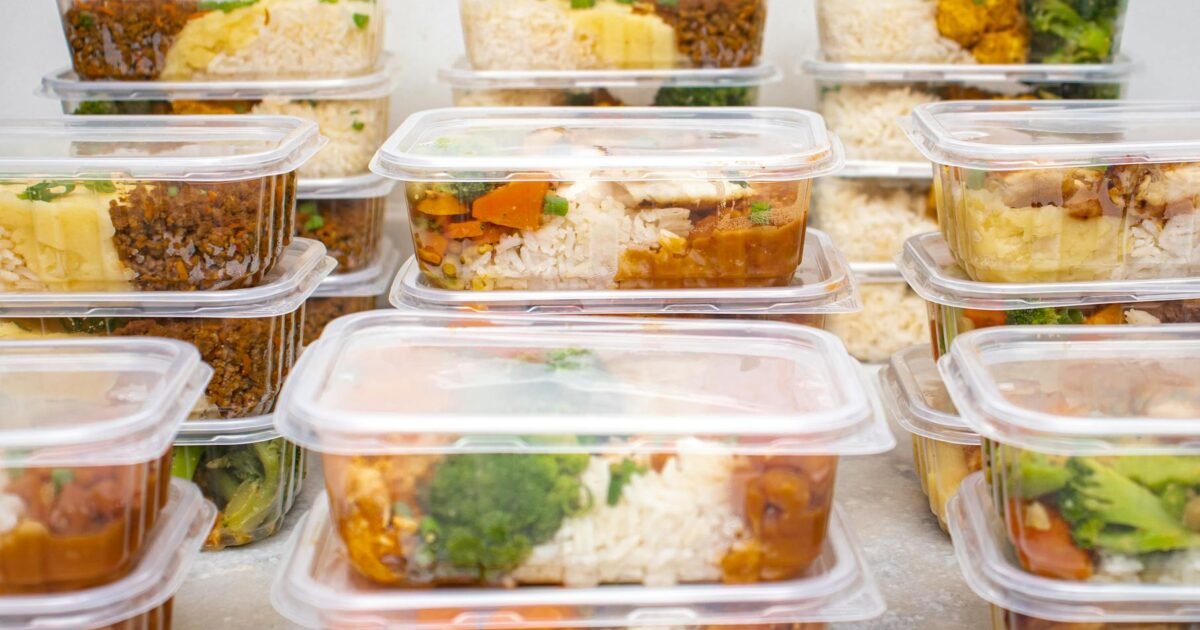
- Portion Control: Divide your cooked food into individual meal prep containers. Use a food scale if you’re precise with macros.
- Airtight Containers: Use high-quality, airtight containers to keep food fresh and prevent spoilage.
- Labeling: Label containers with the date and contents. This is especially helpful if you prep different meals or freeze items.
- Fridge Storage: Most prepped meals are good for 3-4 days in the refrigerator. Foods like cooked fish or ground meat might have a slightly shorter shelf life.
- Freezer Storage: For meals intended for later in the week or beyond, freeze them in freezer-safe containers or bags and label them with the date. Cooked leftovers keep for 3 to 4 months in the freezer; they stay safe longer but lose moisture and flavor (USDA).
- Food Safety First: Always follow safe food handling practices. Wash hands frequently, use separate cutting boards for raw meats and produce, and ensure food is cooked to proper internal temperatures.
By diligently following these five steps, you’ll transform your approach to healthy eating, making it consistent, convenient, and incredibly rewarding.
Healthy Meal Prep Strategies & Ideas for Every Meal
Now that you understand the process, let’s explore practical ideas and strategies for prepping each meal of the day, ensuring variety and nutritional completeness.
Breakfast Prep Ideas
Mornings are often the most rushed, making breakfast prep a game-changer.
- Overnight Oats: Combine rolled oats, milk (dairy or non-dairy), chia seeds, and your choice of fruit, nuts, or protein powder in a jar. Refrigerate overnight. Endless flavor combinations!
- Egg Muffins/Frittatas: Whisk eggs with chopped veggies, cheese, and protein (ham, turkey sausage). Pour into muffin tins and bake. Easy to grab-and-go and reheat.
- Smoothie Packs: Portion frozen fruit, spinach, and protein powder into individual freezer bags. In the morning, just add liquid and blend.
- Breakfast Burritos: Scramble eggs with veggies and beans, fill whole-wheat tortillas, wrap, and freeze. Reheat in the microwave or oven.
- Yogurt Parfaits: Layer Greek yogurt, berries, and a sprinkle of granola or nuts in a container. Keep granola separate until serving to prevent sogginess.
Lunch Prep Ideas
Say goodbye to sad desk lunches or expensive takeout with these vibrant options.
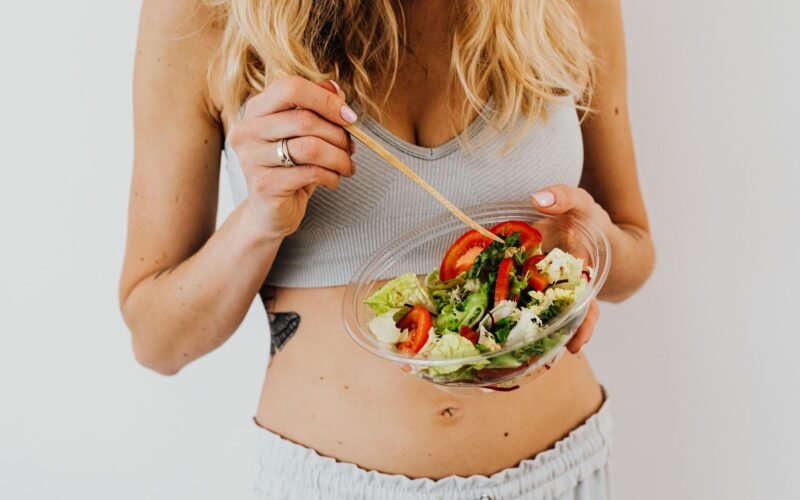
- Salad Jars: Layer dressing at the bottom, then hard veggies (carrots, bell peppers), grains/beans, protein, leafy greens on top. Invert into a bowl when ready to eat.
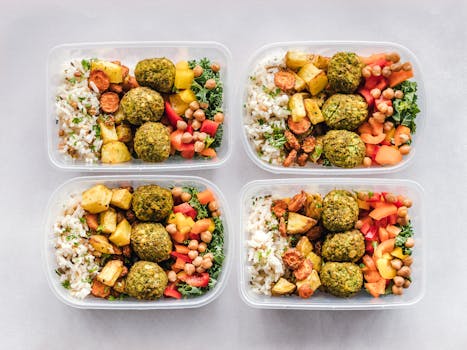
- Grain Bowls: A versatile base of cooked quinoa, brown rice, or farro topped with roasted veggies, a lean protein (chicken, tofu, lentils), and a healthy dressing.
- Lettuce Wraps/Taco Bowls: Prep seasoned ground meat/lentils, chop lettuce, and prepare toppings like salsa, guacamole, and shredded cheese. Assemble fresh.
- Soups & Chilis: Batch cook a large pot of vegetable soup, lentil soup, or a hearty chili. Portions can be refrigerated for 3-4 days or frozen for longer.
- Whole Wheat Wraps/Sandwiches: Prepare fillings (e.g., chicken salad, hummus and veggie, turkey and avocado) and assemble the morning of, or keep components separate.
Dinner Prep Ideas
Take the stress out of weeknight dinners with these make-ahead options.
- Sheet Pan Meals: Combine chopped protein (chicken, sausage, tofu) and sturdy vegetables (broccoli, potatoes, carrots) on a sheet pan, toss with oil and seasonings, and roast.
- Stir-Fries: Chop all vegetables and protein in advance. Make your sauce. When ready to eat, simply stir-fry everything in a hot wok or pan.
- Slow Cooker/Instant Pot Meals: Use these appliances for hands-off cooking of pulled chicken, beef stew, or lentil curry. These often yield large quantities perfect for multiple meals.
- Pasta Dishes: Cook pasta al dente and prepare sauce separately. Combine and reheat or store separately to combine just before eating.
- Curries & Stews: Hearty and flavorful, these often taste even better the next day. Make a big batch and portion out.
Healthy Snack Prep
Don’t let hunger sabotage your healthy eating between meals.
- Chopped Veggies & Dips: Prep carrots, celery, bell peppers, cucumbers, and pair with hummus or Greek yogurt dip.
- Portioned Nuts & Seeds: Divide a large bag of almonds, walnuts, or mixed nuts into small containers or baggies.
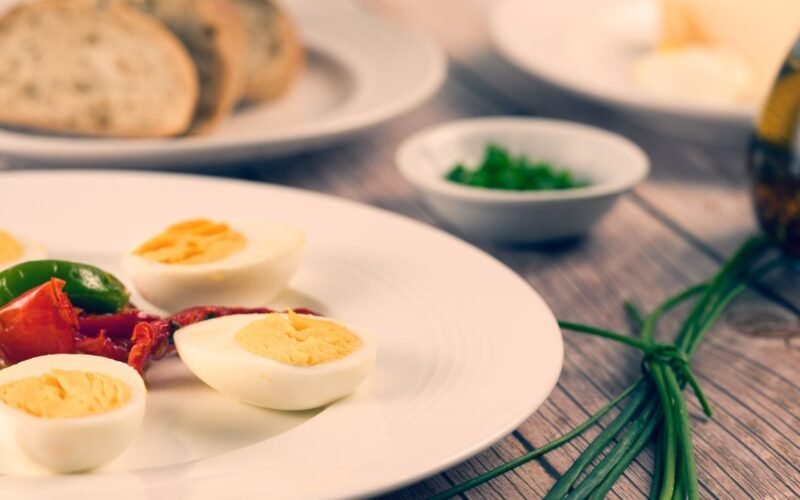
- Hard-Boiled Eggs: Cook a batch for a quick protein boost.
- Fruit: Wash and chop fruits like melon, pineapple, or berries.
- Energy Bites: Blend oats, nut butter, honey/maple syrup, and add-ins like chia seeds or chocolate chips, then roll into balls and refrigerate.
Thematic Prep for Variety
To avoid flavor fatigue, consider rotating themes:
- Mediterranean Inspired: Quinoa, grilled chicken/fish, roasted bell peppers, cucumbers, olives, hummus.
- Asian Inspired: Brown rice, stir-fried tofu/shrimp, broccoli, snap peas, low-sodium soy sauce/teriyaki.
- Mexican Inspired: Black beans, brown rice, seasoned ground turkey, corn salsa, avocado, lettuce.
Dietary Considerations in Meal Prep
Meal prep is highly adaptable to various dietary needs:
- Vegetarian/Vegan: Focus on legumes, tofu, tempeh, seitan, quinoa, and a wide array of vegetables. Prep lentil loaves, bean burgers, or chickpea salads.
- Gluten-Free: Opt for naturally gluten-free grains like quinoa, brown rice, millet, and corn. Ensure sauces and seasonings are also gluten-free.
- Low-Carb/Keto: Prioritize lean proteins, healthy fats, and non-starchy vegetables. Swap grains for cauliflower rice, zucchini noodles, or leafy greens.
The beauty of meal prep lies in its flexibility. Experiment with different recipes, ingredients, and themes until you find a system that perfectly supports your health goals and taste preferences.
Advanced Meal Prep Techniques & Tips for Seasoned Preppers
Once you’ve mastered the basics, you might be ready to elevate your meal prep game. These advanced techniques can further optimize your time, enhance flavor, and prevent boredom.
1. Mastering Freezer-Friendly Meals
The freezer is your best friend for extending the life of your prepped meals and providing an emergency stash for truly hectic weeks.
- Identify Freezer-Friendly Recipes: Soups, stews, chilis, casseroles (like lasagna or shepherd’s pie), burritos, meatloaves, and cooked grains freeze exceptionally well. Delicate items like leafy salads or fresh herbs don’t.
- Proper Freezing Techniques:
- Cool Completely: Ensure food is entirely cool before freezing to prevent ice crystals and maintain texture.
- Airtight Packaging: Use freezer-safe containers, heavy-duty freezer bags (squeeze out air), or wrap items tightly in foil then plastic wrap.
- Portioning: Freeze in individual portions so you can thaw only what you need.
- Labeling: Always label with the dish name and date.
- Thawing Safely: Thaw frozen meals in the refrigerator overnight, or use the defrost setting on your microwave. Avoid thawing at room temperature.
2. Ingredient Cycling and Component Prep
Instead of prepping complete meals, focus on cooking versatile components that can be combined in different ways throughout the week.
- Protein Powerhouse: Cook a large batch of shredded chicken. Day 1: Chicken tacos. Day 2: Chicken salad sandwich. Day 3: Chicken and veggie stir-fry.
- Grain Chameleon: A big pot of quinoa can be a side for dinner, a base for a lunch bowl, or mixed into breakfast with fruit and nuts.
- Roasted Veggie Medley: Roast a large pan of mixed vegetables. Use them as a side dish, add to omelets, or blend into a soup.
This approach offers more variety with less dedicated cooking time for new recipes each week.
3. The Art of Flavor Variation
One of the biggest complaints about meal prep is “eating the same thing every day.” Combat this with strategic flavor variations.
- Spice Blends: Divide a batch of plain chicken into portions and season each with a different spice blend (e.g., taco seasoning, Italian herbs, curry powder).
- Sauces & Dressings: Prep a variety of healthy sauces and dressings (e.g., a lemon-tahini dressing, a spicy peanut sauce, a simple vinaigrette). Add them just before eating to transform a basic meal.
- Fresh Herbs & Garnishes: A sprinkle of fresh cilantro, parsley, green onions, or a squeeze of lime can brighten up any prepped meal. Keep these separate until serving.
- Texture Play: Add crunch with toasted nuts, seeds, or croutons (packed separately).
4. Leveraging Leftovers for New Meals
Think of dinner as potential lunch. Cook a slightly larger portion of your healthy dinner and pack the leftovers immediately into a lunch container for the next day. This is the simplest form of meal prep!
- Transforming Leftovers: Leftover roasted sweet potatoes can become part of a breakfast hash. Leftover plain rice can be fried rice. Leftover cooked vegetables can be added to an omelet.
5. Hydration Prep: Beyond Just Water
Healthy eating extends to healthy drinking. Prepare your hydration as well!
- Infused Water: Slice lemons, cucumbers, mint, or berries and add them to large pitchers of water. Store in the fridge for refreshing, naturally flavored water throughout the week.
- Iced Tea: Brew a large batch of unsweetened herbal or green tea and keep it chilled.
6. Smart Shopping for the “Lazy” Prepper
Sometimes, even with the best intentions, time is extremely limited. Don’t let perfect be the enemy of good.
- Pre-Chopped Veggies: While more expensive, pre-chopped vegetables can be a lifesaver on super busy weeks.
- Rotisserie Chicken: A store-bought rotisserie chicken can be deboned and used as a quick protein source for salads, wraps, or grain bowls.
- Canned Legumes & Fish: Keep canned chickpeas, black beans, tuna, or salmon on hand for quick protein additions.
These advanced strategies allow you to maintain consistency, enjoy diverse flavors, and maximize the efficiency of your meal prep efforts, making healthy eating an effortless part of your lifestyle.
Common Meal Prep Mistakes to Avoid
Even with the best intentions, it’s easy to fall into common meal prep pitfalls that can lead to frustration, food waste, or boredom. Being aware of these mistakes can help you navigate your journey more smoothly.
1. Overcooking or Undercooking
- The Problem: Overcooked food becomes mushy and unappetizing; undercooked food is unsafe or unpleasant. Reheating can also affect texture.
- The Solution: Cook vegetables until slightly underdone, so they stay crisp after reheating. Cook meat, poultry and fish to a safe internal temperature and check with a food thermometer: 145°F (63°C) for steaks and chops, 160°F (71°C) for ground meat and 165°F (74°C) for poultry (USDA).
Photo by IARA MELO on Pexels
2. Prepping Too Much at Once
- The Problem: Cooking a full week of meals can lead to waste if food spoils before you eat it.
- The Solution: Prep 3 to 4 days at a time, or freeze some portions for later in the week.
3. Eating the Same Thing Every Day
- The Problem: Repeating one meal quickly gets boring, and boredom leads to takeaway.
- The Solution: Prep basic ingredients, like a grain, a protein and roasted vegetables, then change the sauces and spices.
4. Using the Wrong Containers
- The Problem: Leaky or poorly sealed containers let food dry out or pick up fridge smells.
- The Solution: Use airtight, microwave-safe containers, and keep sauces separate so food doesn’t go soggy.
5. Leaving Food Out Too Long
- The Problem: Letting cooked food cool on the counter for hours lets bacteria grow.
- The Solution: Refrigerate cooked food within 2 hours (1 hour if it’s above 90°F/32°C). Split large batches into shallow containers so they cool quickly (USDA).
How Long Does Meal Prep Last in the Fridge and Freezer?
Food safety is the most important part of meal prep. The USDA gives these guidelines for cooked leftovers (USDA):
| Storage | How long |
|---|---|
| Fridge, at 40°F (4°C) or below | 3 to 4 days |
| Freezer | 3 to 4 months for best quality (safe longer, but flavor and moisture drop) |
| Room temperature | No more than 2 hours (1 hour above 90°F/32°C) |
- Reheat Properly: Heat leftovers to 165°F (74°C). Bring soups and sauces to a rolling boil.
- Thaw Safely: Thaw frozen meals in the fridge, in cold water or in the microwave, never on the counter.
- Label Everything: Write the date on each container so you know what to eat first.
This is why prepping 3 to 4 days at a time, and freezing the rest, works so well.
Is Weekly Meal Prep Worth It?
Yes, for most people. A little planning and a couple of hours of cooking can save time, money and stress during the week.
Start small with one or two meals, use safe storage habits and build from there. Healthy eating gets much easier when the healthy choice is already in your fridge.
Key takeaways
- Start with prepping one or two meals and build up.
- Prep 3 to 4 days at a time and freeze extra portions.
- Refrigerate cooked food within 2 hours and eat it within 3 to 4 days (USDA).
- Reheat leftovers to 165°F (74°C).
- Prep basic ingredients and vary the sauces to avoid boredom.