Best Protein Foods for Muscle Building: Your Ultimate Guide
Welcome to GetLeanPulse.com, your trusted source for achieving your fitness goals. If you’re looking to build muscle, increase strength, or simply maintain a lean physique, you already know that protein is paramount. It’s not just a macronutrient; it’s the very building block of your muscles, the essential component that repairs tissues, synthesizes enzymes, and fuels countless bodily functions. But with so many options available, how do you discern which protein foods are truly the best for muscle building?
This comprehensive guide will cut through the noise, providing you with an in-depth look at the most effective protein sources, both animal and plant-based, to help you sculpt the physique you desire. We’ll delve into the science, explore the nutritional benefits of each food, discuss optimal intake strategies, and debunk common myths, ensuring you have all the knowledge to make informed dietary choices. Prepare to revolutionize your plate and supercharge your muscle growth journey.
The Science Behind Protein and Muscle Growth
To truly appreciate the power of protein, it’s vital to understand its role at a cellular level. When you engage in resistance training, you create microscopic tears in your muscle fibers. This isn’t a bad thing; it’s the stimulus for growth. Your body then uses amino acids, derived from the protein you consume, to repair these tears, making the muscle fibers thicker and stronger – a process known as muscle protein synthesis (MPS).
Protein is composed of 20 different amino acids. Nine of these are considered “essential” amino acids (EAAs) because your body cannot produce them on its own; they must be obtained through your diet. Among the EAAs, leucine, isoleucine, and valine, collectively known as branched-chain amino acids (BCAAs), play a particularly crucial role in signaling MPS. For optimal muscle growth, it’s essential to consume “complete proteins” – those that contain all nine essential amino acids in sufficient quantities. Many animal proteins are naturally complete, while plant-based proteins often require a bit more strategic combining to achieve a full amino acid profile, though this is becoming less of a concern with modern understanding and diverse plant-based options.
The efficiency with which your body can utilize the protein you consume is also critical. This is often measured by metrics like the Biological Value (BV), Protein Digestibility Corrected Amino Acid Score (PDCAAS), or Digestible Indispensable Amino Acid Score (DIAAS). Higher scores indicate better utilization. Factors like digestibility, nutrient co-factors, and even the presence of certain anti-nutrients can influence how much of the protein’s benefits you actually reap. Therefore, selecting high-quality, easily digestible protein sources is paramount for maximizing muscle gains and overall health.
Key Characteristics of “Best” Protein Foods
What makes a protein food truly exceptional for muscle building? It’s more than just the sheer amount of protein per serving. Several factors contribute to a food’s efficacy in supporting muscle growth and recovery:
High Biological Value (HBV)
Foods with a high biological value provide a complete amino acid profile, meaning they contain all nine essential amino acids in proportions that closely match what your body needs. This ensures that your body has all the necessary building blocks to synthesize new muscle tissue efficiently. Animal proteins like eggs, dairy, and lean meats typically have very high biological values.
Complete Amino Acid Profile
As mentioned, the presence of all nine essential amino acids is non-negotiable for optimal muscle protein synthesis. While animal products generally offer complete proteins, many plant-based foods can also provide a complete profile, or can be combined throughout the day to ensure all EAAs are consumed. Focusing on a diverse range of protein sources helps ensure you’re getting all the necessary components.
Digestibility and Absorption
Even the most protein-rich food is only as good as its digestibility. If your body struggles to break down and absorb the amino acids, their muscle-building potential is diminished. Foods that are easily digested allow for rapid absorption of amino acids into the bloodstream, making them available for muscle repair and growth, especially around strenuous workouts.
Nutrient Density Beyond Just Protein
The best protein foods offer more than just amino acids. They come packed with an array of essential vitamins, minerals, and other beneficial compounds that support overall health, energy metabolism, and recovery. For example, lean meats provide iron and B vitamins, fatty fish offer omega-3s, and legumes contribute fiber and complex carbohydrates. These co-factors are vital for a thriving, muscle-building body.
Versatility and Palatability
Consistency is key in any muscle-building diet. If your protein sources are bland, difficult to prepare, or limited in how they can be used, you’re less likely to stick to your diet. The best protein foods are versatile, allowing for various cooking methods and integration into diverse meals, making healthy eating enjoyable and sustainable long-term.
Considering these characteristics, let’s dive into the specific foods that truly stand out in the realm of muscle building.
Top Animal-Based Protein Sources
Animal proteins are often considered the gold standard for muscle building due to their high biological value and complete amino acid profiles. They are rich in all essential amino acids, making them highly efficient for muscle protein synthesis.
Poultry: Chicken Breast and Turkey
Chicken breast is practically synonymous with muscle building, and for good reason. It’s incredibly lean, offering a high protein-to-calorie ratio, making it an excellent choice for those looking to build muscle without excessive fat gain. A 4-ounce (113g) serving of cooked chicken breast can provide around 30-35 grams of protein with minimal fat. Turkey breast offers similar benefits and is another fantastic lean option.
Beyond protein, poultry provides essential B vitamins (niacin, B6, B12), which are crucial for energy metabolism and red blood cell formation, and minerals like selenium and phosphorus. Its versatility is unmatched; chicken and turkey can be grilled, baked, stir-fried, roasted, or shredded into countless dishes, making it easy to incorporate into almost any meal plan. From salads to sandwiches, stir-fries to curries, poultry provides a clean, potent source of muscle-building protein that’s both accessible and affordable.
Beef: Lean Cuts
Red meat, particularly lean cuts of beef, is a powerhouse for muscle growth. Cuts like sirloin, round, flank, and tenderloin offer a significant amount of high-quality protein per serving, often around 25-30 grams in a 3-4 ounce portion. But beef brings more to the table than just protein. It’s an exceptional source of heme iron, which is more readily absorbed than non-heme iron from plant sources, and vital for oxygen transport in the blood and muscle function. It’s also rich in B vitamins (B6, B12), zinc, and selenium, all critical for energy production, immune function, and overall metabolic health.
Furthermore, beef naturally contains creatine, a compound that plays a direct role in energy production during high-intensity exercise, helping to improve strength and power output. While red meat has sometimes received a bad rap, opting for lean cuts and consuming them in moderation as part of a balanced diet can provide immense benefits for muscle builders. Grilling, roasting, or pan-searing lean beef cuts can create delicious and highly effective muscle-building meals.
Pork: Lean Cuts
Often overlooked in favor of chicken or beef, lean cuts of pork are another excellent protein source for muscle building. Pork tenderloin, loin chops, and sirloin are comparable to chicken breast in terms of leanness and protein content, offering around 25-30 grams of protein per 3-4 ounce serving. Similar to beef, pork is an excellent source of essential B vitamins (thiamine, niacin, B6, B12), which are crucial for converting food into energy and supporting nerve function. It also provides minerals like phosphorus and zinc.
The versatility of lean pork cuts is also a major advantage. It can be grilled, roasted, pan-fried, or used in stir-fries, offering a delicious alternative to other meats. When selecting pork, always aim for leaner cuts and trim any visible fat to maximize its muscle-building benefits while managing calorie intake. Incorporating lean pork into your rotation adds variety and a dense nutrient profile to your muscle-building diet.
Fish and Seafood: Salmon, Tuna, Cod, Shrimp
Fish and seafood are not just delicious; they are incredibly beneficial for muscle building and overall health. The protein content varies, but most fish offer 20-25 grams of protein per 3-4 ounce serving. What sets many fish apart, particularly fatty fish like salmon, mackerel, and sardines, is their high content of omega-3 fatty acids (EPA and DHA). These essential fats are powerful anti-inflammatory agents, crucial for muscle recovery, reducing muscle soreness, and supporting joint health. They also play a vital role in brain health and cardiovascular function.
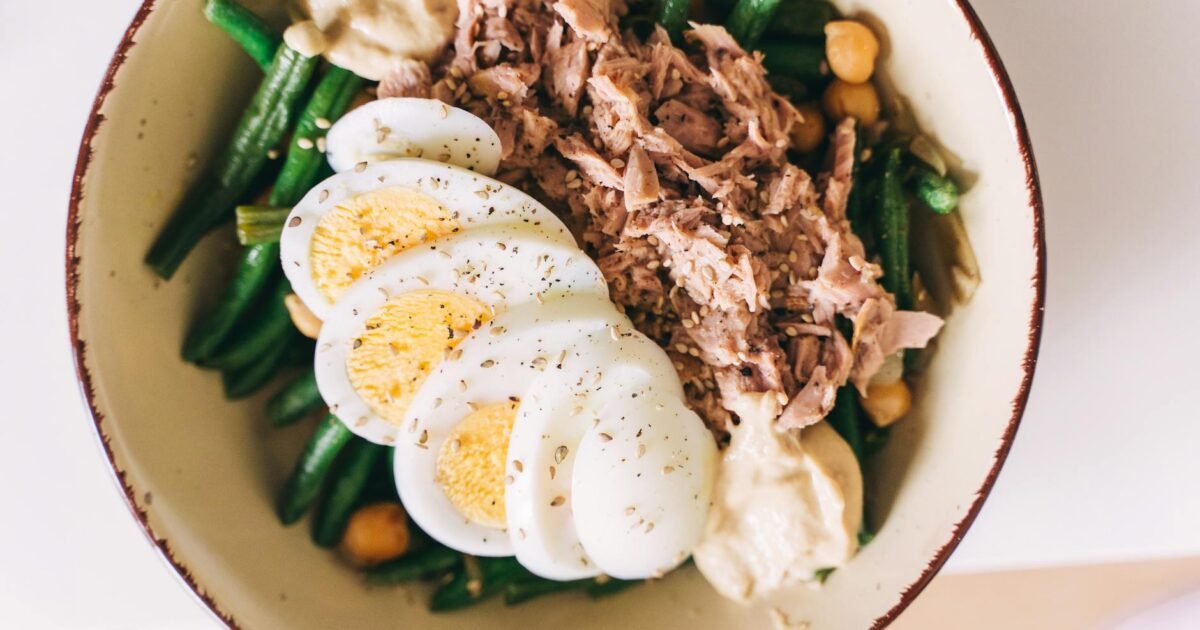
Leaner fish like cod, tilapia, and haddock are excellent low-calorie, high-protein options, ideal for those managing their fat intake. Shellfish such as shrimp, scallops, and crab are also fantastic protein sources, often very low in fat. Tuna, whether fresh or canned, is another popular choice, providing a significant protein boost. Regular consumption of a variety of fish and seafood ensures a diverse intake of essential nutrients, including iodine, selenium, and vitamin D, all of which contribute to a healthy, muscle-building body. Baking, grilling, or steaming are excellent ways to prepare fish to preserve its nutritional integrity.
<

>
Eggs: The “Perfect Protein”
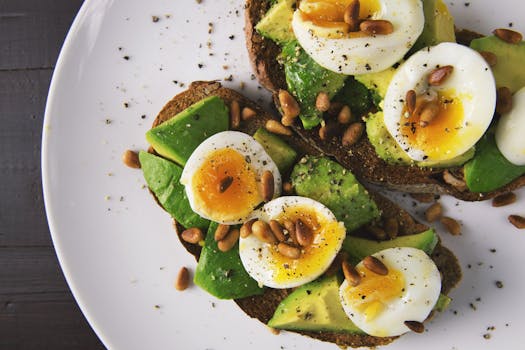
Eggs are often hailed as the “perfect protein” because they boast a biological value of 100, meaning their protein is almost entirely utilized by the human body for growth and repair. A single large egg provides approximately 6 grams of complete protein, with an ideal amino acid profile. While the egg white is pure protein, the yolk contains a wealth of essential nutrients, including vitamins A, D, E, and K, choline (crucial for brain health and metabolism), and healthy fats.
For a long time, concerns about cholesterol in egg yolks led many to discard them, but current scientific consensus suggests that dietary cholesterol has less impact on blood cholesterol for most healthy individuals than previously thought. Therefore, consuming whole eggs is highly recommended for maximizing their nutritional benefits. Eggs are incredibly versatile and affordable; they can be boiled, scrambled, poached, fried, or incorporated into omelets and frittatas, making them a staple for breakfast, lunch, or even a quick snack for muscle builders.
Dairy: Milk, Yogurt, Cottage Cheese, Whey, Casein
Dairy products are another phenomenal category of animal-based protein sources, offering a diverse range of options for muscle building. Milk, in particular, contains two primary proteins: whey (about 20%) and casein (about 80%).
- Whey Protein: Known for its rapid digestion and absorption, whey is rich in BCAAs, especially leucine, which is a potent stimulator of MPS. This makes it an ideal post-workout protein source to kickstart recovery and growth.
- Casein Protein: Digests slowly, providing a sustained release of amino acids into the bloodstream over several hours. This makes it excellent for satiety and for consumption before bed to support muscle repair overnight.
Greek Yogurt: This strained yogurt is a protein powerhouse, offering double the protein of regular yogurt (typically 15-20 grams per 6-ounce serving). It’s also rich in probiotics, which support gut health, and calcium, essential for bone health. Its creamy texture and tart taste make it a versatile ingredient for smoothies, parfaits, or as a base for savory dips.
Cottage Cheese: Another excellent slow-digesting casein protein source, cottage cheese can provide 25-30 grams of protein per cup. It’s also rich in calcium and relatively low in calories, making it a fantastic snack or meal component. Its mild flavor allows it to be paired with both sweet and savory additions.
Milk: A simple glass of milk (around 8 grams of protein per cup) provides both whey and casein, making it an effective and convenient option for hydration and protein intake throughout the day. Opt for skim or low-fat milk to control calorie intake if desired.
Incorporating a variety of dairy products ensures you get both fast- and slow-digesting proteins, optimizing muscle protein synthesis around the clock.
Top Plant-Based Protein Sources
For those following a vegetarian, vegan, or flexitarian diet, or simply looking to diversify their protein intake, the plant kingdom offers an abundance of excellent muscle-building options. While some plant proteins may lack one or more essential amino acids, combining different sources throughout the day easily addresses this, and many are complete proteins on their own.
Legumes: Lentils, Chickpeas, Black Beans, Kidney Beans
Legumes are a cornerstone of plant-based diets and excellent for muscle building. They are incredibly rich in protein, fiber, and complex carbohydrates, providing sustained energy and supporting digestive health. For example, a cup of cooked lentils provides about 18 grams of protein and 16 grams of fiber. Chickpeas (garbanzo beans) offer around 15 grams of protein per cup, while black beans and kidney beans provide similar amounts.
While legumes are generally not considered complete proteins on their own, they are high in lysine but typically lower in methionine. This makes them perfect for combining with grains like rice (which is high in methionine but low in lysine) to form a complete protein meal. Think rice and beans, or lentil soup with whole-grain bread. Legumes are also packed with vitamins and minerals like iron, folate, magnesium, and potassium. Their versatility is immense, appearing in everything from soups, stews, and curries to salads, dips (hummus!), and veggie burgers.
Soy Products: Tofu, Tempeh, Edamame
Soy is one of the few plant-based sources that is a complete protein, making it an invaluable food for muscle builders. It contains all nine essential amino acids in quantities comparable to animal proteins.
- Tofu: Made from condensed soy milk pressed into solid blocks, tofu is incredibly versatile and absorbs flavors well. A half-cup serving of firm tofu can provide around 10-15 grams of protein. It’s also a good source of calcium and iron.
- Tempeh: A fermented soy product with a firmer texture and nuttier flavor than tofu. Fermentation makes it even more digestible and boosts its nutrient profile. A 3-ounce serving offers an impressive 18-20 grams of protein, along with prebiotics beneficial for gut health.
- Edamame: Young, immature soybeans, often sold in pods or shelled. A cup of shelled edamame provides around 17 grams of complete protein and is also rich in fiber, vitamins, and minerals. It makes a great snack or addition to salads and stir-fries.
Concerns about soy’s potential impact on hormones have largely been debunked by scientific research for healthy individuals consuming moderate amounts. Soy products are a robust and effective plant-based option for building and maintaining muscle mass.
Quinoa: The Complete Grain
Quinoa stands out among grains because it is one of the few plant foods considered a complete protein. A cup of cooked quinoa provides about 8 grams of protein, along with a significant amount of fiber, magnesium, phosphorus, folate, iron, and zinc. Its balanced amino acid profile includes a good amount of lysine, which is often limited in other grains. Quinoa’s unique texture and mild, nutty flavor make it an excellent substitute for rice or pasta, or as a base for salads, bowls, and even breakfast porridges. It’s gluten-free and easy to digest, making it a fantastic choice for many individuals looking to boost their protein and nutrient intake.
Nuts and Seeds: Almonds, Walnuts, Chia, Flax, Hemp Seeds
Nuts and seeds are miniature nutritional powerhouses, offering a combination of protein, healthy fats, fiber, vitamins, and minerals. While they contain protein, it’s important to remember they are also calorie-dense due to their fat content, so portion control is key.
- Almonds: About 6 grams of protein per ounce (approx. 23 almonds). Rich in vitamin E, magnesium, and healthy monounsaturated fats.
- Walnuts: About 4 grams of protein per ounce. Excellent source of omega-3 alpha-linolenic acid (ALA).
- Chia Seeds: A complete protein (though often combined for variety), offering around 5 grams of protein per 2 tablespoons. They are also packed with fiber, omega-3s, and calcium.
- Flax Seeds: About 3 grams of protein per 2 tablespoons. Another good source of omega-3 ALA and lignans, which have antioxidant properties.
- Hemp Seeds: Exceptionally nutritious, providing around 10 grams of complete protein per 3 tablespoons. They are also rich in omega-3 and omega-6 fatty acids in a favorable ratio, magnesium, and zinc.
Nuts and seeds make excellent snacks, additions to oatmeal, yogurt, salads, or smoothies, boosting both protein and healthy fat intake. They are particularly valuable for plant-based diets to ensure a broad spectrum of nutrients.
Seitan: The Wheat Gluten Wonder
Seitan, often called “wheat meat,” is made from wheat gluten and is an incredibly high-protein, low-fat plant-based food. A 3-ounce serving can provide an impressive 20-25 grams of protein, making it one of the most protein-dense vegan options. Its chewy texture mimics meat, making it a popular substitute in various dishes like stir-fries, sandwiches, and stews. While seitan is very high in protein, it is made from gluten, so it’s not suitable for individuals with celiac disease or gluten sensitivity. For those who can tolerate gluten, seitan is a fantastic way to significantly boost protein intake in a plant-based diet, offering a complete amino acid profile.
<
>
Plant-Based Protein Powders (Pea, Rice, Hemp Blends)
While whole foods should always be the priority, plant-based protein powders can be a convenient and effective way to supplement protein intake, especially for vegans or those with dairy allergies. Common sources include pea protein, brown rice protein, and hemp protein. Often, these are blended to create a complete amino acid profile that rivals whey protein.
- Pea Protein: Derived from yellow peas, it’s rich in BCAAs and easily digestible.
- Brown Rice Protein: Hypoallergenic and a good source of protein, often combined with pea protein to complete its amino acid profile.
- Hemp Protein: Contains all essential amino acids, along with fiber and healthy fats.
These powders are perfect for smoothies, post-workout shakes, or adding to oatmeal to increase protein content, ensuring you meet your daily requirements even on busy days.
Optimizing Your Protein Intake for Maximum Gains
Knowing the best protein foods is only half the battle; understanding how to effectively incorporate them into your diet is crucial for maximizing muscle growth and recovery.
How Much Protein?
General recommendations for muscle building range from 1.6 to 2.2 grams of protein per kilogram of body weight (0.7 to 1 gram per pound). For a 180-pound individual, this translates to roughly 126 to 180 grams of protein per day. However, individual needs can vary based on activity level, training intensity, age, and body composition goals. During periods of caloric deficit for fat loss, slightly higher protein intake may be beneficial to preserve muscle mass.
It’s important to distribute this protein intake evenly throughout the day rather than consuming it all in one or two large meals. Aim for 20-40 grams of protein per meal and snack to consistently stimulate muscle protein synthesis and maintain an anabolic state.
Protein Timing
While the “anabolic window” (the short period immediately after a workout where protein intake was thought to be critical) is now understood to be much wider than previously believed, strategic protein timing can still offer benefits:
- Pre-Workout: Consuming protein before training can help reduce muscle breakdown during exercise.
- Post-Workout: A protein-rich meal or shake within a few hours after training can help kickstart the repair and recovery process. Focus on easily digestible proteins like whey or lean chicken.
- Before Bed: A slow-digesting protein source like casein (from cottage cheese or casein protein powder) before sleep can provide a steady supply of amino acids throughout the night, supporting overnight muscle repair and growth.
- Spread Throughout the Day: The most crucial aspect is consistent protein intake across all meals to maintain a positive nitrogen balance and support continuous muscle protein synthesis.
Meal Planning & Variety
To consistently meet your protein goals and ensure a broad spectrum of nutrients, meal planning is essential. Prepare meals in advance, incorporating a variety of the protein sources discussed. This not only prevents monotony but also ensures you’re getting diverse amino acid profiles and micronutrients. Don’t rely on just one or two protein sources; embrace the full range of animal and plant-based options.
For example, you might have eggs and Greek yogurt for breakfast, a chicken and quinoa salad for lunch, a handful of almonds as a snack, and salmon with lentils for dinner. This variety keeps your diet interesting and nutritionally complete.
Hydration
Often overlooked, adequate hydration is critical for muscle building. Water plays a vital role in nutrient transport, metabolic reactions, and maintaining optimal cellular function. Dehydration can impair performance, slow recovery, and hinder muscle protein synthesis. Aim to drink plenty of water throughout the day, especially around your workouts.
Understanding Supplements
Protein supplements, like whey, casein, or plant-based protein powders, are precisely that: supplements. They are designed to supplement your diet, not replace whole food sources. They can be incredibly convenient for busy individuals, for post-workout recovery when a whole meal isn’t immediately feasible, or to fill gaps in your daily protein intake. However, they should always be viewed as an adjunct to a whole-foods-based diet rich in lean proteins, complex carbohydrates, and healthy fats. Prioritize getting the majority of your protein from nutrient-dense whole foods first.
Common Myths and Misconceptions
The world of nutrition, especially concerning protein and muscle building, is rife with myths. Let’s debunk some common misconceptions to ensure you’re making decisions based on evidence, not hearsay.
Myth: “Too Much Protein is Bad for Your Kidneys”
This is one of the most persistent myths. For healthy individuals with normal kidney function, there is no scientific evidence to suggest that a high-protein diet (even up to 2.2-3.4 g/kg body weight) causes kidney damage. Studies have repeatedly shown that high protein intake is safe for healthy kidneys. However, individuals with pre-existing kidney disease may need to restrict protein intake under medical supervision. If you have concerns, always consult with a healthcare professional.
Myth: “Only Animal Protein Builds Muscle”
While animal proteins are complete and highly bioavailable, it is absolutely possible to build significant muscle mass on a well-planned plant-based diet. Many successful vegan and vegetarian bodybuilders and athletes are living proof. The key is to consume a diverse range of plant proteins to ensure all essential amino acids are met, and to pay attention to overall calorie and nutrient intake. Combining sources like legumes with grains (e.g., rice and beans) or utilizing complete plant proteins like soy products and quinoa ensures you get all the necessary building blocks.
Myth: “You Need to Eat Protein Immediately After a Workout or It’s Wasted”
The concept of a narrow “anabolic window” (a 30-60 minute post-workout timeframe) has been largely debunked. While protein intake after exercise is important for recovery, research indicates that the anabolic window is much wider, extending several hours post-workout. If you’ve had a protein-rich meal a few hours before your workout, your body still has amino acids available. The most critical factor is your total daily protein intake, consistently spread across your meals, rather than obsessing over a precise post-workout timing.
Myth: “Protein Shakes Are Better Than Food”
Protein shakes are convenient, especially post-workout or when you need a quick protein boost. However, they are not inherently “better” than whole food protein sources. Whole foods offer a complex matrix of vitamins, minerals, fiber, and other beneficial compounds that supplements often lack. For example, a chicken breast provides protein, iron, zinc, and B vitamins, while Greek yogurt offers protein, calcium, and probiotics. Protein shakes should complement your diet, not replace nutrient-dense whole foods that contribute to overall health and well-being.
Sample Meal Ideas for Muscle Building
To help you put this knowledge into practice, here are some sample meal ideas incorporating a variety of the best protein foods for muscle building. Remember to adjust portion sizes based on your individual protein and calorie targets.
Breakfast Ideas:
- High-Protein Scramble: 3-4 whole eggs scrambled with spinach, mushrooms, and a sprinkle of low-fat cheese. Served with a slice of whole-grain toast and a side of black beans or edamame for extra plant protein.
- Greek Yogurt Parfait: 1 cup plain Greek yogurt layered with 1/2 cup berries, 2 tablespoons chopped almonds, and 1 tablespoon chia seeds.
- Protein Oatmeal: 1 cup cooked oatmeal mixed with 1 scoop of whey or plant-based protein powder (flavor of choice), topped with sliced banana and a tablespoon of hemp seeds.
Lunch Ideas:
- Lean Chicken & Quinoa Bowl: 4-6 oz grilled chicken breast (sliced) over 1 cup cooked quinoa, mixed with roasted vegetables (broccoli, bell peppers) and a light vinaigrette.
- Lentil Soup with Whole-Grain Bread: A hearty bowl of homemade lentil soup (rich in protein and fiber) served with 2 slices of whole-grain bread and a side salad.
- Tuna Salad Sandwich: Canned tuna (packed in water) mixed with Greek yogurt instead of mayo, celery, and onions, served on whole-wheat bread with lettuce and tomato.
Dinner Ideas:
- Salmon & Sweet Potato: 5-6 oz baked or grilled salmon fillet with 1 medium baked sweet potato and a generous serving of steamed asparagus.
- Lean Beef Stir-Fry: 4-5 oz lean beef strips (sirloin or flank) stir-fried with a medley of colorful vegetables (snap peas, carrots, onions, bell peppers) and a light soy-ginger sauce, served over 1/2 cup brown rice.
- Tofu/Tempeh Curry: Tofu or tempeh cubes simmered in a coconut milk-based curry with chickpeas and a variety of vegetables, served with a small portion of brown rice or cauli-rice.
Snack Ideas:
- Cottage cheese with fruit (berries or pineapple).
- Hard-boiled eggs.
- A handful of mixed nuts and seeds.
- Edamame (steamed).
- Protein shake (whey or plant-based) with water or unsweetened almond milk.
- Turkey slices rolled with avocado.
These ideas are just a starting point. Feel free to mix and match, experiment with different spices and cooking methods, and adapt them to your taste preferences and dietary needs. The key is to consistently include high-quality protein sources in every meal and snack.
Conclusion
Building muscle is a journey that requires dedication, consistent training, and, critically, a strategic approach to nutrition. Protein is the cornerstone of this nutritional strategy, providing the essential amino acids needed to repair and rebuild muscle tissue stronger than before. By understanding the science behind protein and muscle growth, and by intentionally selecting the best protein foods, you can significantly accelerate your progress.
From the time-tested effectiveness of lean animal proteins like chicken, beef, fish, eggs, and dairy, to the incredible versatility and nutritional density of plant-based options like legumes, soy products, quinoa, and seeds, you have a vast array of choices. Remember to prioritize high biological value, complete amino acid profiles, and nutrient-dense foods that support your overall health.
Don’t just eat protein; optimize your intake. Spread your protein consumption throughout the day, pay attention to timing around your workouts
Photo by Alesia Kozik on Pexels