How to Lose 10 Pounds in 2 Weeks: The GetLeanPulse Accelerated Guide
The desire to achieve rapid weight loss is a common one, whether it’s for an upcoming event, a health kickstart, or simply a personal challenge. The goal of losing 10 pounds in just two weeks is undeniably ambitious, and it requires a dedicated, disciplined, and strategic approach. At GetLeanPulse, we understand the urgency, but we also prioritize your health and well-being above all else. This comprehensive guide will walk you through the science-backed methods and practical steps you can take to target this goal responsibly, emphasizing that while rapid initial weight loss is possible, much of it may be water weight, and sustainable fat loss requires a long-term commitment.
Before embarking on any aggressive weight loss regimen, it is crucial to consult with a healthcare professional, especially if you have underlying health conditions. This article provides general information and should not be considered medical advice. Your health and safety are paramount.
Is Losing 10 Pounds in 2 Weeks Realistic and Healthy?
Let’s address the elephant in the room: can you really lose 10 pounds in 14 days? The short answer is: possibly, but it comes with significant caveats. A sustainable rate of fat loss is typically considered to be 1-2 pounds per week. Losing 10 pounds in two weeks would mean losing 5 pounds per week, which is above the conventional healthy recommendation. However, initial rapid weight loss often includes a significant amount of water weight, especially when you drastically reduce carbohydrate intake and sodium. Glycogen, the stored form of carbohydrates in your muscles and liver, binds with water. When you deplete glycogen stores, your body releases this water, leading to a noticeable drop on the scale.
While some of this weight loss can be body fat, a substantial portion in the first week or two of a very strict diet is often water. This initial drop can be incredibly motivating and is often what people refer to when they talk about “kickstarting” their weight loss journey. The key is to understand this distinction and not mistake all rapid initial loss for pure fat loss.
Potential Health Considerations:
- Nutrient Deficiencies: Severely restricting calories or food groups for an extended period can lead to inadequate intake of essential vitamins and minerals.
- Muscle Loss: If calorie intake is too low and protein intake isn’t optimized, the body may start breaking down muscle tissue for energy, which is counterproductive to long-term health and metabolism.
- Metabolic Slowdown: While less likely in just two weeks, extreme calorie restriction can signal to your body that food is scarce, potentially slowing your metabolism.
- Fatigue and Irritability: Rapid dietary changes and intense exercise can lead to low energy, mood swings, and difficulty concentrating.
- Sustainability: The methods required to lose 10 pounds in two weeks are often not sustainable long-term. The risk of rebound weight gain (regaining the weight, often plus more) is high once you return to old habits.
Our approach at GetLeanPulse is to provide you with the tools to achieve this aggressive goal while mitigating risks, always with an eye toward transitioning to sustainable, healthy habits afterward.
The Foundational Pillars of Rapid Weight Loss
To achieve an aggressive weight loss goal like 10 pounds in two weeks, you must rigorously adhere to several core principles. These pillars work synergistically to create the significant energy deficit required.
1. Extreme Calorie Deficit
Weight loss fundamentally boils down to consuming fewer calories than your body expends. To lose 1 pound of fat, you need to create a deficit of approximately 3,500 calories. To lose 10 pounds, you’d theoretically need a 35,000-calorie deficit over two weeks, or 2,500 calories per day. For most individuals, creating such a large deficit through diet alone would mean consuming extremely low calories (e.g., 800-1200 calories), which is very difficult to sustain and potentially unhealthy without medical supervision.
However, by combining a substantial dietary deficit with increased physical activity and understanding the water weight component, reaching a 10-pound scale drop becomes more plausible. You’ll need to aim for a significant calorie reduction, often around 1000-1500 calories below your maintenance level, which is why professional guidance is so important to ensure you’re still meeting basic nutritional needs.
2. Macronutrient Optimization: High Protein, Low Carb, Moderate Healthy Fats
The composition of your diet is just as important as the total calories. For rapid weight loss:
- High Protein: Protein is crucial for satiety, preserving muscle mass during calorie restriction, and it has a higher thermic effect of food (TEF) compared to carbs and fats, meaning your body burns more calories digesting it. Aim for 1-1.2 grams of protein per pound of target body weight.
- Low Carbohydrates: Reducing carbohydrate intake, especially refined carbs and sugars, is key for depleting glycogen stores and flushing out excess water weight. Focus on non-starchy vegetables as your primary carbohydrate source.
- Moderate Healthy Fats: Fats are essential for hormone production, nutrient absorption, and satiety. Don’t eliminate them entirely, but choose healthy sources in moderation to keep overall calories in check.
3. Aggressive Hydration
Drinking plenty of water is vital. It aids in metabolism, helps flush out toxins, can reduce hunger, and is critical for your body’s functions. When you reduce sodium and carbohydrates, your body naturally releases more water, and staying hydrated supports this process. Aim for at least 8-10 glasses (2-3 liters) of water daily, and even more if you’re exercising intensely.
4. Adequate Sleep and Stress Management
Often overlooked, sleep and stress play a significant role in weight loss. Poor sleep can disrupt hunger hormones (ghrelin and leptin), leading to increased cravings and appetite. Chronic stress elevates cortisol levels, which can promote fat storage, particularly around the abdomen. Prioritizing 7-9 hours of quality sleep and implementing stress-reduction techniques (meditation, deep breathing) are non-negotiable for success.

The GetLeanPulse 2-Week Accelerated Nutrition Plan
This plan is designed to be highly restrictive and effective for short-term goals. It emphasizes nutrient-dense foods, high protein, low carbohydrates, and healthy fats. Remember, this is not a long-term dietary strategy.
Foods to Embrace
- Lean Proteins: Chicken breast, turkey, fish (salmon, tuna, cod), lean beef, eggs, Greek yogurt (plain, unsweetened), cottage cheese, plant-based proteins (tofu, tempeh, lentils – in moderation due to carb content).
- Non-Starchy Vegetables: Broccoli, spinach, kale, asparagus, bell peppers, zucchini, cucumber, lettuce, green beans, cauliflower, Brussels sprouts. These are low in calories and carbs but high in fiber and nutrients.
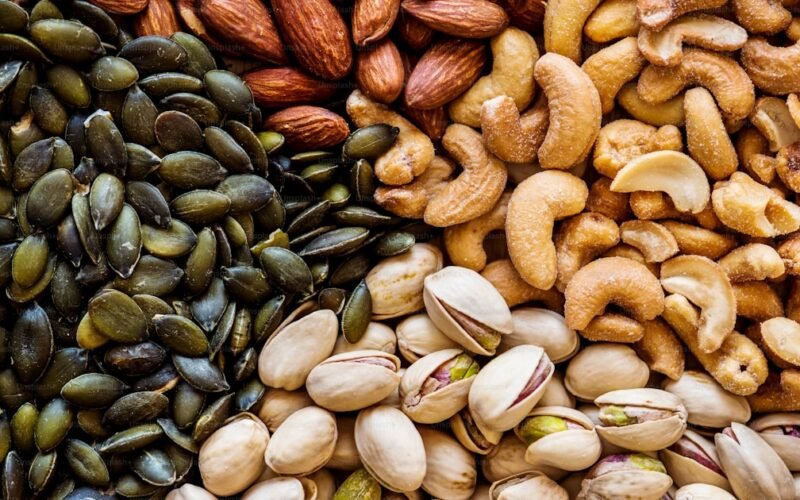
- Healthy Fats (in strict moderation): Avocado (1/4 to 1/2 per day), small handful of nuts (almonds, walnuts), seeds (chia, flax), olive oil (for cooking/dressing).
- Herbs and Spices: Use liberally to flavor food without adding calories.
- Water, Unsweetened Tea, Black Coffee: Your primary beverages.
Foods to Strictly Limit or Avoid
- All Sugars: Sugary drinks, desserts, candies, processed snacks.
- Refined Grains: White bread, pasta, white rice, pastries, cereals.
- Starchy Vegetables: Potatoes, corn, peas (limit severely).
- Most Fruits: High in natural sugars. Limit to a very small portion of berries once or twice during the two weeks if absolutely necessary for a craving.
- Legumes: Beans, lentils (limit due to carb content).
- High-Fat Dairy: Whole milk, cheese (unless very small portions of low-fat cottage cheese or Greek yogurt).
- Alcohol: Empty calories, impairs fat burning, dehydrating.
- Processed Foods: Anything in a package with a long ingredient list.
- Excessive Sodium: Contributes to water retention. Avoid processed foods, fast food, and excessive added salt.
Sample Daily Meal Plan (Example – Adapt to your preferences)
This is a template. Adjust portion sizes based on your individual calorie needs and hunger levels, but keep them modest. Aim for 3 main meals and 1-2 small, protein-rich snacks if needed.
Day 1-7: Focus on Depleting Glycogen and Reducing Water Retention
- Breakfast (Example: 250-300 calories):
- Option 1: 3-4 scrambled eggs with spinach and a quarter of an avocado.
- Option 2: Plain Greek yogurt (1 cup) with a small handful of berries (1/4 cup) and 1 tbsp chia seeds.
- Option 3: Protein smoothie (unsweetened almond milk, 1 scoop whey protein, handful of spinach, ice).
- Lunch (Example: 300-400 calories):
- Option 1: Large salad with mixed greens, grilled chicken breast (4-6 oz), cucumber, bell peppers, and a light vinaigrette (olive oil & vinegar).
- Option 2: Tuna salad (canned in water, mixed with Greek yogurt or mustard, not mayo) served in lettuce cups with sliced tomatoes.
- Option 3: Baked salmon (4-5 oz) with a side of steamed asparagus and broccoli.
- Dinner (Example: 350-450 calories):
- Option 1: Lean ground turkey (4-5 oz) stir-fried with a large portion of mixed non-starchy vegetables (cauliflower rice optional) and soy sauce alternative.
- Option 2: Baked cod or tilapia (5-6 oz) with a generous serving of roasted Brussels sprouts or green beans.
- Option 3: Steak (lean cut, 4-5 oz) with a large side salad and steamed broccoli.
- Snacks (Optional, if truly hungry, keep under 150 calories each):
- Hard-boiled egg.
- Small handful of almonds (10-12).
- Celery sticks with 1 tbsp almond butter.
- Protein shake (half scoop).
Day 8-14: Continue with High Protein, Low Carb, and Maintain Discipline
Rotate through the options above, focusing on variety to ensure nutrient intake and prevent boredom. Introduce different types of lean protein and non-starchy vegetables. Maintain the strict avoidance of prohibited foods.
Portion Control and Mindful Eating
Even with healthy foods, calories add up. Use smaller plates, measure out portions, and avoid eating directly from packages. Eat slowly, savor each bite, and pay attention to your body’s hunger and fullness cues. This helps prevent overeating and promotes better digestion.
Meal Timing Strategies
While the “when” you eat is less important than the “what” and “how much,” some strategies can support rapid weight loss:
- Intermittent Fasting (Optional): Consider a 12-16 hour fasting window daily (e.g., eating only between 12 PM and 8 PM). This can help naturally reduce calorie intake and promote fat burning. Ensure your eating window still allows for adequate nutrient intake.
- Front-Loading Calories: Some find eating a larger breakfast and lunch, with a lighter dinner, helps manage hunger later in the day.
- Avoid Late-Night Eating: Try to finish your last meal at least 2-3 hours before bedtime to aid digestion and improve sleep quality.
Igniting Your Metabolism: The 2-Week Exercise Regimen
Exercise is a critical component for creating a significant calorie deficit and preserving muscle mass during rapid weight loss. This plan incorporates a mix of cardiovascular training, strength training, and increased daily activity.
1. Cardiovascular Training (Cardio)
Cardio burns calories and improves cardiovascular health. For rapid weight loss, a combination of High-Intensity Interval Training (HIIT) and Low-Intensity Steady State (LISS) cardio is effective.
- High-Intensity Interval Training (HIIT):
- What: Short bursts of intense anaerobic exercise followed by brief recovery periods.
- Why: Burns a lot of calories in a short time, boosts metabolism (EPOC or “afterburn effect”), and can improve fat oxidation.
- How: Choose activities like sprinting, cycling, jumping jacks, burpees.
- Warm-up (5 mins light cardio)
- Work: 30-60 seconds all-out effort
- Rest: 60-90 seconds light activity or complete rest
- Repeat 8-12 cycles
- Cool-down (5 mins light cardio)
- Frequency: 3-4 times per week on non-consecutive days.
- Duration: 20-30 minutes total, including warm-up/cool-down.
- Low-Intensity Steady State (LISS) Cardio:
- What: Sustained cardio at a moderate, comfortable pace.
- Why: Burns calories, is less taxing on the body, aids recovery, and helps maintain a higher overall activity level.
- How: Brisk walking, light jogging, cycling, swimming.
- Maintain a pace where you can talk but not sing.
- Frequency: 3-5 times per week, can be done on off days from HIIT or strength training.
- Duration: 45-60 minutes.
2. Strength Training
Strength training is vital for preserving and even building muscle mass, which is crucial for a healthy metabolism. More muscle means more calories burned at rest. Focus on compound movements that work multiple muscle groups.
- What: Lifting weights or using bodyweight exercises.
- Why: Builds muscle, boosts metabolism, improves body composition.
- How: Focus on full-body workouts. Examples:
- Squats (bodyweight, goblet, barbell)
- Lunges
- Push-ups (on knees or toes)
- Rows (dumbbell, resistance band, bodyweight)
- Overhead press (dumbbell, resistance band)
- Plank
- Deadlifts (bodyweight, Romanian with light weights)
- Sets & Reps: 3 sets of 8-12 repetitions for each exercise.
- Frequency: 3 times per week on non-consecutive days.
- Duration: 45-60 minutes.
3. Non-Exercise Activity Thermogenesis (NEAT)
NEAT refers to the calories burned through daily activities that are not formal exercise. Increasing your NEAT can significantly contribute to your daily calorie expenditure.
- Take the stairs instead of the elevator.
- Park further away and walk.
- Stand more, sit less.
- Walk or cycle for short errands.
- Do household chores more vigorously.
- Aim for 10,000+ steps per day.
Sample Weekly Workout Schedule (Adjust based on your fitness level)
- Day 1: Full-Body Strength Training + 30 min LISS Cardio
- Day 2: HIIT (20-25 min) + 30 min LISS Cardio (e.g., brisk walk)
- Day 3: Full-Body Strength Training
- Day 4: HIIT (20-25 min) + 45 min LISS Cardio
- Day 5: Full-Body Strength Training + 30 min LISS Cardio
- Day 6: 60 min LISS Cardio (e.g., long walk or bike ride)
- Day 7: Active Recovery (light stretching, yoga) or Rest
Remember to listen to your body and adjust intensity or take extra rest days if needed. Overtraining can lead to injury and burnout.
Optimizing Lifestyle Factors for Accelerated Results
Beyond diet and exercise, several lifestyle elements play a critical role in your ability to lose weight quickly and healthily. Neglecting these can sabotage even the most rigorous plans.
1. The Power of Sleep
Quality sleep is non-negotiable for rapid weight loss. When you’re sleep-deprived:
- Hormonal Imbalance: Ghrelin (hunger hormone) increases, and leptin (satiety hormone) decreases, leading to increased appetite and cravings, especially for high-carb, sugary foods.
- Cortisol Levels Rise: Stress hormone cortisol can promote fat storage, particularly in the abdominal area.
- Reduced Energy: You’ll have less energy for workouts and daily activities, making it harder to maintain your calorie deficit.
- Impaired Decision Making: Lack of sleep affects willpower and makes it harder to stick to your diet plan.
Action Plan: Aim for 7-9 hours of quality sleep per night. Establish a consistent sleep schedule, create a relaxing bedtime routine, avoid screens before bed, and ensure your bedroom is dark, quiet, and cool.
2. Stress Management Techniques
Chronic stress is a silent killer of weight loss efforts. Like sleep deprivation, it elevates cortisol, which can lead to increased appetite, cravings, and fat storage. Stress can also trigger emotional eating and disrupt digestive health.
Action Plan: Incorporate stress-reducing activities into your daily routine:
- Mindfulness & Meditation: Even 10-15 minutes a day can make a significant difference.
- Deep Breathing Exercises: Simple techniques can calm your nervous system.
- Yoga or Tai Chi: Combine physical activity with mental relaxation.
- Spending Time in Nature: Known to reduce stress and improve mood.
- Journaling: Helps process thoughts and emotions.
- Hobbies: Engage in activities you enjoy to unwind.
3. Hydration: Beyond Just Water
While we’ve touched on water, let’s delve deeper. Proper hydration is critical for metabolic function, nutrient transport, detoxification, and satiety. When you reduce sodium and carbohydrate intake, your body sheds a lot of water. You need to replenish this to keep your systems running optimally.
- Drink Before Meals: A glass of water 20-30 minutes before a meal can help you feel fuller and eat less.
- Electrolyte Balance: When rapidly losing water weight, you might deplete electrolytes. Consider adding a pinch of pink Himalayan salt to your water or consuming electrolyte-rich, zero-calorie options if you feel lightheaded or get muscle cramps, especially with intense exercise. Bone broth can also be a good source.
- Herbal Teas: Unsweetened herbal teas can contribute to your fluid intake and offer additional health benefits.
- Monitor Urine Color: Aim for pale yellow urine as an indicator of adequate hydration.
4. Mindset and Motivation
Losing 10 pounds in 2 weeks requires an incredibly strong mindset. There will be moments of hunger, fatigue, and temptation. Your ability to stay mentally tough will dictate your success.
- Set Clear, Daily Goals: Focus on what you need to do today, not the daunting 10-pound total.
- Track Progress: Daily weigh-ins (understanding fluctuations), body measurements, and photos can keep you motivated.
- Visualize Success: Imagine yourself achieving your goal and how it will feel.
- Positive Self-Talk: Challenge negative thoughts and replace them with empowering affirmations.
- Seek Support: Share your goals with a trusted friend, family member, or online community for encouragement.
- Reward Non-Food Achievements: Celebrate small victories that aren’t food-related (e.g., hitting a workout goal, resisting a craving).
Navigating Challenges and Sustaining Success
Even with the best plan, you’ll encounter obstacles. Knowing how to anticipate and overcome them is vital for reaching your 2-week goal and transitioning to sustainable habits.
Overcoming Plateaus
While less common in a short 2-week window, plateaus can happen. Your body is incredibly adaptive. If your weight loss stalls:
- Re-evaluate Intake: Are you accurately tracking everything you eat and drink? Hidden calories can derail progress.
- Increase Activity: Can you add another 15-30 minutes of LISS cardio or more NEAT?
- Check Sleep & Stress: Are these areas optimized?
- Hydration: Ensure you’re drinking enough water.
- Don’t Panic: Sometimes the body needs a day or two to catch up. Stay consistent.
Dealing with Cravings and Hunger
Severe calorie restriction will inevitably lead to hunger and cravings. This is where discipline and strategic choices come in:
- Drink Water: Often, thirst is mistaken for hunger. Drink a large glass of water.
- High-Volume, Low-Calorie Foods: Load up on non-starchy vegetables like raw carrots, cucumber, or a large salad to fill your stomach without adding many calories.
- Protein-Rich Snacks: A hard-boiled egg or a small protein shake can help manage hunger.
- Distraction: Engage in an activity that takes your mind off food (go for a walk, read, call a friend).
- Plan Ahead: Have approved snacks ready. Don’t let yourself get to the point of extreme hunger where willpower crumbles.
The Importance of Tracking Progress
Consistent tracking keeps you accountable and provides valuable insights:
- Food Journal: Log everything you eat and drink. This is the single most effective tool for identifying calorie creep.
- Weight Tracking: Weigh yourself daily at the same time (e.g., first thing in the morning after using the bathroom). Understand that daily fluctuations are normal due to water, but the trend line is what matters.
- Body Measurements: Measure your waist, hips, and other areas weekly. Sometimes inches are lost even when the scale doesn’t move much.
- Progress Photos: Take photos every few days to visually track changes.
- Workout Log: Track your workouts (exercises, sets, reps, duration). This helps ensure you’re consistent and progressing.
Transitioning to Sustainable Habits
This 2-week aggressive plan is a sprint, not a marathon. Once you achieve your goal, the real work begins: maintaining your loss and building healthy, sustainable habits for the long term. If you revert to old habits, the weight will likely return.
- Gradual Calorie Increase: Don’t jump back to your old eating habits. Slowly increase your calorie intake by 100-200 calories per week, focusing on adding back healthy carbohydrates (whole grains, fruits, starchy vegetables in moderation).
- Continue Exercising: Maintain a regular exercise routine, perhaps shifting focus from extreme calorie burning to strength building and overall fitness.
- Mindful Eating: Keep practicing portion control and mindful eating.
- Long-Term Goal Setting: Set new, realistic goals for continued fat loss or maintenance.
- Listen to Your Body: Learn what foods make you feel best and which ones trigger cravings or discomfort.
When to Seek Professional Guidance
This aggressive plan is not for everyone. It’s imperative to consult with professionals if:
- You have any pre-existing medical conditions (diabetes, heart disease, kidney issues, etc.).
- You are taking any medications.
- You experience severe fatigue, dizziness, lightheadedness, or other concerning symptoms.
- You have a history of eating disorders.
- You are unsure if this plan is safe or appropriate for you.
A doctor or registered dietitian can provide personalized advice, monitor your health, and ensure your plan is safe and effective for your individual needs. They can also help you develop a sustainable long-term strategy after your initial two weeks.
Conclusion: Your Two-Week Journey and Beyond
Losing 10 pounds in 2 weeks is an ambitious but achievable goal for many, primarily through a combination of extreme calorie deficit, strategic macronutrient intake, intense exercise, and diligent lifestyle management. Remember that a significant portion of this initial loss will likely be water weight, which can be highly motivating for kickstarting a longer-term health journey.
This program demands unwavering commitment and discipline. It is a short-term, aggressive intervention designed to produce rapid results. While effective for the immediate goal, it is not a sustainable lifestyle. GetLeanPulse strongly advocates for a responsible approach, emphasizing that health and safety must always come first.
Use these two weeks as a powerful catalyst. Learn about your body, develop new habits, and build momentum. Once you’ve reached your short-term target, pivot towards a more balanced, sustainable approach that focuses on gradual, consistent fat loss and overall well-being. Your journey to a leaner, healthier you doesn’t end after two weeks—it truly begins.
Photo by Leeloo The First on Pexels