This post contains affiliate links. If you purchase through these links, I may earn a commission at no extra cost to you.
Quick answer: The best diet for runners emphasizes carbohydrates as your primary fuel source (45-65 percent of calories), adequate protein for muscle recovery (0.6-0.8 grams per pound of body weight), healthy fats for joint health and hormone production, and strategic hydration with electrolytes. Time your carbs around runs, prioritize protein within 30 minutes after finishing, and adjust your intake based on training volume.

You just finished a tough six-mile run. Your legs feel like jelly. You grab a protein bar and call it a day.
Two weeks later, you are slower, more tired, and your knees ache more than usual.
What went wrong? Probably your diet.
Running burns through your body’s fuel stores faster than almost any other common exercise. If you are not eating to match that demand, you are asking your body to perform on empty. It does not matter how good your training plan is. Without the right nutrition, you will plateau, get injured, or burn out.
Here is the complete guide to the best diet for runners, broken down into what to eat, when to eat it, and why it matters.
Table of contents
- Why runners need different nutrition
- Carbs: your primary fuel
- Protein for recovery
- Healthy fats matter too
- Hydration and electrolytes
- Pre-run meals
- Post-run recovery
- Fueling during long runs
- A sample day of eating
- Foods to avoid before a run
- Frequently asked questions
why runners need different nutrition
Running is not the same as lifting weights or playing a casual game of tennis. It is a sustained, high-output activity that depletes your glycogen stores rapidly.
Glycogen is the stored form of carbohydrate in your muscles and liver. A typical runner burns through 600 to 1,200 calories per hour depending on pace and body weight. Most of that energy comes from glycogen. When it runs out, you hit the wall. Your pace drops. Your legs feel heavy. Your brain starts bargaining with you to stop.
The best diet for runners is designed to keep glycogen stores topped up, repair the muscle damage that running causes, and keep your joints and immune system functioning properly.
carbs: your primary fuel
Carbohydrates are not the enemy. For runners, they are everything.
Carbs are your body’s preferred energy source during endurance exercise. When you eat carbs, your body converts them to glucose and stores it as glycogen in your muscles and liver. During a run, your body taps into those glycogen stores first.
Most runners should aim for 45 to 65 percent of their daily calories from carbohydrates. If you are training for a marathon or running more than 40 miles per week, you might need even more.
Good carb sources for runners:
- Oatmeal. Slow-digesting, great for breakfast before a morning run.
- Bananas. Quick energy, easy on the stomach, portable.
- Sweet potatoes. Packed with carbs, potassium, and vitamin A.
- White rice. Fast-digesting, ideal for post-run recovery meals.
- Whole grain pasta. A runner’s staple for carb-loading before long runs.
- Bread and bagels. Simple, effective, and easy to eat in large quantities.
- Fruit. Berries, apples, oranges. Natural sugars plus fiber and vitamins.
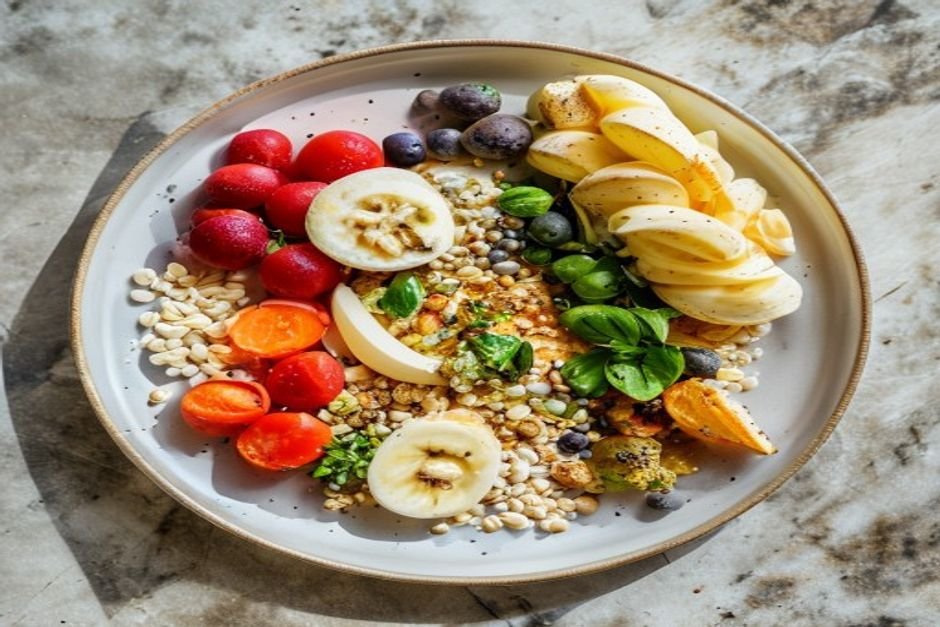
The quality of your carbs matters. Whole grains, fruits, and vegetables should make up the bulk of your carb intake. But do not be afraid of refined carbs around your runs. White rice and white bread digest faster and are actually better immediately before and after training.
protein for recovery
Running breaks down muscle tissue. Protein rebuilds it.
Every time your feet hit the ground, you create microscopic tears in your muscle fibers. Protein provides the amino acids your body uses to repair and strengthen those fibers. Without enough protein, recovery slows down and your injury risk goes up.
Runners should aim for 0.6 to 0.8 grams of protein per pound of body weight per day. If you weigh 150 pounds, that is 90 to 120 grams daily.
Best protein sources for runners:
- Chicken breast. Lean, versatile, and easy to meal prep.
- Eggs. Complete protein with all essential amino acids.
- Greek yogurt. Protein plus probiotics for gut health.
- Fish. Salmon and tuna provide protein plus omega-3 fatty acids for inflammation.
- Beans and lentils. Plant-based protein with fiber and iron.
- Tofu and tempeh. Great options for vegetarian runners.
- Whey or plant protein powder. Convenient for post-run shakes.
Timing matters. Try to get 20 to 30 grams of protein within 30 to 60 minutes after your run. This is when your muscles are most receptive to repair.
healthy fats matter too
Fat gets a bad reputation, but runners need it. Dietary fat supports hormone production, joint health, and the absorption of fat-soluble vitamins (A, D, E, and K).
Aim for 20 to 30 percent of your daily calories from fat. Focus on unsaturated sources:
- Avocados. Great on toast, in smoothies, or as a side.
- Nuts and seeds. Almonds, walnuts, chia seeds, flaxseeds.
- Olive oil. Use it for cooking and dressings.
- Fatty fish. Salmon, mackerel, and sardines for omega-3s.
Keep saturated fats moderate and avoid trans fats entirely. They increase inflammation, which is the last thing a runner needs.
hydration and electrolytes
Even mild dehydration of just two percent of body weight can reduce running performance by 10 to 20 percent.
Water is essential, but on runs longer than 60 minutes, you also need electrolytes. Sodium, potassium, and magnesium are lost through sweat and need to be replaced. Without them, you risk cramping, nausea, and in extreme cases, hyponatremia.
General hydration guidelines:
- Before a run: Drink 16 to 20 ounces of water two hours before heading out.
- During a run: For runs under 60 minutes, water is fine. For longer runs, use an electrolyte drink with 300 to 600 mg of sodium per hour.
- After a run: Drink 20 to 24 ounces for every pound of body weight lost during the run. Weigh yourself before and after to know how much you lost.

pre-run meals
What you eat before a run can make or break your workout.
The goal is to top off glycogen stores without overloading your stomach. Eat a carb-focused meal two to three hours before your run. If you are running early in the morning and do not have time, a banana or a piece of toast with jam 30 minutes before will do.
Good pre-run meals:
- Oatmeal with banana and a drizzle of honey
- Toast with peanut butter and sliced banana
- Rice cakes with jam
- A small bowl of pasta with marinara sauce
- A smoothie with fruit, yogurt, and a scoop of protein powder
Avoid high-fat and high-fiber foods right before a run. They sit in your stomach longer and can cause cramping or digestive issues mid-run.
post-run recovery
The 30 to 60 minutes after your run are your recovery window. Your muscles are primed to absorb nutrients and rebuild.
Aim for a meal or snack with a 3:1 or 4:1 ratio of carbs to protein. This combination replenishes glycogen and starts muscle repair simultaneously.
Good post-run options:
- Chocolate milk (yes, really. It has an almost perfect carb-to-protein ratio)
- Chicken and rice with vegetables
- A protein shake with a banana
- Greek yogurt with granola and berries
- A turkey sandwich on whole grain bread
If you cannot eat a full meal right away, grab a recovery snack and eat properly within two hours.
fueling during long runs
For runs longer than 60 to 90 minutes, you need to fuel on the go. Your glycogen stores will deplete, and without external carbs, your performance will crash.
Target 30 to 60 grams of carbs per hour during long runs. Options include:
- Energy gels. Quick, portable, and easy to digest. Most provide 20 to 25 grams of carbs per packet.
- Chews. Like gels but in a chewable form. Easier for some people to tolerate.
- Dried fruit. Dates, raisins, and apricots are natural carb sources.
- Sports drinks. Provide carbs and electrolytes simultaneously.
Practice your fueling strategy during training runs. Race day is not the time to try something new.

a sample day of eating for runners
Here is what a typical day of eating might look like for someone running five to six miles:
Breakfast (pre-run, 6:00 AM): Oatmeal with banana, honey, and a handful of blueberries. Black coffee. Water.
Post-run snack (8:00 AM): Greek yogurt with granola and a sliced apple. Glass of water.
Lunch (12:00 PM): Grilled chicken breast, brown rice, roasted sweet potatoes, and a side salad with olive oil dressing.
Afternoon snack (3:00 PM): Handful of almonds and a piece of dark chocolate. Orange.
Dinner (6:30 PM): Baked salmon, quinoa, steamed broccoli, and a whole grain roll. Glass of milk.
Evening snack (optional): Cottage cheese with pineapple or a small protein shake.
This provides roughly 2,200 to 2,500 calories with a good balance of carbs, protein, and fat. Adjust portions based on your training volume and body weight goals.
foods to avoid before a run
Some foods are more likely to cause digestive distress during a run. Avoid these in the two to three hours before heading out:
- High-fiber foods. Beans, bran cereals, and large salads can cause cramping and urgent bathroom stops.
- High-fat foods. Fried foods, heavy cream sauces, and fatty meats digest slowly.
- Spicy foods. Hot sauce, curry, and chili can cause heartburn and stomach upset.
- Artificial sweeteners. Sugar alcohols like sorbitol and xylitol can cause bloating and gas.
- Excessive caffeine. A cup of coffee is fine. Three cups on an empty stomach before a run is not.
Everyone is different. Some runners can eat almost anything before a run. Others need to be very careful. The only way to know is to experiment during training.
micronutrients runners often lack
Calories and macros get all the attention, but micronutrients matter just as much. Runners are particularly prone to deficiencies in a few key areas.
Iron. Running, especially on hard surfaces, causes red blood cell breakdown through a process called foot-strike hemolysis. Combined with iron loss through sweat, many runners end up with low iron levels. This leads to fatigue and reduced endurance. Include iron-rich foods like red meat, spinach, lentils, and fortified cereals. Pair plant-based iron sources with vitamin C to improve absorption.
Vitamin D. Most people do not get enough, and runners who train indoors or in northern climates are at even higher risk. Vitamin D supports bone health and immune function. Consider a supplement if you do not get regular sun exposure.
Calcium. Runners put significant stress on their bones. Adequate calcium intake helps prevent stress fractures. Dairy products, fortified plant milks, leafy greens, and almonds are good sources.
Magnesium. Lost through sweat and critical for muscle function. Deficiency can cause cramping and poor recovery. Nuts, seeds, dark chocolate, and leafy greens are rich in magnesium.
Frequently asked questions
What is the best diet for runners?
The best diet for runners is carbohydrate-focused with adequate protein and healthy fats. Aim for 45 to 65 percent of calories from carbs, 0.6 to 0.8 grams of protein per pound of body weight, and 20 to 30 percent of calories from fat. Prioritize whole grains, lean proteins, fruits, vegetables, and healthy fats like olive oil and avocados.
What should runners eat before a long run?
Eat a carb-rich meal two to three hours before a long run. Good options include oatmeal with banana, toast with peanut butter, or a small bowl of pasta. If you are short on time, a banana or a piece of toast with jam 30 minutes before will provide quick energy without upsetting your stomach.
How much protein do runners need per day?
Runners should aim for 0.6 to 0.8 grams of protein per pound of body weight per day. For a 150-pound runner, that is 90 to 120 grams. Get protein from lean meats, fish, eggs, Greek yogurt, beans, and protein shakes. Aim for 20 to 30 grams within 30 to 60 minutes after your run.
Do runners need to carb-load?
Carb-loading is useful for runs longer than 90 minutes, like half marathons and marathons. Increase your carb intake to 70 percent of calories for two to three days before the event. For regular training runs under an hour, normal carb intake is sufficient.
What should I eat during a marathon?
Aim for 30 to 60 grams of carbs per hour during a marathon. Energy gels, chews, dried fruit, and sports drinks all work. Practice your fueling strategy during training runs so you know what your stomach can handle on race day.
Medical disclaimer: This article is for informational purposes only and does not constitute medical or nutritional advice. Individual needs vary based on health conditions, training intensity, and personal goals. Always consult a qualified healthcare professional or registered dietitian before making significant changes to your diet.
About the author: The GetLeanPulse team researches and writes evidence-based content on nutrition, weight loss, and healthy living. Our goal is to cut through the noise and give you practical, science-backed advice you can actually use. Have a question or topic suggestion? Reach out through our contact page.