Low GI Foods for Diabetics: Your Ultimate Guide to Stable Blood Sugar
Living with diabetes means making conscious choices every day, especially when it comes to what you eat. For many, the concept of "healthy eating" can feel overwhelming, but understanding the glycemic index (GI) is a powerful tool that can simplify your meal planning and significantly improve your blood sugar management. At GetLeanPulse.com, we believe in empowering you with knowledge and practical strategies to take control of your health.
This comprehensive guide will not only provide you with an extensive list of low glycemic index foods but also delve into the science behind GI, its profound benefits for diabetics, and how to seamlessly integrate these foods into your daily life. Our goal is to equip you with the confidence to make informed dietary choices that support stable blood sugar levels, aid in weight management, and foster overall well-being. Get ready to transform your plate and your health!
Understanding the Glycemic Index (GI) and Its Importance for Diabetics
The glycemic index (GI) is a numerical scale that ranks carbohydrates based on how quickly they raise blood sugar levels after eating. Foods are ranked from 0 to 100, with pure glucose serving as the reference point with a GI of 100.
- Low GI Foods: 55 or less
- Medium GI Foods: 56-69
- High GI Foods: 70 or higher
When you consume carbohydrates, your body breaks them down into glucose, which then enters your bloodstream. High GI foods are rapidly digested and absorbed, leading to a quick and often sharp spike in blood glucose. In contrast, low GI foods are digested and absorbed more slowly, resulting in a gradual and sustained rise in blood sugar, which is far more manageable for individuals with diabetes.
For someone with diabetes, particularly type 2 diabetes where the body either doesn't produce enough insulin or doesn't use insulin effectively, managing these blood sugar spikes is crucial. Consistent high blood sugar levels can lead to a range of complications, including damage to nerves, kidneys, eyes, and the heart. By choosing low GI foods, you help your body maintain more stable glucose levels, reducing the strain on your insulin-producing cells and mitigating the risk of long-term health issues.
It's also important to briefly touch upon the Glycemic Load (GL). While GI tells you how quickly a food raises blood sugar, GL takes into account both the GI and the amount of carbohydrates in a serving. A food might have a high GI, but if you eat a very small portion, its GL might be low. Conversely, a food with a moderate GI eaten in large quantities could have a high GL. For practical purposes, focusing on low GI foods for the bulk of your diet is an excellent starting point, and portion control naturally helps manage GL.
The Profound Benefits of a Low-GI Diet for Diabetics
Adopting a dietary approach centered around low glycemic index foods offers a multitude of advantages for individuals managing diabetes. These benefits extend beyond just blood sugar control, encompassing overall health and well-being.
1. Stable Blood Sugar Levels
This is the cornerstone benefit. Low GI foods prevent the rapid fluctuations in blood glucose that can be dangerous for diabetics. A steady supply of glucose into the bloodstream means fewer "crashes" and "spikes," making it easier for your body to manage insulin response and keep glucose within a healthy target range. This stability contributes to a reduced need for medication adjustments and a lower risk of hypoglycemia (low blood sugar) or hyperglycemia (high blood sugar).
2. Improved Insulin Sensitivity
For individuals with insulin resistance, a common feature of type 2 diabetes, a low GI diet can be particularly beneficial. By reducing the demand for large insulin surges, the diet can help improve the body's sensitivity to insulin over time. This means your body can utilize the insulin it produces more effectively, further aiding in blood sugar regulation.
3. Sustainable Weight Management
Many low GI foods are naturally high in fiber and protein, which contribute to a feeling of fullness and satiety. This can help reduce overall calorie intake by curbing cravings and preventing overeating, making weight loss or maintenance more achievable. Since obesity is a significant risk factor for type 2 diabetes and its complications, managing weight is a critical aspect of diabetes care.
4. Reduced Risk of Diabetes Complications
By consistently maintaining stable blood sugar levels, a low GI diet plays a pivotal role in preventing or delaying the onset of long-term diabetes complications. These include cardiovascular disease, neuropathy (nerve damage), nephropathy (kidney disease), and retinopathy (eye damage). Protecting these vital organs is paramount for a high quality of life with diabetes.
5. Sustained Energy Levels
The slow and steady release of glucose from low GI foods provides a consistent supply of energy to your body and brain. This helps avoid the energy slumps often associated with diets high in refined carbohydrates and sugars, leading to improved focus, productivity, and overall vitality throughout the day.
6. Enhanced Heart Health
A diet rich in whole, unprocessed, low GI foods often translates to a higher intake of fiber, healthy fats, and antioxidants. This dietary pattern can contribute to lower cholesterol levels, reduced blood pressure, and improved arterial health, all of which are crucial for preventing heart disease, a leading cause of morbidity and mortality among diabetics.
7. Better Gut Health
Many low GI foods, particularly whole grains, legumes, fruits, and vegetables, are excellent sources of dietary fiber. Fiber promotes a healthy digestive system, aids in regular bowel movements, and feeds beneficial gut bacteria, contributing to a robust microbiome. A healthy gut is increasingly recognized for its role in metabolism and overall health.
Key Principles for Adopting a Low-GI Diet for Diabetics
Embracing a low GI diet is more than just memorizing a list of foods; it's about understanding a few fundamental principles that will empower you to make smart choices consistently. Here's how to effectively integrate low GI eating into your lifestyle:
1. Prioritize Whole, Unprocessed Foods
The closer a food is to its natural state, the lower its GI is likely to be. Processed foods often have added sugars, unhealthy fats, and refined carbohydrates, all of which tend to increase their glycemic index. Focus on fresh vegetables, fruits, whole grains, legumes, lean proteins, and healthy fats.
2. Combine Carbohydrates with Protein and Healthy Fats
This is a crucial strategy. Eating carbohydrates alone, even low GI ones, can still cause a blood sugar rise. Pairing them with sources of protein and healthy fats helps to slow down digestion and glucose absorption even further. For example, instead of just an apple (low GI fruit), have it with a handful of almonds or a tablespoon of peanut butter. This creates a more balanced and blood-sugar-friendly meal.
3. Portion Control Still Matters
While low GI foods are preferable, they still contain carbohydrates and calories. Eating excessively large portions, even of low GI foods, can still lead to elevated blood sugar and weight gain. Be mindful of serving sizes and listen to your body's hunger and fullness cues.
4. Be Aware of Cooking Methods and Processing
The way food is prepared can affect its GI. Overcooking pasta, for instance, can increase its GI because it breaks down starches more, making them easier to digest. Al dente pasta has a lower GI than soft, mushy pasta. Similarly, highly processed versions of foods (like instant oats versus steel-cut oats) tend to have a higher GI. The more a food is broken down, the quicker its sugars can enter your bloodstream.
5. Emphasize Fiber-Rich Foods
Fiber is a non-digestible carbohydrate that slows down the absorption of sugar into the bloodstream. Foods high in soluble and insoluble fiber (found in vegetables, fruits, whole grains, and legumes) are almost always excellent low GI choices. Prioritizing these foods will naturally align your diet with low GI principles.
6. Consider Ripeness for Fruits
As fruits ripen, their starch converts to sugar, increasing their GI. For example, an unripe banana has a lower GI than an overripe one. While all fruits are healthy, being mindful of ripeness can be helpful for particularly sensitive individuals.
7. Read Food Labels Diligently
When purchasing packaged foods, always check the nutrition facts. Look for total carbohydrates, fiber content, and added sugars. Even products marketed as "healthy" or "whole grain" can sometimes contain hidden sugars or highly processed ingredients that elevate their GI.
By integrating these principles into your daily routine, you'll not only be choosing low GI foods but also building a sustainable, healthful eating pattern that supports optimal diabetes management.
Comprehensive Low-GI Food List for Diabetics: Your Go-To Guide
Navigating the grocery store aisles and restaurant menus can be challenging, but with this detailed list, you'll have a clear roadmap to making blood-sugar-friendly choices. Remember, this list focuses on general GI values; individual responses can vary, and portion sizes always matter.
Vegetables: The Foundation of Your Plate
Vegetables are generally excellent choices due to their high fiber, vitamin, and mineral content, and typically low carbohydrate count. Focus primarily on non-starchy varieties.
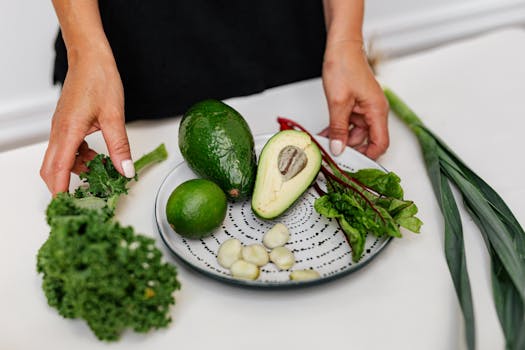
- Leafy Greens: Spinach, kale, lettuce, collard greens, Swiss chard. These are incredibly low in carbs and packed with nutrients. Eat them raw in salads or cooked into meals.
- Cruciferous Vegetables: Broccoli, cauliflower, Brussels sprouts, cabbage. Versatile and nutrient-dense, these are excellent low GI options.
- Bell Peppers: All colors (red, yellow, green, orange). Add crunch and sweetness without significant blood sugar impact.
- Cucumbers: Refreshing and hydrating, perfect for salads or snacks.
- Mushrooms: Low in calories and carbs, they add umami flavor to dishes.
- Asparagus: A tender, fiber-rich vegetable that's easy to prepare.
- Green Beans: A good source of fiber and vitamins, enjoy them steamed or sautéed.
- Eggplant: A versatile vegetable that absorbs flavors beautifully.
- Zucchini & Other Summer Squashes: Very low in carbs and can be used in numerous dishes, from spirals to stir-fries.
- Artichokes: High in fiber and antioxidants.
- Onions & Garlic: Flavor enhancers that are very low GI.
- Tomatoes: Technically a fruit, but nutritionally treated as a vegetable. Low GI and rich in lycopene.
- Carrots (Raw): While cooked carrots have a slightly higher GI, raw carrots are a good low GI snack.
- Sweet Potatoes (in moderation): While a starchy vegetable, sweet potatoes have a lower GI than white potatoes. Enjoy in controlled portions.
To Limit (High GI Vegetables): White potatoes (especially baked or instant), corn (though fresh corn in moderation is acceptable for some), parsnips.
Fruits: Nature's Sweetness in Moderation
Fruits provide essential vitamins, minerals, and fiber. While all fruits contain natural sugars, many have a low GI due to their fiber content. Always opt for whole fruit over juice, which strips away fiber and concentrates sugar.
- Berries: Strawberries, blueberries, raspberries, blackberries. These are powerhouses of antioxidants and fiber, making them excellent low GI choices.
- Apples: A classic, fiber-rich fruit. Enjoy with the skin on for maximum benefit.
- Pears: Similar to apples, pears are a great source of fiber.
- Oranges: Citrus fruits like oranges are low GI and rich in Vitamin C.
- Grapefruit: Another excellent low GI citrus option (check for medication interactions).
- Cherries: Known for their anti-inflammatory properties and low GI.
- Plums: Sweet and juicy, with a low GI.
- Peaches: A delicious summer fruit with a moderate-to-low GI.
- Apricots: Small and sweet, they make for a good low GI snack.
To Limit/Avoid: Watermelon (high GI, but low GL in small portions), pineapple (moderate-to-high GI), dried fruits (very concentrated in sugar), fruit juices (no fiber).
Legumes: Fiber and Protein Powerhouses
Legumes are nutritional superstars for diabetics. They are rich in fiber, plant-based protein, and complex carbohydrates, leading to very low GI values and excellent satiety.
- Lentils: All varieties (green, red, brown). Perfect for soups, stews, and salads.
- Chickpeas (Garbanzo Beans): Great in hummus, roasted as a snack, or added to salads.
- Black Beans: A staple in many cuisines, excellent in burritos, chili, or as a side.
- Kidney Beans: Ideal for chili and salads.
- Cannellini Beans (White Kidney Beans): Creamy texture, great in Mediterranean dishes.
- Pinto Beans: Commonly used in Mexican and Southwestern cuisine.
- Edamame: Whole, immature soybeans. A fantastic snack or addition to stir-fries.
Whole Grains: Smart Carbohydrate Choices
Choosing whole grains over refined grains is one of the most impactful changes you can make. Their intact fiber helps slow down glucose absorption.
- Oats (Steel-Cut or Rolled): Steel-cut oats have the lowest GI. Rolled oats are also good. Avoid instant oats, which are highly processed and have a higher GI.
- Barley: An excellent grain for soups, stews, and salads, with a very low GI.
- Quinoa: A complete protein and a good source of fiber, with a low GI.
- Brown Rice (in moderation): While better than white rice, brown rice still has a moderate GI. Enjoy in smaller portions.
- Wild Rice: Technically a grass seed, it has a lower GI than brown rice and a nutty flavor.
- Whole-Wheat Pasta (Al Dente): Cooked al dente (firm to the bite) has a lower GI than overcooked pasta.
- Whole-Grain Bread: Look for 100% whole grain breads, especially sourdough, pumpernickel, or dense whole-grain rye, which tend to have lower GI values than standard whole wheat. Avoid breads with added sugars.
- Bulgur: Cracked wheat, often used in tabbouleh. Has a relatively low GI.
- Millet: A gluten-free grain, can be used like rice or quinoa.

Dairy & Alternatives: Protein and Calcium Sources
Dairy products and their plant-based alternatives can be part of a low GI diet, focusing on plain, unsweetened varieties.
- Plain Greek Yogurt: High in protein, which helps stabilize blood sugar. Choose unsweetened.
- Plain Kefir: A fermented dairy drink, similar to yogurt, with probiotic benefits.
- Milk (Dairy or Unsweetened Plant-Based): Cow's milk has a low GI. Unsweetened almond, soy, or oat milk are also good choices.
- Cottage Cheese: High in protein, a great snack or meal addition.
To Limit/Avoid: Sweetened yogurts, flavored milks, ice cream.
Nuts & Seeds: Healthy Fats and Fiber
Nuts and seeds are packed with healthy fats, fiber, and protein, making them excellent for satiety and blood sugar control. Enjoy in moderation due to their calorie density.
- Almonds: Great for snacking, provide healthy fats and fiber.
- Walnuts: Rich in omega-3 fatty acids.
- Chia Seeds: Form a gel in water, excellent for satiety and fiber.
- Flax Seeds: Ground flax seeds offer omega-3s and fiber.
- Pumpkin Seeds: Nutrient-dense and a good source of zinc.
- Sunflower Seeds: A versatile snack.
- Pecans: Another healthy fat and fiber source.
- Nut Butters (Natural, Unsweetened): Almond butter, peanut butter (check for no added sugar).
Proteins: Essential for Satiety and Muscle
Most protein sources are naturally very low GI or have no GI, as they contain minimal carbohydrates. They are crucial for building balanced meals and promoting satiety.
- Lean Meats: Chicken breast, turkey breast, lean cuts of beef (e.g., sirloin, round).
- Fish: Salmon, tuna, cod, tilapia, sardines. Especially fatty fish like salmon, rich in omega-3s.
- Eggs: A complete protein, versatile and affordable.
- Tofu & Tempeh: Plant-based protein sources, excellent for vegetarian and vegan diets.
- Seafood: Shrimp, scallops, clams, mussels.
Healthy Fats: To Complement and Satisfy
Healthy fats, while not having a GI value themselves, play a critical role in a low GI diet by slowing down digestion and increasing satiety, which helps stabilize blood sugar.
- Avocado: Rich in monounsaturated fats and fiber.
- Olive Oil: A staple of the Mediterranean diet, excellent for cooking and dressings.
- Coconut Oil (in moderation): Contains medium-chain triglycerides.
- Nuts & Seeds: (As listed above)
Foods to Limit or Avoid for Better Blood Sugar Control
Just as important as knowing what to eat is understanding which foods can derail your blood sugar management. These are typically high GI foods that cause rapid spikes.
- Refined Grains: White bread, white rice, pasta made from refined flour, sugary breakfast cereals (corn flakes, puffed rice), instant oatmeal. These have had their fiber and nutrients stripped away, making them quickly digestible.
- Sugary Drinks: Soda, fruit juices (even 100% juice), sweetened teas and coffees, sports drinks. These are pure sugar delivery systems with no fiber to slow absorption.
- Processed Snacks: Chips, cookies, cakes, pastries, candy, most granola bars (check labels carefully). These are often high in refined carbs, sugar, and unhealthy fats.
- Certain Starchy Vegetables: White potatoes (especially baked or instant mashed potatoes) and parsnips. While vegetables, their starch content and rapid digestion put them in the high GI category.
- Dried Fruits: Raisins, dates, dried cranberries, etc. While they retain some fiber, the sugar content is highly concentrated, leading to a much higher GI than fresh fruit. Consume in very small, controlled portions if at all.
- Sweeteners: Table sugar, high-fructose corn syrup, honey, maple syrup. While natural, they are still concentrated sugars that elevate blood glucose rapidly. Use sparingly.
It's not about absolute deprivation, but conscious limitation. Occasional small portions of higher GI foods might be acceptable for some individuals, especially when paired with low GI foods, protein, and fat. However, for consistent blood sugar management, minimizing these items is key.
Building a Low-GI Meal Plan: Practical Application
Now that you have an extensive list of low GI foods, let's put it into practice. Creating balanced meals is about combining these ingredients thoughtfully to ensure stable blood sugar, sustained energy, and satiety.
Breakfast Ideas
Start your day right with a meal that provides lasting energy without a sugar crash.
- Steel-Cut Oats with Berries and Nuts: Cook steel-cut oats (or rolled oats) with water or unsweetened almond milk. Top with a handful of fresh berries (strawberries, blueberries) and a sprinkle of chia seeds or chopped almonds. A dollop of plain Greek yogurt can add extra protein.
- Scrambled Eggs with Spinach and Whole-Grain Toast: Scramble eggs with a generous portion of spinach. Serve with one slice of 100% whole-grain sourdough bread and a slice of avocado.
- Plain Greek Yogurt Parfait: Layer plain Greek yogurt with a small amount of low GI fruit (e.g., cherries or peaches) and a sprinkle of flax seeds or chopped walnuts.
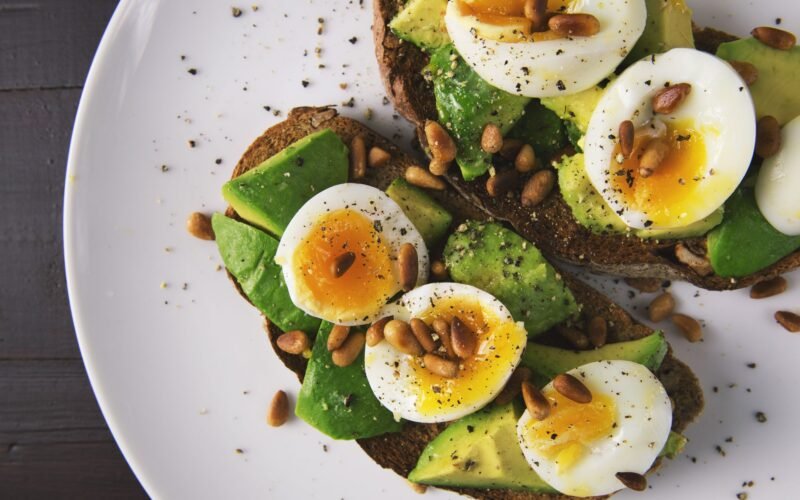
- Avocado Toast on Whole-Grain Bread: Mash avocado on a slice of 100% whole-grain bread. Season with salt, pepper, and red pepper flakes. Add an egg for extra protein.
Lunch Ideas
Fuel your afternoon with satisfying and blood-sugar-friendly options.
- Large Mixed Green Salad with Lean Protein and Legumes: A base of mixed greens, spinach, or kale. Add grilled chicken breast, baked salmon, or chickpeas/lentils. Include a variety of non-starchy vegetables like bell peppers, cucumbers, and cherry tomatoes. Dress with olive oil and vinegar.
- Lentil Soup or Chili: A hearty bowl of homemade lentil soup or bean chili (made with black beans, kidney beans, or pinto beans) is packed with fiber and protein. Serve with a small side of whole-grain crackers (check GI).
- Leftover Quinoa Salad: Combine cooked quinoa with chopped vegetables (broccoli, bell peppers), cannellini beans, and a light vinaigrette. Add grilled chicken or tofu.
- Tuna Salad (without mayo) Sandwich on Whole-Grain Bread: Mix tuna with Greek yogurt or avocado, celery, and onions. Serve open-faced on one slice of dense whole-grain bread with lettuce and tomato.
Dinner Ideas
Create balanced dinners that support stable blood sugar overnight.
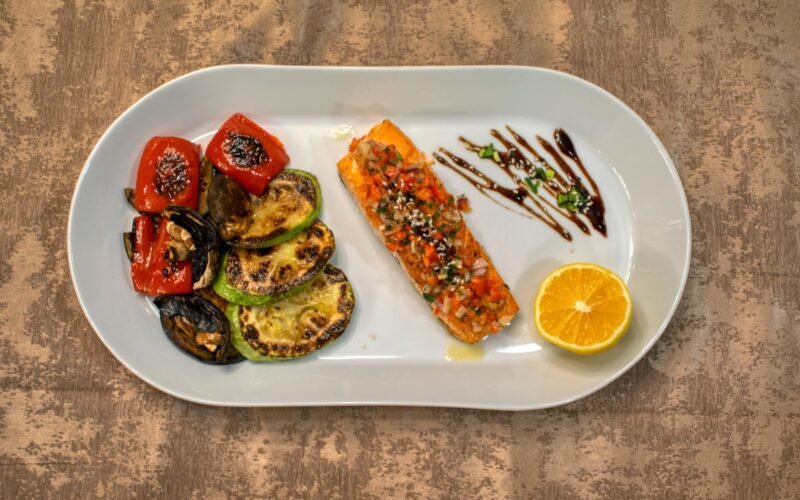
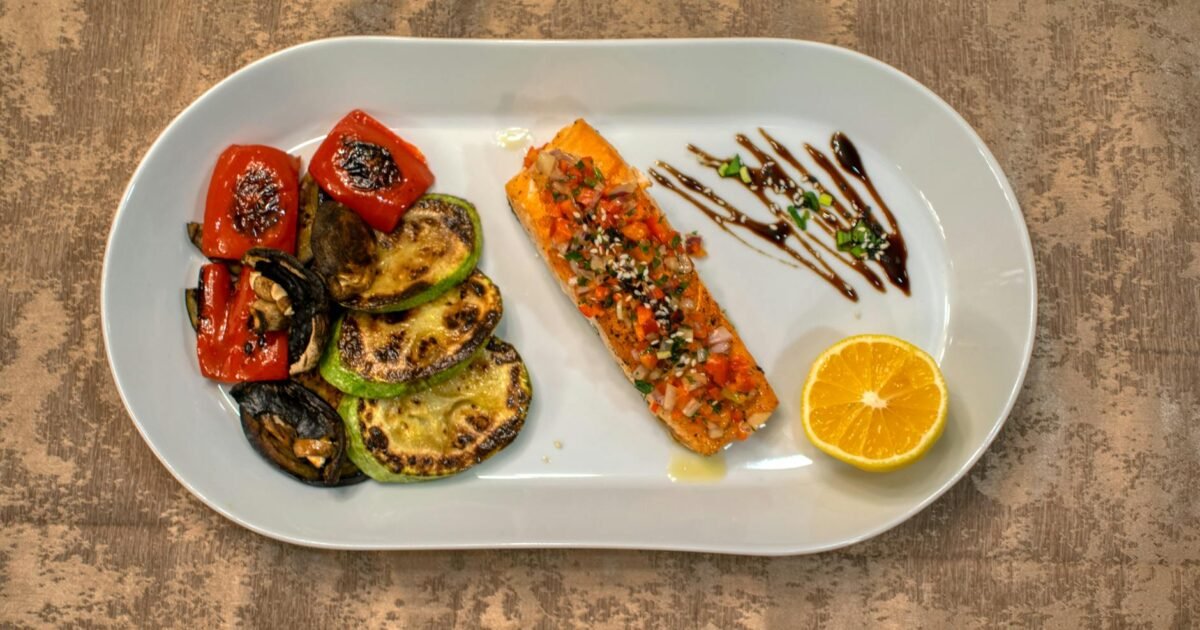
- Baked Salmon with Roasted Asparagus and Quinoa: A perfectly balanced meal. Salmon provides healthy fats and protein, asparagus is a low GI vegetable, and quinoa offers complex carbs.
- Chicken Stir-Fry with Brown Rice (small portion): Sauté lean chicken breast with a medley of low GI vegetables (broccoli, bell peppers, snow peas, mushrooms) in a light soy sauce or tamari. Serve with a small, measured portion of brown rice.
- Black Bean Burgers on Lettuce Wraps: Make homemade black bean burgers (or choose a reputable low GI brand) and serve them in large lettuce cups instead of buns. Top with avocado and salsa.
- Lean Steak with Steamed Green Beans and Sweet Potato (small portion): Grill or pan-sear a lean cut of steak. Pair with steamed green beans and a small baked sweet potato.
Snack Ideas
Smart snacking helps bridge meals and prevent overeating.
- A handful of almonds or walnuts.
- Baby carrots with hummus.
- Plain Greek yogurt with a few berries.
- Apple slices with natural peanut butter.
- Hard-boiled egg.
- Celery sticks with almond butter.
- Edamame (steamed).
Tips for Success and Common Pitfalls in Low-GI Eating
Embarking on a low GI journey for diabetes management is a marathon, not a sprint. Here are some essential tips to ensure long-term success and common traps to avoid.
Tips for Success:
- Educate Yourself Continuously: The more you understand about GI, GL, and how different foods affect your body, the better equipped you'll be to make smart choices. Websites like GetLeanPulse.com, scientific journals, and reputable health organizations are great resources.
- Plan Ahead: Meal prepping and planning your snacks can prevent impulsive, high GI food choices when hunger strikes. Cook large batches of grains or legumes, chop vegetables, and portion out snacks.
- Focus on Whole Foods: This cannot be stressed enough. Whole, unprocessed foods are inherently lower in GI and richer in nutrients. Minimize packaged and convenience foods.
- Combine Foods Wisely: Always aim to pair carbohydrates with protein and healthy fats. This slows down digestion and mitigates blood sugar spikes. For instance, if you have a piece of fruit, pair it with a handful of nuts or a slice of cheese.
- Hydrate with Water: Drinking plenty of water is crucial for overall health and can sometimes help curb false hunger pangs. Avoid sugary drinks entirely.
- Listen to Your Body: Pay attention to how different foods affect your blood sugar levels and energy. Use a glucose monitor to track responses to specific meals. Everyone's body is unique.
- Don't Strive for Perfection: A low GI diet is a pattern of eating, not a rigid set of rules. Occasional deviations won't undo your progress. Focus on consistency and making good choices most of the time.
- Consult a Professional: Work with a registered dietitian or certified diabetes educator. They can provide personalized advice, help you create a tailored meal plan, and address any specific concerns or dietary restrictions you may have.
- Experiment with Recipes: There are countless delicious low GI recipes available. Explore new ingredients and cooking methods to keep your meals exciting and prevent boredom.
- Be Mindful of Cooking Methods: As mentioned, cooking methods can influence GI. Aim for al dente pasta, lightly steamed vegetables, and avoid overcooking starchy foods.
Common Pitfalls to Avoid:
- Falling for "Diabetic-Friendly" Labels: Some products marketed towards diabetics can still contain artificial sweeteners, refined flours, or other ingredients that
Photo by Cristian Mihaila on Pexels