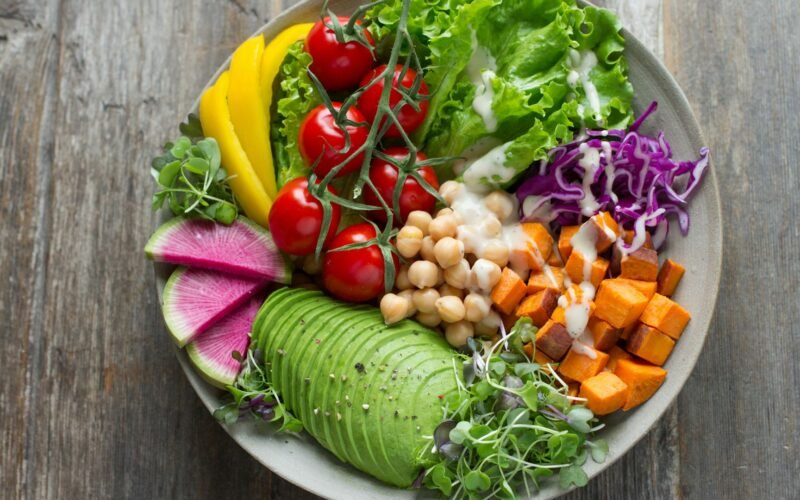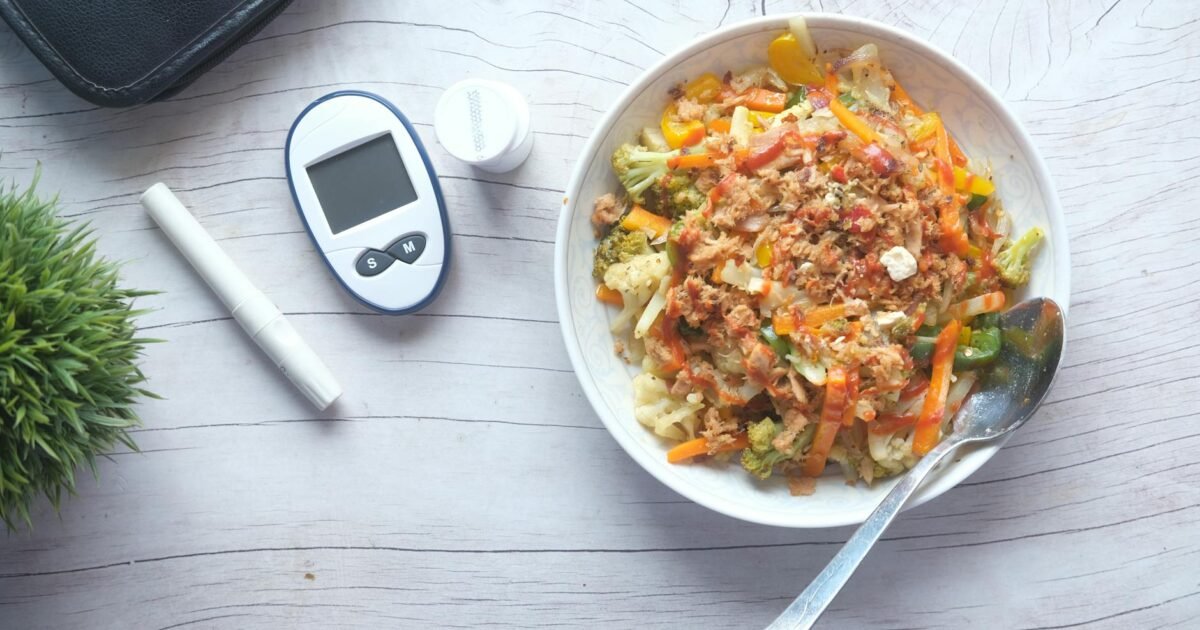
Living with diabetes often feels like a constant balancing act, especially when it comes to diet. Every meal, every snack, holds the potential to send your blood sugar soaring or keep it steady. For many, the key to unlocking consistent blood sugar control and improving overall health lies in understanding and embracing the Glycemic Index (GI). At GetLeanPulse.com, we believe in empowering you with the knowledge to make informed decisions for a healthier, more vibrant life.
This comprehensive guide will demystify the Glycemic Index, explain why it’s a game-changer for diabetics, and provide an extensive list of low GI foods to revolutionize your plate. Get ready to transform your approach to eating, stabilize your blood sugar, manage your weight, and feel better than ever before.
Understanding the Glycemic Index (GI): Your Blood Sugar’s Best Friend
The Glycemic Index is a system that ranks carbohydrate-containing foods based on their effect on blood glucose levels after consumption. Foods are assigned a GI value from 0 to 100, comparing them to a reference food (either pure glucose or white bread), which has a GI of 100. Essentially, the faster a food breaks down into glucose and is absorbed into your bloodstream, the higher its GI value.
The GI Scale Explained:
- Low GI Foods (55 or less): These foods are digested and absorbed slowly, leading to a gradual and sustained rise in blood sugar and insulin levels. They are the cornerstone of a diabetic-friendly diet.
- Medium GI Foods (56-69): These foods have a moderate effect on blood sugar. They can be included in your diet in moderation, especially when combined with low GI foods.
- High GI Foods (70 or more): These foods are rapidly digested and absorbed, causing a quick and significant spike in blood sugar and insulin. They should be limited or avoided by individuals with diabetes.
Why GI Matters So Much for Diabetics
For someone with diabetes, the body either doesn’t produce enough insulin (Type 1) or doesn’t use insulin effectively (Type 2) to manage blood sugar. When you eat high GI foods, your blood sugar levels can surge rapidly. This forces your body to work harder to produce or utilize insulin, potentially leading to:
- Hyperglycemia: High blood sugar levels, which can cause immediate symptoms like fatigue, increased thirst, and blurred vision, and long-term complications affecting nerves, kidneys, eyes, and heart.
- Insulin Resistance: Frequent spikes in blood sugar can worsen insulin resistance over time, making blood sugar control even more challenging.
- Weight Gain: Rapid insulin spikes can promote fat storage, making weight management more difficult – a crucial aspect for many with Type 2 diabetes.
- Energy Crashes: The quick rise and fall of blood sugar can lead to energy dips and increased hunger soon after eating.
By choosing low GI foods, you help maintain more stable blood sugar levels, reduce the demand on your insulin system, and mitigate the risks associated with diabetes.
GI vs. Glycemic Load (GL): A More Complete Picture
While GI is an excellent tool, it doesn’t account for portion size. This is where Glycemic Load (GL) comes in. GL considers both the GI of a food and the amount of carbohydrates in a typical serving. For example, watermelon has a high GI, but a typical serving contains relatively few carbohydrates, so its GL is low. GL provides a more realistic measure of a food’s impact on blood sugar.
The formula for GL is: (GI x grams of carbohydrate) / 100.
- Low GL Foods: 10 or less
- Medium GL Foods: 11-19
- High GL Foods: 20 or more
For practical purposes, focusing on low GI foods and sensible portion sizes usually covers the GL aspect effectively. However, understanding GL can help you make nuanced choices, especially for fruits and starchy vegetables.
What is glycemic load, and why does portion size matter?
The glycemic index tells you how fast a food raises blood sugar, but not how much carbohydrate a normal serving contains. Glycemic load (GL) combines both:
GL = (GI x grams of carbohydrate per serving) / 100
- Low GL: 10 or less
- Medium GL: 11 to 19
- High GL: 20 or more
Watermelon has a high GI (about 76), but a 1-cup serving has only about 11 g of carbohydrate, so its GL is about 8, which is low. Use GI to compare foods and GL to judge portions, and check your own glucose response with your care team.
The Undeniable Benefits of a Low GI Diet for Diabetics
Embracing a low GI eating pattern extends far beyond just blood sugar management. It offers a cascade of health benefits that can significantly improve the quality of life for individuals with diabetes.
1. Stable Blood Sugar Levels
This is the primary and most direct benefit. Low GI foods release glucose slowly, preventing the sharp peaks and troughs that characterize uncontrolled diabetes. This stability reduces the risk of both hyperglycemia and hypoglycemia (low blood sugar), making daily management easier and more predictable.
2. Improved Insulin Sensitivity
Consistently choosing low GI foods can help your body become more responsive to insulin. This is particularly beneficial for those with Type 2 diabetes, where insulin resistance is a core problem. Better insulin sensitivity means your body can use glucose more efficiently, leading to better blood sugar control with less effort from your pancreas.
3. Sustainable Weight Management
Low GI foods tend to be richer in fiber and protein, promoting a feeling of fullness and satiety that lasts longer. This can reduce overall calorie intake by curbing cravings and overeating. Stable blood sugar also minimizes insulin spikes, which are known to promote fat storage. For many diabetics, particularly those with Type 2, weight loss or maintenance is a critical component of disease management, and a low GI diet supports this goal naturally.
4. Reduced Risk of Diabetic Complications
By keeping blood sugar levels consistently within a healthy range, a low GI diet helps protect against the long-term complications of diabetes. This includes reducing the risk of heart disease, kidney damage (nephropathy), nerve damage (neuropathy), and eye problems (retinopathy).
5. Enhanced Energy Levels and Mood
Gone are the energy crashes that often follow high-sugar, high-GI meals. With a steady supply of glucose, your body and brain receive a continuous stream of fuel, leading to more sustained energy throughout the day. This stability can also positively impact mood, reducing irritability and improving overall well-being.
6. Better Heart Health
Many low GI foods, such as whole grains, legumes, fruits, and vegetables, are naturally rich in soluble fiber and antioxidants. These components are known to help lower “bad” LDL cholesterol levels, reduce blood pressure, and improve overall cardiovascular health – crucial for diabetics who are at an increased risk of heart disease.
7. Improved Digestive Health
The high fiber content in most low GI foods supports a healthy digestive system. Fiber adds bulk to stool, aids in regular bowel movements, and can prevent constipation. It also feeds beneficial gut bacteria, contributing to a healthy microbiome, which is increasingly linked to overall metabolic health.
Embracing a low GI diet isn’t about deprivation; it’s about making smarter, more nourishing choices that empower you to take control of your health and thrive.
General Principles for Choosing Low GI Foods
Before diving into our comprehensive list, understanding a few general principles will make selecting low GI foods second nature:
- Prioritize Whole, Unprocessed Foods: The closer a food is to its natural state, the more likely it is to have a lower GI. Processing often removes fiber and nutrients, increasing GI.
- Embrace Fiber: Fiber, especially soluble fiber, slows down digestion and glucose absorption. Look for foods naturally high in fiber.
- Include Protein and Healthy Fats: While protein and fats don’t have a GI value themselves, including them in a meal can significantly lower the overall GI of that meal by slowing down digestion.
- Consider Ripeness: For fruits, the riper they are, the higher their sugar content and thus their GI. Opt for slightly less ripe fruits when possible.
- Cooking Methods Matter: Overcooking starchy foods like pasta or rice can increase their GI. Aim for al dente pasta and slightly firmer textures for grains.
- Acidity Helps: Adding acidic ingredients like vinegar or lemon juice to meals can slightly lower the GI of the meal.

Your Comprehensive Low Glycemic Index Foods List for Diabetics
Now, let’s explore the delicious and diverse world of low GI foods. This extensive list will serve as your go-to guide for building blood sugar-friendly meals and snacks.
1. Vegetables (Mostly Low GI)
Most non-starchy vegetables are exceptionally low in GI and carbohydrates, making them a cornerstone of any diabetic diet. They are packed with fiber, vitamins, and minerals, and you can eat them in abundance.
- Leafy Greens: Spinach, kale, lettuce, Swiss chard, collard greens, arugula. (GI: Very low)
- Why they’re great: Rich in antioxidants, vitamins K and A, and minimal carbs.
- Cruciferous Vegetables: Broccoli, cauliflower, Brussels sprouts, cabbage. (GI: Very low)
- Why they’re great: High in fiber, vitamin C, and compounds that may help prevent chronic diseases.
- Other Non-Starchy Vegetables: Bell peppers (all colors), cucumbers, zucchini, eggplant, mushrooms, green beans, asparagus, celery, onions, tomatoes. (GI: Very low)
- Why they’re great: Versatile, nutrient-dense, and add bulk and flavor without impacting blood sugar significantly.
- Starchy Vegetables (in moderation): Sweet potatoes (GI: 44-61, depending on preparation), corn (GI: 52), peas (GI: 51).
- Why they’re great: While slightly higher in GI than non-starchy options, these can be included in controlled portions due to their fiber content and nutrients. Baking or boiling sweet potatoes tends to yield a lower GI than frying.
2. Fruits (Choose Wisely, Moderation is Key)
Fruits contain natural sugars (fructose) and fiber. While all fruits contain carbohydrates, many have a low to medium GI due to their fiber and water content. Portion control is especially important here.
- Berries: Strawberries, blueberries, raspberries, blackberries. (GI: 25-49)
- Why they’re great: Packed with antioxidants, fiber, and relatively low in natural sugars.
- Stone Fruits: Peaches, plums, nectarines. (GI: 28-42)
- Why they’re great: Good source of vitamins A and C, and fiber.
- Apples: (GI: 36)
- Why they’re great: “An apple a day…” is true! High in fiber, especially with the skin on.
- Pears: (GI: 38)
- Why they’re great: Similar to apples, good source of fiber.
- Oranges & Grapefruit: (GI: 40-43)
- Why they’re great: Excellent source of vitamin C and fiber. Avoid juice, as it strips away fiber and has a higher GI.
- Cherries: (GI: 20-22)
- Why they’re great: One of the lowest GI fruits, rich in antioxidants.
- Kiwi: (GI: 53)
- Why they’re great: High in vitamin C and K, and fiber.
3. Legumes (Superstars for Diabetics)
Legumes are exceptionally high in fiber (both soluble and insoluble) and protein, making them incredibly beneficial for blood sugar control and overall health. They are consistently low GI.
- Lentils: Green, red, brown, black. (GI: 21-32)
- Why they’re great: Versatile, quick-cooking, excellent source of plant-based protein and fiber.
- Chickpeas (Garbanzo Beans): (GI: 28-33)
- Why they’re great: Great in salads, hummus, or roasted as a snack. High in fiber and protein.
- Kidney Beans: (GI: 28)
- Why they’re great: Hearty and fiber-rich, great in chili and stews.
- Black Beans: (GI: 30)
- Why they’re great: Staple in many cuisines, packed with fiber and protein.
- Pinto Beans: (GI: 39)
- Why they’re great: Another excellent source of fiber and protein.
- Navy Beans: (GI: 31)
- Why they’re great: Often used in baked beans (ensure sugar-free preparation).
4. Whole Grains (Choose Wisely)
Not all “whole grains” are created equal. Focus on minimally processed options with high fiber content.
- Oats: Steel-cut oats (GI: 55), rolled oats (GI: 55).
- Why they’re great: Excellent source of soluble fiber (beta-glucan), which helps lower cholesterol and stabilize blood sugar. Avoid instant oats, which have a higher GI.
- Barley: Pearled barley (GI: 25).
- Why it’s great: Extremely low GI, high in soluble fiber, great in soups or as a rice substitute.
- Quinoa: (GI: 53)
- Why it’s great: A complete protein, high in fiber and minerals, gluten-free.
- Brown Rice: (GI: 50-55)
- Why it’s great: A better alternative to white rice due to its fiber content. Basmati rice (GI: 50-58) and wild rice (GI: 45) are also good choices.
- Whole-Grain Pasta: (GI: 32-55, depending on type and how it’s cooked)
- Why it’s great: Choose 100% whole wheat or legume-based pasta. Cooking al dente (firm to the bite) keeps the GI lower.
- 100% Whole Wheat or Rye Bread: (GI: 50-55)
- Why it’s great: Look for breads with minimal ingredients, high fiber, and ensure “100% whole wheat” is the first ingredient, not just “wheat flour.” Sourdough bread can also have a lower GI.
5. Dairy and Dairy Alternatives (Unsweetened Options)
Dairy products can be low GI, but it’s crucial to choose unsweetened and plain varieties to avoid added sugars.
- Plain Greek Yogurt: (GI: ~15-20)
- Why it’s great: High in protein, which helps slow sugar absorption. Choose plain, unsweetened varieties.
- Milk (Low-Fat or Skim): (GI: 31)
- Why it’s great: Source of calcium and vitamin D.
- Unsweetened Almond Milk, Soy Milk, or Other Plant Milks: (GI: Very low)
- Why they’re great: Excellent low-carb, low-GI alternatives to dairy, especially when fortified with calcium and vitamin D. Always choose unsweetened.
- Cottage Cheese: (GI: ~30)
- Why it’s great: High in protein, low in carbs.
6. Nuts and Seeds (Healthy Fats and Fiber)
Nuts and seeds are powerhouses of healthy fats, fiber, and protein, and have a very low GI.
- Almonds: (GI: 0)
- Why they’re great: Rich in healthy fats, fiber, vitamin E, and magnesium.
- Walnuts: (GI: 0)
- Why they’re great: High in omega-3 fatty acids, beneficial for heart health.
- Chia Seeds: (GI: 0)
- Why they’re great: Excellent source of soluble fiber, omega-3s, and protein. They form a gel in water, slowing digestion.
- Flaxseeds: (GI: 0)
- Why they’re great: High in omega-3s and lignans, which have antioxidant properties. Grind them for better absorption.
- Pumpkin Seeds: (GI: 0)
- Why they’re great: Good source of magnesium, zinc, and healthy fats.
- Pistachios, Cashews, Peanuts: (GI: 0-15)
- Why they’re great: All nuts are low GI and provide healthy fats and protein. Enjoy in moderation due to calorie density.
7. Proteins (Naturally Low GI)
Protein-rich foods generally have a GI of 0 because they do not contain carbohydrates. They are crucial for satiety and muscle maintenance.
- Lean Meats: Chicken breast, turkey breast, lean cuts of beef (e.g., sirloin).
- Why they’re great: Provide essential amino acids without impacting blood sugar.
- Fish and Seafood: Salmon, tuna, cod, shrimp, sardines.
- Why they’re great: Excellent source of protein, and fatty fish like salmon provide beneficial omega-3 fatty acids.
- Eggs:
- Why they’re great: A complete protein, versatile, and very low in carbs.
- Tofu and Tempeh:
- Why they’re great: Plant-based protein sources, also naturally low GI.
8. Healthy Fats (Naturally Low GI)
Fats do not contain carbohydrates and therefore have no GI value. They are vital for nutrient absorption, satiety, and overall health. Focus on unsaturated fats.
- Avocado:
- Why it’s great: Rich in monounsaturated fats, fiber, and potassium.
- Olive Oil: Extra virgin.
- Why it’s great: A staple of the Mediterranean diet, linked to heart health benefits.
- Nut Butters: Natural peanut butter, almond butter (check for no added sugar).
- Why they’re great: Provide healthy fats and protein.
Foods to Limit or Avoid (High GI Examples)
To maximize the benefits of a low GI diet for diabetes management, it’s equally important to be aware of and minimize your intake of high GI foods. These foods cause rapid blood sugar spikes and offer little nutritional value.
- Sugary Drinks: Soda, fruit juices (even 100% fruit juice due to lack of fiber), sweetened teas, sports drinks. (GI: Very high)
- Refined Grains: White bread, white rice (especially short-grain), highly processed breakfast cereals (e.g., corn flakes, puffed rice), white pasta. (GI: High)
- Processed Snacks: Chips, crackers made from refined flour, most cookies, cakes, pastries, donuts. (GI: High)
- Starchy Vegetables (Certain Preparations): Instant mashed potatoes, french fries. (GI: High)
- Sweets and Candies: All forms of candy, chocolate bars with high sugar content. (GI: Very high)
- Dried Fruits (in large quantities): While whole fruits are generally good, dried fruits are concentrated sources of sugar with less water content, making their GI higher per serving. Consume in very small, controlled portions.
Practical Tips for Incorporating Low GI Foods into Your Daily Life
Knowing the list is one thing; consistently applying it is another. Here are practical strategies to make a low GI diet a sustainable lifestyle for managing your diabetes:
1. Plan Your Meals Ahead
Meal planning is your secret weapon. Dedicate some time each week to plan your breakfasts, lunches, dinners, and snacks. This helps you make healthier choices, avoid impulsive high-GI options, and ensures you have low-GI ingredients on hand.
2. Read Food Labels Carefully
Don’t just look at the calorie count. Pay close attention to:
- Total Carbohydrates: While GI is important, total carb count still matters.
- Fiber Content: Aim for foods with higher fiber per serving.
- Added Sugars: Look for “added sugars” on the nutrition label and choose products with little to no added sugars. Be aware of hidden sugars under various names (corn syrup, dextrose, maltose, sucrose, etc.).
- Ingredients List: Prioritize whole ingredients. If “whole wheat” isn’t the first ingredient, it’s probably not truly whole grain.
3. Balance Your Meals
Even low GI foods can be part of an unbalanced meal if you’re not careful. Always aim to combine your low GI carbohydrates with:
- Protein: Lean meats, fish, eggs, legumes, tofu, Greek yogurt. Protein helps slow digestion and absorption of carbohydrates.
- Healthy Fats: Avocado, olive oil, nuts, seeds. Fats also slow gastric emptying and contribute to satiety.
- Fiber: Found abundantly in vegetables, fruits, legumes, and whole grains.
A balanced meal might look like grilled salmon (protein/fat) with a large serving of steamed broccoli (fiber/low GI veg) and a small portion of quinoa (low GI carb).
4. Practice Portion Control
Even low GI foods contain carbohydrates and calories. While they won’t spike your blood sugar as rapidly, eating excessive amounts can still lead to elevated levels. Use measuring cups and spoons, and familiarize yourself with appropriate serving sizes, especially for grains, fruits, and starchy vegetables.
5. Hydrate with Water
Water has no GI and no calories. It’s the best beverage choice for diabetics. Stay well-hydrated throughout the day. Avoid sugary drinks entirely.
6. Snack Smartly
If you need snacks between meals, choose low GI options to maintain stable blood sugar. Good choices include:
- A handful of almonds or walnuts
- Plain Greek yogurt with a few berries
- Vegetable sticks (carrots, celery, bell peppers) with hummus
- An apple with a tablespoon of natural peanut butter
- Hard-boiled egg
7. Experiment with Cooking Methods
How you cook your food can impact its GI. For starchy foods like pasta or rice, cooking them al dente (slightly firm) results in a lower GI than overcooking them. Steaming or boiling vegetables generally preserves nutrients and keeps their GI low.
8. Combine High and Low GI Foods Strategically
If you occasionally want to enjoy a medium or even slightly higher GI food, pair it with plenty of low GI foods, protein, and healthy fats. For example, if you have a small portion of potato, eat it with a large serving of non-starchy vegetables and a lean protein source. This helps to buffer the blood sugar response.
9. Make Gradual Changes
Don’t feel overwhelmed trying to overhaul your entire diet overnight. Start by swapping one high GI food for a low GI alternative each week. For example, switch from white rice to brown rice, or from sugary cereal to steel-cut oats. Small, consistent changes lead to lasting results.
Sample Low GI Meal Plan for a Day
To help you visualize how to integrate these foods, here’s an example of a delicious and diabetes-friendly low GI meal plan:
Breakfast:
- 1/2 cup steel-cut oats cooked with water or unsweetened almond milk.
- Topped with 1/4 cup mixed berries (strawberries, blueberries) and 1 tablespoon of chopped almonds or chia seeds.
- Served with a hard-boiled egg for extra protein.
Mid-Morning Snack:
- Small apple slices with 1 tablespoon of natural almond butter.
Lunch:
- Large salad with mixed greens, cucumber, bell peppers, cherry tomatoes, and 1/2 cup cooked chickpeas.
- Topped with 3-4 oz grilled chicken breast or baked salmon.
- Dressed with olive oil and vinegar dressing.
Afternoon Snack:
- 1/2 cup plain Greek yogurt with a sprinkle of cinnamon.
Dinner:
- 4-5 oz baked cod or lean turkey meatballs.
- 1 cup steamed broccoli and cauliflower medley.
- 1/2 cup cooked quinoa or barley.
Evening Snack (Optional):
- Small handful of walnuts.
This sample plan demonstrates how varied and satisfying a low GI diet can be. Remember to adjust portion sizes based on your individual caloric and carbohydrate needs, which should be discussed with your healthcare provider or a registered dietitian.
Important Considerations and Disclaimers
While the Glycemic Index is a powerful tool for managing diabetes, it’s essential to understand its place within a broader health strategy.
- Individual Responses Vary: Everyone’s body responds to food differently. Factors like genetics, gut microbiome, and even the time of day can influence how your blood sugar reacts to certain foods. It’s crucial to monitor your own blood glucose levels after eating to understand your personal response.
- GI is Not the Only Factor: While important, GI is just one aspect of a healthy diet. The overall nutritional value of a food (vitamins, minerals, antioxidants), total carbohydrate count, fat, and protein content are equally vital. A low GI food that’s high in unhealthy fats or sodium isn’t necessarily a healthy choice.
- Consult a Healthcare Professional: This article provides general information and guidance only. It is not medical advice. Always talk to your doctor, diabetes nurse or a registered dietitian before you make changes to your diet, especially if you take insulin or other diabetes medicine.
- Watch Portion Sizes: Even low GI foods raise blood sugar if you eat large amounts. The total amount of carbohydrate in a meal still matters.
- Look at the Whole Plate: The National Institute of Diabetes and Digestive and Kidney Diseases (NIDDK) recommends a healthy meal plan, regular activity and tracking your blood glucose as part of managing diabetes (NIDDK).
Photo by Towfiqu barbhuiya on Pexels
How Can Low GI Foods Help You Manage Diabetes?
Choosing more low GI foods is a practical way to build meals that are kinder to your blood sugar.
Fill your plate with non-starchy vegetables, legumes, whole grains, lean proteins and healthy fats. Keep high GI foods as occasional choices.
Remember that GI is one tool, not the whole picture. Portions, total carbohydrate and your own blood glucose readings matter too.
Work with your healthcare team to fit these foods into a plan that suits you.
Key takeaways
- Low GI foods raise blood sugar more slowly than high GI foods.
- Portion size and total carbohydrate still matter.
- Check your own blood glucose to learn how you respond to foods.
- Healthy eating, activity and glucose tracking all play a part in managing diabetes (NIDDK).
- This guide is general information. Talk to your doctor or dietitian before changing your diet.