The Ultimate Guide to Best Exercises to Burn Fat at Home
In today’s fast-paced world, finding time to hit the gym can feel like an Olympic sport in itself. Between work, family, and daily commitments, fitting in a commute to a fitness center often becomes an insurmountable hurdle. But what if we told you that the most effective fat-burning workouts don’t require expensive memberships, fancy equipment, or even leaving the comfort of your living room? Welcome to the revolution of home-based fitness, where your body is your gym, and consistency is your key to unlocking incredible results.
At GetLeanPulse.com, we understand the desire for convenience without compromising on effectiveness. This comprehensive guide is designed to empower you with the knowledge and tools to transform your body, boost your metabolism, and burn fat efficiently, all from the comfort of your home. Whether you’re a complete beginner or a seasoned fitness enthusiast looking for fresh inspiration, we’ve curated a powerful selection of the best exercises to burn fat at home, along with expert advice on how to integrate them into a sustainable, results-driven routine. Get ready to ditch the excuses and embrace a leaner, stronger you.
The Science of Fat Burning: How Exercise Works Its Magic
Before diving into specific exercises, it’s crucial to understand the fundamental principles behind fat loss. Fat burning, at its core, is about creating a calorie deficit – consuming fewer calories than your body expends. Exercise plays a monumental role in increasing your caloric expenditure, but not all exercises are created equal when it comes to maximizing fat loss and metabolic benefits.
When you exercise, your body primarily uses two fuel sources: carbohydrates (glycogen) and fats. The intensity and duration of your workout dictate which fuel source is prioritized. High-intensity activities tend to rely more on carbohydrates, while lower-intensity, longer-duration activities burn a higher percentage of fat during the workout itself. However, the real magic for fat burning often lies in the “afterburn effect,” scientifically known as Excess Post-exercise Oxygen Consumption (EPOC). EPOC refers to the increased rate of oxygen intake following strenuous activity, which is required to help the body recover and return to its pre-exercise state. This recovery process demands energy, meaning your body continues to burn calories at an elevated rate for hours, and sometimes even days, after your workout has finished. Exercises that are particularly effective at triggering a significant EPOC include high-intensity interval training (HIIT) and strength training, making them powerhouse choices for home fat loss.
Beyond calorie expenditure and EPOC, exercise builds muscle mass. Muscle is metabolically more active than fat, meaning the more muscle you have, the more calories your body burns at rest. This increase in your basal metabolic rate (BMR) is a game-changer for long-term fat loss and weight management. By combining different types of exercises, you can create a synergistic effect that targets fat from multiple angles, leading to faster, more sustainable results. Understanding these mechanisms is the first step towards building an intelligent and effective home workout plan.
Foundational Principles for Effective Home Fat Burning
Embarking on a home fat-burning journey requires more than just knowing a list of exercises. To truly maximize your results and ensure safety, you must adhere to several foundational principles. These principles are universal to effective training, regardless of your location or equipment.
Firstly, **consistency is paramount**. A sporadic, intense workout once a week will yield far fewer results than moderate, consistent effort several times a week. Aim for at least 3-5 workout sessions per week, even if they are shorter. Building a habit is more important than chasing perfection initially. Secondly, **progressive overload** is essential for continued progress. This means gradually increasing the demands on your body over time. At home, this can involve increasing repetitions, adding more sets, decreasing rest times, increasing the difficulty of an exercise (e.g., knee push-ups to full push-ups), or incorporating more challenging variations. Without progressive overload, your body will adapt, and your results will plateau.
Thirdly, **form over speed or quantity** is a non-negotiable rule. Performing exercises with poor form not only reduces their effectiveness but significantly increases your risk of injury. Take the time to learn the correct technique for each exercise, even if it means starting with fewer reps or modifications. Watching instructional videos and even filming yourself can be incredibly helpful. Fourthly, **listen to your body**. While pushing yourself is necessary for progress, ignoring pain is dangerous. Differentiate between muscle fatigue and sharp pain. Rest when needed, and don’t be afraid to modify exercises if something doesn’t feel right. Recovery is just as important as the workout itself.
Finally, always incorporate a **proper warm-up and cool-down**. A warm-up prepares your muscles and cardiovascular system for activity, reducing the risk of injury. A cool-down helps bring your heart rate down gradually, promotes flexibility, and aids in recovery. Neglecting these crucial steps can impede your progress and increase soreness. By integrating these principles into your home workout routine, you’ll build a strong, safe, and highly effective foundation for fat burning.
Category 1: High-Intensity Interval Training (HIIT) at Home
HIIT has exploded in popularity, and for good reason: it’s incredibly effective for fat loss and can be done virtually anywhere, making it a cornerstone of the best exercises to burn fat at home. HIIT involves short bursts of intense anaerobic exercise followed by brief, often active, recovery periods. This cycle is repeated multiple times.
What is HIIT and Why is it So Effective for Fat Loss?
The magic of HIIT lies in its ability to significantly boost your metabolism and trigger that coveted EPOC effect. During the intense work intervals, your body rapidly depletes its oxygen stores, creating an “oxygen debt.” Post-workout, your body works hard to repay this debt, burning more calories as it restores oxygen levels, repairs muscle tissue, and removes metabolic byproducts. This means you continue to burn fat at an elevated rate long after your workout is over, which is why HIIT is so time-efficient. A 20-30 minute HIIT session can often yield similar or even superior fat-burning results compared to a longer, steady-state cardio session, making it perfect for busy schedules.
Key HIIT Exercises for Home (No Equipment Needed)
These exercises are dynamic, compound movements that engage multiple muscle groups, elevating your heart rate quickly. Focus on maximum effort during the work intervals.
Burpees: The ultimate full-body exercise. Start standing, drop into a squat, kick your feet back into a plank, perform a push-up (optional, modify on knees if needed), jump your feet back to your hands, and explode into a jump, clapping hands overhead. Modifications: remove the push-up, step feet back instead of jumping, remove the final jump.
Jumping Jacks: A classic cardio mover. Start with feet together, arms at your sides. Jump feet out wide while simultaneously raising your arms overhead. Jump feet back together, bringing arms back down. Variations include seal jacks (arms extend forward) or half jacks (smaller range of motion).
High Knees: Run in place, bringing your knees as high as possible towards your chest, using your core and pumping your arms. Aim for quick, explosive movements. Modifications: march in place, bringing knees up one at a time.
Mountain Climbers: Start in a high plank position, hands directly under shoulders, body in a straight line. Drive one knee towards your chest, then quickly switch, mimicking a running motion. Keep your core tight and hips stable. Modifications: slow down the movement, step one foot forward at a time.
Jump Squats: Perform a regular bodyweight squat, but at the bottom, explode upwards into a jump, landing softly back into the squat position. This adds a powerful plyometric element. Modifications: perform regular bodyweight squats, or squat with a calf raise at the top.
Plank Jacks: Start in a high plank position. Keeping your core tight and hips still, jump your feet out wide, then jump them back together, similar to a jumping jack but in a plank. Modifications: step one foot out at a time.
Shadow Boxing/Kicks: Engage your entire body by throwing punches and kicks into the air. Focus on speed, power, and engaging your core. Incorporate jabs, crosses, hooks, uppercuts, front kicks, and roundhouse kicks. This is a fantastic way to burn calories and release stress.
Sample HIIT Workout Structure
A typical HIIT workout might involve a 5-minute warm-up, followed by 20-30 minutes of work, and a 5-minute cool-down. For the work intervals, you can choose a work-to-rest ratio like 30 seconds of intense effort followed by 30 seconds of rest, or 40 seconds work/20 seconds rest. Repeat each exercise for a set number of rounds or cycle through a series of exercises for several rounds.
Example Round (repeat 3-5 times with 60-90 seconds rest between rounds):
30 seconds Burpees
30 seconds rest
30 seconds Mountain Climbers
30 seconds rest
30 seconds Jump Squats
30 seconds rest
30 seconds High Knees
30 seconds rest
Category 2: Strength Training with Bodyweight and Minimal Equipment
While cardio and HIIT are excellent for burning calories during and after a workout, strength training is the unsung hero of long-term fat loss. It’s absolutely one of the best exercises to burn fat at home because it directly impacts your metabolism by building muscle, which is more metabolically active than fat. This means you burn more calories at rest, all day, every day.
Why Strength Training is Crucial for Fat Loss (Even at Home)
Many people associate strength training with bulky muscles, but for most individuals, especially women, bodyweight and light resistance training will lead to a lean, toned physique, not excessive bulk. The primary benefit for fat loss is the increase in lean muscle mass. As mentioned, muscle tissue requires more energy to maintain than fat tissue. By building and preserving muscle, you elevate your basal metabolic rate (BMR), meaning your body becomes a more efficient fat-burning machine 24/7. Strength training also helps to reshape your body, creating a more defined and aesthetically pleasing silhouette as you lose fat. Furthermore, it strengthens bones, improves joint stability, and enhances overall functional fitness, making daily activities easier and reducing the risk of injury.
Essential Bodyweight Strength Exercises (Detailed Descriptions and Modifications)
These exercises target major muscle groups, promoting comprehensive strength and metabolic stimulation.
Squats (Bodyweight, Sumo, Jump): The foundational lower body exercise. Stand with feet shoulder-width apart. Lower your hips as if sitting in a chair, keeping your chest up and back straight. Go as deep as comfortable, ideally until thighs are parallel to the floor. Drive through your heels to stand. Sumo squats involve a wider stance and toes pointed out, targeting inner thighs and glutes more. Jump squats, as discussed in HIIT, add explosiveness.
Lunges (Forward, Reverse, Lateral): Another excellent lower body exercise. For a forward lunge, step one foot forward, lowering your hips until both knees are bent at approximately 90 degrees. Ensure your front knee is directly over your ankle and your back knee hovers above the floor. Push off your front foot to return to the start. Reverse lunges involve stepping backward. Lateral lunges involve stepping to the side, keeping one leg straight and bending the other, targeting inner and outer thighs.
Push-ups (Knee, Incline, Standard, Decline): A powerful upper body and core exercise. Start in a high plank. Lower your chest towards the floor, keeping your body in a straight line, then push back up. Modifications: perform on your knees (knee push-ups), or with your hands on an elevated surface like a counter or chair (incline push-ups). For a greater challenge, try decline push-ups with your feet elevated.
Planks (Forearm, High, Side): The ultimate core stabilizer. For a forearm plank, rest on your forearms and toes, keeping your body in a straight line from head to heels, engaging your core and glutes. Avoid sagging hips or arching your back. High planks are similar but on your hands. Side planks involve resting on one forearm and the side of your foot, lifting your hips to form a straight line, working obliques.
Glute Bridges: Lie on your back with knees bent, feet flat on the floor hip-width apart. Engage your glutes and lift your hips off the floor until your body forms a straight line from shoulders to knees. Squeeze at the top, then slowly lower. This is excellent for glute activation and lower back health.
Triceps Dips (Chair): Sit on the edge of a sturdy chair or bench, hands gripping the edge beside your hips. Slide your hips forward off the chair, supporting your weight with your arms. Bend your elbows to lower your body, keeping your back close to the chair, then push back up. For easier modification, keep knees bent. For harder, extend legs straight.
Supermans: Lie face down on the floor with arms extended forward. Simultaneously lift your arms, chest, and legs off the floor, squeezing your glutes and lower back muscles. Hold for a moment, then slowly lower. This strengthens the entire posterior chain.
Pike Push-ups (for shoulders): Start in a downward dog yoga position, forming an inverted V-shape with your body. Bend your elbows, lowering the top of your head towards the floor between your hands, then push back up. This is a great bodyweight alternative for shoulder strength.
Incorporating Minimal Equipment (Optional but Highly Effective)
If you have a small investment in equipment, you can significantly enhance your home strength training:
Resistance Bands: Loop bands can be used around your thighs for squats, glute bridges, and lateral walks, adding resistance to activate glutes and outer thighs. Long loop bands can assist with pull-ups (if you have an overhead bar) or add resistance to presses.
Dumbbells (if available): Even a light pair can transform bodyweight exercises. Hold them for goblet squats, lunges, overhead presses, bicep curls, and bent-over rows, adding external load for progressive overload.
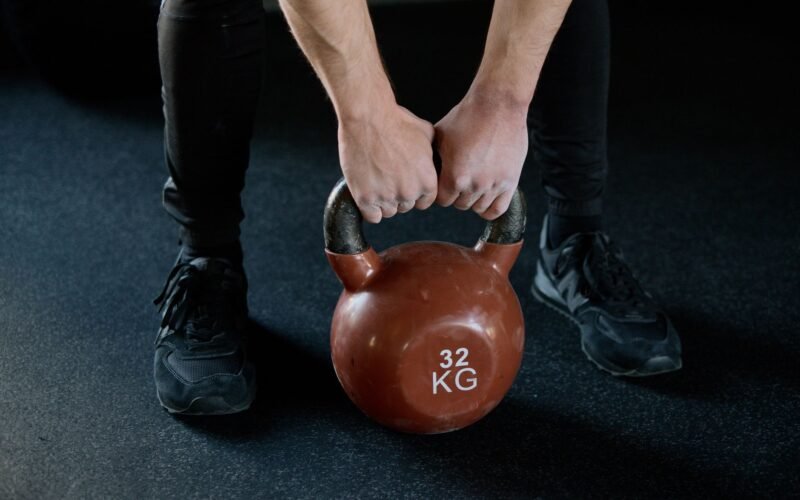
Kettlebells: Excellent for dynamic movements like swings (a powerful full-body exercise) and goblet squats, engaging core and posterior chain.
Jump Rope: While primarily cardio, short bursts between strength sets can add a metabolic conditioning element.
Sample Strength Workout Structure
A full-body strength workout done 2-3 times a week is highly effective. Aim for 3-4 sets of 8-15 repetitions for each exercise, with 60-90 seconds rest between sets. You can do this in a circuit format (moving from one exercise to the next with minimal rest, then resting after completing all exercises in the circuit) or straight sets (completing all sets of one exercise before moving to the next).
Example Full-Body Circuit (repeat 3-4 times with 2-3 minutes rest between circuits):
10-15 Bodyweight Squats
8-12 Push-ups (on knees or full)
10-12 Lunges per leg
30-60 seconds Plank
15-20 Glute Bridges
10-15 Triceps Dips (chair)
Category 3: Cardio Exercises for Sustained Fat Burning
While HIIT offers intense, short bursts of calorie burning, and strength training builds your metabolic engine, steady-state cardio still holds a valuable place in a comprehensive fat-burning regimen. It’s often overlooked in the hype of HIIT, but its benefits are distinct and complementary. Including cardio exercises is an important component of the best exercises to burn fat at home.
The Role of Steady-State Cardio
Steady-state cardio involves maintaining a moderate intensity for a prolonged period, typically 30 minutes or more. During these sessions, your body primarily relies on oxygen to break down fats for fuel, making it an excellent way to directly burn fat during the workout. Its benefits extend beyond immediate calorie expenditure:
- Cardiovascular Health: It strengthens your heart and lungs, improving endurance and overall cardiovascular fitness.
- Stamina and Endurance: Regular cardio builds your stamina, allowing you to perform better in your HIIT and strength workouts.
- Stress Reduction: The rhythmic, repetitive nature of cardio can be meditative and a great way to relieve stress, which is crucial for fat loss (as chronic stress can elevate cortisol, promoting fat storage).
- Active Recovery: Lower-intensity cardio can serve as an active recovery day, promoting blood flow to muscles and aiding in soreness reduction without overtaxing your system.
Effective At-Home Cardio Options
You don’t need a treadmill or elliptical to get your heart rate up at home. Many effective cardio options require no equipment at all.
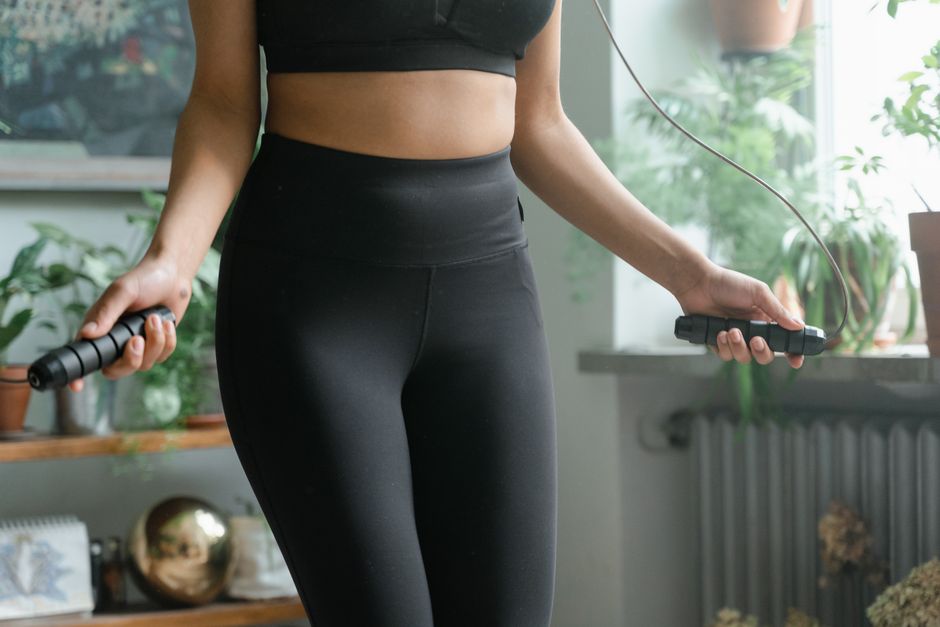
Jumping Rope: This is an incredibly efficient and fun cardio exercise. A jump rope is inexpensive and provides a full-body workout that improves coordination, agility, and cardiovascular endurance. Start with basic jumps, then progress to variations like high knees, criss-cross, or single-leg jumps. Even 10-15 minutes can be a significant calorie burner.
Dancing (Freestyle, Follow-Along Videos): Put on your favorite upbeat music and just move! Dancing is a fantastic way to burn calories, improve coordination, and uplift your mood. There are countless free dance fitness videos on platforms like YouTube (Zumba, hip-hop, aerobics) that you can follow along with, making it an engaging and enjoyable workout.
Stair Climbing (if available): If you have stairs in your home or apartment building, they are a phenomenal cardio tool. Walking or running up and down stairs elevates your heart rate quickly and effectively targets your glutes and leg muscles. Start with walking up and down for 15-20 minutes, then gradually increase speed or duration.
Marching/Jogging in Place: Don’t underestimate the power of simple movement. Marching or jogging in place with high knees and arm pumps for 30-45 minutes can significantly raise your heart rate and burn calories. You can vary the intensity by incorporating butt kicks or side shuffles.
Active “Workout Videos” (Zumba, Aerobics, Step): Beyond dance, there are many structured aerobics or step workout videos available online. These guided sessions provide a comprehensive cardio workout, often incorporating elements of strength and flexibility, and are designed to keep you engaged and moving.
How to Integrate Cardio into Your Routine
You can integrate steady-state cardio in several ways:
- Stand-Alone Sessions: Dedicate 2-3 days a week to 30-60 minutes of steady-state cardio.
- Warm-ups/Cool-downs: Use 5-10 minutes of light cardio (like marching in place or light jumping jacks) as part of your warm-up or cool-down for other workouts.
- Active Recovery: On your rest days from strength or HIIT, engage in a low-intensity cardio session to aid recovery and keep your body moving.
- Workout Finishers: End a strength training session with 10-15 minutes of jump rope or high knees for an extra metabolic boost.
The key is to find cardio activities you enjoy, as this will significantly increase your adherence and consistency.
Category 4: Flexibility and Core Stability for Overall Health
While often not directly associated with “fat burning” in the same way as HIIT or strength training, flexibility and core stability are indispensable components of a holistic fitness plan. Neglecting these areas can lead to injuries, hinder performance in your fat-burning workouts, and even impede your ability to move efficiently in daily life. Incorporating these elements ensures you can consistently perform the best exercises to burn fat at home without setbacks.
Why Flexibility and Core Matter
Think of your body as a complex machine. If some parts are stiff or unstable, the entire machine operates less efficiently and is more prone to breakdown. Flexibility and core stability address these crucial aspects:
- Injury Prevention: A flexible body with a strong core is less susceptible to strains, sprains, and imbalances. When muscles are tight, they can pull on joints, leading to pain and injury. A strong core acts as a natural brace, protecting your spine during all movements.
- Improved Exercise Performance: Greater range of motion allows you to perform exercises like squats and lunges with better depth and form, maximizing their effectiveness. A stable core provides a powerful foundation for all strength and power movements.
- Better Posture: Strong core muscles help maintain proper spinal alignment, reducing back pain and improving your overall posture. Good posture also makes you look taller and more confident.
- Enhanced Recovery: Stretching after workouts can help reduce muscle soreness and promote blood flow, aiding in the recovery process.
- Mind-Body Connection: Practices like yoga and Pilates, which focus on flexibility and core, also enhance body awareness and reduce stress, contributing to overall well-being.
At-Home Flexibility and Core Exercises
These exercises can be incorporated into your warm-up, cool-down, or as dedicated sessions.
Yoga Poses: Many yoga poses are excellent for both flexibility and core strength. Examples include:
- Cat-Cow: Improves spinal mobility. Start on hands and knees, arch your back on the inhale (cow), and round it on the exhale (cat).
- Downward-Facing Dog: Stretches hamstrings, calves, and lengthens the spine. Forms an inverted V-shape.
- Warrior Poses (I, II, III): Builds leg strength, opens hips, and improves balance and core stability.
- Child’s Pose: A gentle restorative pose for stretching the back and hips.
Pilates: Focuses on core strength, flexibility, and controlled movements. Key exercises include:
- The Hundred: Lie on your back, lift head and shoulders, legs at 90 degrees or extended. Pump arms vigorously while taking five short inhales and five short exhales.
- Roll-Ups: A controlled movement to articulate the spine, strengthening the core. Lie flat, arms overhead, slowly roll up to a seated position, then slowly roll back down.
- Leg Lifts: Lie on your back, hands under glutes. Keep legs straight, lift them to 90 degrees, then slowly lower without arching your back.
Basic Stretches: Hold each stretch for 20-30 seconds, breathing deeply.
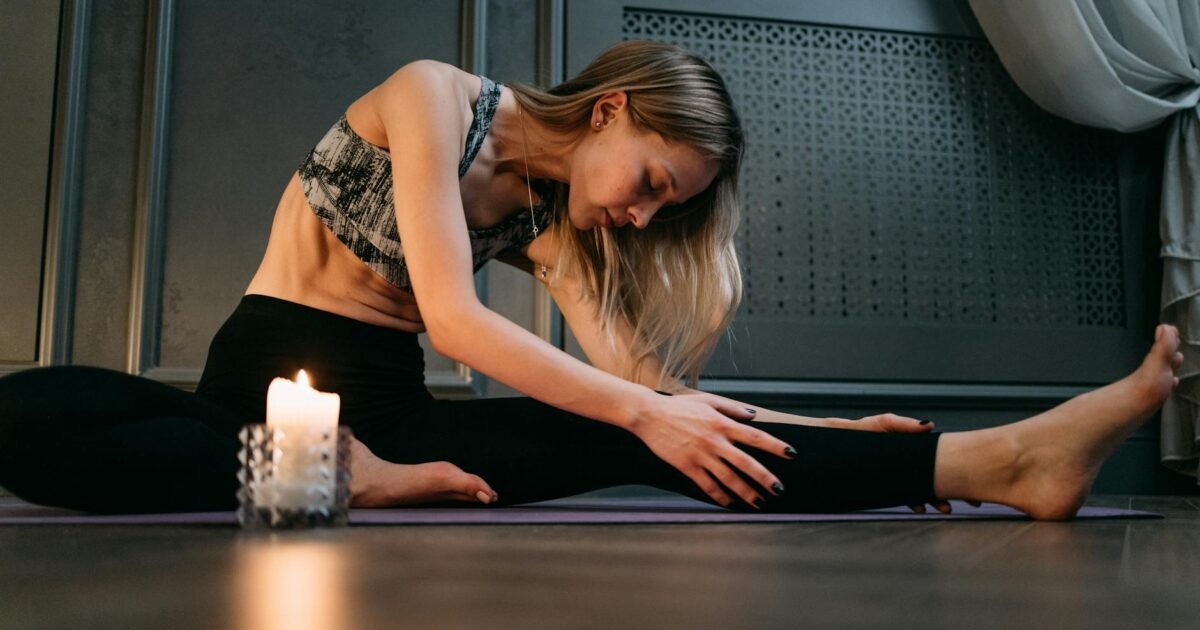
- Hamstring Stretch: Sit with one leg extended, reach for your toes.
- Quad Stretch: Stand, grab one ankle, and pull your heel towards your glute.
- Triceps Stretch: Reach one arm overhead, bend the elbow, and gently pull the elbow with the opposite hand.
- Shoulder Stretch: Cross one arm across your chest and gently pull with the opposite hand.
- Pigeon Pose (Yoga): Deep hip opener.
Dedicated Core Exercises:
- Dead Bug: Lie on your back, knees bent, arms extended. Slowly lower opposite arm and leg towards the floor without arching your back. Excellent for anti-extension core stability.
- Bird-Dog: Start on hands and knees. Extend opposite arm and leg simultaneously, keeping your core stable and hips level. Great for spinal stability and balance.
- Russian Twists: Sit on the floor, knees bent, feet lifted (optional). Lean back slightly, engage core, and twist torso side to side, touching hands to the floor.
Aim to include 10-15 minutes of flexibility and core work after your main workouts, or dedicate 1-2 separate sessions per week.
Designing Your Ultimate At-Home Fat Burning Workout Plan
Now that you have an arsenal of the best exercises to burn fat at home, it’s time to put it all together into a cohesive and effective plan. A well-structured plan ensures progressive overload, balanced training, and avoids overtraining or injury.
Key Considerations for Your Plan
Before mapping out your week, consider these factors:
- Your Current Fitness Level: Be honest with yourself. Are
Photo by Ivan S on Pexels