Meal Planning for Weight Loss: Your Expert Guide to Sustainable Results
Welcome to GetLeanPulse.com, your trusted resource for achieving your health and fitness goals. Today, we’re diving deep into one of the most powerful, yet often misunderstood, tools in your weight loss arsenal: meal planning. If you’ve ever felt overwhelmed by dietary choices, struggled with consistent healthy eating, or found yourself derailed by last-minute unhealthy options, then this comprehensive guide is for you.
Meal planning is more than just deciding what to eat; it’s a strategic approach to nutrition that empowers you to take control of your diet, optimize your health, and accelerate your weight loss journey. It transforms vague intentions into concrete actions, paving the way for sustainable results and a healthier, happier you. By the end of this article, you’ll have a step-by-step framework to create a meal plan that works for your unique lifestyle and goals, backed by expert insights and practical tips.
Why Meal Planning is Your Weight Loss Superpower
Before we delve into the “how,” let’s solidify the “why.” Understanding the profound benefits of meal planning will fuel your motivation and commitment. While the concept might seem daunting at first, the returns on your investment of time and effort are immense.
1. Ensures Calorie Deficit (The Golden Rule of Weight Loss)
At its core, weight loss boils down to consuming fewer calories than your body expends – a calorie deficit. Meal planning makes this fundamental principle manageable. By pre-determining your meals and portion sizes, you can accurately track your calorie intake and ensure you consistently stay within your target deficit, eliminating guesswork and accidental overeating.
2. Promotes Consistent Healthy Eating
Spontaneity often leads to poor food choices. When hunger strikes and you haven’t planned, the easiest and fastest options are rarely the healthiest. Meal planning removes this decision fatigue, providing a clear roadmap for every meal, every day. This consistency builds healthy habits and prevents impulsive detours to the drive-thru or snack aisle.
3. Saves Time and Reduces Stress
While the initial setup of meal planning takes time, it’s an investment that pays dividends throughout your week. Imagine: no more frantic “what’s for dinner?” debates, no more last-minute grocery runs, and significantly less cooking time daily. Batch cooking allows you to prepare multiple meals in one session, freeing up precious hours during busy weekdays. This reduction in food-related stress also contributes to better overall well-being, which indirectly supports weight loss.
4. Saves Money
Eating out, ordering takeout, and making impulse purchases at the grocery store add up quickly. Meal planning helps you create a precise grocery list, minimizing waste and preventing you from buying unnecessary items. You’ll be surprised how much money you save when you stick to a plan and cook at home.
5. Optimizes Nutrient Intake
Weight loss isn’t just about calories; it’s also about nourishing your body with the right nutrients. A well-designed meal plan ensures you incorporate a balance of macronutrients (protein, carbohydrates, healthy fats) and essential micronutrients (vitamins, minerals) from whole, unprocessed foods. This not only supports your physical health but also helps control hunger and cravings.
6. Increases Awareness and Accountability
The act of planning itself forces you to become more mindful of your eating habits. You’ll gain a deeper understanding of what you’re consuming, how different foods affect you, and where potential pitfalls lie. This heightened awareness fosters a sense of accountability, making it easier to stick to your goals.
Understanding the Core Principles of Weight Loss Nutrition
Before you even think about recipes, it’s crucial to grasp the foundational nutritional concepts that underpin successful weight loss. Without this understanding, your meal plan might lack efficacy.
The Calorie Deficit: Your Non-Negotiable Starting Point
We’ve mentioned it, and we’ll mention it again because it’s that important. To lose weight, you must consistently consume fewer calories than your body burns. Your body needs a certain amount of energy (calories) to perform basic functions (breathing, circulation) and to fuel physical activity. When you provide less energy than it needs, your body taps into its stored energy reserves – primarily fat – leading to weight loss.
Macronutrients: The Big Three
Macronutrients are the nutrients your body needs in large amounts for energy, growth, and repair. Understanding their roles is key to balancing your meals for satiety and muscle preservation.
- Protein: The cornerstone of a weight loss diet. Protein is highly satiating, meaning it keeps you feeling full longer, reducing the likelihood of overeating. It also helps preserve lean muscle mass during a calorie deficit, which is vital because muscle burns more calories at rest than fat. Aim for lean sources like chicken breast, turkey, fish, eggs, Greek yogurt, tofu, and legumes.
- Carbohydrates: Your body’s primary energy source. Not all carbs are created equal. Focus on complex carbohydrates (whole grains, fruits, vegetables, legumes) which are rich in fiber. Fiber promotes satiety, aids digestion, and helps regulate blood sugar levels, preventing energy crashes and subsequent cravings. Limit refined carbohydrates (white bread, sugary drinks, pastries) which offer little nutritional value and can spike blood sugar.
- Fats: Essential for hormone production, nutrient absorption, and providing sustained energy. While calorie-dense, healthy fats (avocado, nuts, seeds, olive oil, fatty fish) are crucial for overall health and can contribute to satiety. Portion control is key here due to their high caloric content.
Micronutrients: The Unsung Heroes
Vitamins and minerals, though needed in smaller quantities, are vital for countless bodily functions, including metabolism. A diet rich in whole foods – fruits, vegetables, lean proteins, and whole grains – will naturally provide a broad spectrum of micronutrients. Don’t let your calorie deficit compromise your micronutrient intake; prioritize nutrient-dense foods.
Hydration: Often Overlooked, Always Important
Water is essential for nearly every bodily process, including metabolism and fat burning. It also helps with satiety and can sometimes be mistaken for hunger. Aim to drink plenty of water throughout the day. Keep a water bottle handy and make it a habit to drink a glass before each meal.
Phase 1: Setting Up for Success – Self-Assessment & Goal Setting
The foundation of any successful meal plan is a clear understanding of where you are now and where you want to go. This initial phase is about introspection and setting realistic expectations.
1. Assess Your Current Eating Habits
Before you change anything, understand what you’re currently doing. For 3-5 days, keep a detailed food journal. Record everything you eat and drink, including portion sizes, time of day, and even your mood or hunger level. This isn’t about judgment; it’s about awareness. You might uncover patterns, hidden calorie sources (like sugary drinks or excessive snacking), or emotional eating triggers.
2. Define Realistic Weight Loss Goals
Sustainable weight loss is typically 1-2 pounds per week. Aim for specific, measurable, achievable, relevant, and time-bound (SMART) goals. Instead of “I want to lose weight,” try “I want to lose 10 pounds in 8 weeks.” This gives you a clear target and timeline.
3. Calculate Your Total Daily Energy Expenditure (TDEE) and Target Calorie Deficit
This is where science meets strategy. Your TDEE is the estimated number of calories your body burns in a day, considering your basal metabolic rate (BMR) and activity level.
- Calculate your Basal Metabolic Rate (BMR): This is the number of calories your body burns at rest.
- Mifflin-St Jeor Equation (more accurate for most):
- Men: (10 × weight in kg) + (6.25 × height in cm) – (5 × age in years) + 5
- Women: (10 × weight in kg) + (6.25 × height in cm) – (5 × age in years) – 161
- Online calculators are widely available and can simplify this step.
- Mifflin-St Jeor Equation (more accurate for most):
- Apply your Activity Factor to find your TDEE:
- Sedentary (little to no exercise): BMR x 1.2
- Lightly active (light exercise/sports 1-3 days/week): BMR x 1.375
- Moderately active (moderate exercise/sports 3-5 days/week): BMR x 1.55
- Very active (hard exercise/sports 6-7 days/week): BMR x 1.725
- Extra active (very hard exercise/physical job/training twice a day): BMR x 1.9
- Determine your Calorie Deficit: To lose 1 pound of fat, you need a deficit of approximately 3,500 calories. A safe and sustainable deficit for 1-2 pounds of weight loss per week is 500-1000 calories per day.
- Target Daily Calories = TDEE – (500 to 1000 calories)
Example: A moderately active woman with a TDEE of 2000 calories who wants to lose 1 pound per week would aim for 1500 calories per day (2000 – 500 = 1500).
4. Consider Dietary Preferences and Restrictions
Your meal plan must be enjoyable and sustainable. Factor in any allergies, intolerances (e.g., lactose, gluten), ethical choices (vegetarian, vegan), or strong dislikes. Forcing yourself to eat foods you despise is a recipe for failure.
5. Assess Your Time Availability
Be realistic about how much time you can dedicate to grocery shopping, cooking, and meal prepping. If you have limited time, your plan might lean heavily on batch cooking, simple recipes, and pre-cut ingredients. If you enjoy cooking, you might explore more complex options.
Phase 2: Building Your Toolkit – Essential Resources
Having the right tools and pantry staples can make meal planning significantly easier and more enjoyable.
1. Essential Kitchen Tools
- Food Scale: Crucial for accurate portion control, especially when you’re starting.
- Measuring Cups and Spoons: For liquids and dry ingredients.
- High-Quality Food Storage Containers: Airtight, microwave-safe, and dishwasher-safe for meal prepping. Glass containers are excellent for reheating.
- Large Pots and Pans: For batch cooking. A large sheet pan, a big soup pot, and a non-stick skillet are staples.
- Cutting Boards and Sharp Knives: Makes food prep safer and faster.
- Blender/Food Processor: For smoothies, sauces, and chopping veggies quickly.
- Slow Cooker/Instant Pot (Optional but Recommended): Excellent for hands-off cooking and batch meals.
2. Pantry Staples for Healthy Eating
Stocking your pantry with foundational ingredients ensures you always have options for healthy meals, even when fresh supplies run low.
- Grains: Quinoa, brown rice, oats (rolled or steel-cut), whole-wheat pasta, whole-wheat bread/wraps.
- Legumes: Canned beans (black, kidney, chickpeas), lentils (dried or canned).
- Canned Goods: Diced tomatoes, tomato paste, tuna in water, salmon, low-sodium broths.
- Healthy Fats: Olive oil, avocado oil, nuts (almonds, walnuts), seeds (chia, flax, hemp), natural nut butters.
- Spices and Herbs: A diverse collection can transform simple ingredients into flavorful meals without adding extra calories.
- Vinegars and Sauces: Apple cider vinegar, balsamic vinegar, soy sauce (low sodium), hot sauce, mustard.
- Frozen Produce: Berries, mixed vegetables (broccoli, spinach, mixed greens) are excellent for smoothies, stir-fries, and quick side dishes.
3. Recipe Resources
Don’t reinvent the wheel. Leverage existing recipes and adapt them to your needs.
- Healthy Cookbooks: Invest in a few that align with your dietary preferences.
- Online Food Blogs & Websites: Many offer free, healthy, and meal-prep-friendly recipes. Look for “healthy meal prep recipes” or “low-calorie meals.”
- Apps: MyFitnessPal, Lose It!, and similar apps often have recipe databases or allow you to import recipes and calculate macros.
Phase 3: Crafting Your Plan – A Step-by-Step Guide
Now for the exciting part: putting it all together. This detailed, step-by-step process will guide you from theory to a tangible meal plan.
Step 1: Determine Your Calorie Needs & Macro Goals
You’ve already calculated your target daily calories from Phase 1. Now, let’s break down those calories into macronutrients. While there’s no one-size-fits-all ratio, a common starting point for weight loss is:
- Protein: 25-35% of total calories (aim for 0.7-1g per pound of target body weight)
- Fats: 20-30% of total calories
- Carbohydrates: 35-50% of total calories
Calories per gram:
- Protein: 4 calories/gram
- Carbohydrates: 4 calories/gram
- Fats: 9 calories/gram
Example for a 1500-calorie diet:
- Protein (30%): 1500 * 0.30 = 450 calories / 4 = 112.5 grams
- Fats (25%): 1500 * 0.25 = 375 calories / 9 = 41.7 grams
- Carbohydrates (45%): 1500 * 0.45 = 675 calories / 4 = 168.75 grams
Don’t get too bogged down by precision initially. Focus on hitting your calorie target and prioritizing protein, then adjust your carbs and fats based on how you feel and your energy levels.
Step 2: Choose Your Meals & Recipes
This is where your creativity comes into play. Focus on whole, unprocessed foods that you enjoy and that align with your macro goals.
- Brainstorm Core Components:
- Lean Protein Sources: Chicken breast, turkey, fish (salmon, cod, tuna), eggs, Greek yogurt, cottage cheese, tofu, tempeh, lentils, beans.
- Complex Carbohydrates: Brown rice, quinoa, sweet potatoes, oats, whole-wheat pasta, whole-grain bread, fruits.
- Healthy Fats: Avocado, nuts, seeds, olive oil, fatty fish.
- Non-Starchy Vegetables: Broccoli, spinach, kale, bell peppers, zucchini, green beans, carrots (eat these abundantly!).
- Select 3-5 Breakfasts, Lunches, Dinners, and Snacks for the Week:
- Breakfast Ideas: Oatmeal with berries and nuts, Greek yogurt with fruit, scrambled eggs with spinach, whole-wheat toast with avocado.
- Lunch Ideas: Large salad with grilled chicken/chickpeas, leftover dinner, turkey and veggie wrap, lentil soup.
- Dinner Ideas: Baked salmon with roasted vegetables and quinoa, chicken stir-fry with brown rice, turkey chili, lean ground beef with sweet potato and green beans.
- Snack Ideas: Apple with peanut butter, handful of almonds, hard-boiled egg, veggie sticks with hummus, protein shake.
- Prioritize Batch Cooking & Simplicity: Look for recipes that can be easily doubled or tripled and stored. Sheet pan meals, big batches of chili or soup, roasted chicken, and cooked grains are excellent for this. Don’t overcomplicate it – simple, flavorful meals are often the most sustainable.
- Ensure Variety (But Not Too Much): Eating the same thing every day can lead to boredom and nutrient deficiencies. Aim for a good mix of proteins, carbs, and fats across your week, but don’t feel pressured to have 21 unique meals. Repeating a few favorites is perfectly fine, especially for lunch.
Step 3: Create a Weekly Schedule
Map out your chosen meals onto a calendar or a dedicated meal planning template. This visual representation helps you see your week at a glance.
- Structure: Assign specific meals to specific days. For example, “Monday: Baked Chicken & Veggies for Dinner, Tuesday: Leftover Chicken & Veggies for Lunch.”
- Flexibility: While having a plan is key, allow for some flexibility. Maybe Friday night is “eat out” night, or you swap a meal if your cravings change. The goal is adherence, not perfection.
- Snacks: Don’t forget to schedule in healthy snacks if you need them to bridge gaps between meals and prevent extreme hunger.
- Portioning: Next to each meal, jot down the approximate portion size or calorie count to ensure you stay on track.
Step 4: Make Your Grocery List
Once your weekly meal schedule is complete, compile a detailed grocery list. This step is critical for efficiency and preventing impulse buys.
- Check Your Pantry First: Before listing an item, see if you already have it. This reduces waste and saves money.
- Organize by Store Section: Group items by category (produce, dairy, meat, frozen, pantry) to make your shopping trip faster and more efficient.
- Be Specific: Instead of “chicken,” write “2 lbs boneless, skinless chicken breast.” Instead of “vegetables,” write “1 head broccoli, 2 bell peppers, 1 bag spinach.”
Step 5: Prep & Cook
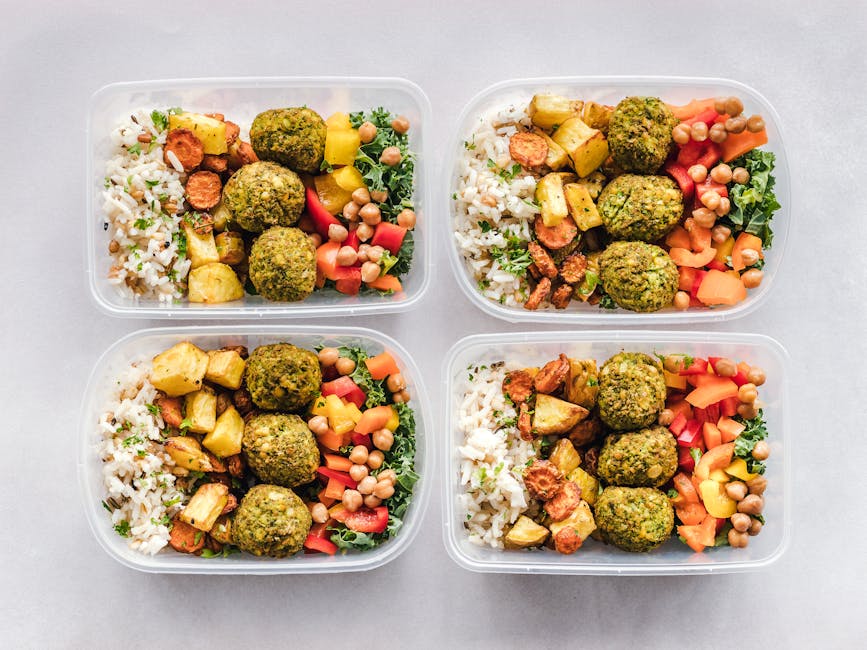
Meal prep day (often Sunday) is where your planning comes to life. Dedicate a few hours to prepare components or entire meals for the week ahead.
- Wash and Chop Produce: Wash all fruits and vegetables, chop onions, peppers, carrots, etc., and store them in airtight containers.
- Cook Grains: Prepare a large batch of quinoa, brown rice, or farro.
- Cook Proteins: Bake chicken breasts, grill fish, hard-boil eggs, or cook a large batch of ground turkey/beef.
- Prepare Dressings/Sauces: Make your own healthy vinaigrettes or sauces to avoid hidden sugars and unhealthy fats.
- Assemble Meals: For grab-and-go lunches, portion out complete meals into individual containers. For dinners, you might just prep components that can be quickly assembled.
- Proper Storage: Store cooked food in airtight containers in the refrigerator for up to 3-4 days. Some items can be frozen for longer periods (e.g., soups, stews, cooked grains). Always label and date your containers.
Step 6: Track & Adjust
Meal planning isn’t a set-it-and-forget-it process. It requires ongoing monitoring and adaptation.
- Track Your Intake: Use a food tracking app (like MyFitnessPal, Lose It!, Cronometer) to log your meals, especially in the beginning. This provides invaluable data on your actual calorie and macro intake and helps you identify areas for adjustment.
- Monitor Your Progress: Weigh yourself once a week (at the same time, under the same conditions) and take measurements. Don’t obsess over daily fluctuations; look for trends over weeks.
- Listen to Your Body: Are you consistently hungry? Are you feeling sluggish? Are your energy levels good? Your body provides feedback.
- Troubleshoot Plateaus: If weight loss stalls for 2-3 weeks, re-evaluate your calorie intake. You might need to slightly reduce calories, increase your activity level, or adjust your macro ratios. Sometimes, simply being more diligent with tracking can reveal hidden calories.
- Adapt and Evolve: Your needs and preferences may change over time. Don’t be afraid to adjust your meal plan, try new recipes, or incorporate new strategies as you progress.

Advanced Meal Planning Strategies for Enhanced Results
Once you’ve mastered the basics, consider incorporating these strategies to further optimize your weight loss journey and make meal planning even more effective.
1. Incorporating Intermittent Fasting (IF)
Intermittent Fasting involves cycling between periods of eating and fasting. Common methods include 16/8 (16 hours fasting, 8 hours eating window) or 5:2 (eating normally for 5 days, restricting calories for 2 non-consecutive days). Meal planning becomes even more critical with IF, as you need to ensure you hit your nutritional and calorie targets within a shorter eating window. Plan nutrient-dense, satisfying meals to avoid overeating after your fast.
2. Meal Prepping for Specific Dietary Needs
Whether you’re exploring ketogenic, paleo, vegetarian, or vegan diets, meal planning is essential.
- Keto/Low-Carb: Focus on high-fat, moderate-protein, very low-carb meals. Prep healthy fats (avocado, nuts), lean proteins, and non-starchy vegetables.
- Vegetarian/Vegan: Ensure adequate protein intake from plant-based sources like lentils, beans, tofu, tempeh, quinoa, and nuts. Plan diverse meals to cover all essential amino acids.
The principles remain the same: calculate macros, choose appropriate recipes, and prep efficiently.
3. Handling Social Events and Eating Out
Life happens, and you won’t always eat at home. Meal planning can help you navigate these situations:
- Research Menus: Look up restaurant menus online beforehand and choose healthier options (e.g., grilled protein, extra veggies, dressing on the side).
- Portion Control: Ask for a to-go box at the beginning of the meal and immediately pack away half your plate.
- Smart Choices: Opt for water over sugary drinks or alcohol. Limit appetizers and desserts.
- Adjust Other Meals: If you know you’ll have a higher-calorie meal out, plan lighter meals for the rest of the day to balance your intake.
4. Mastering Portion Control
Even healthy foods can lead to weight gain if consumed in excess.
- Use a Food Scale: Especially for calorie-dense items like nuts, oils, and grains.
- Visual Cues: Learn to estimate portion sizes using your hand (e.g., a deck of cards for protein, a cupped hand for carbs, a thumb for fat).
- Smaller Plates: Using smaller plates can visually make portions seem larger, aiding satisfaction.
5. Understanding Food Labels
Become an expert label reader. Pay attention to:
- Serving Size: All nutritional information is based on this.
- Calories: Per serving.
- Macronutrients: Especially protein, fiber (a type of carb), and saturated/trans fats.
- Ingredients List: Look for whole, recognizable ingredients. Be wary of long lists with unpronounceable chemicals, added sugars, and unhealthy oils.
6. Dealing with Cravings and Hunger
Meal planning helps, but cravings can still strike.
- Hydrate: Drink a large glass of water first; sometimes thirst masquerades as hunger.
- Fiber and Protein: Ensure your meals are rich in these to maximize satiety.
- Scheduled Snacks: Incorporate healthy, planned snacks to prevent extreme hunger.
- Healthy Substitutions: Have go-to healthy alternatives for common cravings (e.g., fruit for sweets, air-popped popcorn for chips).
- Mindful Eating: When you do eat, eat slowly, savor your food, and pay attention to your body’s hunger and fullness cues.
Common Pitfalls and How to Avoid Them
Even with the best intentions, challenges can arise. Being aware of common pitfalls can help you navigate them effectively.
1. Too Restrictive Plans
If your meal plan is overly rigid, eliminates entire food groups unnecessarily, or forces you to eat foods you dislike, it’s unsustainable. This can lead to feelings of deprivation, binge eating, and ultimately, giving up.
Solution: Focus on flexibility, variety, and incorporating foods you enjoy within your calorie and macro goals. Allow for occasional treats in moderation.
2. Lack of Variety
Eating the same bland meals day after day is a fast track to boredom and diet fatigue.
Solution: Rotate through a repertoire of 5-7 healthy recipes. Experiment with different spices, herbs, and cooking methods. Incorporate a wide range of colorful vegetables and fruits.
3. Ignoring Hunger Cues or Extreme Calorie Restriction
Starving yourself is counterproductive. Extreme calorie deficits slow metabolism, cause muscle loss, and are unsustainable. Ignoring true hunger can lead to rebound overeating.
Solution: Ensure your calorie deficit is moderate (500-1000 calories below TDEE). Prioritize protein and fiber for satiety. If you’re genuinely hungry, opt for a planned, healthy snack.
4. Not Enough Protein or Fiber
These two macronutrients are crucial for satiety and muscle preservation during weight loss. A diet low in protein and fiber leaves you feeling hungry and can compromise muscle mass.
Solution: Consciously include a lean protein source at every meal and snack. Load up on non-starchy vegetables, fruits, and whole grains for fiber.
5. Giving Up Too Soon or Expecting Instant Results
Weight loss is a journey, not a sprint. There will be good days and bad days, progress and plateaus.
Solution: Focus on consistency over perfection. Celebrate small victories. Understand that plateaus are normal; re-evaluate your plan, stay patient, and keep going.
6. Underestimating Hidden Calories
Liquid calories (soda, juice, fancy coffee drinks, alcohol), cooking oils, dressings, and condiments can quickly add hundreds of unplanned calories.
Solution: Track all liquids and condiments. Measure cooking oils and dressings. Opt for water, unsweetened tea/coffee, and make your own healthy dressings.
7. Poor Time Management for Prep
Skipping meal prep day can derail your entire week’s plan.
Solution: Schedule your meal prep time like any other important appointment. Start with simple batch cooking tasks if you’re new to it. Even an hour of prep can make a huge difference.
Maintaining Weight Loss with Meal Planning
Achieving your goal weight is a fantastic accomplishment, but the journey doesn’t end there. Maintaining weight loss is often the harder part, and meal planning continues to be an invaluable tool.
1. Transitioning from Deficit to Maintenance
Once you reach your goal, gradually increase your calorie intake back to your estimated TDEE. Do this slowly (e.g., add 100-200 calories per week) to avoid rapid weight gain and allow your body to adjust. Continue to focus on nutrient-dense foods, but you’ll have more flexibility with portion sizes.
2. Long-
Photo by Kampus Production on Pexels