Omega-3 Foods: Your Secret Weapon for Sustainable Weight Loss and Enhanced Health
Are you striving for a leaner, healthier physique? The journey to sustainable weight loss often feels complex, bombarded with conflicting advice and fleeting trends. But what if one of nature’s most powerful nutrients held a significant key to unlocking your weight loss potential, all while boosting your overall health?
Enter omega-3 fatty acids. Far from being just another buzzword, these essential fats are gaining immense scientific recognition for their profound impact on metabolism, fat burning, appetite regulation, and even your mood – all critical factors in achieving and maintaining a healthy weight. At GetLeanPulse.com, we believe in empowering you with evidence-based strategies, and the integration of omega-3 rich foods into your diet is a cornerstone of this philosophy.
In this comprehensive guide, we’ll dive deep into the world of omega-3s, exploring the science behind their weight loss benefits, identifying the best food sources, and providing practical tips to seamlessly incorporate them into your daily routine. Prepare to discover how these extraordinary fats can not only help you shed unwanted pounds but also lay the foundation for a vibrant, energetic life.
Understanding Omega-3 Fatty Acids: The Essential Fats Your Body Craves
Before we explore their weight loss prowess, let’s establish a foundational understanding of what omega-3 fatty acids truly are. Omega-3s are a group of polyunsaturated fatty acids (PUFAs) that are absolutely essential for human health. The term “essential” here is crucial: it means your body cannot produce them on its own, so you must obtain them through your diet.
There are three primary types of omega-3s that are most relevant to human nutrition:
- Eicosapentaenoic Acid (EPA): Primarily found in fatty fish and seafood, EPA is renowned for its powerful anti-inflammatory properties and its role in cardiovascular health.
- Docosahexaenoic Acid (DHA): Also abundant in fatty fish, DHA is a critical structural component of cell membranes, particularly in the brain, eyes, and nervous system. It plays a vital role in cognitive function and visual health.
- Alpha-Linolenic Acid (ALA): This is the plant-based omega-3, found in foods like flaxseeds, chia seeds, and walnuts. ALA is considered the “parent” omega-3, meaning your body can convert a small portion of it into EPA and DHA. However, this conversion process is often inefficient, particularly for DHA.
While all three are important, EPA and DHA are often highlighted for their direct and potent health benefits, especially when it comes to inflammation and brain health. For weight loss, their combined effects prove particularly advantageous.
The Science Behind Omega-3s and Weight Loss: A Multifaceted Approach
The link between omega-3 fatty acids and weight management is not simplistic. It’s a complex interplay of various physiological mechanisms that collectively contribute to a more efficient and sustainable fat loss journey. Let’s break down the key ways omega-3s can support your weight loss goals:
1. Boosting Metabolism and Enhancing Fat Burning (Lipolysis)
One of the most exciting aspects of omega-3s for weight loss is their potential to influence your metabolic rate and directly impact fat burning. Research suggests that EPA and DHA can stimulate a process called lipolysis, which is the breakdown of stored fats into fatty acids, making them available for energy. In simpler terms, omega-3s can help your body become more efficient at tapping into its fat reserves for fuel.
Furthermore, omega-3s have been shown to increase the activity of certain enzymes involved in fat oxidation within the mitochondria (the “powerhouses” of your cells). This means your body can burn fat more effectively for energy. Some studies also indicate that omega-3s may increase resting metabolic rate, meaning you burn more calories even when at rest. While the increase might be modest, consistent intake over time can contribute significantly to a caloric deficit.
2. Enhancing Satiety and Curbing Appetite
Controlling hunger and feeling satisfied after meals are cornerstones of successful weight loss. Omega-3s play a crucial role here by influencing hormones that regulate appetite. Studies have shown that consuming omega-3s can increase levels of cholecystokinin (CCK), a hormone produced in the gut that signals fullness and reduces appetite. They may also impact leptin, a hormone that regulates energy balance by inhibiting hunger.
By promoting a greater sense of satiety, omega-3s can help you naturally reduce your overall calorie intake without feeling deprived. This means fewer cravings, less mindless snacking, and greater control over your portion sizes – all vital for creating the necessary caloric deficit for weight loss.
3. Reducing Chronic Inflammation: A Hidden Culprit in Weight Gain
Chronic, low-grade inflammation is increasingly recognized as a major contributor to weight gain and obesity, often creating a vicious cycle. Inflammatory signals can disrupt normal hormonal function, leading to insulin resistance, increased fat storage, and difficulty losing weight. This is where omega-3s, particularly EPA, shine.
Omega-3s are powerful anti-inflammatory agents. They can reduce the production of pro-inflammatory molecules and promote the synthesis of anti-inflammatory compounds. By calming systemic inflammation, omega-3s help reset your body’s metabolic pathways, improve cellular function, and make it easier for your body to respond to weight loss efforts. This anti-inflammatory effect is not just beneficial for weight loss but also for preventing numerous chronic diseases.
4. Improving Insulin Sensitivity and Blood Sugar Regulation
Insulin is a hormone that regulates blood sugar and plays a critical role in fat storage. When your cells become resistant to insulin, your body has to produce more of it to get glucose into cells. High insulin levels can promote fat storage, especially around the abdomen, and make it harder to lose weight. Insulin resistance is also a precursor to type 2 diabetes.
Research suggests that omega-3s can significantly improve insulin sensitivity. By making your cells more responsive to insulin, omega-3s help your body efficiently use glucose for energy rather than storing it as fat. This leads to more stable blood sugar levels, fewer energy crashes, and a reduced tendency for fat accumulation, especially in the abdominal region.
5. Supporting Muscle Mass Preservation During Weight Loss
When you lose weight, it’s crucial to lose fat, not muscle. Muscle tissue is metabolically active, meaning it burns more calories at rest than fat tissue. Losing muscle can slow down your metabolism, making future weight loss harder and increasing the risk of weight regain. Omega-3s may play a protective role here.
Studies indicate that omega-3s can help preserve muscle protein synthesis, even during periods of calorie restriction. This means they can help you maintain your precious muscle mass while shedding fat, ensuring that your metabolism remains robust and your body composition improves. This is particularly beneficial for individuals engaging in resistance training as part of their weight loss regimen.
6. Enhancing Mood and Reducing Emotional Eating
Weight loss isn’t just about diet and exercise; it’s deeply intertwined with mental and emotional well-being. Stress, anxiety, and depression can often lead to emotional eating, cravings for comfort foods, and a general lack of motivation, derailing even the best weight loss plans.
Omega-3 fatty acids, particularly DHA, are vital for brain health and function. They are crucial components of brain cell membranes and play a role in neurotransmitter production. Numerous studies have linked higher omega-3 intake to improved mood, reduced symptoms of depression and anxiety, and better stress management. By fostering a more balanced emotional state, omega-3s can help mitigate emotional eating patterns, making it easier to stick to a healthy eating plan and make mindful food choices.

7. Promoting Gut Health and a Healthy Microbiome
The trillions of bacteria residing in your gut, collectively known as the gut microbiome, have a profound impact on your weight, metabolism, and overall health. An imbalanced gut microbiome (dysbiosis) has been linked to inflammation, insulin resistance, and increased fat storage.
Emerging research suggests that omega-3s can positively influence the composition of the gut microbiome. They may promote the growth of beneficial bacteria, reduce gut inflammation, and strengthen the gut barrier. A healthier gut microbiome can lead to improved nutrient absorption, better metabolic function, and potentially a more favorable environment for weight loss.
8. Improving Sleep Quality
Often overlooked in weight loss discussions, sleep plays a monumental role. Poor sleep quality or insufficient sleep can disrupt hormones like ghrelin (hunger hormone) and leptin (satiety hormone), leading to increased appetite, cravings for unhealthy foods, and reduced willpower. It also increases cortisol levels, which can promote belly fat storage.
While more research is needed, some studies suggest a link between adequate omega-3 intake and improved sleep quality, particularly in children and adults with sleep disturbances. DHA, in particular, has been associated with higher levels of melatonin, the sleep hormone. By indirectly supporting better sleep, omega-3s can help regulate appetite, reduce stress, and optimize hormonal balance, all of which are conducive to successful weight management.
Top Omega-3 Rich Foods for Your Weight Loss Journey
Now that you understand the powerful benefits, let’s explore the best dietary sources to ensure you’re getting enough of these essential fats. Remember, a varied diet is key to obtaining a broad spectrum of nutrients.
A. EPA and DHA Sources (Animal-Based)
These are the most bioavailable forms of omega-3s, meaning your body can readily use them.
- Fatty Fish: This is the gold standard for EPA and DHA. Aim for 2-3 servings per week.
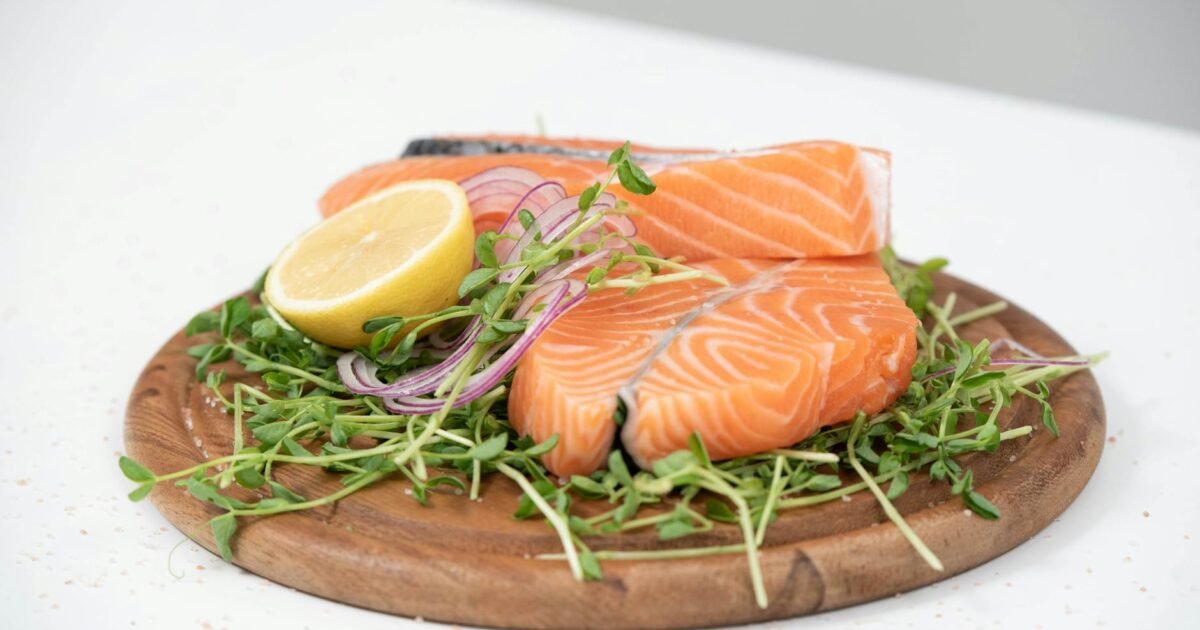
- Salmon: Wild-caught salmon is particularly rich. It’s also a fantastic source of high-quality protein, which aids satiety and muscle preservation.
- Mackerel: Small, fatty fish that are excellent sources and often lower in mercury.
- Sardines: Packed with omega-3s, calcium, and vitamin D. They’re versatile and can be added to salads, crackers, or pasta.
- Herring: Similar to sardines, herring is a great choice.
- Lake Trout: A freshwater fish that also offers significant omega-3s.
- Canned Tuna (Albacore or Light): While popular, be mindful of mercury levels, especially with albacore. Chunk light (skipjack) generally has lower mercury.
- Fish Oil Supplements: For those who don’t consume enough fish, high-quality fish oil supplements can be a convenient option. Look for reputable brands that provide EPA and DHA in triglyceride form and are third-party tested for purity and contaminants like mercury.
- Cod Liver Oil: In addition to omega-3s, cod liver oil is also rich in vitamins A and D.
- Omega-3 Fortified Eggs: Some chickens are fed flaxseed-enriched diets, resulting in eggs with higher ALA content, some of which may be converted to EPA/DHA. Check labels for specific omega-3 content.
B. ALA Sources (Plant-Based)
While the conversion to EPA and DHA is limited, ALA still offers its own health benefits and contributes to overall omega-3 intake.
- Flaxseeds (Ground): One of the richest plant sources of ALA. It’s crucial to consume flaxseeds ground (or flaxseed oil) because whole seeds can pass through your digestive system undigested, preventing nutrient absorption. Add to smoothies, oatmeal, yogurt, or baked goods.
- Chia Seeds: Another powerhouse of ALA, fiber, and protein. Chia seeds absorb liquid and form a gel, making them excellent for puddings, smoothies, or as an egg substitute in baking.
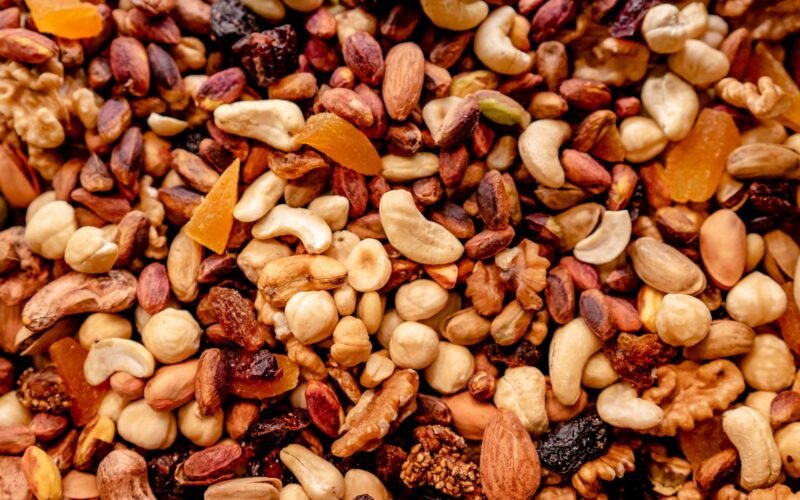
- Walnuts: These nuts are not only a good source of ALA but also provide healthy monounsaturated fats, protein, and antioxidants. Enjoy them as a snack, in salads, or as a topping for oatmeal.
- Hemp Seeds: Offer a balanced ratio of omega-3 to omega-6 fatty acids, along with protein and minerals. Sprinkle them on salads, soups, or blend into smoothies.
- Edamame (Soybeans): A complete protein and a decent source of ALA. Enjoy steamed as a snack or added to stir-fries.
- Algal Oil: For vegans and vegetarians, algal oil is a direct source of EPA and DHA, as algae are where fish get their omega-3s. This is an excellent supplement option for those avoiding animal products.
- Brussels Sprouts: Surprisingly, these cruciferous vegetables contain a small but notable amount of ALA.
- Canola Oil and Soybean Oil: While these contain ALA, they are often high in omega-6s, and it’s generally recommended to prioritize whole food sources and oils with a better omega-3 to omega-6 ratio.
How to Incorporate Omega-3 Foods into Your Diet for Optimal Weight Loss
Making omega-3s a regular part of your diet doesn’t have to be complicated. Here are some practical and delicious ways to boost your intake:
Meal Planning Strategies:
- Breakfast Boost: Add ground flaxseeds or chia seeds to your oatmeal, yogurt, or smoothie.
- Lunchtime Power-Up: Top your salad with grilled salmon, canned sardines, or a handful of walnuts.
- Dinner Delight: Make fatty fish like salmon or mackerel a staple for 2-3 dinners a week. Try baking, grilling, or pan-searing.
- Smart Snacking: Grab a handful of walnuts or a small portion of edamame instead of processed snacks.
- Vegan/Vegetarian Focus: Incorporate flaxseed oil into salad dressings, make chia seed pudding, and regularly consume walnuts and hemp seeds. Consider an algal oil supplement for direct EPA/DHA.
Cooking Tips:
- Gentle Cooking: Omega-3s are sensitive to high heat. Opt for baking, steaming, or poaching fish rather than deep-frying. When using flaxseed or chia seed oil, avoid high-heat cooking and use them in dressings or at the end of cooking.
- Flavor Pairings: Fatty fish pairs beautifully with lemon, herbs (dill, parsley), garlic, and vegetables.
- Hidden Omega-3s: Blend ground flaxseeds into meatballs, casseroles, or baked goods for an undetectable boost.
Portion Sizes:
- For fatty fish: Aim for a 3-4 ounce serving (about the size of a deck of cards) 2-3 times per week.
- For flaxseeds/chia seeds: 1-2 tablespoons per day.
- For walnuts: A small handful (about ¼ cup) daily.
Considering Supplements:
While whole foods are always the preferred source, supplements can be beneficial if your dietary intake of fatty fish is inconsistent or if you’re vegan/vegetarian. When choosing an omega-3 supplement:
- Look for EPA and DHA content: Check the label for the amount of actual EPA and DHA per serving, not just “fish oil.”
- Choose triglyceride form: This form is generally better absorbed.
- Third-party tested: Ensure the product is tested for purity, potency, and contaminants (like mercury, PCBs) by organizations like NSF International, USP, or IFOS.
- Avoid rancidity: Omega-3s are prone to oxidation. Store supplements in a cool, dark place and check for a fresh taste; a strong “fishy” burp might indicate rancidity.
- Consult your doctor: Especially if you are pregnant, breastfeeding, on blood thinners, or have any medical conditions, always talk to your healthcare provider before starting any new supplement.

Beyond Weight Loss: The Broader Health Benefits of Omega-3s
While our focus here is on weight loss, it’s vital to remember that omega-3s are powerhouse nutrients with a vast array of health benefits that extend far beyond shedding pounds. Incorporating them into your diet is an investment in your holistic well-being:
- Heart Health: Omega-3s are renowned for their ability to lower triglycerides, reduce blood pressure, decrease the risk of arrhythmias, and improve overall cardiovascular function.
- Brain Health and Cognitive Function: DHA is a major structural component of the brain. Omega-3s support memory, learning, and may help protect against age-related cognitive decline and neurodegenerative diseases.
- Eye Health: DHA is also a major structural component of the retina. Adequate intake is linked to a reduced risk of macular degeneration.
- Joint Health: Their anti-inflammatory properties can significantly reduce joint pain and stiffness, particularly in individuals with rheumatoid arthritis.
- Skin Health: Omega-3s contribute to skin barrier function, hydration, and can help manage conditions like acne and psoriasis.
- Mental Health: Beyond reducing emotional eating, omega-3s have been shown to play a role in managing symptoms of depression, anxiety, and other mood disorders.
- Bone Health: Some research suggests omega-3s may improve bone mineral density.
- Fetal Development: Crucial for the brain and eye development of babies during pregnancy and early life.
Navigating Potential Pitfalls and Considerations
While omega-3s are incredibly beneficial, a balanced perspective is essential. Here are some considerations:
- Mercury in Fish: Larger, longer-lived predatory fish (like swordfish, shark, king mackerel, tilefish) tend to accumulate more mercury. Opt for smaller, fattier fish like salmon, sardines, and mackerel, which are generally lower in mercury and higher in omega-3s.
- Omega-6 to Omega-3 Ratio: The modern Western diet is often skewed heavily towards omega-6 fatty acids (found in many vegetable oils like corn, soybean, sunflower oil) and too low in omega-3s. An imbalance can promote inflammation. Aim to reduce excessive omega-6 intake while increasing omega-3s for a healthier ratio.
- ALA Conversion Efficiency: Remember that the conversion of plant-based ALA to EPA and especially DHA is limited (often less than 10%). While ALA has its own benefits, vegans and vegetarians should consider algal oil supplements for direct DHA and EPA.
- Oxidation of Oils: Omega-3s are delicate and can oxidize (go rancid) when exposed to heat, light, or air. Store fish oils and plant-based omega-3 oils (like flaxseed oil) in opaque bottles, in the refrigerator, and consume them before their expiration date.
- Not a Magic Bullet: While powerful, omega-3s are not a standalone solution for weight loss. They are a crucial component of a holistic strategy that includes a balanced, whole-food diet, regular physical activity, adequate sleep, and stress management.
Debunking Common Omega-3 Myths for Weight Loss
Misinformation can hinder progress. Let’s clarify a few common myths:
- Myth: All fats are bad for weight loss.
Fact: Healthy fats, especially omega-3s, are essential! They promote satiety, support metabolism, and are vital for overall health. The type of fat matters more than just the quantity.
- Myth: You can just take a supplement and eat whatever you want.
Fact: Supplements are meant to supplement a healthy diet, not replace it. While beneficial, they work best in conjunction with a whole-food approach to nutrition.
- Myth: Plant-based omega-3s are just as good as fish oil.
Fact: Plant-based ALA is important, but its conversion to EPA and DHA is inefficient. For direct EPA and DHA benefits, fatty fish or algal oil are superior sources.
- Myth: More omega-3s always means more weight loss.
Fact: There’s an optimal range. Excessively high doses, especially from supplements, can have potential side effects and aren’t necessarily more effective for weight loss. Stick to recommended dietary intake and supplement guidelines.
Practical Strategies for Sustainable Weight Loss with Omega-3s
Integrating omega-3s into a broader lifestyle strategy will yield the best results for sustainable weight loss. Here’s how to combine their power with other key habits:
- Prioritize a Whole-Food Diet: Focus on nutrient-dense, unprocessed foods. This includes lean proteins, plenty of fruits and vegetables, complex carbohydrates, and, of course, your omega-3 rich foods. This approach naturally helps create a caloric deficit while providing essential nutrients.
- Embrace Regular Physical Activity: Combine cardiovascular exercise (like walking, jogging, cycling) with strength training. Exercise not only burns calories but also builds muscle, boosts metabolism, and improves insulin sensitivity – all synergizing with omega-3 benefits.
- Stay Hydrated: Drinking enough water is crucial for metabolism, satiety, and overall bodily functions. Sometimes thirst is mistaken for hunger.
- Practice Mindful Eating: Pay attention to your hunger and fullness cues. Eat slowly, savor your food, and avoid distractions. This helps you recognize satiety signals that omega-3s enhance.
- Ensure Adequate Sleep: Aim for 7-9 hours of quality sleep per night. As discussed, good sleep optimizes hormone balance and reduces cravings.
- Manage Stress Effectively: Chronic stress elevates cortisol, which can promote belly fat storage and emotional eating. Incorporate stress-reducing activities like meditation, yoga, deep breathing, or spending time in nature.
- Consistency is Key: Sustainable weight loss is a marathon, not a sprint. Consistency in your dietary choices, exercise routine, and lifestyle habits will lead to lasting results. Make omega-3 rich foods a regular, enjoyable part of your routine.
- Track Your Progress: Whether it’s weighing yourself, taking measurements, or simply noticing how your clothes fit, monitoring your progress can keep you motivated and help you make adjustments as needed.
Conclusion: Harness the Power of Omega-3s for a Leaner, Healthier You
The journey to a healthier weight and an energized life doesn’t have to be a battle against your body. By strategically incorporating omega-3 fatty acids into your diet, you’re not just adding a healthy fat; you’re equipping your body with a powerful ally that can profoundly influence your metabolism, appetite, inflammation levels, and overall well-being.
From the satisfying richness of fatty fish to the plant-powered goodness of flaxseeds and walnuts, the options are delicious and diverse. Remember that omega-3s work best as part of a comprehensive lifestyle approach – a balanced diet, regular exercise, sufficient sleep, and stress management. When combined, these elements create a synergistic effect that propels you towards your weight loss goals and beyond.
At GetLeanPulse.com, we are committed to guiding you with science-backed insights. Embrace the incredible benefits of omega-3 foods and feel the pulse of a healthier, leaner, and more vibrant you. Start incorporating these essential fats today and witness the transformative power they hold for your weight loss journey and long-term health!
Photo by Ronit HaNegby on Pexels