High Protein Meal Prep Ideas for Sustainable Weight Loss
In the quest for sustainable weight loss, two powerful strategies consistently rise to the top: prioritizing protein intake and mastering the art of meal preparation. Individually, they offer significant benefits. Protein is the macronutrient champion for satiety, muscle preservation, and metabolic boost, while meal prep is the ultimate tool for consistency, portion control, and avoiding unhealthy impulse choices. When combined, high protein meal prep becomes an unstoppable force, transforming your health journey and making your weight loss goals not just achievable, but enjoyable.
At GetLeanPulse.com, we understand the challenges of modern life – the constant rush, the temptation of convenience foods, and the struggle to stay on track with nutritional goals. This comprehensive guide is designed to equip you with the knowledge, inspiration, and practical ideas to seamlessly integrate high protein meal prep into your routine. Forget restrictive diets and endless calorie counting; we’re talking about smart, strategic eating that fuels your body, satisfies your cravings, and propels you toward a leaner, healthier you.
From understanding the science behind protein’s weight loss power to crafting delicious, varied meals for every time of day, we’ll walk you through everything you need to become a meal prep master. Get ready to revolutionize your kitchen, simplify your week, and finally achieve the lasting results you’ve been searching for.
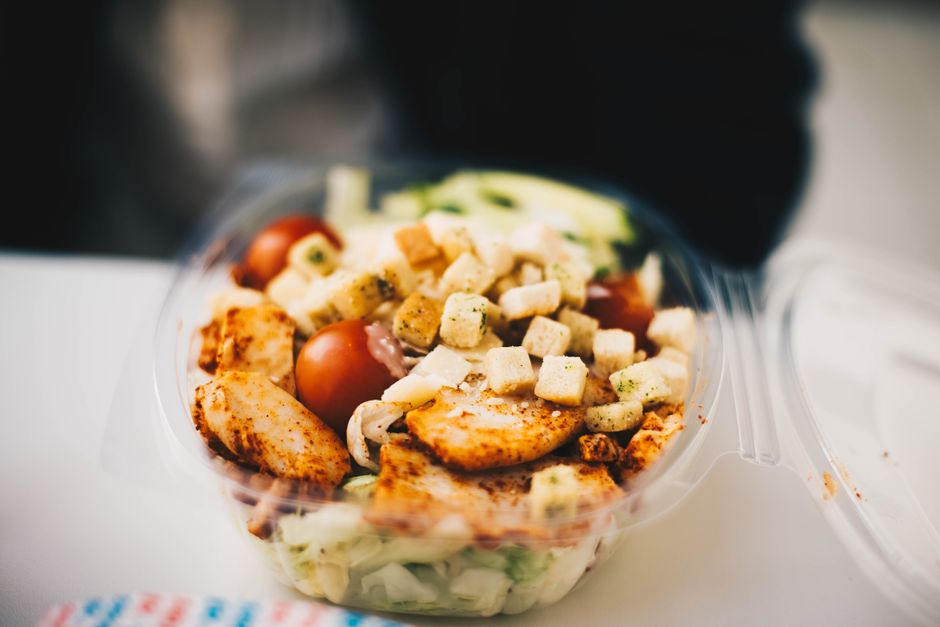
Why High Protein is Your Weight Loss Ally
Before diving into the delicious recipes, it’s crucial to understand *why* protein plays such a pivotal role in a successful weight loss strategy. It’s not just about building muscles; protein actively supports fat loss through several key mechanisms.
Satiety and Reduced Cravings
One of the most immediate and impactful benefits of a high-protein diet is its ability to keep you feeling full and satisfied for longer periods. Protein has a higher satiety index compared to carbohydrates and fats, meaning it helps to suppress hunger hormones like ghrelin and stimulate satiety hormones like GLP-1 and CCK. When you feel full, you’re less likely to succumb to cravings, snack unnecessarily, or overeat at subsequent meals. This natural reduction in overall calorie intake, without feeling deprived, is a cornerstone of sustainable weight loss.
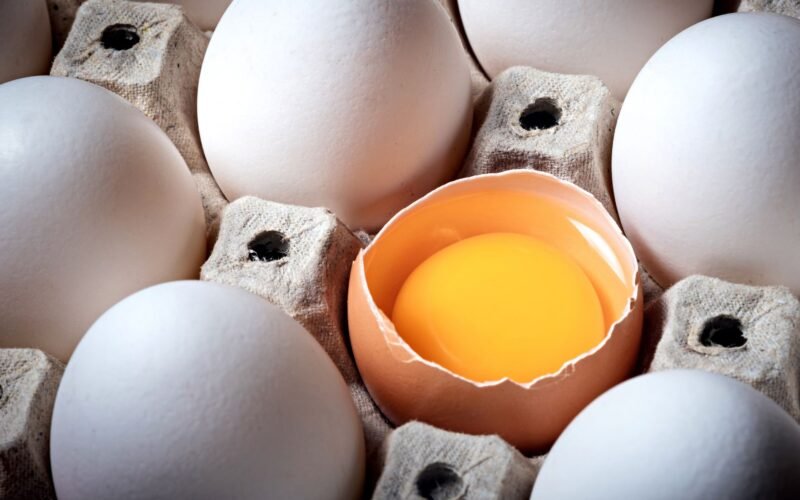
Imagine the difference between a breakfast of sugary cereal and one of scrambled eggs with spinach. The cereal might give you a quick energy spike followed by a crash and hunger pangs within an hour or two. The eggs, rich in protein, will provide sustained energy and keep you feeling content until lunchtime, preventing those mid-morning snack attacks that often derail progress.
Thermic Effect of Food (TEF): Burning More Calories
The thermic effect of food (TEF), also known as diet-induced thermogenesis, refers to the energy expenditure above basal metabolic rate due to the processing of food for storage and use. Simply put, your body burns calories just to digest, absorb, and metabolize the nutrients you eat. Protein has a significantly higher TEF than carbohydrates or fats. While carbohydrates have a TEF of 5-10% and fats have a TEF of 0-3%, protein boasts a TEF of 20-30%. This means that for every 100 calories of protein you consume, your body expends 20-30 calories just to process it.
Over the course of a day, and especially over weeks and months, this “protein advantage” can lead to a noticeable increase in your total daily energy expenditure, subtly contributing to a greater calorie deficit and accelerating fat loss. It’s like a metabolic mini-workout every time you eat protein-rich foods.
Muscle Preservation During Calorie Deficit
When you restrict calories to lose weight, your body doesn’t exclusively burn fat; it can also break down muscle tissue for energy. This is problematic because muscle is metabolically active, meaning it burns more calories at rest than fat tissue. Losing muscle can therefore slow down your metabolism, making it harder to lose weight and easier to regain it in the future.
A high-protein intake is crucial for preserving lean muscle mass while in a calorie deficit. By providing your body with a steady supply of amino acids, protein signals to your body that it has enough building blocks, reducing the need to catabolize existing muscle. This ensures that the weight you lose is predominantly fat, helping you maintain a higher resting metabolic rate and a more toned physique.
Blood Sugar Control and Reduced Fat Storage
Protein has a minimal impact on blood sugar levels compared to carbohydrates. When you consume high-carb, low-protein meals, your blood sugar can spike rapidly, leading to a surge in insulin. While insulin is essential, chronically high levels can promote fat storage and make it harder to access stored fat for energy. By stabilizing blood sugar, protein helps to prevent these sharp insulin responses, creating a more favorable environment for fat burning and reducing the likelihood of energy crashes and subsequent cravings for sugary foods.
Convenience and Adherence Through Meal Prep
While the physiological benefits of protein are clear, the practical benefit of combining it with meal prep is equally powerful. Consistency is key for weight loss, and meal prep removes many of the common barriers to healthy eating. When you have pre-portioned, high-protein meals ready to grab and go, you eliminate the guesswork, reduce the temptation of unhealthy takeout, and ensure you’re consistently fueling your body with the nutrients it needs. This structured approach fosters adherence, making healthy eating a sustainable habit rather than a fleeting effort.
The Fundamentals of High Protein Meal Prep
Before you start cooking, a solid understanding of the basics will set you up for success. Meal prep isn’t just about cooking in bulk; it’s about smart planning, strategic shopping, and efficient execution.
Calculating Your Protein Needs
While general guidelines exist, your ideal protein intake depends on factors like your current weight, activity level, and specific weight loss goals. A common recommendation for weight loss is to consume 0.7 to 1 gram of protein per pound of lean body mass (or ideal body weight). For example, if your goal weight is 150 lbs, aiming for 105-150 grams of protein per day is a good starting point. Spread this intake evenly throughout your meals and snacks to maximize satiety and muscle protein synthesis.
Consider consulting a dietitian or using an online calculator that takes into account your individual metrics for a more precise recommendation. Remember, consistency is more important than absolute perfection, so start with a target that feels achievable and adjust as you go.
Macronutrient Balance: Beyond Just Protein
While protein is central, a balanced meal prep strategy includes healthy fats and complex carbohydrates. These macronutrients provide essential energy, vitamins, and minerals, and contribute to overall satiety and well-being.
- Healthy Fats: Avocados, nuts, seeds, olive oil, fatty fish (salmon) are crucial for hormone production, nutrient absorption, and long-lasting satiety. Aim for 20-30% of your daily calories from healthy fats.
- Complex Carbohydrates: Brown rice, quinoa, sweet potatoes, oats, whole-grain bread, and plenty of vegetables provide sustained energy, fiber, and essential micronutrients. Choose complex carbs over refined ones to avoid blood sugar spikes and crashes.
- Fiber: Often overlooked, fiber (found in vegetables, fruits, whole grains, and legumes) is essential for digestive health, blood sugar control, and enhancing the feeling of fullness.
Smart Ingredient Sourcing for Quality and Efficiency
Your meal prep is only as good as its ingredients. Prioritize lean protein sources, a wide variety of vegetables, and whole grains.
- Lean Proteins: Chicken breast, turkey breast, lean ground beef (90/10 or leaner), fish (salmon, cod, tuna), eggs, cottage cheese, Greek yogurt, tofu, tempeh, lentils, beans. Buying in bulk or when on sale can save money.
- Fresh Produce: Stock up on a colorful array of seasonal vegetables and fruits. Think spinach, kale, broccoli, bell peppers, zucchini, berries, apples. Frozen vegetables are also excellent and often more convenient for meal prep.
- Whole Grains & Legumes: Quinoa, brown rice, oats, lentils, black beans, chickpeas. These are excellent sources of complex carbohydrates and fiber, and many legumes also provide significant protein.
- Healthy Fats: Olive oil, avocado oil, nuts (almonds, walnuts), seeds (chia, flax, hemp), avocados.
Essential Meal Prep Tools
Having the right tools can make your meal prep sessions much smoother and more enjoyable.
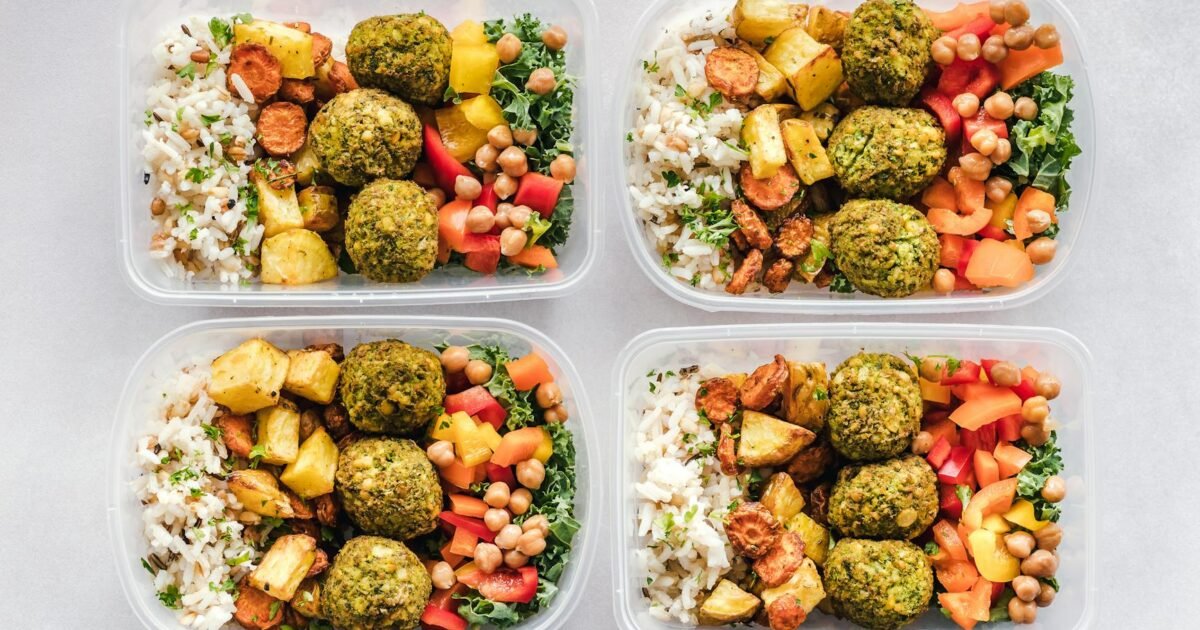
- Airtight Containers: Glass containers with dividers are ideal for portion control, reheating, and preventing food odors.
- Food Scale: Essential for accurate portioning and tracking macronutrients.
- Large Sheet Pans: Perfect for roasting multiple vegetables and proteins simultaneously.
- Slow Cooker or Instant Pot: Excellent for hands-off cooking of large batches of protein (shredded chicken, chili, stews).
- High-Quality Knives and Cutting Board: Speeds up chopping and dicing.
- Measuring Cups and Spoons: For precise ingredient measurement.
- Blender: For smoothies and sauces.
Batch Cooking Techniques
The magic of meal prep lies in efficiently cooking large quantities of food that can be assembled into various meals throughout the week.
- Roasting: Toss chopped vegetables (broccoli, bell peppers, sweet potatoes) and protein (chicken breast, salmon fillets) with olive oil and seasonings, then roast on sheet pans.
- Grilling: Grill large batches of chicken breasts, turkey burgers, or fish.
- Slow Cooking/Pressure Cooking: Ideal for shreddable meats (chicken, pork shoulder, beef) or hearty stews and chilis.
- Steaming: A healthy way to cook vegetables, preserving nutrients and texture.
- Boiling/Baking: Perfect for eggs, quinoa, brown rice, or sweet potatoes.
High Protein Meal Prep Ideas: Breakfasts
Starting your day with a protein-rich breakfast is key to jumpstarting your metabolism, controlling hunger, and setting a healthy tone for the rest of your day. These ideas are quick to prepare in advance and easy to grab on busy mornings.
Protein-Packed Egg Muffins
Egg muffins are incredibly versatile and a fantastic grab-and-go breakfast. Whisk eggs with a splash of milk or water, then pour into greased muffin tins filled with your favorite lean protein and vegetables.
- Ingredients: 12 eggs, 1/4 cup milk, salt, pepper. Fillings: cooked diced chicken sausage, chopped spinach, bell peppers, onions, a sprinkle of low-fat cheese.
- Prep: Whisk eggs, milk, seasonings. Distribute fillings evenly in muffin cups. Pour egg mixture over fillings.
- Cook: Bake at 350°F (175°C) for 20-25 minutes until set.
- Storage: Store in an airtight container in the fridge for up to 4-5 days. Reheat in the microwave.
- Variations: Add different herbs, feta cheese, turkey bacon, mushrooms, or kale.
Overnight Oats with Protein Powder
A convenient and customizable breakfast that requires no cooking in the morning. The oats soak up the liquid overnight, creating a creamy, satisfying meal.
- Ingredients: 1/2 cup rolled oats, 1 scoop protein powder (vanilla or unflavored works well), 1 cup unsweetened almond milk (or milk of choice), 1 tbsp chia seeds, 1/2 cup berries.
- Prep: Combine oats, protein powder, and chia seeds in a jar or container. Add almond milk and stir well until protein powder is fully dissolved. Top with berries.
- Storage: Refrigerate overnight or for at least 4 hours. Stays fresh for 2-3 days.
- Variations: Add cinnamon, a drizzle of sugar-free syrup, chopped nuts (in the morning), or different fruits like sliced banana or peach.
Cottage Cheese & Fruit Bowls
Simple, quick, and packed with casein protein (a slow-digesting protein) that keeps you full for hours. Cottage cheese is also rich in calcium.
- Ingredients: 1 cup low-fat cottage cheese, 1/2 cup mixed berries or sliced peaches.
- Prep: Portion cottage cheese into containers. Top with fruit just before serving to maintain freshness, or prep fruit separately.
- Storage: Store cottage cheese in its original container or portioned out. Add fruit daily.
- Variations: Sprinkle with a few chopped almonds, a dash of cinnamon, or a drizzle of honey (in moderation for weight loss).
Greek Yogurt Parfaits
Greek yogurt is a protein powerhouse. Layer it with crunchy elements and fresh fruit for a delightful breakfast or snack.
- Ingredients: 1 cup plain Greek yogurt (0% or 2% fat), 1/4 cup low-sugar granola, 1/2 cup mixed berries.
- Prep: Layer yogurt, granola, and berries in a jar or container. Keep granola separate until serving if you prefer it crunchy.
- Storage: Refrigerate for up to 2-3 days.
- Variations: Add a tablespoon of chia seeds, flax seeds, or a few chopped walnuts. Experiment with different fruits like kiwi or mango.
High Protein Meal Prep Ideas: Lunches & Dinners
This is where meal prep truly shines, providing you with nutritious, satisfying main meals that prevent unhealthy choices during busy workdays or tired evenings. Focus on a lean protein source, plenty of non-starchy vegetables, and a modest portion of complex carbohydrates.
Chicken & Veggie Power Bowls
A classic for a reason, these bowls are infinitely customizable and provide a balanced meal.
- Ingredients: 4 oz grilled or baked chicken breast (sliced or diced), 1 cup roasted mixed vegetables (broccoli, bell peppers, zucchini), 1/2 cup cooked quinoa or brown rice. Optional: a light vinaigrette or a squeeze of lemon juice.
- Prep: Cook chicken in bulk (grill, bake, or shred in a slow cooker). Roast a large batch of vegetables. Cook quinoa or brown rice according to package directions. Assemble into individual containers.
- Storage: Refrigerate for 3-4 days. Reheat in the microwave.
- Variations: Swap chicken for turkey, lean beef, or plant-based protein like chickpeas. Use different vegetables like asparagus, green beans, or sweet potatoes (in moderation). Add a dollop of hummus or a sprinkle of feta.
Lean Ground Turkey & Sweet Potato Chili
A hearty, comforting meal that’s perfect for batch cooking. It’s packed with protein, fiber, and complex carbs.
- Ingredients: 1 lb lean ground turkey, 1 large sweet potato (diced), 1 onion (chopped), 2 cloves garlic (minced), 1 can (15 oz) diced tomatoes, 1 can (15 oz) kidney beans (rinsed), 1 can (15 oz) black beans (rinsed), 1 cup chicken broth, chili powder, cumin, paprika, salt, pepper.
- Prep: Brown ground turkey. Add onion and garlic, cook until softened. Stir in diced sweet potato, tomatoes, beans, broth, and seasonings. Simmer for 20-30 minutes until sweet potatoes are tender.
- Storage: Store in individual containers. Refrigerate for up to 4 days, or freeze for up to 3 months. Thaw and reheat.
- Variations: Add other vegetables like bell peppers or corn. Top with a dollop of plain Greek yogurt or a sprinkle of cilantro.
Salmon & Asparagus with Quinoa
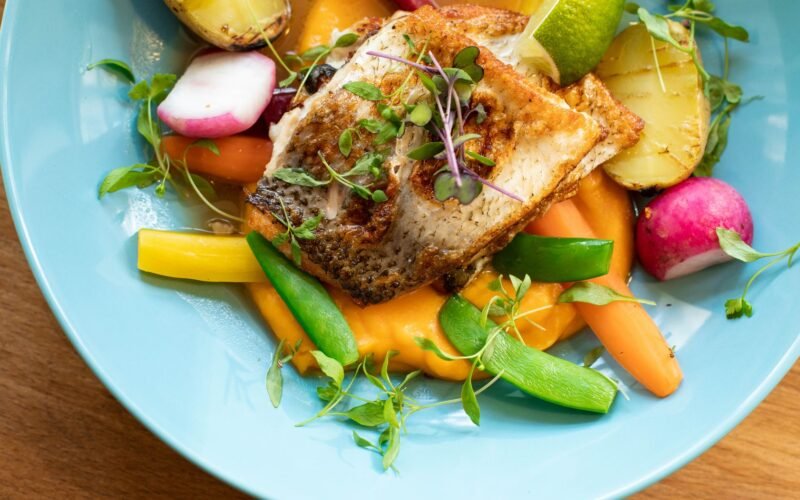
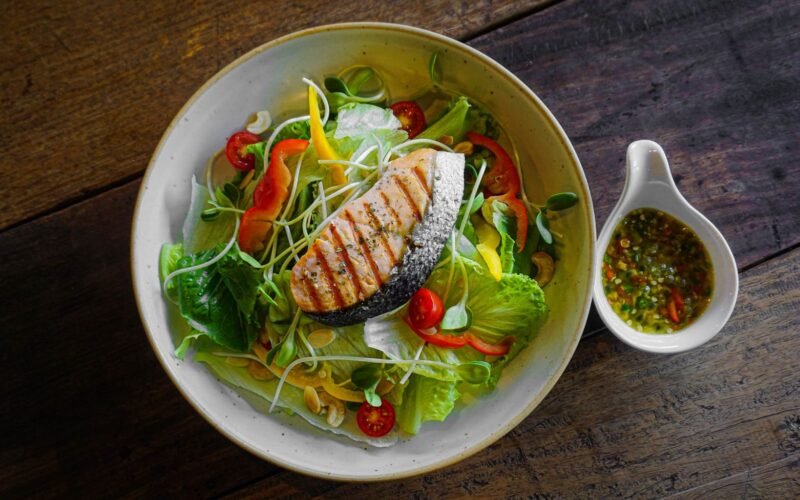
A fantastic option for healthy fats, lean protein, and essential nutrients. Salmon is rich in omega-3 fatty acids.
- Ingredients: 4 oz salmon fillet, 1 cup asparagus spears, 1/2 cup cooked quinoa, lemon wedges, olive oil, salt, pepper, dill.
- Prep: Season salmon with salt, pepper, and dill. Toss asparagus with olive oil, salt, and pepper. Bake salmon and asparagus on a sheet pan at 400°F (200°C) for 12-15 minutes, or until salmon is cooked through and asparagus is tender-crisp. Cook quinoa separately. Assemble.
- Storage: Refrigerate for 2-3 days. Reheat gently to avoid overcooking the fish.
- Variations: Substitute salmon with cod or tilapia. Use green beans or broccoli instead of asparagus.
Beef Stir-Fry with Brown Rice
Quick to cook and easy to customize with your favorite vegetables. Opt for lean cuts of beef.
- Ingredients: 4 oz lean beef sirloin or flank steak (sliced thinly), 2 cups mixed stir-fry vegetables (broccoli, carrots, snow peas, bell peppers), 1/2 cup cooked brown rice, low-sodium soy sauce or tamari, ginger, garlic.
- Prep: Marinate beef if desired. Stir-fry beef until cooked through, remove from pan. Add vegetables and stir-fry until tender-crisp. Return beef to pan, add a stir-fry sauce made with soy sauce, ginger, and garlic. Serve with brown rice.
- Storage: Refrigerate for 3-4 days.
- Variations: Use chicken or shrimp instead of beef. Add water chestnuts or bamboo shoots for crunch.
Lentil & Chickpea Curries (Vegetarian Option)
Plant-based proteins can be incredibly satisfying and packed with fiber. This curry is a flavourful and nutritious choice.
- Ingredients: 1 cup dried lentils, 1 can (15 oz) chickpeas (rinsed), 1 onion (chopped), 2 cloves garlic (minced), 1 tbsp ginger (grated), 1 can (15 oz) diced tomatoes, 1 can (13.5 oz) light coconut milk, 1 cup vegetable broth, curry powder, turmeric, cumin, spinach. Serve with 1/2 cup brown rice.
- Prep: Sauté onion, garlic, and ginger. Add spices, cook for 1 minute. Stir in lentils, chickpeas, tomatoes, coconut milk, and broth. Simmer until lentils are tender (about 20-30 minutes). Stir in fresh spinach at the end.
- Storage: Refrigerate for up to 5 days, or freeze for longer.
- Variations: Add other vegetables like cauliflower or sweet potatoes. Serve with a dollop of plain Greek yogurt (if not strictly vegan) or fresh cilantro.
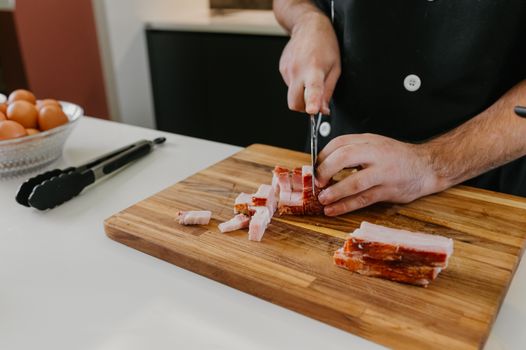
Sheet Pan Meals: Chicken/Fish & Veggies
The ultimate in convenience and minimal cleanup. Everything cooks together on one pan.
- Ingredients: 4 oz chicken breast or cod fillet, 2 cups chopped vegetables (e.g., Brussels sprouts, bell peppers, red onion), 1 tbsp olive oil, herbs (rosemary, thyme) or spices (paprika, garlic powder), salt, pepper.
- Prep: Toss chicken/fish and vegetables with olive oil, seasonings. Spread in a single layer on a large sheet pan.
- Cook: Bake at 400°F (200°C) for 20-30 minutes, or until chicken/fish is cooked through and vegetables are tender.
- Storage: Refrigerate for 3-4 days.
- Variations: Mix and match proteins and vegetables. Try different seasoning blends like lemon-herb or Mexican spices.
Protein-Packed Salads with Lean Meat
Salads don’t have to be boring! Prep the components separately and assemble daily for freshness.
- Ingredients: 4 oz grilled chicken or shrimp, 2-3 cups mixed greens, 1/2 cup chopped cucumber, tomatoes, bell peppers, 1/4 cup chickpeas or black beans, 1-2 tbsp light vinaigrette.
- Prep: Cook protein in advance. Chop all vegetables. Store greens, protein, and other toppings separately. Dress salad just before eating.
- Storage: Cooked protein and chopped veggies last 3-4 days. Greens last 3-5 days.
- Variations: Add hard-boiled eggs, crumbled feta (in moderation), quinoa, or a variety of nuts and seeds for extra crunch and nutrients.
Turkey Meatballs with Zucchini Noodles
A delicious, low-carb, high-protein meal that feels indulgent.
- Ingredients: 1 lb lean ground turkey, 1/4 cup breadcrumbs (or almond flour for lower carb), 1 egg, garlic powder, onion powder, Italian seasoning, salt, pepper. Zucchini noodles (store-bought or spiralized), low-sugar marinara sauce.
- Prep: Mix turkey with breadcrumbs, egg, and seasonings. Form into meatballs. Bake at 375°F (190°C) for 20-25 minutes until cooked through. Prepare zucchini noodles (sauté lightly or microwave for a few minutes). Heat marinara sauce.
- Storage: Meatballs and sauce can be stored together for 3-4 days. Zucchini noodles are best prepped fresh or stored separately and cooked just before eating.
- Variations: Add finely chopped spinach or grated Parmesan to the meatballs. Serve with a sprinkle of fresh basil.
Quinoa Salad with Black Beans and Corn
A vibrant, plant-based, protein-rich salad that’s perfect for a light lunch or side dish.
- Ingredients: 1 cup cooked quinoa, 1 can (15 oz) black beans (rinsed), 1 cup corn (frozen or canned), 1/2 red onion (finely diced), 1 bell pepper (diced), fresh cilantro, lime juice, olive oil, cumin, chili powder, salt, pepper.
- Prep: Combine all ingredients in a large bowl. Mix well.
- Storage: Refrigerate for 3-4 days. Flavors often meld and improve over time.
- Variations: Add diced avocado (add just before serving), chopped jalapeño for a kick, or a lean protein like grilled chicken or shrimp to make it a more substantial meal.
High Protein Meal Prep Ideas: Snacks
Snacks are often where healthy eating plans go awry. Having pre-portioned, high-protein snacks on hand can prevent you from reaching for unhealthy options when hunger strikes.
Hard-Boiled Eggs
The ultimate simple, portable protein snack. One large egg provides about 6 grams of protein.
- Prep: Boil a dozen eggs at the beginning of the week.
- Storage: Store in the fridge in their shells for up to 7 days.
- Tip: Peel them just before eating or store peeled in a bowl of water for a few days.
Greek Yogurt with Berries
Quick, creamy, and provides a good dose of protein and antioxidants. Opt for plain, unsweetened yogurt.
- Prep: Portion Greek yogurt into small containers. Add a handful of berries (fresh or frozen) just before eating.
- Storage: Yogurt lasts about a week. Berries can be pre-portioned.
Cottage Cheese with Veggies
Another excellent source of casein protein, paired with crunchy, fiber-rich vegetables.
- Prep: Portion cottage cheese into containers. Prep carrot sticks, celery sticks, or bell pepper strips separately.
- Storage: Cottage cheese lasts a week. Veggies last 3-5 days.
Protein Smoothies (Pre-portioned)
A convenient way to get a quick protein boost. Prepare smoothie packs in advance.
- Prep: In separate freezer bags, combine 1 scoop protein powder, 1/2 cup spinach, 1/2 cup mixed berries, 1 tbsp chia seeds.
- Execution: In the morning, empty bag into a blender, add 1 cup unsweetened almond milk (or water), and blend until smooth.
- Storage: Freezer bags last for months.
Edamame
A plant-based protein powerhouse, rich in fiber and surprisingly satisfying.
- Prep: Buy frozen shelled edamame. Steam or microwave a serving.
- Storage: Keep frozen. Cook as needed.
Jerky or Biltong
A savory, high-protein, and extremely portable snack. Look for low-sugar, low-sodium options.
- Prep: Purchase in bulk.
- Storage: Store at room temperature in individual servings.
Advanced Meal Prep Strategies & Tips
Once you’ve mastered the basics, these strategies can help you refine your meal prep process, keep things interesting, and ensure long-term success.
Themed Meal Prep Days
Photo by Ella Olsson on Pexels