For many women, the quest for a flatter stomach can feel like an uphill battle. Belly fat, often referred to as abdominal fat, isn’t just a cosmetic concern; it’s a significant indicator of overall health, especially for women. While societal pressures often drive the desire for a lean midsection, understanding the health implications and effective strategies for its reduction is paramount.
At GetLeanPulse.com, we understand the unique challenges women face when it comes to shedding stubborn belly fat. Hormonal fluctuations, genetics, lifestyle, and even stress can all play a role. This comprehensive guide is designed to empower you with science-backed, actionable strategies to not only lose belly fat fast but to sustain a healthier, leaner you in the long term. We’ll dive deep into diet, exercise, lifestyle adjustments, and even address the hormonal factors specific to women.
How to Lose Belly Fat Fast for Women: The Ultimate Guide to a Leaner Midsection
The phrase “lose belly fat fast” often conjures images of restrictive diets and extreme workouts. While speed is a motivator, our approach prioritizes effectiveness and sustainability. We aim to help you achieve noticeable results quickly, but always within the framework of healthy, long-term habits. Let’s embark on this journey to understand, target, and conquer belly fat.
Understanding Belly Fat: More Than Just Aesthetics
Before we can tackle belly fat, it’s crucial to understand what it is and why it’s a concern, particularly for women. Not all fat is created equal, and the location of fat storage can have vastly different health implications.
The Two Types of Belly Fat
When we talk about belly fat, we’re generally referring to two main types:
- Visceral Fat: This is the dangerous fat. Visceral fat is stored deep within the abdominal cavity, surrounding vital organs like the liver, pancreas, and intestines. It’s metabolically active, meaning it releases inflammatory substances and hormones that can negatively impact your health. High levels of visceral fat are strongly linked to an increased risk of type 2 diabetes, heart disease, stroke, certain cancers, and insulin resistance. It’s often associated with an “apple” body shape.
- Subcutaneous Fat: This is the fat you can pinch. Subcutaneous fat lies just beneath the skin. While it contributes to the overall size of your waistline, it’s generally considered less metabolically harmful than visceral fat. However, excessive subcutaneous fat can still contribute to health issues and is often the primary target for aesthetic improvement.
For women, focusing on reducing both types is beneficial, but targeting visceral fat should be a priority for health reasons. The strategies outlined in this guide will effectively address both.
Why Women Store Belly Fat Differently
It’s a common observation: women often struggle more with belly fat than men, or at least experience different patterns of fat distribution. Several factors contribute to this:
- Hormonal Influences: Estrogen plays a significant role in fat distribution. Before menopause, higher estrogen levels tend to encourage fat storage in the hips and thighs (a “pear” shape). As women approach and enter menopause, estrogen levels decline, often leading to a shift in fat storage towards the abdomen, increasing visceral fat. Cortisol, the stress hormone, also contributes significantly to belly fat accumulation in both sexes, but women can be particularly sensitive to its effects.
- Genetics: Your genetic makeup can influence where your body tends to store fat. If your mother or grandmother carried weight around their middle, you might have a predisposition as well.
- Lifestyle Factors: While genetics and hormones set a predisposition, lifestyle choices ultimately determine how much belly fat accumulates. Diet, exercise, sleep, and stress management are critical.
Understanding these unique aspects of women’s physiology is key to developing an effective and sustainable strategy to lose belly fat fast.
The “Fast” Factor: Setting Realistic Expectations
The desire for quick results is natural. We all want to see progress when we put in the effort. However, it’s crucial to distinguish between genuinely effective, rapid fat loss and unsustainable, potentially harmful crash diets or “quick fixes.”
The Truth About Quick Fixes
Many products and diets promise to melt away belly fat overnight. Unfortunately, these are often scams or lead to temporary water weight loss, not actual fat loss. Spot reduction – the idea that you can target fat loss from a specific body part (like your belly) by exercising that area – is largely a myth. While core exercises strengthen abdominal muscles, they don’t directly burn the fat covering those muscles. True fat loss occurs systemically throughout the body.
Defining “Fast” Responsibly
So, what does “fast” mean in a healthy context? For sustainable and noticeable fat loss, a healthy rate is generally considered 1-2 pounds per week. This might not sound “fast” enough to some, but remember that a 1-2 pound loss is *pure fat*, not just water or muscle. Over a month, this adds up to 4-8 pounds of actual fat loss, which can make a significant difference, especially around the midsection where changes are often more visible.
For individuals with a higher starting body fat percentage, initial weight loss can sometimes be quicker. However, consistency and adherence to the principles outlined below are far more important than chasing extreme, short-term drops that are unsustainable and can lead to a yo-yo effect. With dedicated effort, you can certainly see significant progress in your belly fat reduction within a few weeks to a couple of months.
Dietary Strategies for Rapid Belly Fat Loss (The Core of the Plan)
When it comes to losing belly fat, diet is arguably the most critical component. You simply cannot out-exercise a poor diet. Focusing on nutrient-dense foods and creating a caloric deficit is the cornerstone of any successful fat loss plan.
Calorie Deficit: The Non-Negotiable Foundation
To lose fat, you must consume fewer calories than your body burns. This is known as a calorie deficit. Without it, no amount of healthy eating or exercise will lead to fat loss. However, the goal is not to starve yourself, but to create a moderate deficit (typically 300-500 calories per day) that is sustainable and allows your body to tap into its fat stores for energy.
- How to Calculate: Use an online TDEE (Total Daily Energy Expenditure) calculator to estimate your daily calorie needs based on your age, weight, height, and activity level. Subtract 300-500 calories from this number to get your target intake for fat loss.
- Importance of Not Going Too Low: Severely restricting calories can slow your metabolism, lead to nutrient deficiencies, muscle loss, and make adherence impossible. It can also disrupt female hormones.
Prioritize Protein: Your Satiety & Muscle Ally
Protein is a powerhouse nutrient for fat loss, especially for women. It helps you:
- Increase Satiety: Protein keeps you feeling fuller for longer, reducing overall calorie intake and curbing cravings.
- Preserve Muscle Mass: When you’re in a calorie deficit, protein helps protect your lean muscle mass, which is crucial for a healthy metabolism.
- Boost Metabolism: Protein has a higher thermic effect of food (TEF) than carbs or fats, meaning your body burns more calories digesting it.
Examples: Lean meats (chicken breast, turkey, lean beef), fish (salmon, tuna, cod), eggs, Greek yogurt, cottage cheese, legumes (beans, lentils), tofu, protein powder. Aim for 20-30g of protein per meal.
Embrace Healthy Fats: Essential for Hormonal Health
Don’t fear fat! Healthy fats are crucial for hormone production, nutrient absorption, and satiety. They also slow down digestion, keeping you full.
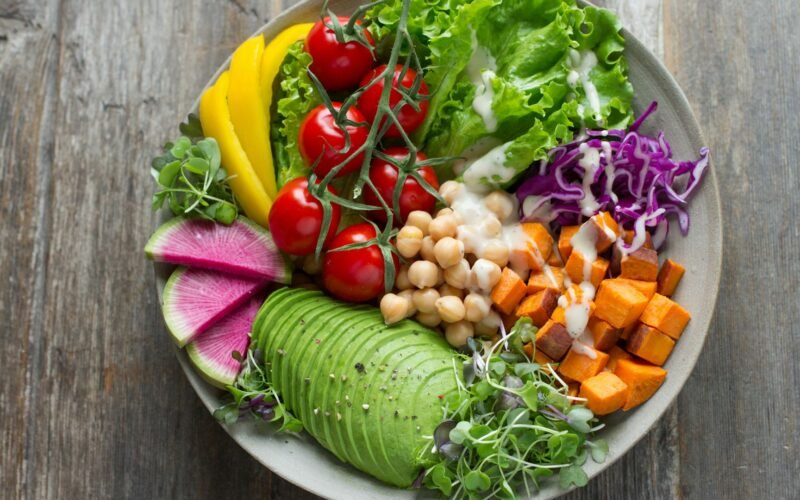
- Examples: Avocados, nuts (almonds, walnuts), seeds (chia, flax, hemp), olive oil, fatty fish (salmon, mackerel).
- Portion Control: While healthy, fats are calorie-dense, so moderation is key.
Smart Carbohydrate Choices: Fueling Your Body Wisely
Carbohydrates provide energy, but the type and quantity matter greatly for belly fat loss.
- Complex Carbs (Fiber-Rich): These are your friends. They provide sustained energy, are rich in fiber, and have a lower impact on blood sugar levels. Examples: whole grains (oats, brown rice, quinoa, whole-wheat bread), sweet potatoes, fruits, vegetables.
- Limit Refined Carbs and Added Sugars: These are rapidly digested, cause spikes in blood sugar and insulin, and are often stored as belly fat. Examples: white bread, pastries, sugary cereals, candies, sodas, fruit juices (even “100% juice” can be high in sugar without the fiber).
Fiber is Your Friend: Gut Health and Fullness
Fiber, particularly soluble fiber, has been directly linked to reduced belly fat. It absorbs water and forms a gel, slowing digestion and increasing feelings of fullness. It also feeds beneficial gut bacteria, which can influence metabolism.
- Soluble Fiber Sources: Oats, barley, beans, lentils, apples, citrus fruits, carrots, psyllium husk.
- Insoluble Fiber Sources: Whole grains, nuts, seeds, skin of fruits and vegetables.
Aim for at least 25-30 grams of fiber per day from whole food sources.
Hydration Power: Water’s Role
Drinking enough water is often overlooked but plays a vital role in fat loss:
- Metabolism: Water is essential for all metabolic processes.
- Satiety: Sometimes thirst is mistaken for hunger. Drinking water before meals can reduce overall intake.
- Debloating: Adequate hydration helps prevent water retention and bloating.
Aim for at least 8 glasses (64 ounces) of water daily, more if you’re active.
Foods to Limit or Avoid: The Saboteurs of Progress
To lose belly fat fast, you must drastically reduce or eliminate these:
- Sugary Drinks: Sodas, energy drinks, sweetened teas/coffees are liquid calories that don’t provide satiety and directly contribute to visceral fat.
- Processed Foods: Often high in unhealthy fats, sugar, and sodium, and low in nutrients. They trigger cravings and overeating.
- Excessive Alcohol: “Beer belly” isn’t just for men. Alcohol contains empty calories and can disrupt fat metabolism. Moderate consumption, if any, is key.
- Trans Fats: Found in some processed foods and fast food, these have been shown to increase belly fat and are detrimental to heart health.
Intermittent Fasting for Women: A Closer Look
Intermittent Fasting (IF) involves cycling between periods of eating and fasting. Popular methods include 16/8 (fast for 16 hours, eat within an 8-hour window) or 5:2 (eat normally for 5 days, restrict calories on 2 non-consecutive days). Some women report benefits for belly fat loss due to:
- Improved Insulin Sensitivity: Reduced insulin levels during fasting periods can promote fat burning.
- Calorie Restriction: It can naturally lead to eating fewer calories overall.
Caveats for Women: Women can be more sensitive to calorie restriction and hormonal changes. Some women may experience hormonal disruptions, menstrual irregularities, or increased stress if IF is too aggressive. It’s crucial to listen to your body, start slowly, and ensure you’re still getting adequate nutrition during your eating window. For some, a shorter fasting window (e.g., 14 hours) might be more suitable. Consult a healthcare professional if you have underlying health conditions.
Meal Timing and Frequency: Focus on Quality
The old advice to “eat every 2-3 hours to boost metabolism” has largely been debunked. The total daily calorie intake and nutrient quality are far more important than the exact frequency of meals. Some women thrive on 3 square meals a day, others prefer smaller, more frequent meals. Find what works best for your schedule and satiety levels, as long as it fits within your calorie target and nutrient goals.

Exercise Regimen for a Toned Midsection
While diet is king for fat loss, exercise is the queen for shaping your body, boosting metabolism, and enhancing overall health. A combination of strength training, cardio, and core work is most effective for women aiming to lose belly fat fast.
Strength Training: Essential for Women
Many women shy away from weights, fearing they’ll “bulk up.” This is a myth. Women have significantly less testosterone than men, making it very difficult to build bulky muscle without specific, intense training and diet. What strength training *will* do for you is:
- Boost Metabolism: Muscle tissue burns more calories at rest than fat tissue. Building muscle increases your basal metabolic rate (BMR), meaning you burn more calories even when you’re not exercising.
- Combat Age-Related Muscle Loss: As women age, muscle mass naturally declines, contributing to a slower metabolism and increased fat storage. Strength training helps counteract this.
- Improve Body Composition: Replace fat with lean muscle, creating a more toned and defined physique, including your midsection.
Recommendations: Aim for 2-3 full-body strength training sessions per week. Focus on compound movements that work multiple muscle groups: squats, deadlifts, lunges, push-ups, rows, overhead presses. Use weights that challenge you, aiming for 8-12 repetitions per set.
High-Intensity Interval Training (HIIT): Fat Burning Powerhouse
HIIT involves short bursts of intense anaerobic exercise followed by brief recovery periods. It’s incredibly effective for fat loss, especially belly fat, due to:
- High Calorie Burn: You burn a lot of calories in a short amount of time.
- EPOC (Excess Post-exercise Oxygen Consumption): HIIT creates an “afterburn effect,” meaning your body continues to burn calories at an elevated rate for hours after your workout.
- Improved Insulin Sensitivity: HIIT can help improve your body’s response to insulin, which is beneficial for reducing visceral fat.
Examples: Sprinting, burpees, jump squats, battle ropes, cycling sprints. Incorporate 15-20 minutes of HIIT 2-3 times per week on non-strength training days, or after your strength sessions. Always warm up thoroughly.
Consistent Cardio (Moderate Intensity): Heart Health & Calorie Burn
While HIIT is great for efficiency, don’t neglect consistent, moderate-intensity cardio. It’s excellent for cardiovascular health, stress reduction, and contributes to your overall calorie deficit.
- Examples: Brisk walking, jogging, cycling, swimming, dancing.
- Recommendations: Aim for 30-60 minutes of moderate-intensity cardio 3-4 times per week.
Core-Specific Exercises: Strengthening, Not Spot Reducing
Remember, you can’t spot reduce fat. Core exercises will strengthen your abdominal muscles, which is vital for posture, preventing back pain, and giving your midsection a more toned appearance once the fat layer is reduced. They won’t, however, directly burn the fat on top of them.
- Effective Core Exercises: Planks (various variations), bicycle crunches, leg raises, Russian twists (with proper form), bird-dog, dead bug.
- Recommendations: Incorporate 10-15 minutes of core work 2-3 times per week. Focus on engaging your deep core muscles, not just crunching.
The Importance of NEAT (Non-Exercise Activity Thermogenesis)
NEAT refers to the calories you burn through everyday activities that aren’t formal exercise. Increasing your NEAT can significantly contribute to your daily calorie expenditure and fat loss.
- Examples: Taking the stairs, parking further away, walking during phone calls, standing more, fidgeting, doing household chores.
- Recommendations: Aim for at least 8,000-10,000 steps per day. Even small movements add up!
Hormonal Balance and Belly Fat in Women
Hormones are powerful messengers in a woman’s body, influencing everything from mood to metabolism. Imbalances can make belly fat loss incredibly challenging. Addressing these factors is crucial for sustainable success.
Cortisol Management: The Stress-Belly Fat Connection
Cortisol, our primary stress hormone, is designed for short-term “fight or flight” responses. However, chronic stress keeps cortisol levels elevated, which signals your body to store fat, particularly in the abdominal region. It also increases appetite and cravings for comfort foods.
- Stress Reduction Techniques:
- Mindfulness and Meditation: Even 10-15 minutes a day can significantly lower stress levels.
- Yoga and Pilates: Combine physical activity with mental relaxation.
- Nature Walks: Spending time outdoors has proven stress-reducing benefits.
- Hobbies and Creative Outlets: Engage in activities you enjoy to distract from stressors.
- Deep Breathing Exercises: Simple techniques can calm your nervous system instantly.
- Prioritize Sleep: Lack of sleep is a major stressor on the body, elevating cortisol. (More on this below).
Estrogen and Menopause: Navigating the Shift
As women transition through perimenopause and into menopause, declining estrogen levels are a primary driver of increased abdominal fat. This shift is a natural physiological change, but it doesn’t mean you’re powerless.
- Strategies for Managing Menopausal Weight Gain:
- Increased Protein and Fiber: Helps with satiety and metabolism, counteracting a slower metabolism.
- Strength Training: More important than ever to preserve muscle mass and boost metabolism.
- Manage Stress and Sleep: These become even more critical during this life stage.
- Consult Your Doctor: Discuss hormone replacement therapy (HRT) or other medical interventions if symptoms are severe and impacting your quality of life, including weight management.
Insulin Sensitivity: Diet’s Role
Insulin is a hormone that regulates blood sugar. When your cells become resistant to insulin (often due to a diet high in refined carbs and sugar), your pancreas produces more insulin, which can promote fat storage, especially visceral fat.
- Dietary Strategies: The dietary advice above (prioritizing protein, healthy fats, fiber, and complex carbs while limiting refined sugars) is key to improving insulin sensitivity and reducing belly fat.
- Exercise: Both strength training and HIIT are highly effective at improving insulin sensitivity.
Lifestyle Factors for Sustainable Belly Fat Loss
Diet and exercise are foundational, but they work best when supported by a healthy lifestyle. These often-overlooked factors can make or break your belly fat loss journey.
Prioritize Sleep: The Unsung Hero
Lack of adequate, quality sleep wreaks havoc on your hormones and metabolism. When you’re sleep-deprived:
- Cortisol Rises: Increasing belly fat storage.
- Ghrelin (Hunger Hormone) Increases: Making you feel hungrier.
- Leptin (Satiety Hormone) Decreases: Making it harder to feel full.
- Increased Cravings: Especially for sugary, high-calorie foods.
Recommendations: Aim for 7-9 hours of quality sleep per night. Establish a consistent sleep schedule, create a relaxing bedtime routine, and optimize your sleep environment (dark, cool, quiet).
Mindful Eating: Connecting with Your Body
Mindful eating isn’t a diet; it’s an approach to food that involves paying attention to your hunger and fullness cues, savoring your food, and eating without distraction. This can naturally lead to eating less and making healthier choices.
- Practice Tips: Eat slowly, chew thoroughly, put your fork down between bites, tune into your body’s signals of hunger and fullness, avoid eating in front of screens.
Consistency and Patience: The Marathon, Not a Sprint
While you want to lose belly fat fast, true and lasting results come from consistent effort over time. There will be plateaus, slips, and weeks where progress seems slow. Don’t get discouraged. Stick to your plan, trust the process, and celebrate small victories. Fat loss is rarely linear.
Tracking Progress: Beyond the Scale
The scale can be misleading. Muscle gain, water retention, and hormonal fluctuations can obscure fat loss. To get a more accurate picture of your progress:
- Measurements: Use a tape measure to track your waist circumference. This is a direct indicator of belly fat reduction. Measure around the narrowest part of your waist and at your navel.
- Progress Photos: Take photos every 2-4 weeks. Sometimes, visual changes are more motivating than numbers.
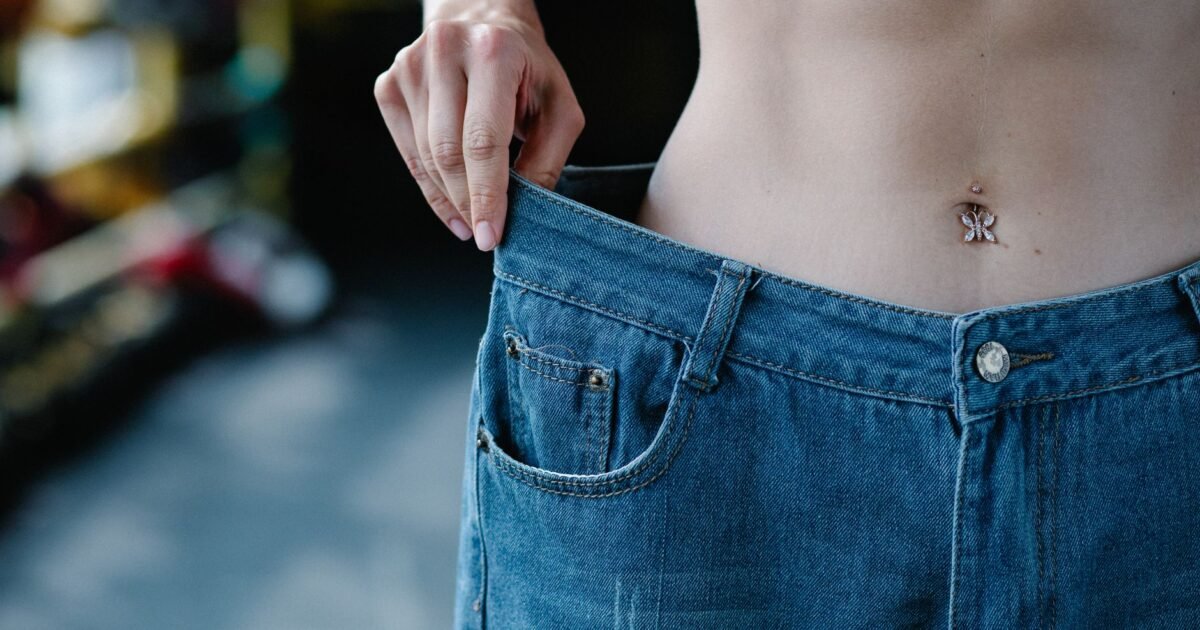
- How Clothes Fit: Notice how your clothes feel. Are they looser? This is a great sign of progress.
- Energy Levels and Mood: Improved energy, better sleep, and a more positive mood are all indicators of a healthier lifestyle.

Common Pitfalls and How to Avoid Them
The journey to lose belly fat fast for women is fraught with potential missteps. Being aware of these common pitfalls can help you navigate around them and stay on track.
Overtraining and Under-eating
While a calorie deficit and exercise are essential, going to extremes can be counterproductive. Overtraining without adequate recovery can lead to increased cortisol levels, muscle breakdown, and burnout. Similarly, under-eating too drastically can slow your metabolism, cause nutrient deficiencies, and lead to intense cravings that often result in binging.
- Solution: Find a balanced approach. Aim for a moderate calorie deficit and a sustainable exercise routine that includes rest days. Listen to your body and fuel it adequately for recovery and performance.
Neglecting Sleep and Stress
As discussed, these are not secondary factors; they are primary drivers of belly fat. Many women prioritize diet and exercise but overlook the profound impact of poor sleep and chronic stress.
- Solution: Actively integrate sleep and stress management into your daily routine. Treat them with the same importance as your workouts and meal prep.
Relying on “Spot Reduction”
Doing hundreds of crunches will strengthen your abs, but it won’t magically melt away the fat covering them. This myth often leads to frustration and wasted effort.
- Solution: Focus on overall fat loss through a comprehensive strategy that includes a calorie deficit, full-body strength training, and cardio. Core exercises are for muscle development, not fat burning.
Giving Up Too Soon
Progress isn’t always linear. There will be weeks when the scale doesn’t budge or you feel less motivated. Many women give up just before they’re about to see significant results.
- Solution: Stay consistent. Track non-scale victories. Remember your “why.” Understand that plateaus are normal and often require a slight adjustment to your routine (e.g., changing up workouts, slightly tweaking calories).
Ignoring Individual Differences (Genetics, Medical Conditions)
Every woman’s body is unique. Genetics play a role in fat distribution. Furthermore, underlying medical conditions like Polycystic Ovary Syndrome (PCOS), hypothyroidism, or certain medications can make belly fat loss more challenging.
- Solution: Be patient with yourself. Don’t compare your progress to others. If you suspect an underlying health issue, consult a healthcare professional. A personalized approach is often necessary.
When to Seek Professional Help
While this guide provides comprehensive strategies, there are times when professional guidance is invaluable, especially for women facing persistent challenges.
- Persistent Struggles: If you’ve diligently followed these guidelines for several months and are still not seeing results, a professional can help identify potential roadblocks.
- Underlying Medical Conditions: If you suspect or have been diagnosed with conditions like PCOS, thyroid disorders, or insulin resistance, a doctor or endocrinologist can provide targeted treatment and advice.
- Personalized Guidance: A registered dietitian can help you create a personalized meal plan that fits your caloric needs, preferences, and health goals. A certified personal trainer can design an exercise program tailored to your fitness level and goals, ensuring proper form and maximizing effectiveness.
- Mental Health Support: If stress, emotional eating, or body image issues are significantly impacting your ability to lose weight, seeking support from a therapist or counselor can be beneficial.
Your 7-Day Action Plan Jumpstart (Example)
Ready to start? Here’s a sample 7-day jumpstart plan to put these principles into action:
Day 1: Foundation & Focus
- Morning: Drink 16 oz water. High-protein breakfast (e.g., Greek yogurt with berries and nuts).
- Workout: 30-minute full-body strength training session.
- Meals: Lean protein, plenty of veggies, small portion of complex carbs for lunch and dinner.
- Evening: 10 minutes of meditation before bed. Aim for 7-9 hours of sleep.
Day 2: HIIT & Hydration
- Morning: Drink 16 oz water. High-protein breakfast.
- Workout: 20-minute HIIT session (e.g., sprints, burpees).
- Meals: Focus on high fiber foods (e.g., lentil soup for lunch, salmon with roasted broccoli and quinoa for dinner).
- Throughout Day: Carry a water bottle, sip constantly.
Day 3: Active Recovery & Mindful Eating
- Morning: Drink 16 oz water. High-protein breakfast.
- Workout: 45-minute brisk walk or light yoga session.
- Meals: Practice mindful eating. Eat
Photo by Annushka Ahuja on Pexels