This post contains affiliate links. If you purchase through these links, I may earn a commission at no extra cost to you.
Quick answer: To calculate your daily fat intake, multiply your total daily calories by 0.25 to 0.35 (25-35 percent of calories from fat), then divide by 9 (since each gram of fat has 9 calories). For a 2,000-calorie diet, that is 56 to 78 grams of fat per day. Adjust based on your goals: weight loss calls for the lower end, while muscle gain or endurance training may benefit from the higher end.
Fat used to be the villain of nutrition. In the 1990s, low-fat everything was the rule. SnackWell cookies replaced chips. Margarine replaced butter. And people still gained weight.
Turns out, fat is not the enemy. It is an essential macronutrient that your body needs for hormone production, brain function, vitamin absorption, and joint health. The question is not whether you should eat fat. The question is how much.
Too little fat and you risk hormonal imbalances, dry skin, and poor nutrient absorption. Too much and you crowd out the carbs and protein your body also needs. Getting the right amount matters.
Here is exactly how to calculate your daily fat intake, what types of fat to prioritize, and common mistakes people make along the way.
Table of contents
- Why fat intake matters
- How to calculate your daily fat needs
- Fat intake for weight loss
- Fat intake for muscle gain
- Types of fat you should eat
- Common mistakes with fat intake
- Quick reference chart
- Frequently asked questions
why fat intake matters
Dietary fat serves several functions that no other macronutrient can replicate:
- Hormone production. Cholesterol, which comes from dietary fat, is the building block for testosterone, estrogen, progesterone, and cortisol. Too little fat in your diet can disrupt these hormones.
- Vitamin absorption. Vitamins A, D, E, and K are fat-soluble. Without dietary fat, your body cannot absorb them from food. You could eat all the spinach in the world, but without fat, the vitamin K in it goes to waste.
- Brain health. Your brain is about 60 percent fat. Omega-3 fatty acids, in particular, support cognitive function and mental health.
- Cell membrane integrity. Every cell in your body has a membrane made partly of fatty acids. The quality of fat you eat affects the quality of those membranes.
- Satiety. Fat slows digestion and keeps you feeling full longer than carbs alone. This is useful for weight management.

how to calculate your daily fat needs
The math is simple. Here is the formula:
Daily fat grams = (total daily calories x fat percentage) / 9
Each gram of fat contains 9 calories. So if you are eating 2,000 calories per day and want 30 percent of those from fat:
2,000 x 0.30 = 600 calories from fat. 600 / 9 = 67 grams of fat per day.
Most health organizations recommend that adults get 20 to 35 percent of their daily calories from fat. The American Heart Association suggests aiming for the lower end if you have heart disease risk factors. Athletes and people on ketogenic diets may go higher.
Here is how the numbers break down at different calorie levels with 30 percent from fat:
- 1,500 calories: 50 grams of fat
- 1,800 calories: 60 grams of fat
- 2,000 calories: 67 grams of fat
- 2,200 calories: 73 grams of fat
- 2,500 calories: 83 grams of fat
- 3,000 calories: 100 grams of fat
fat intake for weight loss
When you are in a calorie deficit for weight loss, fat intake becomes a balancing act. You need enough fat to support hormone function and nutrient absorption, but you also need to keep calories low enough to create a deficit.
For weight loss, aim for 20 to 25 percent of your calories from fat. This is the lower end of the recommended range, but it is still sufficient for most people.
At 1,500 calories per day with 25 percent from fat: 1,500 x 0.25 = 375 calories from fat. 375 / 9 = 42 grams of fat per day.
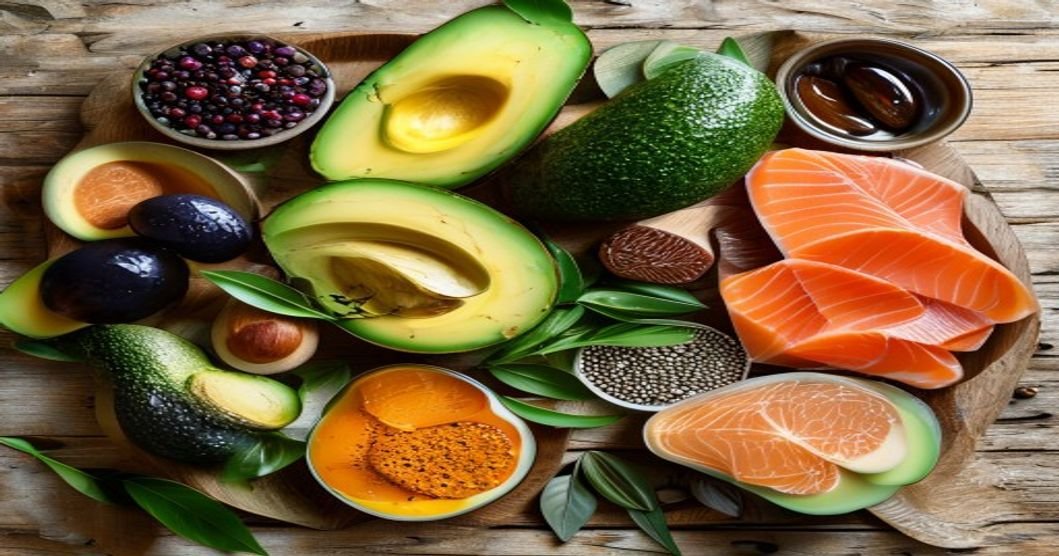
That might sound low, but 42 grams of fat is still enough to include avocado, olive oil, nuts, and fatty fish in your daily meals. The key is choosing quality sources and being intentional about where those fat calories come from.
Do not drop below 20 percent of calories from fat for extended periods. Very low-fat diets can cause hormonal disruptions, particularly in women. If you notice changes in your menstrual cycle, skin quality, or mood, increase your fat intake.
fat intake for muscle gain
When you are in a calorie surplus to build muscle, you have more room for fat. Aim for 25 to 35 percent of your calories from fat.
Higher fat intake during a bulking phase supports testosterone production, which plays a role in muscle growth. It also makes it easier to hit your calorie target because fat is calorie-dense. Adding a tablespoon of olive oil to a meal adds 120 calories without making you feel much fuller.
At 3,000 calories per day with 30 percent from fat: 3,000 x 0.30 = 900 calories from fat. 900 / 9 = 100 grams of fat per day.
Keep in mind that your protein and carbohydrate needs do not change just because you are eating more fat. Prioritize hitting your protein target first, then fill the remaining calories with a balance of carbs and fat based on your preference and training demands. Some people perform better on higher carbs, others on higher fat. There is no universal answer, so experiment and see what makes you feel and perform best.
types of fat you should eat
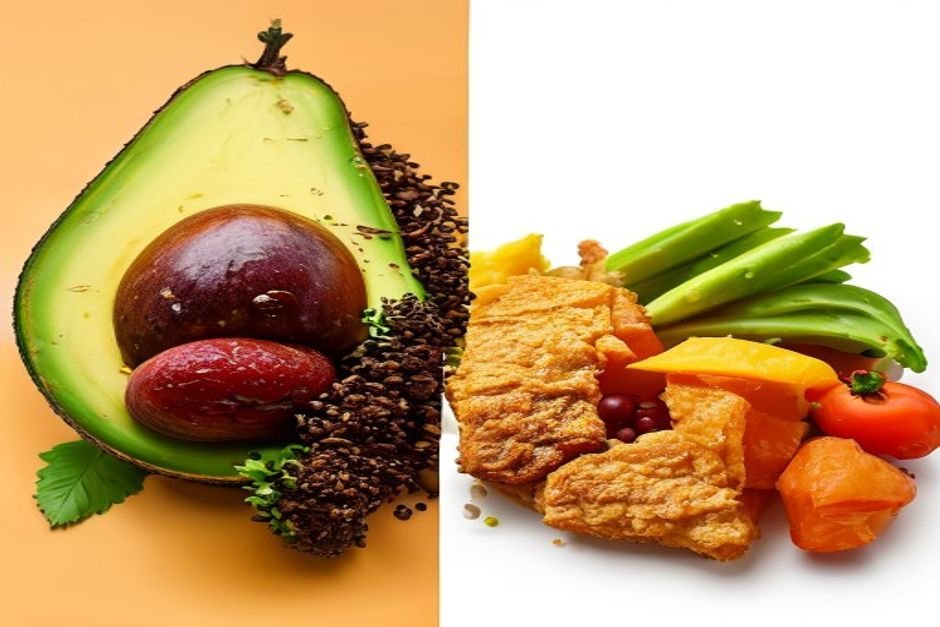
Not all fats are created equal. The type of fat you eat matters as much as the amount.
Unsaturated fats (prioritize these):
- Monounsaturated: olive oil, avocados, almonds, peanuts
- Polyunsaturated: salmon, walnuts, flaxseeds, chia seeds
- Omega-3 fatty acids: fatty fish, fish oil supplements, algae oil
Saturated fats (consume in moderation):
- Coconut oil, butter, red meat, full-fat dairy
- Current guidelines suggest keeping saturated fat under 10 percent of total calories
- Recent research is mixed on whether saturated fat is as harmful as once thought, but moderation remains the safest approach
Trans fats (avoid entirely):
- Found in partially hydrogenated oils, some margarines, and many processed foods
- Increase LDL cholesterol, decrease HDL cholesterol, and raise heart disease risk
- The FDA has largely banned artificial trans fats, but they can still appear in some imported or older products
A good rule of thumb: if it comes from a plant or a fish, it is probably a healthy fat. If it comes from a factory, be more careful.
common mistakes with fat intake
Eating too little fat. In the rush to cut calories, many people slash their fat intake to near zero. This leads to hormonal problems, nutrient deficiencies, and constant hunger. Fat keeps you satiated. Do not eliminate it.
Ignoring omega-3 to omega-6 ratio. The modern Western diet is heavy on omega-6 fatty acids (from vegetable oils like soybean and corn oil) and light on omega-3s. This imbalance promotes inflammation. Aim to eat more fatty fish, walnuts, and flaxseeds to balance things out.
Assuming “fat-free” means healthy. Fat-free products often replace fat with sugar or artificial ingredients to maintain taste and texture. A fat-free yogurt with 20 grams of added sugar is not healthier than full-fat yogurt with no added sugar.
Not adjusting fat intake with changing goals. Your fat needs change depending on what you are trying to achieve. Someone cutting for a competition needs less fat than someone bulking in the off-season. Reassess your macros every time your calorie target changes significantly. Do not set your fat intake once and forget it for months.
Forgetting that alcohol contains calories. While not a fat, alcohol provides 7 calories per gram and can easily push you over your daily calorie target without contributing any nutritional value. If you drink regularly, account for those calories when planning your fat and carb intake.
quick reference chart
Common high-fat foods and their fat content:
- 1 tablespoon olive oil: 14 grams of fat
- 1/2 avocado: 15 grams of fat
- 1 ounce almonds (about 23 nuts): 14 grams of fat
- 3 ounces salmon: 10-13 grams of fat
- 1 tablespoon peanut butter: 8 grams of fat
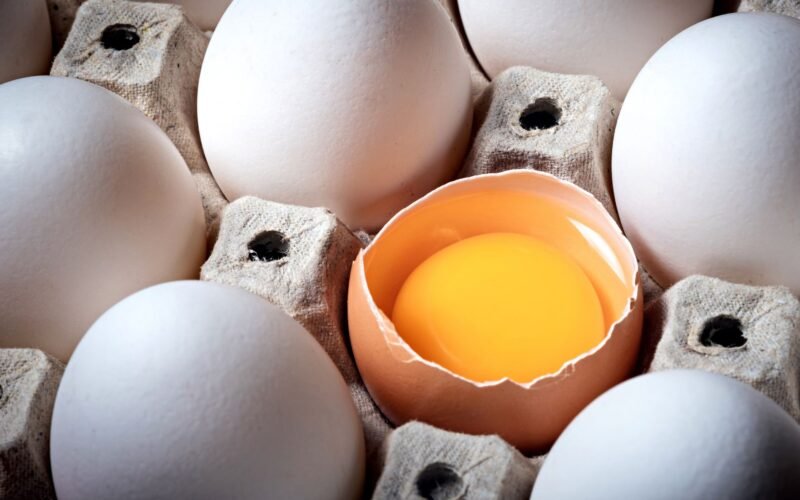
- 1 whole egg: 5 grams of fat
- 1 ounce cheddar cheese: 9 grams of fat
- 1 tablespoon coconut oil: 14 grams of fat
- 1 ounce walnuts: 18 grams of fat
- 1 tablespoon chia seeds: 4 grams of fat
Use this to estimate your daily fat intake without logging every single food. Once you get a sense of what 60 or 80 grams of fat looks like, you can eyeball it most days.
For those who prefer a more structured approach, nutrition tracking apps like MyFitnessPal or Cronometer make it easy to log your daily fat intake and see how close you are to your target. These apps also break down your fat intake by type, showing you how much is saturated, monounsaturated, and polyunsaturated. That level of detail is useful when you are first learning but becomes less necessary once you develop an intuitive sense of your food choices.
Frequently asked questions
How do I calculate my daily fat intake?
Multiply your total daily calories by 0.25 to 0.35 to get calories from fat, then divide by 9 to get grams. For example, at 2,000 calories with 30 percent from fat: 2,000 x 0.30 = 600 calories. 600 / 9 = 67 grams of fat per day.
How many grams of fat should I eat per day?
Most adults should eat 44 to 78 grams of fat per day on a 2,000-calorie diet, which represents 20 to 35 percent of total calories. Adjust based on your goals: 20 to 25 percent for weight loss, 25 to 35 percent for maintenance or muscle gain.
Is 50 grams of fat a day too much?
No, 50 grams of fat per day is well within the recommended range for most adults. On a 1,500 to 1,800 calorie diet, 50 grams represents about 25 to 30 percent of calories from fat, which aligns with standard dietary guidelines. The quality of those 50 grams matters more than the number itself.
Should I eat more fat on a keto diet?
Yes. On a ketogenic diet, fat makes up 70 to 80 percent of your total calories because carbohydrates are restricted to under 50 grams per day. On a 2,000-calorie keto diet, that means roughly 155 to 178 grams of fat per day. This is significantly higher than standard dietary recommendations and should only be done under the keto framework.
What happens if I do not eat enough fat?
Consistently eating too little fat can lead to dry skin, hair loss, hormonal imbalances, irregular menstrual cycles, poor absorption of fat-soluble vitamins, and constant hunger. Women are particularly sensitive to very low-fat diets. If you are eating under 20 percent of calories from fat and experiencing any of these symptoms, increase your intake.
Medical disclaimer: This article is for informational purposes only and does not constitute medical or nutritional advice. Individual fat needs vary based on health conditions, activity levels, and dietary preferences. Always consult a qualified healthcare professional or registered dietitian before making significant changes to your diet.
About the author: The GetLeanPulse team researches and writes evidence-based content on nutrition, weight loss, and healthy living. Our goal is to cut through the noise and give you practical, science-backed advice you can actually use. Have a question or topic suggestion? Reach out through our contact page.