Healthy Meal Prep for the Week: Your Ultimate Guide to a Leaner, Healthier You
In today’s fast-paced world, maintaining a healthy diet often feels like an uphill battle. Between demanding work schedules, family commitments, and the endless temptations of convenience foods, it’s easy to fall off track. But what if there was a simple, effective strategy to reclaim control over your nutrition, save time, reduce stress, and propel you toward your weight loss and wellness goals? Enter: healthy meal prep for the week.
At GetLeanPulse.com, we believe that sustainable health and weight management start with smart planning. Weekly meal prep is not just a trend; it’s a powerful lifestyle shift that empowers you to make nutritious choices effortlessly. This comprehensive guide will walk you through everything you need to know, from the foundational benefits to advanced strategies, ensuring you master the art of healthy meal prep and transform your relationship with food.
Why Healthy Meal Prep is Your Secret Weapon for Weight Loss and Wellness
The benefits of adopting a weekly meal prep routine extend far beyond just having food ready. It’s a holistic approach that impacts your physical health, mental well-being, and even your financial stability. Let’s delve into why healthy meal prep is an indispensable tool for anyone serious about optimizing their health.
1. Effortless Portion Control for Weight Management
One of the biggest hurdles in weight loss is managing portion sizes. When you’re hungry and reaching for a quick meal, it’s incredibly easy to overeat. Meal prepping allows you to pre-portion your meals into individual containers, ensuring you consume the right amount of calories and nutrients without guesswork. This built-in portion control is invaluable for creating a consistent calorie deficit, which is crucial for sustainable weight loss.
2. Significant Time Savings During the Week
Imagine coming home after a long day, knowing a delicious, healthy meal is just seconds away. No chopping, no cooking, no extensive cleanup. By dedicating a few hours one day a week (often Sunday), you free up precious time during your busy weekdays. This means more time for exercise, hobbies, family, or simply relaxing, rather than scrambling to figure out dinner.
3. Substantial Cost Savings
Eating out, ordering takeout, and making last-minute grocery runs for single ingredients can quickly drain your wallet. Meal prepping encourages you to buy in bulk, utilize seasonal produce, and minimize food waste. Planning your meals ahead means fewer impulse buys and a more efficient use of your grocery budget, saving you hundreds, if not thousands, of dollars over the year.
4. Consistent Healthy Eating and Nutrient Intake
When you prep, you consciously choose nutrient-dense ingredients. This consistency ensures you’re fueling your body with lean proteins, complex carbohydrates, healthy fats, and an abundance of fruits and vegetables every day. It helps you avoid processed foods, unhealthy fats, and excessive sugar that often sneak into unplanned meals, leading to better energy levels, improved digestion, and enhanced overall health.
5. Reduced Stress and Decision Fatigue
The daily question of “What’s for dinner?” can be surprisingly stressful. Meal prep eliminates this decision fatigue. With your meals planned and ready, you remove a significant source of daily mental burden, allowing you to focus your energy on other important tasks and enjoy a calmer, more organized week.
6. Enhanced Food Safety and Quality Control
When you prepare your own meals, you have complete control over the ingredients, cooking methods, and hygiene. This reduces your exposure to unknown additives, excessive sodium, and potentially unsanitary conditions often found in commercial kitchens, ensuring your food is fresh, safe, and tailored to your preferences.
7. Boosted Cooking Skills and Creativity
As you get more comfortable with meal prep, you’ll naturally experiment with new recipes, spices, and cooking techniques. This process expands your culinary repertoire, making cooking more enjoyable and less intimidating. You’ll discover new favorite healthy dishes and become more confident in the kitchen.
Getting Started: The Foundation of Successful Meal Prep
Before you dive into cooking, laying a solid foundation is key. Think of it as setting the stage for your weekly culinary performance.
Essential Kitchen Equipment
You don’t need a gourmet kitchen, but a few key items will make your meal prep journey much smoother:
- A good set of knives: Sharp knives make chopping a breeze and are safer than dull ones.
- Cutting boards: Several sizes are useful, preferably one for raw meat and one for produce.
- High-quality food storage containers:
- Glass containers: Durable, microwave-safe, oven-safe, and don’t stain or retain odors. Invest in a variety of sizes with airtight lids.
- BPA-free plastic containers: Lighter and more portable, great for packing lunches. Ensure they are microwave and freezer safe.
- Large pots and pans: For batch cooking grains, roasting vegetables, and cooking proteins.
- Measuring cups and spoons: Essential for accurate portioning and recipe adherence.
- Food scale: Highly recommended for precise portion control, especially for weight loss goals.
- Slow cooker or Instant Pot (optional but highly recommended): Fantastic for hands-off cooking of proteins, stews, and grains.
- Sheet pans: Ideal for roasting multiple vegetables or proteins at once.
Pantry Staples for Healthy Meal Prep
A well-stocked pantry is your best friend. Keep these items on hand to minimize last-minute grocery runs:
- Grains: Quinoa, brown rice, whole-wheat pasta, oats.
- Legumes: Canned beans (black, kidney, chickpeas), lentils (dried or canned).
- Canned goods: Diced tomatoes, tomato paste, tuna, salmon.
- Healthy oils: Olive oil, avocado oil.
- Vinegars: Apple cider vinegar, balsamic vinegar, white wine vinegar.
- Spices and herbs: A wide variety to add flavor without excess sodium or unhealthy fats.
- Nut butters: Peanut butter, almond butter (sugar-free options).
- Nuts and seeds: Almonds, walnuts, chia seeds, flax seeds.
- Frozen fruits and vegetables: Excellent for smoothies and when fresh produce isn’t available.
- Broth: Low-sodium chicken, beef, or vegetable broth.
Kitchen Organization and Mindset
A clean, organized kitchen makes meal prep less daunting. Clear your countertops, clean out your fridge, and ensure you have enough space to work. Approach meal prep with a positive mindset – view it as an investment in your health, not a chore. Put on some music, listen to a podcast, or even invite a friend to join you!
The 5-Step Weekly Meal Prep Process: From Plan to Plate
Successful meal prep follows a systematic approach. Breaking it down into manageable steps makes the entire process efficient and enjoyable.
Step 1: Plan Your Meals Strategically (The Blueprint)
This is arguably the most crucial step. Without a solid plan, you’re just cooking aimlessly.
- Assess Your Needs and Preferences:
- Dietary requirements: Are you vegetarian, vegan, gluten-free, dairy-free?
- Goals: Are you prepping for weight loss, muscle gain, or general health maintenance? This will influence your macro distribution.
- Preferences: What foods do you enjoy? Don’t force yourself to eat foods you dislike, as this leads to burnout.
- Schedule: How many meals do you need to prep? Just lunches, or all meals and snacks?
- Choose Your Recipes:
- Start simple: Don’t try to make five gourmet meals for your first prep session. Begin with 1-2 main dishes that can be easily scaled.
- Component-based vs. Full Meals: Decide if you want to prep individual components (e.g., cooked chicken, roasted veggies, quinoa) that you can mix and match, or full, pre-assembled meals. Component-based offers more variety.
- Theme your week (optional): “Taco Tuesday” prep, “Mediterranean Monday,” etc., can add fun and structure.
- Leverage your slow cooker/Instant Pot: These can be lifesavers for hands-off protein or stew cooking.
- Consider variety: To prevent boredom, try to vary your protein sources, vegetables, and seasonings throughout the week.
- Create a Meal Matrix:
A simple spreadsheet or notebook entry can help visualize your week. Fill in breakfast, lunch, dinner, and snacks for each day. This helps identify where you need to prep and ensures balance.
Meal Monday Tuesday Wednesday Thursday Friday Breakfast Overnight Oats Overnight Oats Overnight Oats Scrambled Eggs (quick cook) Yogurt & Fruit Lunch Chicken & Veggie Bowl Chicken & Veggie Bowl Chicken & Veggie Bowl Lentil Soup Lentil Soup Dinner Turkey Meatloaf & Sweet Potato Turkey Meatloaf & Sweet Potato Salmon & Asparagus (fresh cook) Leftover Lentil Soup Flex Meal / Out Snacks Apple & Almonds Greek Yogurt Veggies & Hummus Hard-boiled Egg Protein Bar
Step 2: Create Your Detailed Shopping List (The Supply Chain)
Once your meals are planned, translate them into a precise grocery list.
- Categorize: Group items by grocery store sections (produce, dairy, meat, pantry, frozen). This saves time and prevents backtracking.
- Check your pantry and fridge: Mark off items you already have to avoid unnecessary purchases.
- Be specific: Instead of “chicken,” write “2 lbs boneless, skinless chicken breast.”
- Don’t forget staples: Oils, spices, condiments, and other pantry essentials that might be running low.
- Stick to the list: This is crucial for budget control and avoiding impulse buys.
Step 3: Smart Grocery Shopping (The Procurement Phase)
With your list in hand, hit the grocery store with a strategy.
- Shop the perimeter first: This is where you’ll find most of your fresh produce, lean proteins, and dairy – the cornerstones of healthy eating.
- Buy in bulk when sensible: Grains, nuts, seeds, and certain proteins are often cheaper in larger quantities. Just be mindful of shelf life.
- Look for sales and seasonal produce: These are often fresher and more affordable.
- Read labels: Pay attention to ingredients, sugar content, sodium, and serving sizes.
- Avoid shopping hungry: This is a surefire way to fill your cart with unhealthy snacks.

Step 4: The Prep Day Power Hour(s) (The Execution)
This is where the magic happens! Dedicate 2-4 hours on your chosen prep day (e.g., Sunday afternoon).
- Clean as you go: Keep your workspace tidy to prevent cross-contamination and make cleanup easier.
- Pre-heat ovens and bring water to boil: Start your cooking processes efficiently.
- Wash and chop all produce: Wash all fruits and vegetables. Chop onions, peppers, carrots, broccoli, etc., and store them in airtight containers. This step alone saves immense time during the week.
- Cook your grains: Prepare a large batch of quinoa, brown rice, or farro. These can be used in bowls, salads, or as sides.
- Cook your proteins:
- Roast: Chicken breasts, turkey meatballs, salmon fillets on sheet pans.
- Grill: Chicken, steak, fish.
- Slow cook/Instant Pot: Shredded chicken, pulled pork (lean cuts), chili, stews.
- Boil: Hard-boiled eggs.
- Roast a variety of vegetables: Broccoli, bell peppers, sweet potatoes, Brussels sprouts, asparagus. Toss with olive oil and your favorite seasonings.
- Prepare sauces and dressings: Whisk together salad dressings, marinades, or simple sauces. Store them separately to prevent sogginess.
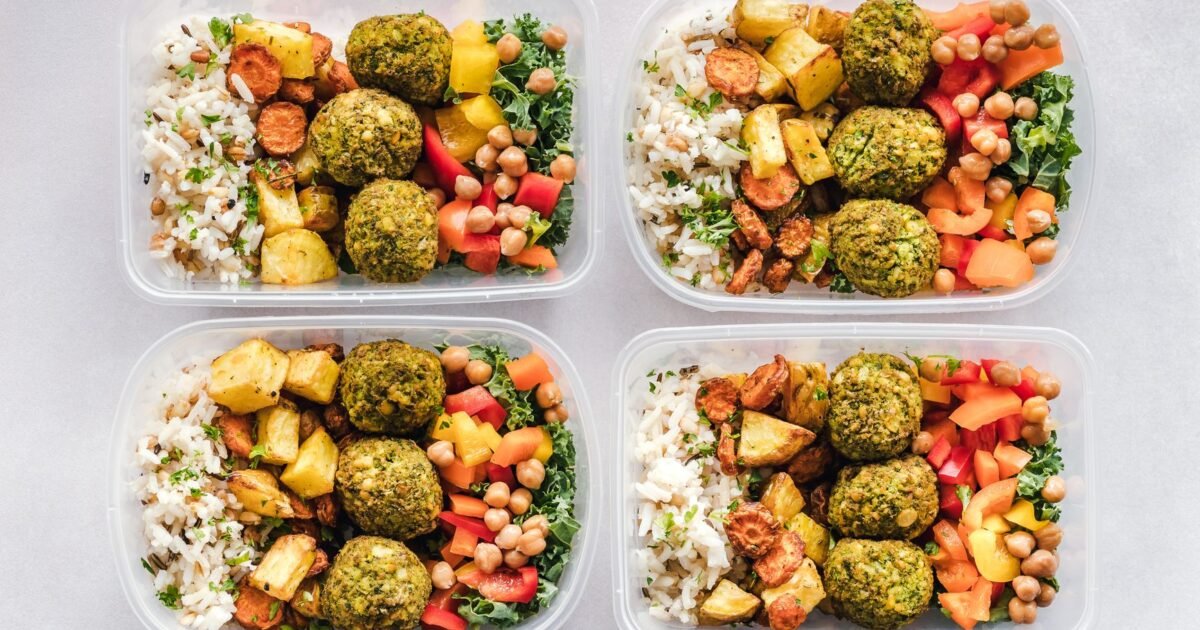
- Assembly line approach: Once everything is cooked and cooled, set up an assembly line. Start with your containers, add grains, then protein, then vegetables. Add sauces/dressings in small separate containers or on the side.
- Cool completely: Ensure all cooked food is cooled to room temperature before sealing and refrigerating. This prevents bacterial growth.
Step 5: Storage and Shelf Life (The Preservation)
Proper storage is critical for food safety and freshness.
- Airtight containers are non-negotiable: They prevent spoilage and freezer burn. Glass containers are excellent.
- Refrigeration: Most prepped meals (cooked protein, grains, cooked vegetables) are good for 3-4 days in the refrigerator. Salad components should be stored separately, and dressings added just before eating.
- Freezing: Many meals freeze beautifully for 1-3 months. Soups, stews, chili, cooked grains, and some proteins (chicken, ground meat) are great candidates. Label containers with the date and contents.
- Cool completely before storing: Placing hot food directly into the fridge or freezer can raise the temperature of other foods, creating a food safety hazard.
- Separate wet from dry: For salads, keep dressing, crunchy toppings (nuts, croutons), and wet ingredients (tomatoes, cucumbers) separate until serving to prevent sogginess.
- Layering for salads: If building jar salads, layer dressing at the bottom, then hard vegetables (carrots, bell peppers), then grains/protein, then leafy greens on top.
Healthy Meal Prep Components: Building Blocks for Balanced Meals
Understanding the core components of a healthy meal will help you design balanced, nutritious, and satisfying prepped dishes.
1. Lean Proteins: The Satiety Powerhouse
Proteins are essential for muscle repair, growth, and keeping you feeling full. Aim for a palm-sized portion with each meal.
- Chicken breast/thighs: Versatile, affordable, and easy to cook in bulk (baked, grilled, shredded).
- Turkey: Ground turkey, turkey breast, or turkey meatballs.
- Fish: Salmon, cod, tilapia (can be prepped or cooked fresh quickly). Canned tuna or salmon are great pantry staples.
- Eggs: Hard-boiled eggs are perfect for snacks or a quick breakfast.
- Legumes: Black beans, chickpeas, lentils (excellent for plant-based protein, high in fiber).
- Tofu/Tempeh: Great plant-based options, absorbs flavors well.
- Greek yogurt/Cottage cheese: High in protein, good for breakfasts and snacks.
2. Complex Carbohydrates: Sustained Energy Release
Complex carbs provide sustained energy, fiber, and important nutrients. Focus on whole grains over refined ones.
- Quinoa: Complete protein, high in fiber, cooks quickly.
- Brown rice: A classic staple, provides good energy.
- Sweet potatoes: Packed with vitamins, fiber, and natural sweetness. Can be roasted, mashed, or diced.
- Whole-wheat pasta/couscous: A good base for salads or pasta dishes.
- Oats: Perfect for overnight oats or oatmeal breakfasts.
- Farro/Barley: Chewy, nutritious grains that hold up well.
3. Healthy Fats: Essential for Hormones and Absorption
Healthy fats are crucial for hormone production, nutrient absorption, and satiety. Consume in moderation.
- Avocado: Sliced (add just before eating to prevent browning) or mashed into guacamole.
- Nuts and seeds: Almonds, walnuts, chia seeds, flax seeds, pumpkin seeds (great for snacks or topping meals).
- Olive oil/Avocado oil: For cooking and dressings.
- Nut butters: Peanut, almond, cashew (sugar-free options).
4. Vibrant Vegetables: Micronutrient Powerhouses
Load up on non-starchy vegetables for vitamins, minerals, and fiber. Aim for a rainbow of colors.
- Leafy greens: Spinach, kale, mixed greens (store separately, add just before eating).
- Cruciferous vegetables: Broccoli, cauliflower, Brussels sprouts (excellent roasted).
- Root vegetables: Carrots, bell peppers, zucchini, green beans (can be roasted, steamed, or eaten raw).
- Onions and garlic: Flavor bases for many dishes.
5. Fruits: Nature’s Sweet Treat
Great for snacks, adding to oatmeal, or as a light dessert.
- Berries: Blueberries, strawberries, raspberries (high in antioxidants).
- Apples, bananas, oranges: Portable and convenient.
- Melon: Cantaloupe, watermelon (pre-cut for easy snacking).
Advanced Meal Prep Strategies and Tips
Once you’ve mastered the basics, these strategies can take your healthy meal prep to the next level.
1. Component Prep for Maximum Versatility
Instead of full meals, cook large batches of individual components: 3 lbs cooked chicken, 2 cups cooked quinoa, a big tray of roasted veggies. During the week, mix and match these components into different meals (e.g., chicken and quinoa in a salad one day, chicken and quinoa in a wrap the next, chicken with roasted veggies for dinner).
2. Freezer-Friendly Meal Prep
Not everything needs to be eaten within 3-4 days. Batch cook double or triple portions of freezer-friendly meals and freeze them for busy weeks when you can’t prep.
- Examples: Chili, soups, stews, casseroles, meatloaf, breakfast burritos, cooked grains, shredded chicken/pork.
- Labeling is key: Always label with the dish name and date.
3. Repurposing Leftovers Creatively
Don’t let cooked components go to waste. Get creative with how you transform them:
- Leftover roasted chicken can become chicken salad, a stir-fry, or a quesadilla filling.
- Leftover roasted vegetables can be added to an omelet, blended into a soup, or used in a frittata.
- Cooked quinoa can be turned into a breakfast bowl with fruit and nuts, or a cold salad with herbs and lemon.
4. Snack Prep for Smart Choices
Healthy snacking is just as important as healthy meals. Prep your snacks:
- Portion out nuts and seeds into small baggies.
- Wash and chop veggies like carrots, celery, and bell peppers, and pair them with hummus.
- Boil a dozen eggs for quick protein boosts.
- Make homemade protein balls or bars.
5. Hydration Prep
Don’t forget water! Prepare infused water with cucumber, mint, lemon, or berries to encourage consistent hydration throughout the day.
6. Embrace Theme Days for Variety
If you find yourself getting bored, assign themes to your meal prep. For example, one week could focus on Asian-inspired bowls, the next on Mediterranean wraps, and the following on Mexican-inspired salads. This keeps things fresh and exciting.
Overcoming Common Meal Prep Challenges
Even the most seasoned meal preppers face obstacles. Here’s how to tackle them:
1. Battling Boredom and Repetition
- Solution: Vary your spices and sauces. Even the same chicken and rice can taste different with a new dressing or seasoning blend. Embrace component prep to mix and match. Don’t prep every single meal; leave room for one or two “flex meals” or quick fresh cooks.
- Solution: Explore new recipes regularly. Use Pinterest, healthy food blogs, or cookbooks for inspiration.
2. Time Constraints
- Solution: Start small. Prep only lunches or only dinners for 2-3 days, not a full week of all meals. Gradually increase as you get faster.
- Solution: Utilize shortcuts like pre-chopped veggies (though more expensive), rotisserie chicken, or quick-cooking grains.
- Solution: Efficient sequencing. Multi-task in the kitchen: while grains cook, chop veggies; while veggies roast, cook protein.
3. Food Spoilage Before the Week is Out
- Solution: Invest in high-quality, airtight containers (glass is best).
- Solution: Ensure food is cooled completely before refrigeration.
- Solution: Freeze portions you won’t eat within 3-4 days.
- Solution: Store wet and dry ingredients separately (e.g., dressing separate from salad greens).
- Solution: Prioritize eating more perishable items earlier in the week.
4. Lack of Motivation
- Solution: Find an accountability partner.
- Solution: Make it fun – put on music, listen to a podcast, or watch a show while you prep.
- Solution: Focus on the “why.” Remind yourself of the benefits: health, savings, stress reduction, and reaching your weight loss goals.
- Solution: Reward yourself after a successful prep session.
5. Portion Control Issues (Too Little or Too Much)
- Solution: Use a food scale, especially when starting, to accurately measure protein, grains, and healthy fats according to your specific caloric and macro needs.
- Solution: Refer to visual guides for portion sizes (e.g., a deck of cards for protein, a cupped hand for carbs).
- Solution: Use appropriately sized containers for individual meals.
Sample Weekly Meal Prep Plan for Weight Loss
Here’s an example of what a healthy, balanced weekly meal prep could look like, focusing on nutrient density and weight management.
Prep Day (Sunday):
- Cook 2 lbs boneless, skinless chicken breast (bake or grill). Shred some, dice some.
- Cook 2 cups dry quinoa.
- Roast 4 cups mixed vegetables (broccoli, bell peppers, zucchini) with olive oil and spices.
- Hard-boil 6 eggs.
- Prepare a batch of overnight oats (mix oats, chia seeds, milk, protein powder, berries).
- Wash and chop salad greens, carrots, cucumbers.
- Make a simple vinaigrette dressing.
Meal Breakdown:
- Breakfast (Monday-Wednesday): Overnight Oats with berries.
- Breakfast (Thursday-Friday): 2 Hard-boiled eggs with a piece of fruit.
- Lunch (Monday-Wednesday): Chicken & Quinoa Power Bowl: 4 oz shredded chicken, 1/2 cup cooked quinoa, 1 cup roasted veggies, 1 tbsp vinaigrette.
- Lunch (Thursday-Friday): Large Green Salad with 4 oz diced chicken, mixed greens, chopped carrots/cucumber, 1 tbsp vinaigrette.
- Dinner (Monday-Tuesday): Chicken & Roasted Veggie Plate: 4 oz grilled/baked chicken, 1.5 cups roasted vegetables.
- Dinner (Wednesday): Quick Salmon & Asparagus: Cook fresh (15-20 min total).
- Dinner (Thursday): Leftover Chicken & Quinoa Power Bowl from lunch or a quick Lean Protein Stir-fry (using pre-chopped veggies).
- Dinner (Friday): Flex meal (eat out or cook something simple fresh).
- Snacks (Daily): Apple slices with 1 tbsp almond butter, or a handful of almonds, or Greek yogurt.
This plan provides variety, balances macronutrients, and is designed to keep you full and energized while supporting weight loss goals. Remember to adjust portion sizes based on your individual caloric needs.
The GetLeanPulse.com Verdict: Embrace the Power of Prep!
Healthy meal prep for the week is more than just a culinary hack; it’s a strategic investment in your health, time, and peace of mind. By dedicating a few hours each week, you gain immense control over your nutrition, making it easier to stick to your weight loss goals, boost your energy, and reduce daily stress.
Don’t let the idea of meal prep intimidate you. Start small, be consistent, and allow yourself to learn and adapt. The benefits you’ll reap—from a leaner physique and improved energy to a fatter wallet and more free time—are well worth the effort.
Ready to transform your weeks and your waistline? Start your healthy meal prep journey today and feel the GetLeanPulse difference!
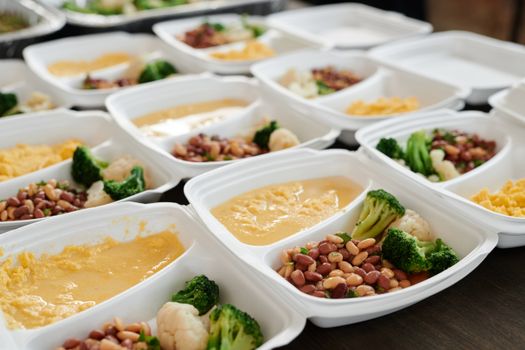
Photo by Ella Olsson on Pexels