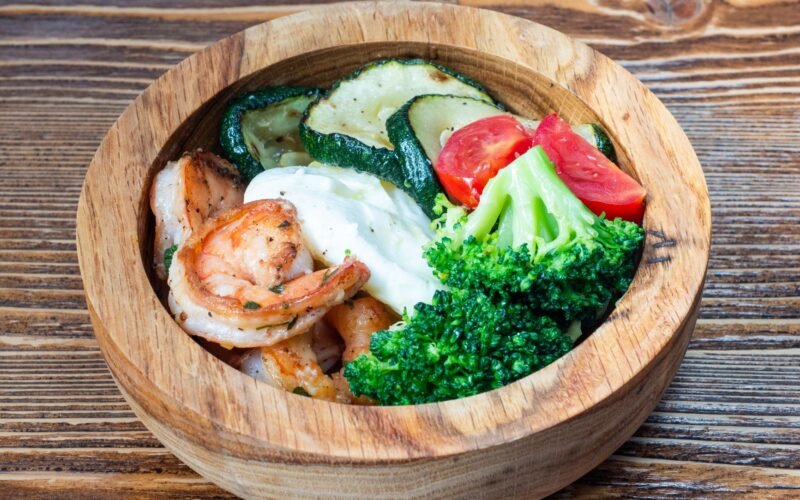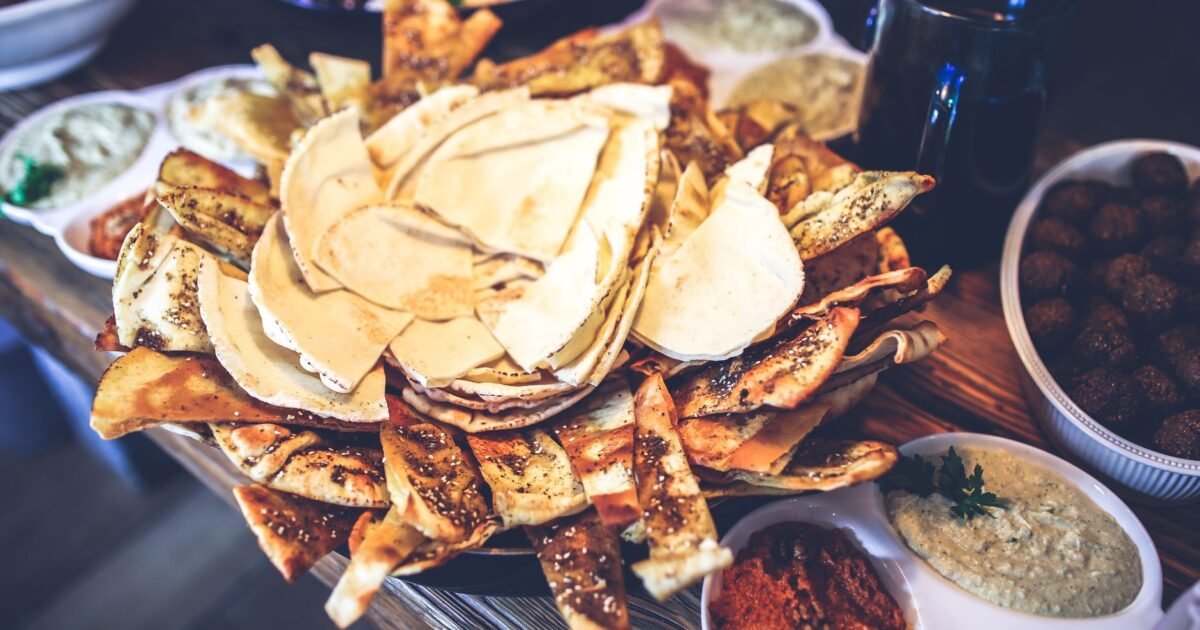
Welcome to GetLeanPulse.com, your ultimate resource for embracing a healthier lifestyle! Today, we’re diving deep into one of the most celebrated and scientifically-backed eating patterns in the world: the Mediterranean diet. If you’re looking to transform your health, manage your weight, and enjoy delicious, wholesome food, you’ve come to the right place. This comprehensive guide and meal plan is specifically designed for beginners, making your transition to the Mediterranean lifestyle smooth, enjoyable, and sustainable.
The Mediterranean diet isn’t just another fad; it’s a time-tested approach to eating inspired by the traditional diets of countries bordering the Mediterranean Sea, such as Greece, Italy, and Spain. It emphasizes whole, unprocessed foods, healthy fats, and a rich variety of plant-based ingredients, all while promoting a lifestyle that includes physical activity and social connection. Research consistently shows that adopting this eating pattern can lead to significant benefits, including improved heart health, reduced risk of chronic diseases, enhanced brain function, and effective weight management.
For many, the idea of changing eating habits can feel overwhelming. That’s why we’ve broken down the Mediterranean diet into easy-to-understand principles and crafted a practical, week-long meal plan to kickstart your journey. You don’t need to be a gourmet chef or spend hours in the kitchen to enjoy the benefits of this incredible diet. Our focus is on simplicity, accessibility, and, most importantly, deliciousness.
In this extensive article, you will learn:
- What the Mediterranean diet truly entails, beyond just food.
- The impressive health benefits you can expect.
- The core food groups and how to incorporate them into your daily meals.
- A step-by-step guide to stocking your Mediterranean pantry.
- A detailed, easy-to-follow 7-day Mediterranean diet meal plan for beginners.
- Practical tips for meal prepping and mindful eating.
- Answers to common questions beginners often have.
Get ready to embark on a flavorful journey that will nourish your body, delight your taste buds, and set you on the path to a healthier, happier you. Let’s begin!
Mediterranean Diet Meal Plan for Beginners: Your Full Guide to Healthy Eating
Understanding the Mediterranean Diet: More Than Just Food
Before we dive into meal plans and recipes, it’s crucial to grasp the philosophy behind the Mediterranean diet. It’s not a restrictive diet designed for quick weight loss (though weight loss often naturally occurs). Instead, it’s a sustainable lifestyle focusing on whole, unprocessed foods and enjoyable eating experiences, deeply rooted in cultural traditions and scientific evidence.
What Exactly is the Mediterranean Diet?
The Mediterranean diet is an eating pattern that reflects the traditional diets of people living in countries like Greece, Italy, and Spain during the mid-20th century. It emphasizes:
- Abundance of plant-based foods: Fruits, vegetables, whole grains, legumes, nuts, and seeds form the foundation of most meals.
- Healthy fats: Olive oil is the primary source of fat, used liberally for cooking, dressing, and dipping.
- Fish and seafood: Consumed regularly, at least twice a week, particularly fatty fish rich in omega-3s.
- Poultry and eggs: Included in moderation, a few times a week.
- Dairy: Yogurt and cheese are consumed in moderate portions.
- Red meat: Eaten sparingly, often reserved for special occasions or in small amounts as part of a larger dish.
- Wine: Consumed in moderation, typically with meals (optional).
- Water: The primary beverage.
- Herbs and spices: Used generously to flavor food, reducing the need for excess salt.
- Minimal processed foods: Highly processed items, sugary drinks, and refined grains are largely avoided.
Beyond the plate, the Mediterranean diet also encourages physical activity, sharing meals with others, and enjoying life – elements that contribute significantly to overall well-being.
Why Choose the Mediterranean Diet? (Benefits)
The widespread acclaim for the Mediterranean diet isn’t just anecdotal; it’s backed by decades of robust scientific research. Adopting this eating pattern can unlock a myriad of health benefits that extend far beyond simple weight management. Here’s a closer look at why it’s consistently ranked as one of the healthiest diets in the world:
Heart Health Champion
Perhaps the most well-known benefit of the Mediterranean diet is its profound impact on cardiovascular health. It’s rich in monounsaturated fats from olive oil and polyunsaturated fats from fish and nuts, which are crucial for maintaining healthy cholesterol levels. These fats help lower LDL (“bad”) cholesterol while increasing HDL (“good”) cholesterol. The diet also emphasizes high fiber intake from fruits, vegetables, and whole grains, which further aids in cholesterol regulation and blood pressure control. The abundance of antioxidants from plant foods helps protect against oxidative stress and inflammation, key contributors to heart disease. Studies consistently show that individuals following a Mediterranean diet have a significantly lower risk of heart attacks, strokes, and other cardiovascular events.
Effective Weight Management
While not a restrictive “diet” in the traditional sense, the Mediterranean lifestyle naturally supports healthy weight management. Its emphasis on whole, unprocessed foods, high fiber content, and healthy fats promotes satiety, helping you feel fuller for longer and reducing the likelihood of overeating. By swapping refined carbohydrates and sugary snacks for nutrient-dense fruits, vegetables, and whole grains, you naturally reduce calorie intake while increasing nutrient density. Furthermore, the inclusion of lean proteins like fish and legumes helps preserve muscle mass, which is vital for a healthy metabolism. This isn’t about rapid weight loss, but rather sustainable, healthy weight maintenance through balanced nutrition.
Brain Power and Cognitive Health
The brain, like the heart, thrives on healthy fats and antioxidants. The Mediterranean diet provides both in abundance. Omega-3 fatty acids from fatty fish (like salmon and mackerel) are critical building blocks for brain cells and have anti-inflammatory properties that can protect against cognitive decline. Olive oil, nuts, and seeds also contribute to brain health. Regular consumption of fruits and vegetables, rich in vitamins, minerals, and polyphenols, helps combat oxidative stress, which can damage brain cells. Research suggests that a Mediterranean eating pattern can reduce the risk of Alzheimer’s disease, improve memory, and enhance overall cognitive function as you age.
Blood Sugar Control and Diabetes Prevention
For individuals at risk of or living with type 2 diabetes, the Mediterranean diet offers significant advantages. Its focus on whole grains, legumes, and high-fiber vegetables helps stabilize blood sugar levels by slowing down glucose absorption. This prevents sharp spikes and crashes in blood sugar, which are detrimental to insulin sensitivity. The healthy fats and lean proteins also contribute to better blood sugar control. Several studies have demonstrated that adherence to the Mediterranean diet can significantly lower the risk of developing type 2 diabetes and improve glycemic control in those already diagnosed.
Anti-Inflammatory Benefits
Chronic inflammation is a silent enemy, implicated in a wide range of diseases, including heart disease, cancer, autoimmune conditions, and neurodegenerative disorders. The Mediterranean diet is inherently anti-inflammatory. Its rich array of antioxidants and phytonutrients from fruits, vegetables, olive oil, and herbs actively combats inflammation in the body. The reduction in processed foods, refined sugars, and unhealthy fats—which are pro-inflammatory—further enhances this benefit, contributing to overall disease prevention and improved well-being.
Longevity and Overall Well-being
Perhaps the most compelling argument for adopting the Mediterranean diet is its association with increased longevity and a higher quality of life. Populations in Mediterranean regions historically known for their adherence to this diet often exhibit longer lifespans and lower rates of chronic diseases. This holistic approach to eating, coupled with an active lifestyle and strong social connections, fosters a sense of well-being that extends beyond just physical health, contributing to a vibrant and fulfilling life.
By choosing the Mediterranean diet, you’re not just changing what you eat; you’re embracing a profound shift towards a healthier, more vibrant existence, supported by delicious food and sustainable habits.
The Pillars of Your Mediterranean Plate
To truly understand and implement the Mediterranean diet, it’s essential to know which foods to prioritize and which to limit. Think of it as a culinary pyramid, with the most frequently consumed foods forming the base.
Embrace Plant-Based Foods
These are the cornerstone of the Mediterranean diet, making up the largest portion of your meals.
- Fruits: Enjoy a wide variety daily. Berries, apples, oranges, grapes, figs, melons, and peaches are excellent choices. They provide natural sweetness, fiber, and antioxidants. Have them as snacks, add to yogurt, or as a light dessert.
- Vegetables: Aim for multiple servings with every meal. Leafy greens (spinach, kale, arugula), broccoli, bell peppers, tomatoes, cucumbers, zucchini, eggplant, onions, and artichokes are staples. Roast them, sauté them in olive oil, add them to salads, soups, or stews. Fresh, seasonal vegetables are key.
- Whole Grains: Opt for unprocessed whole grains over refined ones. This includes oats, quinoa, brown rice, whole-wheat bread, whole-wheat pasta, barley, and farro. They provide sustained energy and fiber.
- Legumes: A fantastic source of plant-based protein and fiber. Lentils, chickpeas, black beans, kidney beans, and cannellini beans are incredibly versatile. Use them in soups, stews, salads, or make hummus.
- Nuts & Seeds: Almonds, walnuts, cashews, pistachios, sunflower seeds, pumpkin seeds, and chia seeds are packed with healthy fats, protein, and fiber. Enjoy them in moderation as snacks, sprinkled over salads, or added to oatmeal.
Healthy Fats are Your Friends
Contrary to outdated dietary advice, healthy fats are crucial for satiety, nutrient absorption, and overall health.
- Olive Oil: The undisputed star of the Mediterranean diet. Extra virgin olive oil (EVOO) is preferred for its rich flavor and high antioxidant content. Use it for cooking, dressing salads, dipping bread, and drizzling over finished dishes.
- Avocado: Another excellent source of monounsaturated fats, along with fiber and vitamins. Enjoy it sliced in salads, mashed as guacamole, or spread on whole-grain toast.
- Nuts & Seeds: (As mentioned above) These also contribute significantly to your healthy fat intake.
Moderate Protein Sources
While plant-based foods provide protein, animal sources are also included in moderation.
- Fish & Seafood: Aim for at least two servings per week. Fatty fish like salmon, mackerel, sardines, and tuna are rich in omega-3 fatty acids, which are vital for heart and brain health. Leaner options include cod, snapper, and shrimp. Bake, grill, or pan-sear with olive oil and herbs.
- Poultry: Chicken and turkey are good lean protein sources. Opt for skinless breasts or thighs. Enjoy a few times a week, grilled, baked, or in stews.
- Eggs: Versatile and nutritious, eggs can be enjoyed a few times a week. Scrambled, boiled, or in an omelet with vegetables.
- Dairy: Greek yogurt and various cheeses (feta, mozzarella, halloumi) are consumed in moderation. Greek yogurt is excellent for breakfast or snacks, while cheese can add flavor to salads or vegetable dishes.
Limit Red Meat and Processed Foods
These are consumed sparingly, if at all.
- Red Meat: Enjoy red meat (beef, lamb, pork) only a few times a month, and in smaller portions. When you do, choose leaner cuts.
- Processed Foods: This category includes sugary drinks, highly processed snacks (chips, cookies), fast food, refined grains (white bread, white pasta), and processed meats. These should be largely avoided as they are often high in unhealthy fats, sugar, and sodium, and lack essential nutrients.
Water, Herbs, Spices, and Occasional Wine
These elements enhance the enjoyment and health benefits of the diet.
- Water: Stay well-hydrated throughout the day. Water is your primary beverage.
- Herbs and Spices: Fresh and dried herbs like basil, oregano, thyme, rosemary, parsley, garlic, and cumin add incredible flavor without relying on excessive salt.
- Wine: Red wine, in moderation (one glass for women, two for men per day), often accompanies meals. This is optional and should not be started if you don’t already drink alcohol.
Getting Started: Your Beginner’s Action Plan
Embarking on a new eating journey can feel daunting, but with a clear plan, it becomes an exciting adventure. Here’s how to set yourself up for success with the Mediterranean diet.
Stocking Your Mediterranean Pantry
A well-stocked pantry is your secret weapon for consistent healthy eating. Before you dive into the meal plan, consider gathering these staples:
Produce Aisle Essentials:
- Fruits: Apples, oranges, berries (fresh or frozen), grapes, bananas, lemons, limes.
- Vegetables: Spinach, kale, romaine lettuce, tomatoes, cucumbers, bell peppers, onions, garlic, zucchini, eggplant, broccoli, carrots, sweet potatoes, potatoes.
- Herbs: Fresh basil, parsley, oregano, rosemary, thyme (or dried versions).
Pantry Staples:
- Oils & Vinegars: Extra virgin olive oil (invest in a good quality one!), balsamic vinegar, red wine vinegar.
- Whole Grains: Oats (rolled or steel-cut), brown rice, quinoa, whole-wheat pasta, whole-wheat bread or pita.
- Legumes: Canned chickpeas, lentils, black beans, kidney beans (rinse well to reduce sodium). Dried versions if you prefer to cook from scratch.
- Nuts & Seeds: Almonds, walnuts, pistachios, sunflower seeds, pumpkin seeds, chia seeds, flax seeds.
- Canned Goods: Diced tomatoes, tomato paste, tuna in olive oil, sardines.
- Spices: Cumin, paprika, dried oregano, basil, garlic powder, onion powder, black pepper, red pepper flakes.
- Other: Honey or maple syrup (in moderation), olives.
Refrigerated & Frozen Items:
- Proteins: Fresh or frozen fish (salmon, cod, sardines), chicken breast or thighs, eggs.
- Dairy: Plain Greek yogurt, feta cheese, mozzarella (in moderation).
- Frozen Vegetables: Peas, green beans, mixed vegetables (great for quick additions to meals).
Meal Prep Strategies for Success
Meal prepping is not just for fitness enthusiasts; it’s a powerful tool for anyone looking to eat healthier, save time, and reduce food waste. For beginners on the Mediterranean diet, it can make adherence significantly easier.
- Batch Cook Grains: Cook a large batch of brown rice, quinoa, or lentils at the beginning of the week. These can be used as bases for lunches, dinners, or added to salads.
- Chop Veggies Ahead: Wash and chop vegetables like bell peppers, cucumbers, carrots, and celery. Store them in airtight containers for quick snacks or to add to stir-fries, omelets, or salads throughout the week.
- Prepare Salad Dressings: Whisk together a simple vinaigrette with olive oil, vinegar, herbs, and spices. Store in a jar.
- Roast a Big Batch of Veggies: Roasting a tray of mixed vegetables (zucchini, eggplant, bell peppers, onions) in olive oil and herbs creates versatile components for multiple meals.
- Cook Lean Protein: Grill or bake extra chicken breasts or fish fillets. These can be sliced and added to salads, wraps, or grain bowls.
- Portion Snacks: Divide nuts, seeds, or chopped fruit into individual containers or bags for grab-and-go healthy snacks.
- Hard-Boil Eggs: A quick and easy protein source for snacks or salads.
Mindful Eating and Lifestyle Integration
The Mediterranean diet is as much about how you eat as what you eat. Embrace these lifestyle habits:
- Savor Your Meals: Slow down, taste your food, and pay attention to hunger and fullness cues. Avoid distractions like screens.
- Eat with Others: Sharing meals is a cornerstone of Mediterranean culture. It fosters connection and makes eating a more enjoyable experience.
- Stay Active: Incorporate regular physical activity into your daily routine. It doesn’t have to be intense; a daily walk, gardening, or cycling are great options.
- Prioritize Rest: Ensure you get adequate sleep, as it plays a crucial role in overall health and appetite regulation.
Your 7-Day Mediterranean Diet Meal Plan for Beginners
This sample meal plan is designed to introduce you to the staples of the Mediterranean diet in a simple, delicious, and achievable way. Remember, flexibility is key! Feel free to swap meals, adjust portion sizes based on your hunger, and incorporate your favorite Mediterranean-friendly foods.
General Notes for Your Meal Plan:
- Hydration: Drink plenty of water throughout the day.
- Olive Oil: Use extra virgin olive oil generously for cooking and dressings.
- Seasoning: Flavor your meals with fresh herbs, garlic, onions, and spices instead of excessive salt.
- Snacks: If you get hungry between meals, opt for a piece of fruit, a handful of nuts, a small container of Greek yogurt, or vegetable sticks with hummus.
- Portions: This is a guide; adjust portions to your individual needs and activity level.
- Coffee/Tea: Enjoy unsweetened coffee or tea in moderation.
Day 1: A Fresh Start
- Breakfast: Greek yogurt with berries (strawberries, blueberries) and a sprinkle of chopped walnuts.
- Lunch: Large mixed green salad with cucumber, tomatoes, bell peppers, olives, chickpeas, and a lemon-herb vinaigrette (olive oil, lemon juice, dried oregano).
- Dinner: Baked salmon fillet seasoned with lemon and dill, served with a generous side of roasted asparagus and quinoa.
- Optional Snack: Apple slices with a small handful of almonds.
Day 2: Whole Grains and Vibrant Veggies
- Breakfast: Oatmeal cooked with water or unsweetened almond milk, topped with sliced banana and a drizzle of honey.
- Lunch: Leftover baked salmon and quinoa, or a whole-wheat pita pocket filled with hummus, cucumber, tomato, and spinach.
- Dinner: Lentil soup (made with vegetables like carrots, celery, onion, and tomatoes) served with a slice of whole-wheat bread dipped in olive oil.
- Optional Snack: A handful of grapes.
Day 3: Exploring Flavors
- Breakfast: Scrambled eggs (2) with sautéed spinach and cherry tomatoes, seasoned with black pepper.
- Lunch: Tuna salad (made with olive oil, lemon juice, and chopped celery) served on a bed of mixed greens or whole-wheat crackers.
- Dinner: Chicken and vegetable skewers (chicken breast pieces, bell peppers, zucchini, onion) grilled or baked, served with brown rice.
- Optional Snack: Plain Greek yogurt.
Day 4: Fish Focus
- Breakfast: Whole-wheat toast (1-2 slices) with mashed avocado and a sprinkle of red pepper flakes.
- Lunch: Leftover chicken and vegetable skewers with brown rice.
- Dinner: Sardines (canned in olive oil) on whole-grain toast with sliced tomatoes and a side salad dressed with olive oil and balsamic vinegar.
- Optional Snack: Orange.
Day 5: Plant-Powered Day
- Breakfast: Smoothie made with spinach, banana, a scoop of plain Greek yogurt, and a splash of unsweetened almond milk.
- Lunch: Large bowl of minestrone soup (vegetable and bean-based) with a sprinkle of Parmesan cheese (optional, in moderation).
- Dinner: Chickpea and vegetable curry (mild, made with coconut milk, lots of veggies like cauliflower, peas, and spinach) served with a small portion of quinoa.
- Optional Snack: Carrot sticks with hummus.
Day 6: A Weekend Delight
- Breakfast: Greek yogurt with sliced figs or peaches and a sprinkle of sunflower seeds.
- Lunch: Whole-wheat wrap filled with roasted vegetables (from prep day, if any) and a smear of hummus.
- Dinner: Homemade whole-wheat pasta with a simple tomato and basil sauce, topped with grilled shrimp or a few olives.
- Optional Snack: A small handful of pistachios.
Day 7: Reflect and Recharge
- Breakfast: Frittata or omelet loaded with leftover chopped vegetables (onions, bell peppers, zucchini) and a small amount of feta cheese.
- Lunch: Leftover whole-wheat pasta with tomato sauce and shrimp/olives, or a large salad with a hard-boiled egg.
- Dinner: Baked cod with lemon and herbs, served with a side of roasted sweet potatoes and a green salad.
- Optional Snack: A small bowl of berries.
This 7-day Mediterranean diet meal plan for beginners offers a taste of the variety and deliciousness this lifestyle provides. As you become more comfortable, you can experiment with different ingredients, spices, and cooking methods to tailor it to your preferences.
Beyond the Plate: Lifestyle Habits for Optimal Health
The Mediterranean diet is more than just a list of foods; it’s a holistic lifestyle. To truly reap its full benefits, it’s crucial to integrate other key components that contribute to overall well-being.
The Importance of Physical Activity
In Mediterranean cultures, physical activity is a natural part of daily life, not just a chore. Incorporating regular movement into your routine complements your healthy eating habits, boosting energy levels, supporting weight management, and improving cardiovascular health. You don’t need to join an expensive gym or embark on strenuous workouts. Simple, consistent activities are often most effective:
- Daily Walks: Aim for at least 30 minutes of brisk walking most days of the week. Explore your neighborhood, a local park, or a scenic trail.
- Gardening: A fantastic way to combine physical activity with producing fresh food.
- Cycling: A great low-impact exercise for cardiovascular health.
- Stretching and Yoga: Improve flexibility, reduce stress, and strengthen your core.
- Household Chores: Believe it or not, active cleaning and home maintenance contribute to your daily movement.
The key is consistency and finding activities you genuinely enjoy, making them sustainable parts of your life.
Social Connection and Mindful Living
Eating is a social event in Mediterranean cultures. Meals are often shared with family and friends, fostering strong bonds and a sense of community. This social aspect is incredibly important for mental health and overall happiness. Make an effort to:
- Share Meals: Cook and eat with loved ones whenever possible. Turn mealtime into an opportunity for connection and conversation.
- Slow Down and Savor: Practice mindful eating. Pay attention to the flavors, textures, and aromas of your food. Eat slowly, without distractions, allowing your body to register fullness. This not only enhances enjoyment but also aids digestion and prevents overeating.
- Manage Stress: Chronic stress can negatively impact your health, even if you eat well. Incorporate stress-reducing activities like meditation, deep breathing exercises, spending time in nature, or pursuing hobbies you enjoy.
Prioritizing Rest and Recovery
Adequate sleep is fundamental to good health. It affects everything from hormone regulation and metabolism to immune function and cognitive performance. In modern society, sleep is often undervalued, but it’s a crucial pillar of the Mediterranean lifestyle.
- Aim for 7-9 Hours: Most adults need 7-9 hours of quality sleep per night.
- Establish a Routine: Go to bed and wake up around the same time each day, even on weekends, to regulate your body’s natural sleep-wake cycle.
- Create a Relaxing Environment: Ensure your bedroom is dark, quiet, and cool. Avoid screens (phones, tablets, TVs) at least an hour before bedtime.
- Limit Caffeine and Alcohol: Especially in the hours leading up to sleep, as they can disrupt sleep patterns.
By embracing these lifestyle habits alongside your Mediterranean diet, you’re not just improving your physical health; you’re nurturing your entire being, leading to a more balanced, joyful, and resilient life.
Common Questions and Troubleshooting for Beginners
It’s natural to have questions when starting a new eating plan. Here are some common concerns beginners often face with the Mediterranean diet, along with practical answers and tips.
Is the Mediterranean Diet Expensive?
While some specialty items can be pricey, the Mediterranean diet can be incredibly budget-friendly. Its emphasis on staple foods like legumes, whole grains, and seasonal vegetables often makes it more economical than diets relying heavily on expensive cuts of meat or specialized products. Here’s how to keep costs down:
- Buy in Season: Seasonal fruits and vegetables are typically cheaper and taste better.
- Opt for Frozen: Frozen fruits and vegetables are just as nutritious as fresh and often more affordable, especially for items out of season.
-
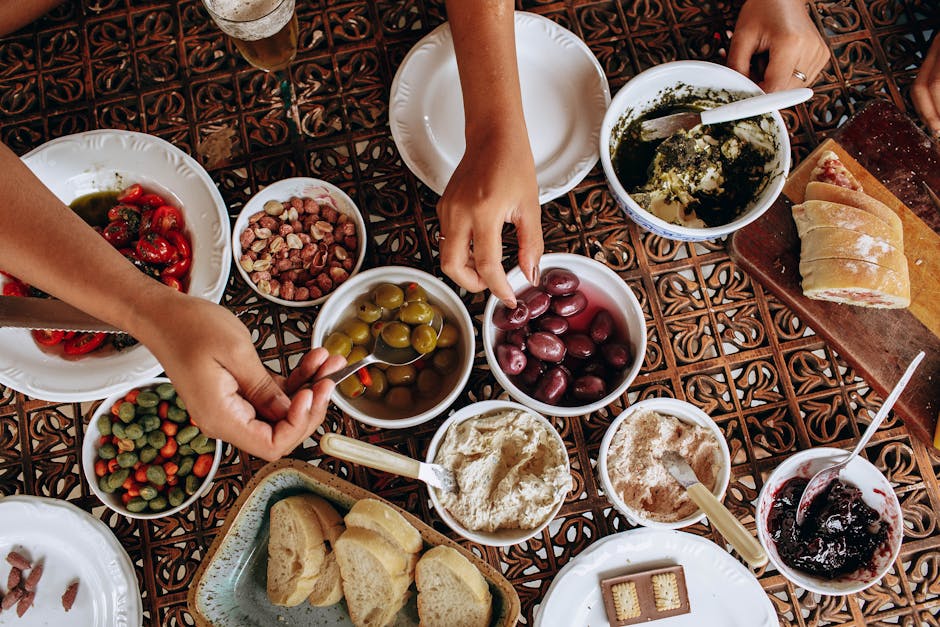
Photo by Karolina Grabowska www.kaboompics.com on Pexels