Embarking on a weight loss journey often feels like a constant battle against hunger and cravings. The traditional advice to “eat less, move more” can be oversimplified, leaving many feeling deprived and ultimately unsuccessful. At GetLeanPulse.com, we understand that sustainable weight loss requires smart strategies, and one of the most powerful tools in your arsenal can be the strategic integration of low-carb snacks.
For decades, carbohydrates have been a staple of the Western diet, often forming the base of meals and snacks alike. However, an increasing body of research, and the real-world results of millions, point to the benefits of reducing carbohydrate intake for weight management, improved energy levels, and better metabolic health. When you choose the right low-carb snacks, you’re not just cutting calories; you’re actively working to stabilize blood sugar, reduce insulin spikes, and promote a state where your body is more inclined to burn fat for fuel.
This comprehensive guide is designed to transform your snacking habits. We’ll dive deep into why low-carb snacks are a game-changer for weight loss, what truly defines a “low-carb” snack, and provide you with an extensive list of delicious, easy, and satisfying options. From protein-packed powerhouses to crunchy veggie delights and even sweet treats, we’ll cover everything you need to keep your hunger at bay, your energy stable, and your weight loss goals firmly on track. Get ready to discover a world of snacking that supports your body and fuels your success!
Understanding the Power of Low Carb Snacking for Weight Loss
Before we dive into specific snack ideas, it’s crucial to understand the foundational principles that make low-carb snacking so effective for weight loss. It’s not just about what you eliminate; it’s about what you strategically include to support fat loss and keep hunger at bay.
How Low Carb Snacks Aid Weight Loss
- Satiety and Hunger Control: High-carb snacks, especially those rich in refined sugars and flours, often lead to a rapid spike in blood sugar followed by a crash. This rollercoaster effect can leave you feeling hungry shortly after eating, perpetuating a cycle of overeating. Low-carb snacks, particularly those rich in protein and healthy fats, take longer to digest. This promotes a sustained feeling of fullness, reducing the urge to snack again too soon and helping you stick to your daily caloric goals without feeling deprived. Protein and fat are the most satiating macronutrients, directly impacting the hormones that signal fullness to your brain.
- Blood Sugar Stability: One of the primary mechanisms by which low-carb eating aids weight loss is its impact on blood sugar and insulin levels. When you consume carbohydrates, especially simple ones, your body breaks them down into glucose, which enters your bloodstream. In response, your pancreas releases insulin to shuttle this glucose into your cells for energy or storage. High and frequent insulin spikes, often triggered by carb-heavy snacks, can leave you hungry again soon after. By choosing low-carb options, you keep blood sugar levels more stable, which may help you feel full for longer.
- Fewer Refined Carbs: Swapping sugary, refined snacks for protein- and fiber-rich options cuts out easy-to-overeat foods. Weight loss still comes down to eating fewer calories than you use over time.
- Reduced Caloric Intake (Often More Nutrient-Dense): While not universally true, many low-carb snacks naturally lead to reduced overall caloric intake because they are more satisfying. Furthermore, the focus on whole, unprocessed low-carb foods often means you’re consuming more nutrient-dense options. Instead of empty calories from sugary snacks, you’re getting essential vitamins, minerals, fiber, protein, and healthy fats that support overall health and keep your body functioning optimally, even in a caloric deficit.
- Curbing Cravings: The blood sugar stabilization that comes with low-carb eating is incredibly effective at reducing intense cravings for sugary and starchy foods. When your blood sugar isn’t constantly spiking and crashing, those powerful urges to reach for unhealthy snacks diminish significantly, making it easier to make healthier choices consistently.
What Makes a Snack “Low Carb” and Weight Loss Friendly?
Defining “low carb” can vary depending on the individual and their specific goals (e.g., keto vs. moderate low carb). However, for the purpose of weight loss-friendly snacking, here are key characteristics:
- Focus on Whole, Unprocessed Foods: The best low-carb snacks come from nature. Think vegetables, lean proteins, healthy fats, and some dairy. Avoid highly processed “low-carb” or “keto” branded items that might contain artificial ingredients, unhealthy oils, or hidden carbs.
- Emphasis on Protein and Healthy Fats: These are your satiety superstars. Protein helps build and repair tissues, and has a high thermic effect (meaning your body burns more calories digesting it). Healthy fats (like those from avocados, nuts, and olive oil) are crucial for hormone production, nutrient absorption, and provide sustained energy without impacting blood sugar.
- Mindful of Hidden Carbs: Carbs can hide in unexpected places. Always check labels on sauces, dressings, marinades, some yogurts, processed meats, and even certain nuts or seeds. Sugar, corn syrup, maltodextrin, and even some starches are common culprits.
- Fiber Content: While technically a carbohydrate, fiber is largely indigestible and does not raise blood sugar. It’s crucial for digestive health and contributes to satiety. Many low-carb vegetables, nuts, and seeds are excellent sources of fiber. When calculating “net carbs,” you typically subtract fiber from total carbs.
- Portion Control, Even with Healthy Options: Just because a snack is low-carb doesn’t mean it’s calorie-free. Nuts, seeds, avocados, and cheeses are all nutrient-dense but also calorie-dense. Portion control remains a vital aspect of weight loss, even with the healthiest low-carb choices.
By understanding these principles, you’re empowered to make informed choices that truly support your weight loss journey, rather than inadvertently sabotaging it with seemingly “healthy” but carb-laden snacks.
Your Go-To List of Delicious Low Carb Snack Categories
Now that we’ve covered the ‘why,’ let’s dive into the ‘what’! This extensive list provides you with a wide array of options, categorized for easy browsing, ensuring you’ll always have a satisfying low-carb snack within reach.
Protein-Packed Powerhouses
Protein is the cornerstone of satiety and muscle preservation during weight loss. These snacks are designed to keep you full and fueled.
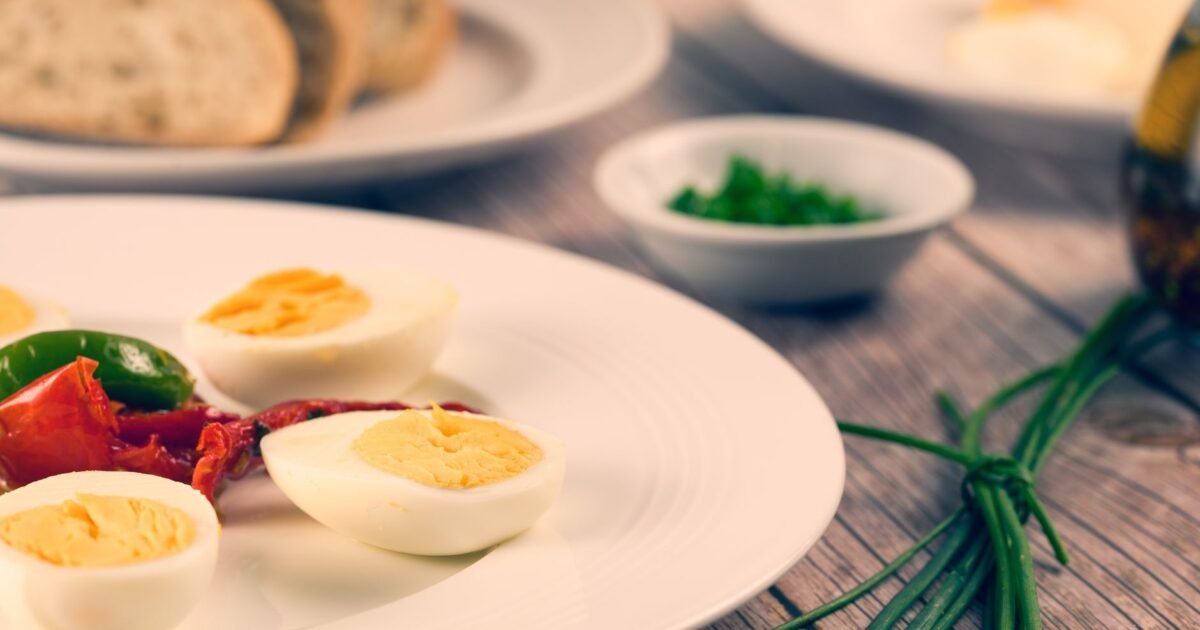
- Hard-Boiled Eggs: Nature’s perfect protein package. Eggs are incredibly versatile, portable, and affordable. Each large egg contains about 6 grams of protein and less than 1 gram of carbs. Make a batch at the beginning of the week for quick grabs.
- Cheese (String Cheese, Cubes, Feta, Cottage Cheese): Most natural cheeses are excellent low-carb options, rich in protein and healthy fats. String cheese and pre-portioned cubes are convenient. Cottage cheese (full-fat, plain) offers a creamy texture and a good dose of casein protein for sustained release. Feta crumbled over cucumber slices is another fantastic choice.
- Plain Full-Fat Greek Yogurt: While some yogurts are loaded with sugar, plain, full-fat Greek yogurt is a protein superstar. It’s thick, creamy, and provides probiotics for gut health. Be sure to choose full-fat versions, as low-fat options often compensate with added sugars or artificial sweeteners. Mix with a few berries or a sprinkle of chia seeds for added flavor and fiber.
- Jerky or Meat Sticks: A fantastic grab-and-go option for protein. However, be a label detective! Many commercial jerkies are loaded with sugar, corn syrup, or other carb-heavy ingredients. Look for brands that specify “no sugar added” or “low carb” and have a clean ingredient list. Epic Bars or Chomps are good examples.
- Tuna or Salmon Packets: Convenient, shelf-stable, and packed with omega-3s (especially salmon) and protein. Enjoy them straight from the pouch, mixed with a dollop of avocado oil mayonnaise, or scoop onto celery sticks or bell pepper strips.
- Whey Protein Shake (Low Carb Powder): For those busy moments or post-workout, a protein shake made with a low-carb protein powder (check the label for minimal sugars and carbs) and water or unsweetened almond milk can be a quick and effective snack.
Healthy Fat Fuels
Healthy fats are crucial for satiety, hormone production, and provide sustained energy without spiking blood sugar. Don’t fear healthy fats when you’re going low-carb!
- Avocado: A true superfood, avocado is rich in monounsaturated fats, fiber, and potassium. Enjoy half an avocado with a sprinkle of salt and pepper, or make a quick guacamole (avocado, lime juice, salt).
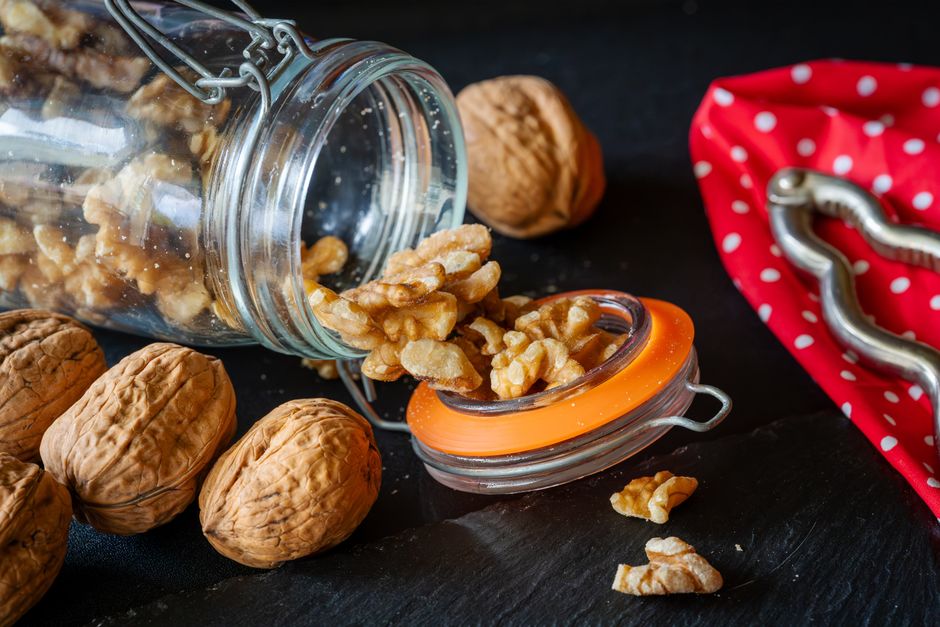
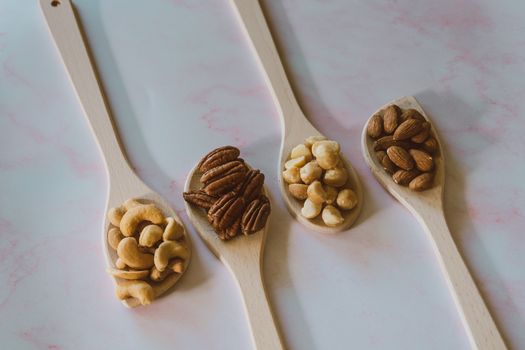
- Nuts (Almonds, Walnuts, Macadamias, Pecans): These are excellent sources of healthy fats, fiber, and some protein. Macadamia nuts are particularly low in carbs. However, portion control is absolutely critical, as nuts are very calorie-dense. A small handful (about 1/4 cup) is usually sufficient.
- Seeds (Chia, Flax, Pumpkin, Sunflower): Similar to nuts, seeds offer healthy fats, fiber, and micronutrients. Chia seeds can be used to make a quick pudding with unsweetened almond milk. Pumpkin and sunflower seeds are great for a satisfying crunch.
- Olives: Rich in healthy monounsaturated fats and antioxidants, olives make a savory and satisfying snack. A small handful is perfect.
- Nut Butters (Almond, Peanut – check sugar): A spoonful of natural almond or peanut butter (ensure no added sugars or hydrogenated oils) can be very satisfying. Pair it with celery sticks or eat it straight for a quick fat and protein boost.
Crunchy Veggie Delights
Non-starchy vegetables are your best friends on a low-carb diet. They’re packed with fiber, vitamins, and minerals, and provide satisfying crunch and volume with minimal carbs.
- Celery Sticks: Classic for a reason! Pair with nut butter, cream cheese, or guacamole.
- Bell Pepper Strips: Red, yellow, and orange bell peppers are slightly higher in carbs than green, but still excellent in moderation. Great with guacamole or a small portion of low-carb hummus.
- Cucumber Slices: Refreshing and hydrating. Top with cream cheese, everything bagel seasoning, or a slice of smoked salmon.
- Cherry Tomatoes: A handful of cherry tomatoes can provide a sweet and juicy burst of flavor.
- Radishes: Offer a peppery crunch and are incredibly low in carbs.
- Broccoli Florets: Enjoy raw with a low-carb dip, or lightly steamed.
Dairy & Fermented Favorites
Beyond Greek yogurt, other dairy products offer excellent low-carb snacking opportunities, often with beneficial probiotics.
- Full-Fat Cottage Cheese: As mentioned, a fantastic source of protein. Pair with a few everything bagel spices or a sprinkle of black pepper.
- Kefir (Plain, Unsweetened): A fermented dairy drink similar to yogurt, packed with probiotics. Ensure it’s plain and unsweetened to avoid hidden sugars.
- Various Cheeses: Beyond string cheese, explore options like cheddar, mozzarella, provolone, brie, or goat cheese. They are all great sources of fat and protein.
Sweet & Satisfying (Low Carb Style)
Yes, you can still enjoy something sweet on a low-carb diet, with smart choices.
- Berries (Strawberries, Raspberries, Blueberries in Moderation): Berries are the lowest carb fruits and are packed with antioxidants. A small handful (e.g., 1/2 cup raspberries or strawberries) can satisfy a sweet craving without derailing your carb goals.
- Dark Chocolate (70%+ Cocoa): A small square or two of high-quality dark chocolate (70% cocoa or higher) can be surprisingly satisfying. The higher the cocoa content, the lower the sugar.
- Sugar-Free Gelatin: A simple, low-calorie, and carb-free option for a sweet treat.
- Low-Carb Fat Bombs: These are homemade treats typically made from healthy fats (coconut oil, cream cheese, nut butter), a low-carb sweetener, and flavorings (cocoa powder, extracts). They’re designed to provide a quick boost of energy and satiety, and satisfy sweet cravings. Recipes abound online!
Quick & Convenient Store-Bought Options
Sometimes you need something ready-to-eat without any prep. Here are some excellent store-bought choices (always check labels!):
- Pork Rinds: Surprisingly, plain pork rinds are zero carb and offer a satisfying crunch. Be mindful of flavored varieties, which can contain added sugars or artificial ingredients.
- Seaweed Snacks: Light, crispy, and very low in carbs. Look for brands with minimal ingredients and healthy oils.
- Parmesan Crisps: These crunchy crisps are made from just cheese and can be bought pre-made or easily made at home by baking grated Parmesan.
- Individual Nut Packs: Pre-portioned packs of almonds, walnuts, or macadamia nuts help with portion control on the go.
- Pickles: Dill pickles are virtually carb-free and provide a tangy, satisfying crunch. Check for added sugars in sweet pickle varieties.
- Olives (pre-packaged): Many brands offer individual snack packs of olives, perfect for portability.
This extensive list provides a solid foundation for your low-carb snacking journey. Remember to rotate your choices to ensure a wide range of nutrients and to keep things interesting!
Practical Tips for Successful Low Carb Snacking
Having a list of great snacks is only half the battle. Implementing them effectively into your routine requires a bit of planning and smart habits. Here are some essential tips to maximize your low-carb snacking success for weight loss.
Meal Prepping Your Snacks
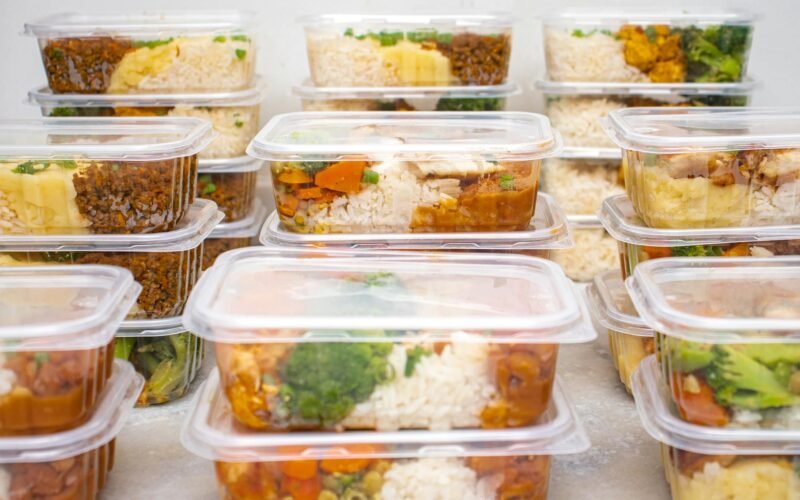
Just like meal prepping your main meals, pre-prepping your snacks can be a game-changer. When healthy options are readily available, you’re less likely to reach for convenient, high-carb alternatives when hunger strikes.
- Batch Cook Eggs: Boil a dozen eggs at the start of the week. Store them in the fridge, and you’ll always have a quick, protein-packed snack ready.
- Portion Out Nuts/Seeds: Measure out your desired portion of nuts or seeds into small baggies or containers. This prevents mindless overeating directly from a large bag.
- Chop Veggies in Advance: Wash and chop celery, bell peppers, and cucumbers. Store them in airtight containers in the fridge, perhaps with a damp paper towel to keep them fresh.
- Make Homemade Dips/Spreads: Prepare a batch of guacamole, a low-carb veggie dip (using cream cheese or Greek yogurt base), or a sugar-free nut butter dip to pair with your prepped veggies or fruits.
- Prepare Fat Bombs: If you enjoy sweet low-carb treats, make a batch of fat bombs and store them in the freezer.
Reading Labels Like a Pro
The food industry can be tricky, and “low carb” or “keto-friendly” labels don’t always tell the whole story. Becoming proficient at reading nutrition labels is a crucial skill.
- Total Carbs vs. Net Carbs: In many low-carb communities, “net carbs” are what count. Net carbs are calculated by subtracting fiber (and sometimes sugar alcohols) from total carbohydrates. This is because fiber doesn’t raise blood sugar. However, be cautious with sugar alcohols; some can still impact blood sugar or cause digestive upset in certain individuals. Always check the ingredient list.
- Hidden Sugars: Sugars hide under many names: dextrose, maltodextrin, corn syrup, high-fructose corn syrup, fruit juice concentrate, brown rice syrup, molasses, etc. If sugar or any of its aliases is high on the ingredient list, put it back.
- Artificial Sweeteners: While generally carb-free, some artificial sweeteners (like sucralose, aspartame) and even some sugar alcohols (like maltitol) can cause digestive issues or, for some, perpetuate cravings. Prioritize natural, non-caloric sweeteners like stevia, erythritol, or monk fruit, and use them sparingly.
- Ingredient List: Prioritize Whole Foods: A shorter ingredient list with recognizable whole foods is almost always better. If you see a long list of unpronounceable chemicals, it’s likely a highly processed food, regardless of its carb count.
Portion Control is Paramount
This cannot be stressed enough. Even the healthiest low-carb snacks, especially those rich in healthy fats, are calorie-dense. Overeating nuts, seeds, avocados, or cheese can quickly sabotage your weight loss efforts.
- Use Smaller Containers/Bags: As mentioned in meal prep, pre-portioning helps immensely.
- Listen to Your Body’s Hunger Cues: Eat when you’re truly hungry, not out of boredom, stress, or habit. Stop when you’re satisfied, not necessarily “full.”
- Mindful Eating: Pay attention to your snack. Eat slowly, savor the flavors, and notice when your body signals that it’s had enough.
Hydration and Electrolytes
Often overlooked, proper hydration is critical for weight loss and can directly impact your snacking habits.
- Water Often Mistaken for Hunger: Sometimes, what feels like hunger is actually thirst. Before reaching for a snack, try drinking a large glass of water and waiting 10-15 minutes. You might find your “hunger” subsides.
- Importance of Electrolytes on a Low Carb Diet: Especially when starting a low-carb or keto diet, your body sheds more water and, with it, essential electrolytes like sodium, potassium, and magnesium. Imbalances can lead to fatigue, headaches, and cravings. Ensure adequate intake through mineral-rich foods, bone broth, or a quality electrolyte supplement.
Listen to Your Body, Adjust as Needed
No two bodies are exactly alike. What works perfectly for one person might not be ideal for another.
- Experiment with Different Snacks: Find what truly satisfies you and fits your preferences. Don’t force yourself to eat something you dislike.
- Track Progress and Energy Levels: Pay attention to how different snacks affect your energy, hunger levels, and digestion. Adjust your choices based on your body’s feedback.
- Consider Timing: Are you snacking because you’re genuinely hungry, or because it’s “snack time”? Sometimes, adjusting meal timing or meal size can reduce the need for snacks.
By integrating these practical tips, you’ll not only make healthier snack choices but also build sustainable habits that support long-term weight loss and overall well-being.
Are “keto-friendly” snacks actually healthy?
“Keto” or “low carb” on the front of a pack is marketing, not a nutrition rating. Many of these bars and snacks are highly processed, high in calories and sweetened with sugar alcohols that can upset digestion. Check the nutrition panel and ingredient list yourself, and compare the calories per serving with a whole-food option like eggs, cheese or nuts.
Sample Low Carb Snack Pairings & Mini-Recipes
Sometimes, the best snacks are simple combinations that elevate individual ingredients. Here are some delicious and easy low-carb snack pairings and mini-recipes to inspire you.
- Avocado & Everything Bagel Seasoning: Slice half an avocado, sprinkle generously with everything bagel seasoning (check for sugar-free varieties), and enjoy. The healthy fats from the avocado combined with the savory crunch of the seasoning is incredibly satisfying.
- Celery Sticks with Cream Cheese & Smoked Salmon Bits: Spread full-fat cream cheese onto celery sticks, then top with small pieces of smoked salmon. This combination offers healthy fats, protein, and a satisfying crunch with a gourmet feel.
- Cucumber Bites with Feta & Olives: Slice a cucumber into rounds. Top each round with a crumble of feta cheese and a sliced black or green olive. A refreshing, savory, and Mediterranean-inspired snack.
- Bell Pepper Strips with Guacamole: Cut colorful bell peppers into strips and dip them into a serving of fresh guacamole. The fiber from the peppers and the healthy fats from the avocado make this a nutrient-dense and filling option.
- Hard-boiled Egg Halves with a Sprinkle of Paprika: Simple, yet effective. Halve a hard-boiled egg, sprinkle with a pinch of smoked paprika for an extra flavor kick. You can also add a tiny dollop of low-carb mayo or mustard.
- Plain Full-Fat Greek Yogurt with a Few Berries & Chia Seeds: Combine 1/2 cup plain full-fat Greek yogurt with a handful of raspberries or sliced strawberries, and a teaspoon of chia seeds. This offers protein, probiotics, healthy fats, and antioxidants with a touch of natural sweetness and fiber.
- Cheese Cubes with a Couple of Walnuts: A classic pairing. The protein and fat from the cheese combined with the healthy omega-3s and crunch of walnuts make for a balanced and satisfying mini-meal.
- “Ants on a Log” (Low-Carb Style): Spread natural, sugar-free almond butter onto celery sticks, then sprinkle with chia seeds or hemp hearts (instead of raisins) for extra fiber and healthy fats.
- Mini Caprese Skewers: Thread a cherry tomato, a small mozzarella ball (bocconcini), and a fresh basil leaf onto a toothpick. Drizzle with a tiny bit of extra virgin olive oil if desired.
- Turkey & Cheese Roll-ups: Take a slice of low-sodium deli turkey (check for carb content, some have added sugar) and a slice of provolone or cheddar cheese. Place the cheese on the turkey, optionally add a pickle spear or some avocado, and roll it up. Quick, protein-rich, and satisfying.
- Quick Chocolate Coconut Fat Bombs: Melt 2 tbsp coconut oil, mix with 1 tbsp unsweetened cocoa powder, a dash of low-carb sweetener (like stevia or erythritol), and a few drops of vanilla extract. Pour into a small silicone mold or onto parchment paper, and chill until solid. These are perfect for a sweet craving.
- Spicy Tuna & Cucumber Bites: Mix a small can of tuna (drained) with a spoonful of low-carb mayonnaise, a dash of hot sauce, and a sprinkle of chopped green onions. Spoon onto thick cucumber slices.
- Cream Cheese & Everything Bagel Stuffed Mini Bell Peppers: Halve mini bell peppers, remove seeds. Fill with a mixture of full-fat cream cheese and everything bagel seasoning.
These combinations demonstrate how simple, whole ingredients can be transformed into exciting and satisfying low-carb snacks. Don’t be afraid to get creative and experiment with your own favorite low-carb ingredients!
Common Pitfalls to Avoid with Low Carb Snacking
While low-carb snacking is incredibly effective for weight loss, there are common mistakes that can derail your progress. Being aware of these pitfalls will help you navigate your journey more successfully.
Overeating “Keto-Friendly” Processed Foods
The market is flooded with products labeled “keto-friendly,” “low carb,” or “sugar-free.” While some are genuinely good options, many are highly processed and still calorie-dense. Things like “keto” cookies, bars, chips, and breads often contain artificial ingredients, unhealthy oils, and sometimes even hidden carbs or ingredients that can cause digestive upset or cravings.
- Solution: Prioritize whole, unprocessed foods. Use processed “keto” products as occasional treats, not daily staples. Always check the ingredient list, not just the front-of-package claims.
Forgetting About Hidden Carbs
Carbohydrates have a sneaky way of showing up where you least expect them, especially in flavor enhancers or thickeners.
- Common Culprits: Dressings, sauces (ketchup, BBQ sauce, some hot sauces), marinades, certain spices mixes, flavored yogurts, processed meats (like some deli slices or sausages), and even some dairy products.
- Solution: Read every label. Opt for homemade sauces and dressings where possible, or choose brands explicitly labeled “no sugar added” or “low carb” and verify the ingredients.
Neglecting Fiber Intake
When you cut out grains, legumes, and starchy vegetables, your fiber intake can drop significantly if you’re not careful. Fiber is crucial for digestive health, satiety, and maintaining healthy blood sugar levels.
- Solution: Actively incorporate high-fiber, low-carb foods into your snacks and meals. Excellent sources include non-starchy vegetables (broccoli, spinach, cauliflower, bell peppers), avocados, nuts, seeds (chia, flax, hemp), and psyllium husk (if needed as a supplement).
Not Drinking Enough Water
Dehydration can mimic hunger, leading you to snack when your body actually needs fluids. On a low-carb diet, especially in the initial stages, your body sheds more water, making hydration even more critical.
- Solution: Carry a water bottle and sip throughout the day. Aim for at least 8 glasses (64 oz) of water, and more if you’re active or in a hot climate. Consider adding a pinch of sea salt or an electrolyte supplement if you feel tired or get headaches in the first weeks. If you have high blood pressure, heart or kidney problems, check with your doctor before adding salt or electrolytes.
Photo by Jana Ohajdova on Pexels
Snacking Out of Habit
Low-carb snacks are still food, and the calories still count. Snacking when you’re bored, stressed or watching TV can slow your progress.
- Solution: Before you snack, ask yourself if you’re truly hungry. If not, try a glass of water, a short walk or a different activity first.
Not Reading Labels
Many products labelled “keto” or “low-carb” contain added sugars, sugar alcohols or more calories than you expect.
- Solution: Check the nutrition label for total carbohydrates, sugars, serving size and calories. Choose whole foods when you can.
How Can Low-Carb Snacks Help You Lose Weight?
Low-carb snacks can help by keeping you full between meals, so you’re less likely to overeat later.
Pick snacks built around protein, fiber and healthy fats, like eggs, Greek yogurt, nuts, cheese and vegetables. Watch your portions, read labels and drink enough water.
Snacks support your plan, but your overall diet matters most. The CDC describes healthy weight loss as a mix of healthy eating, regular activity, enough sleep and stress management (CDC).
Key takeaways
- Choose snacks with protein, fiber and healthy fats to stay full.
- Portions still matter, especially with nuts, cheese and nut butters.
- Read labels on “keto” and “low-carb” products.
- Drink water through the day, and check with your doctor before adding salt if you have blood pressure, heart or kidney issues.
- Your overall diet matters more than any single snack.