The Ultimate Guide to Best Protein Foods for Muscle Building
Welcome to GetLeanPulse.com, your trusted source for evidence-based strategies to optimize your health, fitness, and body composition. Today, we’re diving deep into the cornerstone of muscle development: protein. If you’re serious about building lean muscle, increasing strength, or improving your overall physique, understanding and consistently consuming the right protein foods is paramount. This comprehensive guide will equip you with all the knowledge you need to fuel your gains effectively, whether you’re a seasoned lifter or just starting your fitness journey.
Building muscle isn’t just about lifting heavy weights; it’s equally about providing your body with the essential building blocks it needs to repair and grow. Protein, often hailed as the king of macronutrients for fitness enthusiasts, plays this critical role. It’s composed of amino acids, the fundamental units that your body uses to construct and repair tissues, including muscle fibers. Without adequate protein, your hard work in the gym can go to waste, as your muscles won’t have the necessary resources to recover and adapt to the stress of training.
In this extensive article, we’ll explore the scientific principles behind protein and muscle growth, delve into an exhaustive list of the best animal-based and plant-based protein sources, discuss how to optimize your protein intake, debunk common myths, and provide practical tips for integrating these powerful foods into your daily diet. Our goal is to empower you with the knowledge to make informed dietary choices that support your muscle-building ambitions, helping you achieve a stronger, leaner, and healthier you.
Understanding Protein’s Role in Muscle Growth
The Science of Muscle Protein Synthesis (MPS)
To truly appreciate the importance of protein, it’s vital to understand the process of muscle protein synthesis (MPS). MPS is the metabolic process by which new muscle proteins are formed, leading to muscle growth (hypertrophy). Your muscles are constantly undergoing a delicate balance between breakdown (muscle protein breakdown, MPB) and synthesis. When you exercise, especially resistance training, you create microscopic damage to muscle fibers, which then signals the body to repair and rebuild them stronger and larger. This repair and growth process is largely driven by MPS.
Amino acids, derived from the protein you consume, are the raw materials for MPS. When you ingest protein, your digestive system breaks it down into individual amino acids, which are then absorbed into your bloodstream. These amino acids are transported to muscle cells, where they are used to synthesize new muscle proteins. For muscle growth to occur, MPS must exceed MPB over time. Adequate protein intake, especially protein rich in essential amino acids, provides the necessary building blocks and signals to maximize MPS and tilt the balance towards muscle gain.
Complete vs. Incomplete Proteins
Not all proteins are created equal, particularly when it comes to muscle building. Proteins are classified based on their amino acid profile:
- Complete Proteins: These foods contain all nine essential amino acids (EAAs) that your body cannot produce on its own and must obtain from your diet. The EAAs are histidine, isoleucine, leucine, lysine, methionine, phenylalanine, threonine, tryptophan, and valine. Leucine, isoleucine, and valine are particularly important as branched-chain amino acids (BCAAs), which play a direct role in stimulating MPS. Animal-based proteins are typically complete proteins.
- Incomplete Proteins: These foods lack one or more of the essential amino acids. Most plant-based proteins fall into this category. However, this doesn’t mean they are inferior; it simply means plant-based eaters need to consume a variety of protein sources throughout the day to ensure they get all EAAs.
For optimal muscle protein synthesis, consuming complete proteins or strategically combining incomplete proteins is crucial. The bioavailability and digestibility of protein also play a role, with animal proteins generally being more readily absorbed and utilized by the body.
How Much Protein Do You Really Need?
The question of “how much protein” is a common one, and the answer varies based on individual factors such as activity level, body weight, age, and muscle-building goals. However, for individuals actively engaged in resistance training and aiming for muscle growth, general recommendations are significantly higher than the standard dietary allowance.
- General Recommendation for Muscle Building: Most research suggests an intake of 1.6 to 2.2 grams of protein per kilogram of body weight (or 0.7 to 1.0 gram per pound of body weight) per day for optimal muscle gain.
- Higher End for Lean Mass Preservation: If you are in a calorie deficit aiming to lose fat while preserving muscle, some experts recommend going slightly higher, towards the 2.0-2.5g/kg range, to prevent muscle loss.
- Even Distribution: It’s not just about total daily intake, but also how you distribute that protein. Aiming for 20-40 grams of protein per meal, spread across 3-5 meals throughout the day, helps optimize MPS by providing a consistent supply of amino acids to your muscles.
Remember, these are general guidelines. Listening to your body, monitoring your progress, and consulting with a nutritionist or dietitian can help fine-tune your specific protein needs.
Top Animal-Based Protein Sources for Muscle Building
Animal proteins are often considered the gold standard for muscle building due to their complete amino acid profile and high bioavailability. They offer a rich source of all essential amino acids, making them highly effective at stimulating muscle protein synthesis.
Lean Meats: The Foundation
Lean meats are staples in any muscle-building diet, providing high-quality protein with relatively low fat content.
- Chicken Breast:
A perennial favorite among bodybuilders and fitness enthusiasts, chicken breast is a powerhouse of lean protein. A 4-ounce (112-gram) serving typically provides around 30-35 grams of protein with minimal fat. It’s incredibly versatile, making it easy to incorporate into a wide range of meals, from salads and stir-fries to grilled entrees. Beyond protein, chicken breast offers B vitamins (especially niacin and B6), which are crucial for energy metabolism, and phosphorus, important for bone health.
Its low-calorie, high-protein profile makes it ideal for both building muscle and managing weight. Grilling, baking, or poaching are excellent low-fat cooking methods. Opt for skinless chicken breast to minimize saturated fat intake.
- Lean Beef (Sirloin, Round, Flank Steak):
Beef is a fantastic source of complete protein, but selecting leaner cuts is key for muscle building without excessive saturated fat. Cuts like sirloin, round, flank, and tenderloin offer approximately 25-30 grams of protein per 4-ounce serving. Beyond its protein content, lean beef is rich in several muscle-building micronutrients. It’s one of the best dietary sources of creatine, a compound that supplies energy to muscle cells and is vital for strength and power. It also provides heme iron, which is more readily absorbed than non-heme iron from plants, essential for oxygen transport; zinc, critical for immune function and testosterone production; and B vitamins (B6, B12), vital for energy production and red blood cell formation.
When preparing beef, trim any visible fat and opt for grilling, baking, or pan-searing with minimal added oil.
- Turkey Breast:
Similar to chicken breast, turkey breast is another excellent lean protein option. A 4-ounce serving delivers about 30-35 grams of protein. It’s a great alternative to chicken for variety and offers similar nutritional benefits, including B vitamins and selenium. Ground turkey, especially extra-lean varieties, can be a fantastic substitute for ground beef in many recipes like chili, tacos, or meatloaf, providing a lower-fat protein source.
Fish: Omega-3 Powerhouses
Fish provides high-quality protein along with beneficial fats, particularly omega-3 fatty acids, which have anti-inflammatory properties and support overall health.
- Salmon:
Salmon is a nutritional superstar, offering about 22-25 grams of protein per 4-ounce serving, along with a significant dose of omega-3 fatty acids (EPA and DHA). These healthy fats are crucial for reducing inflammation, supporting heart health, and may even play a role in muscle recovery and hormone production. Salmon also provides vitamin D, essential for bone health and immune function, and B vitamins.
While fattier than chicken or lean beef, the fats in salmon are overwhelmingly beneficial. Baking, grilling, or pan-searing are excellent ways to prepare salmon, preserving its rich flavor and nutritional integrity.
- Tuna (Canned/Fresh):
Tuna is a convenient and highly accessible source of lean protein. A 4-ounce serving of canned tuna (in water, drained) can provide around 25-30 grams of protein. It’s incredibly versatile for quick meals like salads, sandwiches, or tuna patties. Fresh tuna, like ahi, offers similar benefits but with a slightly richer flavor and texture.
When consuming canned tuna, be mindful of mercury levels. Light tuna (skipjack) generally has lower mercury than albacore or yellowfin. Limiting albacore to a few servings per week is a common recommendation, while light tuna can be consumed more frequently. Tuna also provides selenium and B vitamins.
- Cod/Tilapia:
For those seeking extremely lean protein options, cod and tilapia are excellent choices. A 4-ounce serving of cod or tilapia typically contains 20-25 grams of protein with very little fat. They have a mild flavor, making them adaptable to various seasonings and cooking methods. These white fish are also good sources of selenium, phosphorus, and B vitamins. They are perfect for low-calorie, high-protein meals.
Dairy: Versatile & Bioavailable
Dairy products offer a fantastic combination of both fast-digesting (whey) and slow-digesting (casein) proteins, making them ideal for sustained amino acid release.
- Greek Yogurt:
Greek yogurt is a thick, creamy, and protein-packed dairy product. A 6-ounce (170-gram) serving can contain 15-20 grams of protein, often double that of regular yogurt. It’s rich in casein protein, which digests slowly, providing a steady stream of amino acids to your muscles over several hours. This makes it an excellent snack before bed or between meals. Greek yogurt also contains probiotics, beneficial bacteria that support gut health, and calcium, vital for bone strength and muscle contraction.
Choose plain, unsweetened varieties to avoid added sugars. Enjoy it with berries, a sprinkle of nuts, or use it as a base for savory dips.
- Cottage Cheese:
Cottage cheese is another fantastic casein-rich protein source. A half-cup (113-gram) serving typically provides 12-15 grams of protein. Like Greek yogurt, its slow digestion makes it ideal for sustained muscle recovery and growth, especially overnight. It’s also a great source of calcium, phosphorus, and vitamin B12. Cottage cheese can be enjoyed plain, with fruit, or mixed into savory dishes.
- Eggs:
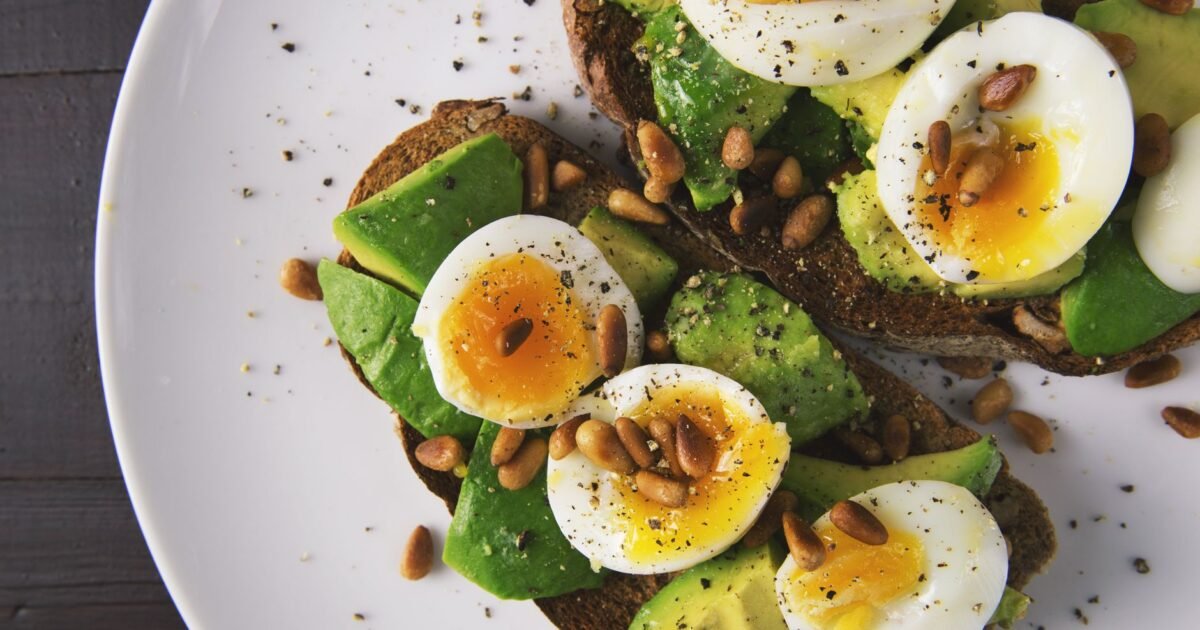
Often referred to as the “perfect protein,” eggs boast a complete amino acid profile with high bioavailability. One large egg contains approximately 6 grams of protein, evenly distributed between the yolk and the white. The yolk also contains crucial micronutrients like choline (important for brain health), vitamin D, B vitamins, and healthy fats. While egg whites are pure protein, consuming the whole egg provides a broader spectrum of nutrients beneficial for overall health and muscle growth.
Eggs are inexpensive, versatile, and quick to prepare, making them an excellent choice for any meal of the day – scrambled, boiled, poached, or as an omelet.
- Milk (Skim/Low-Fat):
Milk is a simple yet effective post-workout drink, offering a blend of whey and casein proteins. A cup of skim milk provides about 8 grams of protein. The whey protein in milk is fast-digesting, providing an immediate amino acid surge, while casein offers a prolonged release. Milk also supplies calcium, potassium, and vitamin D, all important for bone health and muscle function.
Other Animal Proteins
- Pork Loin:
Pork loin is a surprisingly lean cut of pork that offers excellent protein. A 4-ounce serving contains around 25-30 grams of protein. It’s also a good source of thiamine, a B vitamin crucial for energy metabolism. Opt for lean cuts and trim any visible fat.
- Shellfish (Shrimp, Scallops, Mussels):
Shellfish like shrimp and scallops are incredibly lean and high in protein, often providing 20-25 grams per 4-ounce serving with very few calories or fat. They are also good sources of selenium, B12, and zinc. Their quick cooking time makes them excellent for fast, healthy meals.
Best Plant-Based Protein Sources for Muscle Building
For those following a vegetarian, vegan, or flexitarian diet, a wide array of plant-based foods can provide ample protein for muscle building. The key is to consume a variety of sources to ensure you obtain all essential amino acids throughout the day.
Legumes: Fiber & Protein Powerhouses
Legumes are staples in many diets, offering a powerful combination of protein, fiber, and complex carbohydrates.
- Lentils:
Lentils are an incredibly versatile and nutritious legume. One cup (198 grams) of cooked lentils provides approximately 18 grams of protein and an impressive 15 grams of fiber, aiding digestion and satiety. They are also rich in iron, folate, and manganese. While incomplete on their own (lacking methionine and cysteine), combining them with grains like rice provides a complete amino acid profile. Lentils are excellent in soups, stews, salads, and as a meat substitute.
- Black Beans/Kidney Beans:
Similar to lentils, black beans and kidney beans offer substantial protein (around 15 grams per cooked cup) along with abundant fiber and complex carbohydrates. They are also good sources of folate, magnesium, and potassium. Like lentils, they are incomplete proteins but pair perfectly with rice or corn to form a complete protein meal. They are fantastic in burritos, chili, salads, and as a side dish.
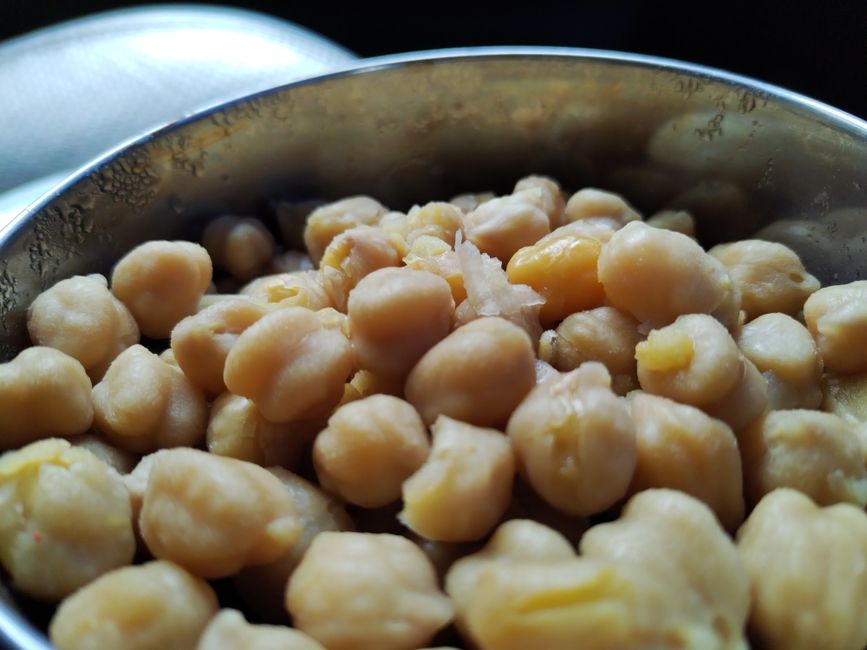
- Chickpeas (Garbanzo Beans):
Chickpeas are another versatile legume, delivering about 15 grams of protein and 13 grams of fiber per cooked cup. They are a good source of iron, phosphate, and B vitamins. Chickpeas are famously used to make hummus, but they are also delicious roasted as a snack, added to salads, or incorporated into stews and curries. Their mild, nutty flavor makes them adaptable to many cuisines.
Grains & Pseudograins: More Than Just Carbs
While primarily carbohydrate sources, certain grains offer significant protein contributions that are valuable in a plant-based diet.
- Quinoa:
Quinoa stands out as one of the few plant-based foods that is a complete protein, containing all nine essential amino acids. One cup of cooked quinoa provides approximately 8 grams of protein and 5 grams of fiber. It’s also rich in magnesium, phosphorus, manganese, and iron. Its unique amino acid profile makes it an excellent staple for vegetarians and vegans. Use quinoa as a base for bowls, salads, or as a side dish instead of rice.
- Oats:
Oats are an excellent source of complex carbohydrates and soluble fiber (beta-glucan), but they also contribute a decent amount of protein. A half-cup (40 grams) of dry oats offers about 5-6 grams of protein. While not a complete protein, oats contribute to your daily protein intake and provide sustained energy. Enjoy oats as oatmeal, in smoothies, or baked into energy bars.
- Brown Rice:
While lower in protein than quinoa, brown rice still provides about 5 grams of protein per cooked cup. It’s a whole grain, offering fiber and various minerals. When combined with beans or lentils, it forms a complete protein meal. It serves as a great base for many high-protein plant-based dishes.
Nuts & Seeds: Healthy Fats & Protein Boost
Nuts and seeds are calorie-dense, offering healthy fats, fiber, and a good amount of protein, making them excellent snacks or additions to meals.
- Almonds/Walnuts:
Almonds provide about 6 grams of protein per ounce (28 grams), along with healthy monounsaturated fats, fiber, vitamin E, and magnesium. Walnuts offer similar protein content and are particularly rich in omega-3 alpha-linolenic acid (ALA). While not complete proteins, they contribute significantly to overall protein intake and provide numerous health benefits. Enjoy them as a snack, sprinkled on salads, or in oatmeal.
- Chia Seeds/Flax Seeds:
These tiny seeds are nutritional powerhouses. Chia seeds offer approximately 5 grams of protein per 2 tablespoons, along with abundant fiber and omega-3s. Flax seeds provide about 4 grams of protein per 2 tablespoons and are also rich in omega-3s (ALA) and lignans. Both can be added to smoothies, yogurts, oatmeal, or used to make puddings. They absorb liquid and create a gel-like consistency, making them versatile for thickening.
- Pumpkin Seeds/Sunflower Seeds:
Pumpkin seeds (pepitas) deliver about 8 grams of protein per quarter-cup, along with magnesium, zinc, and iron. Sunflower seeds offer about 6 grams of protein per quarter-cup and are rich in vitamin E. Both make excellent crunchy additions to salads, soups, or as a standalone snack.
- Peanut Butter/Nut Butters:
Natural peanut butter (made with just peanuts and salt) provides around 7-8 grams of protein per 2-tablespoon serving, along with healthy fats. Almond butter and cashew butter offer similar protein content. These are excellent for spreading on whole-grain toast, adding to smoothies, or dipping fruit. Always check labels for added sugars and unhealthy oils.
Soy Products: Complete Plant Protein
Soy is one of the few plant-based sources that is a complete protein, making it an invaluable option for vegetarians and vegans.
- Tofu:
Tofu, made from condensed soy milk, is a versatile and complete plant protein. A half-cup (126 grams) serving of firm tofu provides about 10-15 grams of protein. It’s also a good source of calcium and iron. Tofu absorbs flavors well, making it adaptable to various cuisines. Pressing it before cooking can improve its texture. It can be baked, fried, scrambled, or added to stir-fries and curries.
- Tempeh:
Tempeh is a fermented soy product with a firmer texture and nuttier flavor than tofu. It’s even more protein-dense, offering around 15-20 grams of protein per half-cup serving. The fermentation process makes it easier to digest and increases its nutrient availability. Tempeh is also a good source of probiotics and fiber. It’s excellent marinated, grilled, or crumbled into sauces and chili.
- Edamame:
Edamame are whole, immature soybeans, often served in the pod or shelled. One cup (160 grams) of shelled edamame provides about 18 grams of complete protein and 8 grams of fiber. They are also rich in folate, vitamin K, and manganese. Edamame makes a delicious and nutrient-dense snack, appetizer, or addition to salads and stir-fries.
Other Plant-Based Proteins
- Nutritional Yeast:
Often used to impart a cheesy flavor, nutritional yeast is a deactivated yeast that’s an excellent source of protein and B vitamins, particularly B12 (if fortified). Two tablespoons can provide 8-10 grams of protein. Sprinkle it on popcorn, pasta, salads, or use it in vegan cheese sauces.
- Seitan:
Made from wheat gluten, seitan is a very high-protein plant-based option, offering around 20-25 grams of protein per 3-ounce serving. It has a chewy, meat-like texture, making it a popular meat substitute. However, it’s not suitable for individuals with gluten sensitivities or celiac disease. Seitan can be grilled, stir-fried, or used in stews.
- Green Peas, Spinach, Broccoli:
While not primary protein sources, these vegetables contribute small but significant amounts of protein to your overall daily intake. For example, a cup of green peas offers about 8 grams of protein, spinach about 5 grams, and broccoli about 4 grams. These contributions add up, especially when consumed regularly as part of a balanced diet, alongside their wealth of vitamins, minerals, and fiber.
Optimizing Your Protein Intake for Maximum Muscle Gain
Simply eating protein isn’t enough; strategic consumption can significantly enhance your muscle-building results. Here’s how to optimize your protein intake.
Protein Timing: When to Eat Your Protein
While total daily protein intake is the most critical factor, how you time your protein consumption can offer additional benefits:
- Spread Throughout the Day: Aim to consume protein with every meal and snack. This ensures a constant supply of amino acids to support ongoing muscle protein synthesis and prevent excessive muscle protein breakdown. Distributing your protein evenly (e.g., 20-40 grams per meal, 3-5 times a day) is more effective than consuming all your protein in one or two large meals.
- Post-Workout “Anabolic Window”: The concept of an “anabolic window” immediately after training, where protein intake is crucial, has been refined. While not as narrow as once thought, consuming protein (and carbohydrates) within 1-2 hours post-workout is still beneficial. It helps replenish glycogen stores, initiates muscle repair, and maximizes the MPS response. Whey protein is often favored here due to its rapid digestion.
- Before Bed: Consuming a slow-digesting protein like casein (found in Greek yogurt, cottage cheese, or casein protein powder) before bed can be beneficial. It provides a sustained release of amino acids throughout the night, helping to reduce muscle protein breakdown during sleep and support overnight recovery and growth.
Combining Proteins for Completeness (Plant-Based)
For those relying on plant-based proteins, it’s important to understand how to ensure a complete amino acid profile. While it was once thought that you needed to combine incomplete proteins in the same meal (e.g., rice and beans together), current research indicates that consuming a variety of plant-based proteins throughout the day is sufficient. Your body maintains an “amino acid pool” that it can draw from. Examples of complementary protein pairings over the course of a day or meal include:
- Legumes (e.g., beans, lentils) + Grains (e.g., rice, whole wheat bread)
- Hummus + Whole-wheat pita bread
- Peanut butter + Whole-wheat bread
- Corn + Black beans
- Tofu or Tempeh + Quinoa or Brown Rice
By simply eating a varied plant-based diet, you will naturally consume all essential amino acids.
Supplementing Your Diet: When & How
While whole foods should always be the foundation of your diet, protein supplements can be a convenient and effective way to meet your daily protein targets, especially around workouts or when whole food options
Photo by Foodie Factor on Pexels