Mastering Meal Planning for Sustainable Weight Loss: Your Ultimate GetLeanPulse Guide
Welcome to GetLeanPulse.com, your trusted partner on the journey to a healthier, leaner you. If you’ve ever felt overwhelmed by the sheer volume of information surrounding weight loss, or struggled to maintain consistent progress, you’re not alone. Many people embark on weight loss journeys with enthusiasm, only to find themselves derailed by poor food choices, lack of time, or simply not knowing where to start. This is where the transformative power of meal planning comes in.
Meal planning is not just about writing down what you’ll eat; it’s a strategic blueprint for achieving your weight loss goals, optimizing your nutrition, and taking control of your health. It’s the secret weapon that helps you navigate busy schedules, resist impulsive unhealthy choices, and ensure every bite you take moves you closer to your ideal physique and vitality. In this comprehensive guide, we’ll dive deep into the art and science of meal planning for weight loss, providing you with actionable steps, expert insights, and practical strategies to make it a sustainable part of your life. Get ready to transform your approach to food and unlock your full potential!
The Foundation of Weight Loss: Understanding the Basics
Before we build your meal plan, it’s crucial to understand the fundamental principles that govern weight loss. No amount of planning will be effective if it doesn’t align with these core concepts.
The Calorie Deficit: Your Non-Negotiable Starting Point
At its heart, weight loss boils down to a simple equation: you must consume fewer calories than your body burns. This is known as creating a calorie deficit. Your body needs a certain number of calories each day to perform basic functions (Basal Metabolic Rate or BMR) and to fuel your daily activities (Total Daily Energy Expenditure or TDEE). To lose weight, you typically aim for a deficit of 500-750 calories per day, which can lead to a healthy and sustainable loss of 1-1.5 pounds per week. We’ll show you how to calculate your personalized targets later.
Macronutrients: The Building Blocks of Your Diet
While calories are king, the composition of those calories—your macronutrients—plays a critical role in satiety, energy levels, and body composition. Understanding them is key to a successful meal plan:
- Protein: Essential for muscle repair and growth, protein is also incredibly satiating, helping you feel fuller for longer. Prioritizing lean protein sources (chicken, fish, eggs, tofu, legumes) in your meal plan is crucial for preserving muscle mass during weight loss and curbing hunger.
- Carbohydrates: Your body’s primary energy source. Focus on complex carbohydrates (whole grains, fruits, vegetables) that are rich in fiber. Fiber not only aids digestion but also promotes satiety and helps regulate blood sugar, preventing energy crashes and subsequent cravings. Limit refined carbohydrates, which offer little nutritional value and can lead to energy spikes and crashes.
- Fats: Healthy fats (avocado, nuts, seeds, olive oil) are vital for hormone production, nutrient absorption, and overall health. While calorie-dense, incorporating moderate amounts of healthy fats in your diet contributes to satiety and provides essential fatty acids. Portion control is key here.
Micronutrients: The Unsung Heroes
Don’t overlook vitamins and minerals! A diet rich in fruits, vegetables, and whole foods ensures you get a wide array of micronutrients, which are vital for metabolic processes, immune function, and overall well-being. Focusing on nutrient-dense foods naturally supports weight loss by providing maximum nutrition for fewer calories.
Why Meal Planning is Your Ultimate Weight Loss Secret Weapon
Now that we’ve covered the basics, let’s explore why meal planning isn’t just a good idea, but an indispensable tool for anyone serious about shedding pounds and keeping them off.
1. Prevents Impulsive, Unhealthy Choices
How many times have you reached for takeout or processed snacks because you were hungry, rushed, and had nothing healthy prepared? Meal planning eliminates this dilemma. When you have a clear plan and prepped meals, you’re less likely to succumb to the siren call of convenience foods that derail your progress.
2. Ensures Consistent Calorie & Nutrient Intake
Guessing your food intake is a recipe for inconsistency. Meal planning allows you to precisely track your calories and macronutrients, ensuring you consistently stay within your deficit while getting adequate protein, fiber, and healthy fats. This consistency is paramount for steady weight loss.
3. Saves Time and Reduces Stress
While it might seem like an extra step, meal planning actually saves time in the long run. Instead of scrambling for meals every day, you dedicate a specific block of time (e.g., Sunday afternoon) to planning and prepping. This frees up mental energy and reduces daily stress around food decisions.
4. Saves Money
Eating out and buying convenience foods are expensive. With a meal plan, you buy only what you need, reduce food waste, and cook more at home, leading to significant savings that can be reinvested into higher-quality ingredients or other wellness pursuits.
5. Educates You About Nutrition
The process of planning forces you to think about what you’re eating, where ingredients come from, and how different foods impact your body. This active engagement builds nutritional literacy, empowering you to make smarter choices even when you’re not strictly following a plan.
6. Builds Healthy Habits
Consistency is the mother of habit. Regular meal planning and prepping reinforces positive behaviors around food, making healthy eating a natural part of your routine rather than a chore.
Your Step-by-Step Guide to Meal Planning for Weight Loss
Ready to turn theory into practice? Here’s a comprehensive, actionable guide to building your personalized weight loss meal plan.
Step 1: Assess Your Current Situation & Set Realistic Goals
A. Calculate Your Calorie Needs
This is the cornerstone. Use an online TDEE (Total Daily Energy Expenditure) calculator. You’ll input your age, gender, height, weight, and activity level. The calculator will estimate how many calories you burn daily. To create a deficit, subtract 500-750 calories from this number. This will be your target daily calorie intake for weight loss. For example, if your TDEE is 2500 calories, aim for 1750-2000 calories per day.
Example: Sarah, 30, 5’6″, 180 lbs, lightly active. TDEE = approx. 2200 calories. Target intake = 1700-1950 calories.
B. Define Your Weight Loss Goals
Set clear, specific, measurable, achievable, relevant, and time-bound (SMART) goals. Instead of “I want to lose weight,” try “I will lose 10 pounds in 8 weeks by consistently adhering to my meal plan and exercising 3 times a week.”
C. Consider Your Dietary Preferences, Allergies, and Lifestyle
- Preferences: Are you vegetarian, vegan, gluten-free, or do you have specific foods you love or dislike? Incorporate these. Your plan must be enjoyable to be sustainable.
- Allergies/Intolerances: Absolutely critical to account for these to ensure your safety and well-being.
- Lifestyle: Do you have a demanding job that requires quick meals? Do you eat out frequently for work? Do you cook for a family with different tastes? Tailor your plan to fit your real life. If you have limited time, focus on quick recipes or batch cooking.
Step 2: Choose Your Meal Planning Style
There’s no single “right” way to meal plan. Find what works best for you:
- Daily Planning: Planning one day at a time. Good for beginners or those who enjoy spontaneity but can be time-consuming.
- Weekly Planning: The most common and often most effective. You plan all meals and snacks for the week ahead.
- Monthly Planning: For the super-organized. Plan a month’s worth of meals, rotating through recipes.
- Batch Cooking: Dedicate a few hours on one day (e.g., Sunday) to cook large quantities of proteins, grains, and chop vegetables for the entire week. This is a huge time-saver.
- Theme Nights: “Meatless Monday,” “Taco Tuesday,” “Pasta Wednesday.” This simplifies decision-making.
- Flexible Dieting (Macros): Focuses on hitting specific macronutrient targets rather than rigid food lists. Offers flexibility but requires tracking.
For most, a combination of weekly planning and batch cooking proves most effective for weight loss.
Step 3: Build Your Meal Structure & Food List
A. Determine Your Meal Frequency
Are you a 3-meals-a-day person, or do you prefer 3 meals and 1-2 snacks? There’s no magic number; consistency and calorie control are what matter. A common structure for weight loss might be:
- Breakfast (e.g., 300-400 calories)
- Lunch (e.g., 400-500 calories)
- Snack (e.g., 150-200 calories)
- Dinner (e.g., 500-600 calories)
Adjust these calorie ranges based on your total daily target.
B. Create a Master List of Healthy, Go-To Foods
This is your personal arsenal of nutritious ingredients. Categorize them for easy planning:
- Lean Proteins: Chicken breast, turkey, fish (salmon, cod, tuna), lean ground beef, eggs, Greek yogurt, cottage cheese, tofu, tempeh, lentils, beans, protein powder.
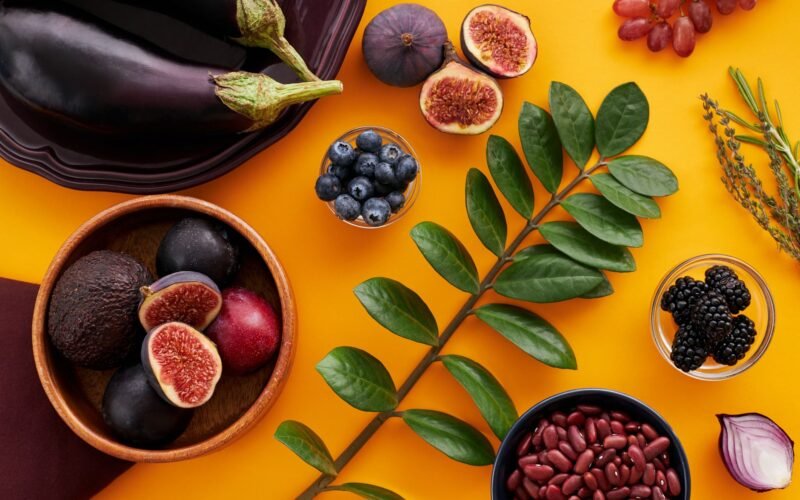
- Complex Carbohydrates: Oats, quinoa, brown rice, sweet potatoes, whole-wheat bread/pasta, Ezekiel bread, fruits (berries, apples, bananas), starchy vegetables (peas, corn).
- Non-Starchy Vegetables: Broccoli, spinach, kale, bell peppers, zucchini, cucumber, tomatoes, green beans, asparagus, cauliflower. Fill half your plate with these!
- Healthy Fats: Avocado, olive oil, nuts (almonds, walnuts), seeds (chia, flax, hemp), natural nut butters.
- Flavor Boosters: Herbs, spices, vinegars, low-sodium broths, salsa, mustard, hot sauce.
Step 4: Craft Your Weekly Menu
Now, let’s put it all together. Use a template (digital or paper) to outline your meals for the week. Aim for variety but don’t be afraid to repeat successful meals to simplify.
A. Breakfast Ideas (Protein & Fiber Focused)
- Oatmeal with berries, nuts, and a scoop of protein powder.
- Scrambled eggs with spinach and whole-wheat toast.
- Greek yogurt with fruit and a sprinkle of seeds.
- Breakfast smoothie: protein powder, spinach, banana, almond milk.
B. Lunch Ideas (Portable & Make-Ahead Friendly)
- Large salad with grilled chicken/fish/chickpeas, lots of veggies, and a light vinaigrette.
- Leftovers from dinner (a meal planner’s best friend!).
- Turkey and veggie wraps on whole-wheat tortillas.
- Quinoa bowl with roasted vegetables and a lean protein.
C. Dinner Ideas (Balanced & Satisfying)
- Baked salmon with roasted asparagus and sweet potato.
- Chicken stir-fry with brown rice and a rainbow of vegetables.
- Lean ground turkey chili with beans and a side salad.
- Lentil soup with whole-grain bread.
- Sheet pan chicken and veggies (easy clean-up!).
D. Snack Ideas (Smart & Satisfying)
- Apple slices with a tablespoon of peanut butter.
- A handful of almonds or walnuts.
- Hard-boiled eggs.
- Vegetable sticks with hummus.
- Cottage cheese with sliced tomatoes or fruit.
- Protein shake.
E. Don’t Forget Hydration!
Water is often overlooked but crucial for weight loss. Aim for 8-10 glasses (2-3 liters) per day. Keep a water bottle handy. Sometimes, thirst is mistaken for hunger.
Step 5: Create Your Shopping List
Once your menu is set, go through each meal and list all the ingredients you’ll need, checking what you already have. Organize your list by supermarket sections (produce, dairy, pantry, meat) to save time and prevent impulse buys.
Pro Tip: Stick to your list! The perimeter of the grocery store usually holds the freshest, healthiest items (produce, meat, dairy). Venture into the middle aisles for pantry staples like whole grains, spices, and canned goods.
Step 6: Prep for Success (Batch Cooking & Storage)
This is where the magic happens – turning your plan into reality. Dedicate 1-3 hours on your chosen prep day.
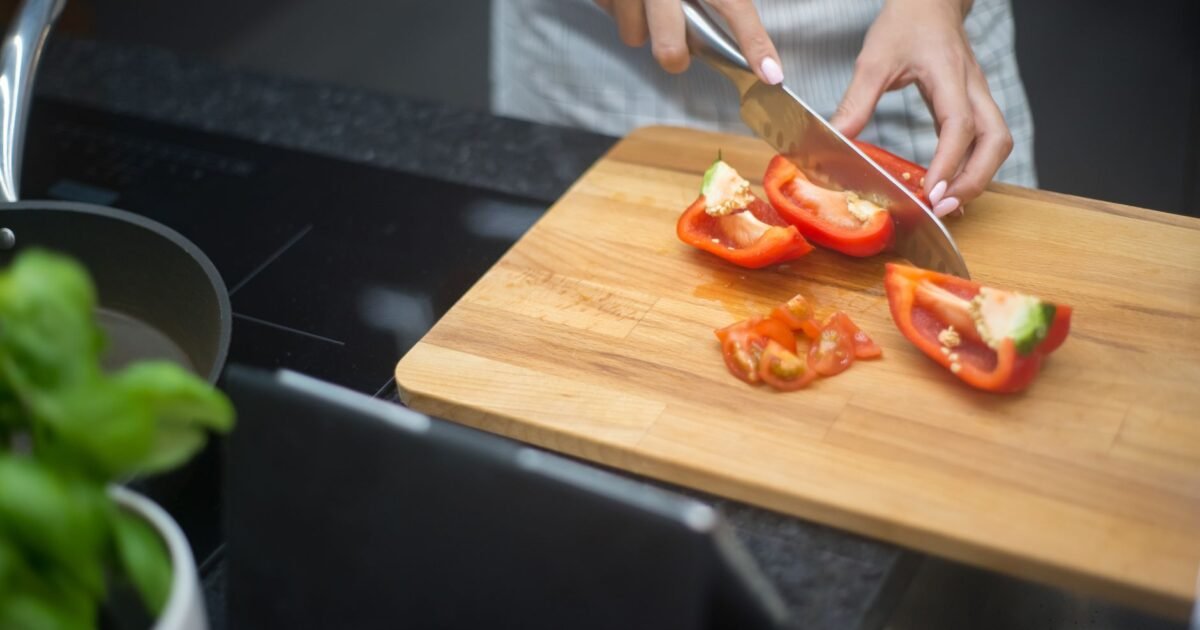
- Wash and Chop: Wash all your fruits and vegetables. Chop onions, peppers, carrots, celery for the week’s recipes. Store them in airtight containers.
- Cook Grains: Cook a large batch of quinoa, brown rice, or farro.
- Cook Proteins: Grill or bake a few chicken breasts, hard-boil a dozen eggs, or cook a batch of lean ground turkey.
- Prepare Dressings/Sauces: Make your own healthy salad dressings or marinades.
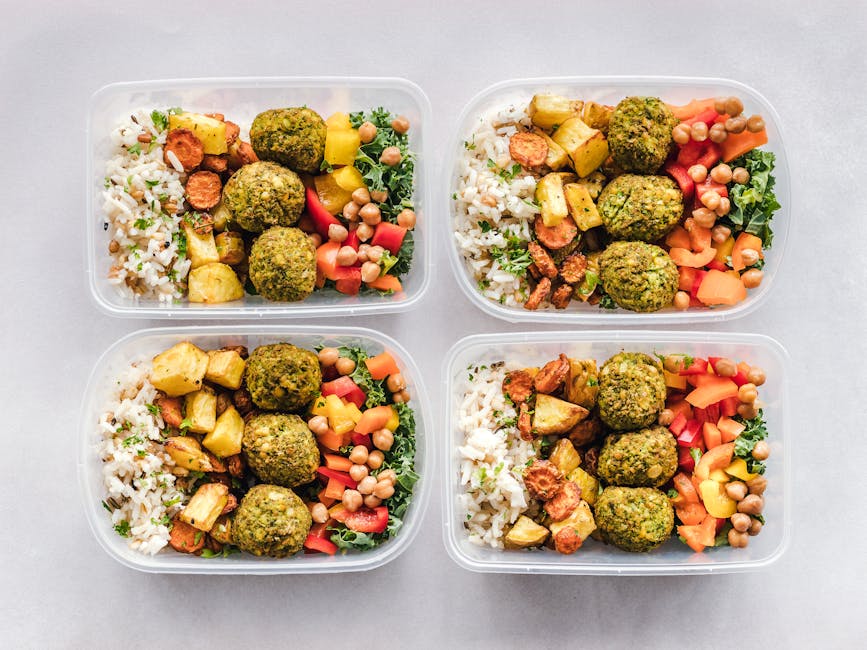
- Portion Control: Divide cooked meals into individual serving containers for grab-and-go lunches or dinners. This makes calorie tracking effortless.
- Proper Storage: Invest in good quality airtight containers. Label them with the meal and date. Most prepped meals are good for 3-4 days in the refrigerator. Freeze larger batches for longer storage.
Step 7: Track, Adjust, and Learn
Meal planning isn’t a one-and-done activity; it’s an iterative process. Continual monitoring and adjustment are key to long-term success.
- Food Logging: Use a food tracking app (like MyFitnessPal, Lose It!, Cronometer) to log your meals, especially in the beginning. This helps you stay accountable and ensures you’re hitting your calorie and macro targets. It also provides valuable insights into your eating patterns.
- Monitor Progress: Weigh yourself once a week (at the same time, under the same conditions). Take body measurements or progress photos periodically. Remember that weight fluctuates, so look for trends over time, not daily numbers.
- Identify What Works (and What Doesn’t): Did a particular meal leave you feeling hungry? Were you bored with certain foods? Did you struggle with consistency on certain days? Use this feedback to refine your next week’s plan.
- Be Flexible: Life happens. You’ll miss a meal, eat out unexpectedly, or have a craving. Don’t let one deviation derail your entire plan. Acknowledge it, learn from it, and get back on track with your next meal. Perfection is the enemy of progress.
Advanced Strategies & Tips for Optimized Weight Loss Meal Planning
Once you’ve mastered the basics, consider these advanced tactics to supercharge your meal planning and accelerate your results.
1. Master Portion Control Without Obsession
While tracking apps are great, learning to eyeball portions is a valuable skill. Use visual cues:
- Protein: A serving of lean protein is about the size of a deck of cards or your palm.
- Carbohydrates: A serving of grains or starchy vegetables is about the size of your cupped hand.
- Healthy Fats: A serving of nuts or seeds is about the size of your thumb.
- Vegetables: Fill half your plate with non-starchy vegetables – eat as much as you want!
Periodically use measuring cups and a food scale to recalibrate your internal portion estimates.
2. Practice Mindful Eating
Meal planning sets up the “what,” but mindful eating addresses the “how.” Slow down, savor your food, and pay attention to your body’s hunger and fullness cues. This can prevent overeating, improve digestion, and enhance your enjoyment of healthy meals.
- Eat without distractions (TV, phone).
- Chew slowly and thoroughly.
- Put your fork down between bites.
- Stop when you feel satisfied, not stuffed.
3. Hydration Hacks Beyond Plain Water
If plain water isn’t exciting, try infusing it with fruits (lemon, cucumber, berries) or herbs (mint). Herbal teas are also a great, calorie-free way to boost fluid intake. Keep a large, aesthetically pleasing water bottle nearby as a visual reminder.
4. Smart Snacking: Fueling, Not Feasting
Snacks should serve a purpose: to bridge the gap between meals and prevent excessive hunger. They should be rich in protein and fiber to maximize satiety. Avoid mindless snacking by having pre-portioned, healthy options readily available in your meal plan.
5. Navigating Dining Out & Social Events
Meal planning doesn’t mean you can never eat out. It means you plan for it.
- Research Menus: Look up restaurant menus online beforehand. Identify healthier options that fit your calorie goals.
- Portion Awareness: Restaurant portions are often huge. Ask for a to-go box immediately and put half your meal away.
- Smart Swaps: Ask for dressings on the side, swap fries for a side salad or steamed vegetables, choose grilled over fried.
- Alcohol: Account for liquid calories. Opt for lighter choices like a wine spritzer or clear spirits with soda water.
6. Dealing with Cravings
Cravings are normal. Instead of fighting them, develop strategies:
- Healthy Alternatives: Craving chocolate? Try a piece of dark chocolate or a protein shake with cocoa powder.
- Distraction: Sometimes, a craving passes if you distract yourself for 15-20 minutes with an activity.
- Planned Indulgence: Incorporate a small, planned treat into your weekly calorie budget so you don’t feel deprived. This prevents binging.
7. Budget-Friendly Meal Planning
Healthy eating doesn’t have to break the bank.
- Buy in Bulk: Non-perishable items like oats, rice, beans, and frozen vegetables are often cheaper in larger quantities.
- Seasonal Produce: Fruits and vegetables are more affordable and tastier when in season.
- Plant-Based Meals: Incorporate more lentil, bean, and tofu dishes. Plant-based proteins are often much cheaper than meat.
- Cook from Scratch: Processed foods are expensive. Making your own sauces, dressings, and meals is almost always cheaper.
8. Time-Saving Meal Prep Hacks
- One-Pan/Sheet Pan Meals: Minimize cleanup by roasting proteins and vegetables together on a single baking sheet.
- Slow Cooker/Instant Pot: These appliances are fantastic for “set it and forget it” meals, especially for soups, stews, and large batches of shredded chicken or pulled pork.
- Double Recipes: When you cook, double the recipe and freeze half for a future meal.
- Pre-Washed/Pre-Chopped: If your budget allows and time is extremely limited, occasionally buy pre-washed greens or pre-chopped vegetables.
Common Pitfalls and How to Overcome Them
Even with the best intentions, challenges can arise. Here’s how to navigate common meal planning hurdles:
Pitfall 1: Lack of Variety and Getting Bored
Solution: Rotate your recipes. Instead of planning the same 7 dinners, create a bank of 20-30 healthy recipes you enjoy and cycle through them. Experiment with different cuisines, spices, and cooking methods. Small changes can make a big difference.
Pitfall 2: Over-Restriction Leading to Binging
Solution: Don’t make your meal plan too rigid or restrictive. Allow for flexibility and occasional treats (in moderation). A sustainable plan is one you can stick to long-term, not one that leads to feelings of deprivation and subsequent overeating. Ensure your calorie deficit is realistic and not too aggressive.
Pitfall 3: Not Enough Time for Prep
Solution: Re-evaluate your planning style. If batch cooking feels too daunting, start smaller. Prep ingredients (chopping veggies) rather than full meals. Choose simpler recipes. Even 30 minutes of prep can save hours during the week. Consider outsourcing some tasks if possible (e.g., buying pre-cut veggies for emergencies).
Pitfall 4: Family Preferences Don’t Align
Solution: Adapt recipes. Cook a base meal (e.g., grilled chicken, roasted vegetables) and offer different sauces or carb options for family members. If you’re making a chili, serve yourself a smaller portion and let others add cheese or sour cream. Involve your family in the planning process to find meals everyone enjoys.
Pitfall 5: Giving Up After a Slip-Up
Solution: Develop resilience. One “off” meal or day does not ruin your progress. It’s a minor detour, not a dead end. Forgive yourself, learn from what happened, and recommit to your next meal. The journey to weight loss is rarely linear; expect bumps and develop the mental fortitude to keep moving forward.
Long-Term Sustainability: Making Meal Planning a Lifestyle
The ultimate goal of meal planning for weight loss isn’t just to reach a target number on the scale, but to cultivate healthy eating habits that last a lifetime. Here’s how to ensure your efforts translate into sustainable success:
1. Focus on Progress, Not Perfection
Your meal plan won’t be perfect every week, and that’s okay. Celebrate small victories: a week of consistent healthy lunches, trying a new vegetable, successfully navigating a restaurant meal. These small wins build momentum and confidence.
2. Listen to Your Body
As you become more attuned to your body, you’ll better understand its hunger and fullness signals, its energy needs, and how different foods make you feel. This intuition is a powerful tool for maintaining a healthy weight without constant strict adherence to a plan.
3. Continuously Educate Yourself
Stay curious about nutrition. Read articles, try new healthy recipes, and learn about different foods. The more knowledge you gain, the more empowered you’ll be to make informed choices for your health.
4. Embrace Flexibility and Adaptability
Life is dynamic, and your meal plan should be too. Learn to adapt your plan to vacations, holidays, illness, or changes in your activity level. Develop a toolkit of quick, healthy options for unexpected situations. The ability to pivot is crucial for long-term adherence.
5. Build a Support System
Share your meal planning journey with a partner, friend, or family member. Having someone to share ideas with, hold you accountable, or even cook with can make the process more enjoyable and sustainable. Join online communities or groups for inspiration and support.
6. Make It Enjoyable
Healthy eating doesn’t have to be bland or boring. Experiment with herbs, spices, and healthy cooking techniques to make your meals delicious and exciting. The more you enjoy your food, the more likely you are to stick with your plan.
Conclusion: Your Journey to a Leaner, Healthier You Starts Now
Meal planning for weight loss is more than just a diet strategy; it’s a profound shift in how you approach food, health, and well-being. It empowers you to take control, make informed decisions, and consistently fuel your body for optimal performance and fat loss. While it requires initial effort and consistency, the rewards are immeasurable: sustainable weight loss, increased energy, improved mood, better digestion, and a profound sense of accomplishment.
At GetLeanPulse.com, we believe in providing you with the knowledge and tools to succeed. By following this comprehensive guide, you are not just planning meals; you are building a foundation for a healthier, leaner, and more vibrant future. Start small, be patient with yourself, and remember that every planned meal is a step closer to achieving your goals. Your journey begins today – let’s make it a delicious and successful one!
Photo by Kampus Production on Pexels