Disclaimer: The information in this article is for educational purposes only and is not a substitute for professional medical advice. Always consult a healthcare provider before making significant changes to your diet.
This post may contain affiliate links. If you purchase through our links, we may earn a small commission at no extra cost to you.
Your gut contains trillions of bacteria that influence everything from your mood to your metabolism. And emerging research shows that the composition of your gut microbiome may be one of the most important factors determining whether you gain weight or lose it.
This is not a fringe theory. It is one of the most active areas of nutrition research right now. Scientists at Harvard, Stanford, and the National Institutes of Health are publishing studies that connect gut bacteria diversity to body weight, insulin sensitivity, and fat storage. And the findings are changing how we think about weight loss.
The Gut Microbiome and Weight Loss Connection
Your gut microbiome is the community of microorganisms living in your digestive tract. It contains approximately 38 trillion bacteria, along with viruses, fungi, and other microorganisms. Collectively, these microbes weigh about 2-5 pounds and contain more genes than the human genome.
Research has consistently shown that lean individuals have more diverse gut microbiomes than obese individuals. A landmark study published in the journal Nature compared the gut bacteria of lean and obese twins and found that obese individuals had significantly less bacterial diversity. When lean bacteria were transplanted into obese mice, the mice lost weight without changing their diet.
This does not mean you can get a fecal transplant and magically lose weight. But it does tell us something important: the bacteria in your gut influence how your body processes food, stores fat, and regulates appetite.

How Gut Bacteria Affect Your Weight
1. They influence calorie extraction
Different types of gut bacteria extract different amounts of energy from the same food. Some bacteria are more efficient at breaking down complex carbohydrates, meaning you absorb more calories from the same meal. Research from Washington University found that people with a higher ratio of Firmicutes to Bacteroidetes bacteria extracted approximately 150 more calories per day from their food than those with a lower ratio. Over a year, that adds up to roughly 15 pounds.
2. They produce satiety hormones
When beneficial gut bacteria ferment dietary fiber, they produce short-chain fatty acids (SCFAs) like butyrate, acetate, and propionate. These SCFAs trigger the release of GLP-1 and PYY, two hormones that signal fullness to your brain. This is the same mechanism that GLP-1 drugs like Ozempic target. Your gut bacteria produce these hormones naturally when you feed them the right foods.
For a deeper look at this mechanism, read our article on fibermaxxing, which explains how fiber intake directly influences these hormones.
3. They regulate inflammation
An imbalanced gut microbiome (called dysbiosis) increases intestinal permeability, allowing bacterial toxins to leak into the bloodstream. This triggers chronic low-grade inflammation, which is linked to insulin resistance, leptin resistance, and increased fat storage. Fixing your gut bacteria can reduce this inflammation and improve your body’s ability to regulate weight.
4. They affect food cravings
Gut bacteria communicate with your brain through the vagus nerve, influencing your food preferences and cravings. Certain bacteria thrive on sugar and fat, and they can actually manipulate your eating behavior to get more of what they want. This is not science fiction. Studies in mice have shown that altering gut bacteria changes food preferences, and similar patterns are emerging in human research.
How to Improve Your Gut Microbiome for Weight Loss
Eat more fiber
This is the single most important thing you can do for your gut bacteria. Fiber is their primary food source. Without adequate fiber, beneficial bacteria starve and harmful bacteria take over. Aim for 30-40 grams of fiber per day from diverse sources: vegetables, fruits, legumes, whole grains, nuts, and seeds.
Eat fermented foods
Fermented foods contain live beneficial bacteria that can colonize your gut. The best options:
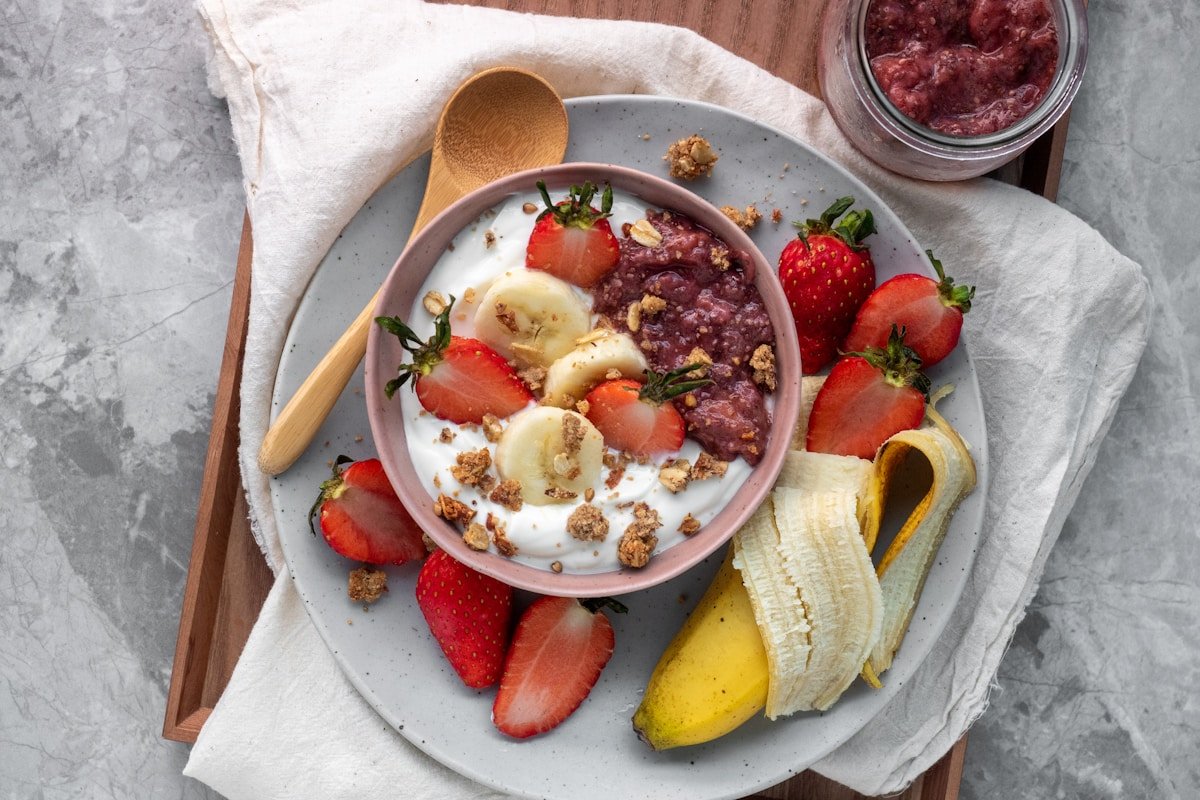
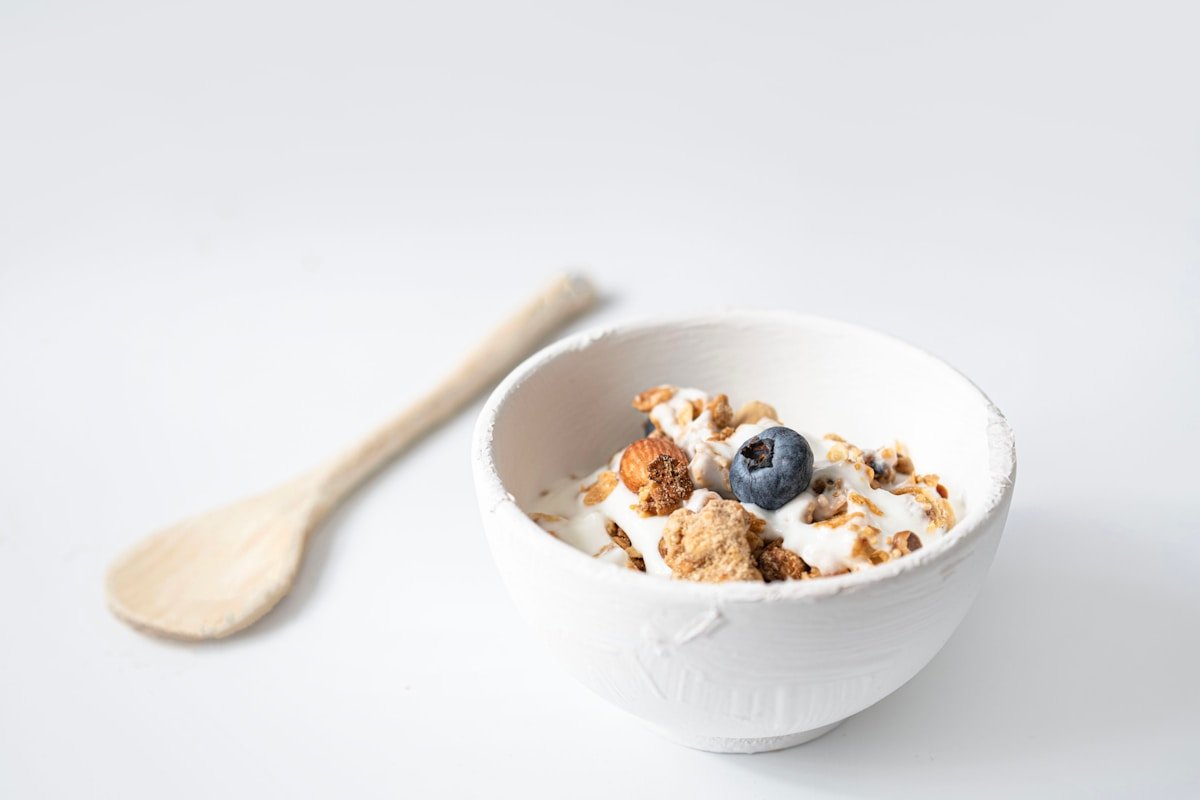
- Yogurt with live cultures: Look for “contains live and active cultures” on the label. Choose plain, unsweetened varieties.
- Kefir: A fermented milk drink with more diverse bacteria than yogurt.
- Sauerkraut: Fermented cabbage. Choose refrigerated, unpasteurized varieties. Shelf-stable sauerkraut has been heat-treated and the bacteria are dead.
- Kimchi: Korean fermented vegetables. Spicy, flavorful, and packed with beneficial bacteria.
- Kombucha: Fermented tea. Contains bacteria and yeast. Watch the sugar content.
- Miso: Fermented soybean paste. Used in soups and marinades.
Eat prebiotic foods
Prebiotics are specific types of fiber that feed beneficial bacteria. The best prebiotic foods:
- Garlic and onions: Rich in inulin, a powerful prebiotic fiber.
- Asparagus: Contains inulin and FOS (fructooligosaccharides).
- Bananas (slightly green): Green bananas contain resistant starch, a potent prebiotic.
- Oats: Contain beta-glucan, which feeds beneficial bacteria.
- Apples: Contain pectin, which increases butyrate production.
- Flaxseeds: Rich in soluble fiber that feeds gut bacteria.
Limit ultra-processed foods
Emulsifiers, artificial sweeteners, and preservatives in ultra-processed foods can damage your gut lining and reduce bacterial diversity. A study published in Nature found that common food emulsifiers (polysorbate 80 and carboxymethylcellulose) caused significant changes in gut bacteria composition and increased inflammation in mice. Human studies are confirming similar patterns.
Manage stress
Chronic stress alters gut bacteria composition through the gut-brain axis. The vagus nerve connects your brain to your digestive system, and stress signals traveling along this nerve change the environment in your gut, favoring harmful bacteria over beneficial ones. Meditation, exercise, and adequate sleep all support a healthy microbiome.
Consider a probiotic supplement
While whole foods should be your primary source of beneficial bacteria, a quality probiotic supplement can help, especially after antibiotic use. Look for supplements with multiple strains (Lactobacillus and Bifidobacterium are the most researched) and at least 10 billion CFUs. Refrigerated probiotics tend to have higher viability than shelf-stable ones.
Frequently Asked Questions
How long does it take to improve gut health?
Research shows that gut bacteria composition can change within 24-48 hours of dietary changes. However, establishing a stable, diverse microbiome takes 2-4 weeks of consistent fiber intake and fermented food consumption. For significant changes in weight-related markers, expect 8-12 weeks.
Can probiotics help you lose weight?
Some probiotic strains have shown modest weight loss benefits in clinical trials. A meta-analysis in the British Journal of Nutrition found that probiotic supplementation led to an average additional weight loss of 1.5-2.5 pounds over 8-12 weeks compared to placebo. The effect is small but real. Probiotics work best when combined with a high-fiber diet.
Do antibiotics cause weight gain?
Repeated antibiotic use, especially in childhood, is associated with higher body weight later in life. Antibiotics kill both harmful and beneficial bacteria, and the microbiome that recovers afterward is often less diverse. If you need antibiotics, take them as prescribed. Afterward, focus on rebuilding your microbiome with fiber and fermented foods.
Is a gut health test worth it?
Commercial gut microbiome tests (like Viome or Thryve) can tell you about your bacterial diversity and identify potential imbalances. However, the science is still evolving, and actionable recommendations from these tests are limited. For most people, the best approach is simple: eat more fiber, eat fermented foods, and reduce processed foods. You do not need a test to know that.
Can poor gut health cause bloating and weight gain?
Yes. An imbalanced microbiome can cause gas, bloating, and water retention that makes you feel and look heavier. This is not fat gain, but it can add 2-5 pounds to the scale and significantly affect how your clothes fit. Improving gut health often reduces bloating within 1-2 weeks.
Your Next Step
Your gut bacteria are influencing your weight right now. The question is whether they are helping or hindering. Start feeding the beneficial bacteria today: add one serving of fiber-rich vegetables to every meal, eat one fermented food per day, and cut back on ultra-processed foods. Within a month, you will likely notice improvements in digestion, energy, and possibly the scale.
For more evidence-based nutrition guidance, read our articles on fibermaxxing, weight loss supplements that work, and high-protein meal prep on a budget.
Have you noticed a connection between your digestion and your weight? Share your experience in the comments below.