Meal Planning for Weight Loss: Your Ultimate Guide to Sustainable Results
In the vast landscape of weight loss strategies, one stands out as consistently effective, incredibly empowering, and surprisingly simple once you get the hang of it: meal planning. At GetLeanPulse.com, we understand that achieving sustainable weight loss isn’t about fleeting diets or extreme restrictions; it’s about building habits that support your health goals for the long term. And there’s no habit more impactful for controlling your intake, managing your nutrition, and staying consistent than strategic meal planning.
For many, the idea of meal planning conjures images of endless Tupperware containers, repetitive meals, and hours spent in the kitchen. But we’re here to demystify the process, showing you how meal planning for weight loss can be flexible, enjoyable, and an absolute game-changer for your physique and overall well-being. This comprehensive guide will walk you through every step, from understanding your body’s needs to crafting delicious, nutrient-dense meals that propel you toward your weight loss goals.
Whether you’re just starting your weight loss journey, hitting a plateau, or simply looking to optimize your nutrition, mastering the art of meal planning is your secret weapon. Let’s dive in and unlock the power of planned eating!
Why Meal Planning is Your Weight Loss Secret Weapon
Before we get into the “how,” let’s solidify the “why.” Understanding the profound benefits of meal planning for weight loss will motivate you to embrace this powerful strategy wholeheartedly. It’s not just a chore; it’s an investment in your health.
Eliminates Decision Fatigue & Impulse Eating
Imagine this: it’s 6 PM, you’ve had a long day, and you’re starving. Your fridge is empty, and your energy is low. What’s the easiest solution? Ordering takeout, grabbing fast food, or resorting to whatever quick, often unhealthy, option is available. This scenario is the enemy of weight loss.
Meal planning removes this daily struggle. When you know exactly what you’re eating for each meal, the mental burden of deciding is lifted. You bypass the traps of hunger-driven, emotional, or convenience-based food choices that often derail even the best intentions. By planning ahead, you make conscious, healthy decisions when you’re calm and rational, not when your stomach is rumbling.
Ensures Calorie Control & Nutritional Balance
At its core, weight loss boils down to consuming fewer calories than your body burns (a calorie deficit). While this sounds simple, it’s incredibly difficult to achieve consistently without awareness of what you’re eating. Meal planning forces you to confront your calorie intake head-on. By pre-determining your meals, you can accurately track and adjust your portions to ensure you stay within your target calorie range.
Beyond calories, meal planning allows you to optimize your macronutrient (protein, carbs, fats) and micronutrient (vitamins, minerals) intake. You can strategically incorporate lean proteins for satiety and muscle preservation, complex carbohydrates for sustained energy, healthy fats for hormone function, and an abundance of fiber-rich vegetables for overall health and fullness. This balanced approach not only supports weight loss but also enhances energy levels, mood, and long-term health.
Saves Time & Money
While the initial setup might take a bit of time, meal planning is a massive time-saver in the long run. Instead of daily trips to the grocery store or last-minute cooking scrambles, you consolidate your efforts. Batch cooking meals on a designated day means you have healthy options ready to go throughout the week, freeing up your evenings and mornings.
Financially, meal planning is a budget superhero. Eating out frequently or relying on convenience foods is significantly more expensive than cooking at home. With a plan, you buy only what you need, reducing food waste and preventing impulse purchases at the grocery store. You’ll be amazed at how much you save.
Builds Sustainable Healthy Habits
Weight loss isn’t a destination; it’s a journey of adopting healthier habits. Meal planning is a habit that reinforces discipline, self-control, and mindful eating. As you consistently plan and execute your meals, you’ll naturally become more attuned to portion sizes, nutritional values, and the impact different foods have on your body. These learned behaviors are foundational for maintaining your weight loss long after you’ve reached your goal.
The Foundational Steps: Before You Plan
Before you even think about recipes or grocery lists, there are crucial preliminary steps that will set you up for success. Skipping these can lead to frustration and plans that don’t quite fit your needs.
Define Your Weight Loss Goals (Realistic & Specific)
“I want to lose weight” is a good start, but it’s not specific enough. How much do you want to lose? By when? What does success look like for you beyond the number on the scale? Setting SMART (Specific, Measurable, Achievable, Relevant, Time-bound) goals is vital.
- Be Specific: “I want to lose 10 pounds in 8 weeks.”
- Be Realistic: A healthy and sustainable weight loss rate is typically 1-2 pounds per week. Aiming for more can lead to extreme restrictions, nutrient deficiencies, and eventual rebound weight gain.
- Consider Your Why: What motivates you? Better health? More energy? Fitting into old clothes? Connecting to your deeper motivation will fuel your consistency.
Understand Macronutrients (Macros) for Weight Loss
Macros are the three main components of food that provide calories: protein, carbohydrates, and fats. Each plays a distinct role in your body and for weight loss:
- Protein: Essential for building and repairing tissues, including muscle. It’s incredibly satiating, meaning it keeps you feeling full for longer, which is crucial for calorie control. Good sources: lean meats, poultry, fish, eggs, dairy, legumes, tofu.
- Carbohydrates: Your body’s primary source of energy. For weight loss, focus on complex carbohydrates (whole grains, fruits, vegetables) which provide fiber, sustained energy, and prevent blood sugar spikes. Avoid excessive simple sugars and refined grains.
- Fats: Vital for hormone production, nutrient absorption, and brain health. Healthy fats (avocado, nuts, seeds, olive oil, fatty fish) are calorie-dense, so portion control is key, but they are essential for satiety and overall well-being.
Understanding these will help you balance your meals to maximize satiety and energy while minimizing hunger.
Consider Micronutrients & Fiber
While macros provide energy, micronutrients (vitamins and minerals) are the unsung heroes facilitating countless bodily functions. A meal plan for weight loss should prioritize nutrient-dense foods that offer a wide spectrum of these vital compounds. Fiber, often grouped with carbohydrates, deserves special mention. It aids digestion, helps regulate blood sugar, and significantly contributes to feelings of fullness, making it an invaluable ally in weight loss. Load up on fruits, vegetables, legumes, and whole grains.
Assess Your Current Eating Habits & Preferences
Your meal plan needs to fit *you*. Take an honest inventory:
- Food Likes & Dislikes: Don’t force yourself to eat foods you despise. There are countless healthy alternatives.
- Allergies & Dietary Restrictions: Gluten-free, dairy-free, vegetarian, vegan, etc. – these must be incorporated from the start.
- Cooking Skills & Time: Are you a gourmet chef or someone who prefers quick, simple meals? Be realistic about how much time you can dedicate to cooking and prep.
- Lifestyle Factors: Do you eat lunch at the office? Do you have busy evenings? Do you dine out frequently? Your plan needs to accommodate your real life.
A plan that doesn’t align with your preferences and lifestyle is a plan destined to fail. Personalization is key.
Step-by-Step Guide to Crafting Your Weight Loss Meal Plan
Now that you’ve laid the groundwork, it’s time to roll up your sleeves and start building your personalized weight loss meal plan. Follow these steps for a structured and effective approach.
Step 1: Calculate Your Calorie Needs & Deficit
This is the cornerstone of any weight loss plan. To lose weight, you need to consume fewer calories than your body burns. This is known as a calorie deficit.
- Determine Your Basal Metabolic Rate (BMR): Your BMR is the number of calories your body burns at rest to maintain basic bodily functions (breathing, circulation, etc.). You can use online calculators (e.g., Harris-Benedict or Mifflin-St Jeor equations) that factor in your age, gender, weight, and height.
- Calculate Your Total Daily Energy Expenditure (TDEE): Your TDEE is your BMR plus the calories you burn through physical activity. Online TDEE calculators will ask for your activity level (sedentary, lightly active, moderately active, very active, extra active) and multiply your BMR by an activity factor.
- Create Your Calorie Deficit: To lose 1 pound of fat, you generally need to create a deficit of approximately 3,500 calories. This means a daily deficit of 500 calories should result in about 1 pound of weight loss per week (500 calories/day x 7 days = 3,500 calories). For a faster but still safe rate of 2 pounds per week, aim for a 1000-calorie daily deficit.
Example: If your TDEE is 2500 calories, a 500-calorie deficit would mean aiming for 2000 calories per day. Do not go below 1200 calories for women or 1500 for men without medical supervision, as this can be detrimental to health and difficult to sustain.
Step 2: Determine Your Macro Split
Once you have your target daily calorie intake, you can allocate those calories across protein, carbohydrates, and fats. There’s no single “perfect” macro split for everyone, but for weight loss, a higher protein intake is generally recommended due to its satiating effect and role in preserving muscle mass during calorie restriction.
Common effective macro splits for weight loss:
- Moderate Approach: 30-35% Protein, 35-40% Carbohydrates, 25-30% Fats
- Higher Protein: 40% Protein, 30% Carbohydrates, 30% Fats
- Lower Carb (if preferred): 35% Protein, 25-30% Carbohydrates, 35-40% Fats (ensure healthy fats are prioritized)
To convert percentages to grams:
- Protein: 4 calories per gram
- Carbohydrates: 4 calories per gram
- Fats: 9 calories per gram
Example (2000 calorie plan, 35% Protein, 40% Carbs, 25% Fat):
- Protein: 2000 * 0.35 = 700 calories / 4 = 175g Protein
- Carbohydrates: 2000 * 0.40 = 800 calories / 4 = 200g Carbs
- Fats: 2000 * 0.25 = 500 calories / 9 = 55g Fat
Use these numbers as a guideline, not rigid rules. The goal is to ensure you’re getting enough protein and healthy fats to feel full and support your body, while managing your carb intake.
Step 3: Choose Your Meals & Recipes
This is where the fun begins! Start thinking about the types of meals you enjoy that align with your macro and calorie goals. Focus on whole, unprocessed foods.
- Lean Proteins: Chicken breast, turkey, fish (salmon, cod, tuna), lean beef, eggs, Greek yogurt, cottage cheese, lentils, beans, tofu, tempeh.
- Complex Carbohydrates: Brown rice, quinoa, oats, sweet potatoes, whole-wheat bread/pasta, fruits (berries, apples, bananas), starchy vegetables.
- Healthy Fats: Avocado, nuts (almonds, walnuts), seeds (chia, flax, hemp), olive oil, fatty fish.
- Non-Starchy Vegetables: Broccoli, spinach, kale, bell peppers, zucchini, cucumber, lettuce, green beans, asparagus – these are your best friends! Eat them in abundance for fiber and micronutrients with minimal calories.
The Plate Method: A simple visual guide for balanced meals:
- Half your plate: Non-starchy vegetables.
- One-quarter of your plate: Lean protein.
- One-quarter of your plate: Complex carbohydrates.
- A small serving of healthy fats (e.g., a drizzle of olive oil, a few slices of avocado).
Recipe Ideas:
- Breakfast: Oatmeal with berries and protein powder; scrambled eggs with spinach and whole-wheat toast; Greek yogurt with fruit and nuts.
- Lunch: Large salad with grilled chicken/fish; turkey and veggie wrap on whole-wheat tortilla; lentil soup with whole-grain bread.
- Dinner: Baked salmon with quinoa and steamed broccoli; chicken stir-fry with brown rice and mixed vegetables; lean ground turkey chili.
- Snacks: Apple slices with almond butter; hard-boiled eggs; cottage cheese with fruit; handful of nuts; veggie sticks with hummus.
Keep it simple initially. You don’t need a different gourmet meal every day. Find a few go-to breakfast, lunch, and dinner recipes that you enjoy and that fit your macros/calories. Variety is good, but consistency is better when starting out.
Step 4: Build Your Weekly Meal Schedule
Now, translate your chosen meals into a weekly plan. You can use a simple notebook, a spreadsheet, or a dedicated meal planning app.
- Start Small: If a full 7-day plan feels overwhelming, try planning for 3-4 days at a time.
- Template: Create a template for each day of the week, listing breakfast, lunch, dinner, and 1-2 snacks.
- Repetition is Okay: Don’t feel pressured to make every meal unique. Eating the same healthy breakfast or lunch for a few days in a row is efficient and effective.
- Flex Meals/Cheat Meals: Build in some flexibility. One “flex meal” or “treat meal” per week can help with adherence and prevent feelings of deprivation. Just ensure it doesn’t derail your overall calorie deficit.
- Consider Leftovers: Plan dinners that yield leftovers for lunch the next day – a huge time-saver!
Step 5: Create a Smart Grocery List
Your meal plan directly informs your grocery list. This step is crucial for staying on track and avoiding impulse buys.
- Go Meal by Meal: Look at your entire week’s plan. For each meal, list out the ingredients you’ll need.
- Categorize: Group similar items together (produce, dairy, meat, pantry staples, frozen goods). This makes shopping much faster and more efficient.
- Check Your Pantry: Before heading to the store, check what you already have. There’s no point buying more olive oil if you have a full bottle.
- Stick to the List: This is non-negotiable! The grocery store is full of temptations. Have your list, get what you need, and get out.
- Budget-Friendly Tips: Buy seasonal produce, look for sales on protein, purchase pantry staples in bulk (if you’ll use them), and consider frozen fruits/vegetables which are just as nutritious and often cheaper.
Step 6: Master Meal Prep & Batch Cooking
This is where your meal plan truly comes to life. Dedicating a few hours on a Sunday (or another chosen day) to meal prep can transform your week.
- Why Meal Prep? It ensures your healthy food is always ready, reducing the likelihood of reaching for unhealthy options when hunger strikes or time is short.
- Strategies:
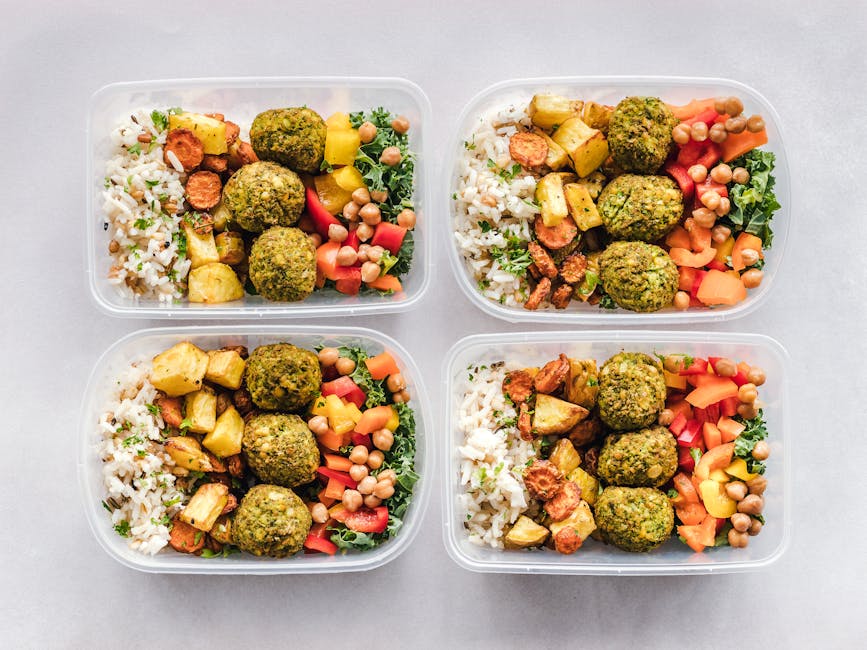
- Cook Staples: Cook large batches of grains (quinoa, brown rice), roasted vegetables, and lean proteins (chicken breast, ground turkey). These can be mixed and matched throughout the week.
- Chop & Store: Wash and chop all your vegetables for the week. Store them in airtight containers so they’re ready to throw into salads, stir-fries, or as snacks.
- Portion Out Meals: Assemble complete meals into individual containers. This takes the guesswork out of portion control and makes grab-and-go incredibly easy.
- Prepare Components: If you prefer more variety, prepare components rather than full meals. For example, cook chicken, roast sweet potatoes, and steam broccoli separately, then combine them differently each day.
- Storage: Invest in good quality, BPA-free airtight containers. Most prepped meals will last 3-4 days in the refrigerator. Some items, like cooked grains or chili, freeze well for longer storage.
- Food Safety: Always follow safe food handling practices. Cook foods to appropriate temperatures, cool them quickly before refrigerating, and reheat thoroughly.
Advanced Strategies & Troubleshooting Your Meal Plan
Once you’ve got the basics down, you can refine your approach and tackle common challenges to make your meal plan even more effective and sustainable.
Incorporating Snacks Wisely
Snacks can be a powerful tool for weight loss or a significant hindrance. The key is strategic snacking.
- Purposeful Snacking: Don’t just snack out of boredom. Ask yourself if you’re truly hungry.
- Protein & Fiber Rich: Choose snacks that are high in protein and fiber to maximize satiety and stabilize blood sugar. Examples: Greek yogurt, cottage cheese, a handful of almonds, apple slices with peanut butter, hard-boiled eggs, vegetable sticks with hummus.
- Portion Control: Even healthy snacks have calories. Measure out portions to avoid overeating.
Hydration: The Unsung Hero
Often overlooked, adequate hydration is critical for weight loss and overall health.
- Boosts Metabolism: Water is involved in countless metabolic processes.
- Reduces Hunger: Sometimes, thirst is mistaken for hunger. Drinking a glass of water before meals can help you feel fuller and eat less.
- Aids Digestion: Fiber needs water to work effectively and prevent constipation.
- General Guideline: Aim for at least 8 glasses (64 ounces) of water per day, and more if you’re active or in a hot climate. Keep a water bottle handy.

Dealing with Cravings & Slip-ups
Cravings are normal, and slip-ups happen. How you respond determines your long-term success.
- Identify Triggers: Are you craving sweets when stressed? Salty snacks when bored? Understanding your triggers helps you develop coping mechanisms.
- Healthy Alternatives: Have healthier versions of your favorite treats on hand (e.g., dark chocolate instead of milk chocolate, air-popped popcorn instead of chips).
- Mindful Indulgence: If you’re going to have a treat, enjoy it mindfully. Savor a small portion rather than mindlessly devouring a large one.
- Don’t Dwell on Slip-ups: One unhealthy meal or snack does not ruin your entire week or your progress. Acknowledge it, learn from it, and get right back on track with your next meal. Consistency over perfection.
Adjusting Your Plan Over Time
Your body changes as you lose weight, and your needs will change too. Your initial calorie target won’t be effective indefinitely.
- Recalculate: As you lose weight, your BMR and TDEE will decrease. Recalculate your calorie and macro needs every 5-10 pounds of weight loss or every 4-6 weeks to ensure you remain in a deficit.
- Plateaus: If your weight loss stalls for 2-3 weeks, it’s a plateau. This is a good time to reassess your calorie intake, increase your activity level, or try a slight adjustment to your macro ratios.
- Listen to Your Body: Pay attention to your energy levels, hunger, and overall well-being. If you’re constantly exhausted or ravenous, your deficit might be too aggressive.
- Seasonal & Lifestyle Changes: Adjust your plan for different seasons (e.g., lighter meals in summer, heartier options in winter) or changes in your activity level or schedule.
Dining Out & Social Events
Life happens! You won’t always be able to eat perfectly prepped meals. Learn to navigate social situations.
- Research Menus: If possible, look up the restaurant menu online beforehand. Identify healthy options and decide what you’ll order.
- Portion Control: Restaurant portions are often huge. Ask for a to-go box at the beginning of the meal and immediately put half your meal away.
- Smart Swaps: Ask for dressings on the side, swap fries for a side salad or steamed vegetables, choose grilled over fried, and opt for water instead of sugary drinks.
- Don’t Arrive Starving: Have a small, healthy snack before you go to avoid overeating.
- Enjoy the Company: Remember that social events are about more than just food. Focus on connecting with others.
Using Technology: Apps & Trackers
Leverage modern tools to simplify your meal planning and tracking.
- Calorie/Macro Tracking Apps: Apps like MyFitnessPal, LoseIt!, or Cronometer allow you to log your food, track your calories and macros, and see how well you’re adhering to your plan. They often have extensive food databases.
- Meal Planning Apps: Some apps help you plan your meals, generate grocery lists, and even suggest recipes based on your preferences.
- Smart Scales: Can track your weight, body fat percentage, and sync data to your apps.
While these tools are helpful, remember they are just tools. The most important thing is consistent, mindful effort.
Sample 7-Day Weight Loss Meal Plan (Customization is Key!)
This sample plan provides a template. Remember to adjust portion sizes and food choices to meet your specific calorie and macro needs and personal preferences. This example focuses on whole, unprocessed foods and aims for a balanced intake of protein, complex carbs, healthy fats, and plenty of vegetables.
Day 1:
- Breakfast: Oatmeal (1/2 cup dry) with 1 scoop protein powder, 1/2 cup mixed berries, 1 tbsp chia seeds.
- Lunch: Large mixed green salad with 4 oz grilled chicken breast, 1/2 cup chickpeas, varied non-starchy veggies, 2 tbsp olive oil & vinegar dressing.
- Snack: 1 medium apple with 1 tbsp almond butter.
- Dinner: 5 oz baked salmon, 1 cup steamed broccoli, 1/2 cup brown rice.
Day 2:
- Breakfast: Greek yogurt (1 cup plain) with 1/4 cup walnuts and 1/2 cup sliced banana.
- Lunch: Leftover baked salmon, broccoli, and brown rice.
- Snack: 1 hard-boiled egg and a handful of baby carrots.
- Dinner: 4 oz lean ground turkey stir-fry with 2 cups mixed vegetables (bell peppers, snap peas, onions) and 1/2 cup quinoa. Light soy sauce/tamari.
Day 3:
- Breakfast: Scrambled eggs (2 large) with 1 cup spinach and 1 slice whole-wheat toast.
- Lunch: Turkey & Veggie Wrap: 4 oz sliced turkey breast, lettuce, tomato, cucumber, 1 tbsp hummus, all wrapped in a large whole-wheat tortilla.
- Snack: Small handful (approx. 1/4 cup) almonds.
- Dinner: 5 oz grilled chicken breast, 1 medium sweet potato, 1 cup roasted asparagus.
Day 4:
- Breakfast: Protein smoothie: 1 scoop protein powder, 1 cup unsweetened almond milk, 1/2 cup spinach, 1/2 cup mixed berries, 1 tbsp flax seeds.
- Lunch: Leftover grilled chicken, sweet potato, and asparagus.
- Snack: 1 cup cottage cheese with 1/2 cup pineapple chunks.
- Dinner: Lentil soup (1.5 cups) with a small whole-grain roll.
Day 5:
- Breakfast: Oatmeal (1/2 cup dry) with 1 scoop protein powder, 1/2 cup mixed berries, 1 tbsp chia seeds.
- Lunch: Large mixed green salad with 4 oz grilled chicken breast, 1/2 cup chickpeas, varied non-starchy veggies, 2 tbsp olive oil & vinegar dressing.
- Snack: Rice cakes (2) with 1 tbsp peanut butter.
- Dinner: 4 oz lean ground beef patty (no bun) with a large side salad and 1/2 cup roasted Brussels sprouts.
Day 6:
- Breakfast: Greek yogurt (
Photo by Kampus Production on Pexels