Keto Diet for Beginners: Your Complete Guide to Mastering Ketosis
Welcome to GetLeanPulse.com, your ultimate resource for achieving your health and fitness goals. Today, we’re diving deep into one of the most talked-about and effective dietary strategies for weight loss, improved energy, and metabolic health: the Ketogenic Diet. If you’ve heard the buzz about “keto” and are curious if it’s right for you, or if you’ve tried to start but felt overwhelmed, you’ve come to the right place. This comprehensive guide is designed specifically for beginners, demystifying the ketogenic diet and providing you with a clear, step-by-step roadmap to success.
The ketogenic diet, often simply called “keto,” is a very low-carb, high-fat diet that has gained immense popularity for its ability to transform the body’s metabolism. Instead of relying on carbohydrates for energy, keto encourages your body to burn fat, a process known as ketosis. The results for many include significant weight loss, stable energy levels, enhanced mental clarity, and improved blood sugar control. But like any major dietary change, understanding the science, preparing correctly, and knowing what to expect are crucial for a smooth and sustainable journey.
In this extensive guide, we’ll cover everything you need to know: from the fundamental science behind ketosis and its myriad benefits, to practical advice on what to eat, what to avoid, how to manage common side effects like the “keto flu,” and how to set yourself up for long-term success. Our goal is to empower you with the knowledge and confidence to embark on your keto journey safely and effectively. Remember, while the keto diet offers incredible potential, it’s always wise to consult with your healthcare provider before making significant changes to your diet, especially if you have underlying health conditions.
What Exactly is the Ketogenic Diet?
At its core, the ketogenic diet is a dietary approach characterized by drastically reducing carbohydrate intake and replacing it with fat. This reduction typically lowers net carbs (total carbs minus fiber) to 20-50 grams per day, depending on individual needs and activity levels. Protein intake is usually moderate, ensuring muscle mass is preserved without hindering ketosis. The macronutrient breakdown generally looks like this:
- Fat: 70-80% of daily calories
- Protein: 15-20% of daily calories
- Carbohydrates: 5-10% of daily calories
This unique macronutrient ratio forces your body into a metabolic state called ketosis. When carbohydrate availability is extremely low, your liver begins to convert fat into molecules called ketones (specifically beta-hydroxybutyrate, acetoacetate, and acetone). These ketones then become your body’s primary fuel source, including for your brain, which normally relies heavily on glucose.
Historically, the ketogenic diet was developed in the 1920s as a therapeutic treatment for epilepsy, particularly in children who didn’t respond to medication. Its efficacy in this area is well-documented. In recent decades, however, researchers and health enthusiasts have explored its potential for weight management, type 2 diabetes reversal, neurological health, and athletic performance, leading to its widespread adoption.
Think of it this way: your body is a dual-fuel engine. Normally, it prefers to burn glucose (sugar) from carbohydrates because it’s a quick and easy fuel. But when glucose isn’t available, your body is incredibly adaptable and switches to burning fat. The keto diet is essentially training your body to become a highly efficient fat-burning machine, unlocking your stored fat reserves for energy.
How Does Ketosis Work? The Science Explained
Understanding the science behind ketosis is key to appreciating why the ketogenic diet is so effective. Let’s break down the metabolic shift that occurs:
1. Depleting Glycogen Stores
When you consume carbohydrates, they are broken down into glucose, which is either used immediately for energy or stored as glycogen in your liver and muscles. Your body has a limited capacity for glycogen storage. When you drastically reduce carb intake on a ketogenic diet, your body quickly uses up these stored glycogen reserves, typically within 24-48 hours. This is the first critical step towards ketosis.
2. The Liver’s Role: Ketone Production
Once glycogen stores are depleted, your body recognizes the absence of its usual glucose fuel. To keep your essential organs, especially your brain, functioning, your liver steps in. It begins to break down fatty acids (from your diet and stored body fat) through a process called beta-oxidation. This process produces acetyl-CoA, which is then converted into ketones. These ketones are then released into your bloodstream.
- Beta-hydroxybutyrate (BHB): The most abundant and stable ketone, often measured in blood tests to confirm ketosis. It’s a highly efficient fuel for both the body and brain.
- Acetoacetate (AcAc): Another primary ketone, often measured in urine strips.
- Acetone: A byproduct of acetoacetate breakdown, excreted through breath (responsible for “keto breath”).
3. Metabolic Shift: Fat Adaptation
As ketone levels rise in your blood, your body and brain begin to use them as their primary energy source. This transition from glucose-burning to fat/ketone-burning is known as becoming “fat-adapted.” This metabolic flexibility is a hallmark of the ketogenic state. Your body becomes incredibly efficient at tapping into its fat reserves, which is why the keto diet is so powerful for fat loss.
This shift isn’t instantaneous. It can take several days to a couple of weeks for your body to fully enter and adapt to ketosis. During this transition period, many beginners experience what’s known as the “keto flu” as their body adjusts to the new fuel source. We’ll delve into managing this later, but it’s a temporary phase on the path to becoming a fat-burning machine.
Why Choose Keto? Unpacking the Benefits
The ketogenic diet offers a compelling array of benefits that extend far beyond simple weight loss. While weight reduction is often the initial motivator, many individuals discover profound improvements in their overall health and well-being. Here’s a closer look at the key advantages:
1. Significant and Sustainable Weight Loss
This is perhaps the most well-known benefit. The keto diet promotes weight loss through several mechanisms:
- Increased Fat Burning: By shifting your metabolism to use fat for fuel, your body directly taps into its stored fat reserves, leading to a reduction in body fat.
- Appetite Suppression: Ketones, particularly BHB, have been shown to reduce appetite. Additionally, the high fat and moderate protein content of the diet are very satiating, leading to reduced calorie intake naturally without feeling deprived.
- Reduced Insulin Levels: A low-carb diet significantly lowers insulin, a hormone that promotes fat storage. Lower insulin levels facilitate fat release from adipose tissue.
- Thermic Effect of Food: Protein has a higher thermic effect than carbohydrates, meaning your body burns more calories digesting protein.
2. Enhanced Energy Levels and Mental Clarity
Many keto adherents report a remarkable increase in stable energy and improved cognitive function once fat-adapted. This is due to:
- Stable Blood Sugar: Eliminating drastic blood sugar spikes and crashes (common with high-carb diets) leads to more consistent energy throughout the day, avoiding the dreaded “sugar slump.”
- Efficient Brain Fuel: Ketones are an incredibly efficient fuel source for the brain. Unlike glucose, which can cause inflammatory responses, ketones provide a steady, clean energy supply, often leading to improved focus, concentration, and reduced brain fog.
- Mitochondrial Boost: Some research suggests that ketones may enhance mitochondrial function, leading to better cellular energy production.
3. Blood Sugar Control and Type 2 Diabetes Management
The ketogenic diet is exceptionally effective for managing and even reversing type 2 diabetes and insulin resistance. By dramatically reducing carbohydrate intake, you directly reduce the amount of glucose entering your bloodstream, thus lowering the need for insulin. This can lead to:
- Significantly Lower Blood Glucose Levels: Many individuals see their blood sugar drop into healthy ranges.
- Improved Insulin Sensitivity: Over time, cells become more responsive to insulin, improving the body’s ability to regulate blood sugar.
- Reduced or Eliminated Need for Diabetes Medication: Under medical supervision, many people with type 2 diabetes are able to reduce or discontinue their medication.
Important: If you are on medication for diabetes, you MUST consult your doctor before starting keto, as medication dosages will likely need to be adjusted to prevent hypoglycemia.
4. Potential Neurological Benefits
Beyond its traditional use for epilepsy, research is exploring the ketogenic diet’s potential in other neurological conditions:
- Neuroprotection: Ketones are believed to have neuroprotective effects, potentially reducing inflammation and oxidative stress in the brain.
- Migraine Relief: Some individuals report a reduction in the frequency and severity of migraines.
- Alzheimer’s and Parkinson’s Disease: While research is ongoing, preliminary studies suggest keto may offer benefits by providing an alternative fuel source to glucose-impaired brain cells and reducing neuroinflammation.
5. Improved Heart Health Markers
While often controversial, a well-formulated ketogenic diet can positively impact several markers of cardiovascular health:
- Increased HDL (“Good”) Cholesterol: Healthy fats on a keto diet often lead to an increase in high-density lipoprotein.
- Reduced Triglycerides: Lowering carbohydrate intake is highly effective at reducing triglyceride levels, a key risk factor for heart disease.
- Improved LDL Particle Size: While total LDL cholesterol may sometimes increase for some individuals, the keto diet often shifts LDL particles from small, dense (more atherogenic) to large, fluffy (less harmful) particles.
- Lower Blood Pressure: Many individuals experience a reduction in blood pressure.
It’s crucial to focus on healthy, whole food fats (avocado, olive oil, fatty fish) rather than processed or unhealthy fats when pursuing these benefits.
6. Reduced Inflammation
Chronic inflammation is a root cause of many modern diseases. The ketogenic diet may help reduce inflammation through several mechanisms:
- Ketones as Signaling Molecules: BHB, in particular, acts not just as fuel but also as a signaling molecule that can inhibit inflammatory pathways in the body.
- Reduced Oxidative Stress: Ketosis may lead to a reduction in reactive oxygen species and an increase in antioxidant defenses.
- Elimination of Inflammatory Foods: By removing processed sugars, refined grains, and unhealthy oils, the keto diet naturally eliminates many common dietary triggers of inflammation.

Types of Ketogenic Diets (Focus on SKD for Beginners)
While the core principle of low-carb, high-fat remains, there are a few variations of the ketogenic diet. For beginners, understanding these types is helpful, but the Standard Ketogenic Diet (SKD) is almost always the recommended starting point.
1. Standard Ketogenic Diet (SKD)
This is the classic and most researched version. It’s characterized by a very low carb intake (typically 20-50 grams net carbs per day), moderate protein, and high fat. This is the diet we will primarily focus on in this guide, as it’s the most effective for achieving and maintaining ketosis for most people. It’s ideal for weight loss, general health improvement, and therapeutic purposes.
2. High-Protein Ketogenic Diet
Similar to the SKD, but includes a slightly higher protein intake. The ratio is often 60% fat, 35% protein, and 5% carbs. This might be suitable for individuals with higher protein needs, such as bodybuilders or those looking to preserve muscle mass while losing weight, but it can be harder to stay in deep ketosis if protein intake is excessively high (due to gluconeogenesis – the body converting protein to glucose). Beginners should stick to moderate protein levels first.
3. Cyclical Ketogenic Diet (CKD)
This approach involves periods of ketogenic eating followed by periods of higher-carb refeeds. For example, 5-6 days on keto, followed by 1-2 high-carb days. This is an advanced strategy, typically used by athletes and bodybuilders to replenish muscle glycogen stores and optimize performance. It requires careful planning and is NOT recommended for beginners, as it can be difficult to manage the transition in and out of ketosis.
4. Targeted Ketogenic Diet (TKD)
Similar to CKD, TKD allows for adding carbs around workouts. For instance, consuming 20-30 grams of fast-acting carbs 30-60 minutes before intense exercise. This provides immediate fuel for performance without knocking you out of ketosis for long. Like CKD, TKD is an advanced strategy best suited for athletes and those with specific performance goals, not for beginners focused on fat adaptation and weight loss.
For beginners, stick with the Standard Ketogenic Diet (SKD). It’s the simplest to implement, the most effective for achieving initial ketosis and weight loss, and provides the best foundation for understanding how your body responds to a ketogenic lifestyle.
Getting Started: Your Step-by-Step Keto Journey
Embarking on a new diet can feel daunting, but with a clear plan, your keto journey can be smooth and successful. Here’s a detailed, step-by-step guide for beginners.
Phase 1: Preparation (1-2 Weeks Before Starting)
1. Consult Your Healthcare Provider
This is paramount. Before making any significant dietary changes, especially one as impactful as keto, talk to your doctor, particularly if you have pre-existing conditions (diabetes, heart disease, kidney issues) or are on medication. They can assess your individual health needs and provide personalized guidance.
2. Clear Out Your Pantry and Fridge
Remove all tempting high-carb foods. If it’s not in your house, you can’t eat it. This includes:
- Sugary drinks, juices, soda, candy, desserts
- Bread, pasta, rice, cereals, crackers
- Potatoes, sweet potatoes, corn
- Most fruits (except berries in moderation)
- Legumes (beans, lentils)
- Processed foods with hidden sugars and unhealthy fats
3. Stock Up on Keto-Friendly Foods
Replace the carb-laden items with delicious keto staples. Make a shopping list:
- Healthy Fats: Olive oil, avocado oil, coconut oil, butter, ghee, avocados, full-fat dairy (cheese, heavy cream), nuts (almonds, macadamias), seeds (chia, flax, hemp).
- Protein: Fatty cuts of meat (beef, pork, lamb), poultry (chicken thighs, wings), fatty fish (salmon, mackerel, sardines), eggs, bacon.
- Low-Carb Vegetables: Leafy greens (spinach, kale, lettuce), broccoli, cauliflower, asparagus, zucchini, bell peppers (in moderation), mushrooms.
- Beverages: Water, black coffee, unsweetened tea, sparkling water.
4. Plan Your Meals (at least for the first week)
Meal planning is a game-changer for keto beginners. It prevents impulse eating and ensures you stay within your carb limits. Look up simple keto recipes, create a weekly menu, and consider meal prepping components in advance. This takes the guesswork out of daily eating.
5. Hydration and Electrolyte Strategy
The keto flu is largely caused by electrolyte imbalance. Plan to increase your intake of sodium, potassium, and magnesium from day one. Buy:
- Salt: High-quality sea salt or Himalayan pink salt.
- Potassium: Avocados, spinach, mushrooms, or a potassium supplement (under doctor’s guidance).
- Magnesium: Dark leafy greens, nuts, seeds, or a magnesium supplement (glycinate or citrate form).
Drink plenty of water – at least 2-3 liters per day.
Phase 2: The Transition (Week 1-2 of Keto)
1. Understand and Track Your Macros
This is crucial for ensuring you enter and stay in ketosis. Use a reliable app (MyFitnessPal, Carb Manager, Cronometer) to track everything you eat, especially in the beginning.
- Carbs: Aim for 20-50 grams of net carbs per day. Net carbs = Total Carbs – Fiber.
- Protein: Moderate intake, typically 0.8-1.2 grams per pound of lean body mass. This is important for muscle preservation. Eating too little can lead to muscle loss, too much can hinder ketosis.
- Fat: This makes up the majority of your calories and is your primary fuel source. Eat fat to satiety, but don’t force it if you’re not hungry. It’s a lever to reach your calorie needs, not a target to exceed if you’re trying to lose weight.
2. Hydrate Relentlessly and Prioritize Electrolytes
As your body sheds water weight (glycogen binds to water), you’ll lose electrolytes. This is the main cause of the dreaded “keto flu.”
- Sodium: Add extra salt to your food, drink bone broth, or sip on salted water. Aim for 3,000-5,000 mg/day.
- Potassium: Focus on keto-friendly foods rich in potassium (avocados, spinach, mushrooms). Aim for 1,000-3,500 mg/day.
- Magnesium: Consider a magnesium supplement, especially before bed, to help with sleep and muscle cramps. Aim for 300-500 mg/day.
3. Recognize the Signs of Ketosis
Your body will tell you when you’re entering ketosis:
- Increased Urination: Due to water loss.
- “Keto Breath”: A metallic or fruity smell from acetone excretion.
- Reduced Appetite: You’ll feel fuller for longer.
- Increased Energy/Mental Clarity: Once past the initial adjustment.
- Keto Flu Symptoms: Headaches, fatigue, irritability (temporary).
You can also use ketone testing strips (urine, breath, or blood) if you want objective confirmation, but they aren’t strictly necessary for beginners.
4. Embrace Fat and Don’t Fear Hunger
It’s a common misconception that all fat is bad. On keto, healthy fats are your friend and your fuel. Eat until you’re satisfied. If you’re not hungry, don’t force food, but ensure you’re getting enough calories overall, especially in the beginning, to avoid feeling depleted.
Phase 3: Sustaining Ketosis & Optimizing (Beyond Week 2)
1. Monitor Progress Beyond the Scale
While the scale is one metric, also pay attention to:
- Body Measurements: Waist, hips, arms, thighs.
- How Your Clothes Fit: Often a better indicator of fat loss.
- Energy Levels and Mood: Are you feeling better?
- Sleep Quality: Many report improved sleep.
- Mental Clarity: Enhanced focus and concentration.
2. Adjust Macros as Needed
As you lose weight, your calorie and macro needs may change. Periodically recalculate your macros based on your new weight and activity level. If you hit a plateau, a slight reduction in fat calories might be necessary.
3. Prioritize Whole, Unprocessed Foods
While there are many “keto-friendly” processed snacks, prioritize whole, nutrient-dense foods. This will ensure you’re getting essential vitamins and minerals and avoid potential pitfalls of highly processed items, even if they fit macros.
4. Incorporate Exercise
Once fat-adapted, you’ll likely have plenty of energy for exercise. Start with light activity and gradually increase intensity. Both strength training and cardio are beneficial. Exercise can accelerate fat loss and improve overall health.
5. Troubleshoot Plateaus
Weight loss isn’t always linear. If you hit a plateau:
- Re-evaluate Macros: Are you accidentally eating more carbs or calories than you think?
- Intermittent Fasting: Consider adding IF (e.g., 16/8 method) to boost fat burning.
- Increase Activity: Add more steps or workout intensity.
- Check Hidden Carbs: Review condiments, sauces, and “sugar-free” items.
- Stress & Sleep: Ensure you’re managing stress and getting enough quality sleep, as these can impact hormones and weight loss.
What to Eat on a Ketogenic Diet (And What to Avoid)
This is where the rubber meets the road! Knowing what to fill your plate with and what to steer clear of is fundamental to your keto success. Remember, focus on whole, unprocessed foods whenever possible.
Foods to Embrace and Enjoy (Your Keto Shopping List)
1. Healthy Fats (Your Primary Fuel Source)
- Avocados & Avocado Oil: Rich in monounsaturated fats and potassium.
- Olive Oil: Extra virgin olive oil for dressings and low-heat cooking.
- Coconut Oil & MCT Oil: Excellent for cooking and boosting ketone production. MCT oil is especially potent.
- Butter & Ghee: Grass-fed is preferred for higher nutrient content.
- Nuts & Seeds: Almonds, macadamia nuts, pecans, walnuts, chia seeds, flax seeds, hemp seeds (in moderation due to carb counts).
- Full-Fat Dairy: Heavy cream, sour cream, full-fat cheeses (cheddar, mozzarella, brie, goat cheese), cream cheese. Watch portions as carbs can add up.
2. Protein Sources (Moderate Amounts)
- Red Meat: Beef (steak, ground beef, roasts), pork (pork belly, chops, bacon), lamb. Fattier cuts are generally preferred.
- Poultry: Chicken (thighs, wings, drumsticks are fattier than breast), turkey. Keep the skin on!
- Fatty Fish: Salmon, mackerel, sardines, tuna (in oil), trout, anchovies. Rich in Omega-3 fatty acids.
- Eggs: Whole eggs are incredibly versatile and nutrient-dense. Eat them boiled, scrambled, fried, or as omelets.
- Shellfish: Shrimp, crab, lobster (watch for carb-containing sauces).
3. Low-Carb Vegetables (Non-Starchy Veggies are Key)
These provide essential fiber, vitamins, and minerals without spiking blood sugar.
- Leafy Greens: Spinach, kale, lettuce (romaine, butter, spring mix), collard greens, Swiss chard.
- Cruciferous Vegetables: Broccoli, cauliflower, Brussels sprouts, cabbage. These are staples for good reason.
- Other Low-Carb Veggies: Asparagus, zucchini, green beans, bell peppers (especially green, red in moderation), mushrooms, celery, cucumber, radishes, eggplant.
- Herbs: All fresh herbs are welcome.
4. Berries (In Moderation)
Most fruits are too high in sugar, but berries can be enjoyed in small portions due to their lower carb count and high antioxidant content.
- Strawberries, blueberries, raspberries, blackberries.
5. Beverages
- Water: Your best friend. Drink plenty!
- Black Coffee: Plain, no sugar or milk.
- Unsweetened Tea: Green tea, black tea, herbal tea.
- Sparkling Water: Plain or naturally flavored with lemon/lime.
- Bone Broth: Excellent for electrolytes and gut health.
6. Sweeteners (Use Sparingly)
- Erythritol, stevia, monk fruit. Avoid maltitol as it can cause blood sugar spikes and digestive upset for some.
Foods to Avoid (Your “No-Go” List)
1. Sugary Foods and Drinks
This is the biggest culprit for kicking you out of ketosis.
- Soda, fruit juice, sports drinks, sweetened teas.
- Candy, chocolate (unless very dark, 85%+), cakes, cookies, pastries, ice cream.
- Table sugar, honey, maple syrup, agave nectar, high-fructose corn syrup.
2. Grains and Starches
These are carb bombs.
- Wheat-based products: Bread, pasta, crackers, bagels, cereal.
- Rice: White rice, brown rice
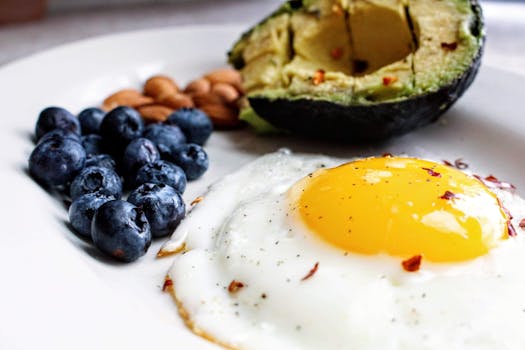
Photo by Jane T D. on Pexels