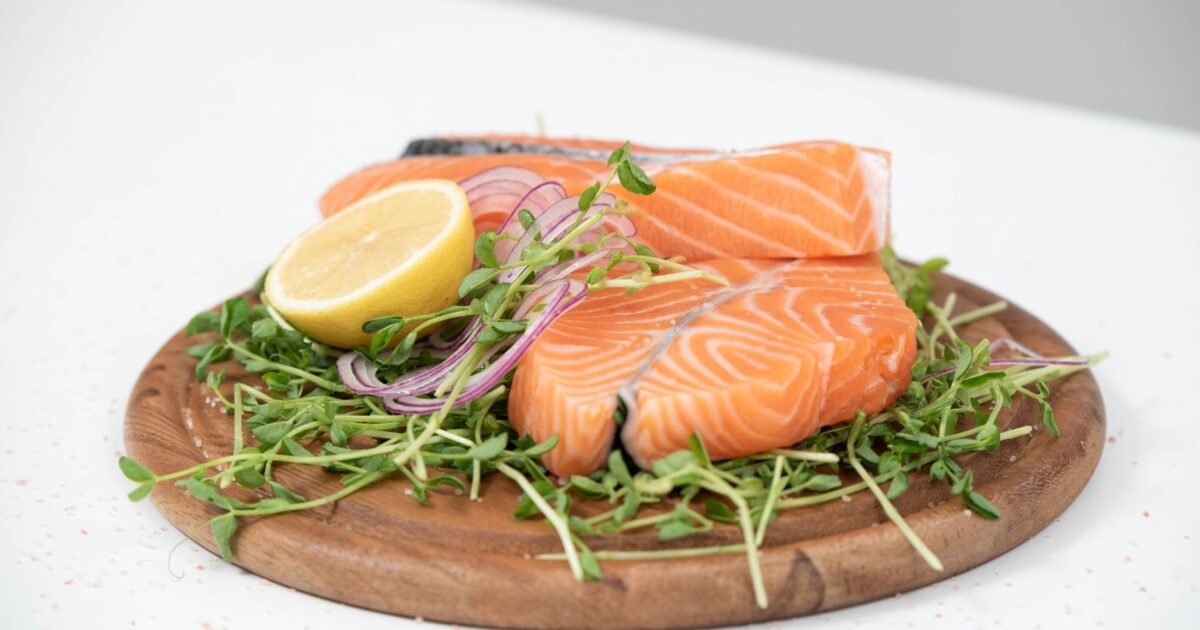
Omega-3 Foods: Your Secret Weapon for Weight Loss
In the vast landscape of nutrition and weight management, certain nutrients stand out for their profound impact on overall health and body composition. Among these, Omega-3 fatty acids have emerged not just as vital for brain and heart health, but also as a powerful ally in the quest for sustainable weight loss. For years, the spotlight has been on calorie restriction and macronutrient ratios, but increasingly, research is unveiling the critical role of specific micronutrients and essential fats in metabolic function and fat burning.
At GetLeanPulse.com, we’re dedicated to bringing you the latest science-backed strategies to help you achieve your weight loss goals. Today, we delve deep into the incredible world of Omega-3s – how they work, why they are essential, and most importantly, how you can leverage their unique benefits to accelerate your journey to a leaner, healthier you. Forget the idea that all fats are bad; Omega-3s are the kind of healthy fat your body craves, especially when you’re trying to shed excess pounds.
This comprehensive guide will explore the various mechanisms through which Omega-3s contribute to weight loss, from boosting metabolism and reducing inflammation to suppressing appetite and improving insulin sensitivity. We’ll also provide you with a detailed list of the best Omega-3-rich foods, practical tips for incorporating them into your diet, and important considerations for supplementation. Prepare to transform your approach to weight loss by embracing the power of Omega-3s.
What Are Omega-3 Fatty Acids?
Before we dive into the specifics of weight loss, let’s establish a foundational understanding of what Omega-3 fatty acids are. Omega-3s are a group of polyunsaturated fatty acids that are essential for human health. “Essential” means our bodies cannot produce them on their own, so we must obtain them through our diet.
There are three main types of Omega-3 fatty acids crucial for human health:
- Alpha-linolenic acid (ALA): This is a short-chain Omega-3 found primarily in plant foods. ALA is a precursor to EPA and DHA, meaning the body can convert a small percentage of ALA into these longer-chain Omega-3s. However, this conversion rate is often limited, especially in men.
- Eicosapentaenoic acid (EPA): A long-chain Omega-3 predominantly found in fatty fish and seafood. EPA is well-known for its anti-inflammatory properties and its role in cardiovascular health.
- Docosahexaenoic acid (DHA): Also a long-chain Omega-3, DHA is abundant in fatty fish, seafood, and algae. It is a critical structural component of cell membranes, particularly in the brain and eyes, and plays a vital role in cognitive function and visual development.
While ALA offers its own benefits, the majority of research linking Omega-3s to profound health benefits, including weight loss, focuses on EPA and DHA. Therefore, when discussing Omega-3s for weight loss, we are often referring to the synergistic effects of these two potent fatty acids.
The Science Behind Omega-3s and Weight Management
The relationship between Omega-3 fatty acids and weight loss is multifaceted, involving several key physiological pathways. It’s not a magic bullet, but rather a powerful modulator that optimizes your body’s natural fat-burning and weight-regulating mechanisms. Let’s explore the scientific mechanisms at play.
Boosting Metabolism and Fat Burning
One of the most exciting aspects of Omega-3s for weight loss is their potential to enhance metabolic rate and promote fat oxidation. This isn’t about simply burning more calories at rest, but optimizing the efficiency with which your body utilizes fat for energy.
- Thermogenesis: Studies suggest that Omega-3s, particularly EPA and DHA, can increase thermogenesis – the process by which your body produces heat and burns calories. They may stimulate the activity of brown adipose tissue (BAT), a type of fat tissue that burns calories to generate heat, unlike white adipose tissue (WAT) which stores energy. A more active BAT means a higher metabolic rate.
- Mitochondrial Function: Omega-3s play a crucial role in maintaining the health and efficiency of mitochondria, the “powerhouses” of your cells. By improving mitochondrial function, Omega-3s can enhance your body’s ability to convert stored fat into usable energy, leading to more efficient fat burning.
- PPAR-alpha Activation: Peroxisome proliferator-activated receptor alpha (PPAR-alpha) is a nuclear receptor that regulates gene expression involved in lipid metabolism. Omega-3s are known to activate PPAR-alpha, which leads to increased fatty acid oxidation (burning fat for energy) and reduced fat storage in the liver and other tissues. This mechanism is particularly important for combating fatty liver disease, which is often associated with obesity.
Reducing Inflammation
Chronic low-grade inflammation is a hallmark of obesity and a significant barrier to weight loss. When your body is in a constant state of inflammation, it can disrupt hormonal balance, impair insulin sensitivity, and make fat loss incredibly challenging. Omega-3 fatty acids are renowned for their potent anti-inflammatory properties.
- Modulating Inflammatory Pathways: EPA and DHA are precursors to specialized pro-resolving mediators (SPMs) like resolvins, protectins, and maresins. These compounds actively resolve inflammation, helping to restore tissue homeostasis. They do this by inhibiting the production of pro-inflammatory molecules (cytokines like TNF-alpha, IL-6) and promoting the production of anti-inflammatory ones.
- Breaking the Cycle of Inflammation and Weight Gain: Adipose tissue (fat) itself is metabolically active and can produce inflammatory cytokines. This creates a vicious cycle where excess fat leads to inflammation, which in turn promotes further fat accumulation and insulin resistance. By reducing systemic inflammation, Omega-3s can help break this cycle, making it easier for your body to shed weight and improve its metabolic health.
Improving Insulin Sensitivity
Insulin is a hormone that plays a critical role in regulating blood sugar and fat storage. Insulin resistance, where cells don’t respond effectively to insulin, is a precursor to type 2 diabetes and a major contributor to weight gain, especially around the abdomen. Omega-3s can significantly improve insulin sensitivity.
- Enhancing Cell Membrane Fluidity: Omega-3s incorporate into cell membranes, making them more fluid and flexible. This improved fluidity can enhance the ability of insulin receptors on cell surfaces to bind to insulin, thus improving glucose uptake by cells and reducing circulating blood sugar levels.
- Reducing Inflammation in Insulin-Sensitive Tissues: As mentioned, Omega-3s reduce inflammation. Chronic inflammation can directly impair insulin signaling. By mitigating this inflammation, Omega-3s help preserve and improve the responsiveness of insulin-sensitive tissues like muscle and liver to insulin. This means your body can process carbohydrates more efficiently, storing less as fat.
Suppressing Appetite and Enhancing Satiety
Managing hunger and cravings is often the biggest hurdle in any weight loss journey. Omega-3s can help you feel fuller for longer, naturally reducing your calorie intake without feeling deprived.
<
>
- Hormonal Regulation: Omega-3s may influence the production and sensitivity of hormones that regulate appetite, such as leptin and ghrelin. Leptin is a satiety hormone that tells your brain when you’re full, while ghrelin is a hunger hormone. Some research suggests Omega-3s can enhance leptin sensitivity and reduce ghrelin levels, leading to decreased appetite and fewer cravings.
- Increased Satiety Post-Meal: Incorporating Omega-3-rich foods, particularly fatty fish, can lead to greater feelings of fullness after meals. This is partly due to the protein content in these foods, but the Omega-3s themselves contribute to a sustained sense of satisfaction, making you less likely to overeat or snack between meals.
Supporting Gut Health
Emerging research highlights the profound connection between gut microbiome health and weight management. An imbalanced gut microbiome (dysbiosis) has been linked to obesity, inflammation, and metabolic dysfunction. Omega-3s appear to positively influence gut health.
- Modulating Gut Microbiota Composition: Studies indicate that Omega-3 supplementation can lead to beneficial changes in gut bacterial diversity and composition. They may increase the abundance of beneficial bacteria species that produce short-chain fatty acids (SCFAs) like butyrate, which are crucial for gut barrier integrity and overall metabolic health.
- Reducing Gut Inflammation: Omega-3s’ anti-inflammatory properties extend to the gut lining. By reducing inflammation in the gut, they can help improve gut barrier function, prevent “leaky gut,” and reduce the systemic inflammation that contributes to weight gain and metabolic disorders. A healthier gut environment supports better nutrient absorption and metabolic regulation.
Mood Regulation and Stress Reduction
Emotional eating and stress-induced weight gain are common challenges. Omega-3s have well-documented benefits for brain health and mood, which can indirectly support weight loss efforts.
- Neurotransmitter Function: DHA, in particular, is a vital component of brain cell membranes. Omega-3s influence the synthesis and function of neurotransmitters like serotonin and dopamine, which play key roles in mood regulation. Improved mood can reduce the likelihood of turning to food for comfort or stress relief.
- Cortisol Levels: Chronic stress leads to elevated cortisol levels, a hormone known to promote abdominal fat storage and increase appetite. Some research suggests that Omega-3s may help modulate the body’s stress response, potentially leading to lower cortisol levels and reduced stress-related eating.
Enhancing Exercise Performance and Recovery
While not a direct weight loss mechanism, Omega-3s can support your fitness journey, making exercise more effective and sustainable.
- Reduced Muscle Soreness: Omega-3s’ anti-inflammatory properties can help reduce exercise-induced muscle damage and soreness (DOMS). This means you can recover faster, train more consistently, and maintain a higher level of physical activity.
- Improved Blood Flow and Oxygen Delivery: Some studies suggest Omega-3s can improve blood flow and oxygen delivery to muscles during exercise, potentially enhancing endurance and performance.
- Muscle Protein Synthesis: While research is ongoing, there’s evidence that Omega-3s may play a role in optimizing muscle protein synthesis, which is crucial for building and maintaining lean muscle mass. More muscle means a higher resting metabolic rate, further aiding fat loss.
Top Omega-3 Rich Foods for Weight Loss
Now that we understand the profound benefits, let’s explore the best dietary sources of Omega-3 fatty acids to incorporate into your weight loss plan. Prioritizing whole food sources is always the best approach.
Fatty Fish: The Powerhouses of EPA and DHA
These are your go-to sources for the most bioavailable forms of EPA and DHA. Aim for 2-3 servings per week.
-
Salmon: Wild-caught salmon (Sockeye, Coho, King) is superior to farmed salmon due to higher Omega-3 content and lower contaminants. A 3.5-ounce (100-gram) serving of wild salmon can provide around 2.5 grams of combined EPA and DHA.
- How to enjoy: Baked, grilled, pan-seared, smoked, or in salads.
-
Mackerel: A small, fatty fish often overlooked, mackerel is an excellent and affordable source of Omega-3s. A 3.5-ounce serving provides over 2.5 grams of combined EPA and DHA.
- How to enjoy: Grilled, baked, or canned (often in water or olive oil).
-
Sardines: These tiny fish are not only rich in Omega-3s (around 1.5 grams per can) but also packed with calcium and Vitamin D. They are also low in mercury.
- How to enjoy: On toast, in salads, or as a snack.
-
Herring: Similar to sardines, herring is a small, oily fish that offers about 1.7 grams of Omega-3s per 3.5-ounce serving.
- How to enjoy: Pickled, smoked, or grilled.
-
Anchovies: Despite their strong flavor, anchovies are a concentrated source of Omega-3s (around 1.4 grams per 3.5-ounce serving).
- How to enjoy: In sauces, on pizza, or finely chopped in salad dressings.
-
Trout: Rainbow trout, especially farm-raised, contains a decent amount of Omega-3s (around 1 gram per 3.5-ounce serving).
- How to enjoy: Baked, pan-fried, or grilled with herbs.
Important Note on Mercury: While fatty fish are highly beneficial, it’s wise to be mindful of mercury levels. Salmon, sardines, herring, and mackerel (especially Atlantic mackerel, not king mackerel) are generally lower in mercury and safe for regular consumption. Larger predatory fish like swordfish, shark, tilefish, and king mackerel should be consumed in moderation or avoided, especially by pregnant women and young children.
Plant-Based Sources of ALA
For vegetarians, vegans, or those looking to diversify their Omega-3 intake, plant-based foods provide ALA. Remember, the conversion to EPA and DHA is limited, so these should be consumed consistently.
-
Flaxseeds: These small, brown seeds are an excellent source of ALA (around 2.3 grams per tablespoon of whole seeds). They also provide fiber, which aids satiety.
- How to enjoy: Ground flaxseeds are best for absorption. Add to smoothies, oatmeal, yogurt, or use as an egg substitute in baking.
-
Chia Seeds: Another nutritional powerhouse, chia seeds offer about 5 grams of ALA per ounce (28 grams). They are also rich in fiber, protein, and various micronutrients.
- How to enjoy: Chia pudding, smoothies, added to oatmeal, or as a thickener.
-
Walnuts: These brain-shaped nuts contain around 2.5 grams of ALA per ounce (about 14 halves). They also provide antioxidants and beneficial plant compounds.
- How to enjoy: As a snack, in salads, oatmeal, or baked goods.
-
Hemp Seeds: With a mild, nutty flavor, hemp seeds offer about 2.6 grams of ALA per 3 tablespoons. They are also a complete protein source.
- How to enjoy: Sprinkled on salads, yogurt, smoothies, or oatmeal.
-
Edamame (Soybeans): Cooked soybeans provide around 0.6 grams of ALA per half-cup serving. They are also a good source of plant-based protein and fiber.
- How to enjoy: Steamed as a snack, added to stir-fries or salads.
-
Algal Oil: This is a direct plant-based source of EPA and DHA, derived from microalgae, which is where fish get their Omega-3s. It’s an excellent option for vegans and vegetarians looking to bypass the limited ALA conversion.
- How to enjoy: Primarily as a supplement, but some products might incorporate it into fortified foods.
Fortified Foods
Some foods are fortified with Omega-3s, typically ALA or a blend of ALA, EPA, and DHA. While these can contribute to your intake, they shouldn’t replace whole food sources.
- Omega-3 Fortified Eggs: Hens are fed flaxseed-rich diets, resulting in eggs with higher ALA content and sometimes small amounts of DHA.
- Omega-3 Fortified Milk, Yogurt, and Juices: Check labels for added Omega-3s, often from flaxseed oil or algal oil.
Integrating Omega-3s into Your Weight Loss Diet
Knowing which foods contain Omega-3s is one thing; consistently incorporating them into your diet is another. Here are practical strategies to make Omega-3s a staple in your weight loss journey.
Meal Planning Strategies
- Breakfast Boost: Start your day with Omega-3s. Add ground flaxseeds or chia seeds to your oatmeal, yogurt, or smoothie. Opt for Omega-3 fortified eggs for an easy protein and healthy fat combo.
- Lunch & Dinner Focus: Aim for at least 2-3 servings of fatty fish per week. Consider grilled salmon salads for lunch, baked mackerel with roasted vegetables for dinner, or sardines on whole-grain crackers.
- Smart Snacking: Keep a bag of walnuts or a small container of mixed seeds (chia, flax, hemp) handy for healthy snacking. Edamame pods make a satisfying and protein-rich snack.
Recipes and Ideas
- Salmon & Avocado Salad: Combine baked or grilled salmon flakes with mixed greens, avocado, cherry tomatoes, and a lemon-dill vinaigrette.
- Chia Seed Pudding: Mix 3 tablespoons chia seeds with 1 cup almond milk, a touch of maple syrup, and berries. Let it sit overnight for a delicious, fiber-rich breakfast.
- Flaxseed Smoothie: Blend a scoop of protein powder, a handful of spinach, 1 tablespoon ground flaxseeds, a banana, and unsweetened almond milk for a nutrient-dense shake.
- Sardine Toasts: Mash sardines with a squeeze of lemon juice, a pinch of black pepper, and spread on whole-grain toast. Top with fresh parsley.
- Walnut-Crusted Fish: Coat white fish fillets (like cod or tilapia) with finely crushed walnuts before baking for added crunch and Omega-3s.
Supplementation: When and How
While whole foods are always preferred, Omega-3 supplements can be a valuable addition, especially if your dietary intake of fatty fish is inconsistent or if you are vegan/vegetarian.
-
Types of Supplements:
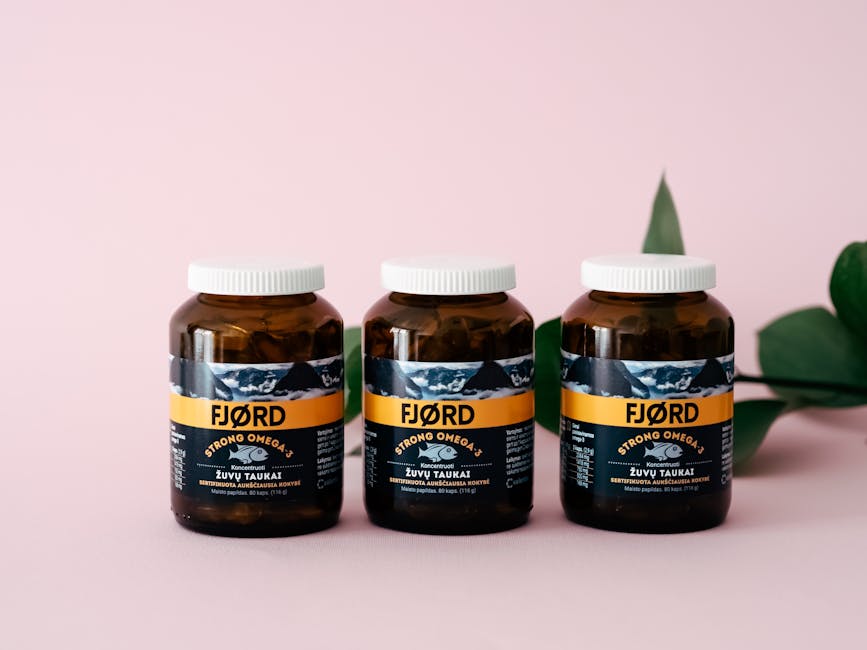
- Fish Oil: The most common form, typically providing EPA and DHA. Look for high-quality brands that are third-party tested for purity and potency.
- Krill Oil: Derived from tiny crustaceans, krill oil also contains EPA and DHA, often bound to phospholipids, which some believe enhances absorption. It also contains astaxanthin, a powerful antioxidant.
- Algal Oil: An excellent vegan source of EPA and DHA, directly from the microalgae that fish consume. This is the ideal choice for those avoiding animal products.
- Dosage Considerations: The recommended daily intake of combined EPA and DHA varies, but for general health, many organizations suggest 250-500 mg per day. For specific health conditions or weight loss support, higher doses (e.g., 1000-2000 mg combined EPA+DHA) may be recommended, but always consult with a healthcare professional before taking high doses. Pay attention to the EPA and DHA content on the supplement label, not just the total fish oil amount.
-
Quality and Purity:
- Third-Party Testing: Look for certifications from organizations like IFOS (International Fish Oil Standards) or NSF International, which verify purity, potency, and absence of contaminants like mercury, PCBs, and dioxins.
- Freshness: Omega-3s can oxidize, leading to a rancid taste and reduced effectiveness. Choose supplements that are fresh, stored in dark bottles, and consider those with added antioxidants like Vitamin E.
- Form: Ethyl ester (EE) and triglyceride (TG) forms are common. The TG form is generally considered more bioavailable, though both are effective.
- Consult Your Doctor: Before starting any new supplement regimen, especially if you have underlying health conditions or are taking medications (e.g., blood thinners), it’s crucial to consult your doctor or a registered dietitian.
<

>
Maximizing Omega-3 Benefits: Synergistic Strategies
Omega-3s are powerful, but they work best when integrated into a holistic approach to health and weight loss. To truly unlock their full potential, combine their intake with other healthy lifestyle habits.
Balanced Diet
Omega-3s are just one piece of the puzzle. A truly effective weight loss diet emphasizes:
- Whole, Unprocessed Foods: Prioritize fruits, vegetables, whole grains, lean proteins, and healthy fats.
- Lean Protein: Adequate protein intake is crucial for satiety, muscle preservation, and a healthy metabolism.
- Fiber-Rich Foods: Fiber promotes fullness, aids digestion, and helps regulate blood sugar.
- Limit Processed Foods and Sugars: These contribute to inflammation, insulin resistance, and excess calorie intake, counteracting the benefits of Omega-3s.
Regular Exercise
Physical activity is non-negotiable for sustainable weight loss and overall health. Combine:
- Cardiovascular Exercise: Burns calories, improves heart health, and enhances metabolic flexibility.
- Strength Training: Builds and maintains lean muscle mass, which boosts your resting metabolic rate and improves body composition.
Hydration
Water is essential for every bodily function, including metabolism and appetite regulation. Drink plenty of water throughout the day to support your weight loss efforts and overall health.
Adequate Sleep
Poor sleep disrupts hormones that regulate appetite (leptin and ghrelin) and stress (cortisol), making weight loss incredibly difficult. Aim for 7-9 hours of quality sleep per night.
Stress Management
Chronic stress can lead to increased cortisol, emotional eating, and fat storage. Incorporate stress-reducing practices into your daily routine:
- Mindfulness and meditation
- Yoga or deep breathing exercises
- Spending time in nature
- Engaging in hobbies you enjoy
Potential Side Effects and Precautions
While Omega-3s are generally safe and beneficial, especially from food sources, there are a few considerations, particularly with high-dose supplementation.
- Blood Thinning: High doses of Omega-3 supplements (typically >3 grams/day) can have a mild blood-thinning effect. This can be beneficial for some, but it’s important to be cautious if you are on blood-thinning medications (e.g., warfarin, aspirin) or have a bleeding disorder. Always consult your doctor.
- Digestive Issues: Some people may experience mild digestive side effects like burping, nausea, diarrhea, or an unpleasant fishy aftertaste, especially with fish oil supplements. Taking supplements with meals can often mitigate these issues.
- Interactions with Medications: Beyond blood thinners, Omega-3s might interact with other medications. Always inform your healthcare provider about all supplements you are taking.
- Mercury in Fish: As mentioned, certain fish can accumulate mercury. Stick to low-mercury options like salmon, sardines, mackerel (Atlantic), and herring for regular consumption.
- Rancidity: Omega-3s are delicate and prone to oxidation. Rancid fish oil not only tastes bad but can also be harmful. Choose reputable brands, check expiration dates, and store supplements properly (often in the refrigerator).
Conclusion
Omega-3 fatty acids are far more than just “good fats”; they are essential nutrients that play a pivotal role in numerous physiological processes, many of which directly impact your ability to lose weight and maintain a healthy body composition. From igniting your metabolism and combating chronic inflammation to curbing your appetite and improving insulin sensitivity, the benefits of Omega-3s are extensive and well-supported by scientific research.
By consciously incorporating Omega-3-rich foods like fatty fish, flaxseeds, chia seeds, and walnuts into your daily diet, you’re not just adding a single nutrient; you’re investing in a powerful dietary strategy that optimizes your body’s natural fat-burning capabilities. While supplements can bridge nutritional gaps, prioritizing whole food sources is always the gold standard.
Remember, sustainable weight loss is a journey that encompasses a holistic approach – balanced nutrition, regular exercise, adequate sleep, and effective stress management. Omega-3s act as a crucial catalyst, enhancing the effectiveness of these efforts and helping you feel better, both physically and mentally, along the way.
Take the first step today: evaluate your current Omega-3 intake and commit to increasing these vital fats in your diet. Your body, your metabolism, and your weight loss goals will thank you for it. Embrace the power of Omega-3s and unlock a healthier, leaner you with GetLeanPulse.com.
Photo by Ronit HaNegby on Pexels