Best Vitamins for Weight Loss and Energy: Your Ultimate Guide
In the pursuit of a leaner body and sustained vitality, many focus on calorie counting and intense workouts. While these are undeniably crucial, there’s a foundational element often overlooked: the vital role of vitamins and minerals. These micronutrients, though not providing energy themselves, are the indispensable cofactors that power every metabolic process in your body, from converting food into fuel to burning fat and maintaining energy levels. Without adequate amounts, your weight loss efforts can stall, and fatigue can become a constant companion.
At GetLeanPulse.com, we understand that true wellness is holistic. It’s not just about what you omit from your diet, but what you include. This comprehensive guide will delve deep into the specific vitamins and minerals that are pivotal for optimizing your metabolism, enhancing your energy, and supporting your weight loss journey. We’ll explore how each nutrient works, why it’s essential, where to find it in food, and when supplementation might be beneficial. Prepare to empower your body with the knowledge it needs to thrive.
The Synergistic Relationship: How Vitamins Fuel Weight Loss & Energy
Your body is an intricate biochemical factory, constantly breaking down food, building new tissues, and generating energy. This complex symphony of processes, collectively known as metabolism, relies heavily on a steady supply of vitamins and minerals. Think of them as the tiny, yet mighty, wrenches and gears that keep the machinery running smoothly.
When you aim for weight loss, you’re essentially asking your body to become more efficient at utilizing stored fat for energy. This isn’t a simple process; it involves numerous enzymatic reactions that demand specific micronutrients. For instance, without certain B vitamins, your body struggles to convert carbohydrates, fats, and proteins into usable energy (ATP). Without adequate Vitamin D, your hormonal balance, which profoundly impacts fat storage and appetite, can be disrupted. And without minerals like magnesium or iron, fatigue can set in, making exercise feel impossible and leading to increased cravings for quick energy fixes.
The link between energy and weight loss is also undeniable. When you have sustained energy, you’re more likely to be physically active, burn more calories, and make healthier food choices. Conversely, low energy often leads to lethargy, skipped workouts, and a reliance on sugary snacks or caffeine, creating a vicious cycle that sabotages weight loss goals.
The modern diet, often rich in processed foods, can be surprisingly deficient in these critical micronutrients. Even seemingly healthy diets might fall short due to soil depletion, cooking methods, or individual needs. Understanding and addressing these potential gaps is a powerful step toward optimizing your body’s natural ability to shed weight and maintain vibrant energy.
Key B Vitamins: The Energy Powerhouses
The B-complex vitamins are a family of eight water-soluble vitamins that are absolutely fundamental for energy production and metabolism. They don’t provide energy themselves, but they act as coenzymes, helping your body convert carbohydrates, fats, and proteins into glucose, which is then used for fuel. A deficiency in any B vitamin can lead to fatigue, sluggish metabolism, and difficulty concentrating.
Vitamin B1 (Thiamine): The Carb Metabolizer
Thiamine plays a crucial role in carbohydrate metabolism, helping convert glucose into energy. It’s essential for nerve function and muscle contraction. Without sufficient B1, your body struggles to efficiently use carbohydrates, potentially leading to their storage as fat and leaving you feeling tired.
Weight Loss Link: Efficient carbohydrate metabolism means more energy for activity and less likelihood of excess carbs being stored as fat.
Dietary Sources: Whole grains, pork, fortified cereals, legumes, nuts, seeds.
Vitamin B2 (Riboflavin): Fat and Protein Metabolism
Riboflavin is a vital component of two major coenzymes (FMN and FAD) involved in cellular growth, energy production, and the metabolism of fats, drugs, and steroids. It’s particularly important for the electron transport chain, which is where most of your body’s ATP (energy currency) is generated.
Weight Loss Link: Supports the breakdown of fats and proteins for energy, crucial for a fat-burning metabolism.
Dietary Sources: Dairy products, eggs, lean meats, fortified cereals, green leafy vegetables.
Vitamin B3 (Niacin): Cholesterol & Energy
Niacin is critical for the function of over 400 enzymes, many of which are involved in energy production, fat and cholesterol metabolism, and DNA repair. It’s a key component of NAD and NADP, coenzymes essential for transferring energy from food to cells. Niacin also plays a role in regulating blood sugar and can influence lipid profiles.
Weight Loss Link: Essential for efficient energy production from all macronutrients, and may play a role in healthy lipid metabolism.
Dietary Sources: Red meat, poultry, fish, peanuts, mushrooms, fortified grains.
Vitamin B5 (Pantothenic Acid): The “Anti-Stress” Vitamin
Pantothenic acid is a component of coenzyme A (CoA), which is indispensable for the synthesis and breakdown of fatty acids. It also plays a role in the synthesis of cholesterol, steroid hormones, and neurotransmitters. Sometimes called the “anti-stress” vitamin, it supports adrenal function.
Weight Loss Link: Crucial for the metabolism of fats, making it easier for the body to utilize fat stores for energy. Supports adrenal health, which can impact stress-related weight gain.
Dietary Sources: Chicken, beef, organ meats, whole grains, avocados, broccoli, mushrooms.
Vitamin B6 (Pyridoxine): Protein and Neurotransmitter Support
Pyridoxine is involved in over 100 enzyme reactions, primarily related to protein metabolism, red blood cell formation, and neurotransmitter synthesis (like serotonin and dopamine). These neurotransmitters impact mood, sleep, and appetite, all of which can influence weight management. It also helps the body release stored glucose from glycogen, which is important for sustained energy.
Weight Loss Link: Supports efficient protein utilization, helps regulate mood and appetite, and aids in maintaining stable blood sugar levels for sustained energy.
Dietary Sources: Poultry, fish, potatoes, bananas, chickpeas, fortified cereals.
Vitamin B7 (Biotin): The Metabolic Multi-Tasker
Biotin is a coenzyme for carboxylase enzymes, which are involved in the metabolism of carbohydrates, fats, and proteins. It’s particularly important for gluconeogenesis (the creation of glucose from non-carbohydrate sources) and fatty acid synthesis.
Weight Loss Link: Plays a direct role in the metabolic pathways that break down and build macronutrients, ensuring efficient energy conversion and fat metabolism.
Dietary Sources: Egg yolks, nuts, seeds, sweet potatoes, liver, salmon.
Vitamin B9 (Folate): Cell Growth and Repair
Folate (and its synthetic form, folic acid) is vital for DNA synthesis, cell growth, and repair. While not directly involved in energy production from macronutrients, it’s essential for overall cellular health and the proper functioning of metabolic pathways, including amino acid metabolism. A deficiency can lead to megaloblastic anemia, causing profound fatigue.
Weight Loss Link: Supports overall cellular health and efficient metabolic function, indirectly contributing to sustained energy and bodily repair.
Dietary Sources: Dark leafy greens, legumes, asparagus, fortified grains, liver.
Vitamin B12 (Cobalamin): Red Blood Cells & Nerve Function
Vitamin B12 is arguably one of the most talked-about B vitamins for energy, and for good reason. It’s essential for red blood cell formation, neurological function, and DNA synthesis. Red blood cells are responsible for carrying oxygen throughout your body, and without adequate oxygen, your cells cannot produce energy efficiently. A B12 deficiency can lead to pernicious anemia, characterized by extreme fatigue, weakness, and neurological issues.
Weight Loss Link: Crucial for maintaining high energy levels and preventing fatigue, which in turn supports physical activity and adherence to a healthy lifestyle.
Dietary Sources: Animal products exclusively: meat, fish, poultry, eggs, dairy. Fortified plant-based milks and cereals are available for vegans.

Vitamin C: The Antioxidant & Metabolism Booster
Often lauded for its immune-boosting properties, Vitamin C (ascorbic acid) is a powerful antioxidant that plays many other critical roles in the body, some of which are directly linked to weight loss and energy. It’s essential for the synthesis of carnitine, a molecule that transports fatty acids into the mitochondria where they are burned for energy. Without enough Vitamin C, carnitine production is hampered, making it harder for your body to utilize fat stores.
Beyond fat metabolism, Vitamin C is involved in the synthesis of collagen, which is vital for healthy skin, joints, and blood vessels. It also plays a role in neurotransmitter synthesis and helps mitigate the effects of stress by supporting adrenal function and reducing cortisol levels. High cortisol can contribute to abdominal fat storage.
Weight Loss Link: Enhances fat burning by aiding carnitine synthesis, supports stress reduction to prevent cortisol-induced weight gain, and contributes to overall energy and well-being.
Dietary Sources: Citrus fruits, berries, bell peppers, broccoli, kiwi, tomatoes.
Vitamin D: More Than Just Bones – Hormones & Metabolism
Vitamin D, often called the “sunshine vitamin,” is a fat-soluble vitamin that acts more like a hormone in the body. Its receptors are found in almost every cell, influencing a vast array of physiological processes, including bone health, immune function, mood, and crucially, metabolism and weight regulation.
Research has shown a strong correlation between low Vitamin D levels and increased body fat, particularly abdominal fat. It appears to play a role in insulin sensitivity, which is vital for how your body processes sugar and stores fat. Better insulin sensitivity means your body is more efficient at using glucose for energy rather than storing it as fat. Vitamin D also influences the production of hormones that regulate appetite and satiety, such as leptin. Furthermore, adequate Vitamin D levels are linked to improved mood and reduced symptoms of depression, which can indirectly support weight loss by preventing emotional eating and promoting motivation for physical activity.
Weight Loss Link: Improves insulin sensitivity, influences appetite-regulating hormones, may reduce body fat (especially abdominal fat), and supports mood and motivation.
Dietary Sources: Fatty fish (salmon, mackerel), cod liver oil, fortified dairy products and cereals, egg yolks. Sun exposure is the primary natural source.
Key Minerals: The Unsung Heroes of Metabolism
While vitamins often get the spotlight, minerals are equally critical for energy production, metabolic function, and overall health. They act as cofactors for countless enzymes, facilitate nerve transmission, muscle contraction, and maintain fluid balance.
Magnesium: The Relaxation and Energy Mineral
Magnesium is involved in over 300 enzymatic reactions in the body, making it a true metabolic workhorse. It’s essential for ATP production (your body’s main energy currency), muscle and nerve function, blood glucose control, and blood pressure regulation. Magnesium also plays a role in protein synthesis, bone development, and DNA synthesis. When magnesium levels are low, fatigue, muscle cramps, and difficulty sleeping can occur, all of which hinder weight loss efforts. It also helps regulate insulin, potentially reducing sugar cravings.
Weight Loss Link: Critical for energy production, blood sugar regulation, improved sleep, and muscle function, all supporting active metabolism and reduced cravings.
Dietary Sources: Dark leafy greens, nuts, seeds, legumes, whole grains, dark chocolate, avocados.
Iron: Oxygen Transport for Energy
Iron is a vital component of hemoglobin, the protein in red blood cells that carries oxygen from your lungs to all parts of your body, including your muscles and brain. It’s also part of myoglobin, which stores oxygen in muscle cells. Without sufficient iron, your body can’t transport enough oxygen, leading to anemia, characterized by extreme fatigue, weakness, shortness of breath, and poor exercise performance. This severely impacts your ability to engage in physical activity and burn calories.
Weight Loss Link: Essential for oxygen transport, directly impacting energy levels and the ability to sustain physical activity for calorie burning.
Dietary Sources: Red meat, poultry, fish (heme iron, highly absorbable), beans, lentils, spinach, fortified cereals (non-heme iron, better absorbed with Vitamin C).
Zinc: Immunity, Hormones, and Metabolism
Zinc is involved in numerous enzymatic reactions, playing a critical role in immune function, wound healing, protein synthesis, and cell division. Crucially for weight management, zinc is essential for the proper function of the thyroid gland, which controls your metabolic rate. It also influences insulin sensitivity and the production of several hormones, including leptin, which regulates appetite.
Weight Loss Link: Supports healthy thyroid function, improves insulin sensitivity, and influences appetite-regulating hormones, all contributing to a balanced metabolism.
Dietary Sources: Oysters, red meat, poultry, beans, nuts, fortified cereals, dairy products.
Chromium: Blood Sugar Regulator
Chromium is a trace mineral that enhances the action of insulin, a hormone critical for the metabolism and storage of carbohydrates, fats, and proteins. By improving insulin sensitivity, chromium helps your body efficiently use glucose for energy rather than storing it as fat, and can help stabilize blood sugar levels, potentially reducing cravings for sugary foods.
Weight Loss Link: Improves insulin sensitivity, aids in blood sugar control, and may help reduce carbohydrate cravings, supporting fat loss and sustained energy.
Dietary Sources: Broccoli, grapes, whole grains, potatoes, green beans, beef, poultry.
Iodine: Thyroid Health and Metabolism
Iodine is absolutely essential for the production of thyroid hormones (T3 and T4), which regulate your metabolic rate. Your thyroid gland acts as the “master controller” of your metabolism, influencing how quickly your body burns calories, generates heat, and produces energy. An iodine deficiency can lead to an underactive thyroid (hypothyroidism), which often manifests as weight gain, fatigue, cold intolerance, and sluggish metabolism.
Weight Loss Link: Crucial for healthy thyroid function, directly influencing metabolic rate and energy expenditure. Supports efficient calorie burning.
Dietary Sources: Iodized salt, seafood, seaweed, dairy products, eggs.
Selenium: Antioxidant & Thyroid Support
Selenium is another trace mineral with powerful antioxidant properties, protecting cells from oxidative damage. Importantly, it plays a vital role in thyroid hormone metabolism, particularly in the conversion of the less active thyroid hormone (T4) to its active form (T3). This conversion is critical for maintaining an optimal metabolic rate.
Weight Loss Link: Supports healthy thyroid hormone conversion and function, contributing to an efficient metabolism and sustained energy levels.
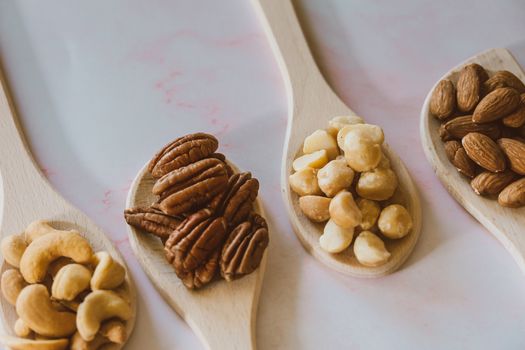
Dietary Sources: Brazil nuts (very high), seafood, poultry, meat, eggs, sunflower seeds.
Beyond Individual Nutrients: Synergy and Bioavailability
It’s crucial to understand that vitamins and minerals don’t work in isolation. They are part of an intricate network where they often depend on each other for proper absorption, activation, and function. For example, Vitamin C enhances the absorption of non-heme iron. Vitamin D works closely with magnesium and calcium for bone health and many other processes. The B vitamins function best as a complex, supporting each other’s roles in energy metabolism.
This synergistic relationship highlights the importance of a balanced, whole-food diet. When you consume a variety of nutrient-dense foods, you’re not just getting individual vitamins and minerals, but also the full spectrum of phytochemicals, fiber, and other compounds that enhance their absorption and efficacy. Relying on isolated supplements without addressing overall diet can be less effective because you miss out on these crucial interactions.
Bioavailability – how well your body can absorb and utilize a nutrient – is another key consideration. Factors like gut health, the form of the nutrient, and the presence of other food components can all influence how much of a vitamin or mineral actually makes it into your cells to do its job. For instance, the iron from red meat (heme iron) is much more bioavailable than iron from plants (non-heme iron).
Dietary Sources: Fueling Up Naturally
The first and best line of defense for ensuring adequate vitamin and mineral intake is through your diet. Eating a diverse range of whole, unprocessed foods will provide the broad spectrum of micronutrients your body needs.
* **For B Vitamins:**
* **Whole Grains:** Brown rice, oats, whole wheat bread are good sources of B1, B2, B3, B5, B6.
* **Lean Meats & Poultry:** Chicken, turkey, beef, pork provide B1, B2, B3, B5, B6, B12.
* **Fish:** Salmon, tuna, cod are excellent for B2, B3, B6, B12.
* **Legumes:** Lentils, chickpeas, black beans offer B1, B5, B6, Folate.
* **Eggs & Dairy:** Milk, yogurt, cheese, eggs are good for B2, B5, B12, Biotin.
* **Dark Leafy Greens:** Spinach, kale, romaine are rich in Folate.
* **Nuts & Seeds:** Almonds, sunflower seeds provide B1, Biotin.
* **For Vitamin C:**
* Citrus fruits (oranges, grapefruits), berries (strawberries, blueberries), bell peppers (especially red and yellow), broccoli, kiwi, tomatoes.
* **For Vitamin D:**
* Fatty fish (salmon, mackerel, sardines), cod liver oil, egg yolks, fortified milk and cereals. Sunlight exposure is critical.
* **For Magnesium:**
* Dark leafy greens (spinach, kale), nuts (almonds, cashews), seeds (pumpkin, chia), legumes (black beans, lentils), whole grains, avocados, dark chocolate.
* **For Iron:**
* Heme Iron (highly absorbable): Red meat, poultry, fish.
* Non-Heme Iron: Beans, lentils, spinach, fortified cereals, tofu. Pair with Vitamin C for better absorption.
* **For Zinc:**
* Oysters (highest source), red meat, poultry, beans, nuts, fortified cereals, dairy products.
* **For Chromium:**
* Broccoli, grapes, whole grains, potatoes, green beans, beef, poultry.
* **For Iodine:**
* Iodized salt, seafood (cod, shrimp, tuna), seaweed, dairy products, eggs.
* **For Selenium:**
* Brazil nuts (just one or two provides your daily needs!), seafood (tuna, halibut, sardines), poultry, meat, eggs, sunflower seeds.
Building meals around these nutrient-dense foods ensures you’re providing your body with the fundamental building blocks for optimal energy and metabolic function.
When to Consider Supplementation
While a whole-food diet is always the cornerstone of good health, there are circumstances where supplementation can be beneficial or even necessary.
1. **Identified Deficiencies:** If blood tests reveal a specific vitamin or mineral deficiency (e.g., Vitamin D, B12, Iron), a healthcare professional may recommend targeted supplementation to correct the imbalance.
2. **Dietary Restrictions:** Vegans and vegetarians, for example, often need to supplement B12, and may benefit from iron and zinc if not carefully planned. Those with allergies or intolerances may also struggle to get certain nutrients.
3. **Increased Needs:** Pregnant or lactating women, competitive athletes, and individuals with certain medical conditions may have higher nutrient requirements that are difficult to meet through diet alone.
4. **Poor Absorption:** Older adults, individuals with digestive disorders (like Crohn’s disease or celiac disease), or those on certain medications may have impaired nutrient absorption, making supplementation helpful.
5. **Limited Sun Exposure:** People living in northern latitudes or who spend most of their time indoors may benefit from Vitamin D supplementation, especially during winter months.
6. **Chronic Stress or Illness:** Prolonged stress or chronic illness can deplete certain nutrients, particularly B vitamins and Vitamin C.
**Important Note on Supplementation:** Always consult with a healthcare professional (doctor, registered dietitian) before starting any new supplement regimen. They can help assess your individual needs, identify potential deficiencies through testing, and guide you on appropriate dosages and forms. Not all supplements are created equal; look for reputable brands that offer third-party testing to ensure purity and potency. More is not always better, and excessive intake of certain vitamins and minerals can be harmful.
Important Considerations and Warnings
While essential, it’s crucial to approach vitamins and minerals with a balanced perspective. They are powerful tools to support your health, not magic pills for weight loss or energy.
* **Supplements are Not Magic Bullets:** No vitamin or mineral can compensate for a poor diet, lack of exercise, insufficient sleep, or chronic stress. They are *supporters* of a healthy lifestyle, not substitutes.
* **Overdosing Risks:**
* **Fat-Soluble Vitamins (A, D, E, K):** These are stored in the body’s fat tissues and can accumulate to toxic levels if taken in excessively high doses. Vitamin A toxicity, for example, can cause liver damage, and excessive Vitamin D can lead to hypercalcemia (high calcium levels), causing kidney stones and other issues.
* **Water-Soluble Vitamins (B vitamins, C):** While generally safer as excess is excreted, extremely high doses can still cause side effects (e.g., B6 neuropathy, Niacin flush, digestive upset from high C).
* **Minerals:** Many minerals have a narrow therapeutic window. Too much iron can be toxic, particularly for those without a deficiency. Excessive zinc can interfere with copper absorption, and too much selenium can cause selenosis.
* **Interactions with Medications:** Supplements can interact with prescription medications, either reducing their effectiveness or increasing side effects. For example, Vitamin K can interfere with blood thinners, and St. John’s Wort (often found in “energy” blends) can interact with antidepressants and birth control. Always inform your doctor about all supplements you are taking.
* **Focus on Lifestyle Pillars:** The most effective and sustainable approach to weight loss and energy involves a holistic strategy:
* **Balanced Nutrition:** Prioritize whole, unprocessed foods.
* **Regular Physical Activity:** Incorporate both cardiovascular exercise and strength training.
* **Adequate Sleep:** Aim for 7-9 hours of quality sleep per night.
* **Stress Management:** Practice mindfulness, meditation, or other stress-reducing techniques.
* **Hydration:** Drink plenty of water throughout the day.
Integrating Vitamins into Your Weight Loss Journey
Successfully integrating the knowledge of vitamins and minerals into your weight loss journey requires a strategic and personalized approach. It’s about optimizing your internal environment to make your body a more efficient fat-burning and energy-producing machine.
1. **Assess Your Current Diet:** Start by honestly evaluating your daily food intake. Are you eating a wide variety of fruits, vegetables, lean proteins, and whole grains? Are there food groups you consistently miss? This self-assessment can highlight potential nutrient gaps.
2. **Prioritize Whole Foods:** Make every meal an opportunity to pack in nutrient density. Think colorful plates with plenty of non-starchy vegetables, lean protein sources, and complex carbohydrates. This ensures you’re getting the synergistic benefits of nutrients working together.
3. **Listen to Your Body:** Pay attention to signs of potential deficiencies. Persistent fatigue, muscle cramps, brittle hair/nails, or difficulty concentrating could all be indicators.
4. **Seek Professional Guidance:** Before blindly taking supplements, consult with a doctor or a registered dietitian. They can order blood tests to pinpoint specific deficiencies and help you create a personalized nutrition and supplementation plan. This is especially important if you have underlying health conditions or are taking medications.
5. **Be Patient and Consistent:** Nutritional changes and their effects on weight and energy aren’t always immediate. Consistency in healthy eating and lifestyle habits, supported by targeted nutrient optimization, yields the best long-term results.
6. **Track Your Progress:** Keep a journal of your energy levels, mood, and physical performance. This can help you identify if certain dietary changes or supplements are making a positive impact.
By adopting a comprehensive approach that prioritizes nutrient-dense foods, addresses individual deficiencies, and integrates with a healthy lifestyle, you can empower your body to achieve its weight loss goals and sustain vibrant energy levels.
Frequently Asked Questions (FAQs)
Q: Can I just take a multivitamin for weight loss and energy?
A: A high-quality multivitamin can serve as a good nutritional “insurance policy,” helping to fill minor gaps in your diet. However, it’s generally not enough to correct significant deficiencies (like severe Vitamin D or B12 deficiency) or provide optimal levels of certain nutrients needed for specific metabolic support. Think of it as a baseline, not a targeted solution. For specific concerns, targeted supplementation based on professional advice is usually more effective.
Q: How long does it take to see results from taking vitamins for weight loss and energy?
A: The timeframe for seeing results can vary widely depending on your initial nutrient status, the severity of any deficiencies, and your overall lifestyle. If you have a significant deficiency and start supplementing, you might notice improvements in energy levels within a few weeks. Weight loss, being a more complex process, will take longer and depend on your diet, exercise, and other factors. Vitamins support the process, but they don’t cause rapid weight loss on their own.
Q: Are there any side effects to watch out for?
A: Yes. While many vitamins are safe at recommended doses, excessive intake can lead to side effects. For example, high doses of Vitamin B6 can cause nerve damage, too much iron can be toxic, and Niacin can cause a “flush” sensation. Always adhere to recommended dosages and consult a healthcare professional, especially if you experience any unusual symptoms after starting a supplement.
Q: What about specific “weight loss” supplements that claim to burn fat faster?
A: Many “weight loss” supplements on the market contain ingredients beyond essential vitamins and minerals, such as herbal extracts (e.g., green tea extract, garcinia cambogia, bitter orange). While some may have mild effects, many lack robust scientific evidence for significant weight loss, and some can have serious side effects or interact with medications. It’s crucial to distinguish these from essential vitamins and minerals that support fundamental bodily functions. Always exercise extreme caution and consult your doctor before trying any unproven weight loss supplements.
Q: Should I get my vitamin levels tested?
A: For certain vitamins and minerals, blood tests can be very helpful in identifying deficiencies. Common tests include Vitamin D, B12, Iron, and Magnesium. If you suspect a deficiency or are experiencing symptoms like chronic fatigue, a discussion with your doctor about
Photo by Atlantic Ambience on Pexels