Low Carb Snacks for Weight Loss: Your Ultimate Guide to Satisfying Success
Embarking on a weight loss journey can feel like navigating a culinary minefield, especially when hunger strikes between meals. The siren song of sugary, carb-laden snacks often derails even the most determined efforts. But what if there was a way to snack smart, satisfy cravings, and accelerate your weight loss goals? Enter the world of low-carb snacks. At GetLeanPulse.com, we understand that sustainable weight loss isn’t about deprivation, but about making smarter, more informed choices that align with your body’s needs.
This comprehensive guide is meticulously crafted to equip you with everything you need to know about incorporating delicious, metabolism-boosting low-carb snacks into your daily routine. We’ll delve into the science, explore a vast array of mouth-watering options, provide practical tips, and help you avoid common pitfalls. Get ready to transform your snacking habits from a weight loss obstacle into a powerful ally.
The Science Behind Low-Carb for Weight Loss: Why Snacking Smart Matters
Before we dive into specific snack ideas, it’s crucial to understand why a low-carb approach is so effective for weight loss, and how strategic snacking fits into this picture. When you significantly reduce your carbohydrate intake, several physiological shifts occur that favor fat burning and satiety.
Insulin Sensitivity and Fat Burning
Carbohydrates, particularly refined ones, are quickly broken down into glucose, causing a rapid spike in blood sugar. In response, your pancreas releases insulin. While insulin is vital for moving glucose into cells for energy, chronically high insulin levels signal your body to store fat rather than burn it. By reducing carbs, you stabilize blood sugar and lower insulin levels, prompting your body to tap into its fat reserves for fuel – a state known as ketosis in very low-carb diets. Low-carb snacks help maintain this lower insulin state throughout the day, ensuring continuous fat burning.
Enhanced Satiety and Reduced Cravings
One of the most powerful benefits of a low-carb diet is its ability to increase satiety. Protein and healthy fats, which are emphasized in low-carb eating, take longer to digest and send strong signals of fullness to your brain. This means you feel satisfied for longer, reducing the urge to constantly graze or succumb to unhealthy cravings. Low-carb snacks, rich in these macronutrients, act as powerful appetite suppressants, preventing overeating at subsequent meals and keeping your metabolism humming.
Stable Energy Levels
The roller coaster of blood sugar spikes and crashes caused by high-carb foods often leads to energy slumps and brain fog. By stabilizing blood sugar with low-carb choices, you experience more consistent, sustained energy throughout the day. This not only improves focus and productivity but also helps you stay motivated for physical activity, a cornerstone of any weight loss plan.
The Role of Snacks in a Low-Carb Diet
While some low-carb proponents advocate for fewer meals, well-chosen snacks play a vital role for many people on a weight loss journey. They can:
- Prevent extreme hunger: Avoiding ravenous hunger reduces the likelihood of making poor food choices at mealtime.
- Boost metabolism: Eating smaller, frequent meals (including snacks) can help keep your metabolism active.
- Provide essential nutrients: Snacks are an opportunity to incorporate nutrient-dense foods that might be missed in main meals.
- Curb cravings: A satisfying low-carb snack can effectively shut down a craving for something unhealthy.
- Support energy levels: A strategic snack can provide a much-needed energy boost without the carb crash.
What Makes a Snack “Low Carb” and “Weight Loss Friendly”?
Not all low-carb snacks are created equal, especially when weight loss is the primary goal. To be truly effective, a snack needs to hit specific nutritional markers. Let’s break down the key components.
Macro Breakdown: Protein, Healthy Fats, and Fiber
- Protein: This is your best friend for satiety and muscle preservation. Protein has the highest thermic effect of food (TEF), meaning your body burns more calories digesting it than it does for fats or carbs. Aim for snacks with at least 5-10 grams of protein to feel full and keep your metabolism active.
- Healthy Fats: Don’t fear fat on a low-carb diet! Healthy fats from sources like avocados, nuts, seeds, and olive oil are crucial for satiety, hormone production, and nutrient absorption. They provide sustained energy and help you feel satisfied. However, remember that fats are calorie-dense, so portion control is key for weight loss.
- Fiber: Often overlooked, fiber is essential for digestive health and contributes significantly to fullness. While fiber is a carbohydrate, it’s indigestible and doesn’t raise blood sugar, so it doesn’t count towards your “net carbs.” Look for fiber-rich vegetables, nuts, and seeds in your snacks.
Carb Limits: Net Carbs vs. Total Carbs
When choosing low-carb snacks, understanding the difference between total carbs and net carbs is crucial.
- Total Carbs: The total amount of carbohydrates listed on a nutrition label.
- Net Carbs: Total Carbs minus Fiber and Sugar Alcohols (if applicable). Since fiber and most sugar alcohols don’t impact blood sugar, net carbs give a more accurate picture of a food’s effect on your metabolism.
For most people aiming for weight loss on a low-carb diet, a daily net carb target typically ranges from 20-50 grams. This means each snack should ideally contain only a few grams of net carbs (e.g., 2-5 grams per snack).
Avoiding Hidden Carbs and Artificial Ingredients
Many seemingly “healthy” or “diet” snacks are laden with hidden sugars, artificial sweeteners, and highly processed ingredients that can hinder weight loss. Always read labels carefully. Look out for:
- Added Sugars: Corn syrup, dextrose, maltodextrin, cane sugar, honey, agave nectar (even “natural” sugars can spike blood sugar).
- Refined Grains: Wheat flour, corn flour, rice flour in crackers or baked goods.
- Artificial Sweeteners: While some are carb-free, excessive consumption can sometimes trigger cravings or negatively impact gut health. Opt for natural, zero-calorie sweeteners like stevia or erythritol in moderation.
- Unhealthy Oils: Soybean oil, corn oil, canola oil (often found in processed snacks) can promote inflammation. Stick to healthy fats like olive oil, avocado oil, and coconut oil.
Portion Control is Key
Even healthy, low-carb snacks can contribute to weight gain if consumed in excess. Nuts, seeds, cheese, and avocados are calorie-dense. Be mindful of serving sizes. Pre-portioning snacks can be a game-changer for staying within your daily calorie and carb targets.
Top Categories of Low-Carb Snacks for Weight Loss
To make your snack selection easier, we’ve categorized the best low-carb options, highlighting their unique benefits for weight loss.
1. Protein-Packed Powerhouses
These snacks are champions of satiety and muscle maintenance. Protein helps you feel full, reduces cravings, and supports lean muscle mass, which is crucial for a healthy metabolism.
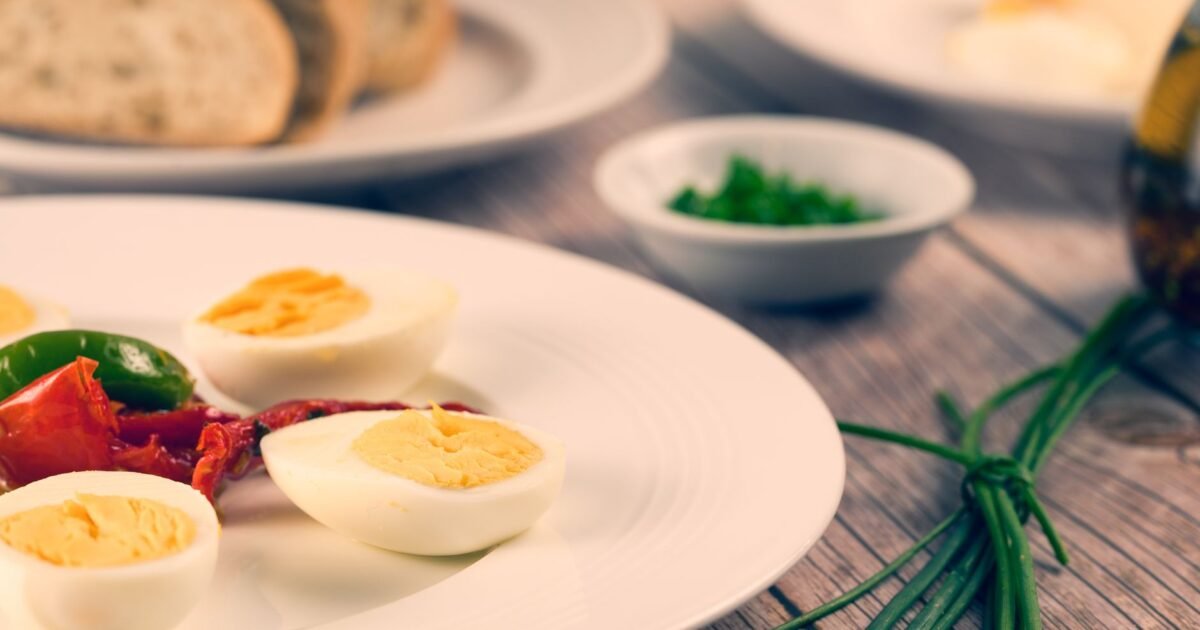
- Hard-Boiled Eggs: Nature’s perfect protein package. Portable, affordable, and incredibly filling. One large egg provides about 6 grams of protein and less than 1 gram of carbs.
- Sugar-Free Beef or Turkey Jerky: A convenient source of lean protein. Always check labels for added sugars, as many brands contain them.
- Cheese Sticks or Cubes: Full-fat cheese provides protein, healthy fats, and calcium. Moderation is key due to calorie density.
- Plain Full-Fat Greek Yogurt: Rich in protein and probiotics for gut health. Ensure it’s plain and full-fat to avoid added sugars and maximize satiety. Add a few berries for sweetness.
- Cottage Cheese: Another excellent source of protein, particularly casein, which provides a slow, sustained release of amino acids. Opt for full-fat varieties.
2. Healthy Fats for Satiety and Energy
Don’t shy away from healthy fats! They are essential for hormone production, nutrient absorption, and provide sustained energy, keeping you feeling satisfied for hours.
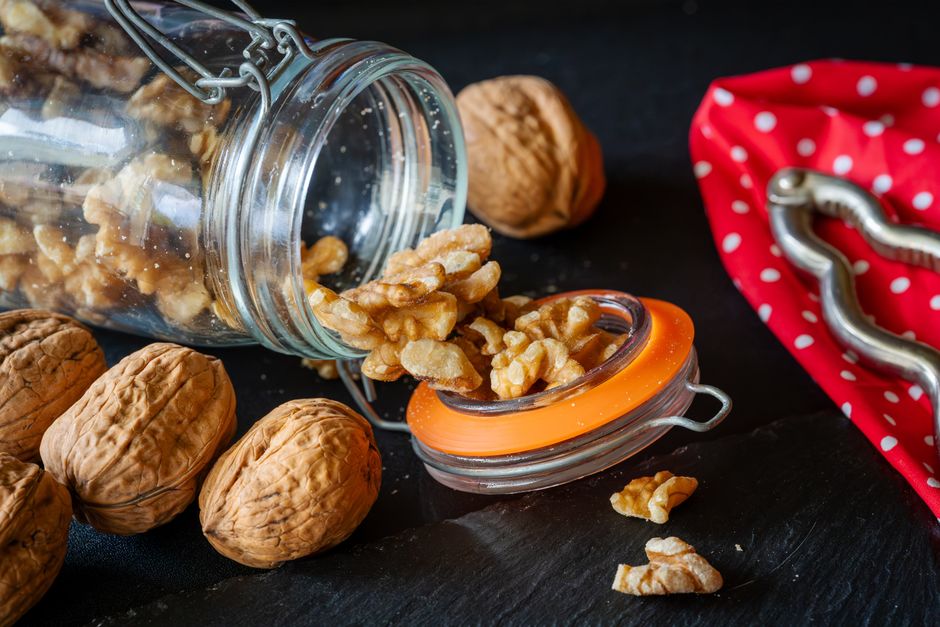
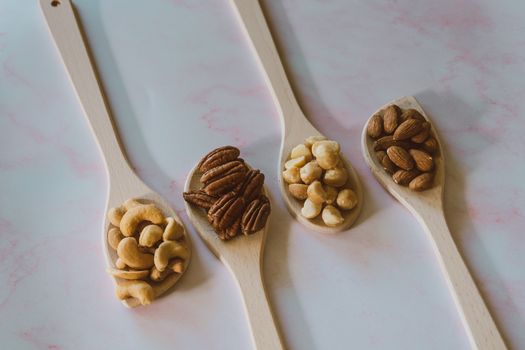
- Nuts (Almonds, Walnuts, Pecans, Macadamias): Excellent sources of healthy fats, fiber, and some protein. Highly calorie-dense, so portion control is vital (e.g., a small handful).
- Seeds (Chia, Flax, Hemp, Pumpkin, Sunflower): Packed with healthy fats, fiber, and micronutrients. Great for adding to yogurt, salads, or making puddings.
- Avocado: A superfood loaded with monounsaturated fats, fiber, and potassium. Enjoy it sliced, mashed as guacamole, or in a mini salad.
- Olives: Rich in monounsaturated fats and antioxidants. A handful of olives makes a satisfying and flavorful snack.
- Nut Butters (Almond, Peanut – natural, sugar-free): A delicious way to get healthy fats and protein. Look for brands with minimal ingredients (just nuts and salt). Spread on celery or bell pepper strips.
3. Fiber-Rich Veggies for Crunch and Nutrients
Vegetables are often low in carbs and calories but high in fiber, vitamins, and minerals. They add satisfying crunch and bulk to your snacks.
- Celery Sticks: Low in calories and high in fiber. Perfect for dipping into nut butter, cream cheese, or guacamole.
- Bell Pepper Strips (Red, Yellow, Orange): Sweet, crunchy, and packed with Vitamin C. Great with a low-carb dip.
- Cucumber Slices: Refreshing and hydrating. Pair with cream cheese, smoked salmon, or a sprinkle of everything bagel seasoning.
- Broccoli Florets: Surprisingly good raw or lightly steamed. Dip in a healthy fat-based dressing or hummus (in moderation).
- Cauliflower Florets: Versatile and mild-flavored. Can be eaten raw, roasted, or even turned into “popcorn.”
- Leafy Greens (Spinach, Kale, Romaine): Can be incorporated into small side salads or used as wraps for cheese and deli meat.
4. Convenient & Grab-and-Go Options
Life gets busy. These options require minimal preparation, making healthy low-carb snacking easy even on your busiest days.
- Pre-portioned Nuts/Seeds: Buy in bulk and divide into small bags or containers.
- Cheese Sticks/Slices: Individually wrapped for ultimate convenience.
- Hard-Boiled Eggs: Boil a batch at the beginning of the week for quick access.
- Single-Serving Guacamole or Hummus Cups: Check labels for carb content; hummus can be higher in carbs, so consume in moderation.
- Deli Meat Roll-Ups: Slice of turkey or ham wrapped around a cheese stick or avocado slice.
5. Sweet Treats (Low Carb Style)
Yes, you can still enjoy a little sweetness without derailing your low-carb efforts! These options provide a treat without the sugar rush.
- Berries (Raspberries, Blackberries, Strawberries): Lower in carbs than most fruits and packed with antioxidants. Enjoy a small handful.
- Dark Chocolate (85% cocoa or higher): A small square can satisfy a chocolate craving. Higher cocoa content means less sugar.
- Sugar-Free Gelatin: A light, refreshing option. Look for brands sweetened with stevia or erythritol.
- Homemade Fat Bombs: Small, high-fat treats made with ingredients like coconut oil, nut butter, cocoa powder, and a natural sweetener. Great for curbing cravings and boosting healthy fat intake.
Detailed Low-Carb Snack Ideas for Weight Loss (with Simple Preparations)
Now that you know the categories, let’s get specific with some tried-and-true low-carb snack combinations that are both delicious and effective for weight loss.
- Avocado with Everything Bagel Seasoning: Slice half an avocado, sprinkle generously with everything bagel seasoning. The healthy fats provide satiety, and the seasoning adds a burst of flavor. (Net Carbs: ~2g)
- Cucumber Slices with Cream Cheese and Smoked Salmon: Spread a thin layer of full-fat cream cheese on cucumber slices, top with a small piece of smoked salmon. Refreshing, protein-rich, and satisfying. (Net Carbs: ~1-2g)
- Hard-Boiled Eggs with Hot Sauce: Peel two hard-boiled eggs, slice, and drizzle with your favorite sugar-free hot sauce. Quick, easy, and packed with protein. (Net Carbs: ~1g)
- Celery Sticks with Natural Almond Butter: Spread 1-2 tablespoons of natural, sugar-free almond butter on a few celery sticks. Fiber from celery, healthy fats and protein from almond butter. (Net Carbs: ~3-5g, depending on almond butter)
- Cheese Whisps (Store-Bought or Homemade): Baked or fried cheese crisps are incredibly crunchy and satisfying. You can make them by baking small piles of shredded cheese until crispy. (Net Carbs: ~0-1g)
- Plain Full-Fat Greek Yogurt with a Few Berries and Chia Seeds: Mix ½ cup plain full-fat Greek yogurt with ¼ cup mixed berries and 1 tablespoon chia seeds. A balanced snack with protein, fiber, and healthy fats. (Net Carbs: ~7-10g)
- Broccoli Florets with Guacamole: Use raw broccoli florets as dippers for ¼ cup of fresh guacamole. Great crunch and healthy fats. (Net Carbs: ~3-4g)
- Olives and Feta Cheese Cubes: A small handful of olives (about 10-15) with a few cubes of feta cheese. A savory, flavorful snack rich in healthy fats. (Net Carbs: ~1-2g)
- Turkey and Cheese Roll-Ups: Take 2-3 slices of low-sodium turkey breast, place a slice of your favorite cheese (cheddar, provolone) on each, and roll them up. You can add a pickle spear inside for extra crunch. (Net Carbs: ~1-2g)
- Edamame (Steamed, in Pods): A small portion (about ½ cup) of steamed edamame in their pods. They offer protein and fiber. Be mindful of carbs; they are higher than other veggie options. (Net Carbs: ~4-5g)
- Cauliflower Popcorn: Toss small cauliflower florets with olive oil and your favorite spices (paprika, garlic powder, salt) and roast in the oven until crispy. A fantastic low-carb alternative to popcorn. (Net Carbs: ~3-4g)
- Bell Pepper Strips with Baba Ghanoush: Use colorful bell pepper strips as dippers for 2-3 tablespoons of baba ghanoush (eggplant dip). Lower carb than traditional hummus. (Net Carbs: ~3-5g)
- Flaxseed Crackers with Cream Cheese: Spread a thin layer of full-fat cream cheese on a few flaxseed crackers. Look for very low-carb cracker brands. (Net Carbs: ~2-4g)
- Sugar-Free Gelatin with Whipped Cream: A small bowl of sugar-free gelatin topped with a dollop of unsweetened homemade whipped cream (heavy cream whipped with a touch of stevia). (Net Carbs: ~1-2g)
- Small Square of Dark Chocolate (85% or higher): When a chocolate craving hits, a single square of very dark chocolate can be surprisingly satisfying without the sugar overload. (Net Carbs: ~3-5g)
- Portion of Mixed Nuts (Almonds, Walnuts, Pecans): A small handful (about ¼ cup) provides healthy fats and protein. Pre-portion to avoid overeating. (Net Carbs: ~4-6g)
- Sugar-Free Beef or Turkey Sticks/Jerky: Read labels carefully to ensure no added sugars or high-carb fillers. A great protein boost on the go. (Net Carbs: ~0-2g)
- Canned Tuna or Salmon with Mayo and Celery: Mix a small can of tuna or salmon with 1-2 tablespoons of full-fat mayonnaise (check for sugar-free) and some chopped celery. Eat with a spoon or in lettuce wraps. (Net Carbs: ~0-2g)
- Cottage Cheese with Chives: ½ cup full-fat cottage cheese seasoned with salt, pepper, and fresh chopped chives. Simple, protein-rich, and creamy. (Net Carbs: ~3-4g)
- Pickles and Olives: A handful of dill pickles and green or black olives. A super low-carb, savory, and hydrating snack. Great for electrolyte balance too. (Net Carbs: ~1-2g)
- Homemade Coconut Fat Bomb: Melt 1 tablespoon coconut oil, mix with 1 teaspoon cocoa powder and a few drops of liquid stevia. Pour into a small silicone mold and chill until solid. (Net Carbs: ~1-2g)
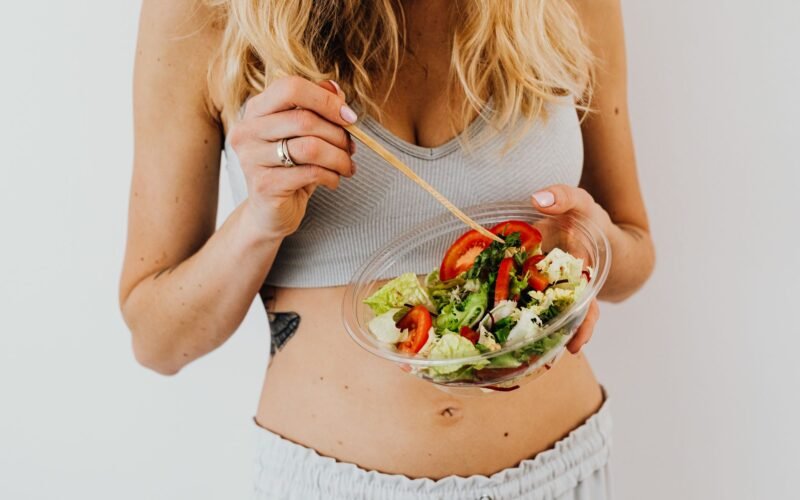
- Small Side Salad with Olive Oil & Vinegar: A small bowl of mixed greens with a drizzle of extra virgin olive oil and apple cider vinegar. Add a few cherry tomatoes for color. (Net Carbs: ~3-5g)
- Chia Seed Pudding: Mix 2 tablespoons chia seeds with ½ cup unsweetened almond milk and a few drops of stevia. Let it sit in the fridge for at least an hour. Top with a few berries. (Net Carbs: ~5-7g)
- Parmesan Crisps (Baked): Sprinkle grated Parmesan cheese in small circles on a baking sheet and bake until crispy. Deliciously savory and zero carb. (Net Carbs: ~0g)
- Deviled Eggs: Half a hard-boiled egg with the yolk mixed with mayo and mustard. A classic, low-carb treat. (Net Carbs: ~0-1g)
Making Smart Snack Choices: Practical Tips for Weight Loss Success
Having a list of ideas is one thing; consistently implementing them is another. Here are practical tips to integrate low-carb snacking seamlessly into your weight loss journey:
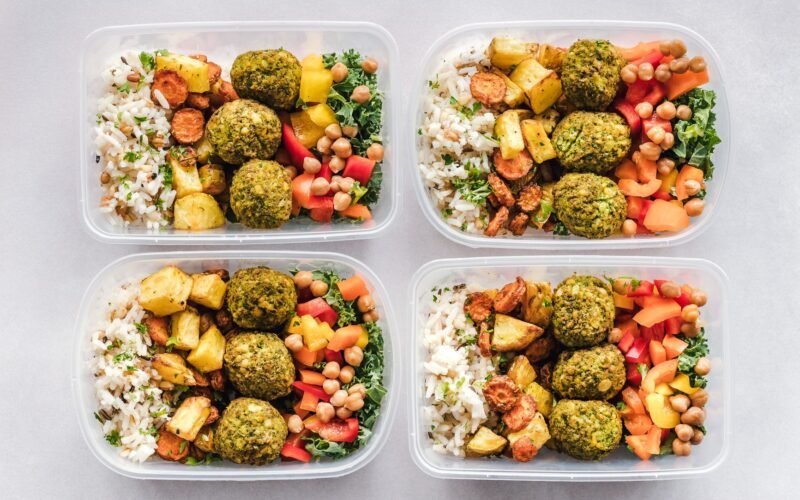
1. Plan Ahead and Meal Prep Your Snacks
The biggest enemy of healthy eating is often lack of preparation. Dedicate some time each week to prep your snacks:
- Boil a dozen eggs.
- Wash and chop vegetables.
- Portion out nuts and seeds into small containers.
- Make a batch of low-carb muffins or fat bombs.
Having ready-to-eat options prevents you from reaching for unhealthy alternatives when hunger strikes unexpectedly.
2. Read Labels Diligently (Focus on Net Carbs!)
As mentioned, don’t be fooled by “low-fat” or “sugar-free” claims. Always check the nutrition facts panel. Calculate net carbs by subtracting fiber and sugar alcohols from total carbohydrates. Pay attention to serving sizes and ingredient lists to avoid hidden sugars and unhealthy additives.
3. Listen to Your Body: True Hunger vs. Boredom/Habit
Before reaching for a snack, pause and ask yourself: Am I truly hungry? Or am I just bored, stressed, or eating out of habit? Often, what feels like hunger is actually thirst, emotional eating, or simply a desire for something to do. Try drinking a glass of water first, or engaging in a non-food activity. If true hunger persists, then reach for a planned low-carb snack.
4. Hydration First
Sometimes, thirst can be mistaken for hunger. Ensure you’re drinking enough water throughout the day. Keep a water bottle handy and sip regularly. This simple habit can significantly reduce unnecessary snacking.
5. Don’t Over-Snack (Even on Low Carb)
While low-carb snacks are beneficial, they still contain calories. If your goal is weight loss, you need to be in a calorie deficit. Even healthy fats and proteins can contribute to excess calories if consumed in large quantities. Stick to appropriate portion sizes for your individual needs.
6. Vary Your Snacks for Nutrient Diversity
Don’t get stuck in a rut eating the same snack every day. Rotate your choices to ensure you’re getting a wide array of vitamins, minerals, and phytonutrients. This also keeps your taste buds engaged and prevents boredom.
7. Practice Mindful Eating
When you do snack, make it an intentional act. Sit down, focus on the flavors, textures, and aromas. Avoid eating while distracted (e.g., watching TV, scrolling on your phone). Mindful eating helps you recognize when you’re truly satisfied and prevents mindless overconsumption.
Common Pitfalls to Avoid on Your Low-Carb Snacking Journey
Even with the best intentions, it’s easy to stumble. Be aware of these common mistakes to ensure your low-carb snacking supports, rather than hinders, your weight loss.
1. Falling for “Keto-Friendly” Processed Foods
The market is flooded with products labeled “keto-friendly” or “low-carb.” While some are genuinely good, many are highly processed, contain artificial ingredients, and use sugar alcohols that can cause digestive distress or still spike blood sugar in some individuals. Prioritize whole, unprocessed foods whenever possible.
2. Ignoring Portion Sizes of Calorie-Dense Snacks
Nuts, seeds, cheese, and avocados are fantastic for a low-carb diet, but they are also very calorie-dense. A handful of almonds can quickly turn into several hundred calories if you’re not careful. Always measure or pre-portion these items.
3. Not Getting Enough Fiber
While cutting carbs, some people inadvertently reduce their fiber intake. Fiber is crucial for digestive health, blood sugar control, and satiety. Make sure your snacks include plenty of non-starchy vegetables, seeds (like chia and flax), and nuts to keep your digestive system happy.
4. Relying Too Heavily on Dairy
While full-fat dairy can be a great low-carb snack, some individuals are sensitive to dairy or find that consuming too much can stall weight loss. Listen to your body and moderate dairy intake if you suspect it’s an issue.
5. Forgetting About Hydration
As discussed, thirst can mimic hunger. If you’re constantly feeling hungry shortly after eating a low-carb snack, try drinking a large glass of water first. Sometimes, that’s all your body really needs.
Integrating Snacks into Your Weight Loss Journey
How and when you snack can be as important as what you snack on. Here’s how to effectively integrate low-carb snacks into your daily routine:
When to Snack
- Between Meals: If you find yourself hungry 2-3 hours after a meal, a low-carb snack can bridge the gap until your next meal, preventing overeating.
- Pre-Workout: A small, protein-rich snack before a workout can provide sustained energy without weighing you down.
- Post-Workout: A protein-focused snack after exercise can aid muscle recovery and growth.
- As a Meal Replacement (Occasionally): On busy days, a substantial low-carb snack (e.g., hard-boiled eggs with avocado, a small salad with chicken) can serve as a quick, balanced meal.
How Many Snacks Per Day?
This varies greatly by individual. Some people thrive on two main meals with one or two snacks, while others prefer three meals with no snacks. The key is to listen to your body and adjust based on your hunger levels, energy, and weight loss progress. If you’re consistently hungry, adding a planned low-carb snack can be beneficial. If you’re not hungry, don’t force a snack.
Snacks as a Strategic Tool
View snacks not as an indulgence, but as a strategic tool to manage hunger, maintain energy, and provide essential nutrients, all while keeping your body in a fat-burning state. They are an opportunity to fuel your body intelligently and support your overall weight loss goals.
Conclusion: Empower Your Weight Loss with Smart Low-Carb Snacking
Your weight loss journey doesn’t have to be defined by constant hunger or restrictive eating. By embracing the power of low-carb snacks, you can transform your relationship with food, curb cravings, stabilize energy, and accelerate your progress towards a healthier, leaner you. From protein-packed eggs and savory cheese to fiber-rich veggies and satisfying healthy fats, the options are abundant and delicious.
Remember to prioritize whole, unprocessed foods, read labels carefully, practice portion control, and listen to your body’s true hunger signals. With the insights and ideas provided in this ultimate guide from GetLeanPulse.com, you’re now equipped to make smart, informed snacking choices that will keep you feeling full, energized, and firmly on the path to lasting weight loss success. Start experimenting with these delicious options today and experience the difference for yourself!
Photo by Jana Ohajdova on Pexels