Keto Diet for Beginners: Your Complete Guide to Achieving Ketosis
Welcome to GetLeanPulse.com, your trusted source for evidence-based health and fitness information! Today, we’re diving deep into one of the most talked-about dietary approaches for weight loss and overall wellness: the ketogenic diet. If you’ve heard the buzz about keto but feel overwhelmed by where to start, you’ve come to the right place. This comprehensive guide is specifically designed for beginners, demystifying the ketogenic diet and providing you with all the knowledge and tools you need to embark on your keto journey safely and effectively.
The ketogenic diet, often simply called “keto,” is a very low-carb, high-fat diet that has gained immense popularity for its potential to transform your body and mind. From significant weight loss to improved energy levels, better blood sugar control, and enhanced mental clarity, the benefits reported by keto enthusiasts are compelling. But what exactly is it, and how does it work? Let’s break it down.
What Exactly is the Ketogenic Diet?
At its core, the ketogenic diet is a dietary pattern that drastically reduces carbohydrate intake and replaces it with fat. This reduction in carbs puts your body into a metabolic state called ketosis. Normally, your body relies on glucose (sugar from carbohydrates) for energy. When you deprive it of this primary fuel source, it’s forced to find an alternative. That alternative is fat.
In ketosis, your liver breaks down fats into molecules called ketones, which then become your body’s main source of fuel. This includes fuel for your brain, which cannot directly use fat but thrives on ketones. Think of it as switching your body’s fuel tank from gasoline (carbs) to premium diesel (fat and ketones).
The standard ketogenic diet (SKD), which is what most beginners follow, typically consists of:
- 70-75% fat
- 20-25% protein
- 5-10% carbohydrates
For most people, this translates to keeping net carbs (total carbs minus fiber) under 20-50 grams per day. While these numbers might seem restrictive, especially the carb limit, you’ll soon discover a vast array of delicious and satisfying foods that fit perfectly into a keto lifestyle.
The Science Behind Ketosis: How Your Body Transforms
Understanding the science behind the ketogenic diet is crucial for appreciating its power and sticking to the plan. When you significantly reduce your carbohydrate intake, several metabolic shifts occur:
- Glucose Depletion: Your body first depletes its glycogen stores, which are stored forms of glucose in your liver and muscles. This usually takes 24-48 hours.
- Fat Mobilization: Once glucose is low, your body turns to stored fat for energy. This is a key reason why keto is so effective for weight loss – you’re directly burning your fat reserves.
- Ketone Production: Your liver begins converting fatty acids into three types of ketone bodies: beta-hydroxybutyrate (BHB), acetoacetate, and acetone. BHB is the most abundant and well-utilized ketone.
- Adaptation to Ketones: Over time, your cells, including those in your brain and muscles, become highly efficient at using ketones for fuel. This process is known as “keto-adaptation,” and it’s where many of the diet’s benefits truly shine.
This metabolic flexibility—the ability to seamlessly switch between burning glucose and burning fat/ketones—is a significant advantage of the keto diet. It means more stable energy levels, reduced hunger, and efficient fat burning.
Compelling Benefits of Embracing the Keto Diet
Beyond the fundamental metabolic shift, the ketogenic diet offers a wide array of potential health benefits that have been supported by both anecdotal evidence and scientific research. While individual results can vary, here are some of the most frequently reported advantages:
1. Significant Weight Loss
This is often the primary motivator for people starting keto. The diet promotes weight loss through several mechanisms:
- Reduced Appetite: Ketones can have an appetite-suppressing effect. Additionally, the high fat and protein content of keto meals are incredibly satiating, leading to reduced calorie intake naturally.
- Increased Fat Burning: As your body switches to fat for fuel, it becomes a fat-burning machine, utilizing both dietary fat and stored body fat.
- Water Weight Loss: In the initial stages, you’ll shed a lot of water weight as your glycogen stores are depleted (glycogen binds to water).
- Improved Insulin Sensitivity: Lowering carb intake reduces insulin levels, which helps unlock fat stores and promotes fat loss.
2. Enhanced Blood Sugar Control and Diabetes Management
For individuals with type 2 diabetes or insulin resistance, the keto diet can be profoundly beneficial. By drastically cutting carbohydrates, you dramatically reduce blood glucose spikes, which in turn lowers insulin requirements. Many people with type 2 diabetes have reported significant improvements in their A1c levels, reduced medication needs, and even remission of the condition under medical supervision.
3. Sustained Energy and Mental Clarity
One of the most exciting benefits for many is the stable, sustained energy levels and improved cognitive function. Unlike the energy roller coaster associated with high-carb diets (sugar crashes, brain fog), ketones provide a steady fuel source for the brain. This can lead to:
- Reduced brain fog
- Improved focus and concentration
- Enhanced memory
- More stable mood
4. Reduced Cravings and Appetite Suppression
Say goodbye to constant hunger pangs and sugar cravings! The combination of high fat intake, adequate protein, and the appetite-suppressing effects of ketones helps keep you feeling fuller for longer. This makes adhering to the diet much easier and reduces the likelihood of overeating or snacking on unhealthy foods.
5. Potential for Improved Heart Health Markers
While often misunderstood, a well-formulated ketogenic diet can positively impact several markers of heart health. It can help improve:
- HDL (good) cholesterol levels
- Triglyceride levels (often significantly reduced)
- Blood pressure
- LDL particle size (shifting from small, dense, harmful particles to larger, less harmful ones)
It’s important to focus on healthy fats and whole, unprocessed foods to reap these benefits.
6. Neurological Benefits
The ketogenic diet was originally developed in the 1920s as a therapeutic diet for epilepsy, particularly in children who didn’t respond to medication. Research continues into its potential benefits for other neurological conditions, including Alzheimer’s disease, Parkinson’s disease, and even certain types of brain cancer, due to ketones’ neuroprotective and anti-inflammatory properties.
7. Reduced Inflammation
Many chronic diseases are linked to systemic inflammation. The keto diet can help reduce inflammation through several mechanisms, including reducing oxidative stress and modulating inflammatory pathways. This can lead to improvements in conditions like acne, PCOS, and various autoimmune disorders.
Understanding Your Keto Macros: The Foundation of Success
To successfully enter and maintain ketosis, you need to understand and adhere to your macronutrient ratios. “Macros” refers to carbohydrates, protein, and fat. For a standard ketogenic diet, the general guidelines are:
- Carbohydrates: 5-10% of daily calories (typically 20-50 grams net carbs per day). This is the most critical macro to track.
- Protein: 20-25% of daily calories. Adequate protein is essential to preserve muscle mass, but too much can kick you out of ketosis (via gluconeogenesis, where the body converts protein to glucose).
- Fat: 70-75% of daily calories. This is your primary fuel source and what makes keto meals satisfying. Don’t be afraid of healthy fats!
Calculating Your Specific Macros
While the percentages are a good starting point, it’s more practical to think in terms of grams. Your exact carb, protein, and fat targets will depend on your individual factors like age, sex, activity level, and weight loss goals. Many online keto macro calculators can help you determine personalized targets. Here’s a simplified approach:
- Determine your daily calorie needs: Use an online TDEE (Total Daily Energy Expenditure) calculator.
- Set your carb limit: Start with 20 grams of net carbs per day for strict ketosis, especially as a beginner.
- Calculate protein: Aim for 0.6 to 0.8 grams of protein per pound of lean body mass. (e.g., if you weigh 150 lbs and are 20% body fat, your lean mass is 120 lbs. 120 lbs * 0.7 g/lb = 84 grams of protein). This is crucial for muscle preservation.
- Fill the rest with fat: Once carbs and protein are set, the remaining calories come from fat. This is your lever for weight loss – eat less fat for aggressive weight loss, more for maintenance or satiety.
Tracking your macros, especially in the beginning, can be incredibly helpful. Apps like MyFitnessPal or Cronometer make this process straightforward.
Keto-Friendly Foods: What to Embrace
The beauty of the ketogenic diet is that it allows for a wide variety of delicious and nutrient-dense foods. Forget bland diet food – keto embraces flavor and richness!
1. Meats and Poultry
The cornerstone of many keto diets, these are excellent sources of protein and healthy fats. Choose grass-fed and pastured options when possible for higher nutrient content.
- Beef (steaks, ground beef, roasts)
- Pork (pork belly, bacon, chops, sausage)
- Chicken (thighs, wings, breast – with skin preferred)
- Turkey (dark meat, ground turkey)
- Lamb, goat, venison, other game meats
- Processed meats (bacon, sausage, deli meats) – choose high-quality, sugar-free options.
2. Fatty Fish and Seafood
Rich in omega-3 fatty acids, which are crucial for brain health and reducing inflammation.
- Salmon
- Mackerel
- Sardines
- Tuna (canned in oil)
- Trout
- Shellfish (shrimp, crab, lobster – in moderation due to some carb content)
3. Eggs
A perfect keto food – versatile, inexpensive, and packed with protein and healthy fats. Enjoy them scrambled, fried, boiled, or as an omelet.
4. Healthy Fats and Oils
These are your primary energy source on keto. Don’t be shy!
- Avocado oil
- Olive oil (extra virgin)
- Coconut oil
- Butter (grass-fed preferred)
- Ghee
- Lard, tallow, duck fat
- MCT oil (can help boost ketone production)
5. Low-Carb Vegetables
Focus on non-starchy vegetables that grow above ground. They provide essential vitamins, minerals, and fiber.
- Leafy greens (spinach, kale, lettuce, Swiss chard)
- Broccoli, cauliflower, Brussels sprouts
- Asparagus
- Bell peppers (especially green)
- Zucchini, cucumber
- Green beans
- Mushrooms
6. Full-Fat Dairy (in moderation)
Choose full-fat, unsweetened options. Dairy can be a source of hidden carbs, so check labels.
- Heavy cream
- Sour cream
- Cream cheese
- Hard cheeses (cheddar, gouda, parmesan)
- Soft cheeses (mozzarella, brie)
- Full-fat unsweetened Greek yogurt (check carb count)
7. Nuts and Seeds (in moderation)
Great for snacks, but be mindful of carb counts and portion sizes as they can add up quickly.
- Almonds, macadamia nuts, pecans, walnuts, Brazil nuts
- Chia seeds, flax seeds, hemp seeds
- Pumpkin seeds, sunflower seeds
- Nut butters (sugar-free, check ingredients)
8. Avocados
A superstar keto food! High in healthy fats, fiber, and potassium. Enjoy them in salads, guacamole, or by themselves.
9. Berries (in moderation)
Most fruits are too high in sugar for keto, but berries can be enjoyed in small portions due to their lower carb count and high antioxidant content.
- Raspberries
- Blackberries
- Strawberries
- Blueberries (smallest portions)
10. Beverages
- Water (essential for hydration!)
- Black coffee
- Unsweetened tea
- Sparkling water (plain or with natural flavors)
- Bone broth (great for electrolytes)
Always read food labels carefully, even for seemingly keto-friendly items, as hidden sugars and carbs can be present.
Foods to Avoid: What to Limit or Eliminate
To keep your body in ketosis, it’s crucial to avoid foods that are high in carbohydrates. These include sugars, starches, and many processed items.
1. Grains and Starches
- Bread, pasta, rice, quinoa, oats, barley, corn
- Cereals
- Crackers
- Baked goods
2. Sugar and Sweeteners (most)
- Table sugar, honey, maple syrup, agave nectar, high-fructose corn syrup
- Candies, chocolates, desserts, pastries
- Sugary sodas, fruit juices, sweet tea
- Many processed foods contain hidden sugars – always check labels!
3. Most Fruits
While healthy, most fruits are too high in natural sugars to be keto-friendly, with the exception of small portions of berries.
- Bananas, apples, oranges, grapes, mangoes, pineapples, etc.
4. Root Vegetables and Starchy Vegetables
- Potatoes (white and sweet)
- Carrots (can be okay in very small amounts, but easy to overdo)
- Parsnips
- Yams
5. Legumes
- Beans (black beans, kidney beans, chickpeas, lentils)
- Peas
6. Low-Fat and Diet Products
These often replace fat with sugar or artificial sweeteners and can contain higher carb counts than their full-fat counterparts.
7. Processed Foods
Many processed snacks, meals, and condiments are loaded with hidden sugars, unhealthy fats, and carbohydrates.
- Chips, pretzels, most snack bars
- Most commercial sauces and dressings (check labels for sugar)
- Fast food (unless specifically designed to be keto-friendly)
8. Certain Alcoholic Beverages
Many alcoholic drinks are high in carbs and sugar. Stick to spirits (vodka, gin, whiskey) mixed with sugar-free beverages, or dry wines in moderation.
Getting Started: Your First Steps to Keto Success
Embarking on a new diet can feel daunting, but with a clear plan, your keto journey can be smooth and enjoyable. Here’s a step-by-step guide for beginners:
1. Consult Your Doctor
Before making any significant dietary changes, especially if you have underlying health conditions (diabetes, heart disease, kidney issues) or are on medication, it is absolutely essential to consult your doctor or a registered dietitian. They can provide personalized advice and ensure the ketogenic diet is safe and appropriate for you.
2. Clean Out Your Pantry and Fridge
Out of sight, out of mind! Remove all non-keto foods from your kitchen. Get rid of sugary snacks, bread, pasta, rice, potatoes, and sugary drinks. This prevents temptation and makes room for your new keto staples.
3. Stock Your Keto Kitchen
Make a comprehensive grocery list based on the “foods to eat” section. Focus on whole, unprocessed foods. Stock up on meats, fatty fish, eggs, low-carb vegetables, healthy oils, full-fat dairy, and nuts/seeds. Having these readily available will make meal prep much easier.
4. Plan Your Meals for the Week
Meal planning is a game-changer for keto beginners. It helps you stay within your macros, reduces decision fatigue, and ensures you have healthy options readily available. Plan out your breakfasts, lunches, dinners, and a few keto-friendly snacks. Consider batch cooking some items like roasted chicken or hard-boiled eggs.
5. Track Your Macros (Initially)
While not a lifelong requirement, tracking your macros for the first few weeks is highly recommended. It helps you learn portion sizes, identify hidden carbs, and understand what a keto-compliant meal looks like. Use a reliable app like MyFitnessPal, Cronometer, or Carb Manager. Focus especially on keeping net carbs below 20-50 grams.
6. Hydrate and Supplement Electrolytes
This is crucial, especially in the first few days. As your body sheds water weight, you’ll also lose essential electrolytes like sodium, potassium, and magnesium. This depletion is a primary cause of the “keto flu.” Drink plenty of water and consider supplementing with electrolytes or consuming foods rich in them (e.g., bone broth, avocados, leafy greens, salt your food).
7. Be Patient and Listen to Your Body
It takes time for your body to fully adapt to ketosis, typically 2-4 weeks. Don’t get discouraged if you don’t feel amazing on day one. Be consistent, listen to your body’s signals, and adjust as needed. Some days you might need more fat for satiety, other days more electrolytes.
Navigating the “Keto Flu”: Symptoms and Solutions
Many beginners experience a collection of symptoms often dubbed the “keto flu” during the first few days or week of transitioning to keto. This is a common and temporary side effect as your body adapts to burning fat instead of carbs. While unpleasant, it’s a sign your body is making the metabolic shift, and it’s entirely manageable.
Common Keto Flu Symptoms:
- Headaches
- Fatigue and low energy
- Irritability
- Nausea
- Dizziness
- Muscle cramps
- Difficulty concentrating (“brain fog”)
Why Does It Happen?
The primary culprits are:
- Electrolyte Imbalance: As your body depletes glycogen stores, it flushes out a lot of water, taking essential electrolytes like sodium, potassium, and magnesium with it.
- Dehydration: Related to water loss, you might simply not be drinking enough.
- Carb Withdrawal: Your body is used to quick glucose energy, and it takes time to switch to ketones.
How to Prevent and Alleviate Keto Flu:
- Increase Electrolyte Intake: This is the most effective remedy.
- Sodium: Add extra salt to your food, drink bone broth, or sip on a cup of bouillon. Aim for 3,000-5,000 mg per day.
- Potassium: Consume potassium-rich keto foods like avocados, spinach, mushrooms, and nuts. Aim for 1,000-3,500 mg per day.
- Magnesium: Eat magnesium-rich foods like dark leafy greens, almonds, and avocados. Consider a magnesium supplement (glycinate or citrate forms are well-absorbed) before bed. Aim for 300-500 mg per day.
- Stay Hydrated: Drink plenty of water throughout the day. Aim for 2-3 liters (8-12 cups) at a minimum.
- Increase Fat Intake: Ensure you’re eating enough healthy fats to fuel your body. This signals to your body that it has an alternative energy source.
- Rest: Allow your body time to adjust. Don’t push yourself too hard with intense exercise during the first week.
- Ease In (Optional): Some people prefer a gradual reduction in carbs rather than a sudden drop to mitigate severe keto flu symptoms.
The keto flu typically lasts a few days to a week. If symptoms persist or are severe, consult your doctor.
Monitoring Ketosis: How to Know You’re In!
While not strictly necessary to achieve benefits, monitoring your ketone levels can be motivating and help you understand how different foods affect your body. There are a few methods for checking your ketosis status:
1. Urine Strips
- How it works: These strips measure acetoacetate (a ketone body) excreted in your urine. You dip the strip, and it changes color.
- Pros: Inexpensive and widely available.
- Cons: Least accurate method, especially after keto adaptation. They primarily show excess ketones, not necessarily how well your body is using them. Can give false negatives if you’re well-hydrated. Best for initial confirmation of ketosis.
2. Blood Ketone Meters
- How it works: Similar to a blood glucose meter, you prick your finger and apply a drop of blood to a test strip. It measures beta-hydroxybutyrate (BHB), the primary ketone used by your body.
- Pros: The most accurate and reliable method for measuring real-time ketone levels.
- Cons: More expensive (meter and strips), involves finger pricking.
- Optimal Ketone Levels: For nutritional ketosis, aim for 0.5-3.0 mmol/L.
3. Breath Ketone Analyzers
- How it works: You blow into a device that measures acetone (another ketone body) in your breath.
- Pros: Non-invasive, reusable device (no ongoing strip costs).
- Cons: Initial cost can be high, accuracy can vary between devices and compared to blood meters.
What to Look For (Beyond Testing)
You can often tell you’re in ketosis by experiencing:
- Reduced appetite and cravings
- Increased energy and mental clarity (after keto flu subsides)
- “Keto breath” (a metallic taste or fruity smell due to acetone, which usually diminishes over time)
- Frequent urination (especially in the beginning)
Focus more on how you feel and the results you’re seeing (weight loss, blood sugar control) rather than obsessing over specific ketone numbers, especially with urine strips.
Sample Keto Meal Plan for Beginners (7 Days)
This sample plan provides a framework. Adjust portion sizes to meet your individual macro needs and swap meals based on your preferences. Remember to drink plenty of water and supplement electrolytes!
Day 1:
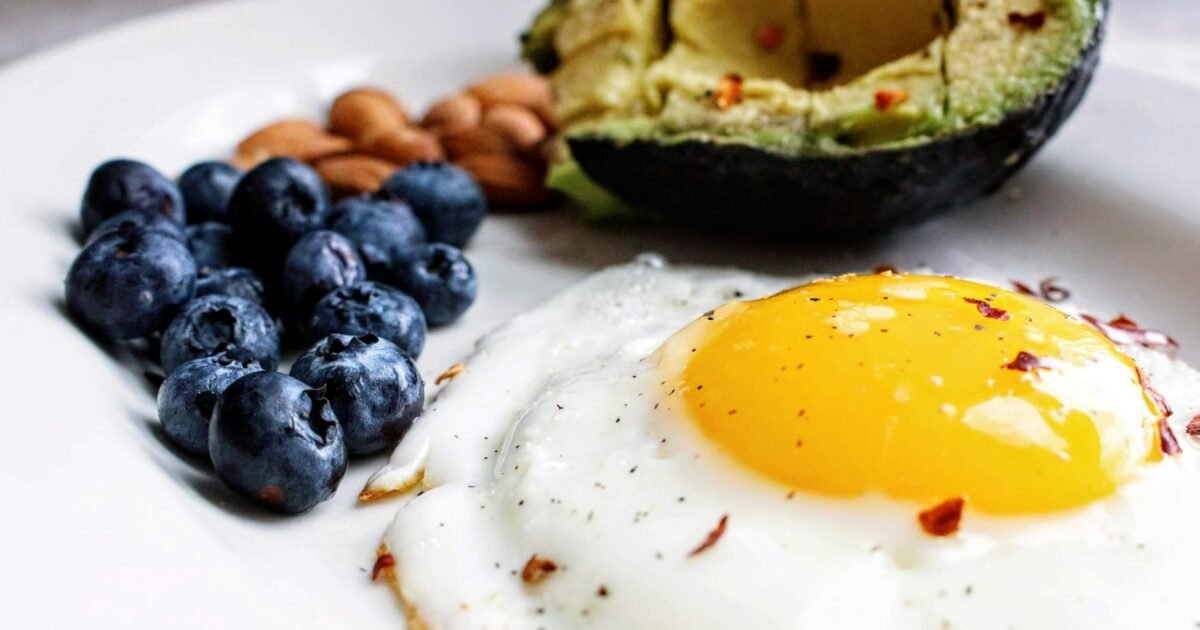
- Breakfast: Scrambled eggs with spinach, cheese, and a side of avocado.
- Lunch: Large salad with grilled chicken, mixed greens, olive oil dressing, and feta cheese.
- Dinner: Salmon fillet baked with asparagus and butter.
- Snack: Handful of almonds.
Day 2:
- Breakfast: Keto “Fat Bomb” Smoothie: unsweetened almond milk, spinach, avocado, protein powder, MCT oil.
- Lunch: Leftover salmon and asparagus.
- Dinner: Ground beef stir-fry with broccoli and bell peppers (use tamari or coconut aminos instead of soy sauce).
- Snack: Hard-boiled eggs.
Day 3:
- Breakfast: Omelet with mushrooms, onions, and cheddar cheese.
- Lunch: Tuna salad (made with mayo, celery, and onion) served in lettuce cups.
- Dinner: Pork chops with a side of mashed cauliflower (with butter and cream cheese).
- Snack: Cheese sticks.
Day 4:
- Breakfast: Bacon and eggs.
- Lunch: Leftover pork chops and mashed cauliflower.
- Dinner: Chicken thighs baked with Brussels sprouts and olive oil.
- Snack: A few slices of avocado.
Day 5:
- Breakfast: Keto Pancakes (made with almond flour/coconut flour) topped with sugar-free syrup and berries.
- Lunch: Chef salad with turkey, ham, cheese, hard-boiled egg, and ranch dressing (check for sugar).
- Dinner: Keto Chili (no beans, plenty of ground beef, tomatoes, and spices).
- Snack: Macadamia nuts.
Day 6:
- Breakfast: Sausage patties with a side of fried eggs.
- Lunch: Leftover Keto Chili.
- Dinner: Steak with a side of creamed spinach.
- Snack: Olives.
Day 7:
- Breakfast: Greek yogurt (full-fat, unsweetened) with a few berries and chia seeds.
- Lunch: Large Cobb salad with bacon, chicken, avocado, hard-boiled egg, and blue cheese dressing.
- Dinner: Keto Pizza (cauliflower crust or fathead dough) with your favorite low-carb toppings.
- Snack: Pork rinds.
Remember to always check labels, especially for sauces, dressings, and processed meats, to ensure they are sugar-free and low-carb.
Common Challenges and How to Overcome Them
While the keto diet offers many benefits, like any lifestyle change, it comes with its own set of challenges. Knowing these ahead of time and having strategies to tackle them can make your journey much smoother.
1. Eating Out and Social Events
This is a big one for many. Restaurants often load dishes with hidden sugars and starches.
- Strategy: Look for meat or fish dishes, ask for extra vegetables (non-starchy) instead of potatoes or rice. Request sauces and dressings on the side, or opt for olive oil and vinegar. Don’t be afraid to customize your order! Many places are happy to accommodate.
- Social Gatherings: Offer to bring a keto-friendly dish that you know you can eat. Fill up on protein and healthy fats before you go. Don’t feel pressured to explain your diet to everyone; a simple “I’m choosing to eat healthy tonight” is often enough.
2. Cravings
Especially in the beginning, carb and sugar cravings can be intense.
- Strategy: Ensure you’re eating enough fat and protein to stay satiated. Drink plenty of water and electrolytes. Have keto-friendly snacks on hand (cheese, nuts, olives, pork rinds). Sometimes, a craving is just thirst. If it’s a sweet craving, try a keto dessert made with erythritol or stevia.
3. “Keto Plateaus” (Weight Loss Stalls)
After initial rapid weight loss, progress can slow or stop.
- Strategy: Re-evaluate your macros – are you unknowingly consuming too many calories or carbs? Track everything meticulously for a few days. Consider incorporating intermittent fasting. Ensure you’re not overdoing “keto treats” which can hinder progress. Increase activity levels. Sometimes, a “carb-up” (a planned, higher-carb day) can help reset metabolism, but this is more advanced and not for beginners.
4. Constipation
A common issue due to reduced fiber intake from grains and fruits.
- Strategy: Increase your intake of low-carb, high-fiber vegetables (spinach, broccoli, cauliflower, avocado). Ensure adequate hydration. Consider a magnesium supplement (magnesium citrate can help with bowel regularity). Chia seeds and flax seeds are also excellent keto-friendly fiber sources.
5. Lack of Variety
Some people feel restricted by the food choices.
Photo by Jenna Hamra on Pexels