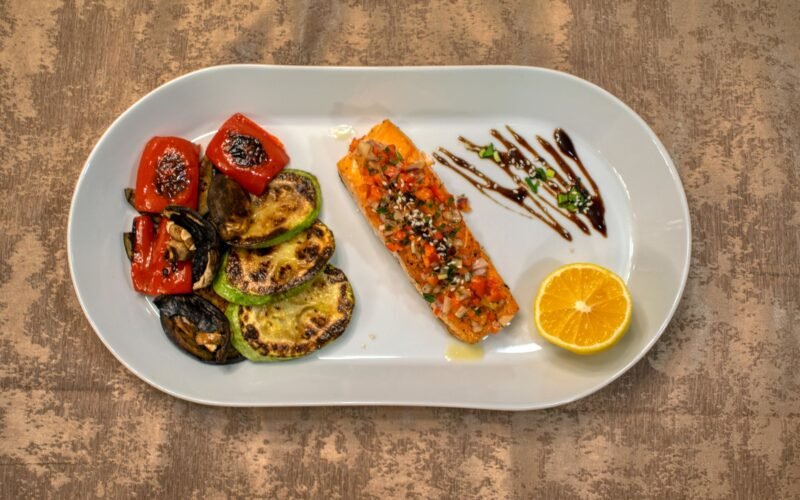
The Ultimate Thyroid Diet: Foods to Eat and Avoid for Optimal Health
Your thyroid gland, a small butterfly-shaped organ located at the base of your neck, plays an outsized role in your overall health. It’s the master regulator of your metabolism, influencing everything from your energy levels and body weight to your heart rate, digestion, and mood. When your thyroid isn’t functioning optimally, the ripple effects can be profound, leading to a range of challenging symptoms and impacting your quality of life.
For millions worldwide, thyroid dysfunction, particularly hypothyroidism (an underactive thyroid), is a daily reality. Autoimmune conditions like Hashimoto’s thyroiditis, which causes hypothyroidism, and Graves’ disease, which leads to hyperthyroidism (an overactive thyroid), further complicate the picture. While medication often forms the cornerstone of thyroid management, what you put on your plate can be a powerful ally in supporting thyroid function, reducing symptoms, and promoting overall well-being.
At GetLeanPulse.com, we understand that true health and sustainable weight management go hand-in-hand with a body that functions optimally from the inside out. That’s why we’ve compiled this comprehensive guide to the thyroid diet. We’ll delve deep into the science-backed foods you should embrace to nourish your thyroid and the common culprits you might need to avoid or limit. By making informed dietary choices, you can empower your body to better manage thyroid conditions, enhance your energy, stabilize your weight, and feel your best.
Understanding Thyroid Conditions and the Diet Connection
Before we dive into specific foods, it’s essential to grasp how diet interacts with the various facets of thyroid health. The thyroid gland produces two primary hormones: thyroxine (T4) and triiodothyronine (T3). T4 is the inactive form, and T3 is the active form that cells can use. The conversion of T4 to T3 happens not just in the thyroid but also in other tissues, including the liver and gut. This intricate process relies on a steady supply of specific nutrients and can be hindered by inflammation, nutrient deficiencies, and certain dietary components.
Hypothyroidism (Underactive Thyroid)
This is the most common thyroid disorder, occurring when the thyroid gland doesn’t produce enough hormones. Symptoms often include fatigue, weight gain, cold sensitivity, constipation, dry skin, hair loss, depression, and brain fog. In many cases, hypothyroidism is caused by Hashimoto’s thyroiditis, an autoimmune condition where the immune system mistakenly attacks the thyroid gland. For those with hypothyroidism, a diet rich in essential nutrients and low in inflammatory foods can help support hormone production, improve conversion, and alleviate symptoms.
Hyperthyroidism (Overactive Thyroid)
Less common than hypothyroidism, hyperthyroidism occurs when the thyroid produces too many hormones. Symptoms can include unexplained weight loss, rapid heartbeat, anxiety, tremors, heat sensitivity, and difficulty sleeping. Graves’ disease is the most common cause of hyperthyroidism. While dietary interventions for hyperthyroidism often focus on avoiding iodine-rich foods, the general principles of an anti-inflammatory, nutrient-dense diet remain beneficial.
Autoimmune Thyroid Disease (Hashimoto’s and Graves’ Disease)
For autoimmune conditions, diet plays a critical role in modulating the immune response and reducing inflammation. Certain foods can trigger or exacerbate autoimmune reactions, while others can help calm the immune system and support gut health, which is intimately linked to autoimmunity.
The connection between diet and thyroid health is multifaceted:
- Nutrient Availability: The thyroid requires specific micronutrients (like iodine, selenium, zinc, iron) to synthesize hormones and convert T4 to T3. Deficiencies can impair function.
- Inflammation: Chronic inflammation, often driven by diet, can damage thyroid tissue, interfere with hormone production, and exacerbate autoimmune responses.
- Gut Health: A healthy gut microbiome is crucial for nutrient absorption, immune regulation, and even T4 to T3 conversion. An unhealthy gut can lead to inflammation and autoimmunity.
- Blood Sugar Regulation: Unstable blood sugar can stress the adrenal glands, which in turn can impact thyroid function.
- Detoxification: The liver plays a key role in hormone metabolism and detoxification. A diet that supports liver health is beneficial for thyroid function.
Now, let’s explore the specific nutrients and foods that can make a profound difference.
Key Nutrients for Thyroid Health
Your thyroid gland is a demanding organ, requiring a symphony of micronutrients to perform its vital functions. Ensuring you get enough of these key players through your diet is paramount.
Iodine: The Building Block
Iodine is perhaps the most well-known nutrient for thyroid health, as it’s an essential component of both T4 and T3 hormones. Without sufficient iodine, the thyroid cannot produce enough hormones, leading to hypothyroidism and potentially goiter (enlargement of the thyroid gland).
- Why it’s important: Direct component of thyroid hormones.
- Food Sources: Iodized salt (use in moderation), seaweed (nori, dulse, kelp – *caution with excessive amounts*), cod, shrimp, dairy products (milk, yogurt), eggs.
- Caution: While essential, excessive iodine intake can sometimes trigger or worsen Hashimoto’s thyroiditis in susceptible individuals. If you have an autoimmune thyroid condition, consult your doctor about iodine supplementation or high-iodine foods.
Selenium: The Antioxidant Protector and Converter
Selenium is a powerful antioxidant that protects the thyroid gland from oxidative damage and plays a crucial role in the conversion of T4 to the active T3 hormone. It’s particularly important for individuals with Hashimoto’s, as studies show it can help reduce thyroid antibodies.
- Why it’s important: Antioxidant defense, T4 to T3 conversion, immune modulation.
- Food Sources: Brazil nuts (just 1-2 per day can provide your daily needs), tuna, sardines, eggs, sunflower seeds, beef, chicken, mushrooms.
Zinc: For Hormone Synthesis and Immune Support
Zinc is involved in the synthesis of thyroid hormones and plays a vital role in immune function. Zinc deficiency can lead to low T3 levels, and it’s often found to be deficient in individuals with hypothyroidism.
- Why it’s important: Thyroid hormone synthesis, T4 to T3 conversion, immune system support.
- Food Sources: Oysters (highest source), beef, chicken, lamb, pumpkin seeds, cashews, chickpeas, lentils.
Tyrosine: The Amino Acid Precursor
Tyrosine is an amino acid that, along with iodine, forms the backbone of thyroid hormones. It’s a non-essential amino acid, meaning your body can produce it, but ensuring adequate protein intake helps guarantee its availability.
- Why it’s important: Precursor for thyroid hormone synthesis.
- Food Sources: Poultry, fish, dairy products, eggs, nuts, seeds, legumes.
Iron: For Oxygen and Enzyme Function
Iron deficiency is common, especially among women, and can impair thyroid function. Iron is necessary for the activity of thyroid peroxidase, an enzyme involved in hormone production, and also for oxygen transport throughout the body.
- Why it’s important: Thyroid hormone production, energy, oxygen transport.
- Food Sources: Red meat, poultry, fish, lentils, spinach, kale, fortified cereals (choose whole grain options). Pair with Vitamin C-rich foods to enhance absorption.
B Vitamins (Especially B12 and Folate): For Energy and Nerve Health
B vitamins are crucial for energy production and nerve function, and deficiencies are common in people with hypothyroidism. Vitamin B12 deficiency, in particular, often mimics or exacerbates hypothyroid symptoms like fatigue, brain fog, and depression.
- Why it’s important: Energy metabolism, nerve function, red blood cell formation.
- Food Sources: Meat, fish, eggs, dairy, leafy green vegetables, fortified foods.
Vitamin D: The Immune Modulator
Vitamin D, often called the “sunshine vitamin,” functions more like a hormone and plays a critical role in immune system modulation. Low Vitamin D levels are frequently observed in individuals with autoimmune thyroid conditions like Hashimoto’s and Graves’ disease.
- Why it’s important: Immune regulation, reduces inflammation.
- Food Sources: Sun exposure, fatty fish (salmon, mackerel), cod liver oil, fortified dairy and plant milks, egg yolks.
Antioxidants (Vitamins C, E, A): For Oxidative Stress Protection
These vitamins act as powerful antioxidants, protecting the thyroid gland from damage caused by free radicals and oxidative stress, which can be heightened in thyroid dysfunction and inflammation.
- Why it’s important: Protects thyroid cells from damage, reduces inflammation.
- Food Sources:
- Vitamin C: Citrus fruits, bell peppers, berries, kiwi, broccoli.
- Vitamin E: Nuts (almonds, hazelnuts), seeds (sunflower), spinach, avocado, olive oil.
- Vitamin A (beta-carotene): Carrots, sweet potatoes, spinach, kale, cantaloupe.

Foods to *Eat* for Optimal Thyroid Health
Building a thyroid-friendly plate means focusing on whole, unprocessed foods that are rich in the nutrients discussed above and support overall health. Here’s a detailed look at the categories of foods to embrace.
Lean Proteins
Protein is essential for providing the amino acids, like tyrosine, needed for thyroid hormone production. It also helps stabilize blood sugar, promotes satiety, and supports muscle maintenance, which is crucial for metabolism. Prioritize lean, high-quality sources.
- Examples:
- Poultry: Chicken breast, turkey (skinless).
- Fish: Salmon, cod, tuna, sardines (excellent sources of omega-3s and selenium).
- Eggs: Whole eggs are a powerhouse of iodine, selenium, and B vitamins.
- Legumes: Lentils, chickpeas, black beans (also provide fiber and zinc).
- Plant-based: Tofu, tempeh (in moderation, see “foods to avoid” section for more on soy), quinoa.
Healthy Fats
Healthy fats are crucial for reducing inflammation, supporting hormone production, and ensuring satiety. Omega-3 fatty acids, in particular, are powerful anti-inflammatory agents that can benefit autoimmune thyroid conditions.
- Examples:
- Fatty Fish: Salmon, mackerel, sardines, herring (rich in omega-3s).
- Avocado: A good source of monounsaturated fats and fiber.
- Olive Oil: Extra virgin olive oil is an anti-inflammatory staple.
- Nuts: Walnuts (omega-3s), almonds, cashews (healthy fats, zinc).
- Seeds: Chia seeds, flax seeds (omega-3s, fiber), pumpkin seeds (zinc, magnesium), sunflower seeds (selenium).
Fiber-Rich Complex Carbohydrates
Complex carbohydrates, particularly those high in fiber, are vital for gut health, stable blood sugar levels, and sustained energy. They prevent the blood sugar spikes and crashes that can stress the adrenal glands and indirectly impact thyroid function.
- Examples:
- Whole Grains: Quinoa, brown rice, oats (ensure gluten-free if sensitive). These provide B vitamins and fiber.
- Sweet Potatoes: Rich in Vitamin A, fiber, and complex carbs.
- Other Root Vegetables: Carrots, parsnips, beets.
- Fruits: Berries, apples, pears (skin on for maximum fiber).
Plenty of Fruits and Vegetables (Especially Leafy Greens)
Fruits and vegetables are nutrient powerhouses, packed with vitamins, minerals, antioxidants, and fiber. They help reduce oxidative stress and inflammation, supporting overall cellular health, including that of the thyroid.
- Examples:
- Berries: Blueberries, strawberries, raspberries (high in antioxidants and Vitamin C).
- Citrus Fruits: Oranges, grapefruit, lemons (excellent source of Vitamin C).
- Leafy Green Vegetables: Spinach, kale, Swiss chard, collard greens (rich in iron, magnesium, B vitamins, antioxidants). *Note: While some cruciferous vegetables are goitrogenic when raw, they are perfectly fine, and even beneficial, when cooked.*
- Bell Peppers: Especially red and yellow, loaded with Vitamin C.
- Other Colorful Veggies: Broccoli (cooked), asparagus, zucchini, tomatoes.
Iodine-Rich Foods (with mindful consumption)
As discussed, iodine is non-negotiable for thyroid hormone synthesis. While supplementation should be approached with caution, incorporating natural food sources is generally safe and beneficial for most people without autoimmune thyroid conditions.
- Examples:
- Seaweed: Nori (sushi wraps), dulse flakes. Consume in small, regular amounts rather than large, infrequent doses, especially if you have Hashimoto’s. Avoid kelp supplements unless recommended by a doctor due to extremely high iodine content.
- Fish: Cod, haddock, shrimp.
- Dairy: Milk, yogurt, cheese (if tolerated and not inflammatory for you).
- Iodized Salt: Use sparingly as part of a balanced diet.
Selenium Superstars
These foods are your go-to for ensuring adequate selenium intake, crucial for antioxidant defense and T4 to T3 conversion.
- Examples:
- Brazil Nuts: Just one or two per day can meet your daily selenium needs. Be mindful of not overdoing it, as too much selenium can be harmful.
- Tuna & Sardines: Also great sources of omega-3s.
- Eggs: A versatile and nutrient-dense food.
- Sunflower Seeds: Another good seed option.
Zinc Champions
Prioritize these foods to ensure you’re getting enough zinc for hormone synthesis and immune support.
- Examples:
- Oysters: The richest source.
- Beef & Chicken: Excellent animal sources.
- Pumpkin Seeds: A fantastic plant-based source.
- Lentils & Chickpeas: Good plant-based options that also offer fiber.
Gut-Healthy Foods
A healthy gut microbiome is fundamental to overall health, immune function, and nutrient absorption. Incorporating fermented foods and prebiotics can significantly benefit your thyroid.
- Examples:
- Fermented Foods: Kefir (dairy or non-dairy), sauerkraut, kimchi, unsweetened yogurt (if tolerated), miso. These provide beneficial probiotics.
- Prebiotic Foods: Onions, garlic, leeks, asparagus, bananas, apples. These feed the beneficial bacteria in your gut.
Water
Often overlooked, adequate hydration is critical for all bodily functions, including metabolism, nutrient transport, and detoxification. Drink plenty of filtered water throughout the day.
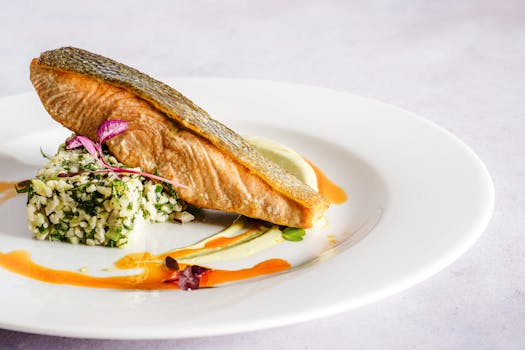
Foods to *Avoid* or Limit for Thyroid Health
Just as important as knowing what to eat is understanding which foods might hinder your thyroid function, exacerbate symptoms, or trigger inflammation. Reducing or eliminating these can be a game-changer for many.
Gluten (Especially for Autoimmune Thyroid Conditions)
Gluten, a protein found in wheat, barley, and rye, is a significant concern for many with autoimmune thyroid conditions like Hashimoto’s. The theory of “molecular mimicry” suggests that the protein structure of gluten can resemble thyroid tissue. In genetically predisposed individuals, consuming gluten might trigger an immune response that mistakenly attacks the thyroid.
- Why to limit/avoid: Can trigger autoimmune responses, promote gut inflammation (leaky gut), and interfere with nutrient absorption.
- Recommendation: Many individuals with Hashimoto’s report significant improvement in symptoms and antibody levels after adopting a gluten-free diet. Consider a strict elimination trial (4-6 weeks) to see if your symptoms improve.
- Examples: Wheat (bread, pasta, pastries), barley, rye, most processed cereals. Look for certified gluten-free alternatives.
Dairy (Potential Inflammatory Trigger)
Similar to gluten, dairy can be an inflammatory trigger for some individuals, particularly those with autoimmune conditions or lactose intolerance. Dairy proteins (casein, whey) can potentially provoke an immune response, and lactose intolerance can lead to gut issues that affect overall health.
- Why to limit/avoid: Potential for inflammation, common allergen/intolerance, can disrupt gut health.
- Recommendation: If you suspect dairy might be an issue, try a trial elimination. Many find relief from symptoms like digestive upset, fatigue, and joint pain after removing dairy.
- Examples: Milk, cheese, yogurt, ice cream, butter (though ghee, which is clarified butter, is often tolerated as it removes most milk solids).
Soy (Interference with Absorption and Goitrogenic Potential)
Soy contains phytoestrogens (isoflavones) that can interfere with the absorption of thyroid hormones, particularly if consumed close to medication. It also has goitrogenic properties, meaning it can potentially inhibit iodine uptake, though this is less of a concern with modern iodine intake and when soy is cooked or fermented.
- Why to limit/avoid: Can interfere with thyroid medication absorption, potential goitrogenic effects (especially raw or in large quantities).
- Recommendation: If you consume soy, do so in moderation and preferably in its fermented forms (tempeh, miso), which are easier to digest. Avoid highly processed soy products and always take thyroid medication at least 3-4 hours apart from soy consumption.
- Examples: Soy milk, tofu, edamame, soy protein isolates (in many protein bars and processed foods).
Goitrogenic Foods (Raw and in Large Quantities)
Goitrogens are compounds found in certain foods that can interfere with the thyroid’s ability to absorb iodine, potentially leading to an enlarged thyroid (goiter). The good news is that cooking these foods largely deactivates their goitrogenic compounds.
- Why to limit/avoid (raw): Can inhibit iodine uptake, especially problematic if iodine intake is insufficient.
- Recommendation: Do not completely avoid these nutrient-dense vegetables. Simply cook them thoroughly (steaming, roasting, stir-frying) before consumption. This applies primarily to those with existing thyroid issues and iodine deficiency.
- Examples: Raw cruciferous vegetables like broccoli, cauliflower, kale, cabbage, Brussels sprouts. Also millet and cassava.
Processed Foods & Refined Sugars
This category is detrimental to overall health and particularly problematic for thyroid function. Processed foods are typically high in unhealthy fats, refined sugars, artificial additives, and low in essential nutrients. Refined sugars cause rapid blood sugar spikes, leading to inflammation and stress on the adrenal glands, which are intricately linked to thyroid health.
- Why to limit/avoid: Promote inflammation, contribute to weight gain, deplete nutrients, disrupt blood sugar regulation, stress adrenal glands.
- Examples: Sugary drinks, candies, pastries, white bread, processed snacks, fast food, most packaged meals.
Artificial Sweeteners
While often marketed as healthy alternatives to sugar, artificial sweeteners (like aspartame, sucralose, saccharin) can negatively impact gut microbiome health. A disrupted gut microbiome can lead to inflammation and impair nutrient absorption, both of which negatively affect thyroid function.
- Why to limit/avoid: Can disrupt gut microbiome, potential for inflammation.
- Recommendation: Opt for natural sweeteners sparingly (e.g., a touch of honey or maple syrup) or use natural, non-caloric alternatives like stevia or monk fruit in moderation.
Excess Caffeine & Alcohol
Both caffeine and alcohol can impact thyroid health in several ways. Excessive caffeine can affect the absorption of thyroid medication and disrupt sleep, which is crucial for hormone balance. Alcohol can impair liver function (where T4 is converted to T3) and contribute to inflammation and gut dysbiosis.
- Why to limit/avoid: Can interfere with medication absorption, disrupt sleep, impair liver function, promote inflammation.
- Recommendation: Moderate your caffeine intake (1-2 cups of coffee per day, away from medication). Limit alcohol consumption, or avoid it altogether if you notice it exacerbates your symptoms.
Trans Fats & Inflammatory Seed Oils
Trans fats (found in partially hydrogenated oils) are highly inflammatory and detrimental to cardiovascular health, indirectly impacting overall metabolic function. Many highly processed vegetable oils (soybean, corn, canola, sunflower, safflower) are high in omega-6 fatty acids, and an imbalance of omega-6 to omega-3 can promote inflammation.
- Why to limit/avoid: Promote chronic inflammation, negatively impact cardiovascular and overall metabolic health.
- Examples: Margarine, vegetable shortening, fried foods, baked goods containing partially hydrogenated oils, highly processed seed oils. Stick to healthier fats like olive oil, avocado oil, and coconut oil.
Special Considerations and Practical Tips
Adopting a thyroid-friendly diet is more than just a list of foods; it’s a lifestyle adjustment. Here are some practical tips to help you succeed:
Medication Timing is Key
If you take thyroid hormone medication (like levothyroxine), proper timing is crucial for optimal absorption. Always take your medication on an empty stomach with a full glass of water, typically 30-60 minutes before breakfast or at least 3-4 hours after your last meal at night. Avoid taking it with coffee, calcium supplements, iron supplements, fiber supplements, antacids, or any of the problematic foods discussed (soy, high-fiber foods) as these can significantly interfere with absorption. Discuss timing with your doctor or pharmacist.
Listen to Your Body
Dietary needs and sensitivities are highly individual. What works well for one person with a thyroid condition might not work for another. Pay close attention to how different foods make you feel. Keeping a food diary can be incredibly helpful in identifying potential triggers or beneficial foods. Track your symptoms, energy levels, and mood in relation to your diet.
Work with a Professional
Navigating a therapeutic diet can be complex. Consider consulting with a registered dietitian nutritionist (RDN) who specializes in thyroid health, an endocrinologist, or a functional medicine practitioner. They can help you create a personalized plan, identify nutrient deficiencies through testing, and ensure your diet complements your medical treatment.
Prioritize Healthy Cooking Methods
Focus on cooking methods that preserve nutrients and avoid adding unhealthy fats or excessive processing. Steaming, baking, roasting, grilling, and light sautéing are excellent choices. Minimize deep-frying and excessive charring.
Manage Stress
Chronic stress significantly impacts adrenal function, which in turn can disrupt thyroid hormone conversion and overall endocrine balance. Incorporate stress-reduction techniques into your daily routine, such as meditation, yoga, deep breathing exercises, spending time in nature, or engaging in hobbies you enjoy.
Embrace Gut Health
Given the strong link between gut health, immunity, and thyroid function, actively support your microbiome. Include a variety of fiber-rich plant foods, fermented foods, and potentially a high-quality probiotic supplement if recommended by your healthcare provider. A healthy gut is foundational to a healthy thyroid.
Stay Hydrated
Often overlooked, adequate water intake is vital for all metabolic processes, nutrient transport, and detoxification pathways. Aim for at least 8 glasses of filtered water daily, more if you’re active or in a hot climate.
Sample Thyroid-Friendly Meal Plan (Illustrative)
Here’s a glimpse of what a day of thyroid-supportive eating could look like:
Breakfast:
- Gluten-free oatmeal cooked with water or unsweetened almond milk, topped with a few Brazil nuts (for selenium), berries (antioxidants), and a sprinkle of chia seeds (omega-3s, fiber).
- Scrambled eggs with spinach and bell peppers, cooked in olive oil.
Lunch:
- Large salad with mixed greens, grilled salmon (omega-3s, selenium), avocado (healthy fats), cucumber, and a lemon-tahini dressing.
- Leftover roasted chicken with a side of steamed broccoli and sweet potato.
Dinner:
- Baked cod with a side of roasted asparagus and quinoa.
- Turkey and vegetable stir-fry (using chicken broth
Photo by Valeria Boltneva on Pexels