This post contains affiliate links. If you purchase through these links, I may earn a commission at no extra cost to you.
Quick answer: Soluble fiber helps manage diarrhea by absorbing excess water in your digestive tract and forming a gel-like substance that slows down digestion and firms up stools. Good sources include oats, bananas, applesauce, psyllium husk, and barley. Start with small amounts and increase gradually. Aim for 5 to 10 grams of soluble fiber per day, spread across meals.
Diarrhea is one of those problems nobody wants to talk about but almost everyone deals with at some point. Whether it is from a stomach bug, food poisoning, stress, or a chronic condition like irritable bowel syndrome, it is uncomfortable, disruptive, and exhausting. It can derail your day, keep you close to a bathroom, and leave you feeling drained both physically and mentally.
Most people reach for over-the-counter medications first. But there is a simpler, natural approach that gastroenterologists recommend: soluble fiber.
Soluble fiber absorbs water in your gut, slows down digestion, and helps form firmer stools. It is not a cure for the underlying cause of diarrhea, but it is an effective way to manage symptoms while your body recovers.
Here is how soluble fiber for diarrhea works, how much to take, and which foods and supplements are most effective.
Table of contents
- How soluble fiber works for diarrhea
- Soluble vs. insoluble fiber
- Best soluble fiber sources
- How much soluble fiber to take
- Psyllium husk for diarrhea
- When fiber makes it worse
- Foods to eat and avoid
- When to see a doctor
- Frequently asked questions
how soluble fiber works for diarrhea
Soluble fiber dissolves in water to form a gel-like substance in your digestive tract. This gel does several things that help with diarrhea:
First, it absorbs excess water. Diarrhea is essentially too much water in your stool. Soluble fiber soaks up that water like a sponge, making your stool firmer and more formed.
Second, it slows down digestion. The gel slows the movement of food through your intestines, giving your body more time to absorb water and nutrients. This reduces the urgency and frequency of bowel movements.
Third, it feeds your gut bacteria. Soluble fiber is a prebiotic, meaning it serves as food for the beneficial bacteria in your colon. A healthy gut microbiome supports better digestion and can help prevent future episodes of diarrhea.
Research supports this approach. A systematic review published in Alimentary Pharmacology and Therapeutics found that soluble fiber supplements significantly reduced diarrhea symptoms in people with irritable bowel syndrome. Psyllium husk, in particular, showed consistent benefits across multiple studies.

soluble vs. insoluble fiber
Not all fiber is the same. There are two types, and they do very different things in your digestive system.
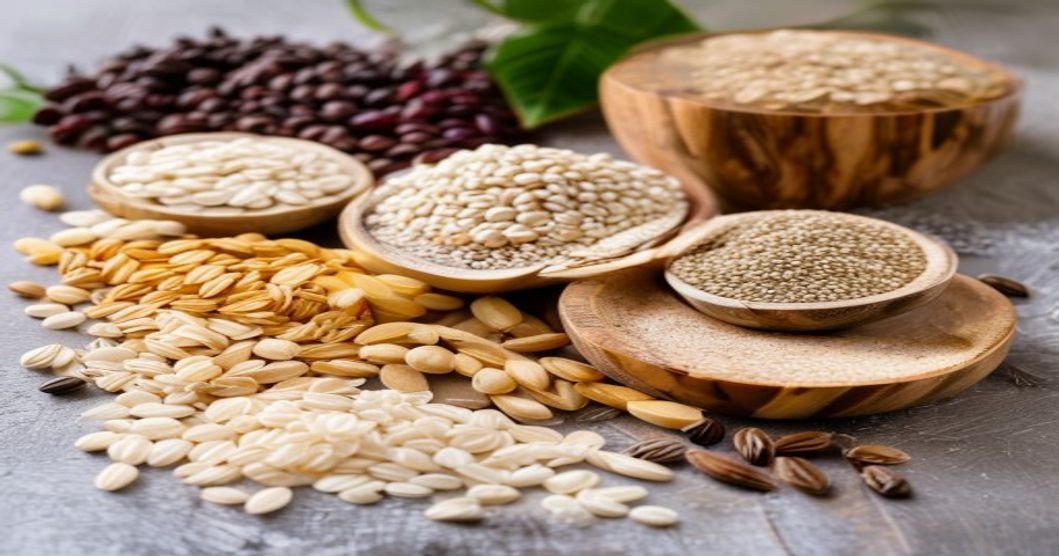
Soluble fiber dissolves in water and forms a gel. It slows digestion and absorbs excess water. This is the type that helps with diarrhea. Sources include oats, bananas, applesauce, psyllium husk, barley, and beans.
Insoluble fiber does not dissolve in water. It adds bulk to your stool and speeds up the movement of food through your digestive tract. This is the type that helps with constipation. Sources include whole wheat bran, vegetables, nuts, and seeds.
Here is the important part. If you have diarrhea, you want more soluble fiber and less insoluble fiber. Eating a large salad with raw vegetables and whole wheat bread during a bout of diarrhea will likely make things worse because the insoluble fiber speeds things up even more.
During recovery, focus on soluble fiber sources and temporarily reduce your intake of insoluble fiber. Once your digestion normalizes, gradually reintroduce both types.
best soluble fiber sources
Here are the best food sources of soluble fiber, ranked by how gentle they are on an upset stomach:
- Oats and oatmeal. One of the gentlest soluble fiber sources. A bowl of plain oatmeal is often recommended as a first food after a stomach bug.
- Bananas. Specifically ripe bananas, which are easier to digest. They also provide potassium, which you lose during diarrhea.
- Applesauce. Cooked apples are gentler than raw apples. Applesauce contains pectin, a type of soluble fiber that is particularly effective at firming stools.
- Psyllium husk. The most concentrated soluble fiber supplement. Available as powder or capsules.
- Barley. A whole grain rich in beta-glucan, a type of soluble fiber.
- Beans and lentils. High in soluble fiber but can cause gas. Introduce gradually.
- Chia seeds. When soaked in water, they form a gel that is essentially pure soluble fiber.
- Flaxseeds. Ground flaxseeds provide soluble fiber and omega-3 fatty acids.

how much soluble fiber to take
If you are using soluble fiber to manage diarrhea, start small and increase gradually. Jumping straight to a high dose can cause bloating and gas, which will make you feel worse.
Start with 3 to 5 grams of soluble fiber per day, split across two or three meals. After a few days, if your symptoms are improving and you are tolerating it well, increase to 5 to 10 grams per day.
For reference, here is how much soluble fiber common foods contain:
- 1 cup cooked oatmeal: 2 grams
- 1 medium banana: 1 gram
- 1/2 cup applesauce: 1 gram
- 1 tablespoon psyllium husk powder: 5 grams
- 1/2 cup cooked barley: 1 gram
- 1/2 cup cooked black beans: 2 grams
- 1 tablespoon chia seeds: 2 grams
Drink plenty of water when increasing your fiber intake. Soluble fiber absorbs water, and if you do not drink enough, it can actually cause constipation instead.
psyllium husk for diarrhea
Psyllium husk is the most well-researched soluble fiber supplement for digestive issues. It comes from the seeds of the Plantago ovata plant and is available as powder, capsules, or wafers.
For diarrhea, start with half a teaspoon of psyllium husk powder mixed in a full glass of water, once or twice per day. Increase gradually to one to two teaspoons per day as needed. Always mix psyllium with plenty of water and drink it immediately before it thickens.
Studies show that psyllium is effective for both diarrhea and constipation. It normalizes bowel movements by absorbing excess water in diarrhea and adding moisture in constipation. This makes it a versatile option for people with irritable bowel syndrome who experience alternating symptoms.
Popular brands include Metamucil, Konsyl, and generic psyllium husk powder. The generic version is just as effective and usually much cheaper. Look for products that list 100 percent psyllium husk without added sugars, flavors, or artificial colors. These additives can irritate your digestive system when it is already sensitive.
If you prefer capsules over powder, they are equally effective but you will need to take more of them to get the same dose. Powder mixed in water works faster because it starts forming the gel immediately in your stomach.
when fiber makes it worse
Fiber is not always the answer. There are situations where adding fiber can actually worsen diarrhea:
Acute infectious diarrhea. If you have a stomach bug or food poisoning, your digestive system is inflamed and irritated. In the first 24 to 48 hours, focus on hydration and the BRAT diet (bananas, rice, applesauce, toast). Add fiber gradually as you recover.
Inflammatory bowel disease flare-ups. During a Crohn’s disease or ulcerative colitis flare, high-fiber foods can irritate the inflamed intestinal lining. Follow your doctor’s dietary recommendations during flare-ups.
Too much too fast. Increasing your fiber intake too quickly causes bloating, gas, and can worsen diarrhea. Always increase gradually over several days or weeks.
Wrong type of fiber. Insoluble fiber speeds up digestion and can make diarrhea worse. Make sure you are focusing on soluble fiber sources during recovery.

foods to eat and avoid
Foods to eat during diarrhea:
- White rice and plain pasta
- Oatmeal and cream of wheat
- Bananas and applesauce
- Toast and crackers
- Boiled potatoes without skin
- Lean proteins like chicken and turkey
- Yogurt with live cultures (if you tolerate dairy)
Foods to avoid during diarrhea:
- High-fat and fried foods
- Spicy foods
- Dairy products (if lactose intolerant)
- Artificial sweeteners, especially sorbitol and xylitol
- Caffeine and alcohol
- Raw vegetables and high-insoluble-fiber foods
- Beans and lentils (until recovery)
when to see a doctor
Most cases of diarrhea resolve on their own within a few days. But you should see a doctor if any of the following warning signs are present.
- Diarrhea lasts more than two days without improvement
- You have a fever above 102 degrees Fahrenheit
- You see blood or pus in your stool
- You have signs of dehydration: dark urine, extreme thirst, dizziness
- You have severe abdominal or rectal pain
- You have chronic diarrhea that comes and goes over weeks or months
Chronic diarrhea can be a symptom of conditions like irritable bowel syndrome, inflammatory bowel disease, celiac disease, or food intolerances. These require professional diagnosis and treatment.
Hydration matters. While focusing on fiber, do not neglect fluid intake. Diarrhea causes significant fluid and electrolyte loss. Drink water, oral rehydration solutions, or broths throughout the day. Avoid sugary drinks and fruit juices, which can actually worsen diarrhea by drawing more water into your intestines through osmosis.
Probiotics can help alongside fiber. While soluble fiber feeds your gut bacteria, probiotics introduce new beneficial strains. Studies show that certain probiotic strains, particularly Saccharomyces boulardii and Lactobacillus rhamnosus GG, can reduce the duration of diarrhea by about one day. Taking both soluble fiber and probiotics during recovery gives you a two-pronged approach: fiber to manage symptoms and probiotics to restore your gut flora.
Frequently asked questions
Does soluble fiber help with diarrhea?
Yes. Soluble fiber absorbs excess water in your digestive tract, forms a gel that slows digestion, and helps firm up loose stools. Studies show that soluble fiber supplements, particularly psyllium husk, are effective at reducing diarrhea symptoms in people with irritable bowel syndrome and other digestive conditions.
How much soluble fiber should I take for diarrhea?
Start with 3 to 5 grams of soluble fiber per day, split across meals. Increase gradually to 5 to 10 grams per day as your symptoms improve. For psyllium husk powder, start with half a teaspoon mixed in water and work up to one to two teaspoons per day. Always drink plenty of water with fiber supplements. Soluble fiber takes time to work, so expect improvement within two to three days of consistent use rather than immediate results.
What foods are high in soluble fiber?
The best sources include oats, bananas, applesauce, psyllium husk, barley, beans, lentils, chia seeds, and flaxseeds. During diarrhea recovery, focus on the gentler options like oatmeal, bananas, and applesauce. Introduce beans and seeds gradually as your digestion improves.
Can too much fiber cause diarrhea?
Yes. Increasing your fiber intake too quickly can cause bloating, gas, and diarrhea. This is especially true with insoluble fiber. Always increase fiber gradually over several days or weeks, and make sure you are drinking enough water. If diarrhea develops after increasing fiber, reduce your intake and increase more slowly.
Is psyllium husk safe for daily use?
Yes, psyllium husk is safe for daily use and is commonly recommended by gastroenterologists for long-term management of digestive issues. Start with a low dose and increase gradually. Drink plenty of water. If you take medications, separate psyllium from your medications by at least two hours, as it can interfere with absorption.
Medical disclaimer: This article is for informational purposes only and does not constitute medical advice. If you have persistent diarrhea, blood in your stool, severe abdominal pain, or signs of dehydration, please consult a qualified healthcare professional immediately.
About the author: The GetLeanPulse team researches and writes evidence-based content on nutrition, weight loss, and healthy living. Our goal is to cut through the noise and give you practical, science-backed advice you can actually use. Have a question or topic suggestion? Reach out through our contact page.