Plant-Based Diet for Weight Loss: Your Ultimate Beginner’s Guide
Embarking on a weight loss journey can feel overwhelming, especially with the myriad of diets and advice circulating today. But what if there was a path that not only helped you shed unwanted pounds but also boosted your overall health, energy, and even contributed to a more sustainable planet? Enter the plant-based diet. For beginners looking to achieve sustainable weight loss, transitioning to a plant-based eating pattern offers a powerful, nutrient-rich, and incredibly satisfying solution. This comprehensive guide from GetLeanPulse.com will walk you through everything you need to know to get started, ensuring your journey is both effective and enjoyable.
You might be thinking, “Plant-based? Does that mean I have to become a strict vegan overnight?” Not at all! While a fully vegan diet is plant-based, the term “plant-based” itself is broader and often emphasizes whole, unprocessed plant foods while allowing for flexibility. It’s about prioritizing fruits, vegetables, whole grains, legumes, nuts, and seeds, making them the stars of your plate. This approach naturally lends itself to weight loss due to its inherent characteristics: high fiber, low calorie density, and abundant nutrients.
This article is designed specifically for you, the beginner. We’ll demystify what a plant-based diet truly entails, explore why it’s so effective for weight loss, provide practical steps for transitioning, address common concerns about nutrients, and offer delicious meal ideas to kickstart your success. Get ready to transform your health and discover a vibrant new way of eating!
What Exactly is a Plant-Based Diet?
Before diving into the weight loss benefits, let’s clarify what we mean by “plant-based.” The term can sometimes be confusing because it’s often used interchangeably with “vegan” or “vegetarian,” but there are subtle yet important distinctions.
Understanding the Spectrum: Vegan vs. Plant-Based
- Vegetarian: Excludes meat, poultry, and fish. Some vegetarians (ovo-vegetarians) eat eggs, while others (lacto-vegetarians) consume dairy, and some (lacto-ovo vegetarians) consume both.
- Vegan: Excludes all animal products, including meat, poultry, fish, dairy, eggs, and sometimes honey or other animal-derived ingredients. Vegans often extend this philosophy beyond diet to other lifestyle choices (e.g., avoiding leather, wool, etc.).
- Plant-Based: This term primarily focuses on the *foods* you eat. A plant-based diet emphasizes whole, minimally processed plant foods. While it can be fully vegan, it doesn’t necessarily have to be. For instance, someone might eat predominantly plant foods but occasionally include fish or eggs, choosing to focus on the overall pattern of eating rather than strict exclusion. For weight loss, we typically advocate for a diet that is *predominantly* or *entirely* composed of whole plant foods, as this maximizes the benefits.
For the purpose of weight loss and optimal health benefits, GetLeanPulse.com encourages a diet that is rich in:
- Fruits: Apples, berries, bananas, oranges, grapes, melons, etc.
- Vegetables: Leafy greens (spinach, kale), broccoli, carrots, bell peppers, sweet potatoes, onions, mushrooms, etc.
- Whole Grains: Oats, brown rice, quinoa, whole wheat bread/pasta, farro, barley.
- Legumes: Beans (black, kidney, pinto, chickpeas), lentils, peas.
- Nuts and Seeds: Almonds, walnuts, chia seeds, flax seeds, hemp seeds, sunflower seeds.
- Healthy Fats: Avocados, olives, nut butters (without added sugar/oil).
It minimizes or ideally eliminates processed foods, refined sugars, artificial ingredients, and often limits or excludes animal products. This focus on whole, unprocessed foods is key to unlocking its weight loss power.
Why a Plant-Based Diet is Your Secret Weapon for Weight Loss
The effectiveness of a plant-based diet for weight loss isn’t just anecdotal; it’s backed by a growing body of scientific research. Several inherent characteristics of this eating pattern make it uniquely suited for shedding pounds and maintaining a healthy weight.
1. The Power of Fiber: Fullness Without the Calories
One of the most significant advantages of a plant-based diet is its incredibly high fiber content. Unlike animal products, plant foods are rich in both soluble and insoluble fiber. Fiber is a non-digestible carbohydrate that plays a crucial role in weight management:
- Increased Satiety: Fiber adds bulk to your meals without adding significant calories. It fills you up faster and keeps you feeling full for longer, naturally reducing overall calorie intake. You’re less likely to overeat or snack unnecessarily.
- Improved Digestion: Insoluble fiber acts like a broom, sweeping through your digestive tract, promoting regularity and preventing constipation. A healthy gut is increasingly linked to a healthy weight.
- Blood Sugar Control: Soluble fiber slows down the absorption of sugar into your bloodstream, preventing sharp spikes and crashes. This helps stabilize energy levels and reduces cravings, especially for sugary foods.
2. Lower Calorie Density: Eat More, Weigh Less
Plant foods, especially fruits and vegetables, have a high water and fiber content, making them naturally low in calorie density. This means you can eat a larger volume of food for fewer calories compared to animal products or highly processed foods. Imagine a large bowl of roasted vegetables and quinoa versus a small steak and fries. The plant-based meal will be significantly more voluminous, satisfying, and lower in calories, allowing you to feel full and satisfied without exceeding your calorie goals.
3. Nutrient Density: Fueling Your Body, Not Just Filling It
When you focus on whole plant foods, you’re not just getting fiber and water; you’re flooding your body with vitamins, minerals, antioxidants, and phytochemicals. These nutrients are vital for metabolism, energy production, hormone regulation, and overall cellular function. When your body is properly nourished, it operates more efficiently, which can positively impact your body’s ability to burn fat and maintain a healthy weight. Many processed foods, even those with “low-fat” labels, are nutrient-poor and calorie-dense, failing to provide the essential building blocks your body needs.
4. Reduced Intake of Unhealthy Fats and Processed Foods
A well-planned plant-based diet naturally reduces your intake of saturated fats (found in meat and dairy), trans fats (found in many processed foods), and cholesterol. It also steers you away from highly processed items often loaded with added sugars, unhealthy oils, and artificial ingredients that contribute to weight gain and inflammation. By eliminating these culprits, you create a healthier internal environment that is more conducive to fat loss.
5. Boosted Metabolism and Gut Health
The high fiber content of plant-based diets feeds beneficial gut bacteria, leading to a healthier microbiome. Emerging research suggests a strong link between gut health and metabolism, body weight, and even mood. A diverse and thriving gut flora can help your body extract nutrients more efficiently, regulate appetite, and potentially influence how many calories you burn.

Beyond Weight Loss: A Cascade of Health Benefits
While weight loss might be your primary goal, embracing a plant-based diet offers a wealth of additional health benefits that extend far beyond the scale. These benefits often compound, leading to a greater sense of well-being and vitality.
Improved Heart Health
Plant-based diets are naturally low in saturated fat and cholesterol, and high in fiber and antioxidants – all factors that contribute to a healthy cardiovascular system. Studies consistently show that individuals who follow plant-based diets have lower risks of heart disease, high blood pressure, and high cholesterol levels. This translates to a stronger, healthier heart that can support your active lifestyle.
Reduced Risk of Type 2 Diabetes
The emphasis on whole grains, legumes, fruits, and vegetables helps stabilize blood sugar levels due to their fiber content and low glycemic index. This can significantly reduce the risk of developing type 2 diabetes and can even help manage or reverse the condition in those already diagnosed. The consistent energy levels provided by these foods also prevent the blood sugar roller coaster that often leads to cravings and overeating.
Lowered Risk of Certain Cancers
Numerous studies have linked a high intake of fruits, vegetables, and whole grains to a reduced risk of various cancers. The antioxidants and phytochemicals abundant in plant foods help protect cells from damage, reduce inflammation, and inhibit cancer cell growth. By focusing on these protective foods, you’re building a strong defense system within your body.
Enhanced Energy Levels and Mood
Many people report increased energy and improved mood after transitioning to a plant-based diet. This is likely due to the steady supply of complex carbohydrates for sustained energy, the abundance of vitamins and minerals supporting cellular function, and the absence of heavy, processed foods that can lead to energy slumps and digestive discomfort. A lighter, more vibrant diet can truly make you feel lighter and more vibrant.
Better Digestive Health
As mentioned, the high fiber content is a boon for your digestive system. Regular bowel movements, reduced bloating, and a thriving gut microbiome are common experiences for those adopting a plant-based diet. A healthy gut is the foundation of overall health, impacting everything from immunity to mental well-being.
Getting Started: Your Step-by-Step Beginner’s Guide
Ready to dive in? Here’s a practical, step-by-step guide to help you smoothly transition to a plant-based diet for weight loss, without feeling overwhelmed.
Step 1: Start Gradually – The Phased Approach
For beginners, an “all-or-nothing” approach can often lead to burnout. Instead, consider a phased transition:
- Meatless Mondays: Begin by dedicating one day a week to entirely plant-based meals. This allows you to experiment with new recipes and foods without feeling restricted.
- One Meal a Day: Once you’re comfortable with Meatless Mondays, try making one meal (e.g., breakfast or lunch) plant-based every day. A common starting point is a plant-based breakfast smoothie or oatmeal.
- Focus on Addition, Not Just Subtraction: Instead of dwelling on what you’re “giving up,” focus on what you’re adding. Explore new fruits, vegetables, grains, and legumes. The more diverse your plate, the more satisfied you’ll be.
- Gradual Reduction of Animal Products: Slowly reduce your intake of meat, dairy, and eggs. Perhaps you switch to plant-based milk, or only eat meat a few times a week instead of daily.
Step 2: Pantry Makeover – Stocking Your Plant-Based Kitchen
Success begins with preparation. A well-stocked pantry makes healthy eating easy and convenient. Focus on whole, unprocessed foods.
- Grains: Brown rice, quinoa, oats (rolled or steel-cut), whole wheat pasta, whole wheat bread/tortillas.
- Legumes (Dried or Canned): Black beans, kidney beans, chickpeas, lentils (red, green, brown). If using canned, rinse thoroughly to reduce sodium.
- Nuts and Seeds: Almonds, walnuts, cashews, chia seeds, flax seeds (ground), hemp seeds, sunflower seeds.
- Frozen Fruits and Vegetables: Berries, spinach, broccoli, mixed vegetables – excellent for smoothies, stir-fries, and quick meals.
- Fresh Produce: Aim for a variety of seasonal fruits and vegetables. Keep staples like leafy greens, apples, bananas, onions, garlic, and sweet potatoes on hand.
- Healthy Fats: Avocados, olive oil, nut butters (check for no added sugar/oil).
- Condiments & Spices: Nutritional yeast (for a cheesy flavor and B12), apple cider vinegar, soy sauce/tamari, hummus, a wide range of herbs and spices to add flavor without excess salt or sugar.
- Plant-Based Milks: Unsweetened almond, soy, oat, or cashew milk.
Step 3: Meal Planning and Preparation (Meal Prep)
This is critical for success, especially for weight loss. When healthy options are readily available, you’re less likely to grab unhealthy alternatives.
- Plan Your Week: Dedicate some time each week (e.g., Sunday afternoon) to plan your meals and snacks. This helps with grocery shopping and ensures variety.
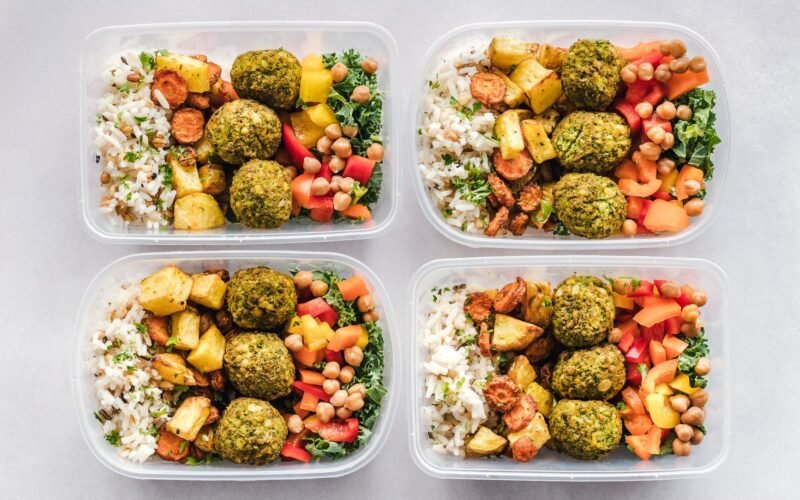
- Cook in Batches: Prepare large quantities of staples like cooked grains (quinoa, brown rice), roasted vegetables, and cooked beans/lentils. These can be stored in the fridge and quickly assembled into meals throughout the week.
- Pre-Chop Veggies: Wash and chop vegetables for salads, stir-fries, or snacks.
- Portion Control: While plant-based foods are generally lower in calorie density, portion control is still important for weight loss, especially for calorie-dense items like nuts, seeds, avocados, and oils. Use measuring cups for these items initially.
Step 4: Explore New Recipes and Flavors
The world of plant-based cuisine is incredibly diverse and delicious. Don’t be afraid to experiment!
- Online Resources: Websites like Minimalist Baker, Oh She Glows, Forks Over Knives, and countless others offer a wealth of plant-based recipes.
- Cookbooks: Invest in a good plant-based cookbook tailored for beginners.
- Global Cuisines: Many traditional cuisines from around the world are naturally plant-based or easily adaptable (e.g., Indian dals, Mexican bean dishes, Mediterranean salads, Asian stir-fries).
Step 5: Hydration is Key
Often overlooked, adequate water intake is vital for weight loss and overall health. Water helps with satiety, metabolism, and digestion. Aim for at least 8 glasses of water a day, and more if you’re active or consume a lot of fiber (which requires more water to move through your system).
Essential Nutrients: Dispelling Myths and Ensuring Balance
One of the most common concerns for beginners transitioning to a plant-based diet is nutrient adequacy. “Where do you get your protein?” and “What about B12?” are questions you’ll hear often. Rest assured, a well-planned plant-based diet can provide all the nutrients your body needs to thrive, and often in healthier forms.
1. Protein Powerhouses
This is perhaps the most frequently asked question. The good news is that protein is abundant in the plant kingdom! You don’t need to eat meat to get enough protein. Focus on a variety of these sources throughout your day:
- Legumes: Lentils, chickpeas, black beans, kidney beans, pinto beans (excellent in soups, stews, salads, and as burger patties).
- Soy Products: Tofu, tempeh, edamame (versatile for stir-fries, scrambles, and grilling).
- Grains: Quinoa (a complete protein), oats, whole wheat pasta, brown rice.
- Nuts and Seeds: Almonds, walnuts, cashews, peanuts, chia seeds, flax seeds, hemp seeds (great for snacks, salads, and smoothies).
- Vegetables: Even vegetables contribute, especially spinach, broccoli, and peas.
Tip: Aim for protein at every meal to help with satiety and muscle maintenance, crucial for a healthy metabolism during weight loss.
2. Vitamin B12: The One Non-Negotiable Supplement
Vitamin B12 is the only vitamin that is reliably not found in sufficient quantities in unfortified plant foods. It is produced by bacteria in soil and water, which animals then ingest. While some plant foods like nutritional yeast and fortified plant milks contain B12, relying solely on these can be inconsistent. Therefore, supplementation is highly recommended for anyone on a plant-based diet, regardless of how “clean” you eat. A daily supplement or a higher dose a few times a week is generally sufficient. Consult your doctor or a registered dietitian for personalized recommendations.
3. Iron: Plant-Based Sources Are Plentiful
Iron is crucial for energy and preventing anemia. While heme iron from animal sources is more readily absorbed, non-heme iron from plants can be absorbed very effectively with a few tricks:
- Sources: Lentils, chickpeas, black beans, spinach, kale, tofu, cashews, pumpkin seeds, fortified cereals.
- Absorption Trick: Always pair iron-rich plant foods with a source of Vitamin C (e.g., bell peppers, oranges, berries, broccoli, tomatoes). Vitamin C significantly enhances non-heme iron absorption.
- Avoid Absorption Inhibitors: Try to consume coffee and tea (which contain tannins) a few hours away from your main iron-rich meals.
4. Calcium: Beyond Dairy
You don’t need dairy for strong bones. Many plant foods are excellent sources of calcium:
- Sources: Fortified plant milks (almond, soy, oat), fortified orange juice, leafy green vegetables (kale, collard greens, bok choy), broccoli, calcium-set tofu, sesame seeds/tahini, almonds, figs.
5. Omega-3 Fatty Acids: Crucial for Brain and Heart Health
Essential for brain function, heart health, and reducing inflammation, Omega-3s can be obtained from plant sources, though conversion to the active forms (EPA/DHA) can be less efficient.
- Sources: Flax seeds (ground), chia seeds, hemp seeds, walnuts.
- Supplement Option: Consider an algal oil supplement for direct EPA and DHA if you have concerns, especially during pregnancy or for certain health conditions.
6. Iodine: An Often Overlooked Mineral
Iodine is essential for thyroid function. While many plant foods contain some iodine, levels can vary widely depending on soil content. The most reliable plant-based source is iodized salt. If you avoid salt or use non-iodized sea salt, consider a supplement or occasionally incorporate iodine-rich sea vegetables like nori into your diet.
7. Zinc: Important for Immunity and Metabolism
Zinc is vital for immune function, wound healing, and metabolism. Plant sources include:
- Sources: Legumes (chickpeas, lentils), nuts (cashews, almonds), seeds (pumpkin, hemp, chia), whole grains (oats, quinoa), tofu. Soaking and sprouting legumes/grains can improve zinc absorption.
By consuming a varied diet rich in whole plant foods, you can confidently meet your nutritional needs. When in doubt, consulting a registered dietitian who specializes in plant-based nutrition can provide personalized guidance.
Sample Meal Ideas for Your Plant-Based Weight Loss Journey
To give you a clearer picture of what plant-based eating for weight loss looks like, here are some easy and delicious meal ideas for a typical day. Remember to adjust portion sizes based on your individual calorie needs and satiety signals.
Breakfast Ideas (High Fiber, Sustained Energy)
- Oatmeal Power Bowl: 1/2 cup rolled oats cooked with water or unsweetened plant milk, topped with 1/2 cup mixed berries, 1 tablespoon chia seeds, and a sprinkle of chopped walnuts.
- Tofu Scramble: Crumbled firm tofu sautéed with onions, bell peppers, spinach, turmeric (for color), and a pinch of black salt (kala namak) for an eggy flavor. Serve with a slice of whole-wheat toast.
- Green Smoothie: Blend 1 cup unsweetened plant milk, 1 scoop plant-based protein powder (optional), 1 cup spinach, 1/2 banana, 1/4 cup frozen berries, and 1 tablespoon flax seeds.
Lunch Ideas (Satisfying and Nutrient-Dense)
- Big Buddha Bowl: A base of 1/2 cup cooked quinoa or brown rice, topped with roasted sweet potatoes, steamed broccoli, black beans, avocado slices, and a lemon-tahini dressing.
- Lentil Soup or Chili: A hearty bowl of homemade lentil soup or bean chili, packed with vegetables. Pair with a small side salad.
- Chickpea Salad Sandwich/Wrap: Mashed chickpeas mixed with vegan mayo, celery, onion, and spices, served on whole-wheat bread or in a whole-wheat wrap with lettuce and tomato.
Dinner Ideas (Flavorful and Filling)
- Vegetable & Tofu Stir-fry: Tofu cubes and a medley of colorful vegetables (broccoli, carrots, bell peppers, snow peas) stir-fried in a light soy sauce/ginger/garlic sauce, served over brown rice.
- Sheet Pan Fajitas: Sliced bell peppers, onions, and black beans tossed with fajita seasoning, roasted until tender. Serve in corn tortillas with salsa and guacamole.
- Loaded Baked Potato: A large baked sweet potato topped with black beans, corn salsa, avocado, and a dollop of vegan sour cream or cashew cream.
Snack Ideas (Keep Hunger at Bay)
- Apple slices with 1-2 tablespoons of almond butter.
- A handful of mixed nuts (e.g., 1/4 cup almonds).
- Carrot sticks or cucumber slices with hummus.
- Small bowl of berries.
- Edamame (steamed or roasted).
Overcoming Common Challenges for Beginners
As with any new lifestyle change, you might encounter some hurdles. Here’s how to navigate them:
1. “I’m Always Hungry!”
This is often due to not eating enough calorie-dense plant foods or insufficient fiber/protein. Ensure your meals are balanced with whole grains, legumes, and healthy fats. Drink plenty of water. If you’re still hungry, increase your portion size of vegetables and legumes.
2. Cravings for Old Favorites
Cravings are normal! Try to find plant-based alternatives or healthier versions. For example, make a lentil “meatloaf” instead of a traditional one, or blend frozen bananas for “nice cream.” Sometimes, just acknowledging the craving and waiting 20 minutes can help it pass. Ensure you’re eating enough throughout the day to prevent extreme hunger that triggers cravings.
3. Social Situations and Eating Out
This gets easier with practice. Research restaurant menus online beforehand. Don’t be afraid to ask for modifications (e.g., “Can I have the pasta primavera without cheese and with olive oil instead of butter?”). Suggest plant-friendly restaurants to friends and family. Bring a dish to potlucks.
4. Feeling Restricted or Bored
This usually means you haven’t explored the vastness of plant-based cuisine enough. Experiment with new spices, cooking methods, and international recipes. Remember that a plant-based diet is about abundance, not restriction.
5. Digestive Changes (Bloating, Gas)
Increasing fiber rapidly can sometimes cause temporary bloating and gas. To minimize this, increase your fiber intake gradually. Ensure you’re drinking plenty of water. Soaking and thoroughly cooking legumes can also help. Your digestive system will adapt over time.
Long-Term Success: Mindset and Maintenance
Sustainable weight loss isn’t just about what you eat; it’s also about your mindset and creating habits that last a lifetime. A plant-based diet offers a framework for long-term health and weight management.
Focus on Health, Not Just the Scale
While weight loss is a goal, shift your focus to the myriad of health benefits you’re gaining. Celebrate increased energy, better digestion, clearer skin, and improved fitness. This holistic approach fosters a positive relationship with food and your body, making the journey more enjoyable and sustainable.
Embrace Flexibility and Forgiveness
No one is perfect. There will be days when you veer off track, or social events where sticking strictly to your plan is difficult. Don’t let a single misstep derail your entire effort. Acknowledge it, learn from it, and get back on track with your next meal. Consistency over perfection is key.
Stay Active
Complement your plant-based eating with regular physical activity. This doesn’t mean hours at the gym; it could be walking, cycling, dancing, or gardening. Exercise not only burns calories but also builds muscle, boosts metabolism, improves mood, and enhances overall well-being.
Seek Support
Share your journey with friends or family, join online communities, or work with a coach or dietitian. Having a support system can provide encouragement, accountability, and practical advice when you need it most.
Listen to Your Body
Pay attention to hunger and fullness cues. Eat when you’re hungry, and stop when you’re satisfied, not stuffed. This mindful eating practice is fundamental to long-term weight management.
Conclusion: Your Journey to a Lighter, Healthier You Starts Now
Adopting a plant-based diet for weight loss is one of the most powerful and sustainable choices you can make for your health. It’s not just a temporary diet; it’s a shift towards a vibrant, nourishing lifestyle that can lead to profound and lasting changes. By prioritizing whole, unprocessed plant foods, you’ll naturally reduce your calorie intake, boost your fiber and nutrient consumption, and unlock a host of benefits that extend far beyond the numbers on the scale.
Remember, this is a journey, not a race. Start slowly, educate yourself, experiment with new flavors, and be patient and kind to yourself along the way. GetLeanPulse.com is here to support you every step of the way, providing you with the knowledge and motivation to succeed. Embrace the abundance of the plant kingdom, and prepare to discover a lighter, healthier, and more energetic you. Your transformation begins today!
Photo by Vanessa Loring on Pexels