
Stop Sugar Cravings Instantly: Your Ultimate Guide to Sweet Freedom
The siren song of sugar is a familiar melody for many of us. One minute you’re focused on your tasks, the next you’re daydreaming about that chocolate bar, cookie, or sugary drink. Sugar cravings can strike with an unexpected intensity, threatening to derail your healthy eating goals, sabotage your weight loss efforts, and leave you feeling guilty and frustrated. At GetLeanPulse.com, we understand this battle intimately. We know that these cravings aren’t just a matter of willpower; they’re often complex signals from your body and mind.
The good news? You don’t have to be a slave to your sweet tooth. While completely eradicating cravings overnight might be an ambitious goal, there are powerful, science-backed strategies you can employ to stop sugar cravings instantly – or at least significantly diminish their power in a matter of minutes. Furthermore, by understanding the root causes of these desires, you can build long-term resilience, making those intense urges a rare occurrence rather than a daily struggle.
This comprehensive guide will equip you with a two-pronged approach: immediate, rapid-response tactics to quell a craving in its tracks, and sustainable lifestyle changes that will fortify your body and mind against future sugar temptations. Get ready to reclaim control over your food choices, stabilize your energy, and take a significant step towards a healthier, happier you.
Understanding the Enemy: Why We Crave Sugar
Before we dive into the solutions, it’s crucial to understand why sugar holds such a powerful grip on us. It’s not just a lack of discipline; our bodies and brains are wired to seek out this potent energy source, especially in modern environments where it’s ubiquitous and highly processed. Unpacking the physiological, psychological, and environmental factors behind sugar cravings is the first step towards truly conquering them.
The Physiological Drivers of Sugar Cravings
- The Dopamine Reward System: When you consume sugar, it triggers the release of dopamine, a neurotransmitter associated with pleasure and reward, in your brain. This creates a powerful positive feedback loop, making your brain want more of that pleasurable sensation. Over time, this can lead to a dependence similar to that seen with addictive substances.
- Blood Sugar Rollercoaster: Eating refined sugars and simple carbohydrates causes a rapid spike in blood glucose, followed by an equally rapid crash. This crash leaves you feeling tired, irritable, and often hungry again, prompting your body to crave another quick fix of sugar to bring blood sugar levels back up. It’s a vicious cycle that many people are unknowingly trapped in.
- Hormonal Fluctuations: Hormones play a significant role. For instance, ghrelin (the hunger hormone) and leptin (the satiety hormone) can become imbalanced due to poor sleep or stress, leading to increased hunger and specific cravings, often for calorie-dense, sugary foods. Cortisol, the stress hormone, also signals the body to crave sugar for quick energy.
- Nutrient Deficiencies: Sometimes, what feels like a sugar craving might actually be your body signalling a need for certain nutrients that are often found alongside sugar in whole foods (e.g., magnesium in dark chocolate). However, instead of reaching for a magnesium-rich avocado, we often grab a candy bar.
The Psychological and Environmental Triggers
- Emotional Eating: Sugar is a common comfort food. Stress, boredom, sadness, anxiety, or even happiness can trigger a desire for sweet treats as a way to self-soothe or celebrate. These cravings are often not about physical hunger but an emotional need.
- Habit and Association: Many cravings are simply habits. Do you always have dessert after dinner? Do you reach for a soda during your afternoon slump? These ingrained routines can create powerful associations that trigger cravings even when you don’t truly desire sugar.
- Lack of Sleep: Sleep deprivation disrupts hormones that regulate appetite (ghrelin and leptin), leading to increased hunger and a stronger preference for high-calorie, sugary foods. Your body is seeking quick energy to compensate for fatigue.
- Stress: Chronic stress elevates cortisol levels, which can increase appetite and cravings for sugary, fatty foods. Sugar provides a temporary sense of relief and pleasure, reinforcing its role as a coping mechanism.
- Environmental Cues: The sheer availability of sugary foods in our environment is a massive trigger. Seeing advertisements, walking past a bakery, or having treats readily accessible at home or work can make resisting cravings incredibly difficult.
By understanding these multifaceted reasons, you can approach sugar cravings not as a personal failing, but as a complex interplay of biology, psychology, and environment. This understanding empowers you to choose the right tools from your arsenal to fight back, both instantly and in the long run.
The Immediate Action Plan: How to Stop Sugar Cravings *Right Now*
When a sugar craving hits, it can feel like an urgent, overwhelming force. The key to stopping it instantly is to interrupt the impulse and redirect your focus. Here are powerful, rapid-response strategies you can deploy within minutes to regain control.
1. Hydrate Aggressively: Drink a Large Glass of Water
Often, what feels like a sugar craving or hunger is actually a sign of dehydration. Our bodies can sometimes confuse thirst signals with hunger, leading us to reach for food when what we truly need is water. A quick, simple, and incredibly effective first step when a craving strikes is to drink a large glass of water – at least 8-12 ounces (250-350ml). For an added boost, try it with a squeeze of lemon or lime, or a few slices of cucumber or mint. The act of drinking fills your stomach, providing a temporary sense of fullness, and the refreshing taste can often be enough to disrupt the craving signal. Wait 10-15 minutes after drinking; you might find the craving has significantly diminished or disappeared entirely. This strategy works because it addresses potential dehydration, occupies your mouth, and provides a brief mental reset, allowing you to reassess your true needs.
2. The “10-Minute Rule” & Distraction
Sugar cravings are often intense but fleeting. They typically peak within 3-5 minutes and then begin to subside if you don’t give in. Implement the “10-minute rule”: tell yourself you can have the sugary treat, but only after 10 minutes. During these 10 minutes, actively distract yourself. Get up and walk away from the kitchen or your desk. Call a friend, listen to an upbeat song, work on a puzzle, read an engaging article, or tidy a small area of your home. Engage your brain and body in something else entirely. This delay tactic works wonders because it gives the initial surge of the craving time to pass, and the distraction helps to break the mental loop that’s fixated on sugar. More often than not, by the time the 10 minutes are up, the intensity of the craving will have significantly reduced, and you’ll be able to make a more rational decision.
3. Grab a Protein- and Fiber-Rich Snack
If you suspect the craving is due to actual hunger or a dip in blood sugar, reaching for more sugar will only perpetuate the cycle. Instead, opt for a small, balanced snack rich in protein and fiber. These nutrients stabilize blood sugar levels, provide sustained energy, and promote satiety, effectively shutting down the physiological need for quick sugars. Excellent choices include a handful of raw almonds or walnuts, a hard-boiled egg, a small serving of plain Greek yogurt with a few berries (no added sugar!), a couple of slices of apple with a tablespoon of natural peanut butter, or some vegetable sticks with hummus. The combination of protein and fiber will help you feel full and satisfied, preventing the blood sugar crash that often triggers intense sugar cravings. This isn’t about denying yourself; it’s about giving your body what it truly needs.
4. Brush Your Teeth or Use Mouthwash
This might sound overly simple, but it’s remarkably effective. The strong, minty flavor of toothpaste or mouthwash creates a clean, fresh sensation in your mouth that often makes sugary foods taste less appealing immediately afterward. It signals to your brain that “eating time is over.” Psychologically, it creates a barrier; who wants to ruin that fresh feeling with a sticky, sweet treat? It’s a quick, non-food-related way to reset your palate and your mindset, often enough to break the spell of an emerging sugar craving. Keep a travel-sized toothbrush and toothpaste or a bottle of mouthwash handy at your desk or in your bag for those urgent moments.
5. Engage in a Short Burst of Movement
Physical activity, even a brief one, can be a powerful craving disruptor. When you exercise, your body releases endorphins, natural mood elevators that can counteract the emotional triggers for sugar cravings. A quick 5-10 minute walk outside, a few flights of stairs, some jumping jacks, or even dancing to your favorite song can shift your focus, change your physiological state, and reduce stress hormones that contribute to sugar urges. The change of scenery, the fresh air, and the physical exertion all work together to provide a mental and physical reset, often making the craving subside and replacing it with a sense of accomplishment and well-being.

6. Practice Mindful Breathing or a Mini-Meditation
Many sugar cravings are rooted in stress, anxiety, or boredom. When you feel a craving emerging, take a few minutes to pause and engage in mindful breathing. Find a quiet spot, close your eyes (if comfortable), and take 5-10 slow, deep breaths. Inhale deeply through your nose, filling your lungs, hold for a few seconds, and then exhale slowly through your mouth. Focus entirely on the sensation of your breath. This simple practice activates your parasympathetic nervous system, reducing stress, calming your mind, and helping you differentiate between true hunger and emotional cravings. It creates a space between the urge and your reaction, allowing you to choose a healthier response rather than reacting impulsively. This powerful mental shift can instantly diminish the urgency of the craving.
7. Chew Sugar-Free Gum
Similar to brushing your teeth, chewing sugar-free gum can be an effective immediate strategy. It occupies your mouth with a taste and texture, giving you something to do without consuming calories or sugar. The act of chewing can also be a mild distraction, and the minty flavor (if you choose mint gum) can provide a similar palate-cleansing effect as toothpaste. This simple trick can help satisfy the oral fixation that sometimes accompanies cravings and can buy you enough time for the craving to pass or for you to implement another strategy.
8. Engage Your Senses with Non-Food Stimuli
Sometimes, what we crave is a sensory experience – a particular smell, taste, or texture. You can hijack this by engaging your senses with non-food stimuli. Try smelling a strong essential oil like peppermint, lemon, or grapefruit. Peppermint, in particular, has been shown to suppress appetite and cravings. You could also light a scented candle, listen to calming music, or even look at a beautiful piece of art or nature photography. The goal is to shift your sensory focus away from food and onto something else enjoyable and non-caloric, providing a pleasant distraction that can help to instantly defuse the intensity of the sugar craving.
9. Analyze the Craving: Are You Truly Hungry?
Before succumbing to the urge, take a moment to ask yourself: “Am I truly hungry, or is this an emotional craving?” This self-reflection can be a powerful instant interrupt. Consider the last time you ate and what you consumed. If you recently had a balanced meal, it’s unlikely to be physical hunger. Instead, explore potential emotional triggers: Are you stressed, bored, tired, lonely, or anxious? Identifying the underlying emotion allows you to address it directly rather than reaching for sugar as a band-aid. If it’s boredom, find an engaging activity. If it’s stress, try deep breathing. This mindful approach empowers you to respond to your actual needs, not just the craving.
10. Have a Small Piece of Dark Chocolate (70% Cacao or Higher)
If you simply cannot shake the craving for something sweet, and you’ve tried the above methods, sometimes a strategic, mindful indulgence can be the best path forward. However, the key here is “dark chocolate” and “mindful.” Choose a small square (1/2 to 1 ounce) of high-quality dark chocolate with at least 70% cacao. The bitterness of the high cacao content, combined with the rich flavor, can satisfy the craving for sweetness more effectively and with less sugar than a milk chocolate bar. Eat it slowly, savoring each bite, letting it melt on your tongue. This mindful approach helps you appreciate the small amount and prevents overeating. Dark chocolate also contains beneficial antioxidants and some fiber, making it a far superior choice to highly processed sugary treats.
Beyond Instant: Building Long-Term Resilience Against Sugar Cravings
While the immediate strategies are crucial for conquering cravings in the moment, true freedom from sugar comes from building a lifestyle that minimizes their occurrence in the first place. These long-term strategies will stabilize your body’s systems, reduce your dependency on sugar, and empower you to live a life free from its constant pull.
1. Stabilize Your Blood Sugar with Balanced Meals
The rollercoaster of blood sugar spikes and crashes is a primary driver of sugar cravings. The most effective way to prevent this is to build your meals around a balance of protein, healthy fats, and complex carbohydrates (fiber). Each meal and snack should aim to include all three components. Protein and fiber slow down the absorption of carbohydrates, preventing rapid glucose spikes and subsequent crashes. Healthy fats also contribute to satiety and slow digestion. For example, instead of a bagel for breakfast, opt for scrambled eggs with spinach and a slice of whole-grain toast with avocado. This foundational habit is perhaps the single most important step in reducing the frequency and intensity of your sugar cravings.
2. Prioritize Protein at Every Meal and Snack
Protein is the king of satiety. It helps you feel full longer, reduces overall appetite, and has a minimal impact on blood sugar levels. Aim for 20-30 grams of protein at each main meal. Excellent sources include lean meats (chicken, turkey, fish), eggs, Greek yogurt, cottage cheese, legumes (lentils, beans), tofu, and protein powder. When you feel adequately satiated by protein, the urge to seek out quick energy from sugar dramatically diminishes. Make protein a non-negotiable component of every eating occasion.
3. Load Up on Fiber-Rich Foods
Fiber is another powerhouse nutrient for craving control. Soluble fiber forms a gel in your digestive tract, slowing down gastric emptying and nutrient absorption, which helps to stabilize blood sugar and extend feelings of fullness. Insoluble fiber adds bulk, promoting digestive regularity and satiety. Incorporate plenty of vegetables (especially leafy greens and cruciferous veggies), fruits (berries, apples, pears), whole grains (oats, quinoa, brown rice), nuts, seeds, and legumes into your daily diet. Aim for at least 25-30 grams of fiber per day. The bulk and slow digestion provided by fiber are essential for keeping sugar cravings at bay.
4. Incorporate Healthy Fats
Don’t fear fat! Healthy fats are crucial for satiety, hormone production, and overall health. Like protein and fiber, fats slow down digestion, helping to prevent blood sugar spikes and crashes. Include sources like avocados, nuts (almonds, walnuts, pecans), seeds (chia, flax, hemp), olive oil, and fatty fish (salmon, mackerel). A meal rich in healthy fats will leave you feeling satisfied for longer, reducing the likelihood of reaching for sugary snacks an hour later. Just be mindful of portion sizes, as fats are calorie-dense.
5. Optimize Your Gut Health
The connection between your gut microbiome and sugar cravings is a rapidly growing area of research. An imbalance in gut bacteria, with an overgrowth of sugar-loving microbes, can literally send signals to your brain to crave more sugar. To foster a healthy gut, incorporate fermented foods like plain Greek yogurt, kefir, sauerkraut, kimchi, and kombucha into your diet. These provide beneficial probiotics. Also, feed these good bacteria with prebiotic-rich foods such as onions, garlic, leeks, asparagus, bananas, and oats. A healthy gut environment can significantly reduce the internal drive for sugar.
6. Get Sufficient, Quality Sleep
Sleep deprivation is a major instigator of sugar cravings. When you don’t get enough sleep, your body’s hunger hormones go awry: ghrelin (the hunger hormone) increases, and leptin (the satiety hormone) decreases. This double whammy makes you feel hungrier and less satisfied, often leading to intense cravings for high-calorie, sugary foods as your body seeks quick energy to compensate for fatigue. Aim for 7-9 hours of quality sleep per night. Establish a consistent sleep schedule, create a relaxing bedtime routine, and optimize your sleep environment to support deep, restorative sleep. Prioritizing sleep is a powerful, non-food strategy to curb sugar cravings.
7. Manage Stress Effectively
Chronic stress triggers the release of cortisol, a hormone that not only increases appetite but also signals your body to crave sugary, fatty foods for quick energy. Additionally, many people turn to sugar as a comfort mechanism during stressful times. Developing healthy stress management techniques is therefore vital for long-term sugar craving control. Incorporate practices like meditation, yoga, deep breathing exercises, spending time in nature, journaling, listening to music, or engaging in hobbies you enjoy. Identifying and addressing the root causes of your stress, rather than using sugar as a coping mechanism, will significantly reduce your reliance on sweet treats.
8. Stay Consistently Hydrated
While drinking water is an instant fix for a craving, consistent hydration throughout the day is a crucial long-term strategy. Many people walk around in a state of mild dehydration, which, as mentioned, can be misinterpreted by the body as hunger or a sugar craving. Make it a habit to sip water steadily throughout the day. Keep a water bottle with you, set reminders, or infuse your water with fruits and herbs if you find plain water unappealing. Adequate hydration not only prevents false hunger signals but also supports overall metabolic function, which is essential for stable energy levels and reduced cravings.
9. Practice Mindful Eating
Mindful eating involves paying full attention to your food – its taste, texture, smell, and how it makes your body feel. It also means tuning into your body’s hunger and fullness cues. When you eat mindfully, you’re less likely to overeat or seek out extra food (like sugary desserts) out of habit or distraction. Slow down your meals, put away your phone, and truly savor each bite. Ask yourself if you’re truly hungry before eating and if you’re truly satisfied when you’re done. This practice can help you identify and challenge automatic sugar-seeking behaviors, allowing you to enjoy food more deeply and feel more satisfied with less.
10. Strategically Incorporate Natural Sweeteners and Alternatives
Completely cutting out all sweetness can sometimes backfire, leading to intense rebound cravings. Instead, learn to appreciate natural sweetness and healthier alternatives in moderation. Enjoy whole fruits, which come packed with fiber, vitamins, and minerals. A piece of fruit can often satisfy a sweet tooth far better and more healthfully than a processed snack. If you use sweeteners, opt for natural, non-caloric options like stevia or monk fruit, but be mindful not to over-rely on them, as they can still perpetuate a desire for intense sweetness. Dark chocolate (70% cacao or higher) in small, mindful portions can also be a valuable tool to satisfy a craving without derailing your health goals, providing beneficial antioxidants with less sugar than milk chocolate.
Should You Switch to Artificial Sweeteners?
Swapping a sugary drink for a diet one cuts calories in the short term, but sweeteners are not a long-term fix for cravings. The WHO advises against using non-sugar sweeteners for weight control, because the evidence does not show lasting weight benefits. A more durable approach is to gradually reduce how sweet your food and drinks taste, so your palate adjusts.
11. Exercise Regularly
Consistent physical activity is a powerful antidote to sugar cravings. Exercise helps to improve insulin sensitivity, meaning your body uses glucose more efficiently, leading to more stable blood sugar levels. It also releases endorphins, which are natural mood boosters that can reduce stress and the emotional desire for sugary comfort foods. Regular exercise can also improve sleep quality, further contributing to hormone balance and craving reduction. You don’t need to become a gym fanatic; even moderate, consistent activity like walking, cycling, or swimming can make a significant difference in your ability to resist sugar.
12. Audit and Control Your Environment
Out of sight, out of mind! The easiest way to avoid giving in to sugar cravings is to remove the temptation from your immediate environment. Go through your pantry, fridge, and desk drawers and remove or donate highly processed sugary foods. If they’re not there, you can’t eat them. Stock your home with healthy, craving-busting alternatives like fruit, nuts, seeds, plain yogurt, and vegetables. When you go grocery shopping, do so on a full stomach and stick to a list, avoiding the aisles with tempting treats. Controlling your environment is a proactive and highly effective long-term strategy that minimizes the opportunities for cravings to take hold.
When to Seek Professional Help
While the strategies outlined in this guide are highly effective for most people, some individuals may find their sugar cravings so intense and persistent that they feel overwhelmed and unable to manage them despite their best efforts. If you suspect an underlying issue, such as significant emotional eating patterns, binge eating disorder, or if you feel truly addicted to sugar and it’s severely impacting your health and well-being, it may be beneficial to seek professional guidance. A registered dietitian can help you develop a personalized eating plan and address nutritional deficiencies. A therapist or counselor can help you explore and cope with emotional triggers for cravings. In some cases, a doctor might assess for hormonal imbalances or other medical conditions that could be contributing to intense cravings. There is no shame in seeking support; it’s a sign of strength and a commitment to your health.
Conclusion: Reclaim Your Sweet Freedom
Sugar cravings are a complex challenge, but they are not insurmountable. You now possess a powerful toolkit, combining immediate, rapid-response tactics with sustainable, long-term lifestyle changes, to stop sugar cravings instantly and build lasting resilience against them. Remember, success in managing cravings is rarely about perfection; it’s about consistency, self-compassion, and learning to listen to your body’s true needs.
Start by implementing one or two immediate strategies the next time a craving strikes. As you gain confidence, gradually integrate the long-term habits into your daily routine. Focus on nourishing your body with whole, unprocessed foods, prioritizing protein and fiber, managing stress, getting adequate sleep, and staying hydrated. These fundamental pillars of health will not only diminish your sugar cravings but also elevate your overall well-being, energy levels, and mood.
At GetLeanPulse.com, we believe in empowering you with the knowledge and tools to take control of your health journey. By understanding the ‘why’ behind your cravings and applying these practical strategies, you are well on your way to breaking free from the grip of sugar and enjoying a life of sustained energy, stable mood, and true sweet freedom. You have the power to choose health over habit, and every small victory against a craving is a step towards a healthier, happier you.
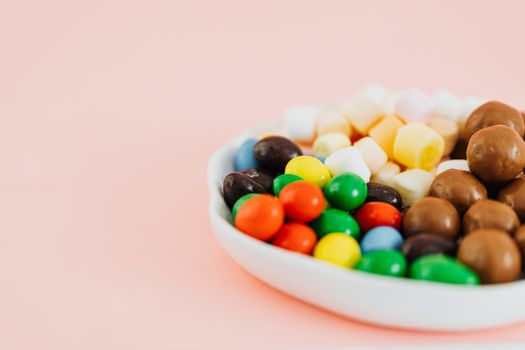
Photo by Tima Miroshnichenko on Pexels