Anti-Inflammatory Diet Meal Plan for Beginners: Your Path to Lasting Health
Are you feeling sluggish, experiencing unexplained aches, or struggling with digestive issues? These could be subtle signals from your body, often linked to chronic inflammation. Many people are increasingly recognizing the profound impact of what they eat on their overall health and well-being. The good news? You have the power to combat inflammation, improve your health, and reclaim your vitality simply by adjusting your diet.
Welcome to GetLeanPulse.com, your guide to a healthier, more vibrant you. In this comprehensive article, we’ll demystify the anti-inflammatory diet, transforming it from an intimidating concept into an accessible and delicious lifestyle change. We understand that starting a new diet can feel overwhelming, especially for beginners. That’s why we’ve crafted this guide to be your ultimate resource, complete with a practical, easy-to-follow meal plan designed to kickstart your journey towards reduced inflammation and enhanced health.
Forget restrictive, unsustainable diets. The anti-inflammatory diet isn’t about deprivation; it’s about abundance – embracing a wide array of nutrient-dense, healing foods that work synergistically to support your body’s natural defenses. By the end of this article, you’ll not only understand the science behind inflammation and how food plays a crucial role but also possess a 7-day anti-inflammatory meal plan, practical tips for success, and the confidence to make lasting, positive changes to your eating habits. Let’s dive in and discover how to nourish your body from the inside out.
Understanding Inflammation: The Root of Many Ailments
Before we delve into the delicious world of anti-inflammatory foods, it’s essential to understand what inflammation is and why managing it is so crucial for your health.
What is Inflammation?
Inflammation is your body’s natural defense mechanism, a vital part of your immune system. When you cut your finger, catch a cold, or sprain an ankle, your body dispatches inflammatory cells and chemicals to the site of injury or infection. This “acute inflammation” is a protective process, leading to redness, swelling, heat, and pain, all signs that your body is working to heal and repair itself. Once the threat is gone, the inflammation subsides, and your body returns to normal.
Why Chronic Inflammation is a Problem
The problem arises when inflammation doesn’t go away. This is known as “chronic inflammation,” and it’s a silent threat to your health. Unlike acute inflammation, chronic inflammation often lacks obvious symptoms and can persist for months or even years, quietly damaging your tissues and organs. It’s like a smoldering fire within your body, constantly releasing inflammatory compounds that can erode your health over time.
Medical research has increasingly linked chronic inflammation to a wide range of serious health conditions, including:
- Heart Disease: Inflammation can contribute to plaque buildup in arteries, leading to atherosclerosis, heart attacks, and strokes.
- Type 2 Diabetes: Chronic inflammation can lead to insulin resistance, a precursor to type 2 diabetes.
- Autoimmune Diseases: Conditions like rheumatoid arthritis, lupus, and inflammatory bowel disease (Crohn’s disease, ulcerative colitis) are characterized by the immune system mistakenly attacking healthy body tissues.
- Cancer: Persistent inflammation can create an environment conducive to tumor growth and progression.
- Neurodegenerative Diseases: Conditions like Alzheimer’s and Parkinson’s disease are increasingly being linked to chronic inflammation in the brain.
- Obesity: There’s a bidirectional relationship between obesity and inflammation; excess fat tissue can produce inflammatory compounds, which in turn can make weight loss more challenging.
- Allergies and Asthma: These conditions involve an overactive inflammatory response.
- Digestive Issues: Chronic inflammation can exacerbate conditions like irritable bowel syndrome (IBS), gastritis, and leaky gut syndrome.
- Chronic Pain: Many forms of chronic pain, including back pain and fibromyalgia, have an inflammatory component.
- Fatigue and Mood Disorders: Chronic inflammation can affect energy levels and contribute to symptoms of depression and anxiety.
Understanding this connection is the first step towards taking control. Fortunately, one of the most powerful tools we have to combat chronic inflammation is right at our fingertips: the food we eat.
The Power of Food: How an Anti-Inflammatory Diet Works
An anti-inflammatory diet isn’t a quick fix or a fad; it’s a sustainable eating pattern rooted in scientific understanding. It focuses on incorporating foods rich in antioxidants, omega-3 fatty acids, and phytonutrients, while minimizing foods known to promote inflammation. By making these strategic choices, you can help your body calm the inflammatory response and shift towards a state of balance and healing.
The Core Principles of an Anti-Inflammatory Diet
At its heart, this diet emphasizes:
- Whole, Unprocessed Foods: Prioritize foods in their most natural state – fresh fruits, vegetables, whole grains, lean proteins, nuts, and seeds.
- Plenty of Fruits and Vegetables: These are packed with antioxidants and phytochemicals that protect cells from damage and reduce inflammation. Aim for a wide variety of colors.
- Healthy Fats: Focus on monounsaturated and omega-3 polyunsaturated fats, which have powerful anti-inflammatory properties.
- Lean Proteins: Choose sources like fish, poultry, legumes, and nuts.
- Whole Grains: Opt for fiber-rich whole grains over refined grains to help stabilize blood sugar and reduce inflammatory markers.
- Herbs and Spices: Many herbs and spices are potent anti-inflammatory agents.
- Limit Inflammatory Foods: Reduce or eliminate processed foods, refined sugars, unhealthy fats, and excessive red and processed meats.
Foods to Embrace: Your Anti-Inflammatory Arsenal
Building your anti-inflammatory diet is about stocking your kitchen with these nutrient powerhouses:
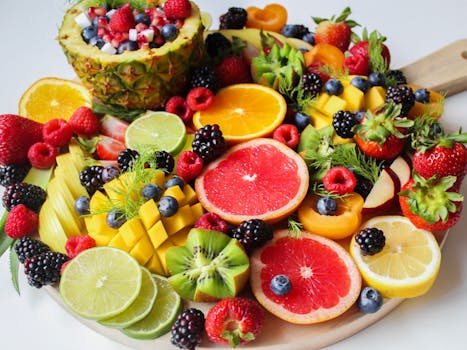
- Fruits: Especially berries (blueberries, strawberries, raspberries), cherries, oranges, apples, pomegranates, and grapes. They are rich in antioxidants and anthocyanins.
- Vegetables: Aim for a rainbow! Leafy greens (spinach, kale, collards), cruciferous vegetables (broccoli, cauliflower, Brussels sprouts), bell peppers, tomatoes, and sweet potatoes are excellent choices.
- Healthy Fats:
- Extra Virgin Olive Oil: A cornerstone of the Mediterranean diet, rich in monounsaturated fats and oleocanthal, which acts similarly to ibuprofen.
- Avocados: High in monounsaturated fats, fiber, and potassium.
- Nuts and Seeds: Walnuts, almonds, chia seeds, flax seeds, and hemp seeds provide healthy fats, fiber, and antioxidants.
- Omega-3 Rich Foods:
- Fatty Fish: Salmon, mackerel, sardines, and tuna are excellent sources of EPA and DHA, powerful anti-inflammatory omega-3 fatty acids. Aim for 2-3 servings per week.
- Whole Grains: Oats, quinoa, brown rice, barley, and whole-wheat bread/pasta (in moderation). Their fiber content helps regulate blood sugar and supports gut health.
- Legumes: Beans (black beans, kidney beans, chickpeas), lentils, and peas are packed with fiber, protein, and various anti-inflammatory compounds.
- Herbs and Spices:
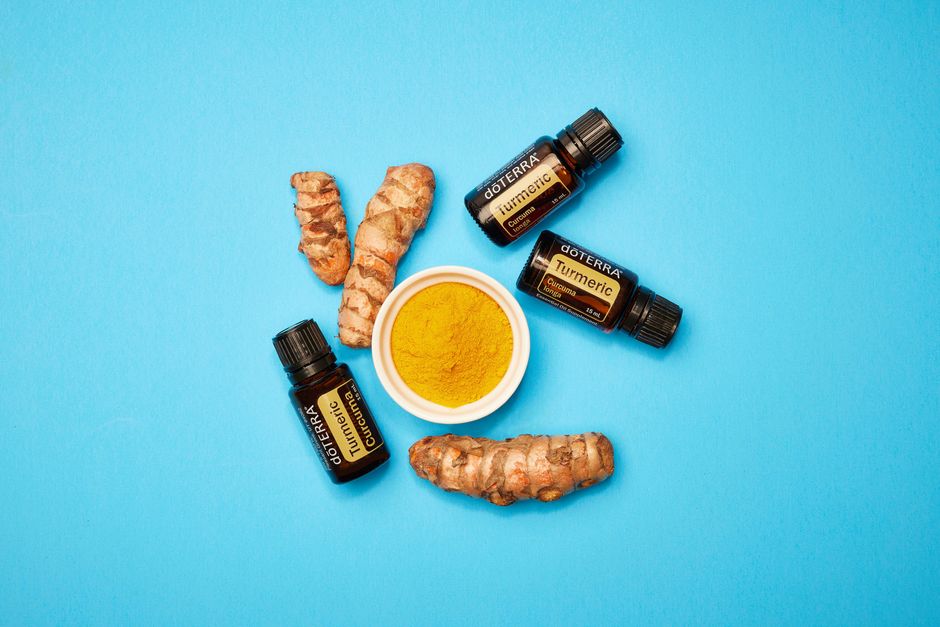
- Turmeric: Contains curcumin, a potent anti-inflammatory compound. Best absorbed with black pepper.
- Ginger: Known for its anti-inflammatory and digestive benefits.
- Garlic: Contains sulfur compounds that help reduce inflammation.
- Cinnamon, Rosemary, Thyme, Oregano: All possess antioxidant and anti-inflammatory properties.
- Lean Proteins: Skinless chicken, turkey, and plant-based proteins like tofu and tempeh.
- Beverages: Green tea (rich in EGCG, a powerful antioxidant), water, and herbal teas.
Foods to Limit or Avoid: The Inflammatory Triggers
Just as important as knowing what to eat is understanding what to reduce or eliminate to minimize inflammatory responses in your body:
- Processed Foods: Foods high in artificial ingredients, preservatives, and unhealthy fats. Think packaged snacks, fast food, and ready meals.
- Refined Carbohydrates: White bread, white pasta, white rice, pastries, and most breakfast cereals. These rapidly spike blood sugar, which can trigger inflammation.
- Sugary Drinks: Sodas, fruit juices (with added sugar), and sweetened teas. High sugar intake is a major driver of inflammation.
- Unhealthy Fats:
- Trans Fats: Found in some fried foods, baked goods, and margarine. Always check labels for “partially hydrogenated oil.”
- Excessive Omega-6 Fatty Acids: While some omega-6s are essential, an imbalance with omega-3s can promote inflammation. Common sources include corn oil, soybean oil, sunflower oil, and many processed foods.
- Red and Processed Meats (in excess): While lean cuts of red meat can be part of a balanced diet in moderation, highly processed meats (bacon, sausage, hot dogs) and excessive consumption of red meat have been linked to increased inflammatory markers.
- Excessive Alcohol: Moderate alcohol consumption might have some benefits, but excessive intake is pro-inflammatory and can damage the liver.
Benefits Beyond Reduced Inflammation
While reducing inflammation is the primary goal, embracing this diet offers a cascade of additional health benefits that can profoundly improve your quality of life:
- Weight Management: By focusing on whole, unprocessed foods and reducing refined sugars and unhealthy fats, you naturally consume fewer calories and more fiber, leading to better satiety and sustainable weight loss or maintenance.
- Improved Digestion: The high fiber content from fruits, vegetables, and whole grains supports a healthy gut microbiome, leading to regular bowel movements and reduced digestive discomfort.
- Increased Energy Levels: Stabilized blood sugar, better nutrient absorption, and reduced systemic inflammation can lead to a noticeable boost in energy and reduction in fatigue.
- Enhanced Skin Health: Antioxidants protect skin cells from damage, while healthy fats contribute to skin hydration and elasticity, potentially leading to a clearer, more radiant complexion.
- Better Mood and Cognitive Function: The anti-inflammatory diet supports brain health, which can positively impact mood, focus, and memory. Omega-3 fatty acids, in particular, are crucial for brain function.
- Stronger Immune System: By reducing chronic inflammation, you allow your immune system to function more effectively, making you less susceptible to illness.
- Better Blood Sugar Control: The emphasis on complex carbohydrates, fiber, and healthy fats helps to prevent sharp spikes and crashes in blood sugar, which is beneficial for everyone, especially those at risk of or managing diabetes.
- Improved Heart Health: A diet rich in healthy fats, fiber, and antioxidants helps lower bad cholesterol, reduce blood pressure, and improve overall cardiovascular function.
Getting Started: An Anti-Inflammatory Diet for Beginners
Embarking on a new eating plan can feel daunting, but remember, every expert was once a beginner. The key to success with an anti-inflammatory diet is to approach it with a positive mindset, make gradual changes, and focus on progress, not perfection.
Mindset and Gradual Changes
Don’t feel pressured to overhaul your entire diet overnight. Small, consistent changes are far more sustainable than drastic ones. Start by incorporating one new anti-inflammatory food into your daily routine, or swap out one inflammatory food for a healthier alternative. For example:
- Swap sugary soda for water with lemon or cucumber.
- Replace white bread with whole-grain options.
- Add a handful of berries to your breakfast.
- Use olive oil instead of vegetable oil for cooking.
Listen to your body, observe how you feel, and celebrate every positive change you make.
Kitchen Clean-Up and Stocking Your Pantry
A great first step is to “detox” your pantry and fridge. Remove tempting processed snacks, sugary drinks, and anything with trans fats. Then, stock up on the good stuff:
- Oils: Extra virgin olive oil, avocado oil.
- Vinegars: Apple cider vinegar, balsamic vinegar.
- Herbs & Spices: Turmeric, ginger, garlic powder, cinnamon, oregano, rosemary, black pepper.
- Grains: Quinoa, brown rice, rolled oats, whole-wheat pasta (optional, in moderation).
- Legumes (canned or dried): Chickpeas, black beans, lentils.
- Nuts & Seeds: Almonds, walnuts, chia seeds, flax seeds, hemp seeds.
- Canned Fish: Salmon, sardines (packed in water or olive oil).
- Frozen Produce: Berries, spinach, broccoli (great for quick additions).
- Fresh Produce: A variety of fruits and vegetables (see “Foods to Embrace” section).
- Proteins: Lean chicken breast, turkey, eggs, tofu, tempeh.
Hydration is Key
Don’t underestimate the power of water. Staying well-hydrated is crucial for all bodily functions, including flushing out toxins and supporting healthy inflammatory responses. Aim for at least 8 glasses of water a day. Herbal teas (like green tea, ginger tea, or chamomile tea) are also excellent choices.
Meal Prep Power
Meal prepping is a game-changer for maintaining an anti-inflammatory diet, especially for beginners. Dedicate a few hours on a weekend to:
- Chop vegetables: Prepare veggies for salads, stir-fries, or snacks.
- Cook grains: Make a big batch of quinoa or brown rice.
- Roast proteins: Cook chicken breasts or bake salmon fillets for quick meals during the week.
- Prepare dressings/sauces: Whisk up a healthy vinaigrette.
- Wash and store fruits: Have berries and grapes ready for snacking.
Having healthy options readily available dramatically increases your chances of sticking to your plan and reduces the temptation to grab inflammatory convenience foods.
Your 7-Day Anti-Inflammatory Meal Plan for Beginners
This meal plan is designed to be a template, offering delicious, easy-to-prepare meals that incorporate key anti-inflammatory foods. Feel free to adjust portion sizes based on your individual needs and activity levels. Remember to stay hydrated throughout the day by drinking plenty of water and herbal teas.
General Notes for the Plan:
- Flexibility: This is a guide, not a strict rulebook. Swap meals between days if you prefer, or repeat favorites.
- Portion Sizes: Adjust to your hunger and energy needs. Listen to your body.
- Cooking Oils: Use extra virgin olive oil or avocado oil for cooking and dressings.
- Seasoning: Liberally use anti-inflammatory spices like turmeric, ginger, garlic, and black pepper.
- Snacks: Choose from the snack ideas provided below, or refer back to the “Foods to Embrace” section.
Day 1
- Breakfast: Oatmeal with Berries and Nuts
- 1/2 cup rolled oats cooked with water or unsweetened almond milk.
- Top with 1/2 cup mixed berries (fresh or frozen) and a tablespoon of chopped walnuts or chia seeds.
- A sprinkle of cinnamon.
- Lunch: Large Mixed Green Salad with Grilled Chicken
- Mixed greens (spinach, kale, romaine).
- Plenty of non-starchy vegetables: cucumber, bell peppers, cherry tomatoes, shredded carrots.
- 4 oz grilled chicken breast (pre-cooked from meal prep).
- 1/4 avocado, sliced.
- Dressing: 2 tbsp extra virgin olive oil, 1 tbsp apple cider vinegar, Dijon mustard, salt, pepper.
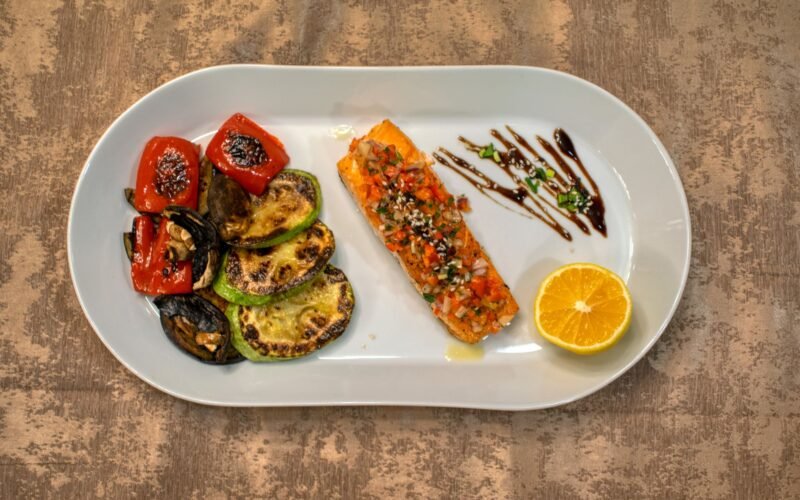
- Dinner: Baked Salmon with Roasted Broccoli and Quinoa
- 4-5 oz baked salmon fillet (seasoned with lemon, dill, salt, pepper).
- 1 cup roasted broccoli florets (tossed with olive oil, garlic powder, salt, pepper).
- 1/2 cup cooked quinoa.
- Snack: Handful of almonds and an apple.
Day 2
- Breakfast: Green Smoothie
- 1 cup unsweetened almond milk.
- 1 scoop plant-based protein powder (optional).
- 1 cup spinach.
- 1/2 banana.
- 1/4 cup mixed berries.
- 1 tbsp chia seeds. Blend until smooth.
- Lunch: Leftover Baked Salmon with Roasted Broccoli and Quinoa.
- Dinner: Chicken and Vegetable Stir-Fry
- 4 oz chicken breast, sliced.
- Stir-fry vegetables: broccoli, bell peppers, snap peas, carrots, mushrooms.
- Sauce: low-sodium soy sauce (or tamari), ginger, garlic, a touch of honey (optional).
- Serve over 1/2 cup brown rice.
- Snack: Greek yogurt (plain, unsweetened) with a few berries.
Day 3
- Breakfast: Scrambled Eggs with Spinach and Avocado
- 2 scrambled eggs (cooked in olive oil).
- 1 cup wilted spinach.
- 1/4 avocado, sliced.
- Season with turmeric, salt, and pepper.
- Lunch: Large Mixed Green Salad with Black Beans and Corn
- Mixed greens.
- 1/2 cup black beans (rinsed).
- 1/4 cup corn (fresh or frozen).
- Bell peppers, red onion, cherry tomatoes.
- Dressing: lime juice, olive oil, cilantro, cumin, salt, pepper.
- Dinner: Lentil Soup with Whole-Grain Toast
- Hearty lentil soup (homemade with carrots, celery, onion, garlic, vegetable broth, and anti-inflammatory spices like turmeric and ginger).
- 1 slice whole-grain toast (optional).
- Snack: Carrots and hummus.
Day 4
- Breakfast: Quinoa Porridge with Apple and Cinnamon
- 1/2 cup cooked quinoa (reheated).
- Top with 1/2 chopped apple, a sprinkle of cinnamon, and a tablespoon of flax seeds.
- Add a splash of unsweetened almond milk if desired.
- Lunch: Leftover Lentil Soup.
- Dinner: Turkey and Vegetable Skewers
- Cubes of turkey breast threaded onto skewers with bell peppers, cherry tomatoes, zucchini, and red onion.
- Brush with olive oil and herbs (oregano, thyme).
- Grill or bake until turkey is cooked through.
- Serve with a side of mixed greens.
- Snack: Orange and a small handful of walnuts.
Day 5
- Breakfast: Chia Seed Pudding
- Mix 3 tbsp chia seeds with 1 cup unsweetened almond milk and 1/2 tsp vanilla extract.
- Let sit overnight in the fridge.
- Top with mixed berries and a sprinkle of unsweetened coconut flakes.
- Lunch: Large Mixed Green Salad with Turkey (from skewers)
- Mixed greens with various chopped vegetables.
- Add leftover turkey from Day 4 skewers.
- Dressing: lemon juice, olive oil, salt, pepper.
- Dinner: Chickpea Curry with Brown Rice
- Homemade curry with chickpeas, spinach, diced tomatoes, coconut milk, and spices (turmeric, cumin, coriander, ginger, garlic).
- Serve over 1/2 cup brown rice.
- Snack: Edamame (steamed).
Day 6
- Breakfast: Tofu Scramble with Turmeric
- 1/2 block firm tofu, crumbled.
- Sauté with onion, bell peppers, spinach, and a generous pinch of turmeric for color and flavor.
- Season with black salt (kala namak) for an eggy flavor (optional), salt, and pepper.
- Lunch: Leftover Chickpea Curry with Brown Rice.
- Dinner: Baked Cod with Asparagus and Sweet Potato
- 4-5 oz cod fillet, baked with lemon, garlic, and olive oil.
- 1 cup roasted asparagus (tossed with olive oil, salt, pepper).
- 1 medium baked sweet potato.
- Snack: A handful of grapes and a tablespoon of pumpkin seeds.
Day 7
- Breakfast: Smoothie Bowl
- Blend 1 cup frozen mixed berries, 1/2 banana, 1 cup spinach, and 1/2 cup unsweetened almond milk until thick.
- Pour into a bowl and top with 1 tbsp granola (low sugar), 1 tbsp chia seeds, and fresh fruit slices.
- Lunch: Large Mixed Green Salad with Baked Cod (leftovers from Day 6)
- Mixed greens, cucumber, tomatoes, shredded carrots.
- Flaked baked cod.
- Dressing: balsamic vinaigrette (olive oil, balsamic vinegar, Dijon, salt, pepper).
- Dinner: Lean Beef (Grass-Fed, in moderation) with Mixed Roasted Vegetables
- 3-4 oz grass-fed lean beef (e.g., sirloin), grilled or pan-seared.
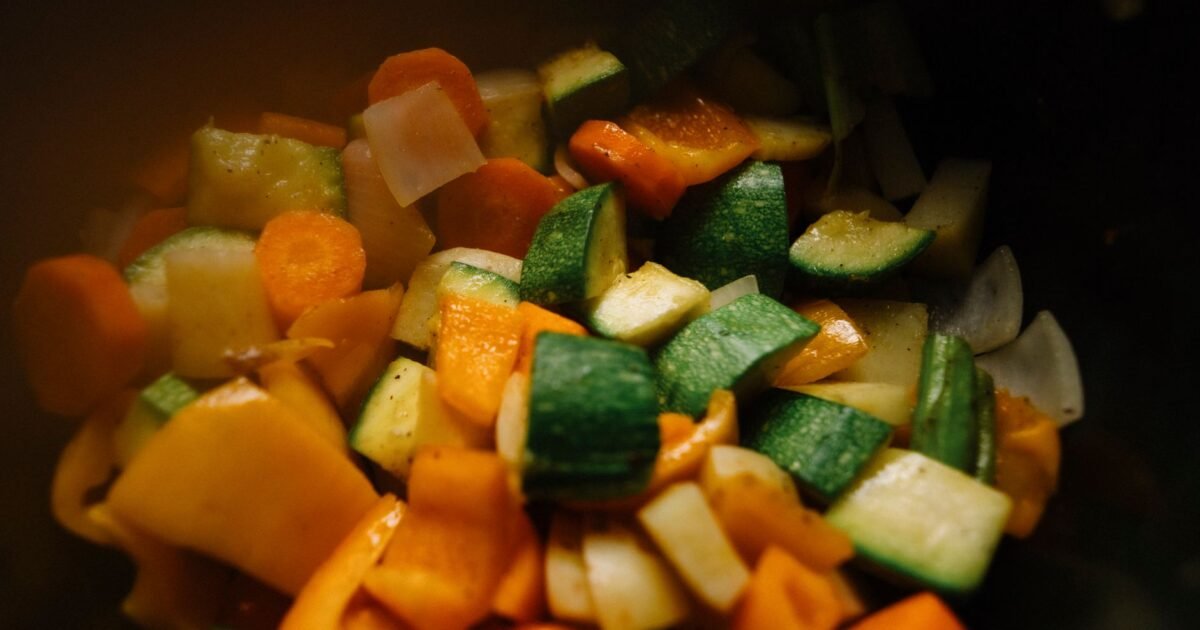
- A generous portion of roasted vegetables: Brussels sprouts, carrots, bell peppers, zucchini (tossed with olive oil, garlic, rosemary, salt, pepper).
- Snack: Rice cakes with avocado and a pinch of red pepper flakes.
Delicious Anti-Inflammatory Snack Ideas
Snacks are crucial for keeping your energy stable and preventing overeating at main meals. Here are some easy, anti-inflammatory snack options:
- A handful of mixed nuts (almonds, walnuts) and seeds (pumpkin, sunflower).
- Fresh fruit (apple, pear, orange, banana, berries).
- Vegetable sticks (carrots, celery, cucumber, bell peppers) with hummus or guacamole.
- Plain Greek yogurt (unsweetened) with a few berries and a sprinkle of cinnamon.
- Hard-boiled eggs.
- Edamame (steamed or roasted).
- Rice cakes topped with avocado or almond butter (check for no added sugar).
- Green tea or herbal tea.
- A small serving of olives.
- Homemade trail mix (nuts, seeds, unsweetened dried fruit).
Beyond the Plate: Lifestyle Factors for Inflammation Control
While diet is a powerful tool, it’s part of a larger picture. For comprehensive inflammation management, consider these lifestyle factors:
Stress Management
Chronic stress triggers the release of hormones like cortisol, which, in excess, can fuel inflammation. Incorporating stress-reducing practices into your daily routine is vital:
- Mindfulness and Meditation: Even 10-15 minutes a day can make a difference.
- Yoga or Tai Chi: Combine gentle movement with breathwork.
- Deep Breathing Exercises: Simple techniques to calm the nervous system.
- Spending Time in Nature: Connect with the outdoors to reduce stress.
- Hobbies and Relaxation: Engage in activities you enjoy that help you unwind.
Regular Physical Activity
Moderate, consistent exercise is a potent anti-inflammatory agent. It helps reduce inflammatory markers, improve circulation, and maintain a healthy weight. Aim for at least 150 minutes of moderate-intensity aerobic activity or 75 minutes of vigorous-intensity activity per week, along with strength training twice a week.
- Walking: A simple, effective way to get moving.
- Swimming: Gentle on joints, great for cardiovascular health.
- Cycling: Indoors or outdoors.
- Strength Training: Builds muscle, boosts metabolism.
Listen to your body and choose activities you enjoy to ensure long-term adherence.
Quality Sleep
Sleep is when your body repairs and regenerates. Chronic sleep deprivation can increase inflammatory markers and disrupt hormone balance. Aim for 7-9 hours of quality sleep per night. Tips for better sleep:
- Maintain a Consistent Sleep Schedule: Go to bed and wake up at the same time, even on weekends.
- Create a Relaxing Bedtime Routine: A warm bath, reading, or gentle stretching.
- Optimize Your Sleep Environment: Keep your bedroom dark, quiet, and cool.
- Limit Screen Time Before Bed: The blue light from devices can interfere with melatonin production.
- Avoid Caffeine and Heavy Meals Late in the Evening.
Frequently Asked Questions (FAQs)
As you embark on your anti-inflammatory diet journey, you might have some questions. Here are answers to common concerns:
How long until I see results?
Results vary from person to person. Some individuals report feeling better, having more energy, and experiencing reduced pain within a few weeks. Others might take a few months to notice significant changes, especially if they are managing long-standing chronic conditions. Consistency is key. Stick with the diet for at least 4-6 weeks before assessing its full impact.
Is this diet expensive?
It doesn’t have to be. While some organic produce or wild-caught fish can be pricier, there are many budget-friendly options. Focus on:
- Seasonal Produce: Often cheaper and more flavorful.
- Frozen Fruits and Vegetables: Just as nutritious and often more affordable.
- Legumes and Grains: Dried beans and lentils are very inexpensive sources of protein and fiber.
- Batch Cooking: Buying in bulk and cooking larger quantities can save money.
- Less Meat, More Plants: Reducing meat consumption can significantly cut down grocery bills.
Can I still eat out?
Yes, but with mindful choices. Look for restaurants that offer:
- Grilled or Baked Proteins: Fish, chicken, or plant-based options.
- Plenty of Vegetables: Ask for extra steamed or roasted veggies instead of fries.
- Salads: Opt for vinaigrette dressings on the side.
- Avoid Fried Foods, Creamy Sauces, and Sugary Drinks.
- Don’t be afraid to ask for modifications!
What if I have specific dietary restrictions or allergies?
Photo by Fernando Capetillo on Pexels