Healthy Meal Prep for the Week: Your Ultimate Guide to Fueling Success
Are you tired of the daily struggle to make healthy food choices? Do you often find yourself grabbing unhealthy takeout because you’re short on time and energy? If so, you’re not alone. In our fast-paced world, maintaining a nutritious diet can feel like an uphill battle. But what if there was a simple, effective strategy to take control of your plate, fuel your body consistently, and accelerate your health and fitness goals? Enter healthy meal prep for the week.
At GetLeanPulse.com, we understand that achieving your desired physique and optimal health requires more than just intense workouts; it demands consistent, smart nutrition. Healthy meal prep isn’t just a trend; it’s a transformative lifestyle habit that empowers you to eat better, save time and money, reduce stress, and ultimately, reach your leanest, healthiest self. This comprehensive guide will walk you through every step of the process, from strategic planning to delicious execution, ensuring your week is packed with nutritious, satisfying meals.
The Unbeatable Benefits of Healthy Meal Prepping
Before we dive into the ‘how-to,’ let’s solidify the ‘why.’ Understanding the profound advantages of healthy meal prep will serve as your motivation to integrate this powerful practice into your routine. It’s more than just preparing food; it’s an investment in your well-being.
Reaching Your Health & Fitness Goals Faster
One of the primary reasons individuals embrace healthy meal prep is its undeniable impact on health and fitness outcomes. Whether your goal is weight loss, muscle gain, improved energy, or overall wellness, meal prep acts as your secret weapon.
- Weight Management Through Portion Control: When you prep your meals, you take the guesswork out of serving sizes. You can accurately measure ingredients and portions, ensuring you stay within your calorie and macronutrient targets. This eliminates the temptation to overeat and makes sticking to a calorie deficit for weight loss, or a surplus for muscle gain, significantly easier. No more oversized restaurant portions or mindless snacking!
- Nutrient Optimization: Meal prepping allows you to consciously select nutrient-dense ingredients. You can ensure a balanced intake of lean proteins, complex carbohydrates, healthy fats, and a rainbow of vitamins and minerals from fruits and vegetables. This prevents nutrient deficiencies and provides your body with the fuel it needs to perform at its best, recover efficiently, and thrive.
- Consistent Energy Levels: Skipping meals or relying on processed snacks leads to energy crashes and sugar spikes. Prepped meals provide a steady supply of nutrients, stabilizing blood sugar levels and ensuring sustained energy throughout your day. Say goodbye to the afternoon slump and hello to enhanced productivity and focus.
- Supporting Muscle Growth and Recovery: For those focused on fitness, consistent protein intake is crucial for muscle repair and growth. Meal prep ensures you have protein-rich meals ready after workouts, optimizing your recovery and maximizing your gains. It also allows for strategic carbohydrate timing to refuel glycogen stores.
Saving Time, Money & Reducing Stress
Beyond the direct health benefits, meal prepping offers substantial practical advantages that simplify your daily life.
- Unparalleled Efficiency in the Kitchen: Imagine cooking once or twice a week instead of daily. By batch cooking and performing all your chopping and cooking tasks in one dedicated session, you dramatically reduce the total time spent in the kitchen. This frees up precious hours during your busy week for work, hobbies, or relaxation.
- Fewer Impulse Buys and Takeaways: The biggest drain on both your wallet and your waistline is often last-minute food decisions. With healthy, delicious meals ready to eat, you’re far less likely to succumb to the convenience of expensive, often unhealthy, restaurant or fast-food options. This translates to significant savings over time.
- Less Decision Fatigue: What’s for dinner? What should I pack for lunch? These daily questions can be surprisingly draining. Meal prep eliminates this mental load, allowing you to allocate your cognitive energy to more important tasks. Your meals are decided, prepared, and waiting.
- Reduced Food Waste: By planning your meals and grocery list strategically, you buy exactly what you need. This minimizes spoilage and ensures that ingredients are utilized efficiently, further saving you money and contributing to a more sustainable lifestyle.
Cultivating Mindful Eating Habits
Healthy meal prep is not just about the food; it’s about fostering a healthier relationship with food and your body.
- Awareness of Ingredients: When you cook your own meals, you know exactly what goes into them. You control the quality of ingredients, the amount of salt, sugar, and unhealthy fats, empowering you to make cleaner, more informed choices.
- Breaking Bad Habits: The convenience of prepped meals makes it easier to resist temptations like vending machine snacks or sugary treats. It helps you consistently choose the healthier option, gradually rewiring your eating habits for the better.
- Establishing Routine and Discipline: Meal prep instills a sense of routine and discipline around your eating. This consistency is a cornerstone of sustainable healthy living, helping you build momentum towards your long-term wellness goals.
Phase 1: Planning Your Healthy Meal Prep Strategy
The success of your meal prep journey hinges on meticulous planning. Think of it as mapping out your culinary week to ensure every meal serves your goals.
Assess Your Goals & Dietary Needs
Before you even think about recipes, clarify what you’re trying to achieve and what your body needs.
- Define Your Objective: Are you aiming for weight loss, muscle gain, improved endurance, or simply a healthier general diet? Your goal will dictate your macronutrient ratios (protein, carbs, fats) and calorie targets. For weight loss, focus on lean protein, abundant vegetables, and controlled portions of complex carbs and healthy fats. For muscle gain, increase protein and complex carbohydrate intake.
- Consider Dietary Restrictions or Preferences: Are you vegetarian, vegan, gluten-free, dairy-free, or do you have any allergies? Ensure your chosen recipes align with these requirements. There are countless healthy meal prep options available for every dietary need.
- Calculate Your Macros (Optional, but Recommended for Specific Goals): For precise results, especially with weight loss or muscle gain, use an online calculator to estimate your daily caloric needs and macronutrient breakdown. This will guide your portioning and recipe selection.
Choose Your Meal Prep Style
There’s no one-size-fits-all approach to meal prep. Find the style that best suits your lifestyle and preferences.
- Full Meal Prep: This involves preparing complete, ready-to-eat meals for several days. This is ideal for those who want maximum convenience and minimal thinking during the week. Each container holds a balanced breakfast, lunch, or dinner.
- Component Prep: Cook individual components (e.g., roasted chicken, steamed brown rice, mixed roasted vegetables) separately. During the week, you mix and match these components to create different meals. This offers more variety and flexibility, reducing meal boredom.
- Batch Cooking: Prepare a large quantity of one specific dish (e.g., a big pot of chili, a large lasagna, a huge batch of lentil soup) that can be eaten over several days or frozen in individual portions. Great for busy individuals who want to cook less often.
- “Grab-and-Go” Items: Focus on prepping snacks, breakfasts (like overnight oats), or simple lunches that are quick to assemble. This is a great starting point for beginners or those who only want to prep a few meals.
Select Recipes & Build Your Menu
This is where the deliciousness begins! Aim for a balance of variety and simplicity.
- Variety vs. Simplicity: If you’re new to meal prep, start with 2-3 simple, repeatable recipes you enjoy. As you gain confidence, gradually introduce more variety. Don’t feel pressured to cook 21 different meals for the week. Repeating meals is perfectly fine and efficient.
- Ingredient Overlap: Choose recipes that share common ingredients. For example, if you’re buying a large bag of spinach, plan to use it in your breakfast smoothie, lunch salad, and dinner stir-fry. This reduces food waste and simplifies your grocery shopping.
- Seasonal Produce: Incorporate seasonal fruits and vegetables. They are often fresher, more flavorful, and more cost-effective.
- GetLeanPulse.com Recipe Suggestions: Look for lean protein sources (chicken breast, fish, lean ground turkey, tofu), complex carbohydrates (quinoa, brown rice, sweet potatoes, whole-wheat pasta), and plenty of non-starchy vegetables (broccoli, bell peppers, zucchini, spinach). Think about meals that reheat well or can be eaten cold.
- Plan for All Meals (or just the ones you struggle with): Decide if you’re prepping breakfast, lunch, dinner, or a combination. Many people start by prepping lunches and then expand to other meals as they get comfortable.
Inventory & Grocery List Creation
This critical step ensures you don’t overbuy or forget essential items.
- Check Your Pantry and Fridge First: Before heading to the store, take stock of what you already have. Cross off items from your recipe ingredient list that you already possess. This saves money and prevents unnecessary purchases.
- Organize Your Grocery List: Group items by category (produce, dairy, meat, pantry staples, frozen) to make your shopping trip more efficient and quicker. Stick to your list to avoid impulse buys.
Phase 2: Mastering the Art of Execution (The Prep Day!)
With your plan in hand, it’s time to transform raw ingredients into a week’s worth of healthy, delicious meals. Dedicate 2-4 hours on a designated prep day (often Sunday) to get everything done.
Essential Tools & Equipment
Having the right tools makes the process smoother and more enjoyable.
- Quality Meal Prep Containers: Invest in airtight, leak-proof containers. Glass containers are excellent for reheating and durability, while BPA-free plastic can be lighter for transport. Ensure they are microwave and dishwasher safe. Different sizes are useful for various meals or components.
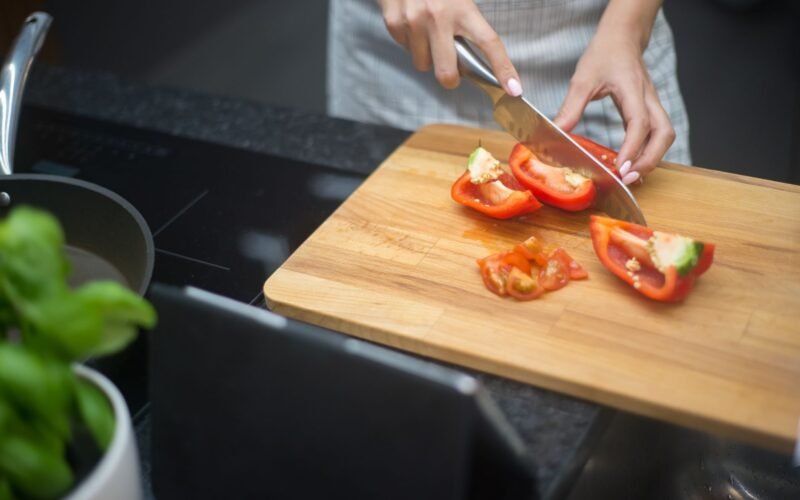
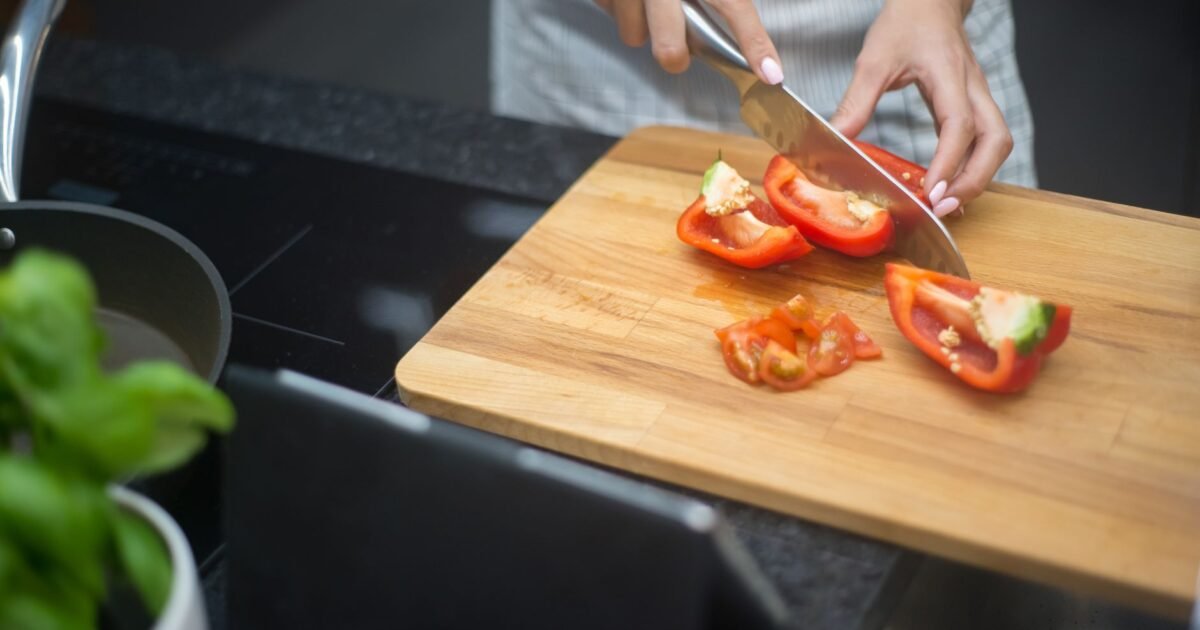
- Sharp Knives and Cutting Boards: Essential for efficient and safe chopping. Have separate boards for raw meat and produce to prevent cross-contamination.
- Large Pots and Pans: For batch cooking grains, steaming vegetables, or searing proteins.
- Sheet Pans: Ideal for roasting multiple vegetables and proteins simultaneously (sheet pan meals!).
- Measuring Cups and Spoons: Crucial for accurate portioning and calorie control.
- Food Processor/Blender (Optional but Helpful): For chopping large quantities of vegetables, making sauces, or blending smoothies/soups.
- Slow Cooker/Instant Pot/Air Fryer (Optional): These appliances can be huge time-savers, allowing you to cook hands-free while you focus on other tasks.
Strategic Prep Day Workflow
A systematic approach will ensure you maximize your time and minimize stress. Think of it like an assembly line.
- Step 1: Clean & Clear Your Kitchen: A tidy workspace is an efficient workspace. Clear your countertops, get out your tools, and put on some motivating music or a podcast.
- Step 2: Wash & Chop All Vegetables: This is often the most time-consuming part. Wash, peel, and chop all your vegetables for the week in one go. Store them in separate containers or bags if they’re not being cooked immediately.
- Step 3: Cook Proteins: Get your proteins cooking first, as they often take the longest.
- Baking/Roasting: Chicken breasts, fish fillets, or tofu can be seasoned and baked together on sheet pans.
- Grilling: Grill chicken, steak, or vegetable skewers.
- Slow Cooking/Instant Pot: Prepare shredded chicken, pulled pork, or stews with minimal effort.
- Searing: Cook ground turkey or lean beef for taco bowls or pasta sauces.
- Step 4: Cook Complex Carbohydrates: While proteins are cooking, start on your grains and starches.
- Batch cook quinoa, brown rice, farro, or couscous.
- Roast or bake sweet potatoes or regular potatoes.
- Boil a large pot of whole-wheat pasta.
- Step 5: Prepare Remaining Vegetables: While grains and proteins are finishing, focus on vegetables that need less cooking time or are eaten raw.
- Roast or steam vegetables (broccoli, asparagus, bell peppers).
- Prepare large salads or salad components (lettuce, cucumber, tomatoes).
- Step 6: Assemble & Portion: Once everything is cooked and slightly cooled (but still warm enough to prevent condensation), begin assembling your meals into individual containers. This is where portion control comes into play. Use a food scale if you’re tracking macros precisely.
- Step 7: Cool & Store Properly: This is crucial for food safety. Allow meals to cool completely on the countertop (no more than 2 hours) before sealing and placing them in the refrigerator or freezer. Storing warm food directly in the fridge can raise the internal temperature of the fridge, potentially spoiling other foods.
Time-Saving Hacks & Smart Techniques
Even seasoned preppers have tricks up their sleeves.
- Multi-tasking is Key: While chicken bakes, rice cooks, and vegetables roast, you can be chopping the next set of ingredients or washing dishes. Overlap cooking times whenever possible.
- Utilize Your Appliances: Don’t let your slow cooker, Instant Pot, or air fryer gather dust. They can dramatically cut down active cooking time. For example, cook a whole chicken in the Instant Pot while you chop vegetables for other meals.
- Buy Pre-Chopped (Judiciously): If you’re truly pressed for time, don’t be afraid to buy pre-chopped vegetables or pre-cooked grains. While slightly more expensive, the time saved might be worth it.
- Freezing Components: If you cook a very large batch of protein or grains, freeze half of it in individual portions. This extends your prep and can serve as a backup for future weeks.
- Prepare Dressings and Sauces Separately: For salads or bowls, prepare dressings and sauces in small separate containers. Add them just before eating to prevent sogginess.
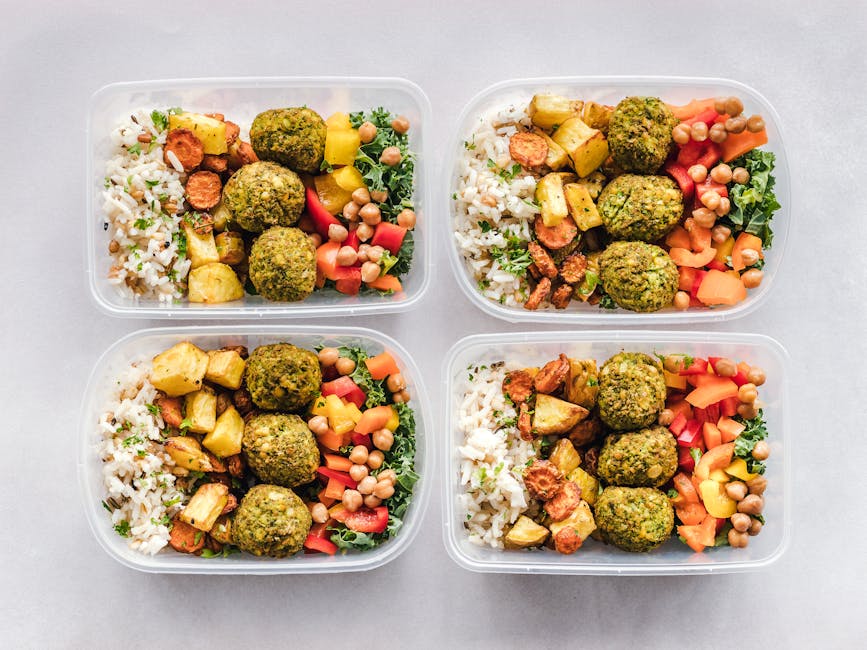
Phase 3: Healthy Meal Prep Recipe Ideas & Inspiration
Now that you’re armed with the planning and execution strategies, let’s explore some delicious and versatile healthy meal prep ideas that will keep you excited about your food all week long. Remember, these are ideas; feel free to adapt them to your taste and dietary needs.
Breakfast Power-Ups
Start your day strong with these make-ahead breakfast options.
- Overnight Oats (Multiple Variations): Combine rolled oats, milk (dairy or non-dairy), chia seeds, and your choice of protein powder or Greek yogurt in a jar. Refrigerate overnight. In the morning, add toppings like fresh berries, sliced banana, nuts, seeds, or a drizzle of honey/maple syrup. Endless flavor combinations!
- Egg Muffins/Frittatas: Whisk eggs with your favorite chopped vegetables (spinach, bell peppers, onions), a lean protein (diced ham, cooked turkey sausage), and a sprinkle of cheese. Pour into muffin tins and bake until set. These are perfect grab-and-go protein-packed breakfasts that can be reheated or eaten cold.
- Breakfast Burrito Bowls: Cook a batch of scrambled eggs, lean ground turkey or black beans, and roasted sweet potatoes. Portion these components into containers. In the morning, add salsa, avocado, or a sprinkle of cilantro for a satisfying, savory breakfast.
Lean & Mean Lunches
Say goodbye to sad desk lunches with these nutrient-dense options.
- Salad Jars (Layering Technique): This is a game-changer for fresh salads. Layer dressing at the bottom, followed by hard vegetables (carrots, bell peppers), grains/beans, protein (grilled chicken, chickpeas), softer vegetables (cucumber, tomatoes), and finally, greens on top. When ready to eat, simply shake the jar into a bowl.
- Grain Bowls (Quinoa, Roasted Veggies, Protein): A highly customizable and versatile option. Prep a base of quinoa or brown rice, roast a variety of vegetables (broccoli, zucchini, sweet potato), and cook a lean protein (baked chicken, roasted salmon, or lentils). Assemble into bowls with a healthy dressing (tahini, lemon vinaigrette) or a dollop of hummus.
- Chicken & Veggie Stir-fry: Cook a large batch of stir-fry with lean chicken breast or tofu and plenty of colorful vegetables (broccoli, carrots, snap peas, bell peppers) in a light soy or ginger sauce. Serve with a side of brown rice or cauliflower rice for a lower-carb option. Reheats beautifully.
- Leftover Reinvention: Don’t forget that dinner can often be lunch! Plan dinners that yield extra portions suitable for lunch the next day. This is the ultimate efficiency hack.
Satisfying Dinners
Healthy dinners don’t have to be complicated or time-consuming on a weeknight.
- Sheet Pan Meals (Protein + Veggies): The ultimate easy cleanup meal. Toss chicken sausage, diced chicken, or firm tofu with chopped vegetables (broccoli, bell peppers, onions, cherry tomatoes) and your favorite spices and a drizzle of olive oil. Roast on a single sheet pan until cooked through. Divide into containers.
- Chili/Stew/Soup (Batch Cooking): A large pot of healthy chili (lean ground turkey or vegetarian), lentil soup, or vegetable stew is perfect for batch cooking. These meals often taste even better the next day and freeze exceptionally well. Portion into containers for easy grab-and-reheat dinners.
- Baked Salmon with Asparagus: Salmon is a fantastic source of omega-3s. Bake salmon fillets with a side of asparagus or green beans. Season with lemon, dill, and a touch of garlic. This is a quick and elegant meal prep option.
- Lean Ground Turkey & Sweet Potato Bowls: Cook seasoned ground turkey and roast diced sweet potatoes. Add a side of steamed green beans or a simple side salad. A classic combination that’s balanced and delicious.
Smart Snacks
Don’t let hunger derail your healthy eating between meals.
- Hummus & Veggies: Portion out hummus with pre-cut carrots, celery sticks, cucumber slices, or bell pepper strips.
- Greek Yogurt with Berries & Nuts: High in protein and probiotics. Portion plain Greek yogurt and add a side of mixed berries and a small handful of almonds or walnuts.
- Hard-Boiled Eggs: Cook a batch of hard-boiled eggs for a quick, portable protein source.
- Homemade Protein Bites: Blend oats, protein powder, nut butter, honey, and a touch of chocolate chips. Roll into balls and refrigerate.
Ensuring Food Safety & Longevity
While meal prepping is incredibly convenient, proper food handling and storage are paramount to prevent foodborne illness and ensure your meals stay fresh and delicious throughout the week.
Proper Cooling & Storage
- Rapid Cooling is Critical: Cooked food should be cooled as quickly as possible. Divide large batches into smaller, shallow containers to help them cool faster. Aim to get food into the refrigerator within two hours of cooking. Never put hot food directly into a deep refrigerator container, as it can create a warm environment that encourages bacterial growth.
- Airtight Containers: Always use airtight containers to store your prepped meals. This prevents contamination, keeps food fresh, and minimizes odor transfer in your fridge.
- Refrigeration Guidelines: Most properly stored, cooked meals are safe to eat for 3-4 days when refrigerated at or below 40°F (4°C). If you’re prepping for a full week, plan to freeze some portions.
- Freezing Guidelines: Many meal prep items freeze beautifully for up to 2-3 months. Label your containers with the date and contents. Good candidates for freezing include chili, stews, soups, cooked grains, roasted vegetables (texture may change slightly), and cooked proteins. Thaw frozen meals in the refrigerator overnight before reheating.
Reheating Best Practices
- Heat to Proper Internal Temperature: When reheating, always ensure food reaches an internal temperature of 165°F (74°C) to kill any potential bacteria.
- Methods:
- Microwave: The quickest method. Stir food halfway through to ensure even heating.
- Oven: Best for items you want to crisp up, like roasted vegetables or sheet pan meals. Cover with foil to prevent drying out, then uncover for the last few minutes.
- Stovetop: Good for soups, stews, or stir-fries. Add a splash of broth or water if needed to prevent sticking.
- Do Not Reheat Multiple Times: Only reheat a portion once. If you don’t finish it, discard it.
Cross-Contamination Prevention
- Separate Cutting Boards and Utensils: Use one cutting board and knife for raw meats and another for fruits and vegetables. Thoroughly wash all utensils, cutting boards, and surfaces with hot, soapy water after contact with raw meat, poultry, or seafood.
- Hand Washing: Wash your hands thoroughly with soap and water before, during, and after handling food, especially raw ingredients.
Overcoming Common Meal Prep Challenges
Every new habit comes with its hurdles. Don’t let these common challenges deter you; with the right strategies, you can easily overcome them.
“It Takes Too Much Time!”
This is the most frequent complaint, but it’s often a perception issue or a lack of efficient strategy.
- Start Small: Don’t try to prep every single meal for the entire week on your first go. Start by prepping just your lunches, or a few easy breakfasts. Build up gradually.
- Optimize Your Workflow: As outlined in Phase 2, a systematic approach significantly cuts down active time. Batch cook similar items, multitask, and use appliances.
- Component Prep: If full meals feel too daunting, focus on cooking individual components (e.g., just protein and grains). This allows for quick assembly during the week.
- Designate a “Prep Day”: Treat your meal prep session like an appointment. Block out 2-3 hours on a weekend day and commit to it.
“I Get Bored of Eating the Same Food!”
Variety is the spice of life, and it can be incorporated into meal prep.
- Vary Seasonings and Sauces: Even if you’re eating the same base (e.g., chicken and rice), changing the seasoning or sauce can drastically alter the flavor profile. One day, use Mexican spices and salsa; another, try a lemon-herb marinade and a Greek yogurt dressing.
- Rotate Recipes: Build a repertoire of 5-7 go-to recipes that you genuinely enjoy. Rotate through these weekly or bi-weekly to prevent boredom.
- Component Prep for Mix-and-Match: This style is perfect for variety. Cook chicken, rice, and roasted veggies separately. On Monday, combine them with a peanut sauce. On Tuesday, use the same components with a salsa and avocado.
- Add Fresh Garnishes: A squeeze of fresh lime, a sprinkle of cilantro, fresh herbs, or a dollop of hot sauce added just before eating can elevate a prepped meal.
“I Don’t Know Where to Start!”
The sheer volume of information can be overwhelming for beginners.
- Pick One or Two Meals: Begin by prepping just one type of meal, like your lunches for the week. Once you master that, add breakfasts, then dinners.
- Follow a Simple Recipe: Choose a straightforward recipe with minimal ingredients and steps. Don’t aim for gourmet on your first try. Sheet pan meals or simple grain bowls are excellent starting points.
- Focus on Staples: Start with easy-to-prep staples: baked chicken breast, roasted sweet potatoes, and steamed broccoli. These are versatile and form the basis of many healthy meals.
“Food Goes Bad Before I Eat It!”
This is usually a food safety or planning issue.
- Proper Storage is Key: Revisit the food safety section. Rapid cooling, airtight containers, and correct refrigeration temperatures are non-negotiable.
- Freeze Portions: If you’re prepping for more than 4 days, plan to freeze some of your meals. This is especially effective for stews, chilis, and cooked grains.
- Plan for 3-4 Days at First: If you’re new, don’t try to prep for a full 7 days immediately. Start with 3-4 days of meals, and cook fresh for the remaining days until you get the hang of storage and consumption.
- Choose Resilient Foods: Some foods hold up better than others. Leafy greens can wilt quickly, so consider adding them fresh or packing them separately. Heartier vegetables and grains tend to fare better.
The GetLeanPulse.com Philosophy: Meal Prep for a Healthier You
At GetLeanPulse.com, we believe that sustainable health and fitness are built on consistent habits. Healthy meal prep is not just about eating clean; it’s about empowering yourself through proactive choices. It’s about respecting your body, valuing your time, and investing in your long-term well-being. When you consistently fuel your body with nutritious, well-portioned meals, you’re not just losing weight or gaining muscle; you’re building resilience, improving mental clarity, and cultivating a profound sense of self-
Photo by Kampus Production on Pexels