Low Carb Snacks for Weight Loss: The Ultimate Guide
In the quest for sustainable weight loss, many of us find ourselves navigating a minefield of conflicting advice, restrictive diets, and the ever-present challenge of hunger. Snacks, in particular, can be a double-edged sword: a convenient way to curb cravings and maintain energy, or a sneaky culprit adding unwanted calories and sabotaging progress. If you’ve embarked on a low-carb journey, or are considering one, understanding how to snack smartly is paramount.
At GetLeanPulse.com, we believe in empowering you with actionable, science-backed strategies for achieving your health goals. This comprehensive guide will demystify low-carb snacking, transforming it from a source of confusion into a powerful tool in your weight loss arsenal. We’ll explore why low-carb snacks are so effective, reveal the principles for choosing the best options, and provide an extensive list of delicious, easy-to-prepare ideas that will keep you satisfied, energized, and on track.
Forget the days of hunger pangs and sugary temptations. Get ready to discover how strategic, low-carb snacking can accelerate your weight loss, stabilize your blood sugar, and enhance your overall well-being. Let’s dive in!
The Power of Low-Carb Snacking for Weight Loss
Before we delve into specific snack ideas, it’s crucial to understand the fundamental benefits of a low-carb approach, especially when applied to your mid-meal munchies. It’s not just about cutting carbs; it’s about optimizing your body’s metabolism for fat burning and sustained energy.
Beyond Just Calories: Understanding Macronutrients
For decades, weight loss advice focused primarily on calorie restriction. While calories certainly matter, the type of calories—specifically, the macronutrient composition of your food—plays a profound role in how your body processes energy, stores fat, and signals hunger. Carbohydrates, especially refined ones, trigger a significant insulin response. Insulin is a fat-storage hormone. When insulin levels are consistently high, your body is signaled to store fat rather than burn it, and blood sugar levels tend to rollercoaster, leading to energy crashes and intense cravings.
Low-carb snacking, by contrast, minimizes this insulin spike. By choosing snacks rich in protein and healthy fats, you keep blood sugar levels stable, reducing the hormonal signals that promote fat storage. This shift allows your body to become more efficient at utilizing its own fat stores for energy, a metabolic state often referred to as becoming “fat-adapted.” This metabolic flexibility is a cornerstone of effective and sustainable weight loss.
The Satiety Factor: Feeling Full, Longer
One of the most frustrating aspects of dieting is persistent hunger. Low-carb snacks excel at promoting satiety, the feeling of fullness and satisfaction that prevents overeating and unnecessary calorie intake. Protein and healthy fats are the champions of satiety. Protein requires more energy to digest, and it triggers the release of cholecystokinin (CCK) and peptide YY (PYY), hormones that signal fullness to the brain. Fats, while calorie-dense, digest slowly and also contribute significantly to satiety, helping to keep hunger at bay for hours.
Imagine the difference between a handful of pretzels (mostly refined carbs) and a handful of almonds (healthy fats, protein, fiber). The pretzels might give you a quick energy burst, followed by a crash and renewed hunger soon after. The almonds, however, provide sustained energy and a lasting feeling of fullness, making it easier to stick to your dietary goals without constant battles against cravings.
Metabolic Advantages: Shifting to Fat-Burning Mode
When your diet is low in carbohydrates, your body’s primary fuel source shifts from glucose (sugar from carbs) to fat. This metabolic state, especially when carbs are very low, is known as ketosis, where the body produces ketones from fat to fuel the brain and body. Even if you’re not strictly following a ketogenic diet, a general low-carb approach encourages greater fat oxidation. This means your body is burning more fat, even at rest, making weight loss more efficient.
Reduced insulin spikes also have a direct impact on fat metabolism. Lower insulin levels allow fat cells to release their stored energy, making it available for your body to burn. This physiological advantage is a key reason why many individuals experience significant and sustained weight loss on a low-carb regimen.
Energy Levels and Mental Clarity
The blood sugar roller coaster caused by high-carb diets often manifests as energy slumps, brain fog, and irritability. By stabilizing blood sugar through low-carb snacking, you can experience more consistent energy levels throughout the day. This steady supply of energy, fueled by fats, can lead to improved focus, better mood regulation, and enhanced cognitive function. No more post-lunch crashes or afternoon slumps that have you reaching for another sugary pick-me-up.
Embracing low-carb snacks isn’t just about losing weight; it’s about optimizing your energy, mental clarity, and overall sense of well-being, creating a holistic approach to a healthier you.

Key Principles for Choosing Low-Carb Snacks
Navigating the world of low-carb snacks requires a discerning eye. Not all foods marketed as “healthy” or “diet-friendly” align with low-carb principles. Here’s what to look for:
1. Focus on Whole, Unprocessed Foods
The golden rule of any healthy eating plan, including low-carb, is to prioritize whole, unprocessed foods. These are foods that are as close to their natural state as possible. Think fresh vegetables, eggs, nuts, seeds, and quality meats. Avoid snacks laden with artificial ingredients, added sugars (which often hide under various names like corn syrup, dextrose, maltodextrin), and excessive preservatives. Processed foods often contain hidden carbs and inflammatory oils that can hinder weight loss.
2. Prioritize Protein
Protein is your best friend for weight loss. It helps preserve muscle mass (which is metabolically active and burns more calories), boosts satiety, and has a higher thermic effect of food (meaning your body burns more calories digesting it). Aim for snacks that provide a good source of lean protein to keep you full and support muscle repair and growth. Examples include eggs, cheese, Greek yogurt, or a handful of nuts.
3. Embrace Healthy Fats
In a low-carb diet, healthy fats become a primary energy source. They are crucial for satiety, hormone production, and the absorption of fat-soluble vitamins. Don’t shy away from natural fats found in avocados, olives, nuts, seeds, and full-fat dairy. These fats help you feel satisfied and provide sustained energy, preventing the need for frequent snacking.
4. Mind Your Carbs (Especially Net Carbs)
While the goal is low-carb, not all carbs are created equal. Focus on sources of carbohydrates that are high in fiber, such as non-starchy vegetables. Fiber is a type of carb that your body can’t digest, so it doesn’t raise blood sugar. Many low-carb eaters track “net carbs,” which is total carbohydrates minus fiber. This gives a more accurate picture of the carbs that impact blood sugar. Always check nutrition labels for total carbs and fiber content, and be wary of products that claim to be “low-carb” but are full of sugar alcohols that can cause digestive upset or still impact blood sugar for some individuals.
5. Don’t Forget Micronutrients
While protein and fats are key, don’t overlook the importance of vitamins and minerals. Incorporate non-starchy vegetables into your snacks whenever possible. They add volume, crunch, and a wealth of essential micronutrients without adding many net carbs. Think bell peppers, celery, cucumbers, and leafy greens.
6. Portion Control Still Matters
Even though low-carb snacks are highly satiating, they can still be calorie-dense, especially those rich in healthy fats (like nuts, seeds, and avocados). While you might find yourself naturally eating less due to increased satiety, it’s still important to be mindful of your portion sizes, especially in the initial phases of weight loss. A small handful of nuts is a snack; the entire bag is a meal (or more!).
7. Hydration is Key
Sometimes, what you perceive as hunger is actually thirst. Before reaching for a snack, try drinking a large glass of water. Wait 10-15 minutes to see if your hunger subsides. Staying well-hydrated is crucial for metabolism, satiety, and overall bodily functions.
Top 25+ Delicious & Easy Low-Carb Snacks for Weight Loss
Now for the exciting part! Here’s an extensive list of low-carb snack ideas, categorized to help you find exactly what you’re looking for, whether you need a quick protein boost, a healthy fat fix, or something crunchy and refreshing.
Protein-Packed Powerhouses
Protein is the cornerstone of satiety and muscle preservation, making these snacks ideal for curbing hunger and supporting your weight loss efforts.
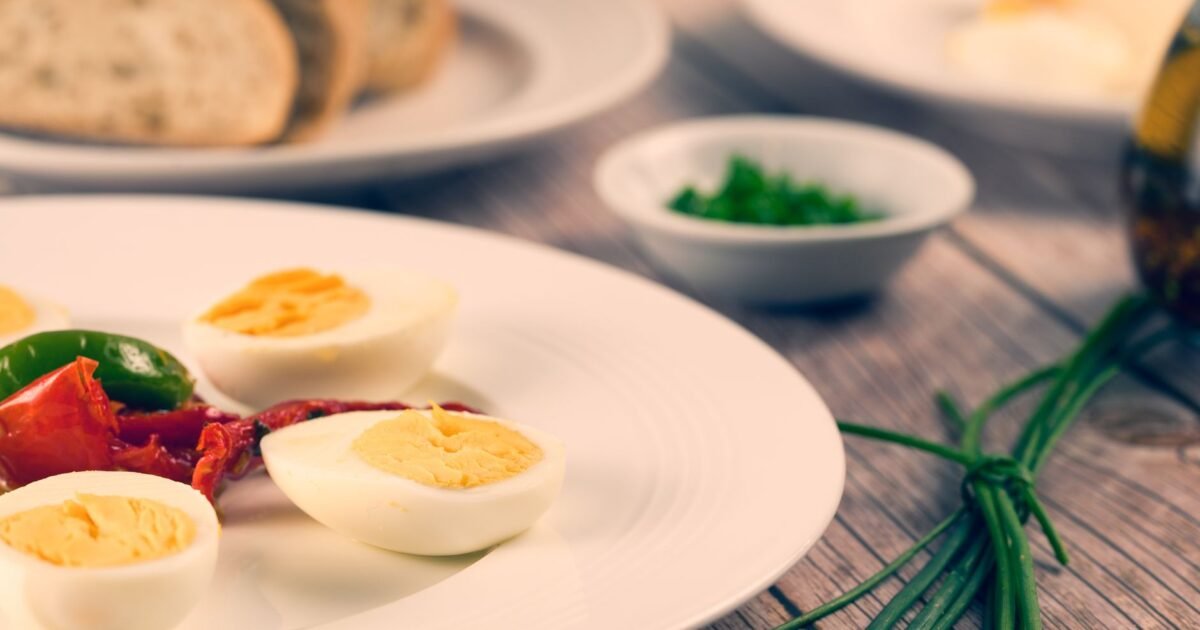
- Hard-Boiled Eggs: Nature’s perfect protein package. Portable, affordable, and incredibly filling. Keep a batch in your fridge for a quick grab-and-go option.
- Full-Fat Greek Yogurt (Plain): Rich in protein and probiotics. Opt for full-fat to enhance satiety and avoid added sugars. Add a few berries or a sprinkle of chia seeds for extra flavor and fiber.
- Cottage Cheese (Full-Fat): Another excellent source of casein protein, which digests slowly, keeping you full for longer. Pair with sliced cucumber or a few cherry tomatoes for a savory twist.
- Jerky or Biltong (Sugar-Free): A convenient, high-protein snack for when you’re on the move. Always check labels to ensure no added sugars or excessive carbs.
- Cheese Sticks/Cubes: A classic for a reason. Cheese provides protein and fat, making it very satisfying. Choose varieties like cheddar, mozzarella, or provolone.
- Edamame (Steamed): While technically a legume, edamame is relatively low in net carbs and packed with plant-based protein and fiber. Enjoy a small portion, in the pod or shelled.
- Low-Carb Protein Shake: When time is short, a protein shake made with a low-carb protein powder (whey, casein, or plant-based) and water or unsweetened almond milk can be a lifesaver.
Healthy Fat Fuelers
Healthy fats provide sustained energy, support hormone production, and contribute significantly to feelings of fullness without impacting blood sugar.
- Avocado Slices or Guacamole: Creamy, delicious, and packed with monounsaturated fats, potassium, and fiber. Enjoy plain, sprinkled with salt and pepper, or with veggie sticks.
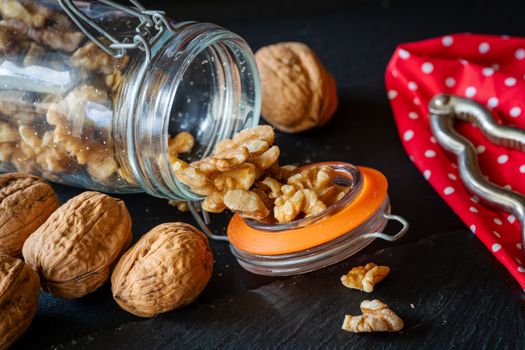
- Nuts (Almonds, Walnuts, Pecans, Macadamias): A handful of nuts offers healthy fats, some protein, and fiber. Macadamias are particularly low in net carbs. Be mindful of portion sizes as they are calorie-dense.
- Seeds (Chia, Flax, Pumpkin, Sunflower): Nutrient powerhouses providing healthy fats, fiber, and some protein. Sprinkle on yogurt, salads, or enjoy a small handful of pumpkin or sunflower seeds.
- Olives: Rich in healthy monounsaturated fats and antioxidants. A small bowl of olives can be a very satisfying savory snack.
- Nut Butter (Sugar-Free): Almond, cashew, or peanut butter (ensure no added sugars) can be spread on celery sticks or bell pepper slices for a creamy, satisfying treat.
Crisp & Crunchy Veggie Delights
Non-starchy vegetables offer fiber, micronutrients, and a satisfying crunch with minimal carbs, making them excellent vehicles for healthy dips or stand-alone snacks.
- Celery Sticks with Nut Butter or Cream Cheese: A classic combination that provides crunch, healthy fats, and flavor.
- Bell Pepper Strips with Guacamole or Cream Cheese Dip: Colorful and vitamin-rich, bell peppers are perfect for dipping.
- Cucumber Slices with Smoked Salmon or Cream Cheese: Refreshing cucumber paired with savory salmon or creamy cheese makes for an elegant and satisfying snack.
- Cherry Tomatoes: Pop a few for a burst of flavor and antioxidants.
- Radishes: A surprisingly refreshing and peppery low-carb snack.
- Broccoli Florets: Enjoy raw with a healthy dip or lightly steamed for a nutrient-dense crunch.
Quick & Convenient Combinations
Sometimes you need a snack that’s ready in seconds or combines different elements for maximum satisfaction. These ideas are perfect for busy schedules.
- Cheese and Olives: A simple yet sophisticated combination of healthy fats and protein.
- Deli Meat Roll-Ups: Roll slices of turkey, ham, or roast beef around a piece of cheese, a pickle spear, or some avocado.
- Berries (Small Portion) with Whipped Cream: A small handful of low-carb berries (strawberries, raspberries, blackberries) with unsweetened full-fat whipped cream can satisfy a sweet craving.
- Seaweed Snacks (Plain): Crispy, salty, and very low in calories and carbs. Choose varieties roasted in olive or sesame oil.
- Fat Bombs (Homemade): These small, energy-dense treats are typically made from healthy fats like coconut oil, nut butter, and sometimes a touch of cocoa powder or sweetener. Great for specific keto goals, but consume sparingly for weight loss due to high calorie count.
- Leftover Low-Carb Dinner Portions: Don’t underestimate the power of last night’s chicken and broccoli or a small piece of salmon. Repurposing leftovers is efficient and ensures you’re eating whole foods.
- Sugar-Free Gelatin: For a light, sweet treat that’s virtually carb-free and very low calorie.
- Canned Tuna or Salmon: Mixed with a little mayo (avocado oil mayo is a great choice) and celery, or enjoyed plain with a squeeze of lemon, these provide excellent protein and omega-3s.
- Pork Rinds: A surprisingly low-carb, high-fat, and high-protein crunchy snack. Excellent for dipping into guacamole or salsa.
Smart Snacking Strategies for Sustainable Weight Loss
Having a list of snacks is one thing; integrating them effectively into your lifestyle is another. Here are strategies to make low-carb snacking a powerful ally in your weight loss journey:
1. Plan Ahead and Prep
Spontaneous snacking often leads to poor choices. Dedicate time each week to prepare low-carb snacks. Hard-boil a dozen eggs, portion out nuts and seeds into small containers, wash and cut veggies. When healthy options are readily available, you’re much less likely to reach for convenience foods that derail your progress.
2. Listen to Your Body’s True Hunger Signals
Before you grab a snack, pause and assess your hunger. Are you genuinely hungry, or are you bored, stressed, thirsty, or just craving something? Distinguishing true physiological hunger from emotional or habitual eating is a crucial skill for weight loss. If you’re not truly hungry, try drinking water, going for a walk, or engaging in a distracting activity first.
3. Avoid “Diet” Foods with Hidden Carbs or Artificial Ingredients
Many products marketed as “diet,” “low-fat,” or even “keto-friendly” can be problematic. They often compensate for reduced fat or sugar with artificial sweeteners, refined flours, or hidden sugars that can still trigger cravings or have adverse metabolic effects. Stick to whole, recognizable ingredients as much as possible.
4. Read Labels Diligently
Even for seemingly innocent items, always check the nutrition label. Look for net carbs (total carbs minus fiber). Be wary of ingredients lists that include multiple forms of sugar, modified starches, or unhealthy oils (like soybean or canola oil).
5. Hydrate, Hydrate, Hydrate
As mentioned earlier, thirst can often be mistaken for hunger. Keep a water bottle handy and sip throughout the day. Water not only helps with satiety but is essential for countless bodily functions, including metabolism.
6. Don’t Over-Snack
While low-carb snacks are healthier, they still contain calories. If your goal is weight loss, a caloric deficit is generally required. Even healthy fats and proteins can contribute to a calorie surplus if consumed excessively. Aim for one or two planned snacks between meals, if needed, rather than continuous grazing.
7. Make it Enjoyable and Varied
Eating the same few snacks repeatedly can lead to boredom and a desire for less healthy options. Experiment with different combinations, flavors, and textures from the list above. Keep your palate engaged and your meals exciting.
8. Mindful Eating Practices
When you do snack, make it a mindful experience. Sit down, put away distractions, and savor each bite. Pay attention to the taste, texture, and how your body feels as you eat. Mindful eating can enhance satisfaction and prevent mindless overconsumption.
Common Pitfalls to Avoid
Even with the best intentions, it’s easy to stumble. Being aware of common low-carb snacking pitfalls can help you navigate your journey more smoothly.
1. Hidden Carbs in Seemingly “Safe” Foods
This is a big one. Dressings, sauces, marinades, condiments (ketchup, BBQ sauce), processed meats (some deli meats), and even some spices can contain significant amounts of added sugar or starches. Always check labels, and opt for homemade or clearly labeled low-carb versions.
2. Over-reliance on Artificial Sweeteners
While often carb-free, artificial sweeteners can still trigger cravings for sweet foods in some individuals, potentially leading to overeating or a desire for sugary snacks later. Some research also suggests they may impact gut microbiome health. Use them sparingly, and prioritize naturally sweet low-carb options like a few berries.
3. Excessive Snacking, Even on Healthy Foods
As noted, even healthy fats and proteins contribute calories. If you’re constantly grazing, even on low-carb items, you might inadvertently consume too many calories, stalling your weight loss. Stick to planned snacks when genuinely hungry.
4. Lack of Fiber
While cutting down on starchy carbs, ensure you’re still getting enough fiber from non-starchy vegetables, nuts, and seeds. Fiber is crucial for digestive health, satiety, and blood sugar control. Neglecting fiber can lead to constipation and other digestive issues.
5. Ignoring Protein Quality
Not all protein is created equal. While jerky is convenient, prioritize whole, minimally processed protein sources like eggs, Greek yogurt, cheese, and lean meats. These offer a broader spectrum of amino acids and micronutrients.
6. Not Drinking Enough Water
We can’t stress this enough. Dehydration often mimics hunger. If you’re consistently feeling hungry shortly after eating, consider whether you’re drinking enough water throughout the day. Aim for at least 8 glasses, and more if you’re active.
7. Falling for “Keto-Friendly” Junk Food
The rise of low-carb and keto diets has led to a proliferation of “keto-friendly” processed foods like cookies, bars, and chips. Many of these are still highly processed, contain artificial ingredients, and may not be conducive to weight loss or overall health. Focus on real, whole foods instead.
Integrating Low-Carb Snacking into Your Lifestyle
Low-carb snacking shouldn’t feel like a chore; it should be a seamless part of your healthy lifestyle. Here’s how to make it work for you:
Breakfast, Lunch, Dinner Integration
Think of your snacks as extensions of your main meals. If your breakfast was light, a mid-morning snack rich in protein and fat can bridge the gap to lunch. If your lunch was early, an afternoon snack can prevent overeating at dinner. The goal is to maintain stable energy and satiety throughout the day, avoiding extreme hunger that leads to poor choices.
On-the-Go Solutions
Life is busy, but that’s no excuse for unhealthy snacking. Always have a few go-to options ready for work, travel, or errands. Pre-portioned nuts, cheese sticks, hard-boiled eggs, small containers of olives, or sugar-free jerky are excellent portable choices. Invest in a good insulated lunch bag or cooler if you need to carry items like yogurt or avocado.
Family & Social Situations
Navigating social gatherings or family meals can be tricky. If you know unhealthy snacks will be abundant, bring your own low-carb options to share or discreetly enjoy. For children, many low-carb snacks like cheese, nuts (if no allergies), and veggie sticks are healthy for them too. Leading by example is powerful.
Simple Recipe Ideas (Beyond the Basics)
- Bell Pepper Nachos: Slice bell peppers into “chips,” top with melted cheese, ground meat (taco seasoned), and a dollop of guacamole.
- Cream Cheese & Everything Bagel Seasoning: Spread cream cheese on cucumber slices or celery sticks and sprinkle with everything bagel seasoning.
- Caprese Skewers: Cherry tomatoes, fresh mozzarella balls, and basil leaves drizzled with olive oil and balsamic glaze (use sparingly, or a sugar-free version).
- Smoked Salmon Roll-Ups: Spread cream cheese on a slice of smoked salmon, add a sprig of dill, and roll up.
Conclusion
Embracing low-carb snacks is a game-changer for anyone committed to sustainable weight loss and improved health. By focusing on whole, unprocessed foods rich in protein and healthy fats, you can effectively curb cravings, stabilize blood sugar, boost your body’s fat-burning potential, and maintain consistent energy levels throughout your day.
This guide has equipped you with the knowledge to understand the benefits, the principles for smart selection, and an extensive pantry of delicious, easy-to-prepare low-carb snack ideas. Remember, consistency and mindfulness are key. Plan ahead, listen to your body, and don’t be afraid to experiment with different options to find what works best for you.
Your journey to a leaner, healthier you doesn’t have to be plagued by hunger or deprivation. With the right low-carb snacks in hand, you’re not just losing weight; you’re building a foundation for lifelong vitality and well-being. Start experimenting with these incredible options today, and feel the GetLeanPulse difference!
Photo by Jana Ohajdova on Pexels