How to Meal Plan for Weight Loss: Your Ultimate Guide to Sustainable Results
Embarking on a weight loss journey can feel overwhelming, with countless diets, fads, and conflicting advice bombarding us daily. Yet, amidst the noise, one strategy consistently rises to the top for its effectiveness, sustainability, and profound impact on overall health: meal planning. At GetLeanPulse.com, we believe in empowering you with actionable, science-backed strategies, and mastering the art of meal planning is arguably the most powerful tool you can wield in your quest for a leaner, healthier you.
Meal planning isn’t just about deciding what you’ll eat; it’s about taking control, making conscious choices, and setting yourself up for success long before hunger strikes. It’s the strategic blueprint that transforms vague intentions into tangible results. Imagine a week where every meal contributes to your goals, where impulse eating is minimized, and where you confidently navigate the grocery store and your kitchen with purpose. That’s the power of effective meal planning.
This comprehensive guide will demystify the process, breaking down meal planning for weight loss into simple, manageable steps. We’ll delve into the foundational principles of nutrition, walk you through creating your personalized plan, address common challenges, and equip you with the tools and mindset for long-term success. Whether you’re a complete beginner or looking to refine your existing habits, prepare to transform your relationship with food and unlock the sustainable weight loss you’ve been searching for.
Why Meal Planning is Your Secret Weapon for Weight Loss
The path to weight loss is paved with consistency, smart choices, and a healthy dose of willpower. Meal planning acts as your strategic advantage, minimizing the need for constant decision-making and creating a structured environment where healthy choices become the default.
The Science Behind Structured Eating for Fat Loss
At its core, weight loss boils down to a simple principle: consuming fewer calories than your body expends – creating a “calorie deficit.” However, achieving this consistently, while still feeling satisfied and nourished, is where many stumble. This is where meal planning shines.
- Calorie Control: When you plan your meals, you pre-determine your portion sizes and ingredients, making it significantly easier to track and manage your caloric intake. No more guessing or accidental overeating. You know exactly what’s going into your body, allowing you to reliably stay within your target deficit.
- Nutrient Optimization: Meal planning encourages you to focus on nutrient-dense foods – lean proteins, complex carbohydrates, healthy fats, and an abundance of fruits and vegetables. These foods provide essential vitamins and minerals, promote satiety, and support metabolic function, which is crucial for efficient fat burning and muscle preservation.
- Reduced Impulse Eating: Unplanned meals often lead to last-minute, less healthy choices, driven by hunger and convenience. By having a plan, you eliminate the “what should I eat?” dilemma, drastically reducing the likelihood of reaching for processed snacks, fast food, or oversized portions.
- Improved Satiety: Strategically planning meals with adequate protein and fiber keeps you feeling fuller for longer. This prevents excessive hunger, which is a major trigger for overeating and snacking on high-calorie, low-nutrient foods.
Beyond Calories: The Psychological Benefits
Weight loss is as much a mental game as it is a physical one. Meal planning offers significant psychological advantages that support your journey:
- Stress Reduction: The daily stress of figuring out meals can be immense. Meal planning removes this burden, freeing up mental energy for other tasks and reducing decision fatigue. Knowing your meals are sorted brings a sense of calm and control.
- Enhanced Mindfulness: The act of planning encourages a more mindful approach to eating. You become more aware of what you’re consuming, how it fuels your body, and how it aligns with your goals. This can foster a healthier, more respectful relationship with food.
- Increased Self-Efficacy: Successfully sticking to a meal plan builds confidence and a sense of accomplishment. Each planned meal consumed is a small win, reinforcing your commitment and belief in your ability to achieve your goals.
Practical Advantages: Time, Money, and Reduced Waste
The benefits extend beyond your waistline and mindset:
- Time Saving: While initial planning takes time, it saves hours during the week. Batch cooking allows you to prepare multiple meals at once, streamlining your daily routine. No more frantic cooking after a long day!
- Cost-Effective: Eating out and last-minute grocery runs for convenience foods are expensive. Meal planning allows you to buy ingredients in bulk, take advantage of sales, and avoid costly impulse purchases, saving you significant money in the long run.
- Reduced Food Waste: By planning exactly what you need, you buy only what you’ll use, minimizing spoilage and food waste. This is not only good for your wallet but also for the environment.
The Foundational Principles of Weight Loss Nutrition
Before diving into the “how-to,” it’s crucial to understand the fundamental nutritional principles that underpin effective weight loss. These aren’t just rules; they are the scientific pillars upon which your meal plan should be built.
Understanding Calorie Deficit: The Non-Negotiable Rule
As mentioned, weight loss occurs when you consistently consume fewer calories than your body burns. This deficit forces your body to tap into its stored energy reserves (fat) to make up the difference.
- Basal Metabolic Rate (BMR): This is the number of calories your body burns at rest to maintain basic bodily functions (breathing, circulation, etc.).
- Total Daily Energy Expenditure (TDEE): This is your BMR plus the calories burned through physical activity (exercise, daily movement).
- Calculating Your Deficit: To lose weight, you need to eat below your TDEE. A common recommendation is to aim for a deficit of 500-750 calories per day, which typically results in a sustainable weight loss of 1-1.5 pounds per week (since 3,500 calories roughly equals one pound of fat). Online calculators can estimate your BMR and TDEE based on your age, sex, weight, height, and activity level. Start by finding your TDEE and then subtract your desired deficit.
Macronutrients: Fueling Your Body for Fat Loss and Muscle Preservation
Macronutrients – protein, carbohydrates, and fats – are the nutrients your body needs in large amounts to provide energy and support bodily functions. Balancing them correctly is vital for weight loss, satiety, and maintaining muscle mass.
- Protein (4 calories/gram): The king of macros for weight loss. Protein is highly satiating, meaning it keeps you feeling full for longer, reducing the urge to snack. It also has a higher thermic effect of food (TEF) than carbs or fats, meaning your body burns more calories digesting it. Crucially, adequate protein intake helps preserve lean muscle mass during a calorie deficit, which is essential for maintaining a healthy metabolism. Aim for 0.7-1 gram of protein per pound of body weight.
- Sources: Lean meats (chicken breast, turkey, lean beef), fish, eggs, dairy (Greek yogurt, cottage cheese), legumes, tofu, protein powder.
- Carbohydrates (4 calories/gram): Your body’s primary energy source. For weight loss, focus on complex carbohydrates, which are rich in fiber, digest slowly, and provide sustained energy without sharp blood sugar spikes and crashes. Limit refined sugars and highly processed carbs.
- Sources: Whole grains (oats, quinoa, brown rice, whole-wheat bread), starchy vegetables (sweet potatoes, corn), fruits, legumes.
- Fats (9 calories/gram): Essential for hormone production, nutrient absorption, and overall health. While calorie-dense, healthy fats contribute to satiety and provide a steady source of energy. Focus on unsaturated fats and limit saturated and trans fats.
- Sources: Avocados, nuts, seeds, olive oil, fatty fish (salmon, mackerel).
A common macronutrient split for weight loss might be 30-40% protein, 30-40% carbohydrates, and 20-30% healthy fats, but this can vary based on individual preferences and activity levels.
Micronutrients and Fiber: The Unsung Heroes
While macros provide energy, micronutrients (vitamins and minerals) are crucial for countless bodily processes, including metabolism, immune function, and energy production. Fiber, though not a micronutrient, is often found in the same foods and is indispensable for weight loss.
- Fiber: Found in plants, fiber adds bulk to your diet without adding many calories. It promotes digestive health, helps regulate blood sugar, and significantly increases satiety, making you feel full faster and longer. Aim for 25-35 grams per day.
- Sources: Fruits, vegetables, whole grains, legumes, nuts, seeds.
- Vitamins and Minerals: A diet rich in whole, unprocessed foods naturally provides a wide spectrum of essential vitamins and minerals. These support everything from energy metabolism to hormone balance, all of which indirectly impact weight management.
By prioritizing whole foods, you naturally optimize your micronutrient and fiber intake.
Hydration: Often Overlooked, Always Essential
Water is often forgotten in weight loss discussions, but it plays a critical role:
- Satiety: Drinking water before meals can help fill your stomach, potentially reducing overall food intake.
- Metabolism: Water is essential for all metabolic processes, including fat burning. Even mild dehydration can slow metabolism.
- Distinguishing Hunger from Thirst: Our bodies sometimes confuse thirst for hunger. Staying well-hydrated can prevent unnecessary snacking.
- Digestive Health: Adequate water intake, combined with fiber, prevents constipation, which can be a common side effect of dietary changes.
Aim for at least 8 glasses (64 ounces) of water daily, and more if you’re active or in a hot climate.
Step-by-Step Guide to Creating Your Weight Loss Meal Plan
Now that you understand the “why” and the nutritional “what,” let’s dive into the practical “how” of building your personalized meal plan.
Step 1: Assess Your Current Needs and Goals
Before you can plan, you need to know where you’re starting and where you want to go.
- Current Status: Note your current weight, height, age, sex, and activity level. Be honest about your activity – are you sedentary, lightly active, moderately active, or very active?
- Weight Loss Goal: Define a realistic and healthy target weight. Aim for a gradual loss of 1-2 pounds per week for sustainable results.
- Dietary Preferences & Restrictions: Do you have any allergies (nuts, dairy, gluten)? Are you vegetarian, vegan, or do you follow a specific eating pattern (e.g., Mediterranean, low-carb)? Incorporate these into your plan to ensure adherence.
- Time Availability: How much time can you realistically dedicate to cooking and meal prep each week? This will influence the complexity of your recipes and your batch cooking strategy.
- Budget: Determine how much you’re willing to spend on groceries. This will guide your food choices (e.g., opting for seasonal produce, buying in bulk).
Step 2: Calculate Your Calorie and Macro Targets
This is a critical step for an effective weight loss plan.
- Estimate Your TDEE: Use an online TDEE calculator (search “TDEE calculator” on Google). Input your stats from Step 1.
- Determine Your Calorie Deficit: Subtract 500-750 calories from your TDEE to get your daily target calorie intake for weight loss. For example, if your TDEE is 2500 calories, aim for 1800-2000 calories per day.
- Set Macronutrient Ratios: As a starting point, aim for:
- Protein: 30-40% of total calories
- Carbohydrates: 30-40% of total calories
- Fats: 20-30% of total calories
Example (for 1800 calories):
- Protein (35%): 1800 * 0.35 = 630 calories / 4 calories/g = 157.5g
- Carbohydrates (35%): 1800 * 0.35 = 630 calories / 4 calories/g = 157.5g
- Fats (30%): 1800 * 0.30 = 540 calories / 9 calories/g = 60g
These numbers will be your guiding light. Don’t worry about being perfect initially; consistency is more important than absolute precision.
Step 3: Choose Your Planning Horizon
How far in advance do you want to plan?
- Daily Planning: Good for beginners or those who prefer flexibility. Less commitment, but requires daily effort.
- Weekly Planning (Most Popular): Offers a good balance of structure and flexibility. Allows for batch cooking and efficient grocery shopping. This is what we recommend for most people.
- Bi-Weekly or Monthly Planning: Great for highly organized individuals or those with very limited time during the week. Requires a larger upfront time investment but provides maximum long-term efficiency.
Step 4: Select Your Meals and Recipes
This is where the fun begins! Focus on balanced meals that align with your calorie and macro targets.
- Prioritize Whole, Unprocessed Foods: Base your meals around lean proteins, complex carbohydrates, healthy fats, and plenty of non-starchy vegetables. These are naturally nutrient-dense and promote satiety.
- Keep it Simple: Especially when starting, choose recipes with minimal ingredients and straightforward cooking methods. You don’t need gourmet meals to lose weight.
- Theme Nights: “Meatless Monday,” “Taco Tuesday” (with lean protein and lots of veggies), “Fish Friday” can add variety without overcomplicating things.
- Batch Cooking Friendly: Look for recipes that can be easily scaled up for multiple servings. Soups, stews, casseroles, roasted vegetables, and grilled proteins are excellent for this.
- Variety, But Not Too Much: Eating the same breakfast or lunch for a few days can simplify planning and prep. Introduce variety through different dinners or by rotating staples weekly.
- Portion Control: Be mindful of serving sizes. Use measuring cups and a food scale if needed, especially in the beginning, to accurately track your intake.
Example Meal Ideas:
- Breakfast: Oatmeal with berries and protein powder; Greek yogurt with nuts and fruit; scrambled eggs with spinach and whole-wheat toast.
- Lunch: Large salad with grilled chicken/chickpeas and a light vinaigrette; lentil soup with whole-grain bread; leftover dinner.
- Dinner: Baked salmon with quinoa and steamed broccoli; turkey chili; chicken stir-fry with brown rice; lean beef and veggie skewers.
- Snacks: Apple slices with almond butter; hard-boiled eggs; handful of almonds; cottage cheese with fruit; veggie sticks with hummus.
Step 5: Build Your Grocery List
Once you have your meals planned, create a detailed grocery list. This prevents impulse buys and ensures you have all necessary ingredients.
- Categorize: Group items by grocery store section (produce, dairy, pantry, meat) to save time.
- Check Your Pantry: Before heading to the store, check what you already have to avoid buying duplicates.
- Stick to the List: This is crucial for budget and avoiding unhealthy temptations.
Step 6: Prep for Success: The Power of Batch Cooking
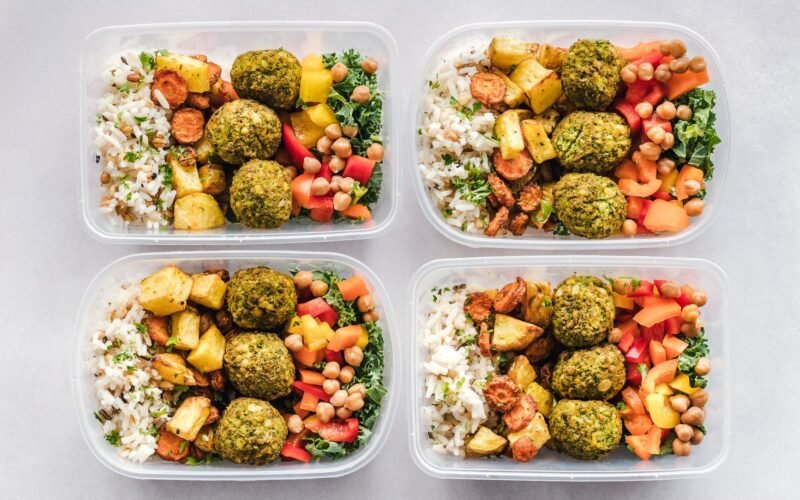
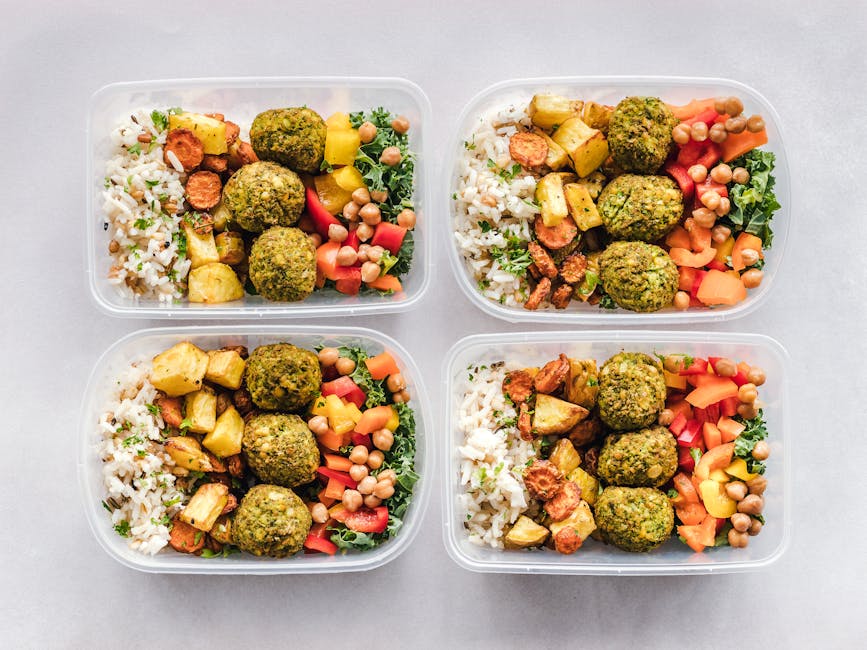
This is where your meal plan truly comes to life. Dedicate a few hours one day a week (e.g., Sunday afternoon) to prep ingredients or cook entire meals.
- Wash and Chop Produce: Pre-cut vegetables for stir-fries, salads, or snacks.
- Cook Grains: Prepare a large batch of quinoa, brown rice, or farro for the week.
- Cook Proteins: Grill, bake, or boil chicken breasts, hard-boil eggs, or cook a batch of ground turkey.
- Prepare Dressings/Sauces: Make your own healthy vinaigrettes or sauces to avoid store-bought versions high in sugar and unhealthy fats.
- Assemble Components: For some meals, you can pre-assemble components (e.g., salad jars, overnight oats) and combine them fresh when it’s time to eat.
- Proper Storage: Use airtight containers to keep food fresh in the refrigerator (up to 3-4 days) or freezer (for longer storage). Label with dates.

Step 7: Execute and Adapt
Your plan is ready! Now, put it into action. Be prepared to adjust.
- Follow Your Plan: Stick to your planned meals and snacks.
- Track Progress: Consider using a food tracking app (like MyFitnessPal or LoseIt!) to log your intake, especially in the beginning, to ensure you’re hitting your calorie and macro targets.
- Listen to Your Body: Pay attention to hunger and fullness cues. If you’re consistently ravenous, you might need to slightly increase your calories or adjust your macro balance (e.g., more protein/fiber). If you’re feeling too full, you might be eating too much.
- Be Flexible: Life happens. If a meal doesn’t go as planned, don’t throw in the towel. Make the best choice you can in the moment and get back on track with your next meal.
- Review and Refine: At the end of each week, review what worked and what didn’t. Did you enjoy the meals? Were you satiated? Were your goals met? Adjust your plan for the following week based on your experience.
Essential Components of a Balanced Weight Loss Meal Plan
Let’s look at what balanced, weight-loss-friendly meals typically consist of throughout the day.
Breakfast Ideas: Kickstarting Your Metabolism
A protein-rich breakfast helps stabilize blood sugar, reduces cravings later in the day, and provides sustained energy.
- High-Protein Oatmeal: ½ cup rolled oats cooked with water/unsweetened almond milk, mixed with 1 scoop protein powder (or 2 egg whites cooked in), topped with ¼ cup berries and 1 tbsp chia seeds.
- Greek Yogurt Parfait: 1 cup plain Greek yogurt, ½ cup mixed berries, 2 tbsp chopped nuts (almonds/walnuts).
- Scrambled Eggs with Veggies: 3-4 egg whites (or 1 whole egg + 2 whites) scrambled with spinach, bell peppers, and mushrooms, served with 1 slice of whole-wheat toast.
- Smoothie: 1 scoop protein powder, 1 cup spinach, ½ banana, ½ cup mixed berries, 1 tbsp almond butter, unsweetened almond milk.
Lunch Ideas: Powering Through Your Day
Keep lunch balanced and satisfying to avoid afternoon energy slumps and unhealthy snacking.
- Large Salad with Lean Protein: Mixed greens, grilled chicken breast (4-5 oz) or chickpeas (½ cup), various non-starchy vegetables (cucumber, tomatoes, carrots), and a light vinaigrette (e.g., olive oil and vinegar).
- Leftover Dinner: This is the ultimate time-saver! Simply portion out your dinner from the night before.
- Turkey & Veggie Wrap: Large whole-wheat tortilla with sliced turkey breast (4 oz), lettuce, tomato, cucumber, bell pepper strips, and a smear of hummus or mustard.
- Quinoa Bowl: ½ cup cooked quinoa, 4 oz baked salmon or tofu, roasted vegetables (broccoli, sweet potato chunks), and a drizzle of lemon-tahini dressing.
Dinner Ideas: Satisfying and Light
Focus on lean protein, plenty of non-starchy vegetables, and a modest portion of complex carbohydrates.
- Baked Chicken or Fish: 5-6 oz baked chicken breast or white fish (cod, tilapia), served with 1 cup steamed green beans and ½ cup brown rice or roasted sweet potato.
- Lean Ground Turkey Stir-fry: 4-5 oz ground turkey cooked with a medley of colorful vegetables (broccoli, carrots, snap peas, bell peppers) and a low-sodium soy sauce/ginger/garlic sauce, served over ½ cup brown rice.
- Lentil Soup or Chili: A hearty bowl of homemade lentil soup or turkey/bean chili, packed with vegetables. Serve with a small side salad.
- Veggie & Shrimp Skewers: Grilled shrimp (4-5 oz) with zucchini, cherry tomatoes, and bell peppers, served with a small serving of whole-wheat couscous.
Snack Ideas: Bridging the Gaps Smartly
Snacks should be purposeful, nutrient-dense, and portion-controlled to keep hunger at bay without derailing your calorie goals.
- Fruit with Nut Butter: 1 medium apple or banana with 1-2 tbsp almond or peanut butter.
- Hard-Boiled Eggs: 2 hard-boiled eggs for a quick protein boost.
- Cottage Cheese with Fruit: ½ cup low-fat cottage cheese with ½ cup berries.
- Vegetable Sticks with Hummus: 1 cup carrot, celery, or bell pepper sticks with 2-3 tbsp hummus.
- Handful of Nuts: ¼ cup almonds, walnuts, or cashews.
- Protein Shake: 1 scoop protein powder mixed with water or unsweetened almond milk.
Sample 1-Day Meal Plan (Example)
Here’s an example of how a full day might look, totaling approximately 1800 calories, 150g protein, 160g carbs, 60g fat (adjust portions based on your specific targets):
- Breakfast (approx. 400 calories):
- 1 cup plain Greek yogurt (0% fat)
- ½ cup mixed berries
- 2 tbsp chopped walnuts
- 1 tbsp chia seeds
- Snack 1 (approx. 150 calories):
- 1 medium apple
- 1 tbsp almond butter
- Lunch (approx. 450 calories):
- 4 oz grilled chicken breast
- 2 cups mixed greens
- ½ cup sliced cucumber, ¼ cup cherry tomatoes
- 2 tbsp light vinaigrette (e.g., olive oil & balsamic)
- ½ cup cooked quinoa
- Snack 2 (approx. 150 calories):
- 1 hard-boiled egg
- 1 cup carrot sticks
- Dinner (approx. 650 calories):
- 5 oz baked salmon
- 1 cup roasted broccoli
- 1 medium sweet potato (baked)
- 1 tbsp olive oil (for cooking/dressing veggies)
Overcoming Common Meal Planning Challenges
Even the best-laid plans can encounter hurdles. Here’s how to navigate common challenges and stay on track.
Time Constraints: Streamlining Your Process
“I don’t have time” is a common refrain. But meal planning, when done strategically, actually *saves* time.
- Prioritize Batch Cooking: As discussed, dedicate a few hours on a weekend to cook staples (grains, proteins) and chop veggies.
- Simple Recipes: Opt for recipes with 5-7 ingredients and minimal steps. Think sheet pan meals, one-pot dishes, or slow cooker recipes.
- Utilize Pre-Prepped Ingredients: Don’t be afraid to buy pre-chopped vegetables, rotisserie chicken, or canned beans/lentils (rinse well!) if it saves you time. The goal is progress, not perfection.
- Double Recipes: When you cook dinner, double the recipe and save half for lunch the next day or freeze for a future meal.