
Collagen Benefits: The Ultimate Guide to Radiant Skin and Robust Joints
In our relentless pursuit of vitality and youthful longevity, few compounds capture the imagination quite like collagen. Often hailed as the “fountain of youth” or the body’s essential “super glue,” collagen is more than just a buzzword in the health and beauty industry; it’s a fundamental protein that underpins our physical structure and plays a critical role in maintaining our health from the inside out. At GetLeanPulse.com, we believe in empowering you with science-backed insights to optimize your well-being, and today, we’re diving deep into the transformative world of collagen.
From the smoothness of your skin to the flexibility of your joints, collagen is an indispensable architect of your body. As we age, our natural collagen production diminishes, leading to the familiar signs of aging: wrinkles, sagging skin, and stiff, aching joints. But what if there was a way to replenish this vital protein, effectively turning back the clock on both appearance and function? This comprehensive guide will unravel the mysteries of collagen, exploring its profound benefits for your skin and joints, helping you understand how to harness its power to live a more vibrant, active, and youthful life.
Prepare to discover why collagen isn’t just a trend, but a cornerstone of holistic health, offering a bridge to enhanced beauty and enduring strength. Let’s embark on this journey to uncover the science, the sources, and the undeniable advantages of integrating collagen into your daily regimen.
Understanding Collagen: The Body’s Master Builder
Before we delve into the specific benefits, let’s establish a clear understanding of what collagen is and why it’s so crucial. Collagen is the most abundant protein in the human body, accounting for approximately one-third of its total protein content. Imagine it as the primary structural protein, forming a strong, flexible scaffold that holds everything together. It’s the key component of connective tissues, including skin, bones, tendons, ligaments, and cartilage.
Structurally, collagen is a complex protein made up of amino acids, primarily glycine, proline, and hydroxyproline, which are woven together into a triple helix formation. This unique structure gives collagen its incredible tensile strength, allowing tissues to withstand stretching and pulling forces without tearing. Without sufficient collagen, our bodies would quite literally fall apart.
Where is Collagen Found in Your Body?
- Skin: Provides structure, elasticity, and hydration.
- Bones: Forms the organic matrix upon which minerals are deposited, giving bones flexibility and strength.
- Tendons: Connect muscles to bones, facilitating movement.
- Ligaments: Connect bones to other bones, stabilizing joints.
- Cartilage: Cushions joints, providing a smooth surface for bones to glide over.
- Blood Vessels: Contributes to the structural integrity of vessel walls.
- Organs: Found in the connective tissues of various organs, providing support.
The Many Types of Collagen
While we often speak of “collagen” as a single entity, there are at least 28 different types, each with a specific structure and function. However, a few types dominate and are most relevant to health and supplementation:
- Type I Collagen: This is the most prevalent type, making up about 90% of the body’s collagen. It’s found in skin, bone, tendons, fibrous cartilage, connective tissue, and teeth. It provides tensile strength and is essential for wound healing.
- Type II Collagen: Primarily found in elastic cartilage, which cushions your joints. It’s crucial for joint health and flexibility.
- Type III Collagen: Often found alongside Type I in skin, muscles, and blood vessels. It supports the structure of hollow organs and contributes to skin elasticity and firmness.
- Type IV Collagen: Forms the basement membrane, a thin layer that supports epithelial cells in various tissues, including the skin.
- Type V Collagen: Found in hair, placental tissue, and cell surfaces, often co-distributing with Type I collagen.
When considering collagen supplements, most focus on Type I, II, and III due to their widespread benefits for skin, hair, nails, bones, and joints.
Collagen Synthesis: How Your Body Makes It (and Why It Declines)
Our bodies naturally synthesize collagen through a complex process involving various amino acids and cofactors. One of the most critical cofactors is Vitamin C, which is absolutely essential for the hydroxylation of proline and lysine, amino acids vital for collagen stability and strength. Without sufficient Vitamin C, collagen production can be severely impaired, leading to conditions like scurvy, characterized by weakened connective tissues.
However, as we age, typically starting in our mid-20s to early 30s, our body’s natural collagen production begins to decline. This decline is gradual but relentless, accelerating over time. On average, we lose about 1% of our collagen per year. This decrease in collagen synthesis, coupled with increased collagen degradation, is the primary reason for many age-related changes:
- Skin: Loss of elasticity, increased wrinkles, sagging, and dryness.
- Joints: Thinning cartilage, increased friction, pain, stiffness, and reduced mobility.
- Bones: Decreased bone density and increased fragility.
- Muscles: Loss of muscle mass and strength.
Beyond natural aging, several lifestyle factors can accelerate collagen degradation:
- Excessive Sun Exposure (UV Radiation): Breaks down collagen fibers and impairs new collagen production.
- Smoking: Reduces collagen synthesis and increases its breakdown.
- High Sugar Intake: Leads to the formation of Advanced Glycation End products (AGEs), which damage collagen and elastin, making them stiff and brittle.
- Poor Diet: Lack of essential nutrients like Vitamin C, zinc, and copper, which are crucial for collagen synthesis.
- Chronic Stress and Lack of Sleep: Can negatively impact overall cellular repair and regeneration.
Understanding this natural decline and the factors that exacerbate it is the first step toward strategically replenishing and protecting your body’s most vital protein.

Collagen for Radiant Skin: Unlocking the Fountain of Youth
When it comes to skin health, collagen is truly the unsung hero. It forms a dense, intricate network within the dermis (the skin’s middle layer), providing the structural framework that gives skin its firmness, elasticity, and youthful appearance. Alongside elastin (which provides stretch) and hyaluronic acid (which provides hydration), collagen is indispensable for maintaining a vibrant and healthy complexion.
How Collagen Supports Skin Health
The benefits of collagen for your skin are multifaceted and profound, addressing many of the concerns associated with aging and environmental damage.
1. Enhances Skin Elasticity and Firmness
One of collagen’s most celebrated benefits is its ability to improve skin elasticity. As collagen fibers dwindle and weaken with age, skin loses its ability to “snap back,” leading to sagging, especially around the jawline, neck, and eyes. By providing the building blocks for new collagen, supplements can help restore the skin’s internal support structure, making it feel firmer and appear more lifted. Studies have shown that regular collagen peptide intake can significantly improve skin elasticity, making skin feel more resilient and youthful.
2. Reduces the Appearance of Wrinkles and Fine Lines
Wrinkles and fine lines are direct consequences of declining collagen and elastin. As the skin’s structural integrity weakens, it becomes less able to resist the forces of gravity and repetitive facial movements. Collagen supplements work from within to replenish the collagen matrix, effectively plumping the skin from the inside out. This internal scaffolding helps to smooth out existing wrinkles and may even prevent the formation of new ones. Research consistently demonstrates a reduction in wrinkle depth and volume in individuals supplementing with hydrolyzed collagen.
3. Boosts Skin Hydration
While hyaluronic acid is renowned for its moisture-retaining properties, collagen also plays an indirect yet vital role in skin hydration. A healthy collagen network helps to strengthen the skin barrier function, reducing transepidermal water loss (TEWL). Furthermore, some studies suggest that collagen peptides can stimulate the body’s natural production of hyaluronic acid, leading to improved overall skin moisture levels. Well-hydrated skin appears plumper, smoother, and more radiant.
4. Supports Skin Repair and Regeneration
Collagen is fundamental to the body’s natural wound healing process. It forms the initial matrix for new tissue growth and is crucial for the repair of damaged skin. By providing a rich supply of amino acids, collagen supplements can accelerate skin regeneration, helping minor wounds, blemishes, and even scars to heal more efficiently and with less noticeable marks. This regenerative capacity contributes to an overall healthier and more resilient complexion.
5. Promotes a More Radiant and Even Complexion
Beyond its anti-aging effects, collagen contributes to the overall health and appearance of your skin. By enhancing structure, hydration, and repair mechanisms, it can lead to a more even skin tone, reduced redness, and a natural, healthy glow. Many users report a noticeable improvement in skin luminosity and a reduction in dullness, attributing it to their consistent collagen intake.
Scientific Evidence for Skin Benefits
The scientific community has increasingly focused on the efficacy of oral collagen supplements for skin health. Numerous placebo-controlled clinical trials have yielded positive results. A meta-analysis published in the Journal of Drugs in Dermatology, for instance, concluded that oral collagen supplements significantly increased skin elasticity, hydration, and dermal collagen density. Another review in the International Journal of Dermatology highlighted improvements in skin aging parameters, including wrinkles and skin firmness. These studies underscore that hydrolyzed collagen, being highly bioavailable, is effectively absorbed and utilized by the body to support skin regeneration from within.
Beyond Supplements: Topical Collagen
It’s important to distinguish between oral collagen supplements and topical collagen creams. While topical collagen products can offer temporary hydration and form a protective barrier on the skin’s surface, the collagen molecules are generally too large to penetrate the skin barrier and integrate into the dermis. Therefore, while they might make your skin feel smoother temporarily, they cannot replenish the deep structural collagen in the same way that ingested collagen can. For true anti-aging and structural benefits, oral collagen is the more effective route.
Collagen for Robust Joints: Keeping You Moving Freely
Beyond its aesthetic contributions, collagen plays an equally critical role in our mobility and comfort, particularly within our joints. Our ability to move, bend, and engage in physical activity without pain largely depends on the health of our joint structures, where collagen is a primary component.
The Joint’s Framework: A Collagen-Rich Environment
To appreciate collagen’s role, let’s briefly look at joint anatomy. A typical joint, like your knee or hip, consists of two bones that meet, covered by a layer of articular cartilage. This cartilage is a smooth, rubbery tissue that acts as a shock absorber and reduces friction, allowing bones to glide effortlessly against each other. Ligaments connect bones to bones, providing stability, while tendons connect muscles to bones, facilitating movement. All these crucial components – cartilage, ligaments, and tendons – are incredibly rich in collagen, particularly Type II in cartilage and Type I in tendons and ligaments.
How Collagen Fortifies Joint Health
The decline of collagen with age directly impacts joint health, leading to discomfort, stiffness, and reduced mobility. Supplementing with collagen can offer significant benefits for maintaining and restoring joint function.
1. Supports Cartilage Health and Repair
Articular cartilage is predominantly made of Type II collagen. As we age or engage in strenuous activities, this cartilage can wear down, leading to conditions like osteoarthritis, where bone grinds against bone, causing pain and inflammation. Collagen peptides, especially those rich in Type II collagen, provide the necessary building blocks for the body to repair and rebuild cartilage tissue. They can stimulate chondrocytes (cartilage-producing cells) to synthesize new collagen and other components of the cartilage matrix, helping to maintain its thickness and elasticity.
2. Reduces Joint Pain and Stiffness
One of the most reported benefits of collagen supplementation is the reduction in joint pain and stiffness, particularly in individuals with osteoarthritis or general age-related joint discomfort. By supporting cartilage integrity and reducing inflammation, collagen can significantly improve joint function and alleviate discomfort. This leads to enhanced mobility and a better quality of life, allowing individuals to resume activities they once found challenging.
3. Improves Joint Mobility and Flexibility
With pain reduced and cartilage health improved, joint mobility naturally follows. Collagen helps maintain the smooth, lubricated movement of joints. Stronger ligaments and tendons, thanks to Type I collagen, also contribute to overall joint stability and flexibility. This means greater ease of movement, whether you’re bending down, reaching overhead, or engaging in exercise.
4. Helps Prevent Cartilage Degradation
Beyond repair, collagen can play a protective role. By providing a continuous supply of the necessary precursors, it helps the body to counteract the natural degradation of cartilage that occurs with age and activity. Some studies suggest that collagen peptides can even inhibit the enzymes that break down cartilage, thus slowing the progression of degenerative joint conditions.
5. Contributes to Bone Health
While often associated with calcium, bones are approximately 90% Type I collagen by organic mass. Collagen forms the flexible framework or matrix that gives bones their elasticity and ability to absorb impact. Without sufficient collagen, bones become brittle and more susceptible to fractures, even if mineral density is adequate. Collagen supplementation supports this organic matrix, contributing to overall bone strength and density, complementing the role of minerals like calcium and magnesium.
Scientific Evidence for Joint Benefits
The efficacy of collagen for joint health is well-supported by scientific research. A landmark study published in the journal Osteoarthritis and Cartilage found that athletes supplementing with hydrolyzed collagen experienced a significant reduction in joint pain. Another extensive review in the British Journal of Sports Medicine highlighted the potential for collagen peptides to reduce joint pain and improve physical function in individuals with osteoarthritis. Clinical trials consistently show that consistent intake of collagen peptides can lead to measurable improvements in joint comfort, stiffness, and physical function, particularly over several months of supplementation.
For those suffering from osteoarthritis, undenatured Type II collagen has shown particular promise. This specific type of collagen works through a different mechanism, modulating the immune system to prevent it from attacking the body’s own cartilage, thereby reducing inflammation and supporting cartilage repair. This highlights the importance of choosing the right type of collagen for specific joint concerns.
Choosing Your Collagen: A Guide to Supplements and Sources
With the widespread recognition of collagen’s benefits, the market is flooded with various supplements. Navigating this landscape can be confusing. Here’s what you need to know to make an informed choice.
Why Supplement with Collagen?
While some collagen can be obtained from dietary sources like bone broth, consuming enough for therapeutic benefits can be challenging. Furthermore, the collagen in food is often less bioavailable due to its complex structure. Collagen supplements, particularly hydrolyzed forms, are designed for optimal absorption and utilization by the body.
Types of Collagen Supplements
1. Hydrolyzed Collagen (Collagen Peptides)
This is the most common and generally recommended form of collagen supplement. Hydrolysis is a process where large collagen molecules are broken down into smaller, more easily digestible peptides (short chains of amino acids). These peptides have a low molecular weight, allowing them to be absorbed efficiently into the bloodstream and distributed to tissues like skin, joints, and bones. Hydrolyzed collagen is typically rich in Type I and Type III collagen, making it excellent for overall skin, hair, nails, and bone health, as well as general joint support.
- Pros: Highly bioavailable, easily dissolves in liquids (hot or cold), flavorless, versatile.
- Best For: Overall skin, hair, nail, bone, and general joint health.
2. Gelatin
Gelatin is essentially cooked collagen. When collagen-rich animal parts are simmered, the collagen breaks down into gelatin. It’s what makes broths thicken when cooled. While it contains the same amino acids as hydrolyzed collagen, its molecules are larger and require hot liquid to dissolve. It’s less bioavailable than hydrolyzed collagen but still offers benefits, particularly for gut health due to its unique properties.
- Pros: Good for gut health, can be used in cooking (gummies, desserts).
- Cons: Doesn’t dissolve in cold liquids, less bioavailable than peptides.
3. Undenatured Type II Collagen (UC-II)
This type is specifically derived from chicken sternum cartilage and contains the full, intact triple helix structure of Type II collagen. Unlike hydrolyzed collagen, UC-II works via a different mechanism, often referred to as “oral tolerization.” It helps to modulate the immune system, preventing it from attacking the body’s own collagen in the joints, thereby reducing inflammation and aiding cartilage repair. It’s typically taken in much smaller doses (around 40 mg per day) compared to hydrolyzed collagen.
- Pros: Highly effective for specific joint conditions, particularly osteoarthritis.
- Cons: More expensive, specific to Type II collagen benefits, not for general skin benefits.
Sources of Collagen Supplements
Collagen is exclusively found in animal products. The source determines the type of collagen present and can influence dietary preferences.
1. Bovine Collagen
Derived from the hides, bones, and cartilage of cattle, bovine collagen is a popular and cost-effective source. It is rich in Type I and Type III collagen, making it excellent for skin elasticity, bone strength, gut health, and general joint support.
- Pros: Widely available, cost-effective, rich in Type I and III.
- Considerations: Not suitable for pescatarians or vegans.
2. Marine Collagen
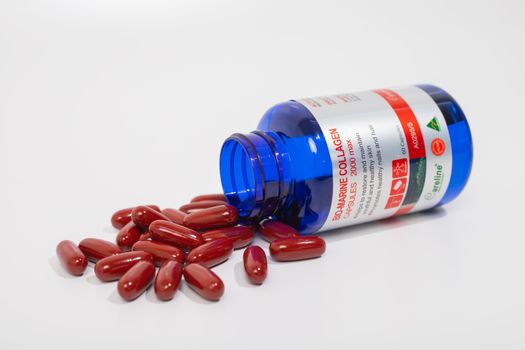
Sourced from the skin and scales of fish, marine collagen is primarily Type I collagen. It’s often touted for its superior bioavailability and smaller peptide size, which some believe makes it even more effective for skin health. It’s a great option for pescatarians.
- Pros: High bioavailability, excellent for skin, hair, and nails, pescatarian-friendly.
- Cons: Can be more expensive, potential fishy aftertaste in some brands (though rare with high-quality products).
3. Chicken Collagen
Derived from chicken cartilage, this source is particularly rich in Type II collagen. It’s often used in supplements specifically targeting joint and cartilage health, such as those containing undenatured Type II collagen.
- Pros: Excellent source of Type II collagen for joint support.
- Cons: Less common for broad-spectrum benefits, not for pescatarians or vegans.
4. Vegan Collagen Boosters (Not True Collagen)
It’s crucial to understand that true collagen is an animal product. There is no such thing as “vegan collagen” in the direct sense. However, vegan collagen “boosters” or “builders” exist. These products contain a blend of plant-based proteins (rich in the amino acids glycine, proline, and hydroxyproline), vitamins (especially Vitamin C), and minerals (like zinc and copper) that are essential cofactors for the body’s natural collagen synthesis. While they don’t provide collagen directly, they support your body’s ability to produce its own. These are a great option for those following a plant-based diet.
- Pros: Suitable for vegans, supports endogenous collagen production.
- Cons: Does not directly provide collagen, effectiveness can vary.
What to Look For in a Collagen Supplement
When choosing a collagen supplement, consider these factors to ensure you’re getting a high-quality product:
- Hydrolyzed Collagen Peptides: For maximum absorption and versatility.
- Specific Collagen Type: Type I & III for skin, hair, nails, and general health; Type II (undenatured) specifically for targeted joint issues.
- Source: Bovine, marine, or chicken, depending on your dietary preferences and specific needs.
- Purity and Third-Party Testing: Look for products that are third-party tested for heavy metals, contaminants, and purity. Certifications like "grass-fed" for bovine or "wild-caught" for marine can indicate higher quality and ethical sourcing.
- No Fillers or Artificial Ingredients: Opt for products with minimal ingredients. Avoid artificial sweeteners, flavors, or colors.
- Flavor/Unflavored: Unflavored powders are versatile and can be added to almost any beverage or food. Flavored options are available if preferred.
- Dosage: For hydrolyzed collagen, typical daily doses range from 10-20 grams. For undenatured Type II collagen, it’s usually 40 mg. Always follow product-specific recommendations.
Dosage and Timing
Consistency is key with collagen supplementation. Most studies show benefits after 4-12 weeks of consistent daily use. For hydrolyzed collagen, a typical dose is 10-20 grams per day. You can take it at any time, with or without food, as its absorption isn’t significantly affected. Many people find it convenient to add to their morning coffee, smoothie, or even water. For undenatured Type II collagen, the dose is much smaller, typically 40 mg once daily, often recommended before bed.
Maximizing Your Collagen Intake and Production
While supplements are an effective way to boost collagen, a holistic approach that includes diet and lifestyle factors can further enhance your body’s natural collagen production and protect existing collagen.
Dietary Sources of Collagen
Incorporating collagen-rich foods into your diet can provide a foundational level of this essential protein.
- Bone Broth: Made by simmering animal bones and connective tissues for extended periods, bone broth is a traditional and potent source of collagen, amino acids, and minerals. It’s excellent for gut health and overall collagen intake.
- Animal Skins and Connective Tissues: Foods like chicken skin, fish skin, and the tougher cuts of meat (which contain more connective tissue) are naturally rich in collagen.
- Gelatin-Rich Foods: Jell-O (homemade with natural ingredients), aspics, and certain desserts can be made with gelatin.
Nutrients That Boost Collagen Production
Even if you’re supplementing, ensuring you have enough of these cofactors is crucial for your body to synthesize and utilize collagen effectively:
- Vitamin C: Absolutely essential for collagen synthesis. Found in citrus fruits, bell peppers, berries, kiwi, and leafy greens.
- Copper: Plays a role in the formation of strong collagen fibers. Found in organ meats, shellfish, nuts, seeds, and dark chocolate.
- Zinc: Involved in collagen synthesis and repair. Found in red meat, poultry, beans, nuts, and dairy.
- Amino Acids (Proline, Glycine, Hydroxyproline): These are the primary building blocks of collagen. While collagen supplements provide these, you can also get them from other protein sources.
- Antioxidants: Help protect existing collagen from damage caused by free radicals. Found in a wide variety of colorful fruits and vegetables.
Lifestyle Factors to Preserve Collagen
Protecting your existing collagen is just as important as producing new collagen. These lifestyle choices can significantly impact your collagen levels:
- Sun Protection: UV radiation is a major collagen destroyer. Always wear broad-spectrum sunscreen, protective clothing, and seek shade, especially during peak hours.
- Avoid Smoking: Smoking drastically reduces collagen synthesis and increases its breakdown, leading to premature aging and impaired healing.
- Limit Sugar and Processed Foods: High sugar intake leads to the formation of Advanced Glycation End products (AGEs), which bind to and damage collagen and elastin, making them stiff and less functional.
- Adequate Sleep: Your body repairs and regenerates tissues, including collagen, during sleep. Aim for 7-9 hours of quality sleep per night.
- Stress Management: Chronic stress can increase cortisol levels, which can have catabolic effects, potentially breaking down proteins like collagen. Practice stress-reducing techniques like meditation, yoga, or spending time in nature.
- Regular Exercise: While intense exercise can sometimes cause wear and tear, moderate, regular physical activity helps improve circulation and nutrient delivery to tissues, supporting overall tissue health and repair.
Addressing Common Questions and Misconceptions About Collagen
As collagen gains popularity, so do questions and myths. Let’s clarify some common points.
1. “Can topical collagen truly penetrate the skin?”
As mentioned, most collagen molecules are too large to penetrate the skin’s outer barrier and reach the dermis where new collagen is formed. Topical collagen products primarily act as humectants, drawing moisture to the skin’s surface, offering temporary hydration and a plumping effect. For deep structural changes, ingested collagen is key.
2. “Is collagen a magic bullet for aging?”
While collagen offers remarkable benefits, it’s not a standalone miracle cure. It’s a powerful tool that works best as part of a holistic approach to health, which includes a balanced diet, regular exercise, adequate sleep, stress management, and sun protection. Think of it as a crucial piece of the puzzle, not the entire solution.
3. “How long does it take to see results from collagen supplements?”
Patience and consistency are vital. Most individuals begin to notice improvements in skin hydration and elasticity within 4-8 weeks, and more significant changes in wrinkles and joint comfort typically appear after 8-12 weeks of consistent daily use. For joint pain, some may feel relief sooner, while others might need several months. Results can vary based on individual metabolism, age, lifestyle, and the severity of initial conditions.
4. “Are there any side effects of taking collagen supplements?”
Collagen supplements are generally considered very safe and well-tolerated. The most common side effects, though rare, are mild digestive issues such as bloating, fullness, or stomach upset. These can often be mitigated by starting with a lower dose and gradually increasing it, or by taking collagen with food. If you have allergies to beef, fish, or chicken, ensure you choose a collagen source that doesn’t trigger your allergies.
5. “Can vegans or vegetarians take collagen?”
True collagen is derived from animal sources, so it is not suitable for vegans or strict vegetarians. However, as discussed, vegan collagen boosters are available. These products contain plant-based ingredients designed to support the body’s natural collagen production. While they don’t provide collagen directly, they offer a viable option for those following plant-based diets to support their connective tissue health.
6. “Does collagen help with hair and nails?”
Yes, many users report improvements in hair and nail health. Collagen provides amino acids that are essential building blocks for keratin, the primary protein in hair and nails. Regular supplementation can lead to stronger, less brittle nails and potentially thicker, healthier hair, reducing hair loss and increasing growth rate.
The
Photo by Madalina Enache on Pexels