How to Safely Lose 10 Pounds in 2 Weeks: Your GetLeanPulse Guide
The desire to achieve rapid weight loss is a common one, whether it’s for an upcoming event, to kickstart a longer health journey, or simply to feel better in your own skin. The prospect of losing a significant amount of weight, such as 10 pounds, in a short timeframe like two weeks, often appears enticing. While it’s certainly an ambitious goal, and much of the initial rapid loss will likely be water weight and not pure fat, it is possible to make noticeable progress in 14 days by implementing a disciplined and strategic approach. However, it’s absolutely crucial to approach such a rapid transformation with caution, a clear understanding of the underlying science, and a strong emphasis on health and safety.
At GetLeanPulse.com, our mission is to empower you with evidence-based information to achieve your health and fitness goals sustainably. This comprehensive guide will delve into the strategies that can help you shed up to 10 pounds in two weeks, explaining the mechanisms behind them, while continually emphasizing the importance of listening to your body, prioritizing your well-being, and setting realistic expectations for long-term success. This isn’t a magic bullet for permanent fat loss, but rather a structured plan for short-term, impactful results.
Is Losing 10 Pounds in 2 Weeks Healthy? Setting Realistic Expectations
Before diving into the “how,” let’s address the critical question: is it healthy to lose 10 pounds in two weeks? Generally, health experts recommend a sustainable weight loss rate of 1-2 pounds per week for lasting fat loss. Losing 10 pounds in two weeks, or 5 pounds per week, is considered aggressive and will primarily involve a significant reduction in water weight and glycogen stores, alongside some actual fat loss. It’s important to understand that:
- Initial Loss is Often Water Weight: A substantial portion of rapid weight loss in the first week or so is due to a reduction in water stored in your body. When you cut back on carbohydrates and sodium, your body sheds water. For every gram of glycogen (stored carbs), your body stores about 3-4 grams of water.
- Not Sustainable Long-Term: The intense caloric restriction and exercise required for such rapid loss are not designed for long-term adherence. This is a short-term “reset” or “kickstart,” not a permanent lifestyle change.
- Potential Side Effects: Rapid weight loss can lead to fatigue, irritability, nutrient deficiencies (if not managed carefully), muscle loss, and a potential rebound effect if not transitioned into a sustainable plan.
- Individual Variability: Factors like your starting weight, metabolism, age, sex, and activity level will influence your results. Individuals with more weight to lose may see faster initial results.
Disclaimer: This plan is for generally healthy adults. Before embarking on any rapid weight loss program, especially one as aggressive as aiming for 10 pounds in two weeks, it is absolutely essential to consult with your doctor or a qualified healthcare professional. They can assess your individual health status, identify any underlying conditions, and ensure that such a plan is safe and appropriate for you.
The Foundational Pillars for Rapid Weight Loss
To achieve significant weight loss in a short period, you’ll need to focus on several interconnected strategies that create a substantial calorie deficit, reduce water retention, and boost your metabolism. These pillars include:
- Aggressive Calorie Deficit: This is the cornerstone. You need to consume significantly fewer calories than you burn.
- Strategic Dietary Changes: Focusing on nutrient-dense foods, reducing carbohydrates and sodium, and increasing protein and fiber.
- Intense Exercise Regimen: Combining cardiovascular activity with strength training to burn calories and preserve muscle.
- Optimized Hydration: Drinking plenty of water to support metabolism, satiety, and flush out toxins.
- Adequate Sleep and Stress Management: Crucial for hormonal balance and recovery.
Pillar 1: Creating an Aggressive, Yet Safe, Calorie Deficit
To lose weight, you must burn more calories than you consume. A deficit of 3,500 calories typically equates to one pound of fat. To lose 10 pounds in two weeks (14 days), you’d theoretically need a total deficit of 35,000 calories, or 2,500 calories per day. This is an extremely large deficit and is why much of the initial loss will be water. Pure fat loss at this rate is very difficult and potentially unhealthy.
For a short-term, aggressive plan, aiming for a deficit of 1,000-1,500 calories per day is more realistic and safer for most healthy adults, combining dietary reduction with increased exercise. This means a daily intake of roughly 1,200-1,500 calories for women and 1,500-1,800 calories for men, depending on their baseline caloric needs and activity levels. This is a significant reduction, so nutrient density is paramount.
Pillar 2: Strategic Dietary Changes for Maximum Impact
Your diet will be the primary driver of rapid weight loss. Every food choice needs to be intentional and contribute to your calorie deficit and nutrient needs.
1. Drastically Reduce Carbohydrates (Especially Refined Carbs)
This is perhaps the most effective strategy for rapid initial weight loss due to glycogen depletion. When you reduce carbohydrate intake, your body uses up its stored glycogen. Since glycogen holds a significant amount of water, reducing it leads to a quick drop in water weight. Focus on complex carbs in minimal amounts, and eliminate refined carbs entirely.
- Eliminate: Sugary drinks, fruit juice, white bread, pasta, pastries, cakes, cookies, candy, most cereals, processed snacks.
- Severely Limit: Starchy vegetables (potatoes, corn, peas), grains (rice, oats, quinoa), legumes (beans, lentils), fruits (limit to 1-2 servings of low-sugar fruits like berries per day).
- Focus On: Non-starchy vegetables (leafy greens, broccoli, cauliflower, bell peppers, asparagus, zucchini) which are low in calories and high in fiber and nutrients.
2. Prioritize Lean Protein Intake
Protein is crucial for several reasons when trying to lose weight rapidly:
- Satiety: Protein is the most satiating macronutrient, helping you feel fuller for longer and reducing cravings.
- Muscle Preservation: When in a calorie deficit, there’s a risk of losing muscle mass along with fat. High protein intake helps preserve muscle, which is vital for maintaining a healthy metabolism.
- Thermic Effect of Food (TEF): Protein has a higher TEF than carbs or fats, meaning your body burns more calories digesting and metabolizing protein.
Aim for 0.7 to 1 gram of protein per pound of your target body weight. Good sources include:
- Chicken breast (skinless)
- Turkey breast
- Lean beef (e.g., sirloin, round)
- Fish (salmon, cod, tuna)
- Eggs (especially egg whites)
- Greek yogurt (plain, unsweetened)
- Cottage cheese
- Plant-based proteins (tofu, tempeh, lentils – consume in moderation due to carb content)
3. Include Healthy Fats in Moderation
While fats are calorie-dense, healthy fats are essential for hormone production, nutrient absorption, and satiety. During a rapid weight loss phase, keep fat intake moderate to low to keep total calories down. Focus on unsaturated fats.
- Avocado (small portions)
- Nuts and seeds (very small portions due to high calorie count)
- Olive oil, coconut oil (for cooking, measured carefully)
- Fatty fish (salmon, mackerel – excellent source of Omega-3s)
4. Maximize Fiber Intake
Fiber, found in vegetables and some fruits, is key for satiety and digestive health. It adds bulk to your meals without adding many calories.
- Load up on non-starchy vegetables at every meal.
- Consider psyllium husk or other fiber supplements if your intake from food is insufficient, but prioritize whole foods.
5. Drastically Reduce Sodium
High sodium intake leads to water retention. Cutting down on processed foods, restaurant meals, and added salt will help your body shed excess water weight quickly. Flavor your food with herbs, spices, and lemon juice instead of salt.
6. Eliminate Processed Foods, Sugary Drinks, and Alcohol
- Processed Foods: Often high in calories, unhealthy fats, sugar, and sodium, and low in nutrients. They offer little satiety.
- Sugary Drinks: Empty calories that contribute nothing but sugar. Eliminate sodas, sweetened teas, and fruit juices.
- Alcohol: Contains empty calories, impairs judgment, and can hinder fat burning. Avoid completely during these two weeks.
Sample Daily Meal Plan (Example – adjust portions to meet your calorie goals)
This is a template; focus on the principles of lean protein, non-starchy vegetables, and minimal healthy fats/carbs.
- Breakfast: Scrambled egg whites (3-4) with a large handful of spinach and mushrooms, cooked with a spray of olive oil.
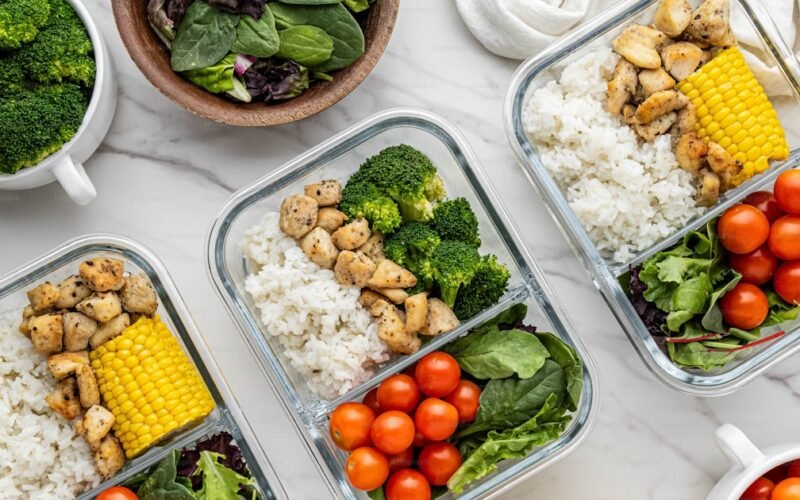
- Lunch: Large salad with 4-6 oz grilled chicken breast or tuna (in water), mixed greens, cucumber, bell peppers, a few cherry tomatoes, and a light vinaigrette (oil and vinegar only).
- Snack (if needed): Small handful of almonds (10-12) or a serving of plain Greek yogurt.
- Dinner: 5-6 oz baked cod or lean steak with a large serving of steamed broccoli and asparagus.
Remember to adjust portion sizes based on your specific calorie target and hunger levels.

Pillar 3: Intense and Strategic Exercise Regimen
Exercise is crucial for increasing your calorie deficit, preserving muscle mass, and boosting your metabolism. To maximize results in two weeks, you’ll need a combination of cardiovascular training and strength training, performed consistently.
1. High-Intensity Interval Training (HIIT)
HIIT involves short bursts of intense exercise followed by brief recovery periods. It’s incredibly efficient for burning calories in a short amount of time and can create an “afterburn effect” (EPOC), where your body continues to burn calories at an elevated rate post-workout.
- Frequency: 3-4 times per week on non-consecutive days.
- Examples: Sprinting (outdoors or treadmill), cycling, jump rope, burpees, mountain climbers.
- Session: 20-30 minutes, including warm-up and cool-down. For example, 1 minute sprint, 1 minute walk/jog, repeat for 15-20 minutes.
2. Strength Training
While cardio burns more calories during the actual workout, strength training builds and preserves muscle mass. Muscle tissue burns more calories at rest than fat tissue, so maintaining or increasing muscle is vital for a healthy metabolism, especially during a calorie deficit.
- Frequency: 3 times per week, full-body workouts.
- Focus: Compound movements that work multiple muscle groups (squats, deadlifts, push-ups, rows, overhead press).
- Intensity: Aim for 3-4 sets of 8-12 repetitions, challenging yourself with adequate weight.
3. Steady-State Cardiovascular Exercise
On days you’re not doing HIIT or strength training, incorporate moderate-intensity cardio to further increase your calorie burn and improve cardiovascular health.
- Frequency: 3-4 times per week.
- Examples: Brisk walking, jogging, cycling, swimming, elliptical.
- Duration: 45-60 minutes.
4. Increase Non-Exercise Activity Thermogenesis (NEAT)
NEAT refers to the calories burned through everyday activities that aren’t formal exercise. Increasing your NEAT can significantly contribute to your daily calorie expenditure.
- Take the stairs instead of the elevator.
- Park further away from your destination.
- Walk or cycle instead of driving for short distances.
- Stand more, sit less.
- Do household chores vigorously.
Aim for at least 10,000 steps per day, in addition to your structured workouts.
Pillar 4: Optimized Hydration
Water is often overlooked but plays a critical role in weight loss:
- Satiety: Drinking water before meals can help you feel fuller, leading to reduced calorie intake.
- Metabolism: Water is essential for countless metabolic processes, including fat metabolism.
- Detoxification: Helps flush out waste products and toxins.
- Reduces Bloating: Paradoxically, drinking more water can help reduce water retention by signaling to your body that it doesn’t need to hold onto fluids.
Aim to drink at least 8-10 glasses (2-3 liters) of water per day. You might need more if you’re exercising intensely. Carry a water bottle with you to ensure consistent intake. Infuse water with cucumber, lemon, or mint for flavor without adding calories.
Pillar 5: Adequate Sleep and Stress Management
These lifestyle factors are often underestimated but are absolutely vital for successful weight loss, especially rapid weight loss.
1. Prioritize Quality Sleep
Lack of sleep disrupts hormones that regulate appetite and metabolism:
- Ghrelin (hunger hormone): Increases when sleep-deprived.
- Leptin (satiety hormone): Decreases when sleep-deprived.
- Cortisol (stress hormone): Increases with poor sleep, which can promote fat storage, especially around the belly.
Aim for 7-9 hours of quality sleep per night. Create a consistent sleep schedule, make your bedroom dark and cool, and avoid screens before bed.
2. Manage Stress Effectively
Chronic stress also leads to elevated cortisol levels, which can hinder weight loss and encourage fat storage. Stress can also lead to emotional eating.
- Incorporate stress-reducing activities into your daily routine: meditation, deep breathing exercises, yoga, spending time in nature, listening to calming music.
- Recognize and address sources of stress where possible.
The 2-Week Action Plan: Combining It All
Here’s a summary of what your two weeks could look like, keeping in mind that consistency is key.
Week 1: The Reset and Rapid Shed
This week focuses heavily on carbohydrate and sodium reduction to initiate rapid water weight loss, combined with an aggressive calorie deficit and consistent exercise.
- Diet: Strict adherence to low-carb, high-protein, high-fiber (non-starchy vegetables), moderate healthy fat. Eliminate all processed foods, sugar, and alcohol. Track your calories meticulously (e.g., 1200-1500 for women, 1500-1800 for men).
- Hydration: 10+ glasses of water daily.
- Exercise:
- Monday: Full-body Strength Training + 30 min brisk walk
- Tuesday: 20-25 min HIIT + 45 min moderate cardio (e.g., cycling)
- Wednesday: Full-body Strength Training + 30 min brisk walk
- Thursday: 45-60 min moderate cardio (e.g., jogging)
- Friday: Full-body Strength Training + 20-25 min HIIT
- Saturday: 60 min moderate cardio (e.g., hiking)
- Sunday: Active recovery (light walk, stretching, yoga)
- Lifestyle: 7-9 hours of sleep, daily stress reduction techniques.
Expect significant drops in weight during this first week, primarily due to water loss. You might feel a bit more tired or irritable as your body adjusts to lower carb intake.

Week 2: Sustaining the Momentum and Fat Loss
The rate of weight loss may slow down slightly as your body adjusts and water weight stabilizes. This week focuses on continuing the deficit to target more fat loss.
- Diet: Continue strict adherence. You might feel less hungry as your body adapts. Re-evaluate calorie intake if you feel excessively deprived or energy levels are dangerously low, but try to maintain the deficit.
- Hydration: Maintain high water intake.
- Exercise: Continue the rigorous schedule. Increase intensity or duration slightly if you feel up to it, but avoid overtraining. Listen to your body to prevent injury or burnout.
- Lifestyle: Maintain sleep and stress management.
By the end of week two, you should see a noticeable difference, with a good portion of the 10 pounds shed. Remember, some days the scale might fluctuate due to water, digestion, or other factors; don’t get discouraged by minor daily variations.
Beyond 2 Weeks: The Transition to Sustainable Weight Loss
Losing 10 pounds in two weeks is a sprint, not a marathon. To keep the weight off and continue your health journey, you must transition to a more sustainable, long-term approach. If you revert to old habits, the weight will likely return quickly.
Here’s how to transition:
- Gradual Calorie Increase: Slowly reintroduce calories, perhaps 100-200 per week, primarily from healthy complex carbohydrates and fats. This helps prevent a metabolic slowdown and reduces the shock to your system.
- Reintroduce Healthy Carbs: Slowly add back whole grains (quinoa, brown rice, oats) and more fruits in moderation. Focus on portion control.
- Maintain Protein & Veggies: Continue to prioritize lean protein and non-starchy vegetables as the foundation of your diet.
- Consistent Exercise: Maintain a regular exercise routine, perhaps slightly less intense than the two-week sprint, but consistent. Aim for 3-4 strength training sessions and 3-4 cardio sessions per week.
- Mindful Eating: Pay attention to hunger and fullness cues. Eat slowly, savor your food, and avoid distractions.
- Long-Term Goals: Set realistic long-term weight loss goals (1-2 pounds per week) and focus on building sustainable habits.
- Listen to Your Body: If you feel unwell, overly fatigued, or experience any concerning symptoms, consult your doctor immediately.
Who Should NOT Attempt This Plan?
While this plan is designed to be as safe as possible for rapid results, it is NOT suitable for everyone. Please avoid this plan if you are:
- Pregnant or breastfeeding.
- Under 18 years of age.
- Have a history of eating disorders.
- Have any chronic medical conditions (e.g., diabetes, heart disease, kidney disease, thyroid disorders) without direct medical supervision.
- Taking certain medications that could interact with dietary changes.
- Feeling unwell or have a compromised immune system.
Always prioritize your health over rapid results. If in doubt, consult a healthcare professional.
Common Challenges and How to Overcome Them
Embarking on such an aggressive plan comes with its challenges. Being prepared can help you stay on track.
- Hunger: You will likely experience hunger, especially in the first few days. Combat this by drinking plenty of water, consuming high-fiber non-starchy vegetables, and ensuring adequate protein intake. Herbal teas can also help.
- Fatigue/Low Energy: Reducing carbs can temporarily deplete energy levels. Ensure you’re getting enough sleep and manage your exercise intensity appropriately. A small amount of caffeine (black coffee, green tea) might help, but avoid sugary energy drinks.
- Cravings: Cravings for sugary or processed foods can be intense. Plan ahead with healthy snacks, distract yourself with an activity, or opt for a healthy, high-protein, low-carb treat if absolutely necessary (e.g., a few berries with plain Greek yogurt).
- Social Situations: Dining out or social gatherings can be difficult. Plan by looking at menus beforehand, choosing lean protein and vegetable options, and politely declining unhealthy choices or alcohol.
- Plateaus: The scale might not move every day. Weight loss is rarely linear. Trust the process, track your adherence, and focus on non-scale victories (e.g., clothes fitting better, increased energy).
Tracking Progress and Staying Motivated
Tracking your progress can provide motivation and insights, but focus on more than just the number on the scale.
- Daily Weigh-Ins (with caution): Weighing yourself daily can show fluctuations (mostly water weight) but can be motivating to see initial drops. However, don’t obsess over daily numbers. Focus on the overall trend.
- Measurements: Take body measurements (waist, hips, chest, arms, thighs) at the beginning and end of the two weeks. Losing inches can be more indicative of fat loss than just scale weight.
- Progress Photos: Before and after photos can be incredibly motivating as they highlight visual changes that the scale might not capture.
- Journaling: Track your food intake, exercise, sleep, and how you feel. This can help identify patterns and areas for improvement.
- Non-Scale Victories: Celebrate increased energy, improved mood, better sleep, clothes fitting differently, or simply sticking to your plan for the full two weeks!
The GetLeanPulse.com Takeaway
Losing 10 pounds in 2 weeks is an aggressive goal that requires significant discipline, strategic dietary changes, and an intense exercise regimen. While much of the initial loss will be water weight due to glycogen depletion and sodium reduction, it can serve as a powerful kickstart to a longer, more sustainable health journey. This plan is designed for short-term, impactful results and is not intended as a long-term solution.
Remember to:
- Consult Your Doctor: Always prioritize safety and speak with a healthcare professional before starting.
- Focus on Nutrient Density: Maximize protein, fiber from non-starchy vegetables, and water.
- Be Consistent: Adherence to both diet and exercise is paramount for these two weeks.
- Prioritize Sleep & Stress: These are non-negotiable for hormonal balance and recovery.
- Plan for the Aftermath: Develop a sustainable strategy for transitioning out of this intense phase to maintain your results and continue your health journey.
At GetLeanPulse.com, we believe in empowering you with the knowledge to make informed decisions for your health. Use this guide as a robust, short-term tool, but always keep your long-term well-being at the forefront of your weight loss endeavors. Sustainable health is the ultimate goal.
Photo by www.kaboompics.com on Pexels